
Merchant Onboarding: Compliance Steps From Application to Go-Live
Merchant onboarding from application to go-live: KYB, underwriting, website review, MATCH, VAMP, transaction laundering, and monitoring after boarding.

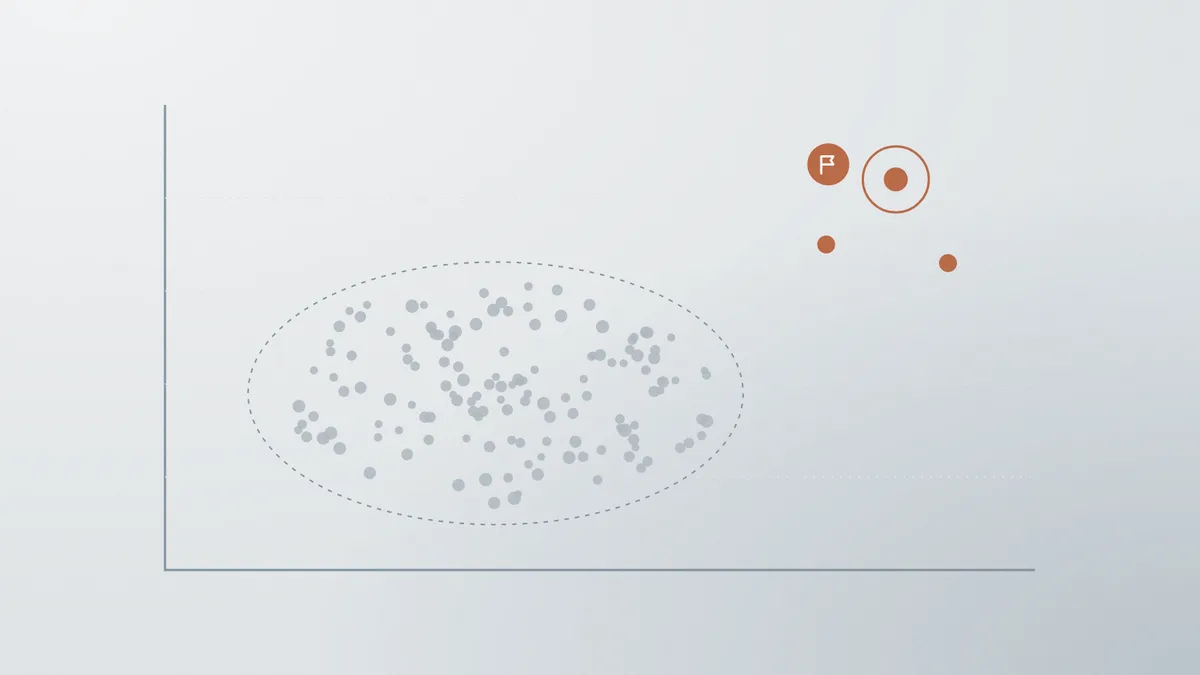
TL;DR: ACH fraud is any fraudulent debit or credit moved over the ACH Network, from unauthorized debits to credits induced by business email compromise. Since June 22, 2026, Nacha's fraud monitoring rules have bound every ODFI, every RDFI, and every non-consumer originator and third party in the origination chain, regardless of volume. In the Federal Reserve's 2026 Risk Officer Survey, 97 percent of institutions reported unauthorized debit fraud in the past year, and 41 percent said account holder scams over ACH were increasing, so detection has to cover both directions of the payment.
ACH fraud is the use of the ACH Network to take or redirect money through entries that were unauthorized or obtained by deception. The network has two directions, and fraud behaves differently in each. A debit pulls money out of an account, so the victim's bank holds the strongest evidence and the return system offers a remedy. A credit pushes money to a receiver, so the originating customer often approved the payment and the money has already reached someone else.
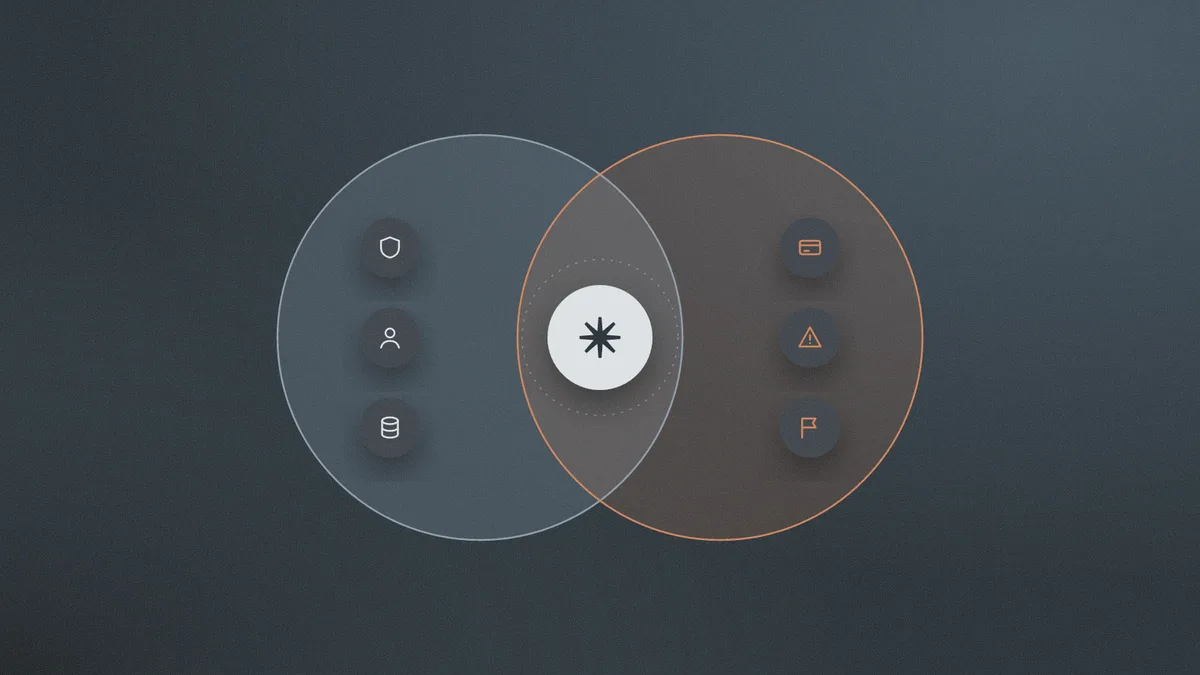
Two parties anchor every detection program. The Originating Depository Financial Institution, or ODFI, sends entries on behalf of its originators. The Receiving Depository Financial Institution, or RDFI, posts them to receivers' accounts. The ODFI knows the originator's normal files, and the RDFI knows the account the money lands in.
The Federal Reserve's 2026 Risk Officer Survey shows the shift. Unauthorized debits remain nearly universal but were described as increasing by only 13 percent of institutions. The sharper growth is in account holder scams, where the customer is deceived into sending the money.
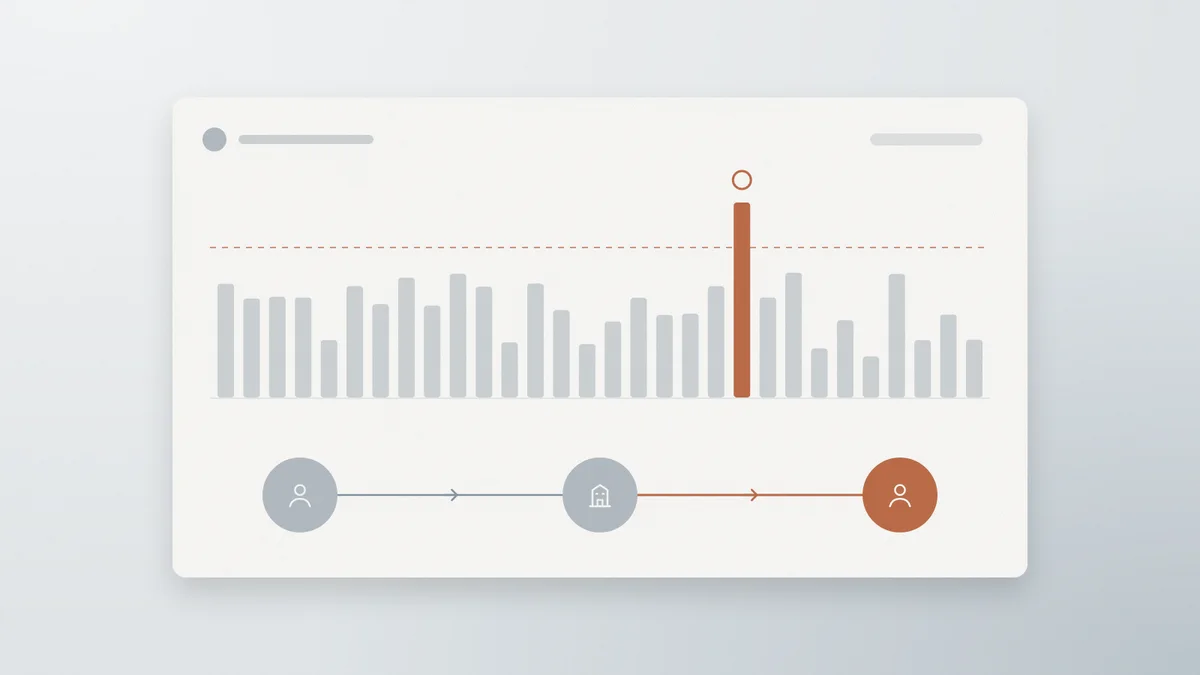
Here an attacker gains access to a business's banking portal or a third-party platform and creates ACH credit batches, often payroll or vendor files, directed to accounts the attacker controls. Login signals are covered in Sphinx's guide to account takeover fraud detection. On the ACH side, the evidence sits in the file: new receivers in an otherwise stable batch, a changed effective date, an unusual shift to Same Day, or limits raised just before submission.
Business email compromise produces an ACH credit that a genuine employee authorizes because an impersonator supplied new payment details. Vendor bank-change requests and payroll diversion are the standard forms. Controls for single high-value transfers are covered in wire fraud detection for banks. ACH differs in that the diverted payment can be one line in a large, routine batch.
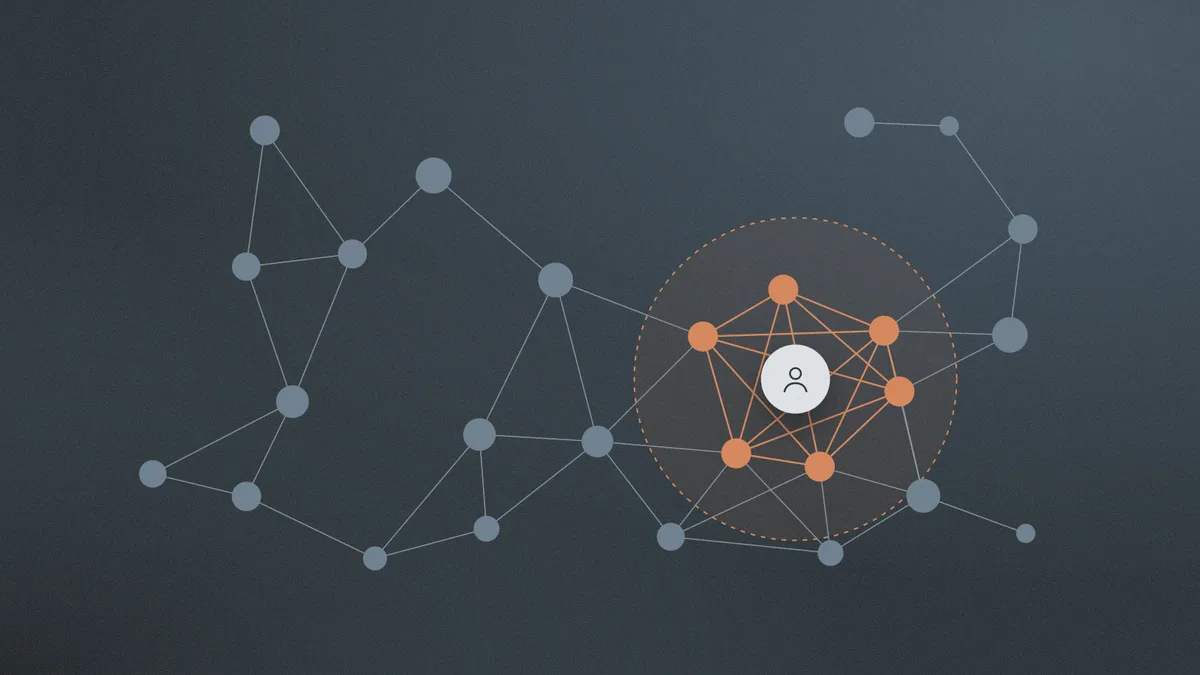
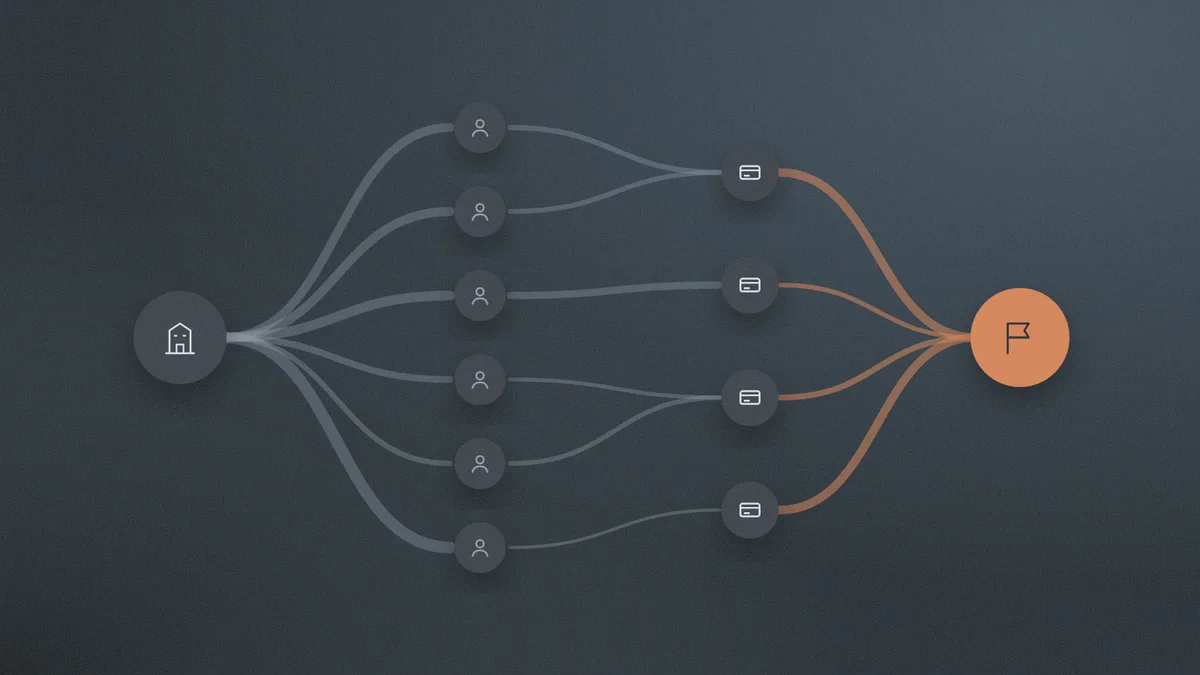
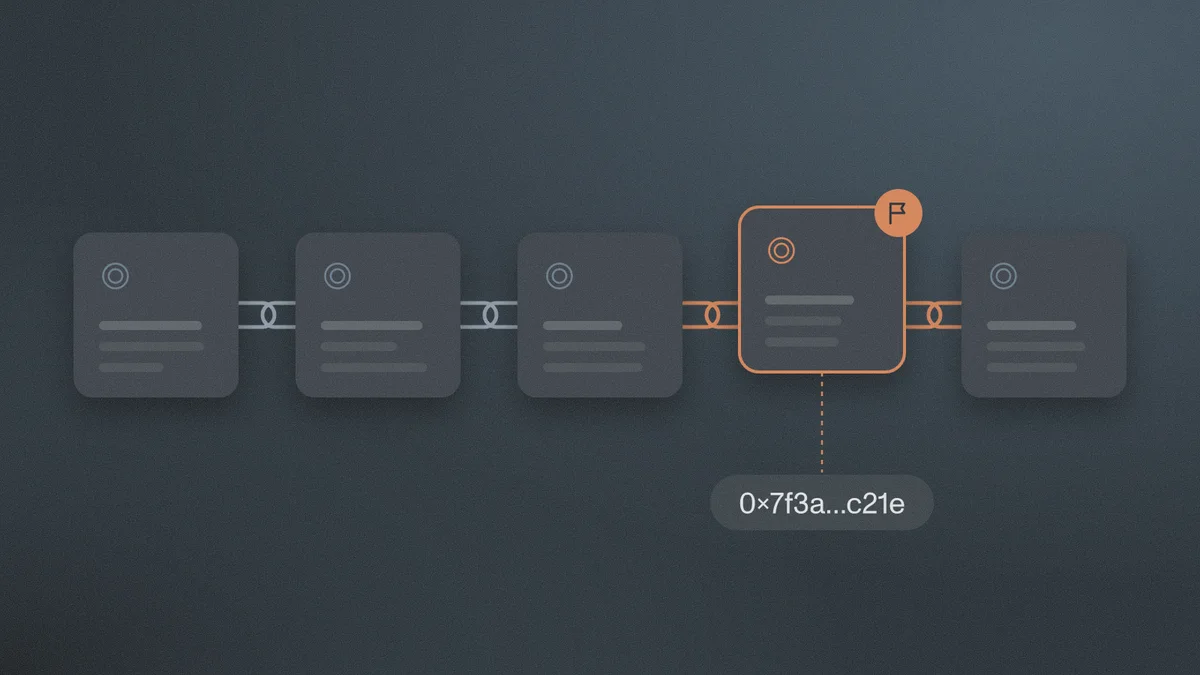
Every credit-push scheme needs a landing account. On ACH, that typically looks like a newly opened or dormant consumer account receiving business-originated credits, payroll from an employer that does not match the customer's profile, or credits from several unrelated originators followed by rapid withdrawal. Mule account investigation covers the follow-through. The Federal Reserve survey notes that, in many cases, institutions learned of a mule account only after its funds were depleted.
The Nacha fraud monitoring rules require covered parties to establish and implement risk-based processes and procedures reasonably intended to identify entries suspected of being unauthorized or authorized under false pretenses. They took effect in two phases, and both have now passed.
The rule text carries a June 19, 2026 date for Phase 2. Because that day is a federal holiday, Nacha set the practical compliance date as Monday, June 22.
Four details get misread:
Related changes touch the same workflow. Company Entry Descriptions for PAYROLL and PURCHASE took effect March 20, giving RDFIs a cleaner field to monitor. On September 18, 2026, Nacha removed the 5:00 p.m. receipt condition, so non-Same Day credits must be available at 9:00 a.m. local time on Settlement Date.
Every return carries a reason code, and read together those codes reveal originator behavior, account testing, and claim abuse. The windows below come from EPCOR's return reason code matrix, published by a Nacha direct member.
The thresholds are ceilings, and they are poor alarms. Nacha limits unauthorized returns to 0.5 percent of an originator's debits, administrative returns to 3 percent, and overall returns to 15 percent. Nacha reports that the average unauthorized debit return rate for the network is 0.05 percent. An originator running at 0.4 percent passes the rule while operating at eight times the network average.
The windows create a blind spot. A consumer debit can come back as unauthorized for 60 days, so an originator's return rate lags its fraud by up to two months. Grouping returns by origination week shows a problem that a trailing average hides. Business accounts have the opposite exposure: R29 has only two banking days, so a company that reconciles weekly can lose the return before it notices the debit.
R10 is the code that cuts both ways. Nacha advises RDFIs to calculate their own unauthorized return rate and investigate a rate around 0.1 percent, since fraudsters may target an institution that does not research claims. Useful checks include whether the originator has debited this receiver before and whether the entry name matches the account. Nacha also cautions that this work should not deter legitimate claims.
Nacha's October 1, 2024 amendments added the tools that make these signals actionable. An RDFI may use R17 with the descriptor QUESTIONABLE to return an entry it believes is fraudulent. An ODFI may request a return for any reason under R06 while indemnifying the RDFI, and since April 1, 2025 the RDFI must respond within 10 banking days. When returning a consumer debit as unauthorized in the extended window, the RDFI must act by the opening of the sixth banking day after completing its review of the signed statement.
An ODFI's advantage is history. Its monitoring should compare each file to the originator's own baseline, and treat third-party senders as a separate risk because their files mix many underlying clients.
An RDFI's advantage is knowledge of the account. Nacha's own list of risk-based factors includes transactional velocity, SEC code mismatches with account type, account age and average balance.
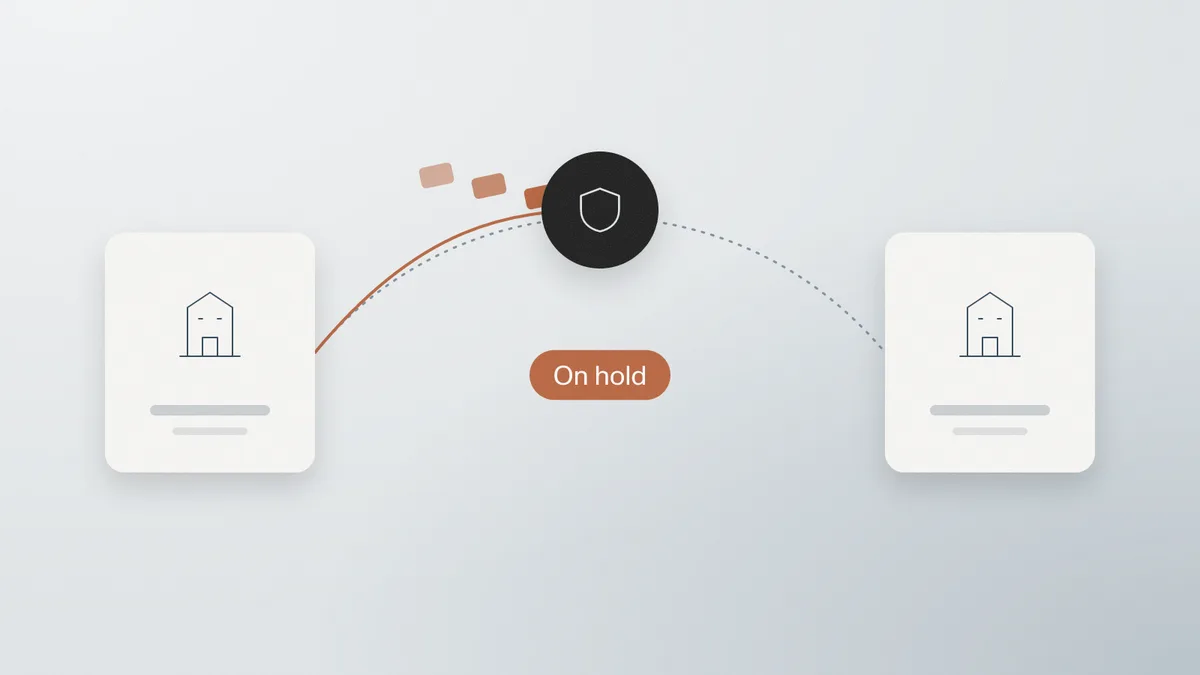
An RDFI that flags a credit has options. It may return the entry, contact the ODFI, or use the funds availability exemption for credits it suspects were originated under false pretenses. Nacha is explicit that an RDFI cannot delay availability merely because it has not screened a credit, and Regulation CC still applies.
Nacha notes that monitoring aligns with existing suspicious activity obligations, and it encourages communication between compliance, operations, product and relationship teams. Institutions that keep ACH returns in operations and transaction monitoring in compliance will struggle with that. A confirmed case can trigger a SAR on either side of the payment, and the FinCEN SAR lists ACH among its fraud categories. Sphinx's guide on when to file a SAR covers thresholds and timing.
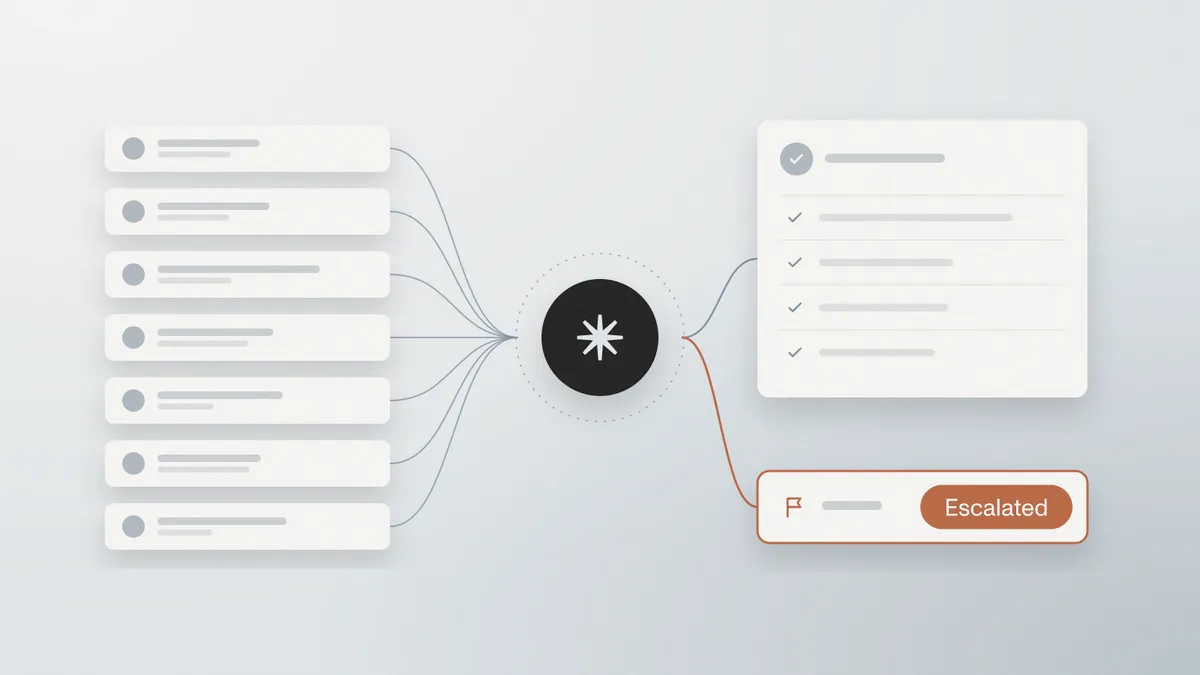
Sphinx investigates alerts inside existing systems. It does not score transactions, block or hold payments, return entries, or connect to bank accounts, and an institution still needs the monitoring processes the Nacha rules require.
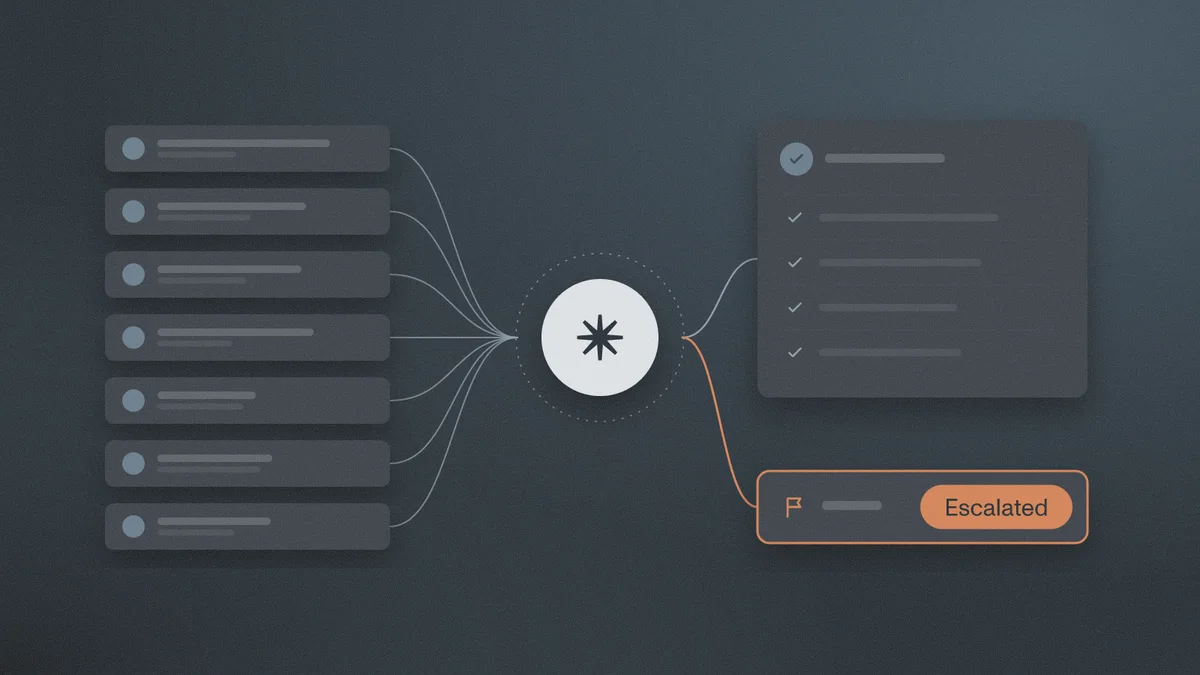
When a monitoring tool raises an ACH alert, Sphinx's AI agents gather the account profile, return history and counterparty context, apply the team's SOPs, and produce a traceable recommendation. The team keeps final approval. Sphinx reports a 3.2-minute median case across its deployments.
ACH fraud is the use of the ACH Network to move money through unauthorized or deceptively obtained entries. The main patterns are unauthorized debits, account takeover origination, BEC-driven credits, and mule receipt.
No. Nacha states that the fraud monitoring rules do not require review before processing or posting. Covered parties must have risk-based processes reasonably intended to identify fraudulent entries, and must review those processes at least annually.
Yes. All ODFIs have been covered since March 20, 2026, regardless of volume. All RDFIs have been covered for credit monitoring since June 22, 2026, when the 10 million entry threshold fell away.
A mid-size bank should check for originator-level baselines, new-receiver logic, return analytics by code and origination cohort, inbound credit monitoring against account profiles, and a documented case record for each alert.
Merchant onboarding from application to go-live: KYB, underwriting, website review, MATCH, VAMP, transaction laundering, and monitoring after boarding.
US KYC rules require information, not a document list. What banks must obtain for individuals and entities, what they collect, and how long to keep it.

First party fraud is fraud by the account holder. How it differs from credit loss, why it gets misbooked, its signals, and when it requires a SAR.

What AML compliance means under the Bank Secrecy Act: who it covers, what a program must contain, what examiners test, and what failure costs.

AML software for banks compared by size and job: human sign-off, audit trails and exam evidence across Sphinx, Verafin, Actimize, Oracle, SAS and more.

Unit21 alternatives compared: replacement platforms such as Sardine, Flagright, Hummingbird and Hawk, plus Sphinx, a layer that clears alert work.

Eight Alloy alternatives for onboarding and identity decisioning, ordered by fit, plus what to do when the real problem is manual review.
Seven Sumsub alternatives for KYC, KYB and AML screening, ordered by fit, with honest limits and what to do when the real problem is the review queue.

Feedzai competitors compared: Featurespace, FICO Falcon, NICE Actimize, BioCatch and more, with ownership changes and where Sphinx fits after the alert.
ComplyAdvantage alternatives compared: seven replacements for screening and monitoring data, plus Sphinx for working the alerts your provider produces.
Comparing NICE Actimize alternatives? See when to replace it, when a layer on top fits better, and what cost and migration risk to weigh.
Outsourced vs in-house AML compliance compared: in-house teams, BPOs, AI agents, and hybrids. Regulators say accountability never leaves the bank.
How to run an AML investigation: intake, L1 triage, L2 escalation, evidence, 314(b), typology analysis, the SAR decision, QA, and continuing review.
12 AML compliance KPIs every BSA team should track, from alert-to-SAR conversion and SAR timeliness to QA defect rate and cost per alert.
A Secretary of State search proves an entity exists and its status, not who owns it. What each state shows, good standing, agents, and BOI.
A 12-step AML checklist for switching compliance platforms: exit terms, 5-year BSA record retention, validation, parallel runs, and cutover.
25 questions to ask AML software vendors in an RFP, grouped by detection, explainability, model risk, data, security, pricing, and proof.
How to verify foreign businesses: registry access by jurisdiction, non-Latin names, UBO thresholds, apostilles, FATF lists, and a coverage test.

A risk-based approach to AML identifies, assesses, and mitigates illicit finance risk in proportion to that risk. It is not the written assessment.

A bank files a SAR within 30 days of initial detection, or 60 days if no suspect was identified that day.
Payment screening compares a wire, ACH, or SWIFT message with sanctions lists before funds move. It is separate from customer name screening.
Source of funds traces a transfer. Source of wealth traces how net worth was built. When each is required, and what evidence holds.
Automate CIP, screening, UBO resolution, risk rating, and the evidence pack. Source of wealth, high-risk approval, and SAR suspicion stay with a person.
Best compliance software for credit unions has to cover BSA/AML, sanctions, KYC, shared branching, and examiner-ready case files.
What a bank sanctions screening program must include: lists, customer and payment screening, escalation, and examiner records.

How to cut false alerts in transaction monitoring by tuning one scenario at a time, fixing data, and keeping the threshold version.
How to compare UBO mapping tools when a U.S. registry does not return owners: chains, the 25 percent prong, and the control person.
How to set lists, match thresholds, disposition paths, and testing for automated sanctions screening alerts.
What a KYB API returns from a U.S. registry, what it does not, and why banks still collect beneficial owners under CDD.

How compliance teams build, tune, and document transaction monitoring: risk-based scenarios, data quality, and alert decisions.
What to evaluate in AI screening alert tools: triage, false-positive claims, OFAC calibration, and an audit trail you can replay.
What breaks a compliance platform at high alert volume: queue age, rule noise, analyst minutes, and audit reconstruction.
Manual KYB cost covers analyst time, rework, lost onboardings, missed owners, and later audit reconstruction. Corporate reviews average $2,274.

Small fintechs need a full KYB file: entity, owners, control person, refresh, and an audit trail. Cheap checks skip the hard parts.
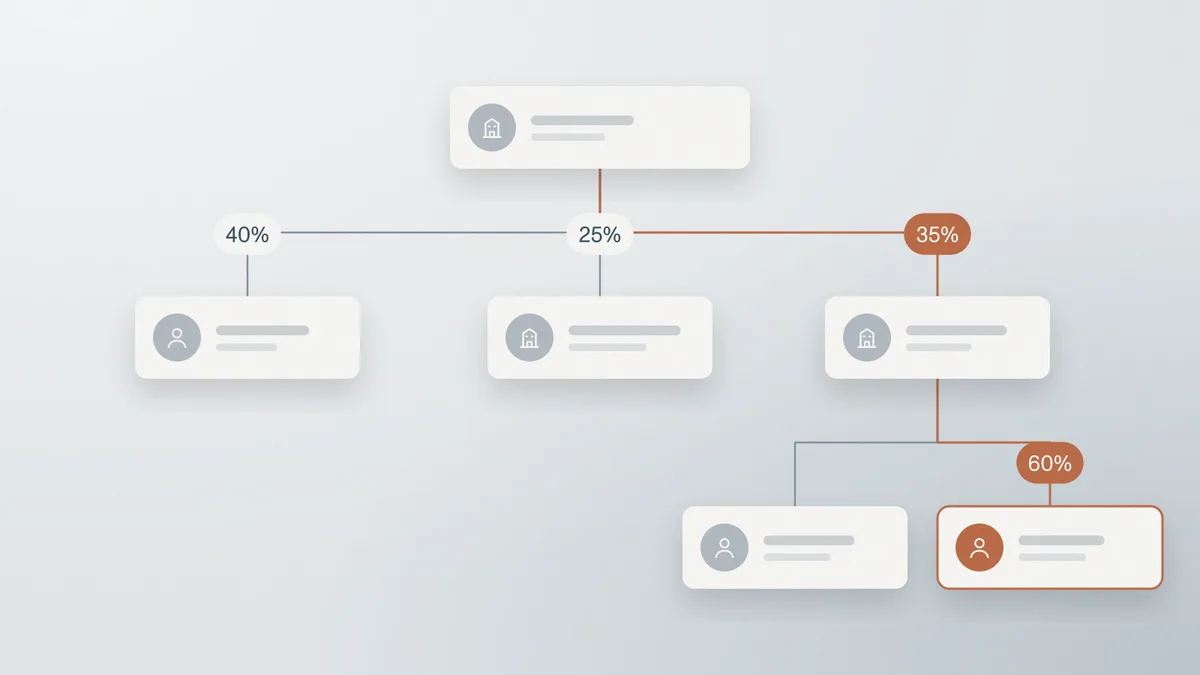
AML screening is slow because each hit is research: list updates, fuzzy names, weak aliases, missing context, and a written disposition.

What payment processors and payfacs should demand from KYB: sub-merchant underwriting, ownership, and monitoring after the business changes.
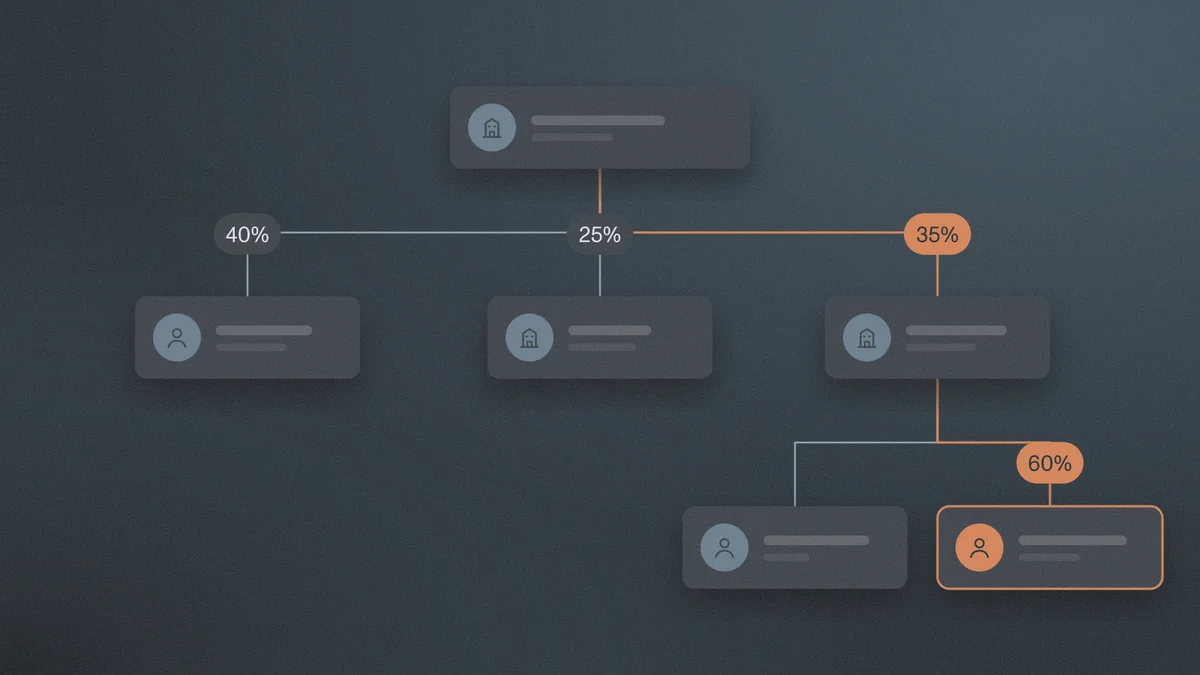
KYC false positives start in the name match. FCA tests found 75% detection on slight variants. How list scope and date of birth clear the rest.
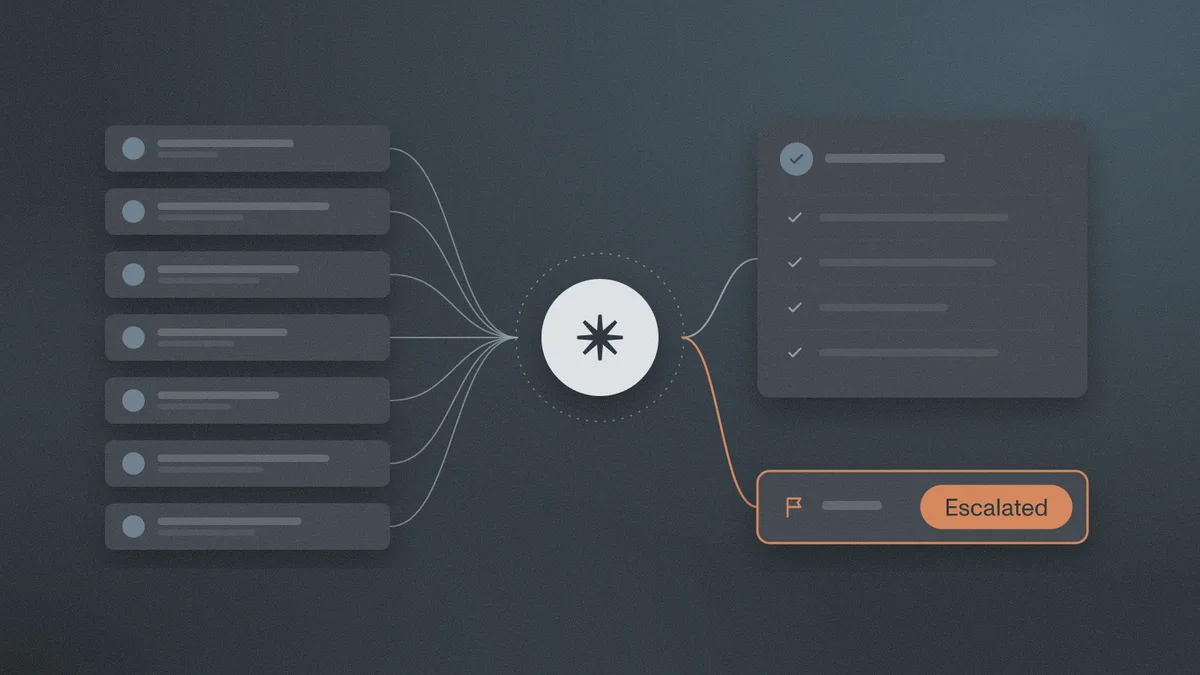
What a BSA program must operate: CIP, CDD, SAR and CTR filings, sanctions screening, and risk-based controls.

How to backtest AML rules on historical data, run shadow mode and champion-challenger in production, and document results for model risk management.

How entity resolution and graph analytics identify beneficial owners: probabilistic matching, blocking, indirect ownership math, cycles, registry limits.
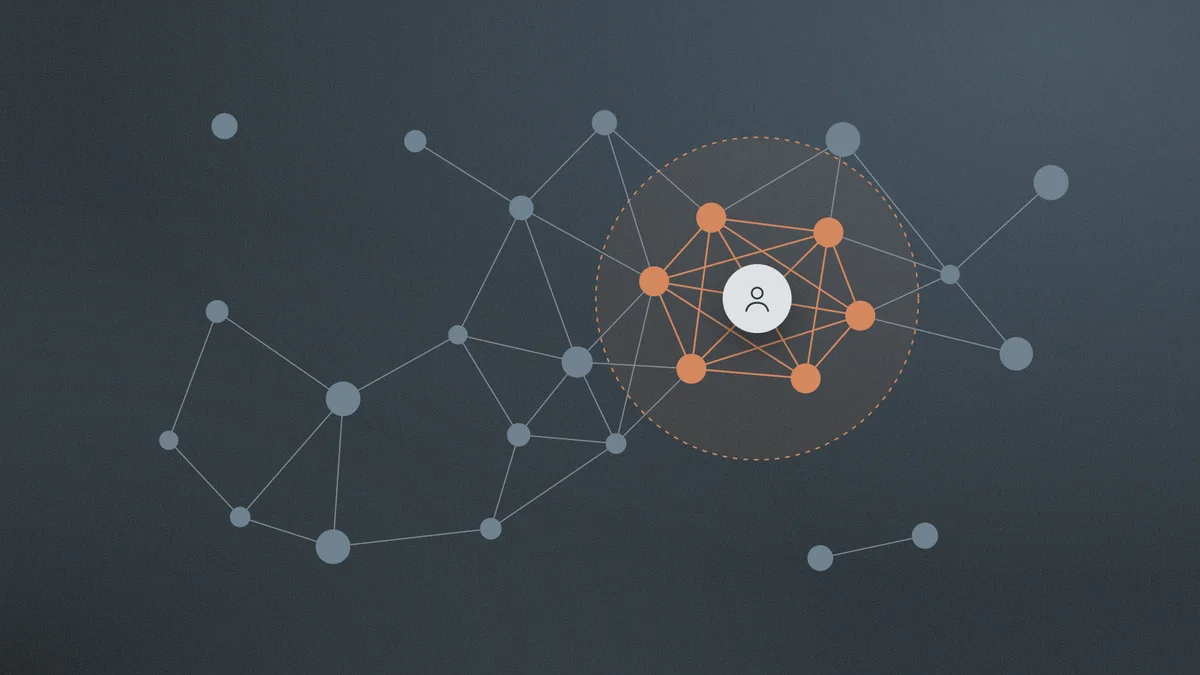
Integration patterns, data mapping, cutoffs, sandbox and UAT, reconciliation, and post-go-live failures when connecting AML and KYC tools to a bank core.

Compliance orchestration routes data, decisions, and cases across KYC, KYB, sanctions, and monitoring tools. Architecture patterns and what to evaluate.

Senate PSI report: 84% of Iran-linked sanctioned wallets ran on USDT. Why a post-designation freeze is not a sanctions program, and what regulators ask.

Brazil's betting ban pushes 30M bettors to illegal sites. What Pix monitoring teams will see, SPA Ordinance 2,750's red flags, and why alert queues flood.
MP 1,394 article by article: CPF refund lists, the 7-day bank restitution window, SPA reporting, Caixa fallback, and the pending Central Bank Pix block.
Who counts as an MSB, FinCEN Form 107 registration, state licensing, the $2,000 SAR threshold, agent oversight, and what IRS BSA examiners find.
The OFAC SDN List names blocked persons, vessels, aircraft, and crypto addresses. How screening works, what a true hit requires, and what a miss costs.
What the crypto Travel Rule requires of VASPs: FATF R.16, FinCEN's $3,000 rule, EU and UK thresholds, self-hosted wallets, IVMS 101, and the sunrise gap.

How bust-out fraud works, how it differs from default and account takeover, the signals and features that catch it, and why the loss ends up as a SAR.
How to run an enterprise BSA/AML risk assessment: FFIEC categories, inherent vs. residual risk, refresh triggers, examiner criticisms, program linkage.
How fuzzy name matching works in sanctions screening: Levenshtein, Jaro-Winkler, phonetic keys, OFAC's own scorer, threshold trade-offs, and validation.
Placement, layering, and integration: the techniques, transaction-data signatures, and controls at each stage, and why real schemes break the model.
CIP is the BSA identity program at account opening under 31 CFR 1020.220.

A Currency Transaction Report is FinCEN Form 112 for cash over $10,000 in one business day. Covers aggregation, exemptions, and how CTRs differ from SARs.
What FinCEN 314(a) information sharing is: government-to-institution searches, 14-day match reporting, and how it differs from voluntary 314(b).
BSA officer responsibilities go beyond a board title: designation, independence, SAR authority, board reporting, staffing, and what examiners test.

Wire fraud detection for banks: known-number callbacks, beneficiary checks, mule holds, and 24-hour IC3 recall. IC3 reported $20.877B in 2025 losses.
BSA independent testing: independence, risk-based frequency, sampling, board reporting, and what OCC examiners expect after Bulletin 2025-37.

How banks evaluate AML vendors under OCC and FFIEC third-party risk rules, including residual BSA risk for processors, screening, BPO, and model vendors.
How banks and credit unions detect altered, counterfeit, forged, and duplicate checks: typologies, detection layers, Reg CC holds, and SAR key terms.
What an AML lookback review is, what triggers one, how regulators scope it, what TD Bank-scale lookbacks cost, and how automation changes the economics.
Shell company red flags at onboarding and in transaction activity, how to investigate a suspected shell, and what detection tooling needs to do.
The five pillars of an AML compliance program, what examiners test under each, common exam findings, and how FinCEN's 2026 proposed rule reframes them.

How transaction monitoring rule tuning works: ATL/BTL testing, sensitivity analysis, segmentation, cadence, and the documentation examiners expect.
How banks detect account takeover fraud: attack vectors, the signals that give ATO away, SAR and FFIEC obligations, and how to evaluate detection tools.
Customer risk rating in AML: the five factors behind the score, static vs dynamic rating, how scores drive EDD and monitoring, and what examiners expect.
FinCEN human trafficking red flags for banks: labor vs sex trafficking footprints, funnel accounts, payroll absences, SAR filing rules, and forced criminality typologies.
How FinCEN 314(b) information sharing works after the June 2026 fact sheet: safe harbor conditions, fraud coverage, real-time sharing, enrollment, and the renewal trap.

APP fraud prevention across UK, EU and US rules: what Confirmation of Payee fixes, what it cannot, and why receiving-side mule detection only got built when liability shifted.
What the GENIUS Act requires of stablecoin issuers: reserves, BSA program, seize and freeze capability, Travel Rule, MiCA comparison, and the secondary market gap.
Why synthetic identities pass CIP, how the credit bust-out lifecycle works, which signals actually detect them, and why the risk concentrates in super prime.
How to build an AML QA program: sampling design, scorecards, error taxonomy, 2026 enforcement actions, and what changes when AI agents disposition alerts.

How banks detect pig butchering scams: FinCEN red flags, the trial-transaction signal, receiving-side mule controls, and why 78% of victims defend the payment.
Eight financial crime, compliance and fintech conferences in fall 2026. Dates, cost, audience, date conflicts and which deserves your travel budget.

ACAMS Assembly Las Vegas 2026 runs Sept 29-Oct 1 at ARIA. Theme, agenda, 15 credits, the free CAMS seminar most attendees miss, and how to prepare.
XLoD Global New York 2026 runs Sept 24 at the Javits Center. Streams, speakers, who attends, how to prepare and what to ask vendors.
Money20/20 USA 2026 runs Oct 18-21 at The Venetian, Las Vegas. Content pillars, costs, schedule, who it suits and how to prepare.
FinovateFall 2026 runs Sept 9-11 at the Marriott Marquis Times Square, NYC. Demo format, agenda, compliance sessions, costs and how to prepare.

Global Anti-Scam Summit America 2026 runs Sept 2-3 at Pier 48, San Francisco. Dates, ticket tiers, agenda focus areas, who attends and how to prepare.

Stablecon 2026 runs Sept 9-11 at National Harbor, Maryland. Dates, venue, agenda, GENIUS Act context, who attends and how to prepare.
Elder financial exploitation detection separates elder scams from theft by trusted persons. FinCEN SAR rules, red flags, and how to evaluate a program.
Sanctions evasion red flags across six typologies: front companies, ownership obfuscation, transshipment, AIS manipulation, and trade misdescription.

Structuring in banking explained: 31 U.S.C. 5324, the $10,000 CTR threshold, red flags, SAR obligations, and how to build defensible detection.
How sponsor banks supervise fintech and BaaS partners: third-party risk expectations, who owns BSA/AML, ledger access, and oversight cadence.

How correspondent banks assess respondent institutions: FATF Rec 13, the Wolfsberg CBDDQ, nested accounts and Section 312 enhanced due diligence.

Trade-based money laundering moves criminal value through misinvoiced trade. The core techniques, red flags in trade finance, and how to build controls.
What AML model validation requires after SR 26-2 replaced SR 11-7: scope, threshold tuning, outcomes analysis, and the evidence examiners expect.
Compare API-first compliance platforms that embed screening, monitoring, and verification into product workflows. Covers latency, pricing, and integration patterns.
Compare business onboarding software for banks, credit unions, and fintechs. Covers KYB verification, UBO mapping, screening, and risk-based due diligence workflows.
Head-to-head comparison of transaction monitoring software pricing models, key features, and ROI drivers for banks and fintechs in 2026.
How banks detect fraud in real time using rules, behavioral analytics, and network intelligence. Covers detection architecture, false positive management, and regulatory expectations.

Compare compliance automation platforms for fintechs: financial crime compliance (AML, KYC) and security compliance (SOC 2, ISO 27001). Evaluation criteria and pricing.
Compare the best financial crime prevention software for banks and fintechs in 2026. Covers unified platforms, AI-native challengers, and key evaluation criteria.
Compare KYB platforms for regulated financial institutions including LexisNexis, Middesk, Alloy, Trulioo, GBG, and Sumsub with audit trail and compliance evaluation criteria.

A practical guide to automating AML and KYC compliance processes covering alert triage, screening, onboarding, and SAR filing with evaluation criteria and common pitfalls.

Compare the top KYB automation platforms for fintech in 2026. Covers Middesk, Sumsub, Alloy, Persona, Trulioo, and more with pricing, coverage, and evaluation criteria.
Five practical strategies to cut business verification time including parallel checks, API-first data, automated UBO traversal, risk-based routing, and perpetual monitoring.
How the OFAC 50 Percent Rule works, including indirect ownership, aggregation across sanctioned owners, and documenting screening decisions.

A mule account moves fraud proceeds through the banking system. Learn the detection signals, analyst investigation steps, and SAR reporting requirements.
Credit unions face document fraud at three unique entry points: member onboarding, indirect lending, and shared branching. How to evaluate detection at credit union scale.
AI-generated document fraud is surging. Most onboarding platforms rely on OCR and template matching that miss synthetic forgeries. How multi-layer verification catches what legacy checks cannot.

A guide to the four types of document fraud in banking and the five-layer detection framework compliance teams need to catch AI-generated fakes.
Community banks face the same BSA/AML requirements as institutions 10x their size. Learn what to look for in AML technology, how FinCEN's effectiveness rule changes the game, and how to evaluate solutions for $1B-$10B institutions.

What BSA examiners evaluate at community banks in 2026: risk assessment currency, TM tuning rationale, SAR narrative quality, CDD documentation, and how AI audit trails change the exam conversation.

Ranked comparison of the top crypto compliance software in 2026 covering Chainalysis, TRM Labs, Elliptic, ComplyAdvantage, Crystal Intelligence, Merkle Science, Notabene, and Sphinx.
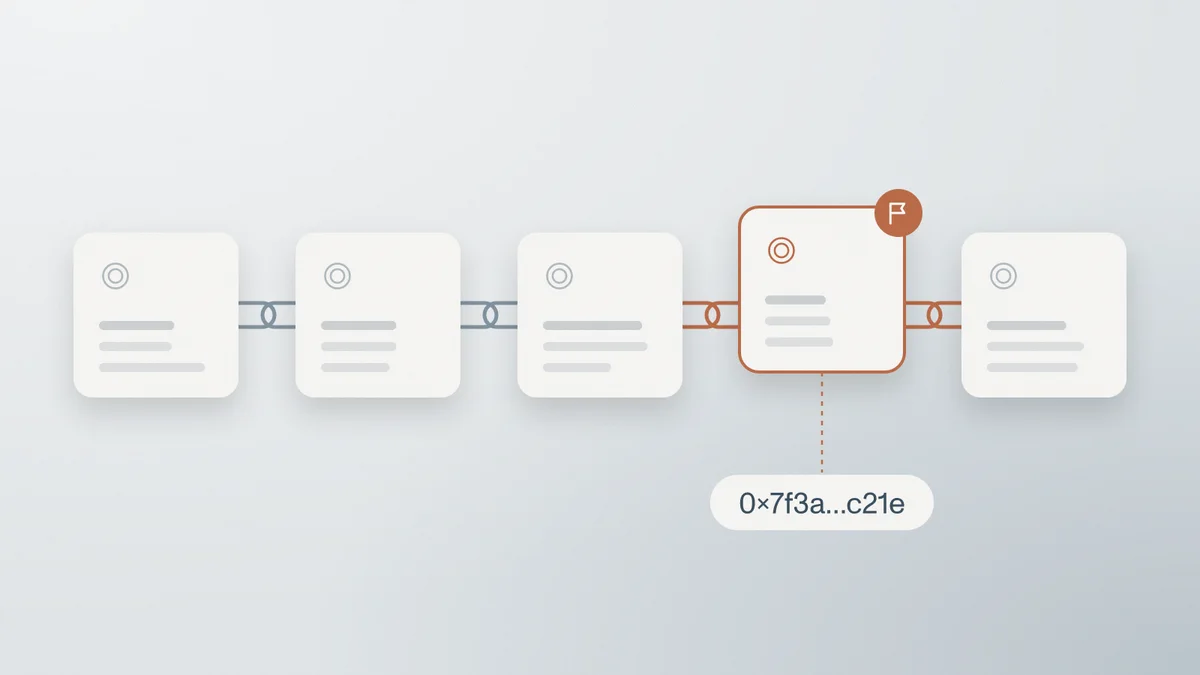
UBO mapping automation replaces manual ownership tracing with systems that reconstruct corporate ownership graphs programmatically. Learn how to evaluate tools.
Ranked comparison of the best SAR filing software in 2026 covering Hummingbird, Abrigo, NICE Actimize, Verafin, Lucinity, Unit21, Flagright, and Sphinx.
Ranked comparison of the best transaction monitoring software in 2026 covering NICE Actimize, SAS, Feedzai, Hawk AI, ComplyAdvantage, Verafin, Unit21, Quantexa, and Sphinx.
Ranked comparison of the best sanctions screening software in 2026 covering Dow Jones, Refinitiv, ComplyAdvantage, NICE Actimize, LexisNexis, Napier AI, Alessa, and Sphinx.
PEP screening identifies politically exposed persons, their family members, and close associates to apply risk-based enhanced due diligence under FATF and AML regulations.

Adverse media screening searches public sources for risk signals about customers. Learn what regulators require and how to evaluate a screening program.
Ranked guide to the best compliance case management software in 2026. Covers evaluation criteria, platform categories, regulatory requirements, and how to choose.

Financial crime detection identifies suspicious activity after the fact. Prevention stops it before funds move. Here is how to evaluate the right balance for your compliance program.
Evaluate business onboarding automation software for banks. Covers KYB verification, beneficial ownership, sanctions screening, and what to look for in a platform.
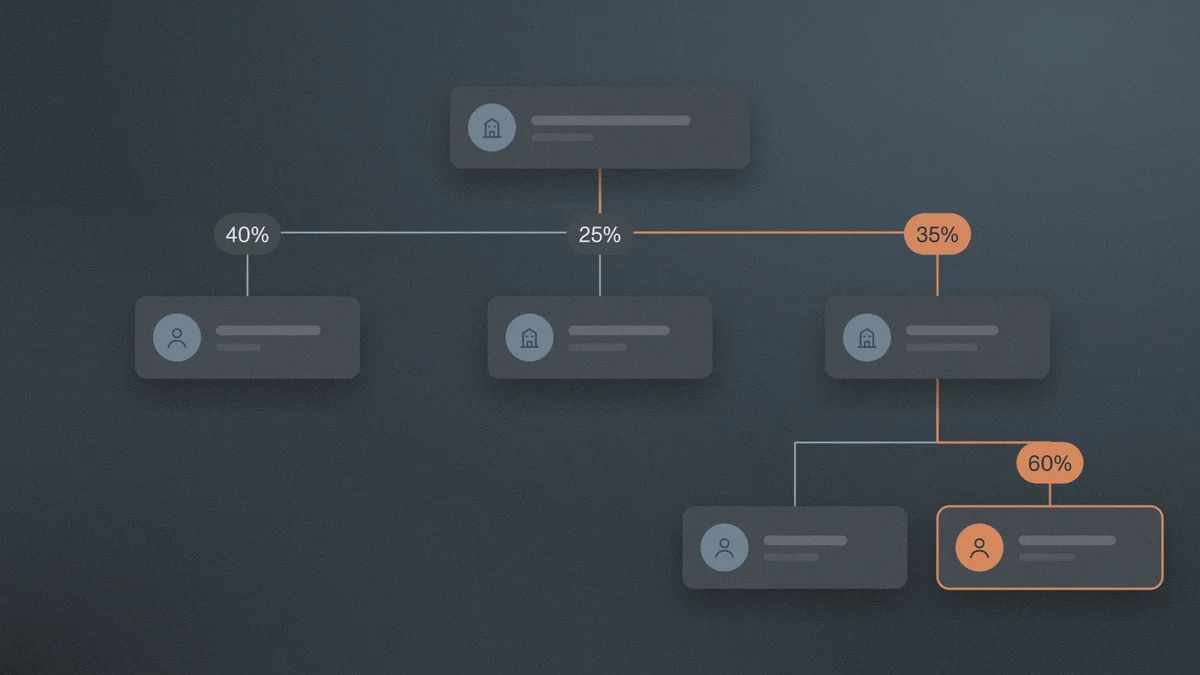
What banks must verify, monitor, and document under FinCEN's CDD Rule — including the 2026 beneficial ownership changes and how to evaluate your program.
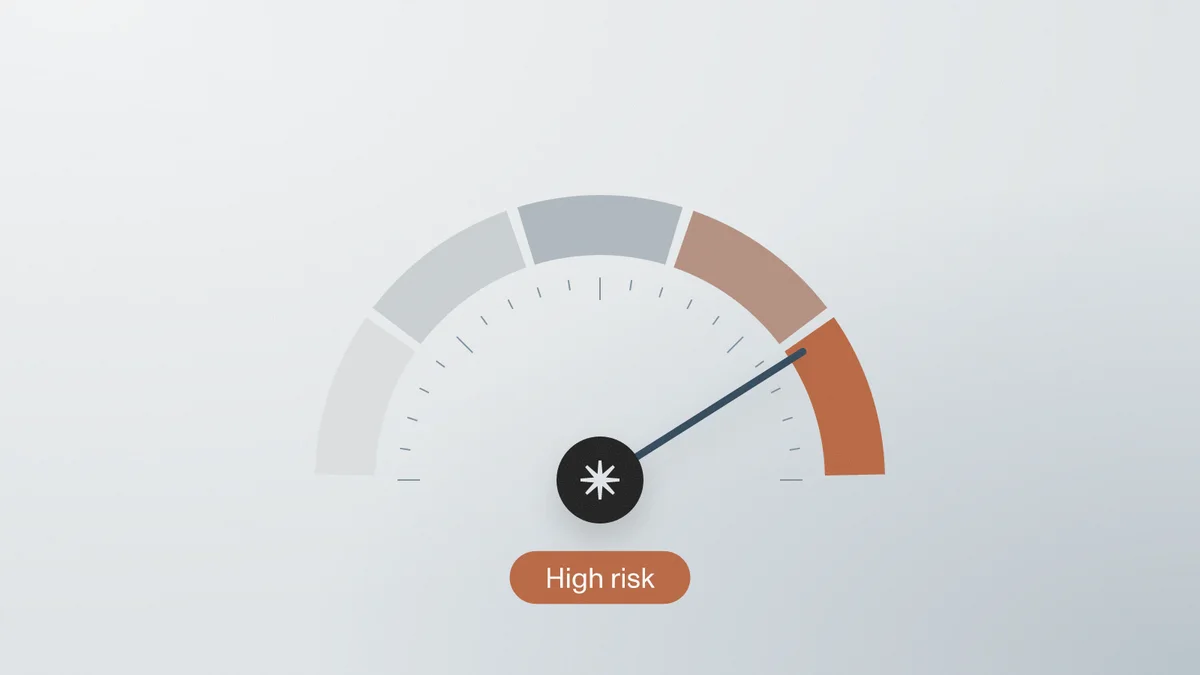
Compare risk assessment software for banks and fintechs. Covers AML risk scoring, regulatory alignment, audit trails, and what compliance teams should evaluate.
Modern fraud detection layers ML scoring, behavioral biometrics, and graph neural networks to catch fraud in milliseconds while reducing false positives.
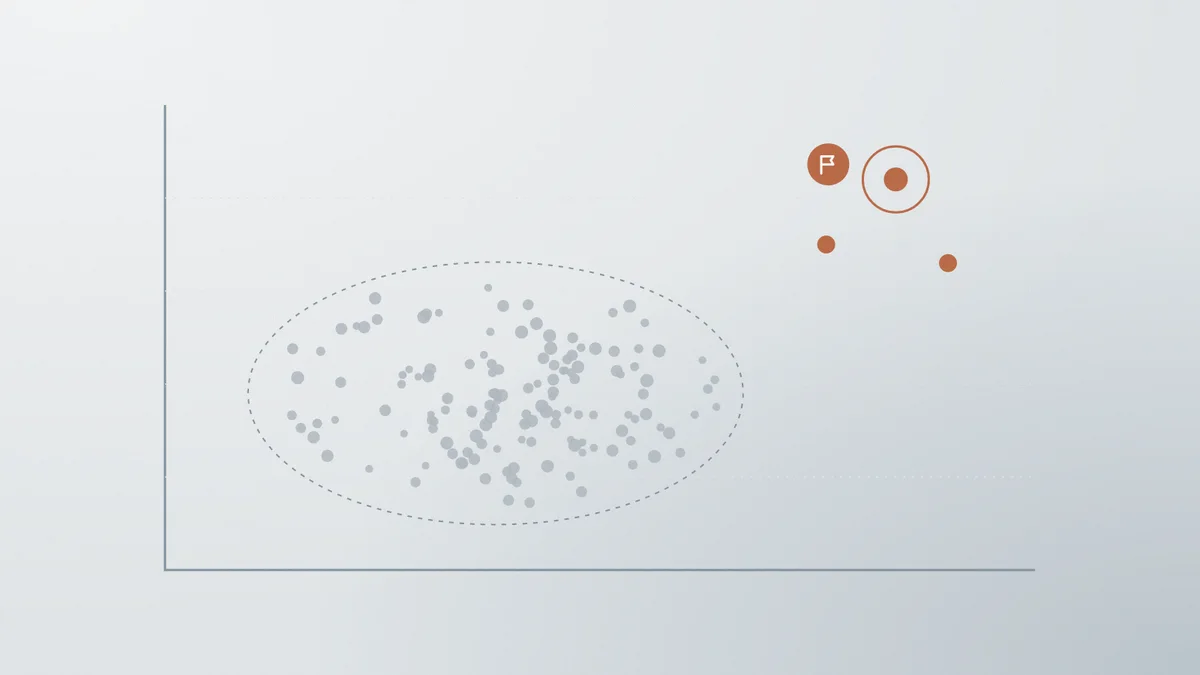
Perpetual KYC (pKYC) replaces periodic reviews with continuous, event-driven monitoring. Learn how it works, what triggers reviews, and what it takes to implement.

Compliance officer burnout is a systems problem, not a people problem. Learn how AI case-level automation removes repetitive volume and makes the role sustainable.

The AML efficiency gap separates compliance activity from risk reduction. Learn how outcome-based measurement and lower false positive rates close it.

Learn how to write SAR narratives that law enforcement can act on. Covers FinCEN's five-W framework, October 2025 guidance changes, and common mistakes to avoid.
FRAML merges fraud and AML into one program. Learn why 93% of mid-market banks are converging, the cost savings, and how to evaluate readiness.
FinCEN's 2026 proposed rule replaces process-driven AML compliance with an effectiveness-based standard. Learn the two-pronged framework and how to prepare.
Ranked comparison of the best fraud detection platforms in 2026 covering Feedzai, NICE Actimize, Featurespace, SAS, and Hawk AI with an evaluation framework.

Ranked guide to the best compliance software for financial services in 2026, covering AML, KYC, KYB, and security compliance platforms.
UBO identification traces beneficial ownership through corporate layers to find the natural persons who own or control an entity.
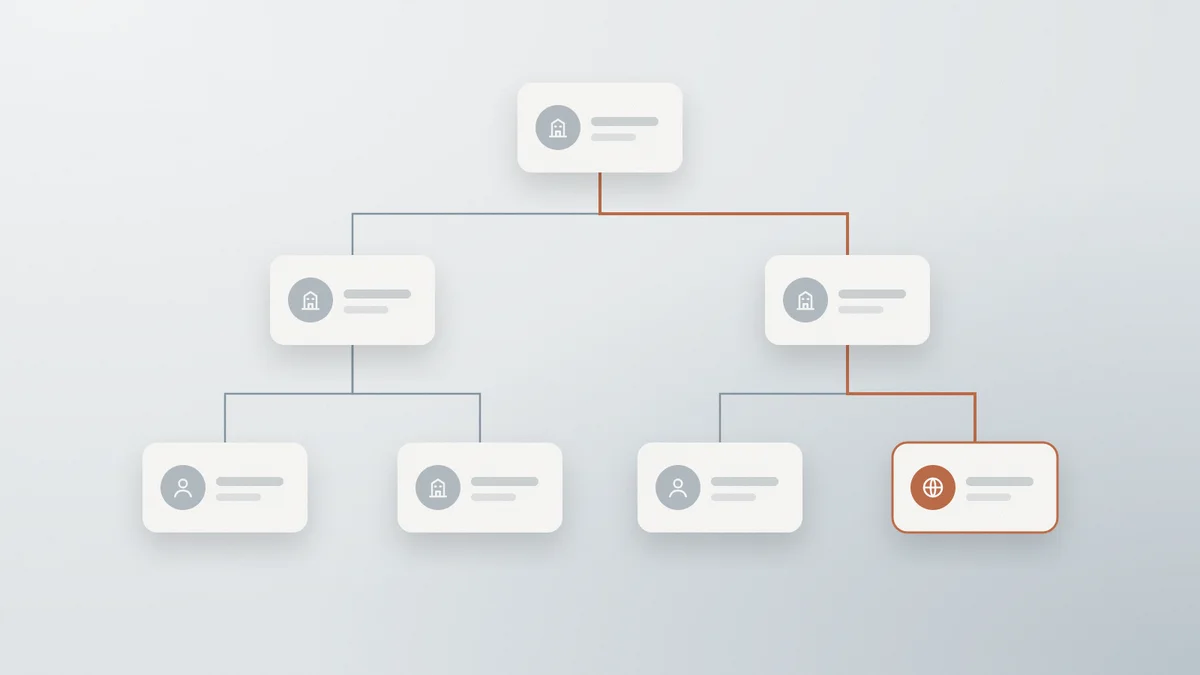
Ranked comparison of the best AML software in 2026 covering ComplyAdvantage, NICE Actimize, LexisNexis, Hawk AI, TRM Labs, Alloy, and Sphinx.
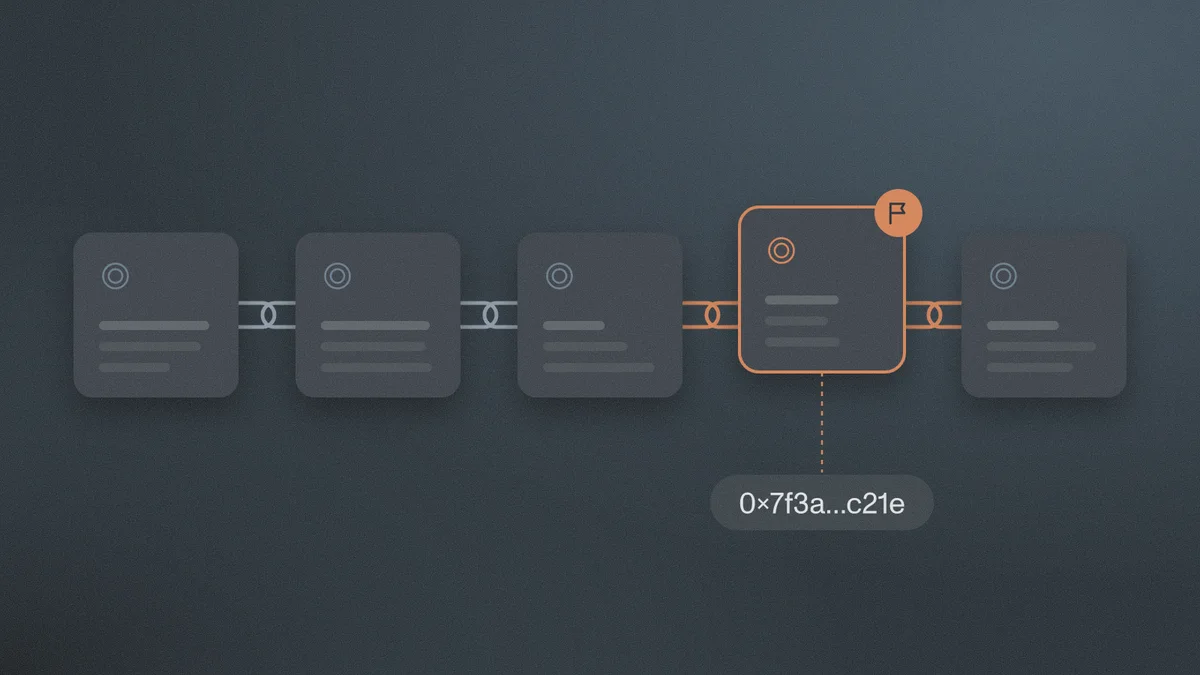
Screening alerts take 30-45 minutes each, with 85-90% being false positives. Four capabilities cut review time without compromising audit readiness.

Enhanced Due Diligence (EDD) applies deeper scrutiny to high-risk customers. Covers triggers, requirements, source of funds verification, and the operational cost of EDD programs.
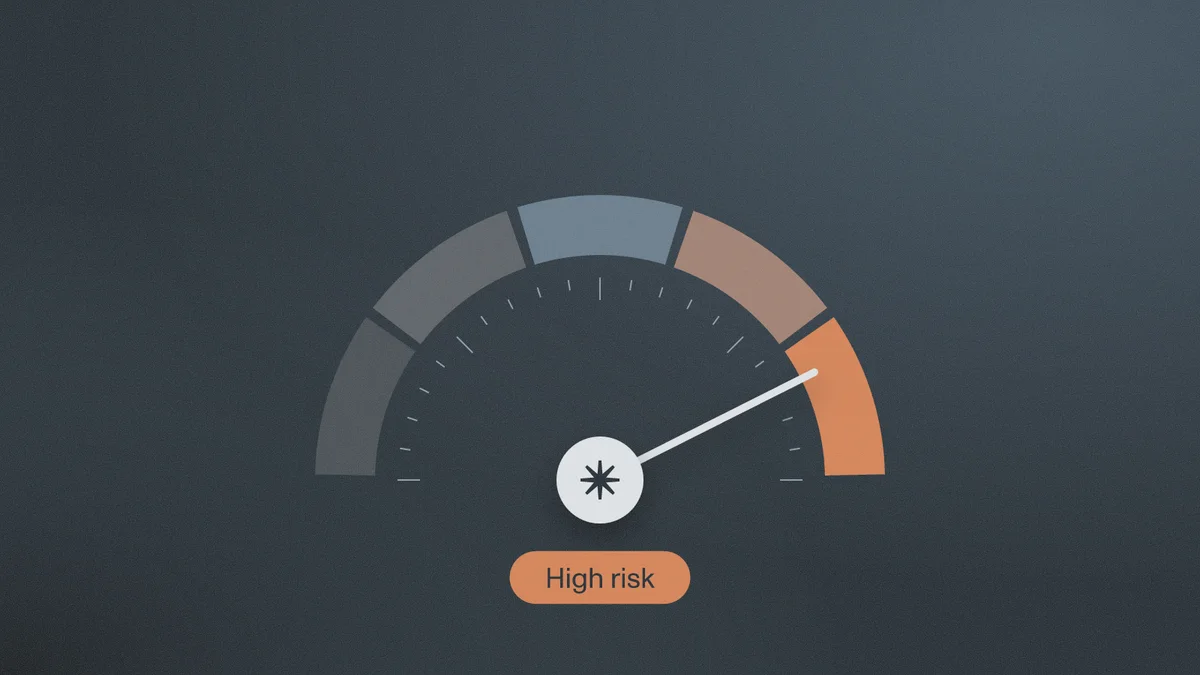
KYB (Know Your Business) verifies business entities, ownership structures, and beneficial owners. Guide covering FinCEN CDD Rule, FATF Rec 24, and evaluation criteria.
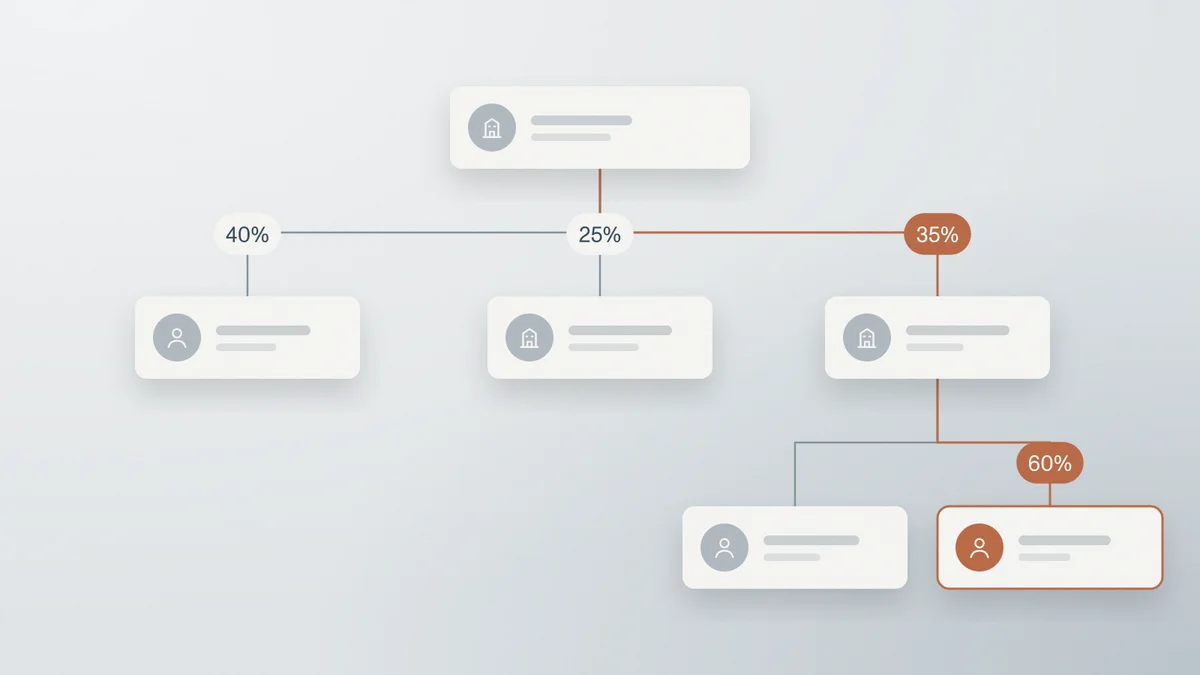
KYC verifies individuals, KYB verifies business entities and their beneficial owners. A comparison of scope, complexity, cost, and regulatory drivers.
Screening alert backlogs are a design problem, not a staffing problem. Most systems were built to flag matches, never to resolve them at scale.
AML transaction monitoring detects suspicious financial activity through rules and behavioral models. Covers detection methods, alert investigation, SAR filing, and false positives.
U.S. crypto AML compliance: regulators are no longer satisfied with policy documents. They want evidence that the program actually ran.

Compare the best KYC software in 2026. See top vendors, key strengths, and the compliance gaps buyers should evaluate before choosing.
Learn what actually reduces AML false positives - data quality, context, explainability, and automation - and how to spot vendor theater.
Global compliance automation that scales seamlessly across borders.

Try another keyword or explore a different topic.