
Best AML Software for Banks in 2026
AML software for banks compared by size and job: human sign-off, audit trails and exam evidence across Sphinx, Verafin, Actimize, Oracle, SAS and more.



TL;DR: AML compliance is the set of written controls, reports and governance a financial institution must maintain under the Bank Secrecy Act to detect and report money laundering and other financial crime. Regulators judge the program by what the institution actually does, and on October 13, 2026, Treasury announced more than $1.21 billion in penalties against Bank of America for failing that test. FinCEN's April 2026 proposal to rewrite the program rule had not been finalized as of early November 2026, so the current rule still governs.
AML compliance is an institution's continuing duty to know its customers, watch their activity, report what the law requires, and prove all of that to an examiner. Money laundering, in FinCEN's description, is the disguising of criminal proceeds so they appear to come from a legal source. The Bank Secrecy Act of 1970 is the core U.S. statute. FinCEN administers it, and the Money Laundering Control Act of 1986 made laundering a federal crime and directed banks to keep procedures that monitor BSA compliance.
People use "AML compliance" and "BSA compliance" almost interchangeably, and the FFIEC BSA/AML Examination Manual, the handbook examiners work from, joins the two terms. Sanctions work usually lands on the same desk, though the Manual notes that OFAC regulations are not part of the BSA. A new program owner should treat them as separate legal regimes that share staff, data and screening tools.
The reporting standard is suspicion. Under 31 CFR 1020.320, a bank reports a transaction of at least $5,000 when it knows, suspects or has reason to suspect the activity involves illegal proceeds, is designed to evade the BSA, or has no apparent lawful purpose and no reasonable explanation after review.
The BSA applies to "financial institutions," a defined term much wider than banks. Under 31 CFR 1010.100(t), the category covers banks, broker-dealers, money services businesses, casinos and card clubs with more than $1 million in gross annual gaming revenue, futures commission merchants, introducing brokers in commodities, and mutual funds. FinCEN's program rules also extend to other categories such as loan or finance companies. The rule for registered investment advisers has been delayed to January 1, 2028.
Fintechs are where new owners most often inherit a wrong assumption. A company that accepts and transmits funds or other value can be a money transmitter, and therefore a money services business with its own program obligation, regardless of how it describes itself. The federal banking agencies said in a July 2024 joint statement that when a third party handles monitoring, customer identification or due diligence for a bank, the bank remains responsible for meeting the requirements.
A U.S. bank's AML program must be written and must contain a defined set of components. The FFIEC Manual's program section and 31 CFR 1020.210 require:
Sphinx's guide to the five pillars of an AML compliance program covers what each component demands, and the personal side of the third item is in BSA officer responsibilities. A risk-based approach to AML explains why two institutions with the same components can reasonably run very different controls.
The daily work comes from the reports and records the program has to produce. For a bank, the recurring duties include filing a SAR within 30 calendar days of initial detection, or up to 60 days when no suspect has been identified; filing a CTR on currency transactions above $10,000; keeping each SAR and its supporting documentation for five years; and keeping the existence of a SAR confidential. That prohibition binds every director, officer, employee and agent.
Examiners test whether the written program operates as described and fits the institution's risk. The FFIEC Manual is direct: written policies, procedures and processes alone are not sufficient, and reviewing them is only a first step. Examination and testing procedures have to support the overall conclusion, and that conclusion is specific to the bank.
The Manual's closing procedures show what examiners weigh when they reach it:
Severity matters as much as existence. The Manual says minor weaknesses, deficiencies and technical violations alone do not indicate an inadequate program. Systemic or repeat violations are a different category, and examiners assess those on the nature, duration and severity of the problem. The Manual also directs examiners to note whether a deficiency was found first by the bank or its testers, or only surfaced in the exam. An institution that finds its own problems starts from a better position.
Consequences run from a written finding to a mandatory enforcement order. Under the federal banking agencies' 2020 joint statement on BSA/AML enforcement, an agency shall issue a cease and desist order when an institution fails to have a written program covering the required components, fails to implement one, or fails to correct a previously reported problem. Isolated or technical violations generally fall outside that requirement. Enforcement also reaches beyond the penalty: the Federal Reserve notes that AML effectiveness must be considered when agencies evaluate bank mergers and holding company applications.
The most recent large case shows how the findings connect. Treasury's October 13, 2026 announcement of more than $1.21 billion in penalties against Bank of America described over $5 billion in suspicious activity not reported on time. The OCC found that the BSA officer and staff lacked sufficient skills, that key personnel were not appropriately trained, and that the audit function missed longstanding concerns examiners later uncovered. The bank must also complete a third-party lookback and independent reviews.
Small institutions are well represented in the data. Crowe's review of 2024 enforcement counted 42 BSA/AML actions, up from 29 in 2023, and 54% of the actions against banks went to institutions under $1 billion in assets.
Repeat failures are priced differently. FinCEN penalized UBS Financial Services $14.5 million in 2018 and $125 million in August 2026, after the firm failed to fix the monitoring weakness behind the first order. Individuals carry exposure too. Under 31 U.S.C. 5322, a willful violation can bring a fine of up to $250,000 and five years in prison, rising to $500,000 and ten years when it is part of a pattern of illegal activity above $100,000 in 12 months or occurs alongside another federal violation. A convicted director, officer or employee must also repay bonuses from the year of the violation or the following year.
FinCEN has proposed replacing the program rule, and the existing text remains in force. On April 7, 2026, FinCEN issued a proposed AML/CFT program rule that superseded its July 2024 proposal. The OCC, FDIC and NCUA proposed parallel changes that month, and the Federal Reserve followed in July. FinCEN's comment period closed June 9, 2026. The Federal Register's FinCEN index still listed the rule only as a proposal through October 2026, and FinCEN proposes a 12-month implementation period after any final rule.
The proposal would make risk assessment processes an explicit requirement inside internal controls and would judge a program on whether it is established and then maintained. Sphinx's explainer on FinCEN's effectiveness-based AML rule covers that framework. A new owner should build to 31 CFR 1020.210 and the regulator's current rule, and start the risk assessment work the proposal would require, since that work is useful under either version.
Anyone newly responsible for AML should establish the actual state of the program before changing anything. A workable order:
Sphinx is an investigation layer that works inside the tools a compliance team already uses. Its AI agents prepare evidence on alerts and cases, apply the team's SOPs and produce a traceable recommendation, and the team keeps final approval. Sphinx reports 94-98% agreement with analysts and a 3.2-minute median case. Sphinx does not score transactions, block payments in real time, verify a person's face or connect to bank accounts, so a program still needs its own monitoring, screening and identity controls.
AML compliance means maintaining a written, risk-appropriate program and meeting the reporting and recordkeeping duties of the Bank Secrecy Act. For a bank, that covers internal controls, independent testing, a designated officer, training, customer due diligence and a customer identification program. Regulators also expect actual practice to match the written program.
No. KYC, meaning customer identification and due diligence, is one part of an AML program. AML compliance also includes transaction monitoring, SAR and CTR filing, recordkeeping, training, independent testing and board oversight.
A fintech that meets a BSA definition, such as a money transmitter, carries its own program obligation under 31 CFR 1022.210. A fintech outside those definitions usually performs controls under contract for a sponsor bank. The federal banking agencies have said the bank remains responsible for those functions even when a third party performs them.
FinCEN holds overall authority for enforcing the BSA. The OCC, Federal Reserve, FDIC and NCUA examine the institutions they supervise and can bring their own actions, and criminal cases can follow under 31 U.S.C. 5322.
Not yet. FinCEN proposed a new AML/CFT program rule on April 7, 2026, and the Federal Register still listed it only as a proposal through October 2026. FinCEN proposes a 12-month implementation period after a final rule, so 31 CFR 1020.210 and the banking agencies' current rules remain the operative standard.
AML software for banks compared by size and job: human sign-off, audit trails and exam evidence across Sphinx, Verafin, Actimize, Oracle, SAS and more.
Unit21 alternatives compared: replacement platforms such as Sardine, Flagright, Hummingbird and Hawk, plus Sphinx, a layer that clears alert work.

Eight Alloy alternatives for onboarding and identity decisioning, ordered by fit, plus what to do when the real problem is manual review.
Seven Sumsub alternatives for KYC, KYB and AML screening, ordered by fit, with honest limits and what to do when the real problem is the review queue.

Feedzai competitors compared: Featurespace, FICO Falcon, NICE Actimize, BioCatch and more, with ownership changes and where Sphinx fits after the alert.
ComplyAdvantage alternatives compared: seven replacements for screening and monitoring data, plus Sphinx for working the alerts your provider produces.
Comparing NICE Actimize alternatives? See when to replace it, when a layer on top fits better, and what cost and migration risk to weigh.
Outsourced vs in-house AML compliance compared: in-house teams, BPOs, AI agents, and hybrids. Regulators say accountability never leaves the bank.
How to run an AML investigation: intake, L1 triage, L2 escalation, evidence, 314(b), typology analysis, the SAR decision, QA, and continuing review.
12 AML compliance KPIs every BSA team should track, from alert-to-SAR conversion and SAR timeliness to QA defect rate and cost per alert.
A Secretary of State search proves an entity exists and its status, not who owns it. What each state shows, good standing, agents, and BOI.
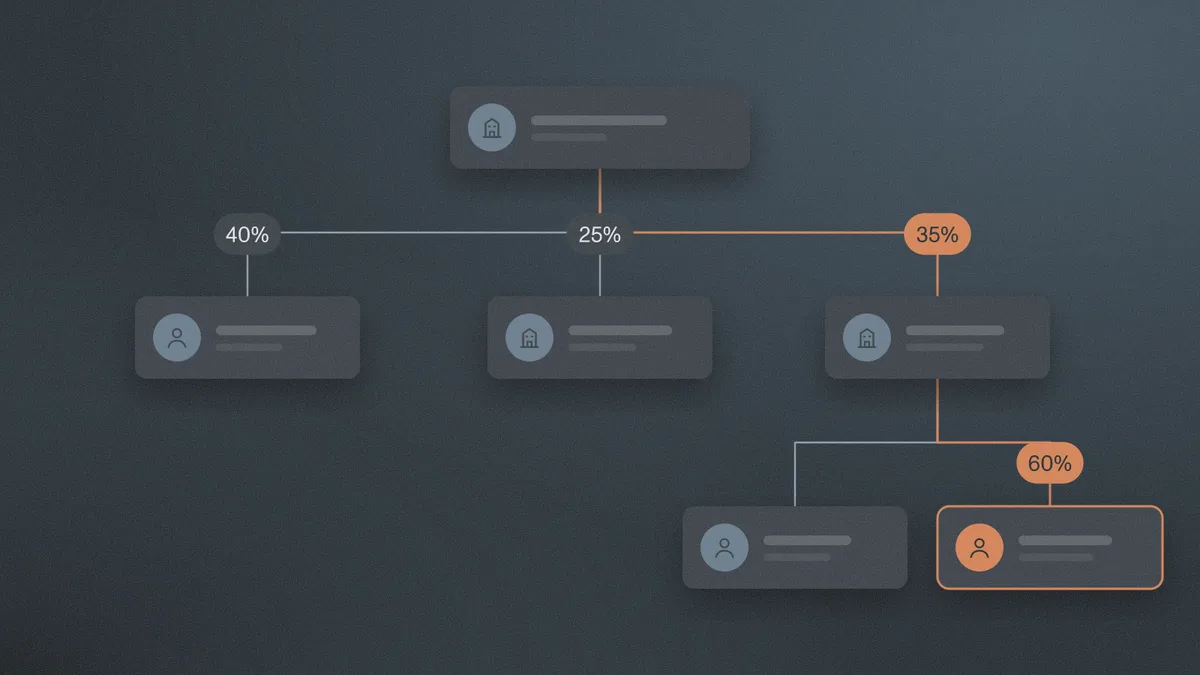
A 12-step AML checklist for switching compliance platforms: exit terms, 5-year BSA record retention, validation, parallel runs, and cutover.

25 questions to ask AML software vendors in an RFP, grouped by detection, explainability, model risk, data, security, pricing, and proof.
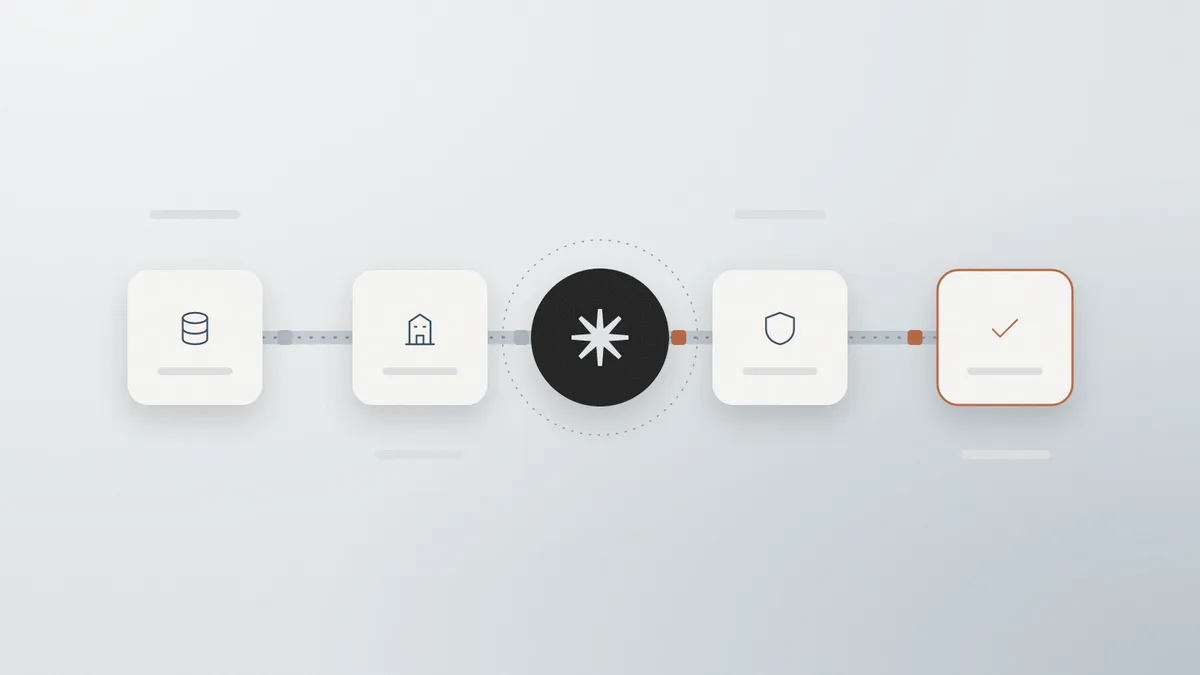
How to verify foreign businesses: registry access by jurisdiction, non-Latin names, UBO thresholds, apostilles, FATF lists, and a coverage test.

A risk-based approach to AML identifies, assesses, and mitigates illicit finance risk in proportion to that risk. It is not the written assessment.

A bank files a SAR within 30 days of initial detection, or 60 days if no suspect was identified that day.
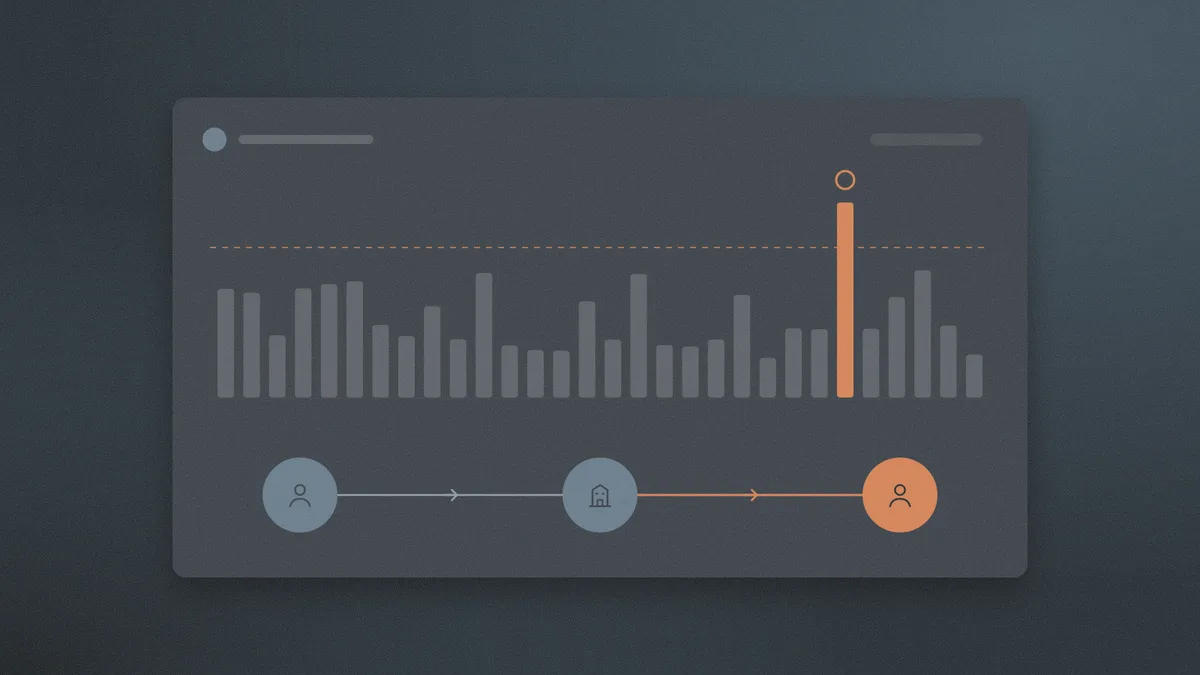
Payment screening compares a wire, ACH, or SWIFT message with sanctions lists before funds move. It is separate from customer name screening.
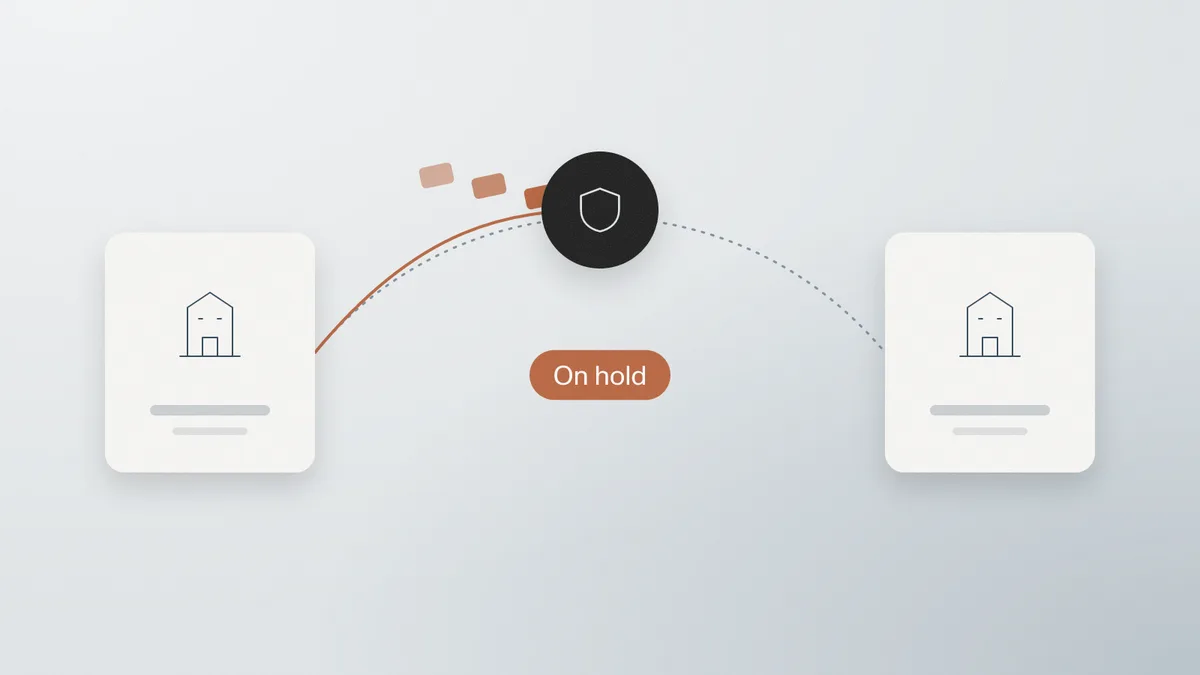
Source of funds traces a transfer. Source of wealth traces how net worth was built. When each is required, and what evidence holds.
Automate CIP, screening, UBO resolution, risk rating, and the evidence pack. Source of wealth, high-risk approval, and SAR suspicion stay with a person.
Best compliance software for credit unions has to cover BSA/AML, sanctions, KYC, shared branching, and examiner-ready case files.
What a bank sanctions screening program must include: lists, customer and payment screening, escalation, and examiner records.

How to cut false alerts in transaction monitoring by tuning one scenario at a time, fixing data, and keeping the threshold version.
How to compare UBO mapping tools when a U.S. registry does not return owners: chains, the 25 percent prong, and the control person.
How to set lists, match thresholds, disposition paths, and testing for automated sanctions screening alerts.
What a KYB API returns from a U.S. registry, what it does not, and why banks still collect beneficial owners under CDD.

How compliance teams build, tune, and document transaction monitoring: risk-based scenarios, data quality, and alert decisions.
What to evaluate in AI screening alert tools: triage, false-positive claims, OFAC calibration, and an audit trail you can replay.
What breaks a compliance platform at high alert volume: queue age, rule noise, analyst minutes, and audit reconstruction.
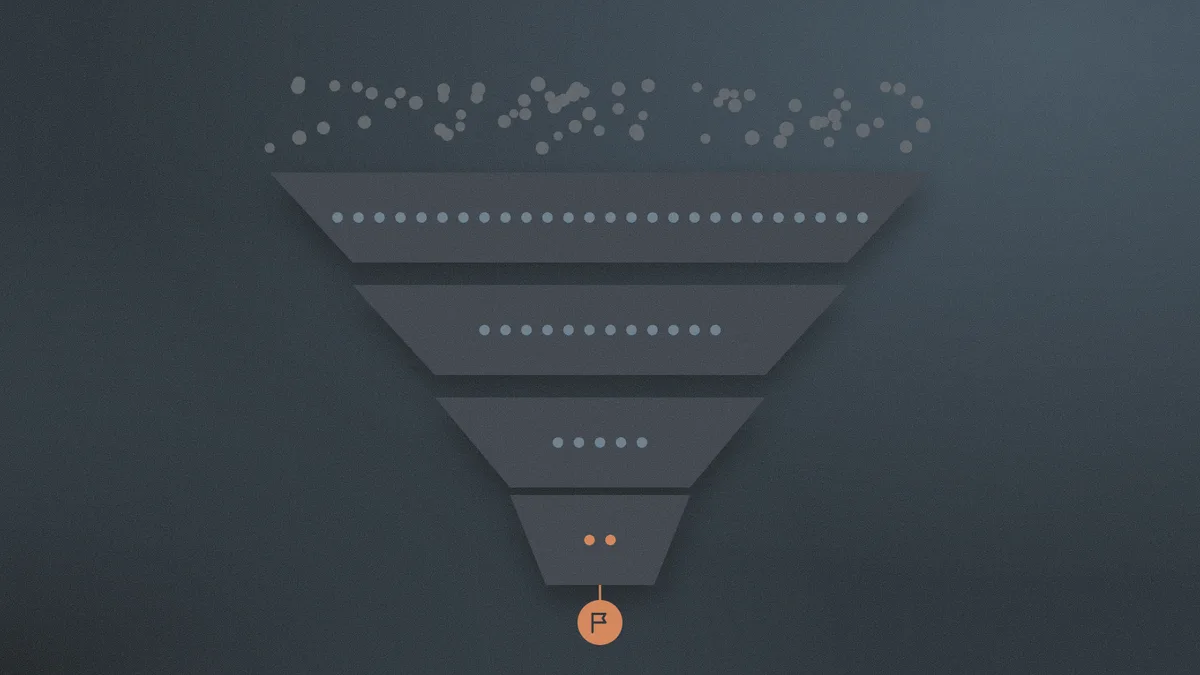
Manual KYB cost covers analyst time, rework, lost onboardings, missed owners, and later audit reconstruction. Corporate reviews average $2,274.

Small fintechs need a full KYB file: entity, owners, control person, refresh, and an audit trail. Cheap checks skip the hard parts.
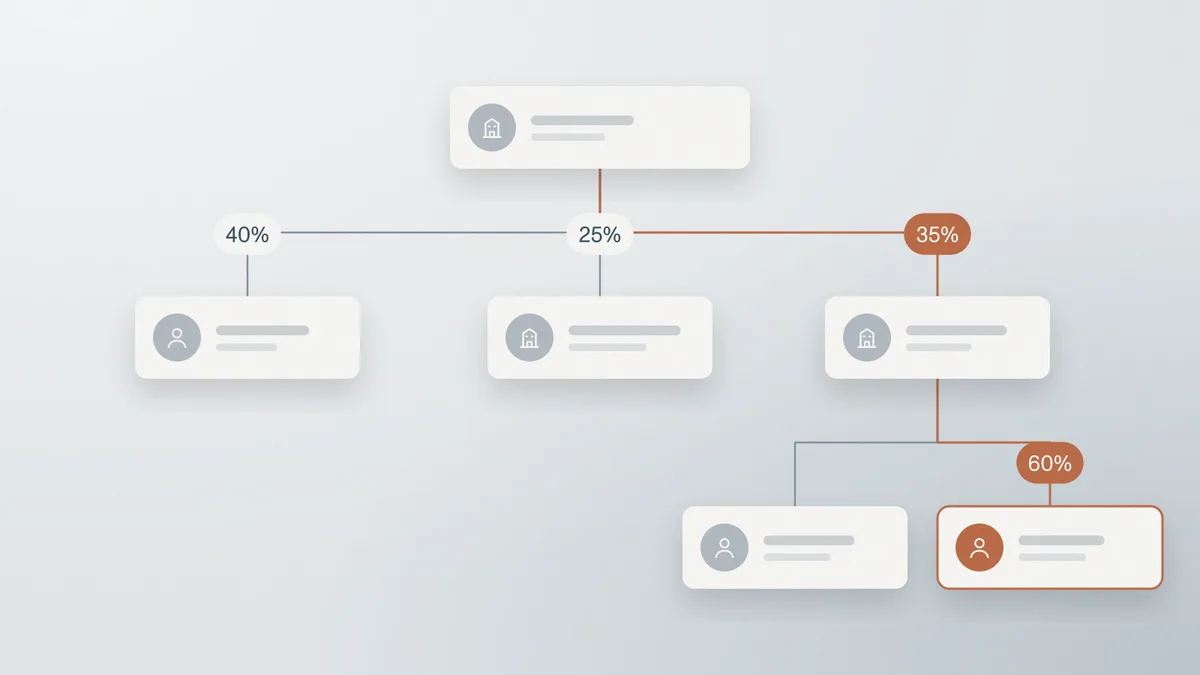
AML screening is slow because each hit is research: list updates, fuzzy names, weak aliases, missing context, and a written disposition.

What payment processors and payfacs should demand from KYB: sub-merchant underwriting, ownership, and monitoring after the business changes.
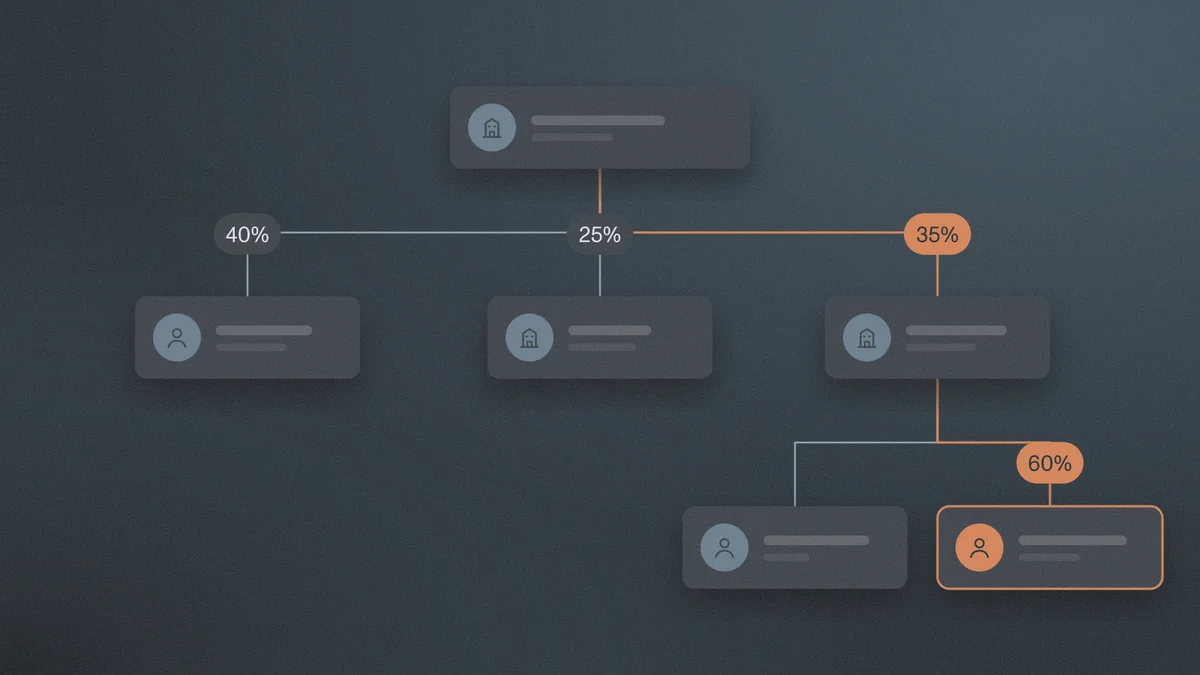
KYC false positives start in the name match. FCA tests found 75% detection on slight variants. How list scope and date of birth clear the rest.
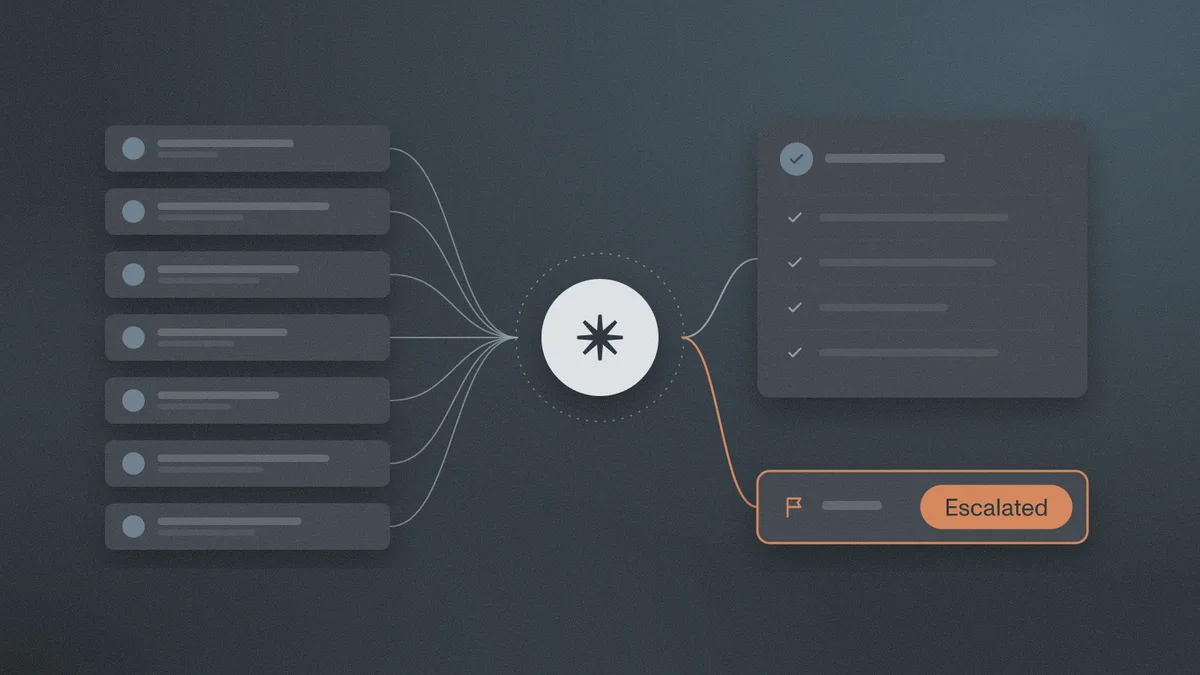
What a BSA program must operate: CIP, CDD, SAR and CTR filings, sanctions screening, and risk-based controls.

How to backtest AML rules on historical data, run shadow mode and champion-challenger in production, and document results for model risk management.

How entity resolution and graph analytics identify beneficial owners: probabilistic matching, blocking, indirect ownership math, cycles, registry limits.
Integration patterns, data mapping, cutoffs, sandbox and UAT, reconciliation, and post-go-live failures when connecting AML and KYC tools to a bank core.

Compliance orchestration routes data, decisions, and cases across KYC, KYB, sanctions, and monitoring tools. Architecture patterns and what to evaluate.

Senate PSI report: 84% of Iran-linked sanctioned wallets ran on USDT. Why a post-designation freeze is not a sanctions program, and what regulators ask.
Brazil's betting ban pushes 30M bettors to illegal sites. What Pix monitoring teams will see, SPA Ordinance 2,750's red flags, and why alert queues flood.
MP 1,394 article by article: CPF refund lists, the 7-day bank restitution window, SPA reporting, Caixa fallback, and the pending Central Bank Pix block.
Who counts as an MSB, FinCEN Form 107 registration, state licensing, the $2,000 SAR threshold, agent oversight, and what IRS BSA examiners find.

The OFAC SDN List names blocked persons, vessels, aircraft, and crypto addresses. How screening works, what a true hit requires, and what a miss costs.
What the crypto Travel Rule requires of VASPs: FATF R.16, FinCEN's $3,000 rule, EU and UK thresholds, self-hosted wallets, IVMS 101, and the sunrise gap.

How bust-out fraud works, how it differs from default and account takeover, the signals and features that catch it, and why the loss ends up as a SAR.
How to run an enterprise BSA/AML risk assessment: FFIEC categories, inherent vs. residual risk, refresh triggers, examiner criticisms, program linkage.
How fuzzy name matching works in sanctions screening: Levenshtein, Jaro-Winkler, phonetic keys, OFAC's own scorer, threshold trade-offs, and validation.
Placement, layering, and integration: the techniques, transaction-data signatures, and controls at each stage, and why real schemes break the model.
CIP is the BSA identity program at account opening under 31 CFR 1020.220.

A Currency Transaction Report is FinCEN Form 112 for cash over $10,000 in one business day. Covers aggregation, exemptions, and how CTRs differ from SARs.
What FinCEN 314(a) information sharing is: government-to-institution searches, 14-day match reporting, and how it differs from voluntary 314(b).
BSA officer responsibilities go beyond a board title: designation, independence, SAR authority, board reporting, staffing, and what examiners test.

Wire fraud detection for banks: known-number callbacks, beneficiary checks, mule holds, and 24-hour IC3 recall. IC3 reported $20.877B in 2025 losses.
BSA independent testing: independence, risk-based frequency, sampling, board reporting, and what OCC examiners expect after Bulletin 2025-37.

How banks evaluate AML vendors under OCC and FFIEC third-party risk rules, including residual BSA risk for processors, screening, BPO, and model vendors.
How banks and credit unions detect altered, counterfeit, forged, and duplicate checks: typologies, detection layers, Reg CC holds, and SAR key terms.
What an AML lookback review is, what triggers one, how regulators scope it, what TD Bank-scale lookbacks cost, and how automation changes the economics.

Shell company red flags at onboarding and in transaction activity, how to investigate a suspected shell, and what detection tooling needs to do.
The five pillars of an AML compliance program, what examiners test under each, common exam findings, and how FinCEN's 2026 proposed rule reframes them.

How transaction monitoring rule tuning works: ATL/BTL testing, sensitivity analysis, segmentation, cadence, and the documentation examiners expect.
How banks detect account takeover fraud: attack vectors, the signals that give ATO away, SAR and FFIEC obligations, and how to evaluate detection tools.
Customer risk rating in AML: the five factors behind the score, static vs dynamic rating, how scores drive EDD and monitoring, and what examiners expect.
FinCEN human trafficking red flags for banks: labor vs sex trafficking footprints, funnel accounts, payroll absences, SAR filing rules, and forced criminality typologies.
How FinCEN 314(b) information sharing works after the June 2026 fact sheet: safe harbor conditions, fraud coverage, real-time sharing, enrollment, and the renewal trap.

APP fraud prevention across UK, EU and US rules: what Confirmation of Payee fixes, what it cannot, and why receiving-side mule detection only got built when liability shifted.
What the GENIUS Act requires of stablecoin issuers: reserves, BSA program, seize and freeze capability, Travel Rule, MiCA comparison, and the secondary market gap.
Why synthetic identities pass CIP, how the credit bust-out lifecycle works, which signals actually detect them, and why the risk concentrates in super prime.
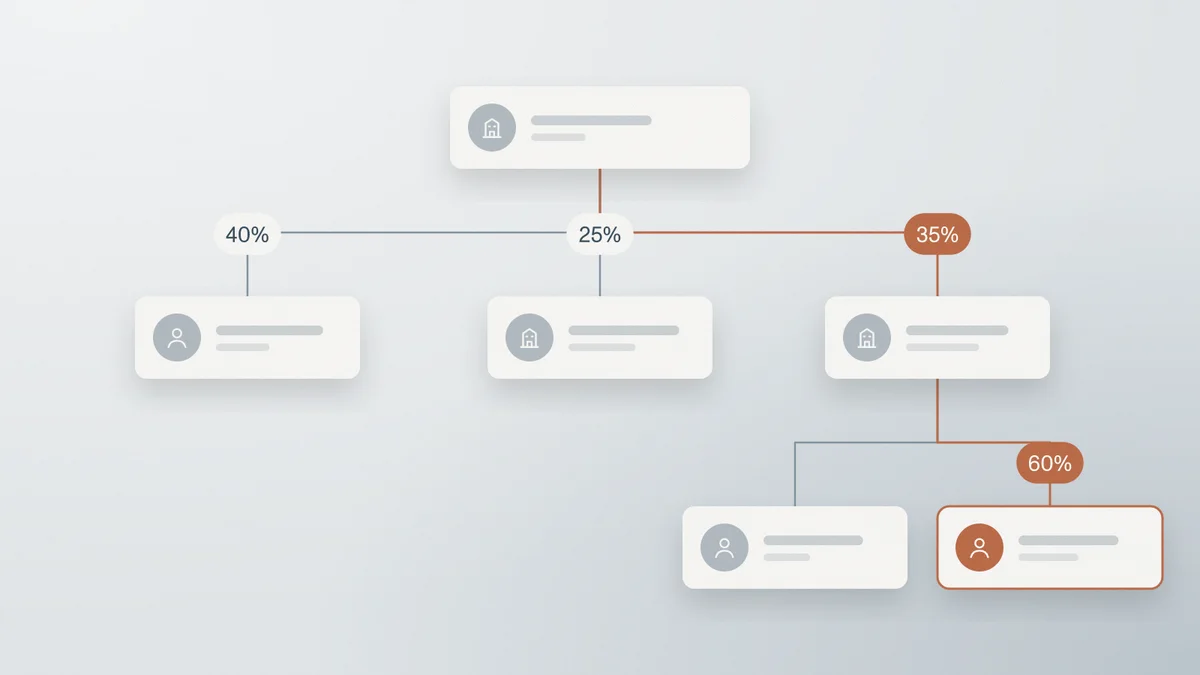
How to build an AML QA program: sampling design, scorecards, error taxonomy, 2026 enforcement actions, and what changes when AI agents disposition alerts.

How banks detect pig butchering scams: FinCEN red flags, the trial-transaction signal, receiving-side mule controls, and why 78% of victims defend the payment.
Eight financial crime, compliance and fintech conferences in fall 2026. Dates, cost, audience, date conflicts and which deserves your travel budget.

ACAMS Assembly Las Vegas 2026 runs Sept 29-Oct 1 at ARIA. Theme, agenda, 15 credits, the free CAMS seminar most attendees miss, and how to prepare.
XLoD Global New York 2026 runs Sept 24 at the Javits Center. Streams, speakers, who attends, how to prepare and what to ask vendors.
Money20/20 USA 2026 runs Oct 18-21 at The Venetian, Las Vegas. Content pillars, costs, schedule, who it suits and how to prepare.
FinovateFall 2026 runs Sept 9-11 at the Marriott Marquis Times Square, NYC. Demo format, agenda, compliance sessions, costs and how to prepare.

Global Anti-Scam Summit America 2026 runs Sept 2-3 at Pier 48, San Francisco. Dates, ticket tiers, agenda focus areas, who attends and how to prepare.

Stablecon 2026 runs Sept 9-11 at National Harbor, Maryland. Dates, venue, agenda, GENIUS Act context, who attends and how to prepare.
Elder financial exploitation detection separates elder scams from theft by trusted persons. FinCEN SAR rules, red flags, and how to evaluate a program.
Sanctions evasion red flags across six typologies: front companies, ownership obfuscation, transshipment, AIS manipulation, and trade misdescription.

Structuring in banking explained: 31 U.S.C. 5324, the $10,000 CTR threshold, red flags, SAR obligations, and how to build defensible detection.
How sponsor banks supervise fintech and BaaS partners: third-party risk expectations, who owns BSA/AML, ledger access, and oversight cadence.

How correspondent banks assess respondent institutions: FATF Rec 13, the Wolfsberg CBDDQ, nested accounts and Section 312 enhanced due diligence.

Trade-based money laundering moves criminal value through misinvoiced trade. The core techniques, red flags in trade finance, and how to build controls.
What AML model validation requires after SR 26-2 replaced SR 11-7: scope, threshold tuning, outcomes analysis, and the evidence examiners expect.
Compare API-first compliance platforms that embed screening, monitoring, and verification into product workflows. Covers latency, pricing, and integration patterns.
Compare business onboarding software for banks, credit unions, and fintechs. Covers KYB verification, UBO mapping, screening, and risk-based due diligence workflows.
Head-to-head comparison of transaction monitoring software pricing models, key features, and ROI drivers for banks and fintechs in 2026.

How banks detect fraud in real time using rules, behavioral analytics, and network intelligence. Covers detection architecture, false positive management, and regulatory expectations.

Compare compliance automation platforms for fintechs: financial crime compliance (AML, KYC) and security compliance (SOC 2, ISO 27001). Evaluation criteria and pricing.
Compare the best financial crime prevention software for banks and fintechs in 2026. Covers unified platforms, AI-native challengers, and key evaluation criteria.
Compare KYB platforms for regulated financial institutions including LexisNexis, Middesk, Alloy, Trulioo, GBG, and Sumsub with audit trail and compliance evaluation criteria.

A practical guide to automating AML and KYC compliance processes covering alert triage, screening, onboarding, and SAR filing with evaluation criteria and common pitfalls.

Compare the top KYB automation platforms for fintech in 2026. Covers Middesk, Sumsub, Alloy, Persona, Trulioo, and more with pricing, coverage, and evaluation criteria.
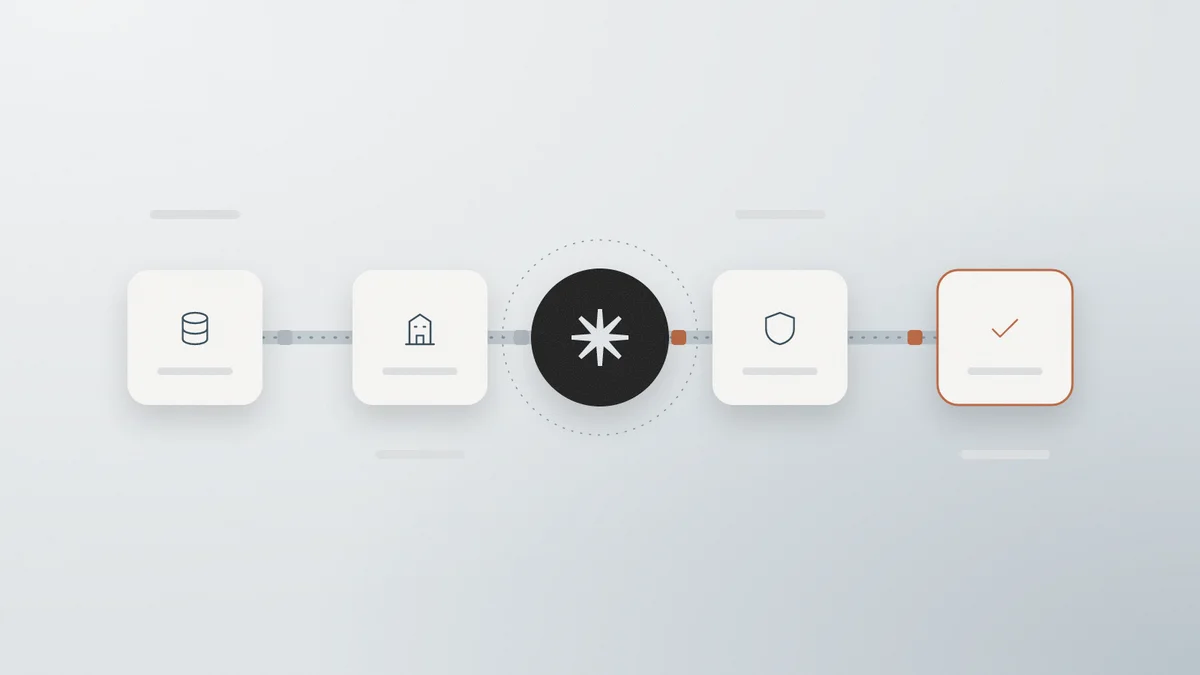
Five practical strategies to cut business verification time including parallel checks, API-first data, automated UBO traversal, risk-based routing, and perpetual monitoring.
How the OFAC 50 Percent Rule works, including indirect ownership, aggregation across sanctioned owners, and documenting screening decisions.

A mule account moves fraud proceeds through the banking system. Learn the detection signals, analyst investigation steps, and SAR reporting requirements.
Credit unions face document fraud at three unique entry points: member onboarding, indirect lending, and shared branching. How to evaluate detection at credit union scale.
AI-generated document fraud is surging. Most onboarding platforms rely on OCR and template matching that miss synthetic forgeries. How multi-layer verification catches what legacy checks cannot.

A guide to the four types of document fraud in banking and the five-layer detection framework compliance teams need to catch AI-generated fakes.
Community banks face the same BSA/AML requirements as institutions 10x their size. Learn what to look for in AML technology, how FinCEN's effectiveness rule changes the game, and how to evaluate solutions for $1B-$10B institutions.

What BSA examiners evaluate at community banks in 2026: risk assessment currency, TM tuning rationale, SAR narrative quality, CDD documentation, and how AI audit trails change the exam conversation.

Ranked comparison of the top crypto compliance software in 2026 covering Chainalysis, TRM Labs, Elliptic, ComplyAdvantage, Crystal Intelligence, Merkle Science, Notabene, and Sphinx.
UBO mapping automation replaces manual ownership tracing with systems that reconstruct corporate ownership graphs programmatically. Learn how to evaluate tools.
Ranked comparison of the best SAR filing software in 2026 covering Hummingbird, Abrigo, NICE Actimize, Verafin, Lucinity, Unit21, Flagright, and Sphinx.
Ranked comparison of the best transaction monitoring software in 2026 covering NICE Actimize, SAS, Feedzai, Hawk AI, ComplyAdvantage, Verafin, Unit21, Quantexa, and Sphinx.
Ranked comparison of the best sanctions screening software in 2026 covering Dow Jones, Refinitiv, ComplyAdvantage, NICE Actimize, LexisNexis, Napier AI, Alessa, and Sphinx.
PEP screening identifies politically exposed persons, their family members, and close associates to apply risk-based enhanced due diligence under FATF and AML regulations.

Adverse media screening searches public sources for risk signals about customers. Learn what regulators require and how to evaluate a screening program.
Ranked guide to the best compliance case management software in 2026. Covers evaluation criteria, platform categories, regulatory requirements, and how to choose.

Financial crime detection identifies suspicious activity after the fact. Prevention stops it before funds move. Here is how to evaluate the right balance for your compliance program.

Evaluate business onboarding automation software for banks. Covers KYB verification, beneficial ownership, sanctions screening, and what to look for in a platform.
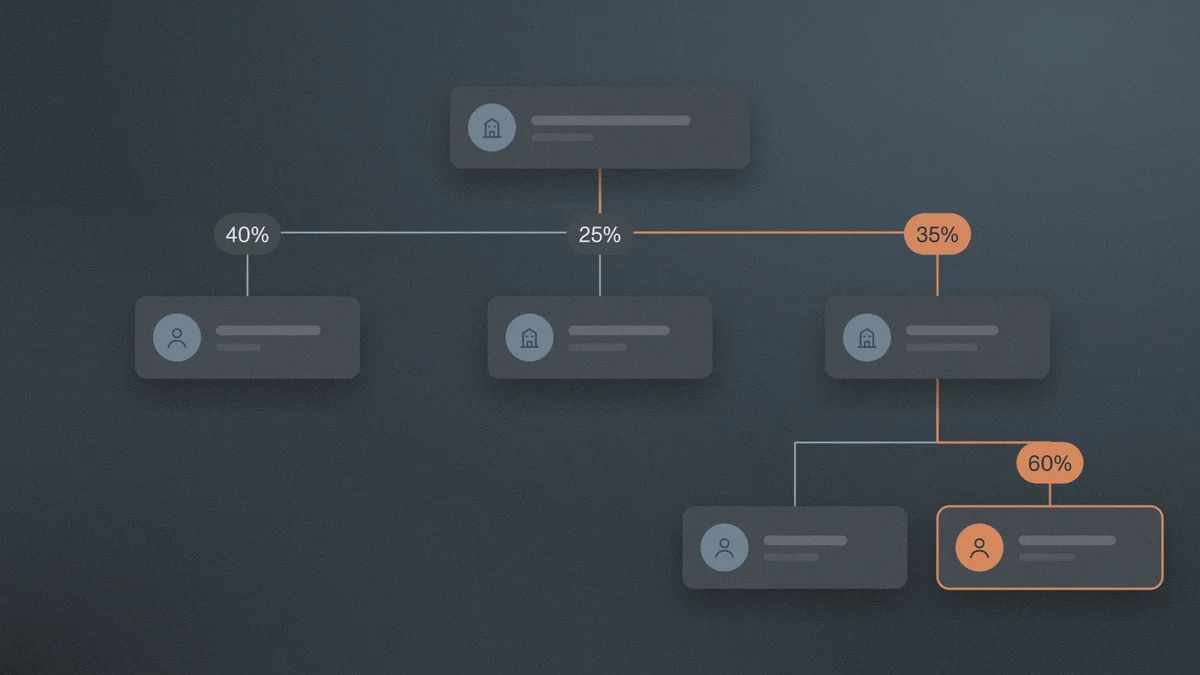
What banks must verify, monitor, and document under FinCEN's CDD Rule — including the 2026 beneficial ownership changes and how to evaluate your program.
Compare risk assessment software for banks and fintechs. Covers AML risk scoring, regulatory alignment, audit trails, and what compliance teams should evaluate.
Modern fraud detection layers ML scoring, behavioral biometrics, and graph neural networks to catch fraud in milliseconds while reducing false positives.
Perpetual KYC (pKYC) replaces periodic reviews with continuous, event-driven monitoring. Learn how it works, what triggers reviews, and what it takes to implement.

Compliance officer burnout is a systems problem, not a people problem. Learn how AI case-level automation removes repetitive volume and makes the role sustainable.

The AML efficiency gap separates compliance activity from risk reduction. Learn how outcome-based measurement and lower false positive rates close it.

Learn how to write SAR narratives that law enforcement can act on. Covers FinCEN's five-W framework, October 2025 guidance changes, and common mistakes to avoid.
FRAML merges fraud and AML into one program. Learn why 93% of mid-market banks are converging, the cost savings, and how to evaluate readiness.
FinCEN's 2026 proposed rule replaces process-driven AML compliance with an effectiveness-based standard. Learn the two-pronged framework and how to prepare.
Ranked comparison of the best fraud detection platforms in 2026 covering Feedzai, NICE Actimize, Featurespace, SAS, and Hawk AI with an evaluation framework.

Ranked guide to the best compliance software for financial services in 2026, covering AML, KYC, KYB, and security compliance platforms.
UBO identification traces beneficial ownership through corporate layers to find the natural persons who own or control an entity.
Ranked comparison of the best AML software in 2026 covering ComplyAdvantage, NICE Actimize, LexisNexis, Hawk AI, TRM Labs, Alloy, and Sphinx.
Screening alerts take 30-45 minutes each, with 85-90% being false positives. Four capabilities cut review time without compromising audit readiness.

Enhanced Due Diligence (EDD) applies deeper scrutiny to high-risk customers. Covers triggers, requirements, source of funds verification, and the operational cost of EDD programs.
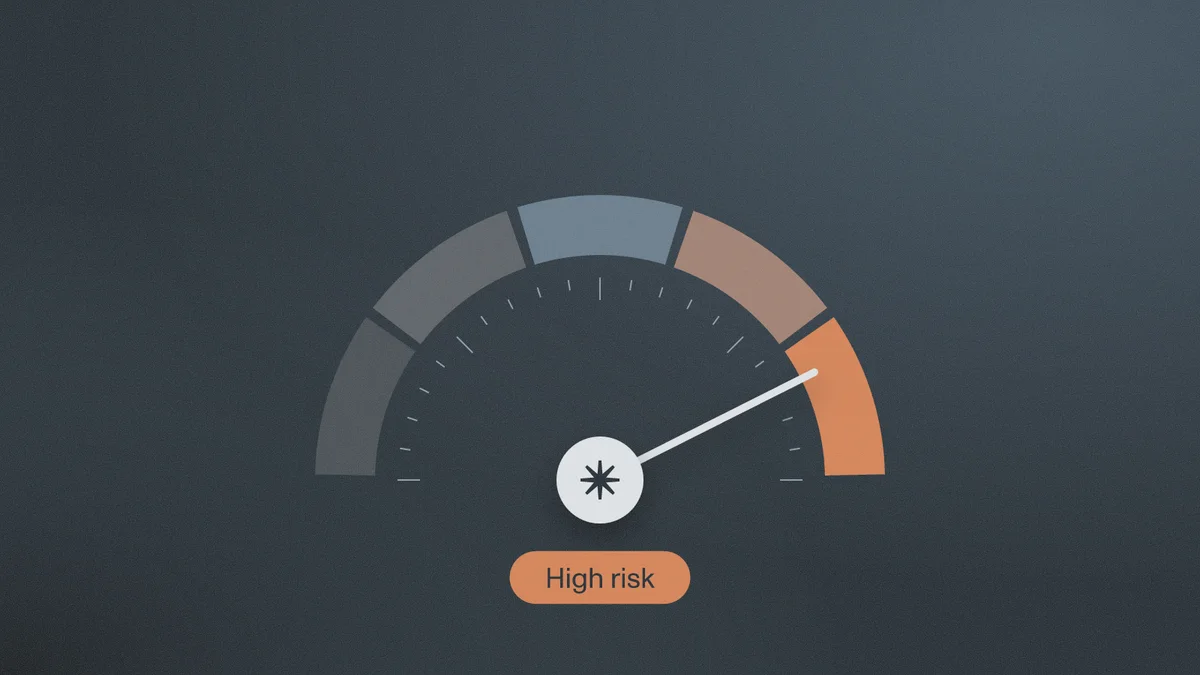
KYB (Know Your Business) verifies business entities, ownership structures, and beneficial owners. Guide covering FinCEN CDD Rule, FATF Rec 24, and evaluation criteria.
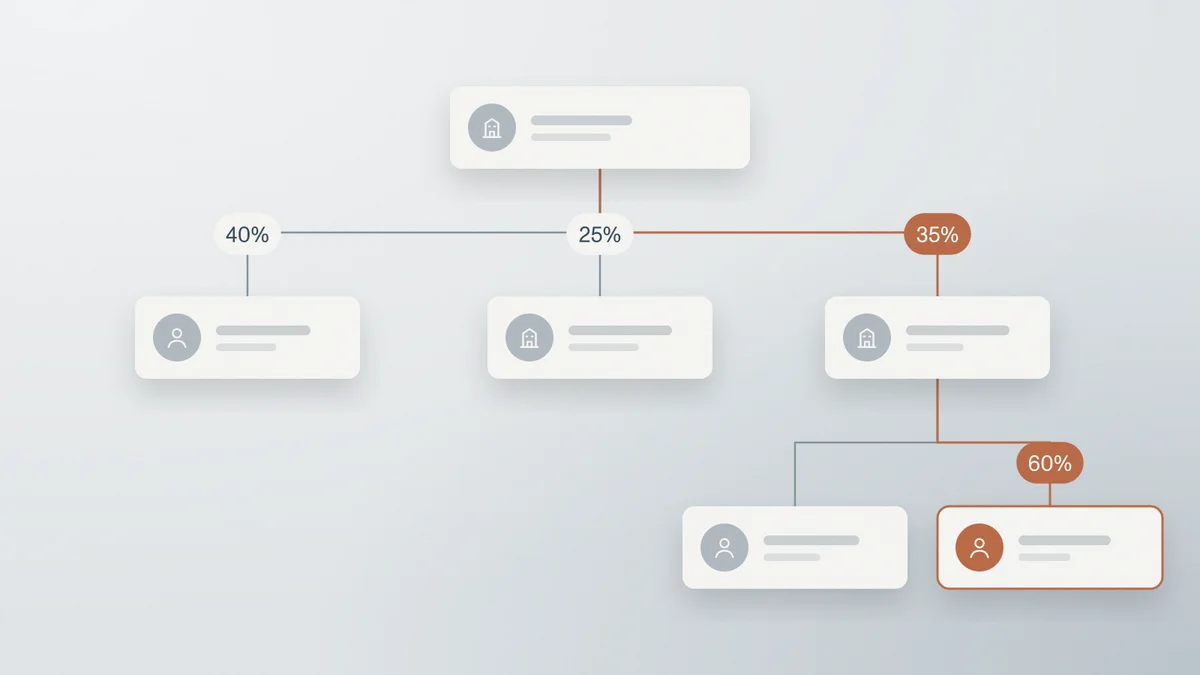
KYC verifies individuals, KYB verifies business entities and their beneficial owners. A comparison of scope, complexity, cost, and regulatory drivers.
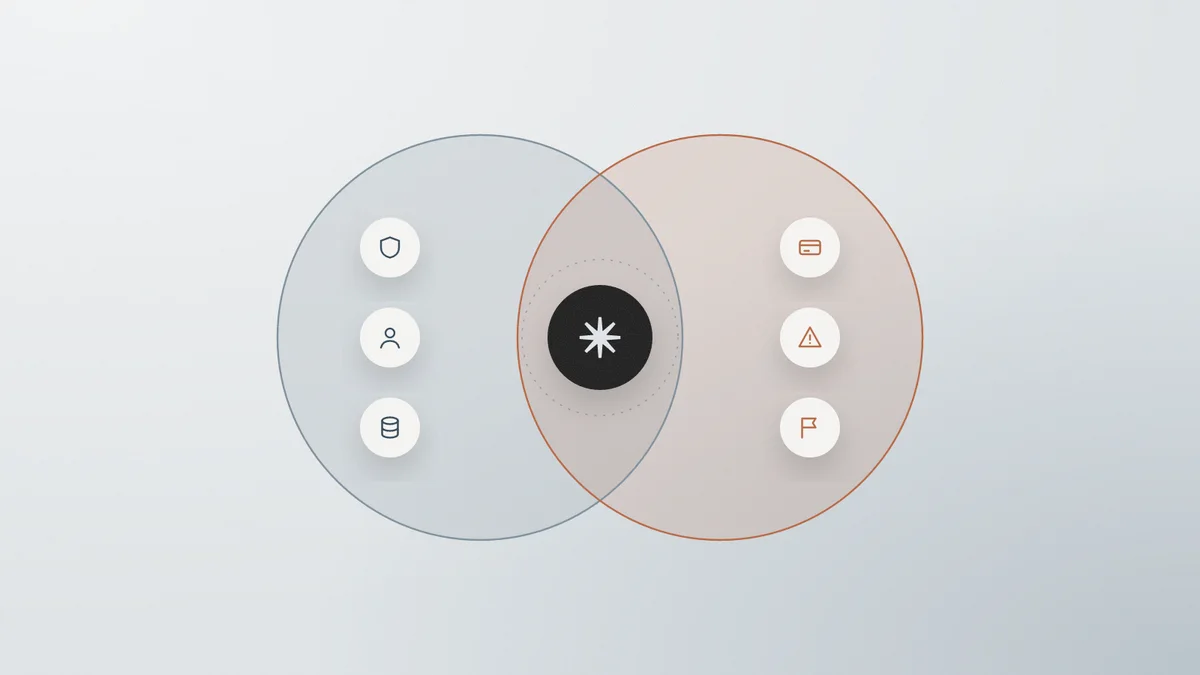
Screening alert backlogs are a design problem, not a staffing problem. Most systems were built to flag matches, never to resolve them at scale.
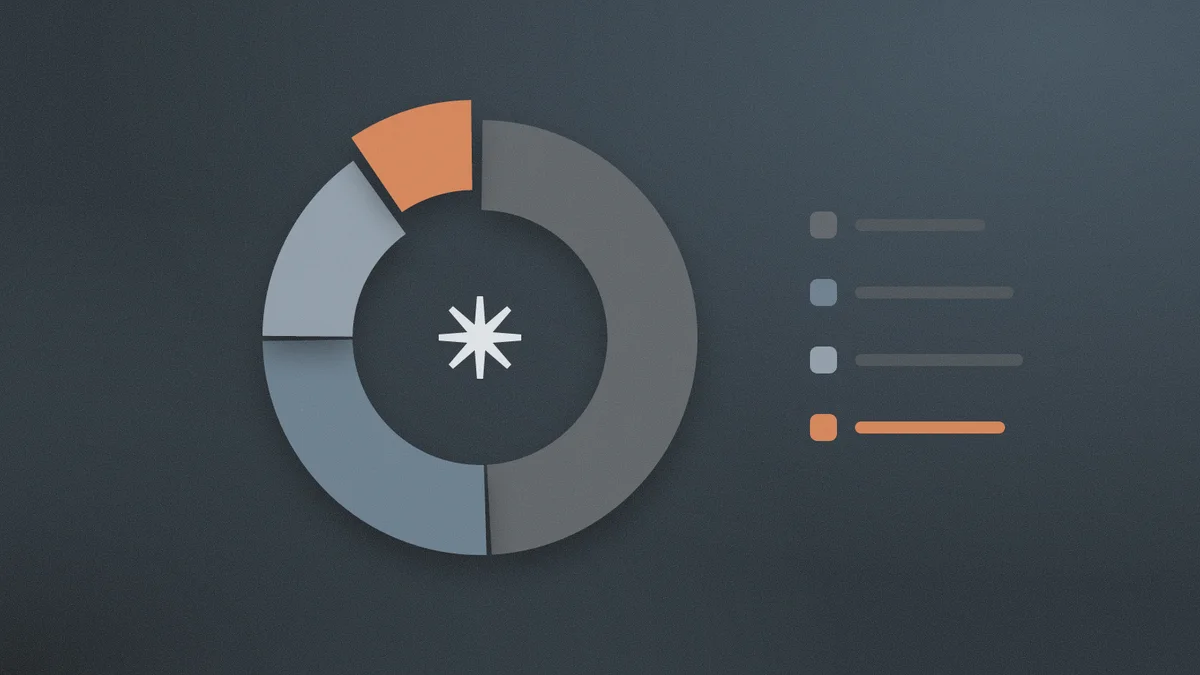
AML transaction monitoring detects suspicious financial activity through rules and behavioral models. Covers detection methods, alert investigation, SAR filing, and false positives.

U.S. crypto AML compliance: regulators are no longer satisfied with policy documents. They want evidence that the program actually ran.

Compare the best KYC software in 2026. See top vendors, key strengths, and the compliance gaps buyers should evaluate before choosing.
Learn what actually reduces AML false positives - data quality, context, explainability, and automation - and how to spot vendor theater.

Global compliance automation that scales seamlessly across borders.
Try another keyword or explore a different topic.