
How to Spot a Fake Medical Bill in Claims and Leave Reviews
How to spot a fake medical bill: who issues a bill, statement and EOB, how to use NPPES and CMS code sets, and how to confirm with the provider.

TL;DR: A fake bill of lading is a transport document forged, altered, or issued with false content to support payment, financing, or the movement of value. The ICC International Maritime Bureau says around 95 percent of the false bills it identifies are issued by non-vessel operating common carriers, or NVOCCs. No review of the file can prove that cargo exists, so a bill needs confirmation from the carrier and from sources outside the document set.
A bill of lading is the document a carrier or its agent issues to acknowledge receipt of cargo for shipment. The FATF and Egmont Group report on trade-based money laundering gives it three functions: a receipt for the goods, evidence of the contract of carriage, and a document of title.
Fake bills come in three classes. Edited-after-creation starts from a genuine bill and changes the consignee, the dates, the quantity, or the vessel. Generated-from-scratch has no carrier record behind it. The third class is the hardest: a genuine issuer signs a bill whose content is false. The IMB describes suspect bills as those carrying the wrong ship, dates, cargo description, container numbers, or parties.
The Bureau also says the vast majority of NVOCCs issue bills correctly, so an NVOCC name is a reason to confirm the issuer and proves nothing alone.
The type of document determines what a forgery can steal. UNCTAD describes the negotiable bill as a document of title that gives its lawful holder the exclusive right to demand delivery in exchange for the original. A sea waybill needs no presentation at delivery, which UNCTAD says makes it unsuitable where a bank needs independent documentary security.
Electronic bills change the question from who holds the paper to who controls the record. The UNCITRAL Model Law on Electronic Transferable Records treats exclusive control, established by a reliable method, as the equivalent of possession. UNCITRAL's status page lists legislation based on or influenced by the Model Law in 13 States, including the UK's Electronic Trade Documents Act. A PDF of an electronic bill is only a picture of the record, so the check has to happen on the platform. In the FIT Alliance's 2026 survey, 22.2% of bank respondents reported at least partial use.
Common uses of a false bill are drawing under a documentary credit, raising invoice or receivables finance, obtaining release of cargo from an agent, and supporting a payment that has no real trade behind it.
FATF and Egmont name phantom shipments, where no goods move at all, and the reuse of documents to justify multiple payments for one shipment, sometimes across several institutions. Trade-based money laundering covers those techniques in full. Sanctions evasion is the other driver. OFAC's 2020 maritime advisory lists falsified shipping documents among the practices used to disguise origin.
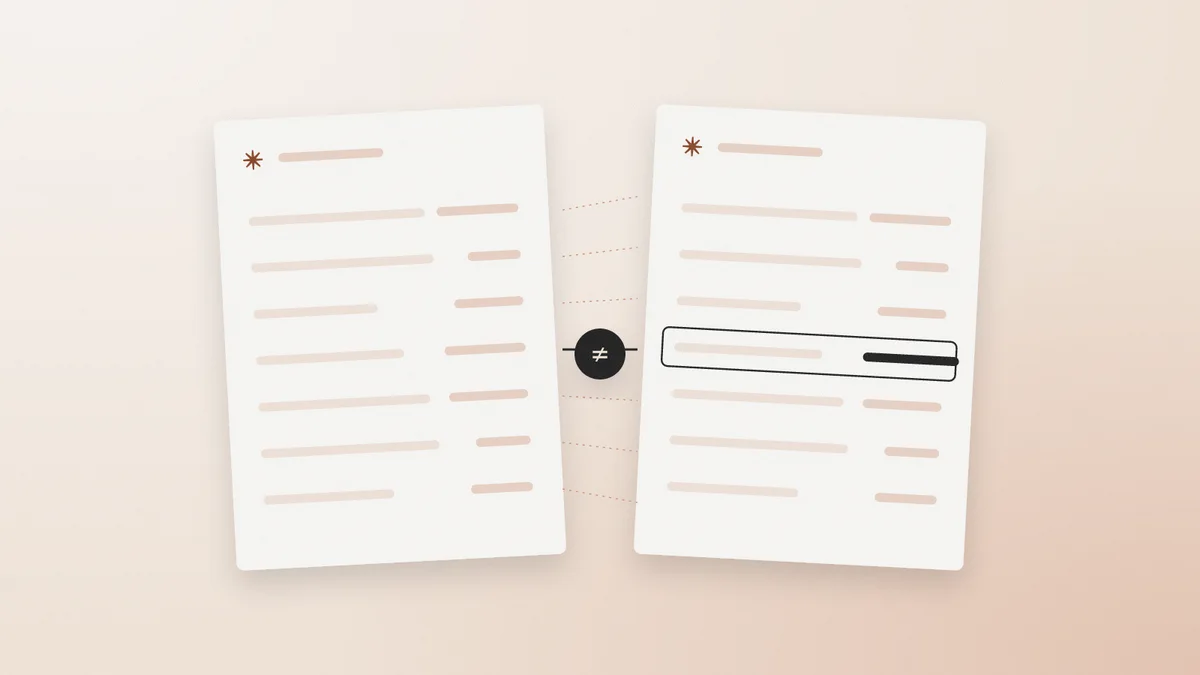
Start with whether the set agrees with itself. Compare the bill with the commercial invoice, the packing list, and the credit: parties, ports, vessel, shipment date, goods description, quantity, weight, marks, and container numbers. UCP 600 article 14(d) says data need not be identical but must not conflict, so a bill saying "hats" sits fine beside an invoice for green hats, and one saying red hats does not.
Checking for compliance and checking for fraud are separate jobs. Under UCP 600, banks deal in documents and disclaim responsibility for genuineness and for the existence of the goods. A presentation can comply on its face and describe nothing real. The FFIEC BSA/AML manual expects banks, to the extent feasible, to review documents for anomalies as well as compliance. The commercial side has its own tests, covered in how to spot a fake invoice.
Goods out of line with the customer's business and routes with no obvious logic justify a closer look. Practitioners quoted by Global Trade Review note that duplicate or switched bills can have commercial reasons, such as a trader concealing its supplier, so a second bill needs an explanation before it becomes a finding.
Confirm the bill with the carrier through a contact the bank found itself, covering the bill number, vessel, voyage, loading date, parties, and containers. Do not rely on a link or QR code printed on the bill. In 2012 the IMB described fake carrier websites that confirmed loading for cargo that never moved, one of them closely copying a major liner company's site. For a house bill issued by an NVOCC, also ask the ocean carrier about the shipment behind it.
Under ISO 6346, a container number has a three-letter owner code, an equipment letter, six serial digits, and a check digit. The Bureau International des Containers runs a public calculator and the owner code register. A failed check digit means a mistyped or invented number. A passing check digit proves only that the number is well formed. Leasing also means the owner code need not match the carrier.
Vessel checks test whether the voyage could have happened. A vessel's IMO number is meant to stay with it through changes of name and owner. The ICC's 2026 vessel checking guide advises validating vessel movements through competent third parties when defined risk indicators are triggered, and treats a shipment that could not have occurred as an indicator of falsified documentation. AIS tracks position, and OFAC warns it can be disabled or spoofed. A ship in the right port on the right day still says nothing about what it loaded.
The IMB authenticates transport documents for members by making independent checks with named parties and others, and members can see whether an NVOCC has signed its Code of Conduct.
Even a genuine bill may not establish what is in the box. The ICC guide notes that containerized goods are described as the shipper states, without carrier verification, which is what "said to contain" means. Cargo evidence comes from outside the bill: an independent inspection at loading, terminal or customs records, and, as the FFIEC suggests, official import and export forms.
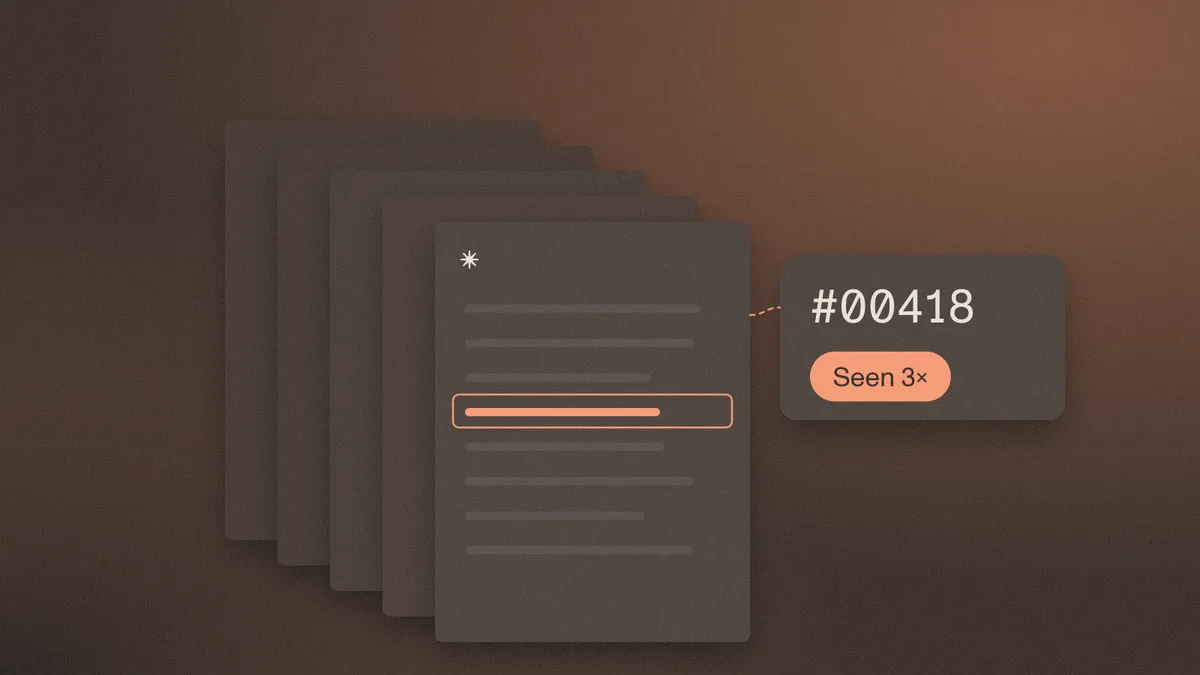
Multiple financing uses documents that may each look perfect, which is why one bank's review cannot catch it. Global Trade Review's account of the Hin Leong collapse cites court-appointed managers who found bills for three parallel trades bearing the same vessel name and aggregate cargo, differing only in date. Liabilities reached around US$3.5 billion. The vessels were typically chartered by a group company, so the supporting paper came from the borrower's own side. In 2023, Singapore's High Court dismissed a US$60.9 million claim against two banks after finding the underlying bills forged.
Practical controls follow from that case. Hold the full set of originals where the product allows it, because finance against copies leaves title elsewhere. Ask who else finances the customer and compare stated cargo with the vessel's plausible capacity. Treat a carrier related to the borrower as a weak confirmation.
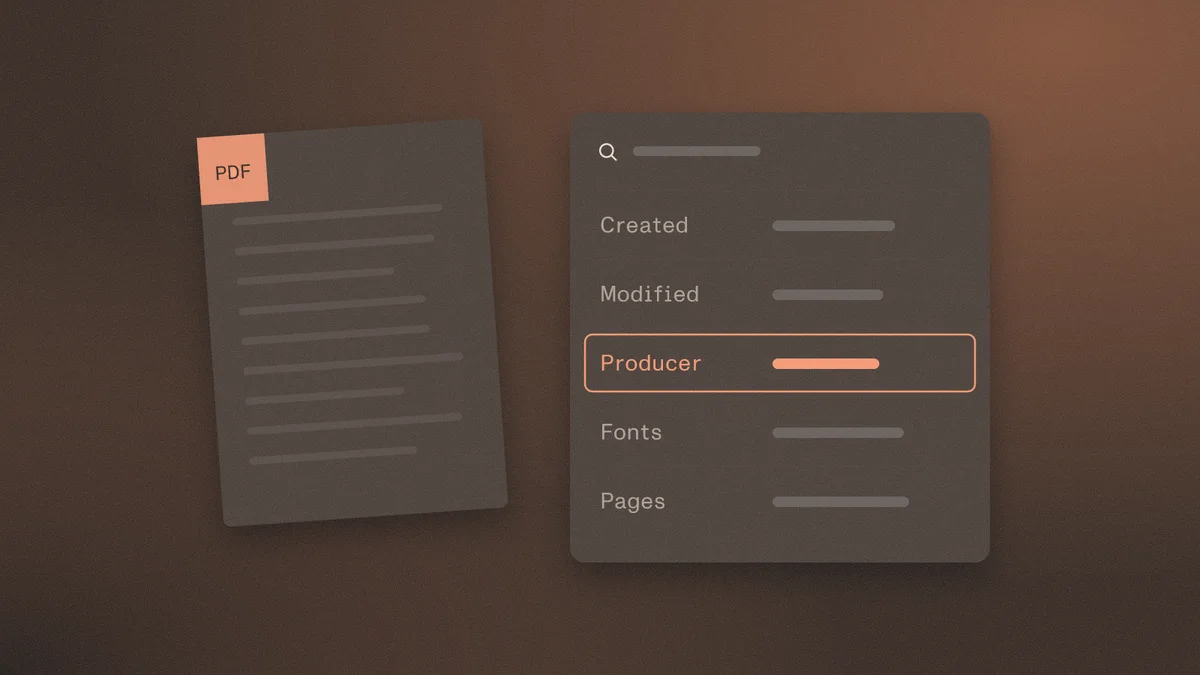
File analysis runs six checks: production method, timestamp trail against the shipment and issue dates, issuer matching against that carrier's real documents, consistency across the set, model artifacts, and recycled patterns across unrelated presentations.
Edited bills tend to fail on file history, and generated ones on issuer and pattern. A scan adds noise, since its dates record only the scanning. The hard limit is that file forensics cannot prove cargo exists or that a ship loaded it. A clean file from a complicit issuer can describe a shipment that never happened, and only the carrier, the terminal, customs, or an inspector can speak to that.
Hold payment or release under the bank's procedures and keep the document as presented. Write down the specific conflict. Confirm the bill with the carrier on an independently sourced contact, run the container and vessel checks, and escalate to the IMB or a specialist where the value or corridor warrants it. Screen vessels and parties for sanctions throughout, and consider SAR obligations once the facts support it. For a scored read of the file's history ahead of those checks, check the document. The outside confirmation still decides.
Watchdoc, Sphinx's document fraud product, examines the file across the six checks above and shows the reviewer why it passed or failed. Sphinx reports a 94.3% correct verdict, at $0.45 per document with no seats or platform fee. It does not track vessels, contact carriers, or confirm that cargo exists, and the team keeps the final decision. The free playground covers 50 documents and needs no card.
Contact the carrier or its agent through independently found details and confirm the bill number, vessel, loading date, parties, and containers. Then compare it with the invoice, packing list, and credit. IMB members can also ask the Bureau to authenticate it.
No. The ISO 6346 check digit only validates that the number was recorded and transmitted accurately. A well-formed number can still belong to a container that never carried this cargo, so confirmation has to come from the carrier.
No. Forensics can show that a file was altered, but a clean file can still describe a shipment that never happened. Carrier confirmation, terminal or customs records, and independent inspection are the evidence that goods moved.
A negotiable bill of lading is a document of title, and the holder claims the goods by presenting an original. A sea waybill is a receipt and evidence of the contract, and the carrier delivers to the named consignee with no document presented, so it gives a bank no documentary security.
How to spot a fake medical bill: who issues a bill, statement and EOB, how to use NPPES and CMS code sets, and how to confirm with the provider.
How reviewers spot a fake receipt: tells that hold up, why photos show less, and how card data and merchant records confirm a purchase.
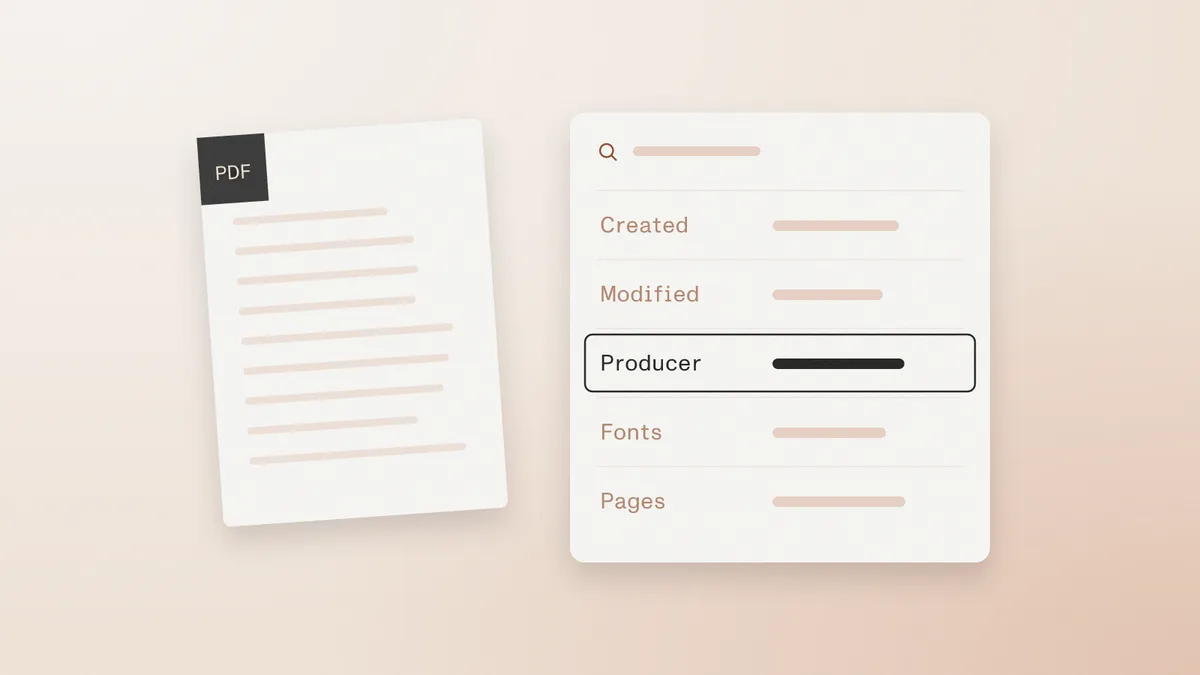
How to tell if a PDF has been edited using document properties, dates, producer fields, saves, signatures, and fonts, and why each can mislead.
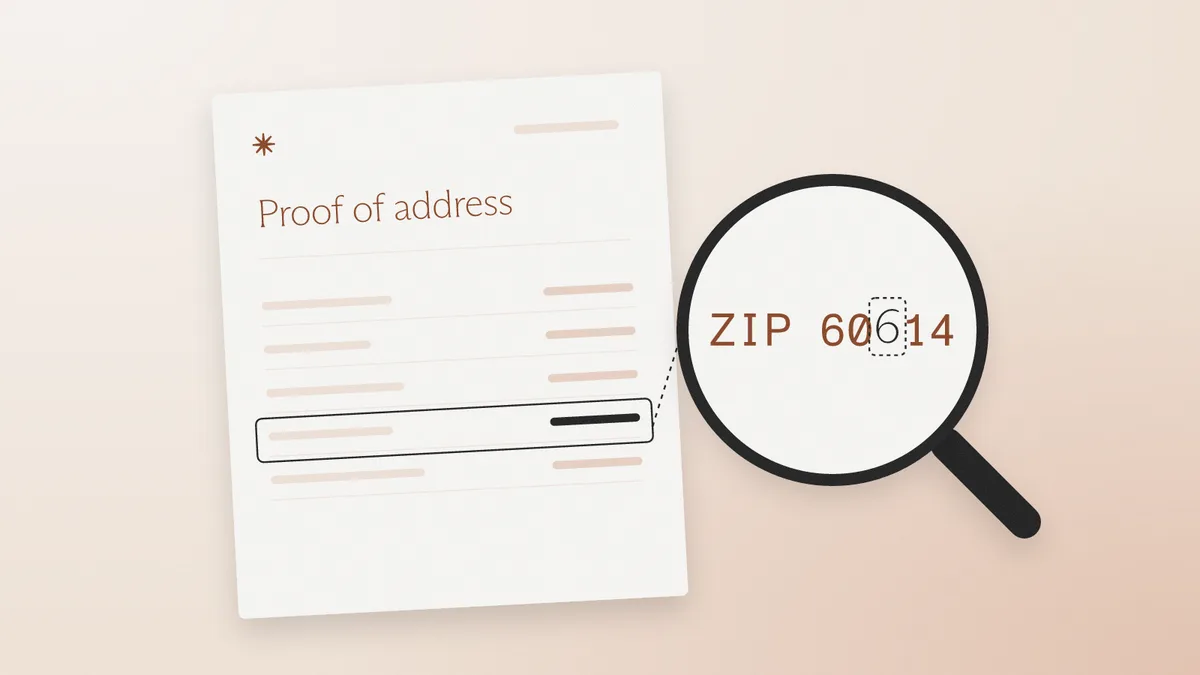
How to spot a fake proof of address across utility bills, leases, and statements, and what US CIP actually requires for an address.
How lenders, landlords and underwriters spot fake proof of income: test whether the documents agree, then confirm the figure at a source.
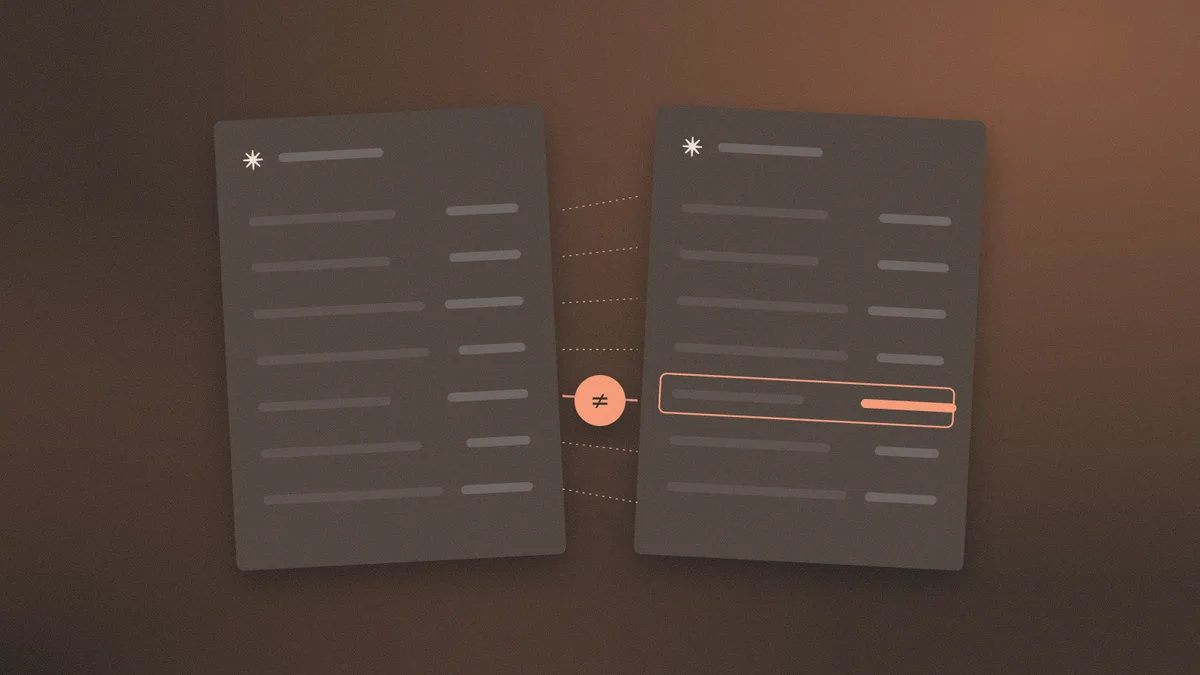
What a fake document checker can tell from a file, how to read its verdict and score, and what to check before uploading sensitive documents.
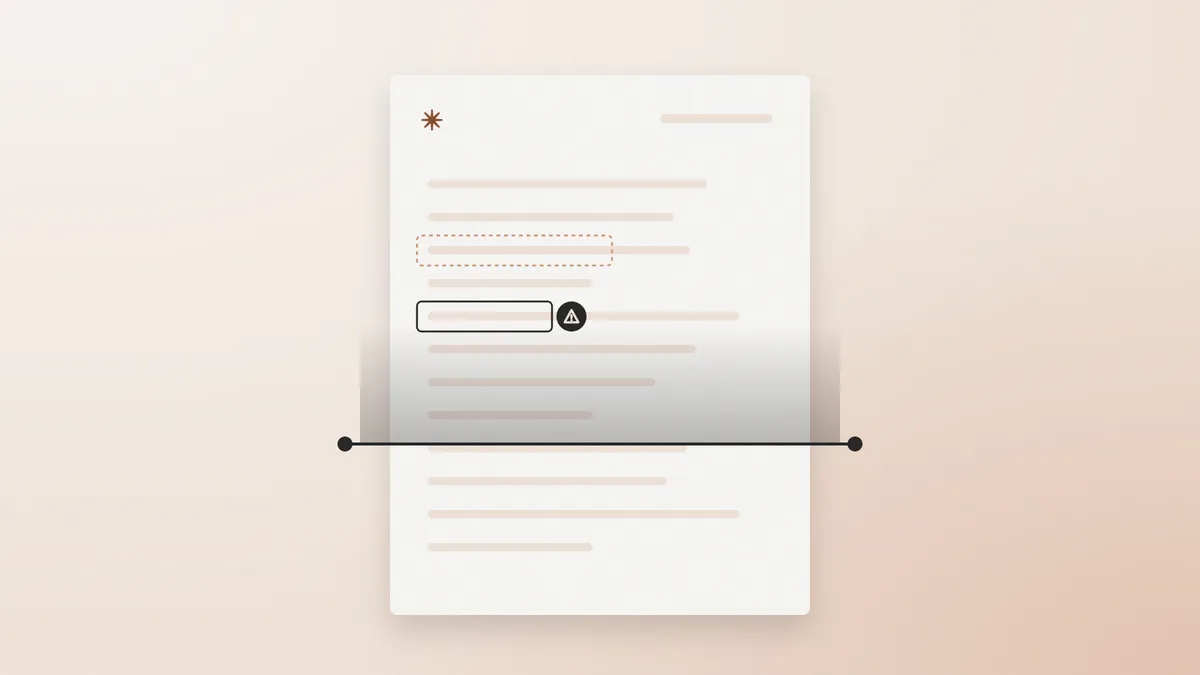
Fake documents grouped by the fraud they enable: income, banking, corporate and tax. 20 file types, each one's strongest tell, and a full guide.
Eight AI-generated document detection tools compared by fit, what each reads, and its limits, plus why no detector catches every forged file.

Bank statement fraud detection software compared for lenders and KYB teams: file forensics, statement analysis, and when a bank connection wins.
Eight document verification tools for banks, lenders and fintechs, sorted by job: identity documents, income files, and whether a file was altered.
Resistant AI alternatives for document forensics and transaction monitoring, ordered by fit, with what each does and where it stops.
Six Inscribe alternatives, sorted by what a buyer needs: work after the flag, document mix, data terms, pricing and how edits get caught.
Eight document fraud detection tools compared by what they test, how they explain a verdict and how they price.
How to spot a fake letter of credit or SBLC: why a standalone PDF is a red flag, tells that still work, and six checks on the file.
How to spot a fake gift letter: disguised loans, interested-party money, and how to verify the donor's transfer against Fannie Mae and FHA rules.
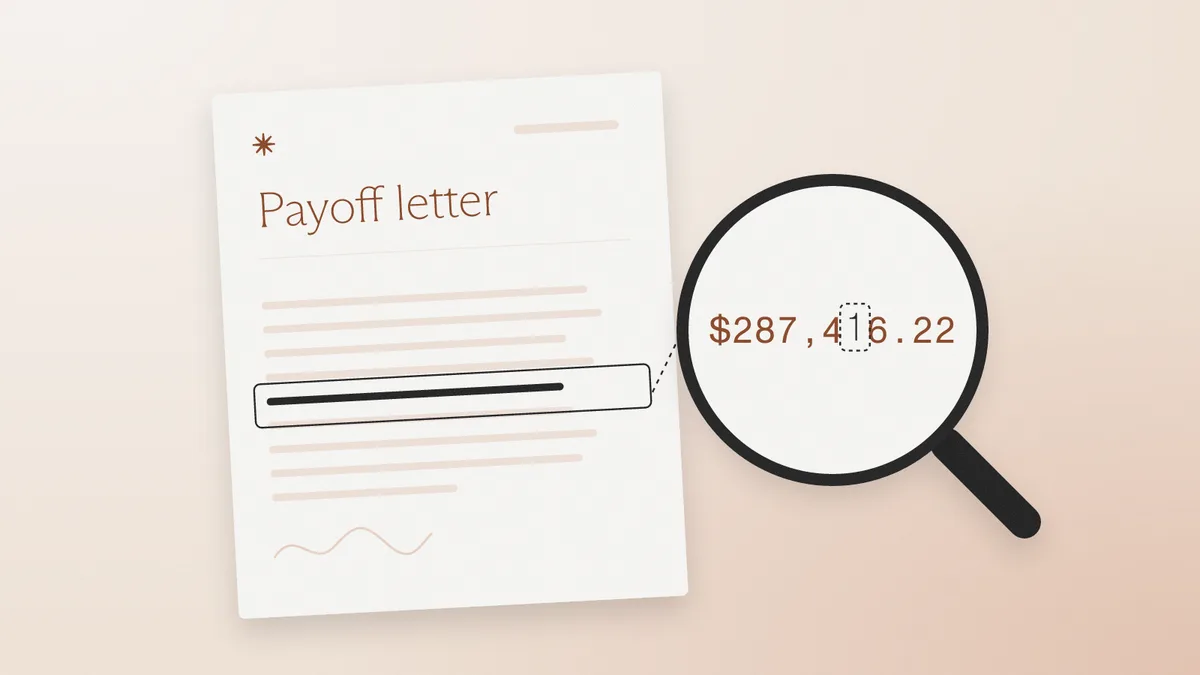
How to spot a fake payoff letter: altered wiring instructions, the tells that fail, and six checks on the file before the payoff wire goes out.
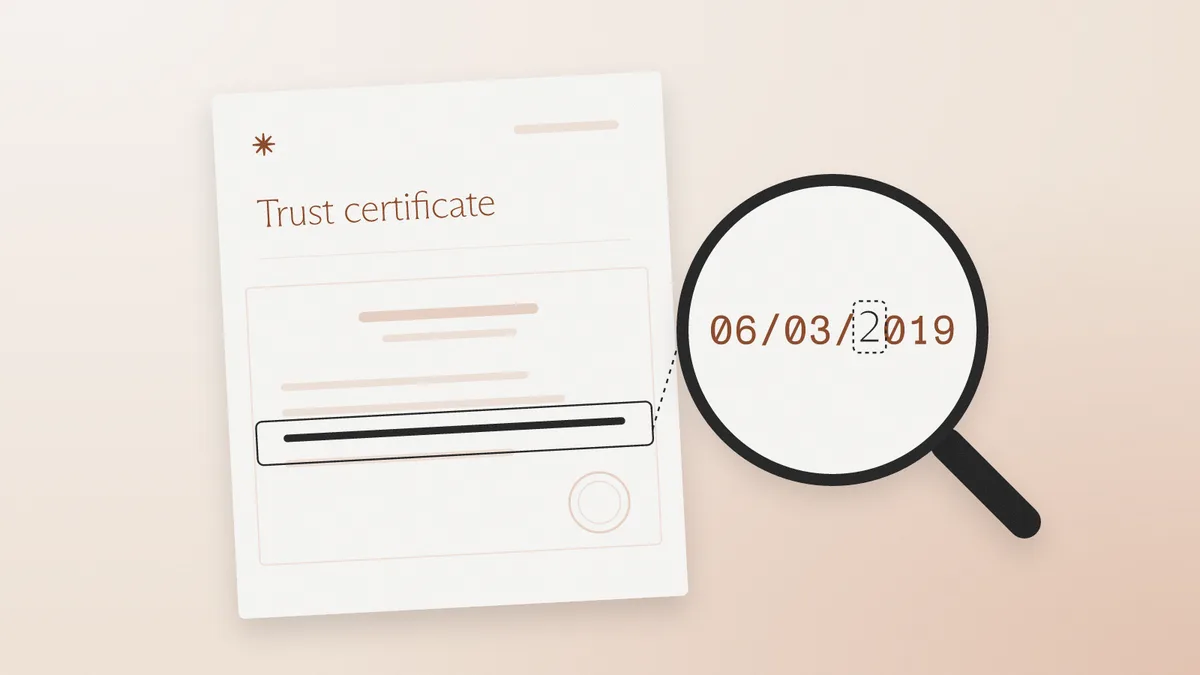
How to spot a fake certificate of trust: edited trustee names and powers, notary checks, beneficial ownership, and six checks on the file.
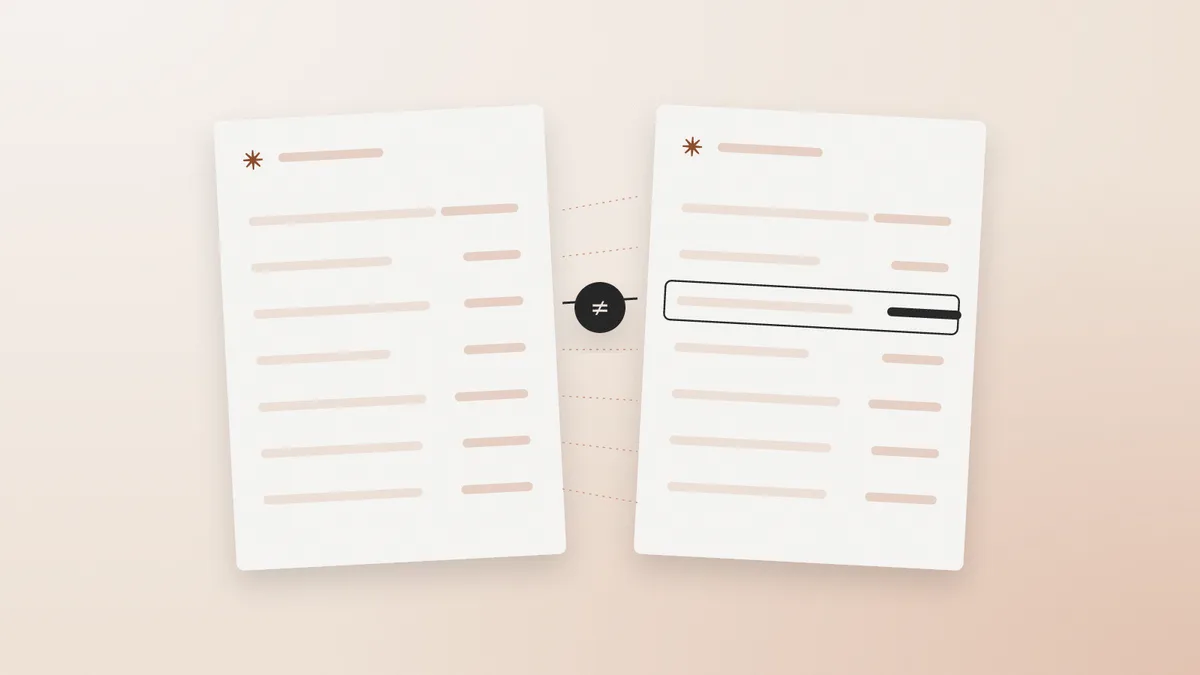
How to spot a fake shareholder register: edited percentages under the 25% UBO line, cap tables vs. registers, and the checks that catch them.
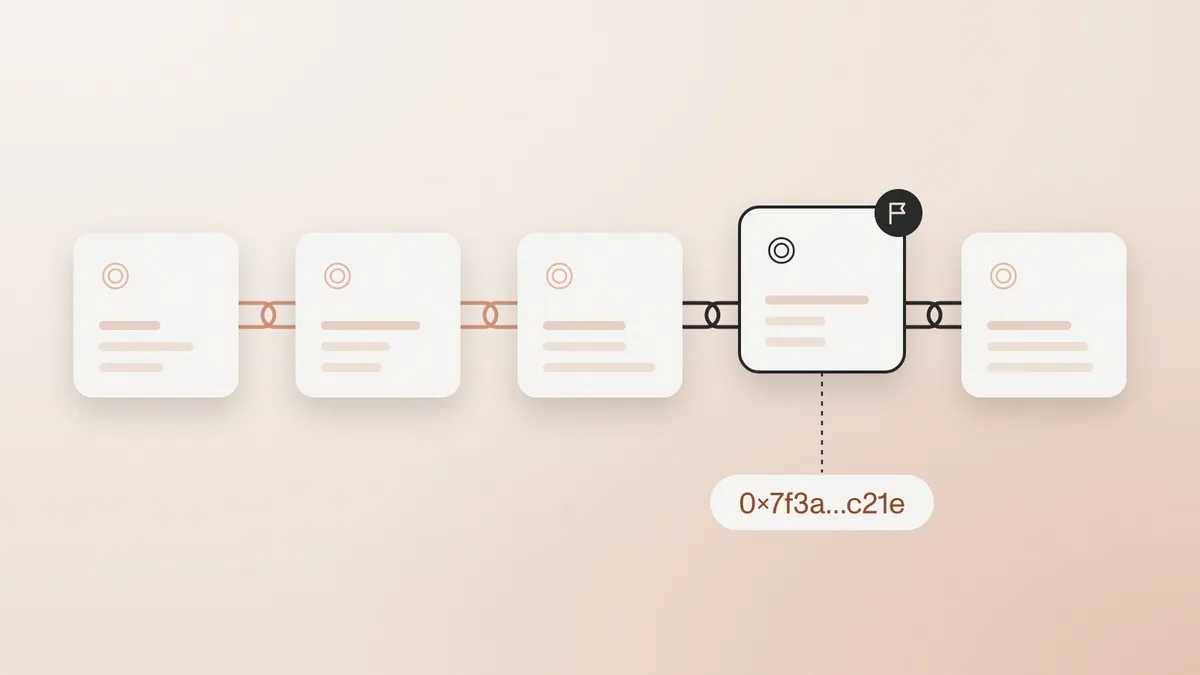
How to spot a fake crypto exchange statement: edited PDFs, CSV exports, on-chain withdrawal checks, and six checks on the file.
How to spot a fake credit card statement used for proof of address, debt verification, or source of funds: edited balances, broken math, file checks.
Spot a fake W-8BEN by reading foreign status, the treaty claim, and the file. The IRS publishes a blank and does not certify the form.

How to spot a fake partnership agreement: edited partner lists, signature blocks never executed together, and no state filing for a general partnership.
How to spot fake corporate bylaws: rules that contradict the articles, adoption before incorporation, and a template reused across companies.
How to spot a fake stock certificate offered as KYB ownership evidence, when the ledger matters more than the vignette.
A Schedule K-1 reports a partner's share of income. Capital-account math, form year, and an IRS transcript catch edited and generated fakes.
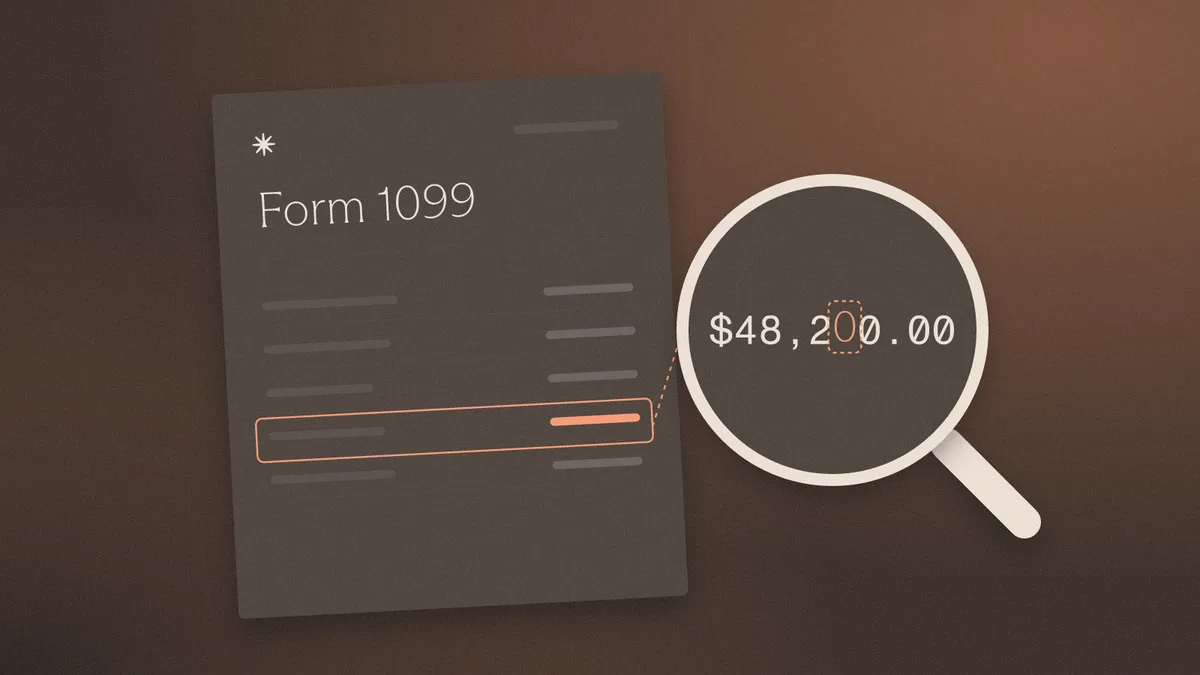
A fake 1099 is an information return edited after creation or generated from scratch. Match it to the IRS wage and income transcript.
How to spot a fake employment verification letter: edited versus generated files, the tells that fail, and six checks on the file.
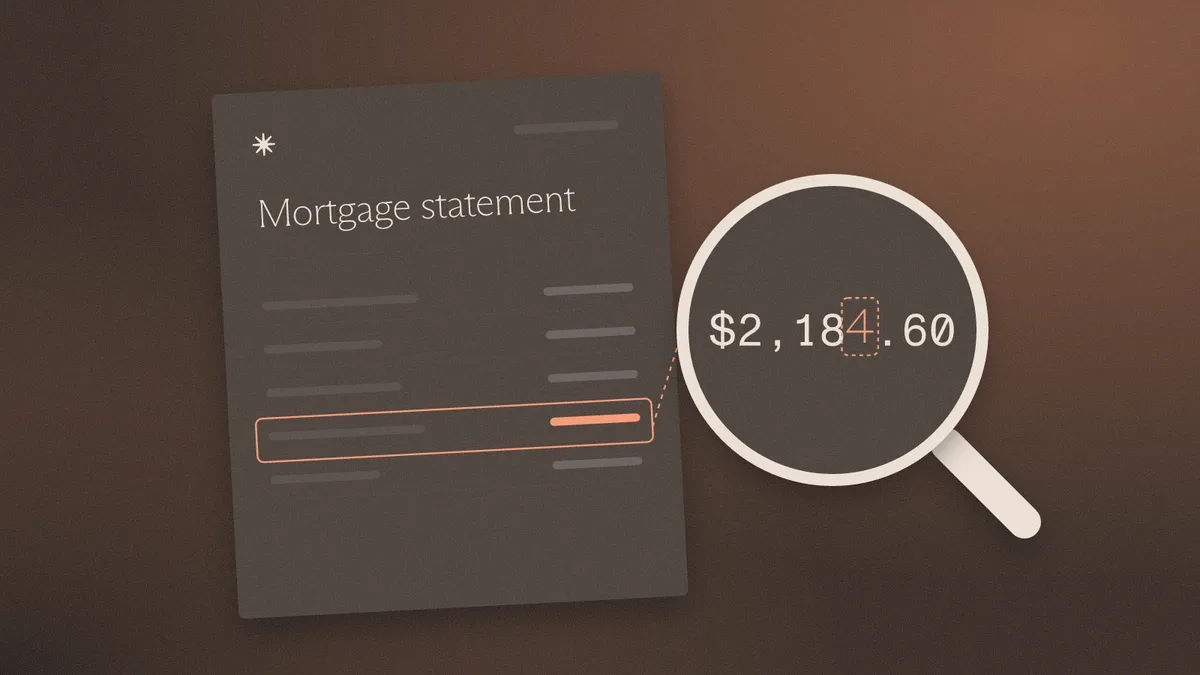
Spot a fake mortgage statement by confirming principal, amount due, due date, and rate with the current servicer.
Spot a fake W-9 by matching the line 1 name and TIN. The IRS publishes a blank form and does not seal a completed one.
Spot a fake merchant statement by rebuilding amount processed from the fee lines and confirming the merchant ID with the processor.
Spot a fake DBA certificate in the county index: file number, registrant, and expiration. A filing is not good standing.
Spot a fake board resolution by checking that the certifier is not the empowered signer and that the resolution date comes first.
Spot a fake certificate of incumbency by checking the certifier and the state's officer list. A seal does not prove the offices.
How to spot a fake brokerage statement used as proof of assets, and why file history beats a clean layout.
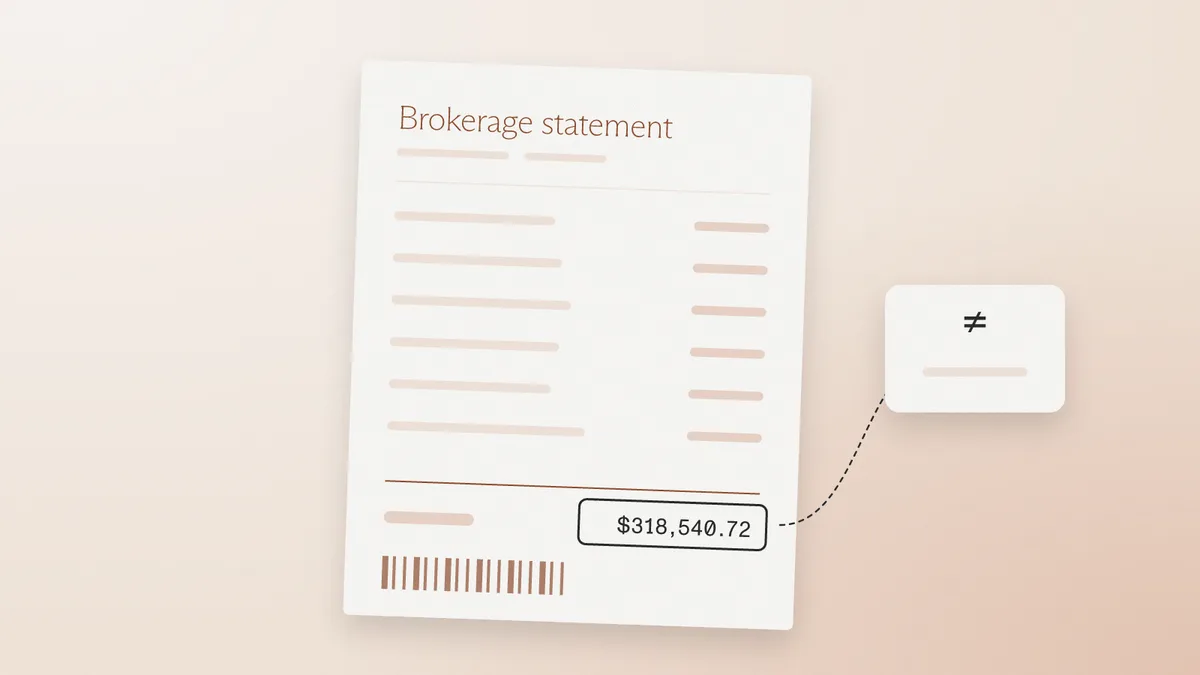
How to spot fake articles of organization by matching the file number and filing receipt to the state record before the account opens.
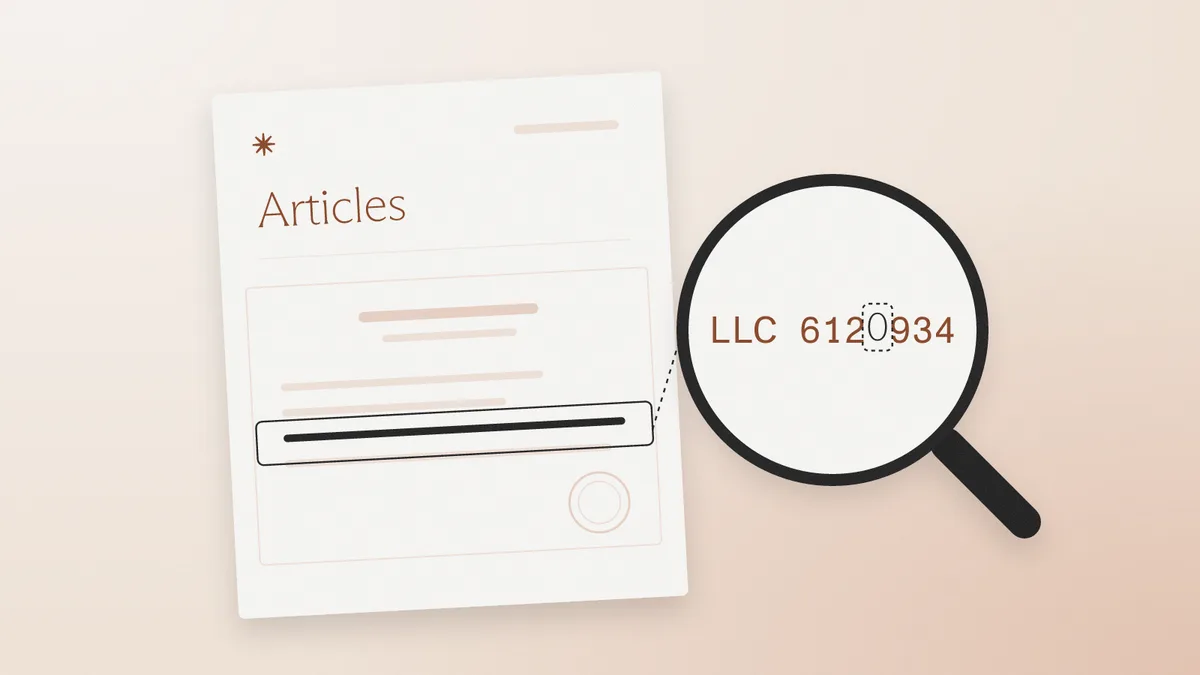
A wire confirmation is a claim that money moved. Edited and generated payment advice fail file checks. The posted credit is the proof.
How to spot a fake bank reference letter: the relationship claim, the signatory, and the edit history. Letterhead is cheap to copy.
How to spot a fake operating agreement in KYB: edited member schedules, swapped signature pages, and ownership that does not match the file.
Spot a fake certificate of good standing by checking the as-of date, file number, and post-download edits.
How to spot a fake voided check using file history, routing match, and account control. A VOID mark misses edited and generated files.
Verification reads the page and matches the applicant. Fraud detection reads the file. What each misses, how to evaluate each, and when you need both.
PDF metadata analysis for fraud detection: Info dictionary, XMP, timestamps, producer strings, incremental updates, and what each can and cannot prove.
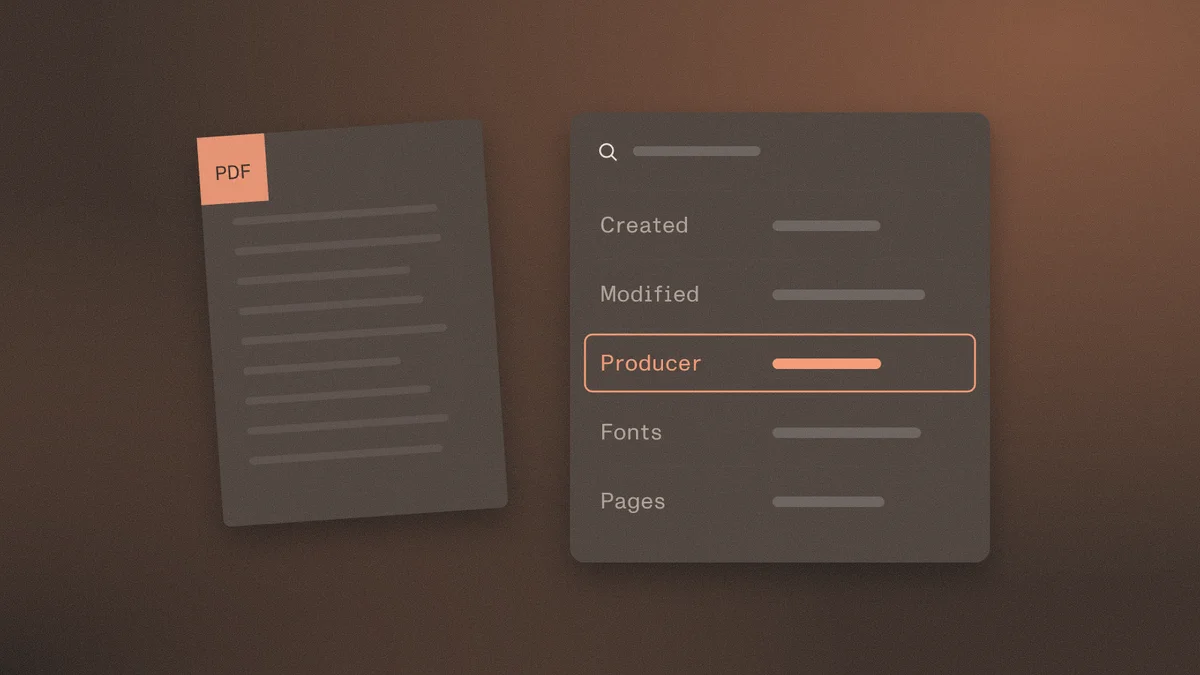
How to spot fake financial statements in SMB lending and KYB: inflated revenue, fake auditor letters, 4506-C and bank reconciliation, six file checks.
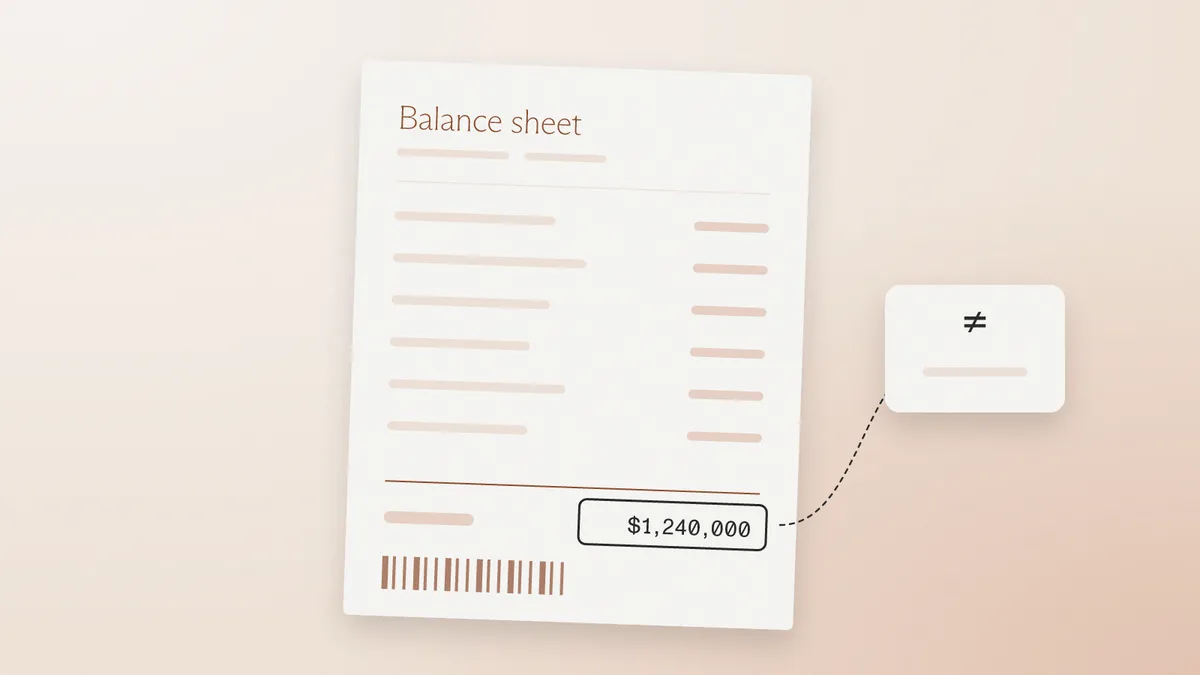
How to spot a fake certificate of insurance: why an ACORD 25 confers no rights, the tells that survive, carrier and NAIC lookups, and the six file checks.
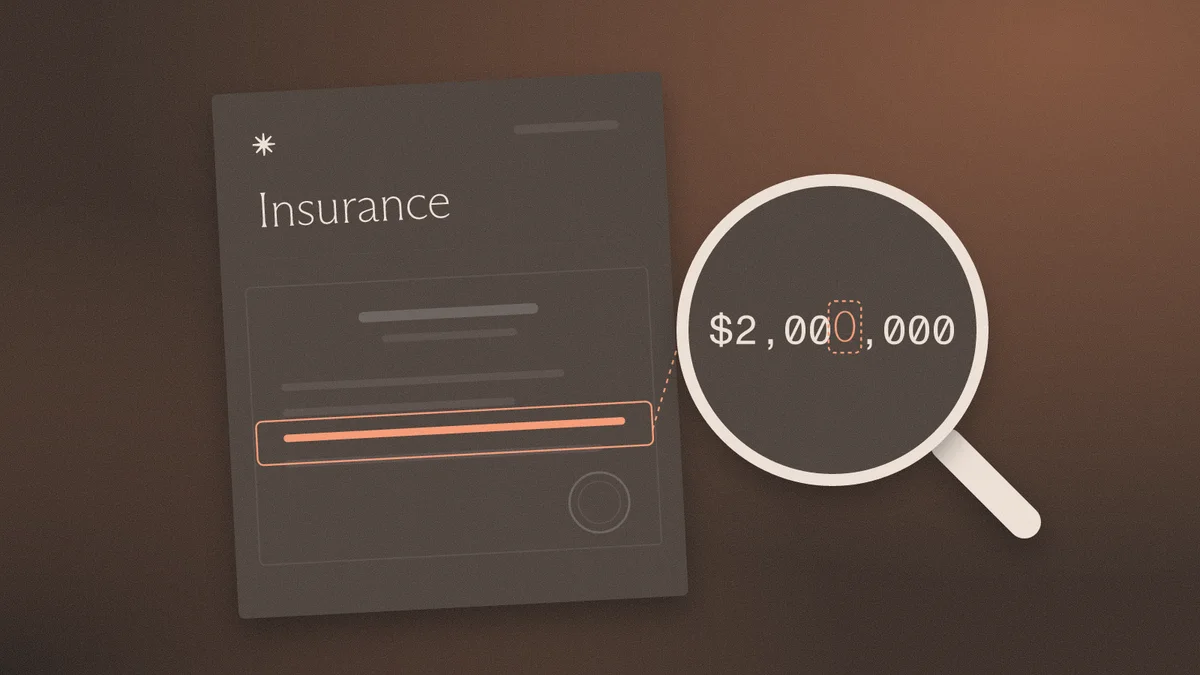
How to spot a fake lease agreement in KYC, mortgage, and KYB review: landlord, date, rent, and disclosure tells, plus the six file checks that settle it.
How to spot a fake proof of funds letter in lending, real estate, and escrow: the tells that work, the six file checks, and how to verify with the bank.
How to spot a fake EIN confirmation letter: what a real CP 575 or 147C contains, the tells that survive, IRS TIN Matching limits, and the six file checks.
How lenders and onboarding teams spot fake 1040s, W-2s, and IRS transcripts: line-item tells, edited vs generated files, and the Form 4506-C break-test.
How to spot a fake invoice in factoring, trade finance, and AP: the tells that still work, the six file checks, and the debtor break-test that settles it.
Should compliance teams accept screenshots of bank statements? What a flattened PDF loses, which fraud checks still work on images, and how to set policy.
Explainable document forensics shows where a file was altered, what it said before, and how the examiner knows. Why a fraud score alone fails audit.
How KYC, KYB, rental, and lending teams spot fake utility bills used as proof of address: edited vs generated files, tells that work, six file checks.
How fake document templates and template farms work, why template-made files have no issuance history, and how to detect them in KYC and lending.
Serial document reuse detection catches one statement, stub, or ID recycled across unrelated applicants. Why single-file review misses it.
Loan document fraud detection tests bank statements, pay stubs, and tax docs as a package — the red flags underwriters miss on visual review.
KYB document fraud detection checks certificates, registry extracts, and proof of address as files. Visual review misses edited-after-creation PDFs.

Document fraud statistics from FinCEN, FBI IC3, and FTC — and what those figures miss about edited PDFs, counterfeit templates, and file-level detection.
How to spot a fake certificate of incorporation in KYB: registrar mismatch, edited seals, generated COIs, and serial reuse. Visual review is not enough.
How to detect an AI-generated PDF using metadata, empty Producer strings, model artifacts, and the file history visual review misses.
How lenders and onboarding teams spot fake pay stubs: edited vs generated files, deposit cross-checks, and what visual review misses.
How to spot a fake bank statement: edited-after-creation vs generated-from-scratch, which visual tells still work, and how file history exposes forgeries.
Try another keyword or explore a different topic.