
How to Spot a Fake Certificate of Trust
How to spot a fake certificate of trust: edited trustee names and powers, notary checks, beneficial ownership, and six checks on the file.

TL;DR: A fake payoff letter is a loan payoff statement that was altered after the lender or servicer produced it, usually to change the wiring instructions or the amount, or generated from scratch to impersonate that lender. The FBI's 2025 Internet Crime Report recorded 12,368 real estate fraud complaints with $275,110,419 in reported losses, alongside $3,046,598,558 lost to business email compromise. Visual review fails because the competent fake is the lender's own statement with one account number changed.
A payoff letter, also called a payoff statement or payoff quote, is the lender's statement of the exact amount required to retire a loan in full as of a specific date, and where to send it. Title and escrow companies request one before a home sale or refinance closes. Auto dealers and refinance lenders request one before they pay off a vehicle loan on a trade-in or a new note. The letter names the borrower, the loan number, the principal, accrued interest, a per diem that keeps the figure current past the good-through date, any fees, and the remittance instructions.
For mortgages, the obligation to issue that statement is written into federal rule. Regulation Z, 12 CFR 1026.36(c)(3), requires the creditor, assignee, or servicer of a consumer credit transaction secured by a dwelling to provide an accurate statement of the total outstanding balance as of a specified date, within a reasonable time and in no case more than seven business days after a written request from the consumer or someone acting for the consumer. A creditor that no longer owns the loan or the servicing rights does not issue it. The current servicer is the issuer, which matters when the letter arrives from a name the file has never seen.
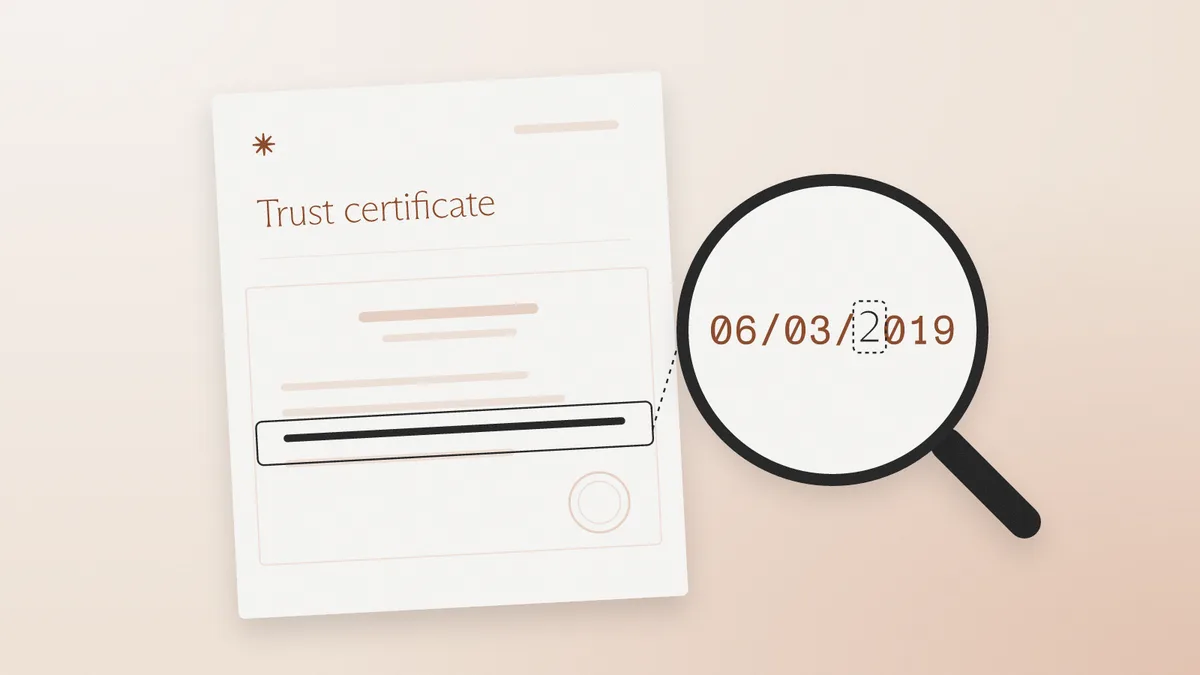
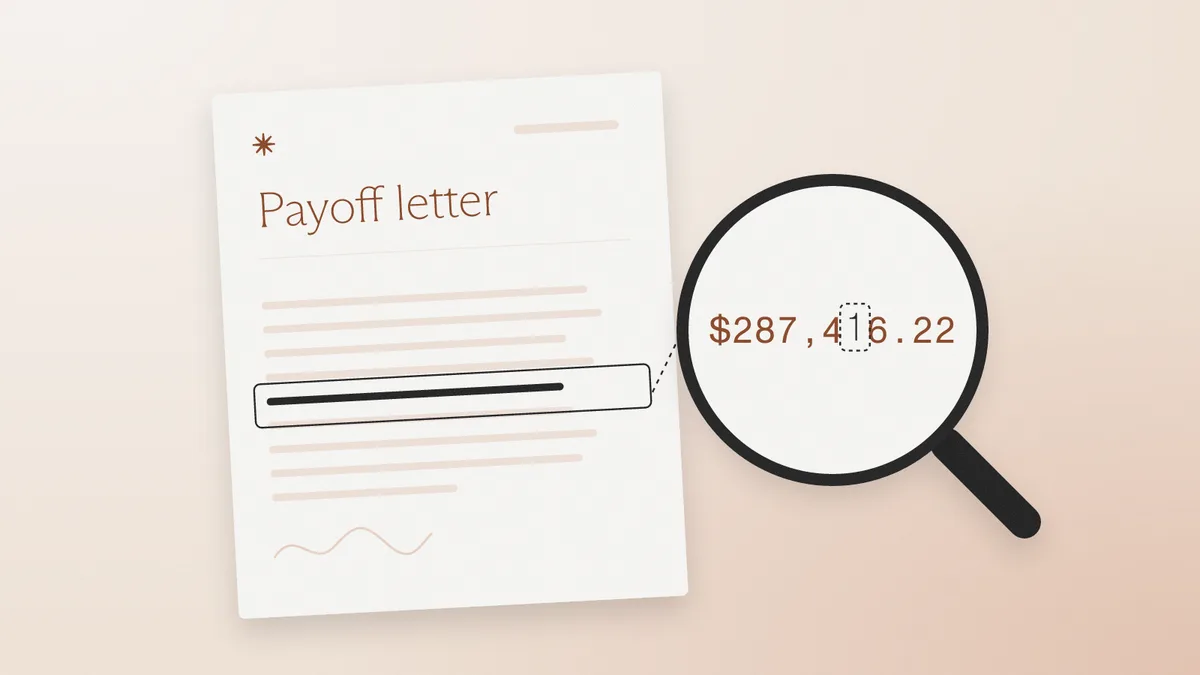
Fake payoff letters come in two production classes. Edited-after-creation starts with the servicer's genuine statement and changes the bank, the routing number, the account number, the beneficiary name, or the total after the servicer produced the file. Every other field stays correct. Generated-from-scratch starts with a template or a logo and impersonates a servicer, sometimes for a loan that exists and sometimes for one that does not.
The edited class is the expensive one. The U.S. Secret Service warned title companies, in an advisory published by the American Land Title Association, that criminals impersonate mortgage lenders and send fictitious or altered payoff statements so that the settlement agent wires the payoff to an account the criminal controls. The loan stays open. The servicer never received the money, and the gap often surfaces only when the borrower's next payment comes due on a loan everyone believed was closed.
Payoff fraud is mostly a delivery problem before it is a document problem. Payoff statements travel by email, fax, and portal between servicers, title agents, attorneys, dealers, and borrowers, and any compromised inbox in that chain can intercept a real statement, edit it, and forward it on. The page that lands looks like every other payoff from that servicer because it was one.
The scale shows up in the FBI's numbers. The FBI's 2025 Internet Crime Report logged 24,768 business email compromise complaints with $3,046,598,558 in reported losses, and 12,368 real estate complaints with $275,110,419 in losses, up from 9,359 complaints and about $173.6 million in 2024. The same report describes a buyer closing on a home who wired more than $449,000 after an email impersonated the buyer's attorneys. Those categories are broader than payoff letters, and IC3 does not break out payoffs on their own, so treat them as the environment, not a rate.
The same pattern runs through any closing that pays a third party by wire. A fake wire confirmation lies about a payment that already happened. A fake payoff letter lies about where the next payment should go. Both depend on the receiver trusting a forwarded PDF over a channel the sender controls.
Logos, fonts, and layout catch a crude template from someone who has never seen that servicer's statement. They do not catch the servicer's own statement with the remittance block edited. A phone number on the letter catches nothing, because whoever edited the instructions chose the number too.
The tells that survive a clean layout compare the letter to something the sender did not supply. Remittance instructions that differ from the account the title company or dealer has paid that servicer before. A follow-up email announcing that the servicer has "updated" its wiring details. A beneficiary name that does not match the servicer. An international routing code on a domestic payoff, which the Texas Land Title Association's guidance on counterfeit mortgage payoffs calls a major red flag. A figure that does not reconcile with the last mortgage statement plus the per diem.
The most dangerous version passes every arithmetic check. The principal, interest, and per diem are the servicer's own numbers. Only the account moved.
Detection that holds up reads the file's story before it reads the page, through six classes of signal.
Production method asks how the bytes were made. A payoff statement generated by a servicing platform carries that pipeline's structure. A file last saved in a desktop PDF editor, rebuilt from a screenshot, or assembled by a generative tool carries a different one. Edited-after-creation and generated-from-scratch are separate findings, because a real servicer file can sit underneath a later edit, and that is exactly the payoff fraud pattern. Timestamp trail asks whether creation and modification times cohere with the statement date and the good-through date. PDF metadata analysis is one input here, not the verdict, because faxed and re-scanned payoffs add benign noise.
Issuer matching asks whether the claimed servicer is the current servicer of record and whether the remittance details belong to it. Consistency sets the letter against the rest of the file: the loan number on the mortgage statement or title commitment, the borrower name, the property, the last balance, the per diem arithmetic. Model artifacts ask whether generative tooling or an image-only rebuild removed the production story. Recycled patterns ask whether the same remittance account, signature block, or exact file has appeared on another closing under a different servicer's name. One title officer sees a few dozen payoffs a week. A portfolio check sees the same diverted account on every one of them.
The file checks settle what happened to the PDF. They do not settle whether the servicer's real account changed last month. That question still belongs to a phone call.
A flagged payoff letter is a hold on the wire, not a rejection of the closing. Request the payoff directly from the servicer through a channel the file did not supply: the servicer's published payoff line, its portal, or a payoff desk your team has used before. Ask a narrow question: what is the payoff for this loan number as of this date, and to which account. Leave every phone number and email on the letter unused. The Secret Service advisory says the same thing in plainer terms: obtain payoff statements independently, restrict wires to previously verified accounts, and pay by check when the information cannot be verified.
When the servicer's answer and the letter disagree, record the field that failed: a beneficiary account that differs from the servicer's confirmed instructions, a modification after the statement date, a total that does not reconcile. Keep the original file and the email it arrived on. Leave the failed signal out of any message to the borrower or the sending party, since that inbox may be compromised. If a wire has already gone out, call the sending bank immediately to request a recall and file with IC3, and treat it as a wire fraud event rather than a paperwork error.
Payoff letters rarely travel alone. In a refinance file they sit beside bank statements, pay stubs, and a mortgage statement, and loan document fraud detection treats that package as one case. Check a document in the Watchdoc playground before the wire is released, so the x-ray is on file when the servicer calls back. The first file is free, and no email is required.
Watchdoc scores the file and shows the x-ray: production method, timestamp trail, issuer matching, consistency, model artifacts, and recycled patterns. Published figures are a 94.3% correct verdict, 2.8x more forgeries caught, clean files cleared in under 28 seconds, and a review path 54% less expensive, across 1 million documents processed, at $0.45 per document with no seats and no platform fee. The Watchdoc playground runs the same check for free, including a 50-document free tier. The servicer's callback settles where the money belongs. The x-ray settles whether someone touched the file on its way to the closing table.
A payoff letter is a lender's or servicer's statement of the exact amount needed to pay a loan in full as of a specific date, with a per diem for later dates and instructions for remitting the funds. Title companies, escrow agents, auto dealers, and refinance lenders rely on it to close out the old loan.
Request or confirm the payoff directly with the current servicer through its published number, portal, or a payoff desk you have used before, and compare the remittance account with instructions you have previously verified for that servicer. Do not use contact details printed on the letter or in the email that delivered it. Under Regulation Z, the servicer must provide an accurate payoff statement within seven business days of a written request.
Mortgage payoff fraud is a scheme in which a criminal sends a title or escrow company a fictitious or altered payoff statement so that the payoff is wired to an account the criminal controls. The U.S. Secret Service has warned that the scheme relies on impersonating lenders, usually through compromised email. The original loan stays open until someone notices the payoff never arrived.
Yes. Edited-after-creation starts with the servicer's real statement and changes only the bank account, the beneficiary, or the total, so the logo, loan number, and balance are all correct. File history and a confirmation with the servicer on an independent channel separate it from the original.
Auto payoff quotes move between lenders, dealers, and borrowers the same way mortgage payoffs move between servicers and title companies, and the same edits apply: a changed remittance account, an inflated total, or an expired good-through date. Dealers and refinance lenders should confirm the payoff with the lienholder directly before funding.
How to spot a fake certificate of trust: edited trustee names and powers, notary checks, beneficial ownership, and six checks on the file.
How to spot a fake shareholder register: edited percentages under the 25% UBO line, cap tables vs. registers, and the checks that catch them.
How to spot a fake crypto exchange statement: edited PDFs, CSV exports, on-chain withdrawal checks, and six checks on the file.
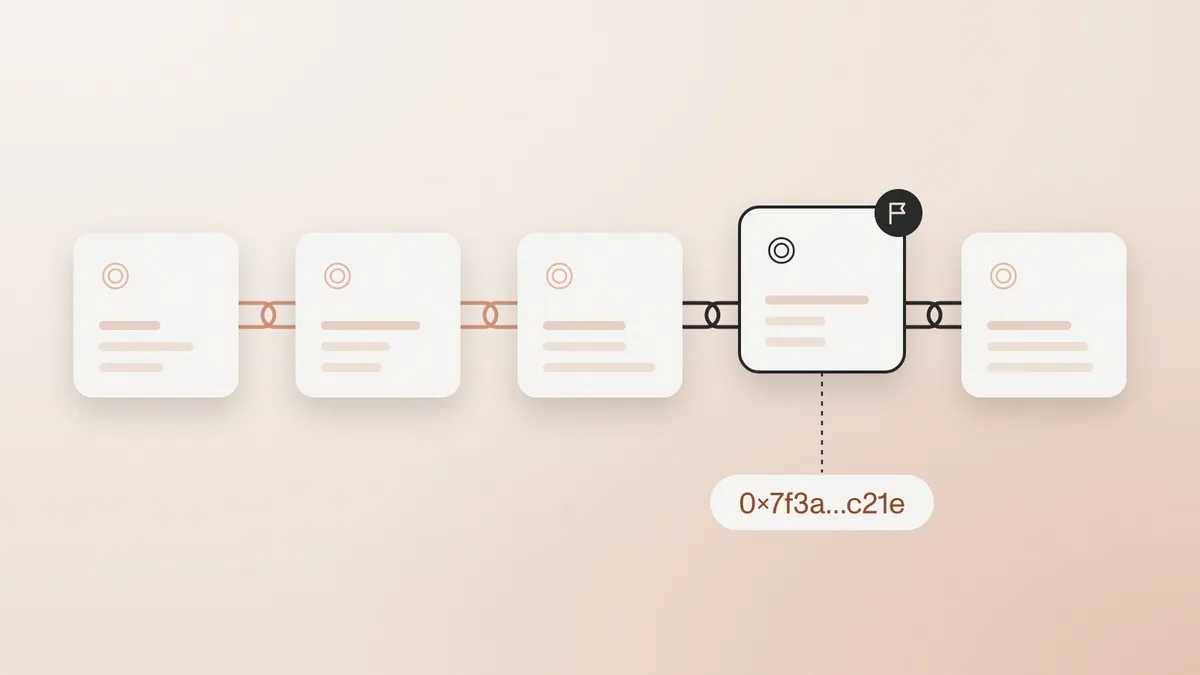
How to spot a fake credit card statement used for proof of address, debt verification, or source of funds: edited balances, broken math, file checks.
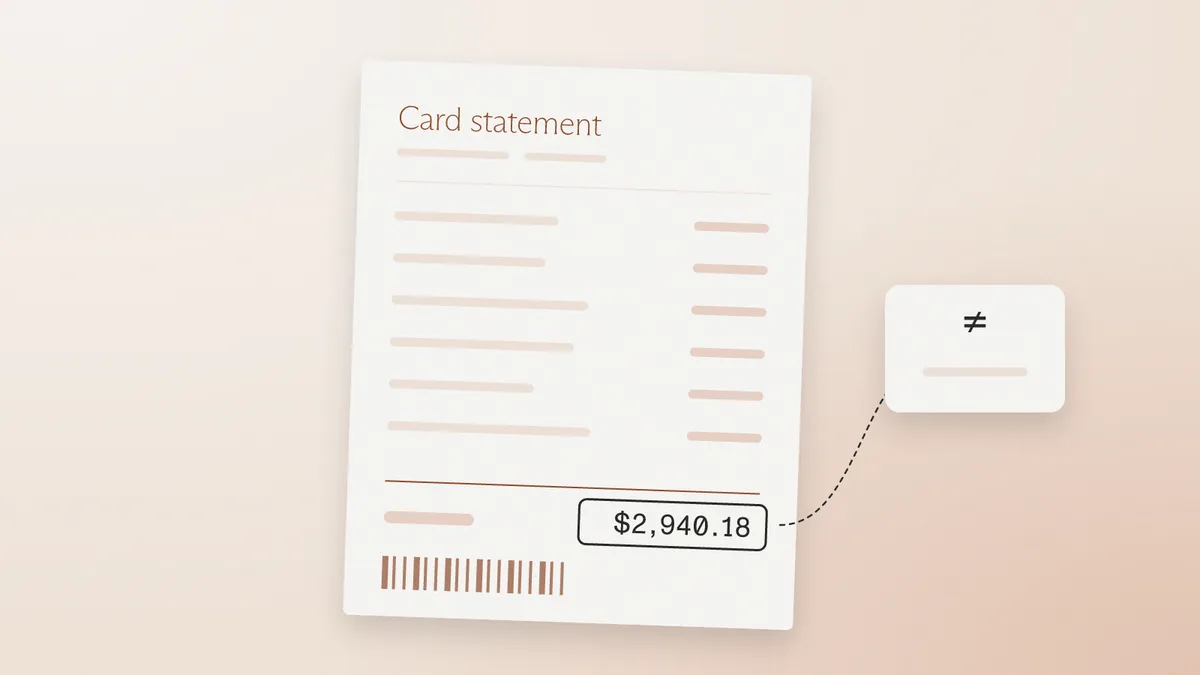
Spot a fake W-8BEN by reading foreign status, the treaty claim, and the file. The IRS publishes a blank and does not certify the form.

How to spot a fake partnership agreement: edited partner lists, signature blocks never executed together, and no state filing for a general partnership.

How to spot fake corporate bylaws: rules that contradict the articles, adoption before incorporation, and a template reused across companies.
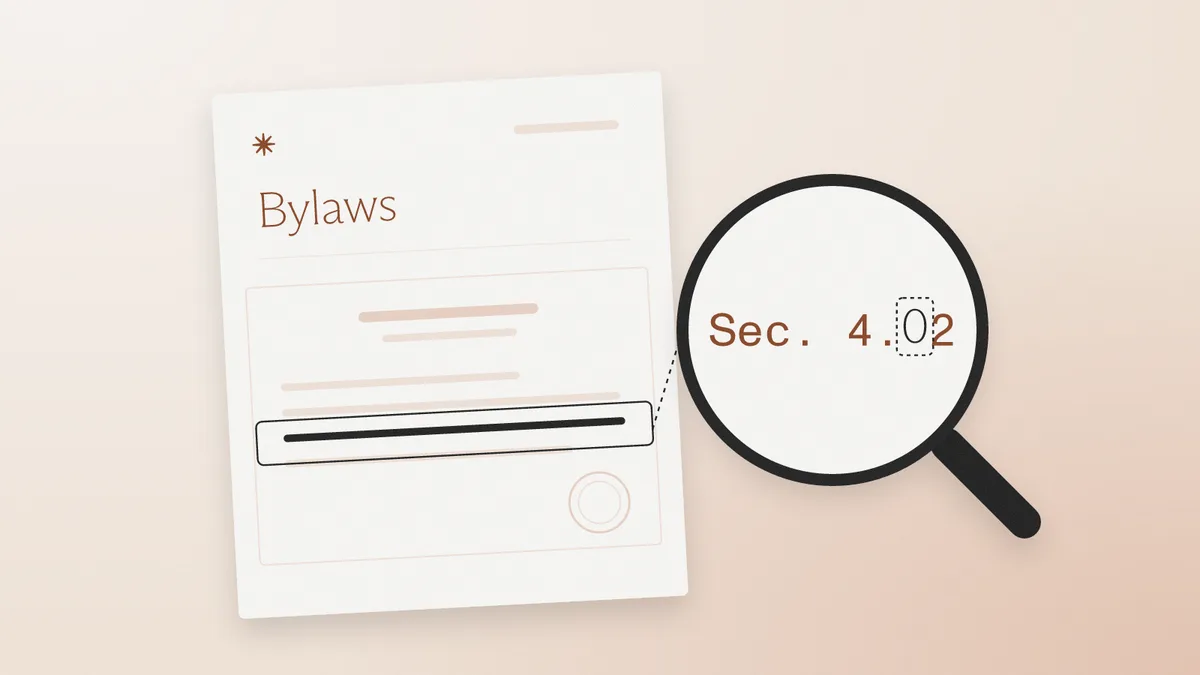
How to spot a fake stock certificate offered as KYB ownership evidence, when the ledger matters more than the vignette.
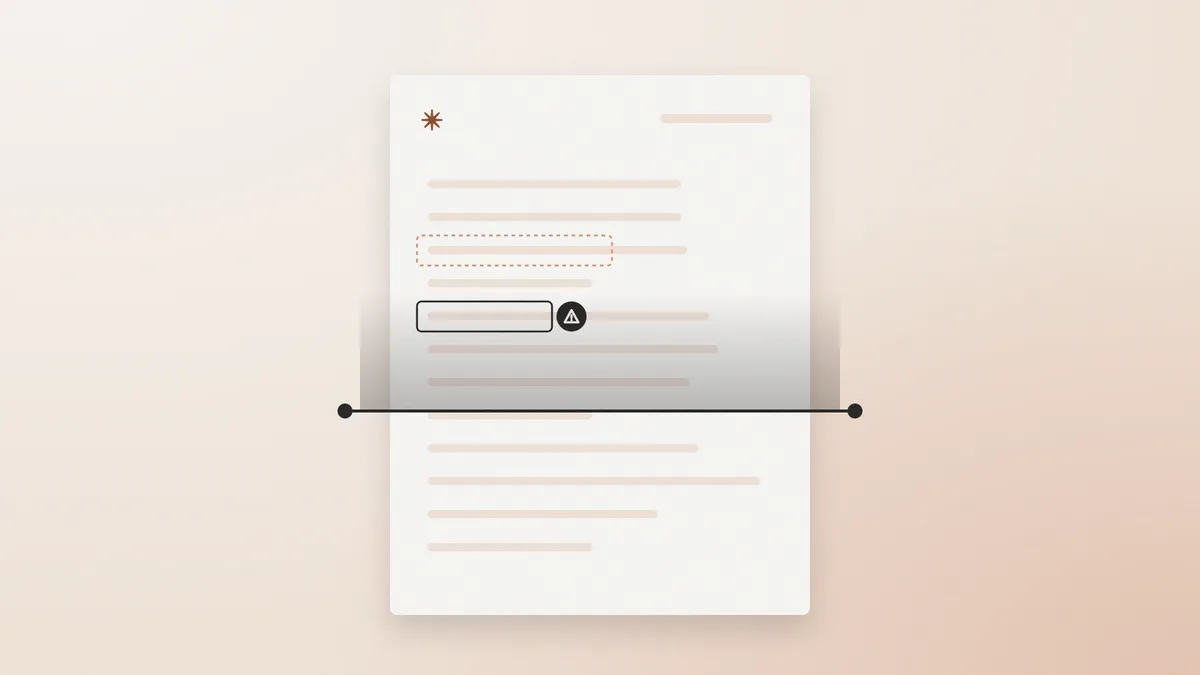
A Schedule K-1 reports a partner's share of income. Capital-account math, form year, and an IRS transcript catch edited and generated fakes.
A fake 1099 is an information return edited after creation or generated from scratch. Match it to the IRS wage and income transcript.
How to spot a fake employment verification letter: edited versus generated files, the tells that fail, and six checks on the file.

Spot a fake mortgage statement by confirming principal, amount due, due date, and rate with the current servicer.
Spot a fake W-9 by matching the line 1 name and TIN. The IRS publishes a blank form and does not seal a completed one.
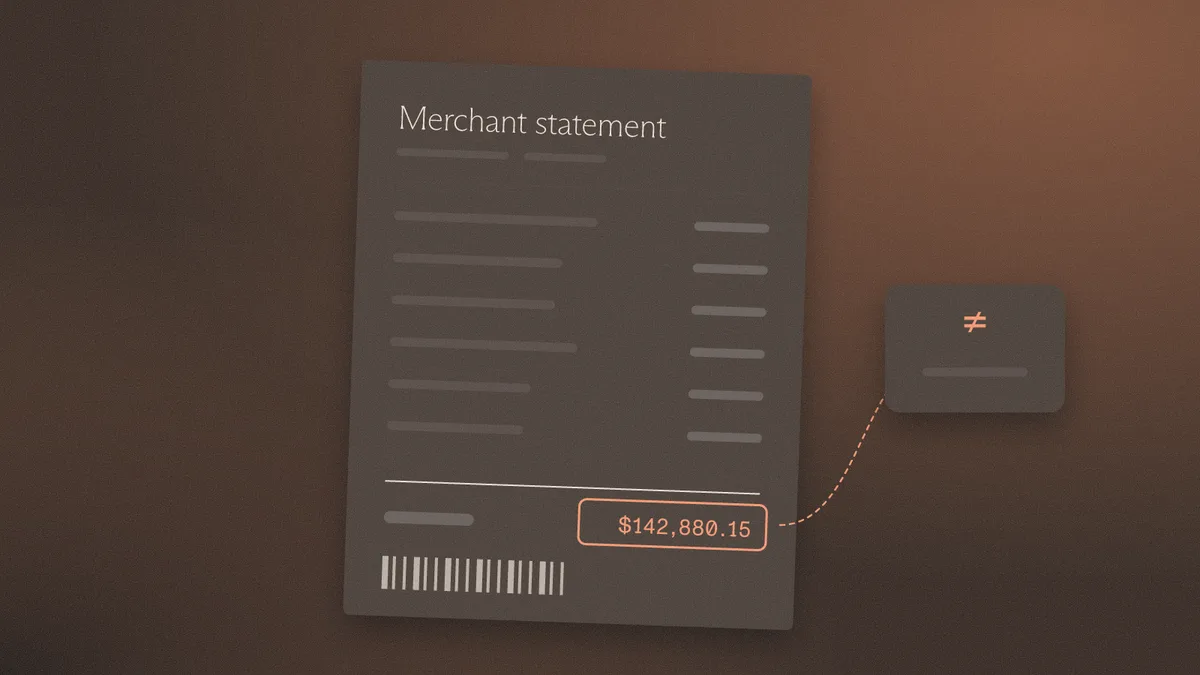
Spot a fake merchant statement by rebuilding amount processed from the fee lines and confirming the merchant ID with the processor.
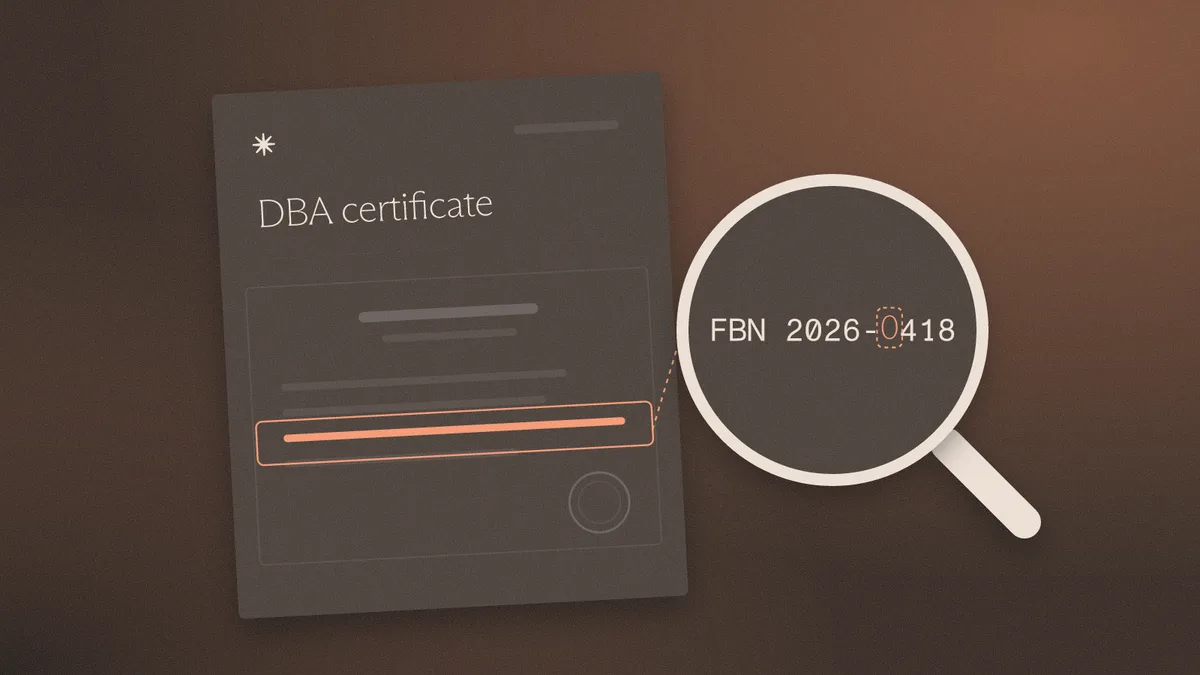
Spot a fake DBA certificate in the county index: file number, registrant, and expiration. A filing is not good standing.
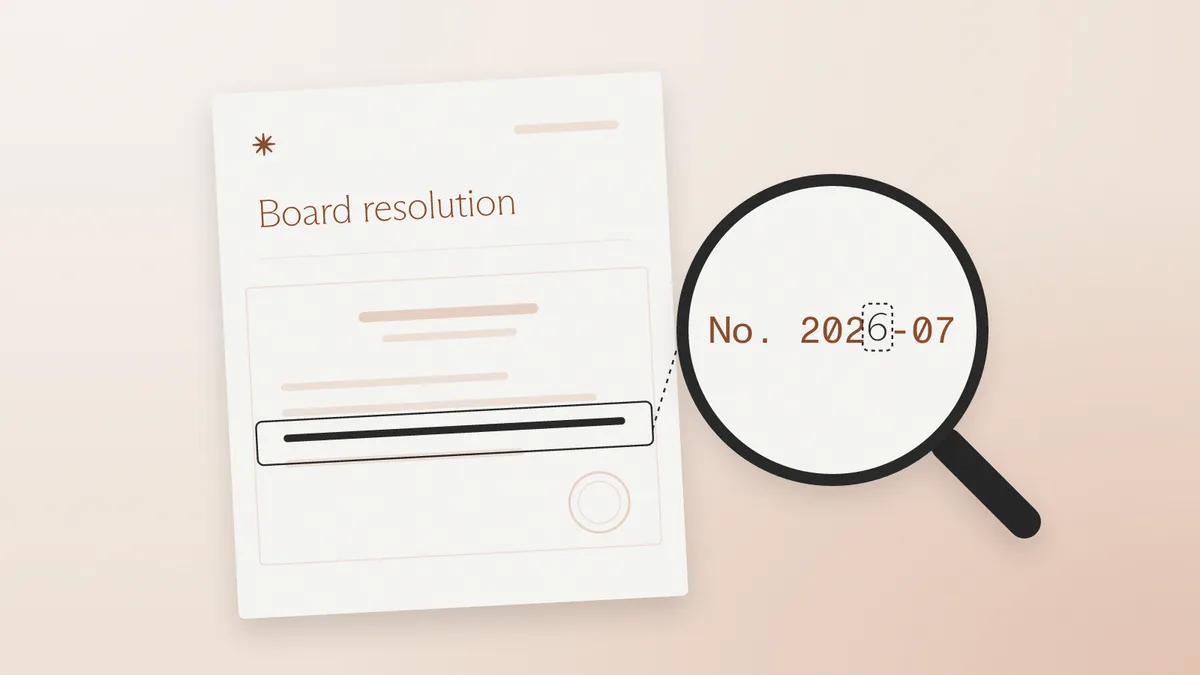
Spot a fake board resolution by checking that the certifier is not the empowered signer and that the resolution date comes first.
Spot a fake certificate of incumbency by checking the certifier and the state's officer list. A seal does not prove the offices.

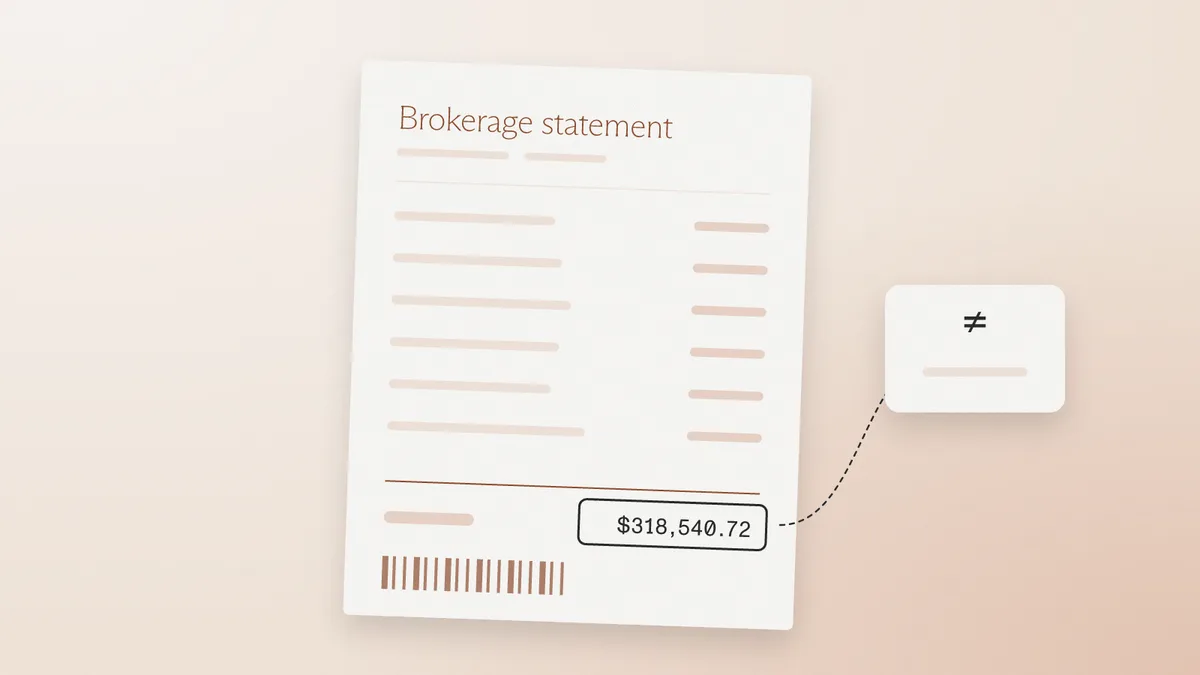
How to spot a fake brokerage statement used as proof of assets, and why file history beats a clean layout.
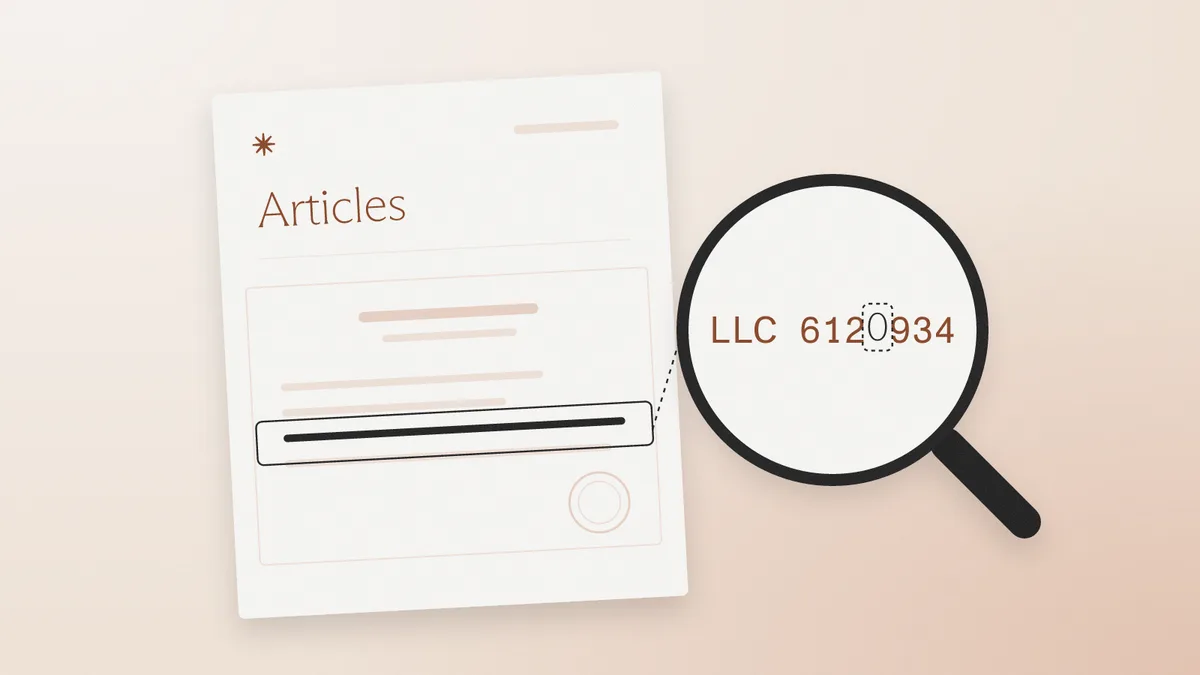
How to spot fake articles of organization by matching the file number and filing receipt to the state record before the account opens.
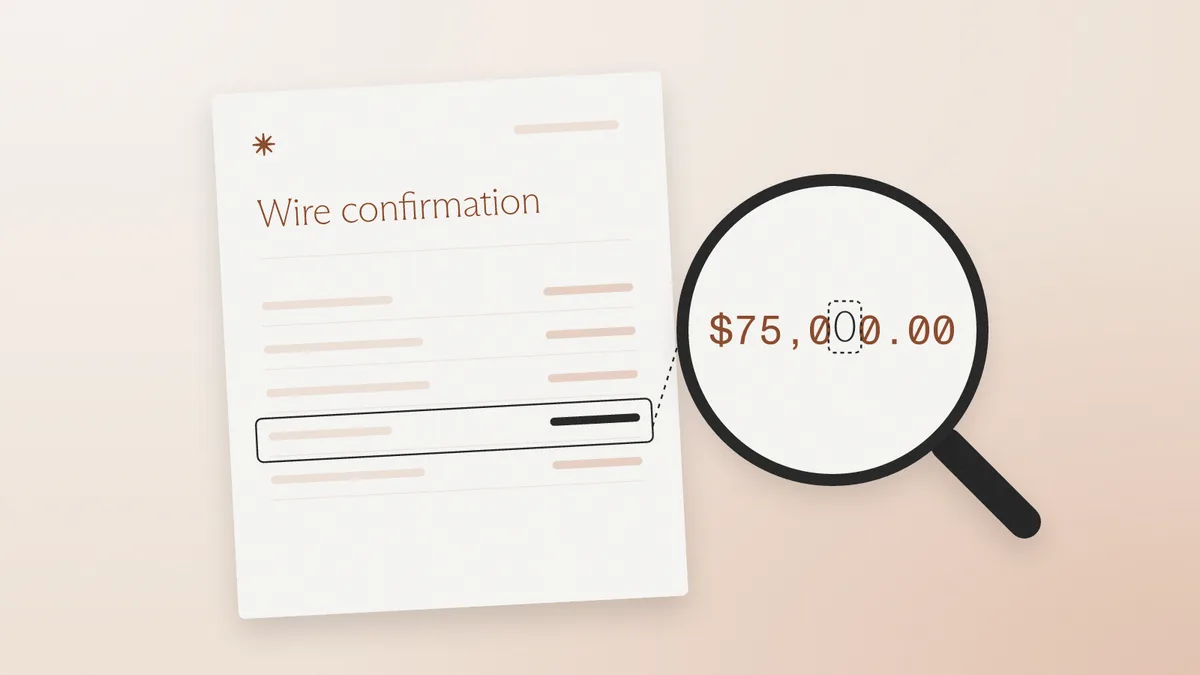
A wire confirmation is a claim that money moved. Edited and generated payment advice fail file checks. The posted credit is the proof.
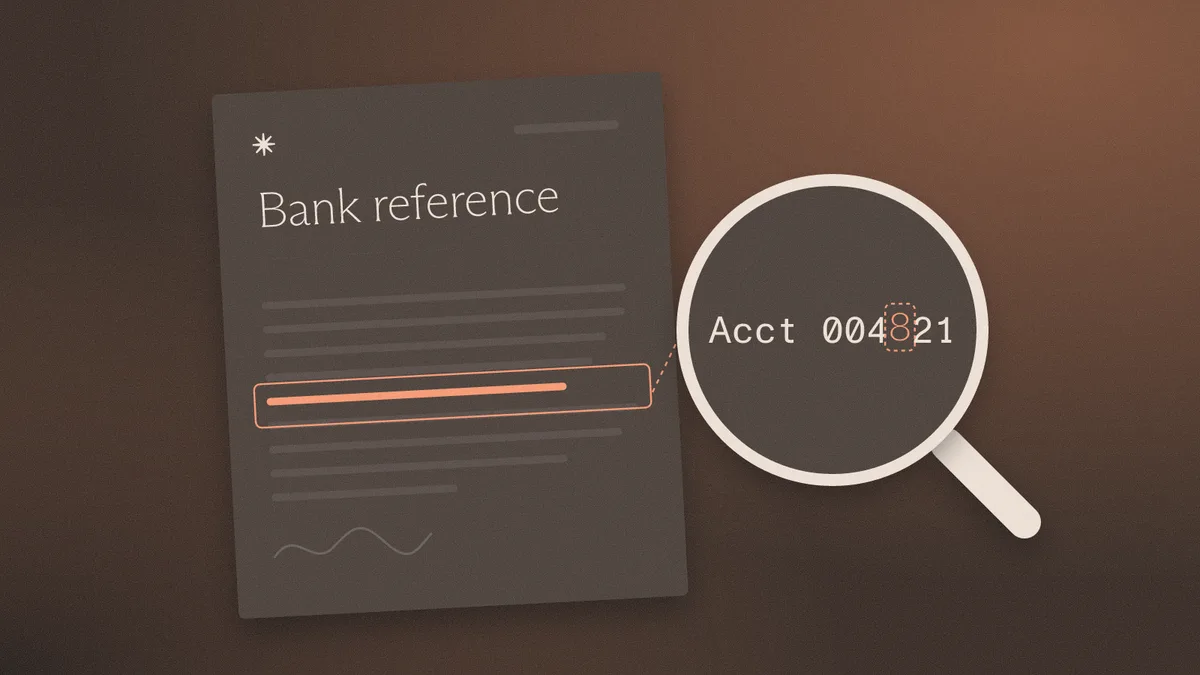
How to spot a fake bank reference letter: the relationship claim, the signatory, and the edit history. Letterhead is cheap to copy.
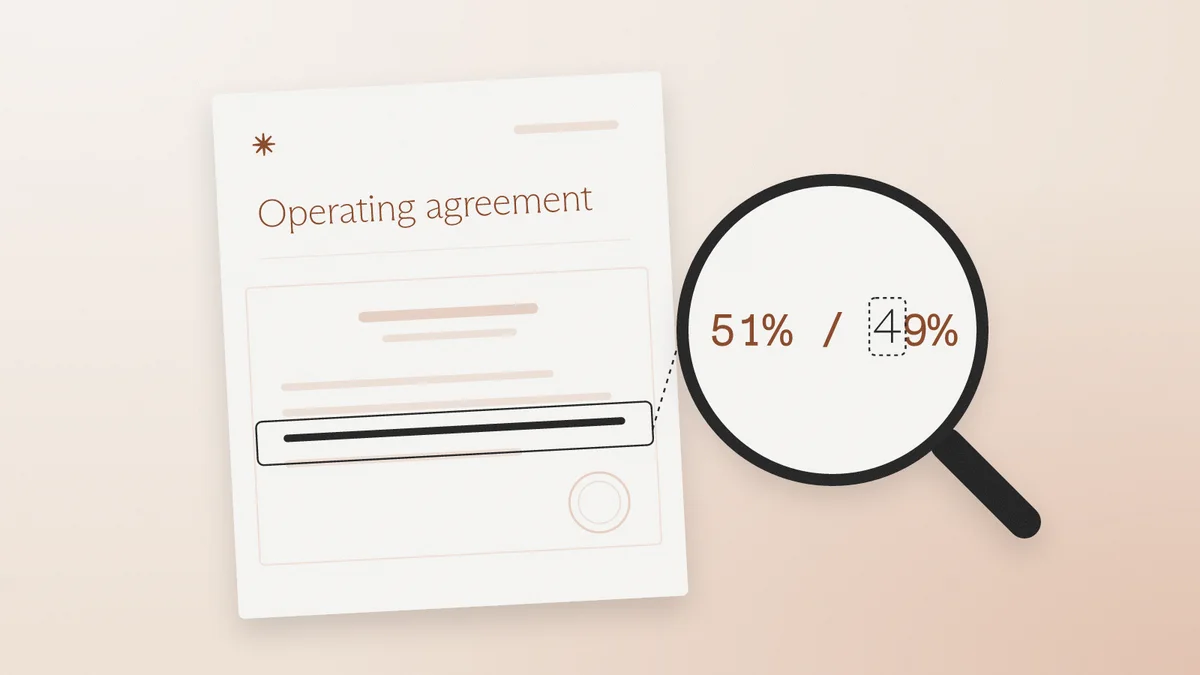
How to spot a fake operating agreement in KYB: edited member schedules, swapped signature pages, and ownership that does not match the file.
Spot a fake certificate of good standing by checking the as-of date, file number, and post-download edits.
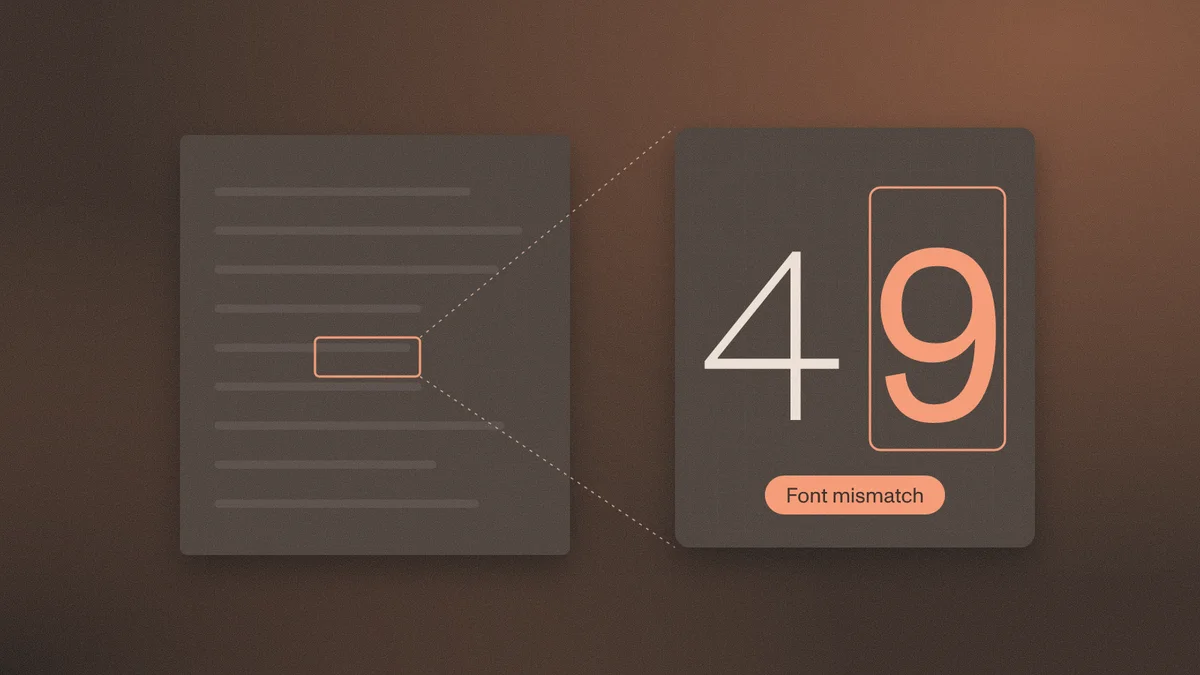
How to spot a fake voided check using file history, routing match, and account control. A VOID mark misses edited and generated files.
Verification reads the page and matches the applicant. Fraud detection reads the file. What each misses, how to evaluate each, and when you need both.

PDF metadata analysis for fraud detection: Info dictionary, XMP, timestamps, producer strings, incremental updates, and what each can and cannot prove.
How to spot fake financial statements in SMB lending and KYB: inflated revenue, fake auditor letters, 4506-C and bank reconciliation, six file checks.
How to spot a fake certificate of insurance: why an ACORD 25 confers no rights, the tells that survive, carrier and NAIC lookups, and the six file checks.
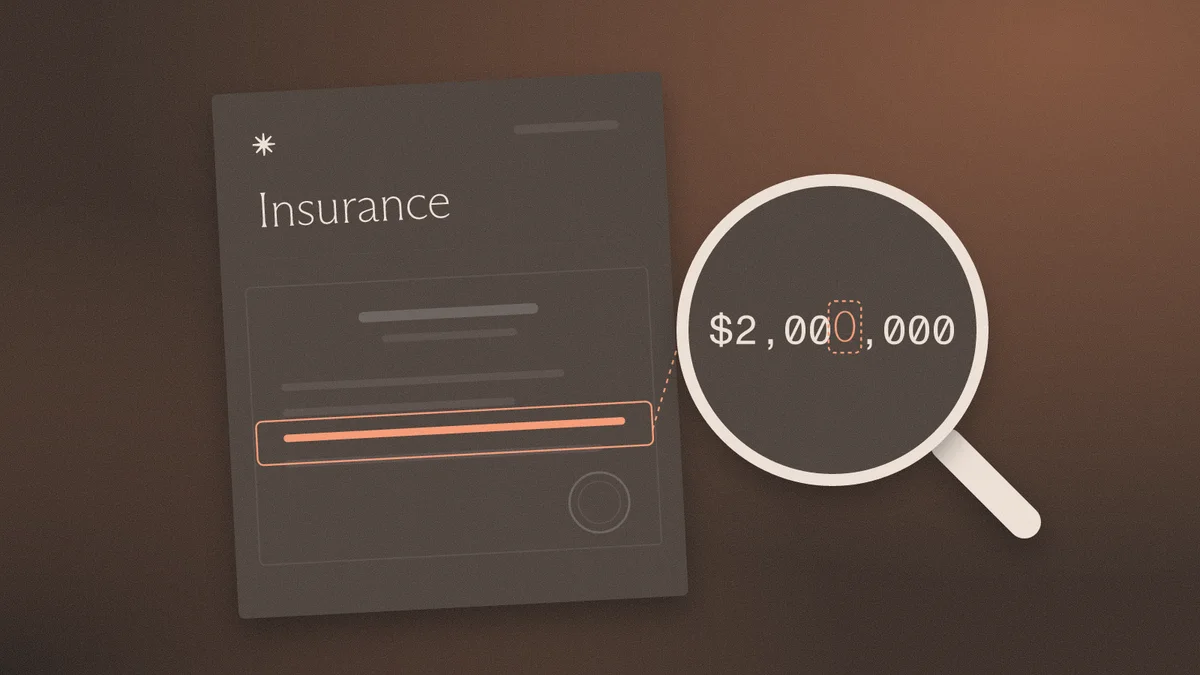
How to spot a fake lease agreement in KYC, mortgage, and KYB review: landlord, date, rent, and disclosure tells, plus the six file checks that settle it.

How to spot a fake proof of funds letter in lending, real estate, and escrow: the tells that work, the six file checks, and how to verify with the bank.
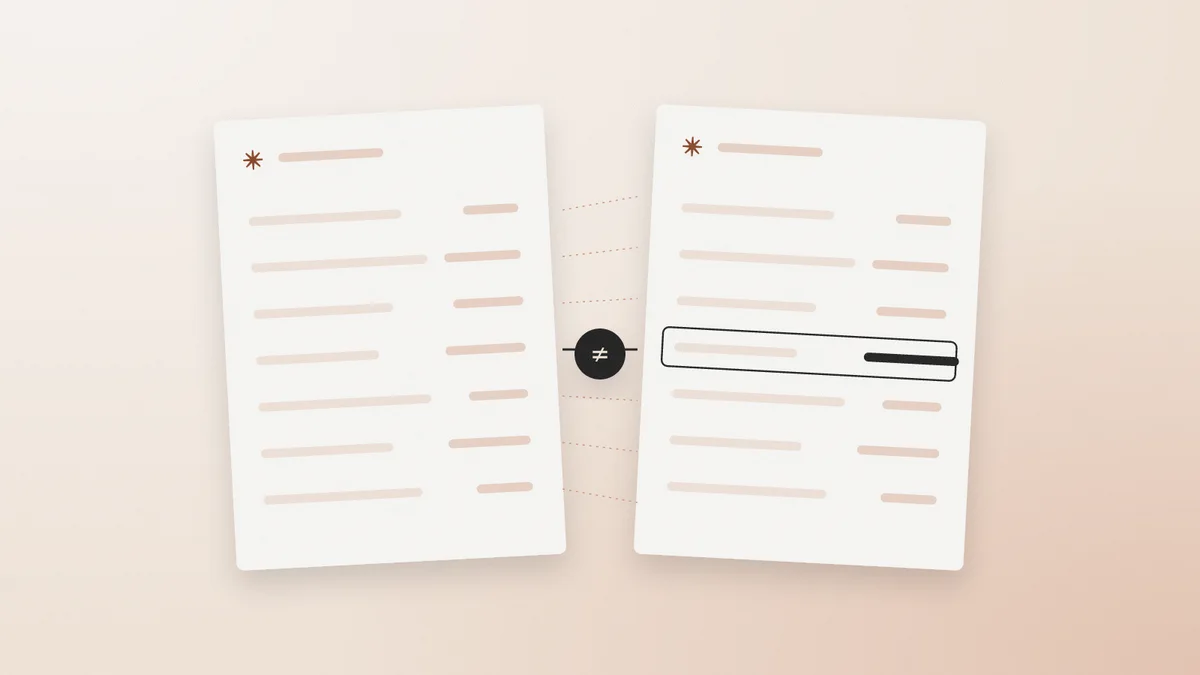
How to spot a fake EIN confirmation letter: what a real CP 575 or 147C contains, the tells that survive, IRS TIN Matching limits, and the six file checks.
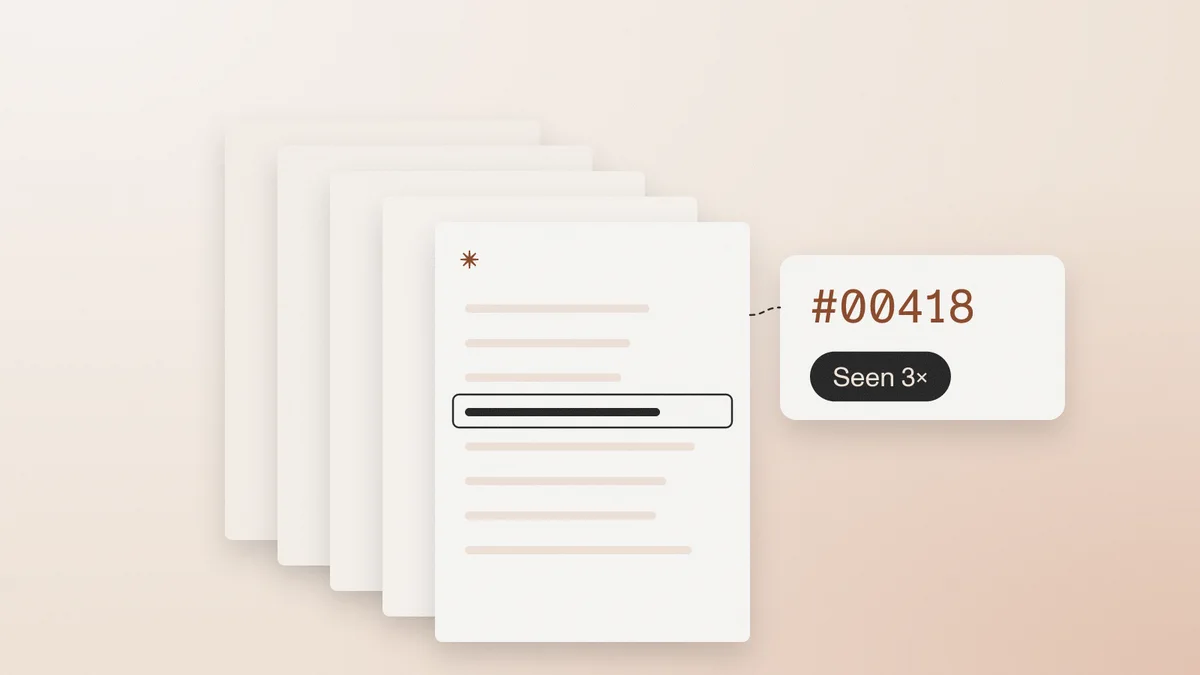
How lenders and onboarding teams spot fake 1040s, W-2s, and IRS transcripts: line-item tells, edited vs generated files, and the Form 4506-C break-test.
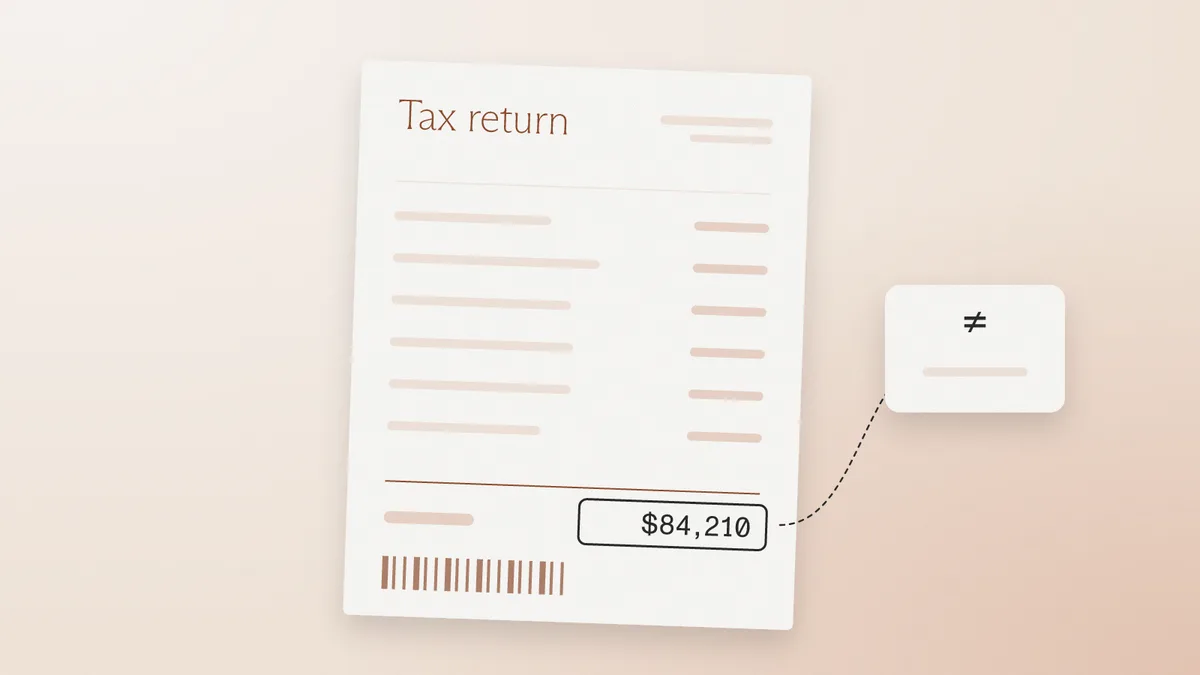
How to spot a fake invoice in factoring, trade finance, and AP: the tells that still work, the six file checks, and the debtor break-test that settles it.
Should compliance teams accept screenshots of bank statements? What a flattened PDF loses, which fraud checks still work on images, and how to set policy.
Explainable document forensics shows where a file was altered, what it said before, and how the examiner knows. Why a fraud score alone fails audit.
How KYC, KYB, rental, and lending teams spot fake utility bills used as proof of address: edited vs generated files, tells that work, six file checks.

How fake document templates and template farms work, why template-made files have no issuance history, and how to detect them in KYC and lending.
Serial document reuse detection catches one statement, stub, or ID recycled across unrelated applicants. Why single-file review misses it.
Loan document fraud detection tests bank statements, pay stubs, and tax docs as a package — the red flags underwriters miss on visual review.
KYB document fraud detection checks certificates, registry extracts, and proof of address as files. Visual review misses edited-after-creation PDFs.

Document fraud statistics from FinCEN, FBI IC3, and FTC — and what those figures miss about edited PDFs, counterfeit templates, and file-level detection.

How to spot a fake certificate of incorporation in KYB: registrar mismatch, edited seals, generated COIs, and serial reuse. Visual review is not enough.
How to detect an AI-generated PDF using metadata, empty Producer strings, model artifacts, and the file history visual review misses.
How lenders and onboarding teams spot fake pay stubs: edited vs generated files, deposit cross-checks, and what visual review misses.

How to spot a fake bank statement: edited-after-creation vs generated-from-scratch, which visual tells still work, and how file history exposes forgeries.
Try another keyword or explore a different topic.