
How to Spot a Fake Crypto Exchange Statement
How to spot a fake crypto exchange statement: edited PDFs, CSV exports, on-chain withdrawal checks, and six checks on the file.



TL;DR: A fake shareholder register is a register of members, stock ledger, or cap-table export submitted in KYB whose names or percentages do not match the company's real books, most often edited so that an owner lands just under the 25 percent line in 31 CFR 1010.230. Open Ownership documents the pattern at scale: in the Russian Laundromat, which moved a reported USD 20.8 billion, stakes sat at 4.9 percent under a 5 percent rule and dropped to 0.9 percent when the threshold fell to 1 percent. A tidy table with a company seal says nothing about whether the arithmetic is honest.
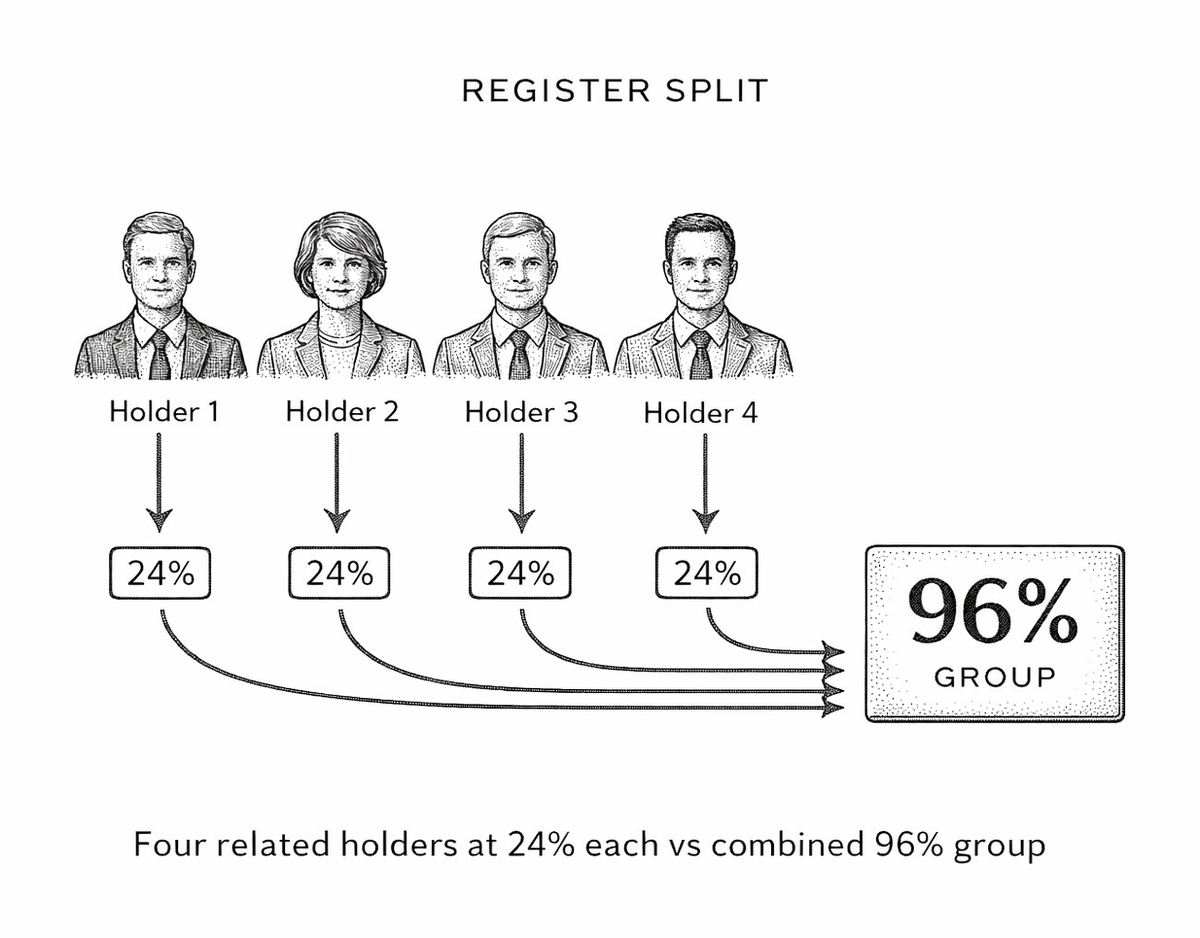
The useful tells on a shareholder register are arithmetic and cross-document, not visual. A register is a table of numbers, and numbers have to agree with other numbers the applicant does not control as easily.
The basis switch deserves its own sentence. The CDD rule counts equity interests, and a cap table that reports a founder at 22 percent fully diluted may show the same founder above 25 percent of issued shares once unexercised options and unconverted notes come out of the denominator. That is not always fraud. It is always a reason to recompute.
The tells that fail are the ones that look official. A company seal, a "certified true copy" stamp, a director's signature, and a cap-table platform's logo all survive an edit, because the edit happens to the rows and leaves the furniture alone. A screenshot of a cap-table dashboard is the weakest form of all: it has no export history and can be altered in a browser before capture.
A related-party cluster is the most common honest-looking fake. Spouses, adult children, a trust, and a holding company each sit at 15 to 24 percent, and no single row crosses the line. The FATF guidance on beneficial ownership of legal persons says thresholds should not exceed 25 percent, that countries may consider combined ownership interests such as shareholders working together, and that individuals who exercise ultimate control should be identified regardless of whether their shares exceed any threshold. A clean register can still hide a controller.
Detection on a shareholder register reads the file's story, then reconciles its numbers against documents the applicant produced at different times for different reasons.
Production method asks how the file was made. A native export from a cap-table platform, a law firm's ledger printed to PDF, a spreadsheet saved as PDF from an office suite, and a page assembled in a design tool leave different structural traces. A register that claims to be a platform export but carries an office-suite producer string was handled after it left the platform.
Timestamp trail asks whether that history fits the claimed date. Registers change with every transfer, so a recent save is normal. A file saved minutes before upload, with the percentage column as the last edit, is a different story from a ledger that accumulated entries over years.
Issuer matching ties the register to the entity. Legal name, registration number, jurisdiction, and share classes should match the certificate of incorporation or articles, and authorized shares should support the issued total. For an LLC, the member schedule in the operating agreement is the comparable record, and the percentages there have to agree with the register the applicant calls a cap table.
Consistency is the core check for this document type. Holder names, share counts, and certificate numbers on the register should match any stock certificates in the packet. Percentages should match the beneficial ownership certification. The owner on the register at 24 percent should not be the same person who signed the application as CEO with no other control person named. A generated register tends to be internally perfect and externally wrong, so inconsistency across documents fails and internal consistency alone passes nothing.
Model artifacts are what a generated table leaves: uniform row spacing no export produces, rounded percentages that do not divide from the share counts, and column labels that match no known platform or statute. Recycled patterns close serial reuse: one register template, one set of holder addresses, or one percentage split across applicants that claim no common owner. Those six checks are classes of evidence, not a recipe for a cleaner fake.
Stop treating the upload as the register. Recompute every percentage from share counts on an issued-equity basis, then aggregate holders who share an address, a surname, an entity parent, or a signatory. If any person or related group reaches 25 percent, identify them as a beneficial owner and treat the certification as unreliable. 31 CFR 1010.230 lets an institution rely on customer-supplied ownership information only when it has no knowledge of facts that reasonably call that information into question. An arithmetic gap is such a fact.
Ask for the record from its keeper, not from the applicant's inbox. A native export sent by the cap-table administrator, the company secretary, or outside counsel is stronger than a PDF forwarded by the person being verified. Ask for transfer history covering any holder whose stake changed in the past year. A transfer that dropped someone from 30 to 24 percent just before onboarding is a question for the customer, and the answer goes in the file.
Apply the control prong regardless of what the percentages say. Identify the individual with significant responsibility to control, manage, or direct the entity, and check whether that person also appears on the register under a different name or through an entity. UBO mapping across layered holdings is where a 24 percent direct stake turns into a 40 percent indirect one.
For a scored second look at the file itself, check a document in the Watchdoc playground. The rest of the packet, from formation filings to bank letters, is covered in KYB document fraud detection.
Sphinx scores a shareholder register the same way it scores every other onboarding document. Watchdoc runs the six checks, shows the x-ray of how the file was made and edited, and returns a verdict a reviewer can defend. Across 1 million documents processed, Watchdoc reaches a 94.3% correct verdict, catches 2.8x more forgeries, clears clean files in under 28 seconds, and is 54% less expensive, at $0.45 per document with no seats and no platform fee. The Watchdoc playground is free for the first file, with no email required, on a 50-document free tier.
Yes. The CDD rule separately requires one individual with significant control, and FATF guidance says individuals who exercise ultimate control should be identified regardless of any ownership threshold. Related holders acting together can also be aggregated on a risk basis.
How to spot a fake crypto exchange statement: edited PDFs, CSV exports, on-chain withdrawal checks, and six checks on the file.
How to spot a fake credit card statement used for proof of address, debt verification, or source of funds: edited balances, broken math, file checks.
Spot a fake W-8BEN by reading foreign status, the treaty claim, and the file. The IRS publishes a blank and does not certify the form.

How to spot a fake partnership agreement: edited partner lists, signature blocks never executed together, and no state filing for a general partnership.

How to spot fake corporate bylaws: rules that contradict the articles, adoption before incorporation, and a template reused across companies.
How to spot a fake stock certificate offered as KYB ownership evidence, when the ledger matters more than the vignette.

A Schedule K-1 reports a partner's share of income. Capital-account math, form year, and an IRS transcript catch edited and generated fakes.
A fake 1099 is an information return edited after creation or generated from scratch. Match it to the IRS wage and income transcript.
How to spot a fake employment verification letter: edited versus generated files, the tells that fail, and six checks on the file.

Spot a fake mortgage statement by confirming principal, amount due, due date, and rate with the current servicer.
Spot a fake W-9 by matching the line 1 name and TIN. The IRS publishes a blank form and does not seal a completed one.

Spot a fake merchant statement by rebuilding amount processed from the fee lines and confirming the merchant ID with the processor.
Spot a fake DBA certificate in the county index: file number, registrant, and expiration. A filing is not good standing.
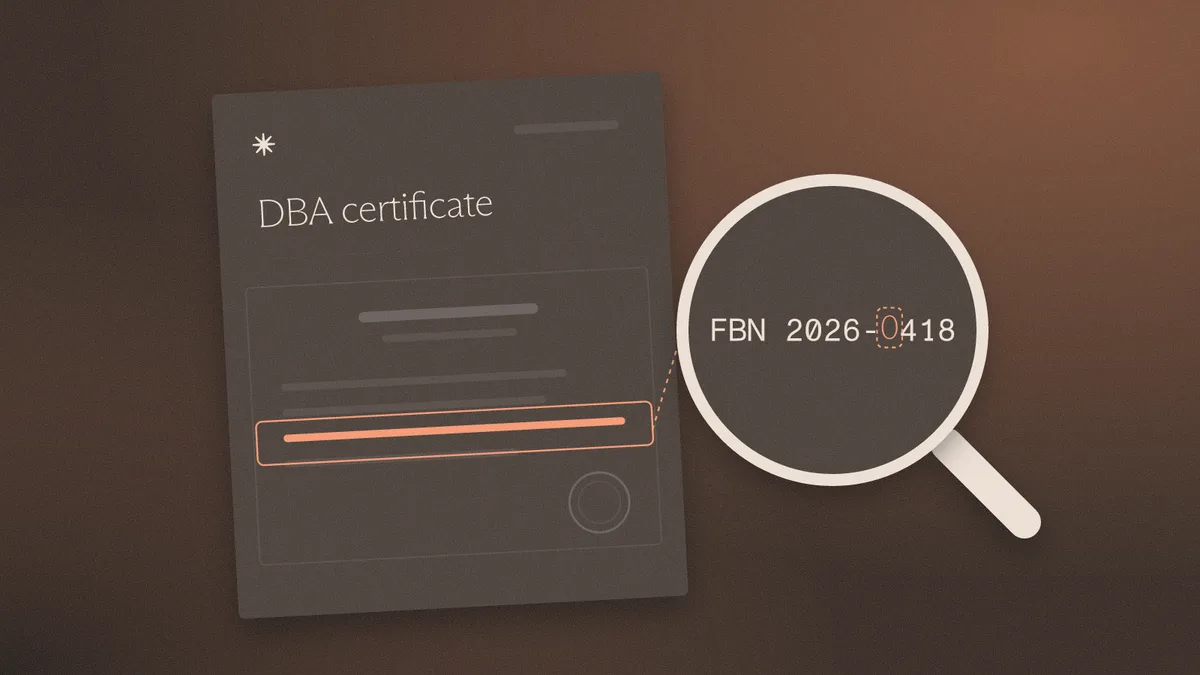
Spot a fake board resolution by checking that the certifier is not the empowered signer and that the resolution date comes first.

Spot a fake certificate of incumbency by checking the certifier and the state's officer list. A seal does not prove the offices.

How to spot a fake brokerage statement used as proof of assets, and why file history beats a clean layout.
How to spot fake articles of organization by matching the file number and filing receipt to the state record before the account opens.

A wire confirmation is a claim that money moved. Edited and generated payment advice fail file checks. The posted credit is the proof.
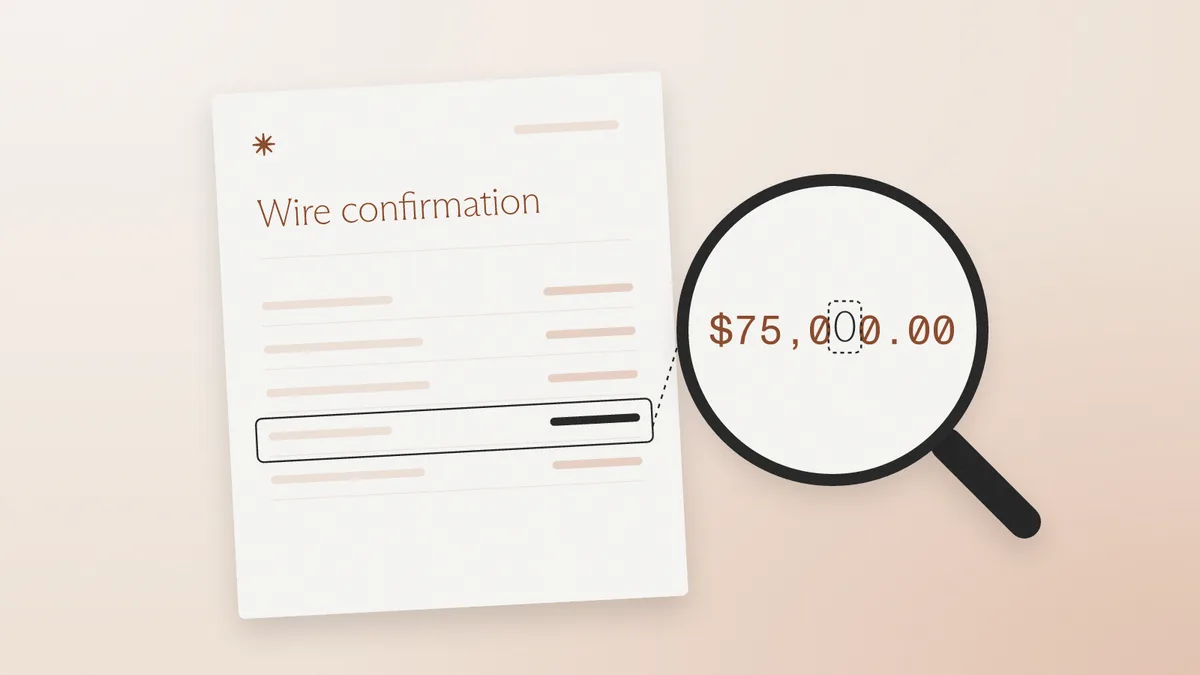
How to spot a fake bank reference letter: the relationship claim, the signatory, and the edit history. Letterhead is cheap to copy.
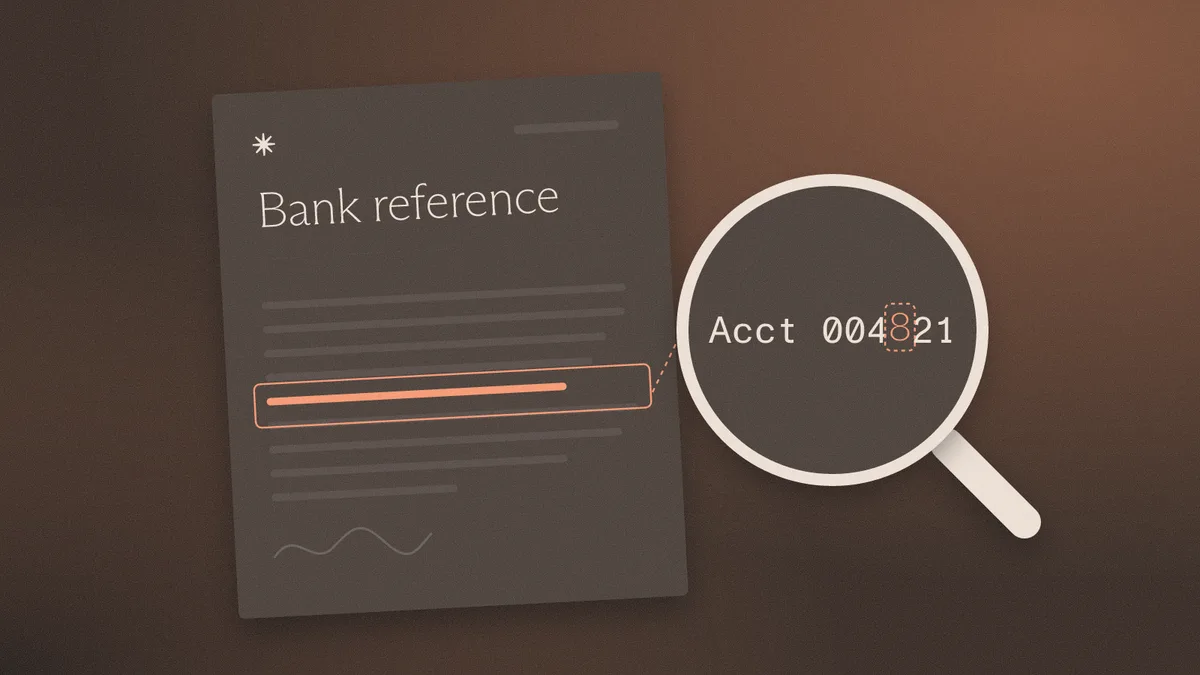
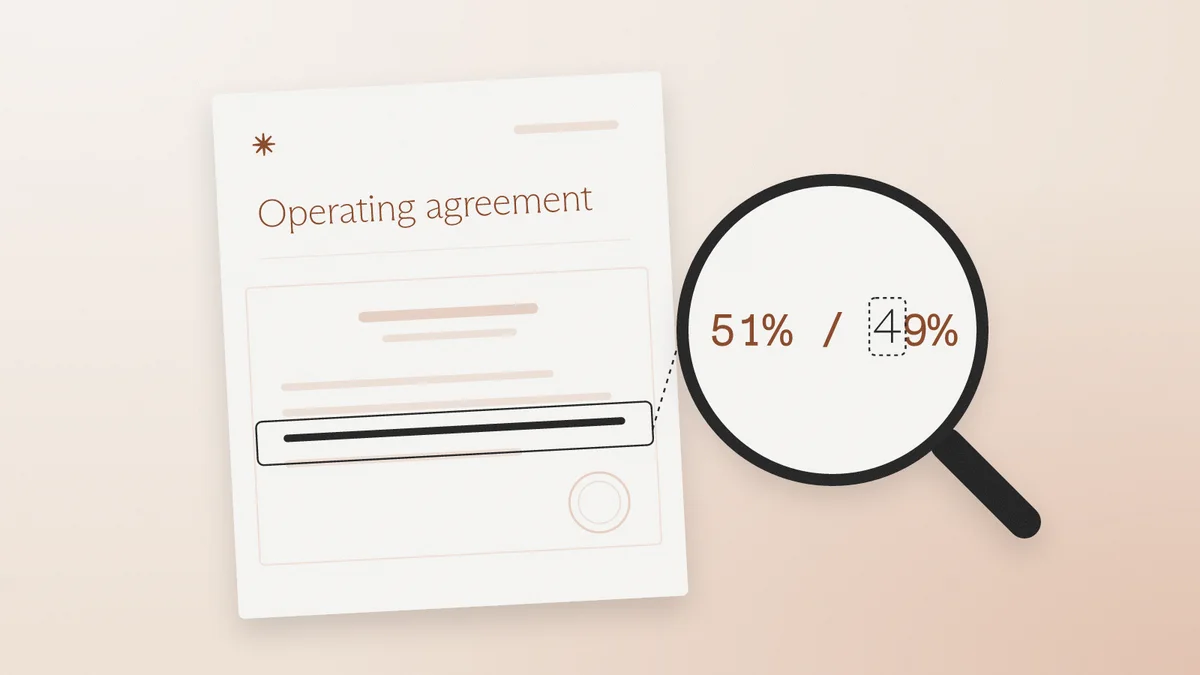
How to spot a fake operating agreement in KYB: edited member schedules, swapped signature pages, and ownership that does not match the file.
Spot a fake certificate of good standing by checking the as-of date, file number, and post-download edits.

How to spot a fake voided check using file history, routing match, and account control. A VOID mark misses edited and generated files.

Verification reads the page and matches the applicant. Fraud detection reads the file. What each misses, how to evaluate each, and when you need both.

PDF metadata analysis for fraud detection: Info dictionary, XMP, timestamps, producer strings, incremental updates, and what each can and cannot prove.
How to spot fake financial statements in SMB lending and KYB: inflated revenue, fake auditor letters, 4506-C and bank reconciliation, six file checks.
How to spot a fake certificate of insurance: why an ACORD 25 confers no rights, the tells that survive, carrier and NAIC lookups, and the six file checks.
How to spot a fake lease agreement in KYC, mortgage, and KYB review: landlord, date, rent, and disclosure tells, plus the six file checks that settle it.

How to spot a fake proof of funds letter in lending, real estate, and escrow: the tells that work, the six file checks, and how to verify with the bank.

How to spot a fake EIN confirmation letter: what a real CP 575 or 147C contains, the tells that survive, IRS TIN Matching limits, and the six file checks.
How lenders and onboarding teams spot fake 1040s, W-2s, and IRS transcripts: line-item tells, edited vs generated files, and the Form 4506-C break-test.
How to spot a fake invoice in factoring, trade finance, and AP: the tells that still work, the six file checks, and the debtor break-test that settles it.
Should compliance teams accept screenshots of bank statements? What a flattened PDF loses, which fraud checks still work on images, and how to set policy.

Explainable document forensics shows where a file was altered, what it said before, and how the examiner knows. Why a fraud score alone fails audit.
How KYC, KYB, rental, and lending teams spot fake utility bills used as proof of address: edited vs generated files, tells that work, six file checks.

How fake document templates and template farms work, why template-made files have no issuance history, and how to detect them in KYC and lending.

Serial document reuse detection catches one statement, stub, or ID recycled across unrelated applicants. Why single-file review misses it.
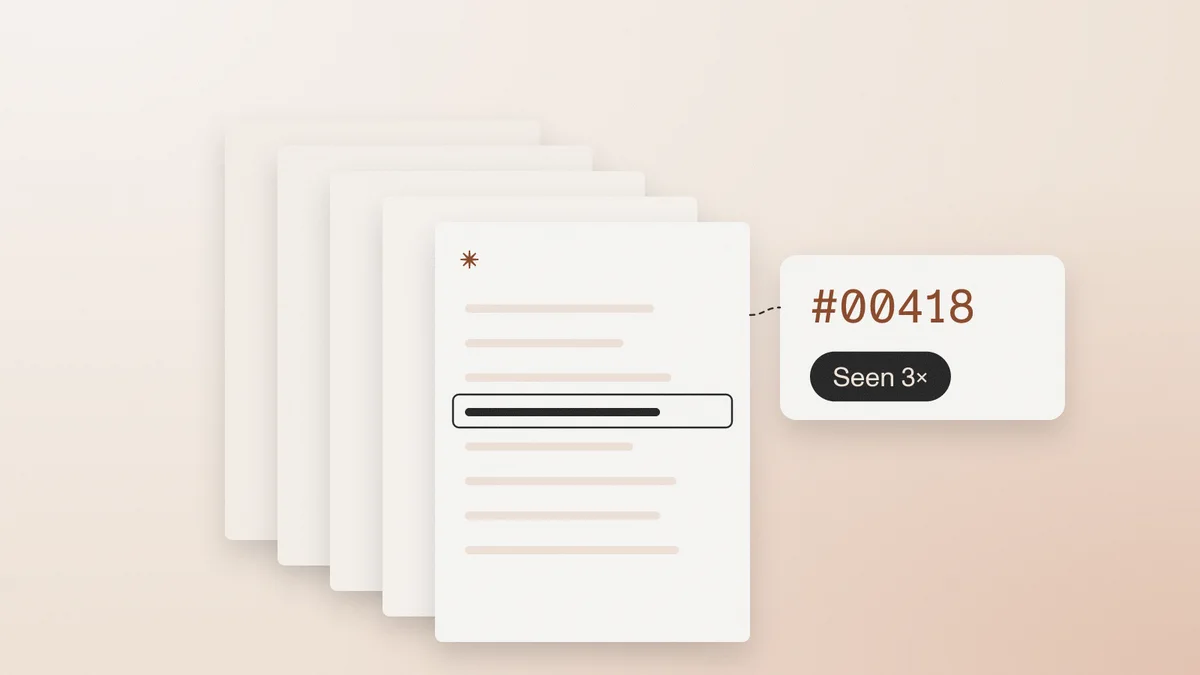
Loan document fraud detection tests bank statements, pay stubs, and tax docs as a package — the red flags underwriters miss on visual review.
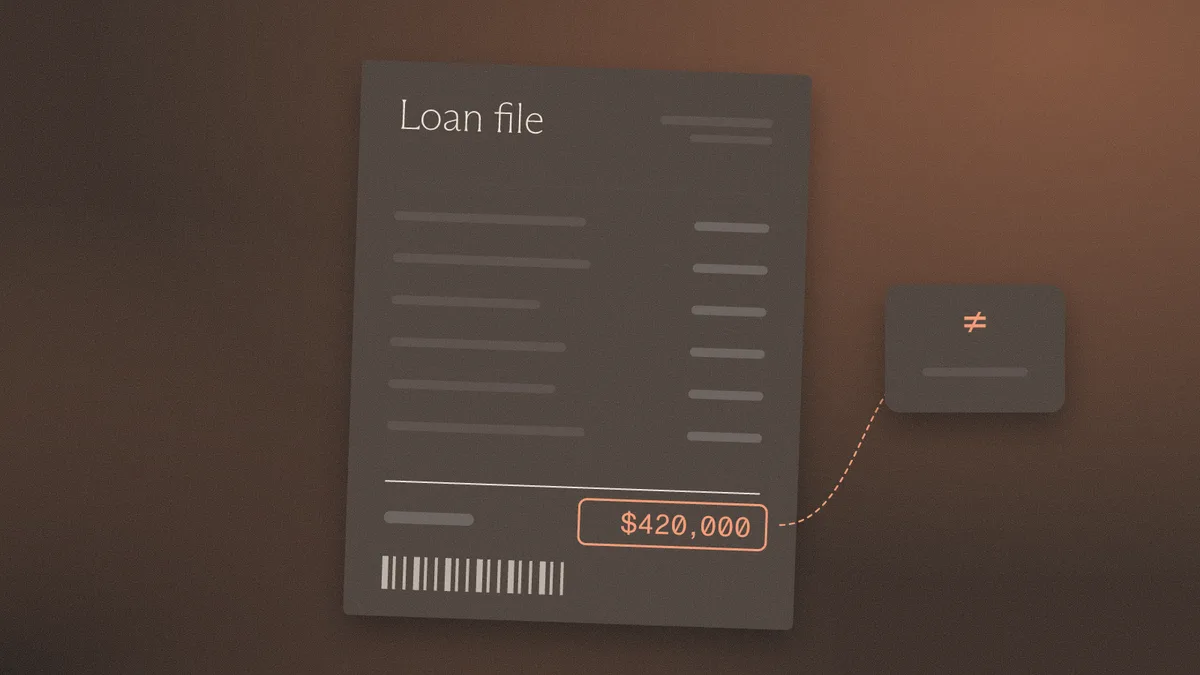
KYB document fraud detection checks certificates, registry extracts, and proof of address as files. Visual review misses edited-after-creation PDFs.

Document fraud statistics from FinCEN, FBI IC3, and FTC — and what those figures miss about edited PDFs, counterfeit templates, and file-level detection.

How to spot a fake certificate of incorporation in KYB: registrar mismatch, edited seals, generated COIs, and serial reuse. Visual review is not enough.
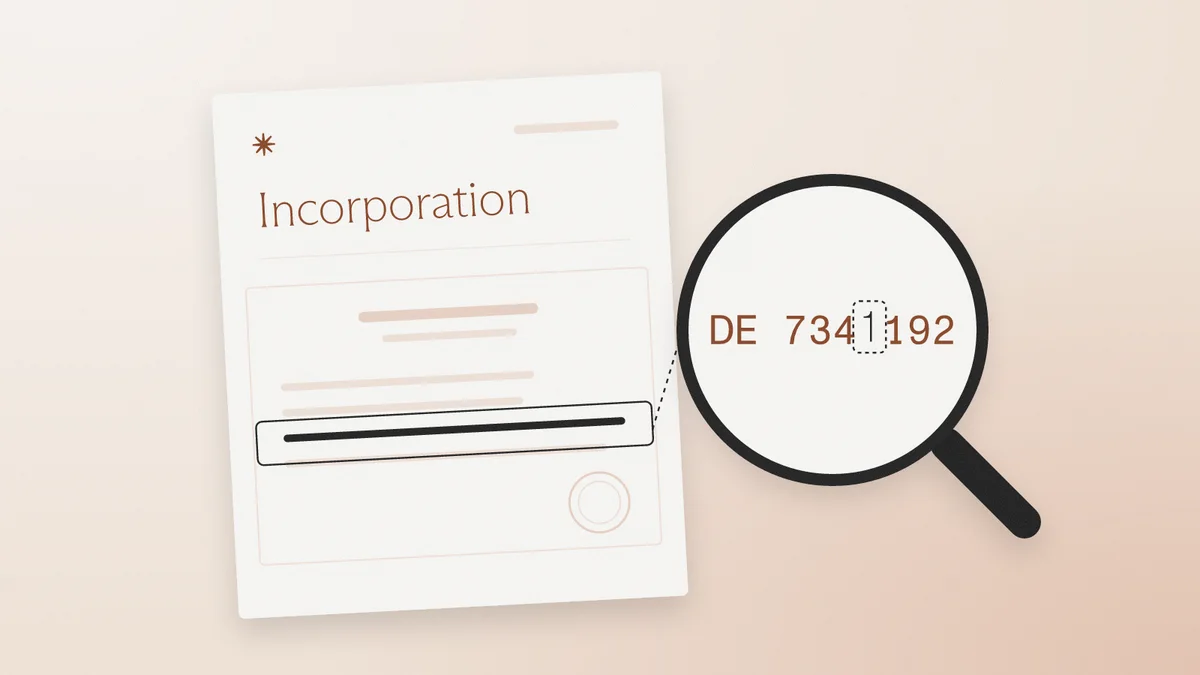
How to detect an AI-generated PDF using metadata, empty Producer strings, model artifacts, and the file history visual review misses.
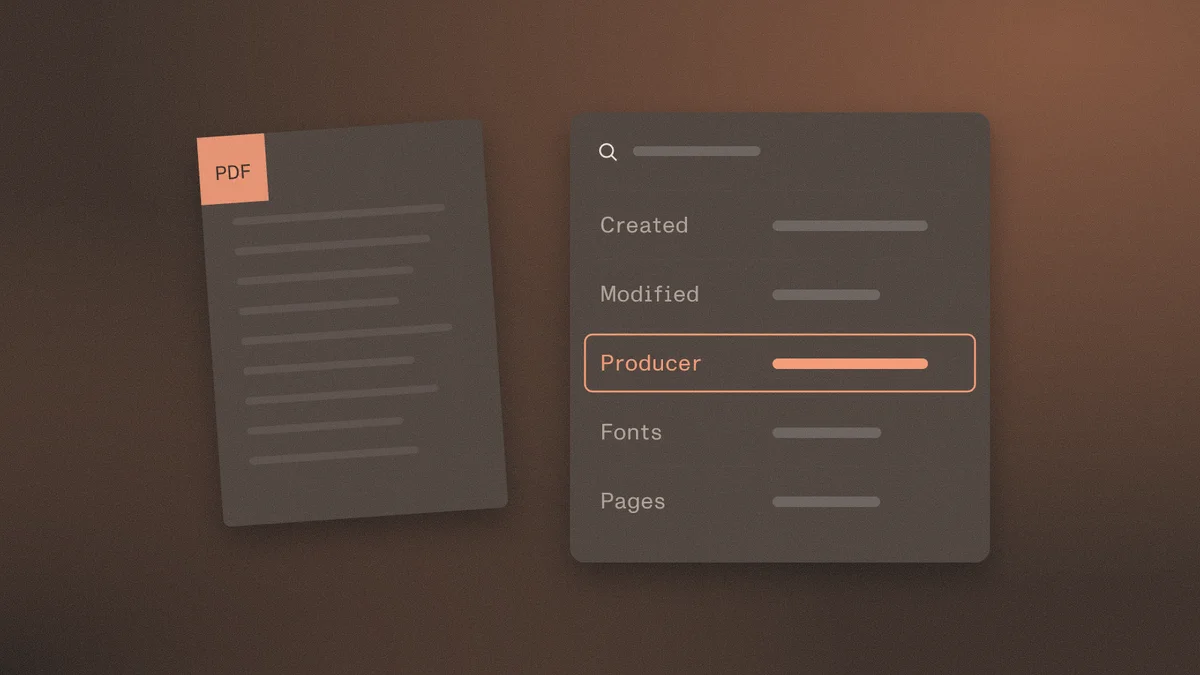
How lenders and onboarding teams spot fake pay stubs: edited vs generated files, deposit cross-checks, and what visual review misses.

How to spot a fake bank statement: edited-after-creation vs generated-from-scratch, which visual tells still work, and how file history exposes forgeries.
Try another keyword or explore a different topic.