
How to Spot a Fake Shareholder Register
How to spot a fake shareholder register: edited percentages under the 25% UBO line, cap tables vs. registers, and the checks that catch them.


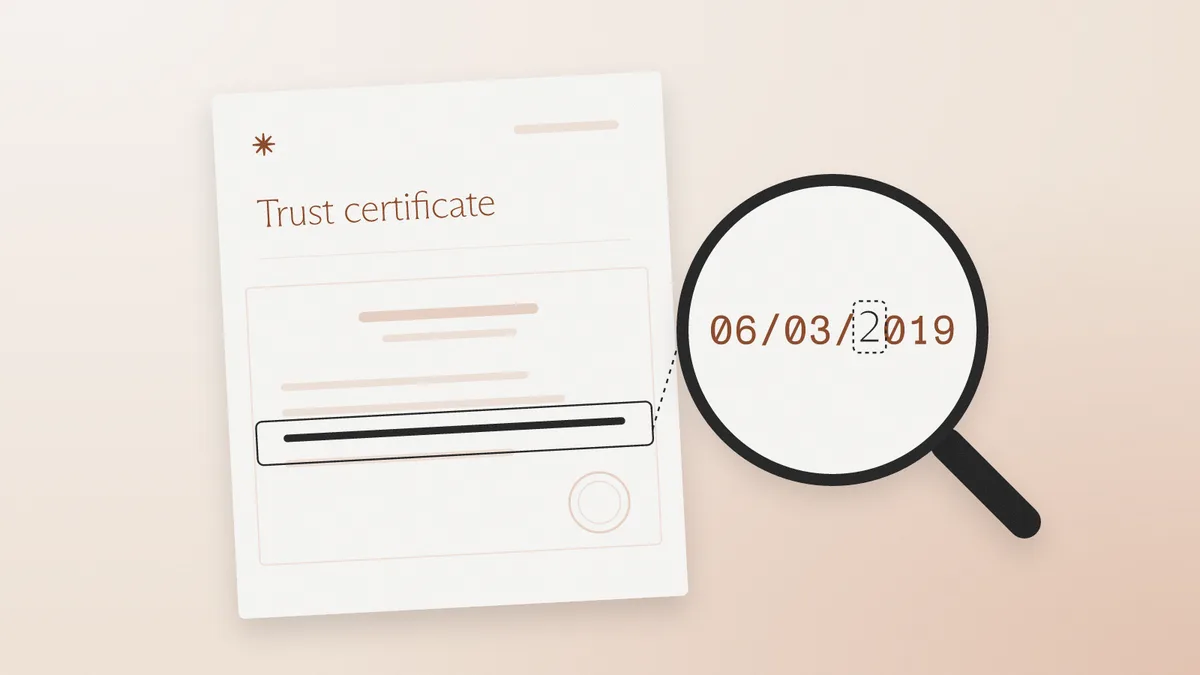
TL;DR: A fake certificate of trust misstates who the trustee is, what the trustee may do, or whether the trust exists at all, most often by editing a genuine certification after it was signed and notarized. Under Uniform Trust Code section 1013, a bank that relies on a certification in good faith may assume its facts without inquiry, so an edited trustee name moves money before anyone reads the trust. FinCEN counted roughly $27 billion in elder financial exploitation suspicious activity in one year, about 20% of it theft by trusted people. A notary seal catches a crude copy. A real certification with a substituted trustee walks through that check.
A certificate of trust, also called a certification of trust or trust certificate, is a short statement a trustee gives a bank in place of the full trust agreement. It says the trust exists, names the settlor and the current trustee, describes the trustee's powers, and states that nothing in the trust has been revoked or amended in a way that would make the certification wrong. It deliberately leaves out the dispositive terms, which means the beneficiaries are usually not on the page.
The Utah adoption of Uniform Trust Code section 1013 lists the standard contents: the date the trust instrument was executed, the identity of the settlor, the identity and address of the currently acting trustee, the trustee's powers in the pending transaction, whether the trust is revocable and who holds the power to revoke, whether co-trustees may act alone or must sign together, and the name in which title to trust property is taken. Other states add the trust's taxpayer identification number. Any trustee may sign it, and the recipient may demand the trust excerpts that designate the trustee and grant the power to act.
That reliance rule is why the document gets forged. A person who acts on a certification without knowing it is incorrect is not liable and may assume its facts without inquiry. A forger only has to change the facts it carries.
Fake certifications come in two production classes. Edited-after-creation starts from a genuine certification, often drafted by an estate attorney and notarized, and changes the trustee name, adds a power such as borrowing or pledging trust assets, flips co-trustee authority from "all must sign" to "any one may sign," or moves the execution date. The seal and formatting stay. Generated-from-scratch starts from a template and invents the trust, the settlor, and the notary block. The edited file is harder, because every visual element came from a real execution.
Trust accounts sit in a gap between individual KYC and KYB. Under 31 CFR 1010.230, a legal entity customer is a corporation, LLC, or other entity created by a public filing, so most express trusts fall outside the 25% ownership rule that applies to companies. When a trust owns 25% or more of a legal entity customer, the beneficial owner for that ownership prong is the trustee. The trustee's name is the identity the bank verifies, and the certificate is often the only document that connects that name to the trust.
The FFIEC BSA/AML manual on trust and asset management treats the trust as the customer under CIP and says that for revocable trusts in particular, the bank may need information about the settlor, grantor, trustee, or anyone with authority to direct the trustee to establish the customer's true identity. The FATF's 2024 guidance on Recommendation 25 sets the international expectation: accurate, current information on settlors, trustees, protectors, beneficiaries, and anyone with ultimate effective control. For the identity side of that work, UBO identification covers how those individuals are traced and verified.
Trust paperwork also shows up in elder theft. FinCEN analyzed 155,415 elder financial exploitation filings made between June 2022 and June 2023 and reported roughly $27 billion in related suspicious activity, with elder theft by a trusted person in about 20% of those reports and adult children the most frequent perpetrators. A certification naming a successor trustee early is one route from a family trust to a new account. Elder financial exploitation detection covers the transaction side of that pattern.
A notary seal, attorney letterhead, and correct statutory language catch a certificate assembled by someone who has never seen a real one. They catch little else, because an edited certification keeps all three. The tells that still work connect the page to something the presenter does not control.
Start with the parties. The trustee signing the certification should be the trustee named in it, and that person's government ID should match the name exactly, including middle initials and suffixes. A successor trustee acting while the original trustee is alive needs a triggering event, such as a resignation, incapacity finding, or death certificate.
Then read the powers against the transaction. A power worded unlike the rest of the document, or co-trustee language that lets any one trustee act alone, is worth comparing against the trust excerpt section 1013 lets the bank request.
A real certification with one name changed clears every row that only inspects the page.
Detection that holds up reads the file's story before it reads the page. Six classes of signal do the work, mapped to how a certification is produced: drafted by an attorney, signed, acknowledged before a notary, then scanned or, for remote online notarization, sealed digitally.
Production method asks how the bytes were made. A scan of a wet-ink certification carries scanner and compression traces. A remote notarization carries the platform's signing pipeline. A file that claims to be either and was last saved in a desktop editor tells a different story, and that edited-after-creation finding is separate from a generated one. Timestamp trail asks whether the trust execution date, the certification date, the notarial date, and the file's creation and modification times line up. A modification after the notarial act is the signal that matters most on this document, because the notary attested to the version before it.
Issuer matching is harder for trusts than for companies, because no secretary of state issues them. The checkable issuers are the notary, the drafting attorney, and, where the trust holds real property, the recorded deed or memorandum of trust. A commission that exists, in the county stated, on the date stated, is the minimum. Consistency then sets the certification against the trustee's ID, the trust's tax identification number, the account application, any operating agreement for an LLC the trust owns, and the excerpts the bank requested.
Model artifacts ask whether generative or editing tooling left traces a viewer does not show, including a screenshot that has stripped the production story. Recycled patterns ask whether this notary seal, signature image, or trust boilerplate has appeared on unrelated customers. That portfolio check is what a single reviewer cannot hold in memory, and it is where KYB document fraud detection earns its place on trust onboarding.
A flagged certificate of trust is a hold, pending a check the presenter does not control. Request the excerpts section 1013 allows: the pages that designate the current trustee and grant the power for this transaction, plus any amendment or resignation that changed the trustee. A certification that cannot be supported by its own trust instrument is a finding.
Confirm the notarial act with the notary, using contact details from the state's commission records rather than the page, and ask whether the journal shows this signer on this date. Where the drafting attorney is named, confirm through the firm's published number. For a revocable trust with a living settlor, speak with the settlor. For a successor trustee, obtain the triggering document. Under 31 CFR 1010.230 the bank may rely on information the customer supplies only when it has no knowledge of facts that would reasonably call that information into question, and a failed check is that knowledge.
Keep the original file. Leave the failed signal out of any message to the presenter, and ask for a fresh certification executed in front of a notary the bank can verify. Check a document in the Watchdoc playground before the callback, so the x-ray is on file when the notary answers. The first file is free and no email is required. When the packet also carries company documents, read each file alone and then against the others, as explainable document forensics does.
Watchdoc scores the file and shows the x-ray: production method, timestamp trail, issuer matching, consistency, model artifacts, and recycled patterns. Published figures are a 94.3% correct verdict, 2.8x more forgeries caught, clean files cleared in under 28 seconds, and a review path 54% less expensive, across 1 million documents processed, at $0.45 per document with no seats and no platform fee. The Watchdoc playground runs the same check free, including a 50-document free tier. The notary and the trust excerpt settle what was signed. The x-ray settles whether this file is still that signed version.
A certificate of trust, or certification of trust, is a short document a trustee gives a bank or other third party instead of the full trust agreement. Under Uniform Trust Code section 1013 it states that the trust exists, names the settlor and current trustee, describes the trustee's powers, and confirms the trust has not been changed in a way that makes the certification incorrect.
Usually not. Section 1013 says a certification need not contain the dispositive terms of the trust, which is where beneficiaries appear. A bank that needs beneficiary information collects it separately, often through trust excerpts.
Request the trust excerpts that designate the trustee and grant the power for the transaction, confirm the notarial act through the state's commission records and the notary's journal, and match the signing trustee to a government ID. Then check the file history against the notarial date.
No. A notary attests to the signer's identity and signature at a point in time, not to every later version of the PDF. A genuine notarized certification can be edited afterward to change the trustee name, add a power, or alter co-trustee authority while the seal stays intact.
Under FinCEN's CDD rule at 31 CFR 1010.230, when a trust owns 25% or more of the equity interests of a legal entity customer, the beneficial owner for the ownership prong is the trustee. That makes the trustee on the certificate the identity the bank must verify.
How to spot a fake shareholder register: edited percentages under the 25% UBO line, cap tables vs. registers, and the checks that catch them.
How to spot a fake crypto exchange statement: edited PDFs, CSV exports, on-chain withdrawal checks, and six checks on the file.
How to spot a fake credit card statement used for proof of address, debt verification, or source of funds: edited balances, broken math, file checks.
Spot a fake W-8BEN by reading foreign status, the treaty claim, and the file. The IRS publishes a blank and does not certify the form.

How to spot a fake partnership agreement: edited partner lists, signature blocks never executed together, and no state filing for a general partnership.

How to spot fake corporate bylaws: rules that contradict the articles, adoption before incorporation, and a template reused across companies.
How to spot a fake stock certificate offered as KYB ownership evidence, when the ledger matters more than the vignette.

A Schedule K-1 reports a partner's share of income. Capital-account math, form year, and an IRS transcript catch edited and generated fakes.
A fake 1099 is an information return edited after creation or generated from scratch. Match it to the IRS wage and income transcript.
How to spot a fake employment verification letter: edited versus generated files, the tells that fail, and six checks on the file.

Spot a fake mortgage statement by confirming principal, amount due, due date, and rate with the current servicer.
Spot a fake W-9 by matching the line 1 name and TIN. The IRS publishes a blank form and does not seal a completed one.

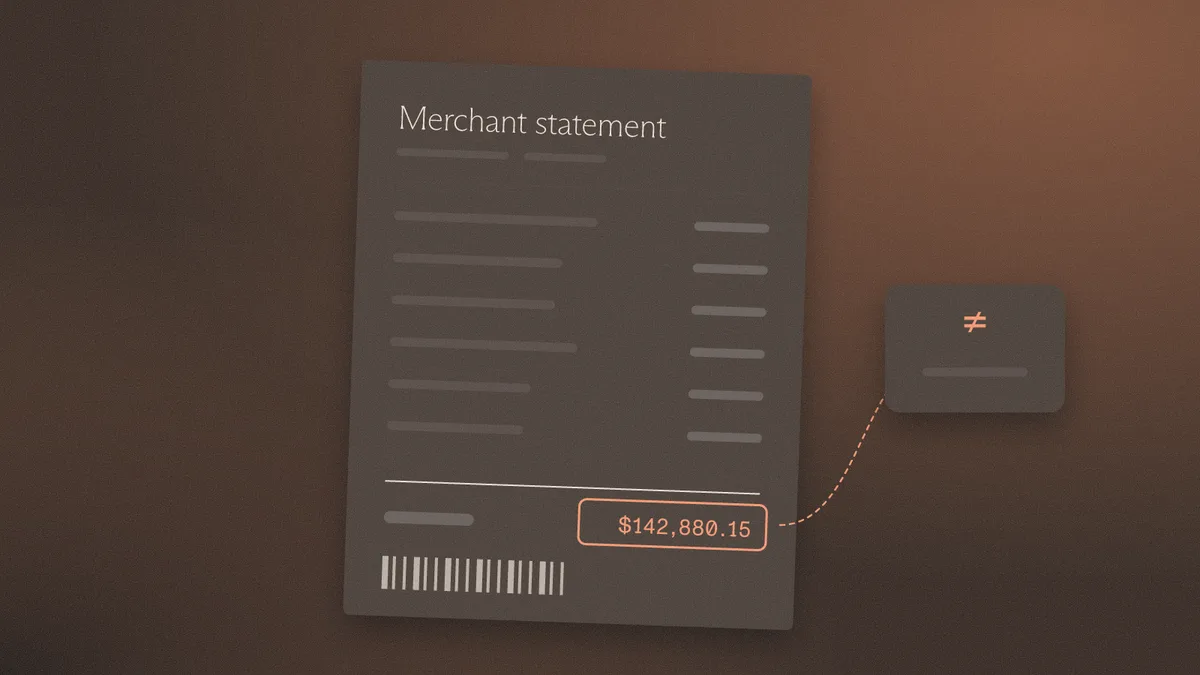
Spot a fake merchant statement by rebuilding amount processed from the fee lines and confirming the merchant ID with the processor.
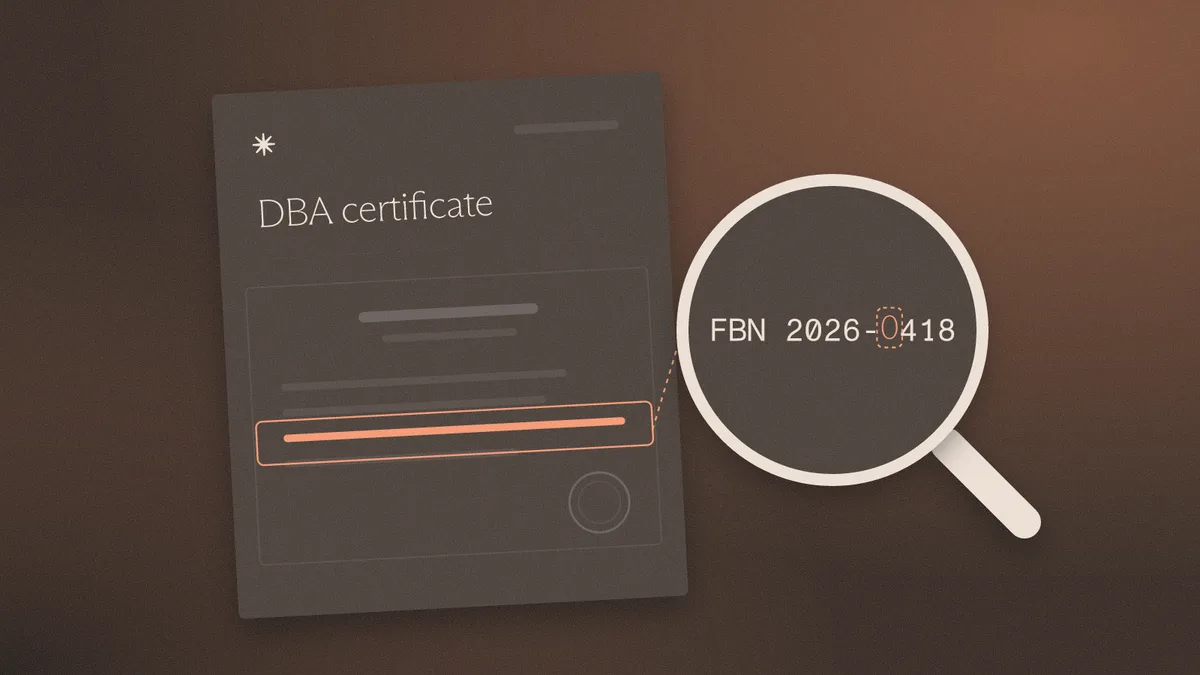
Spot a fake DBA certificate in the county index: file number, registrant, and expiration. A filing is not good standing.
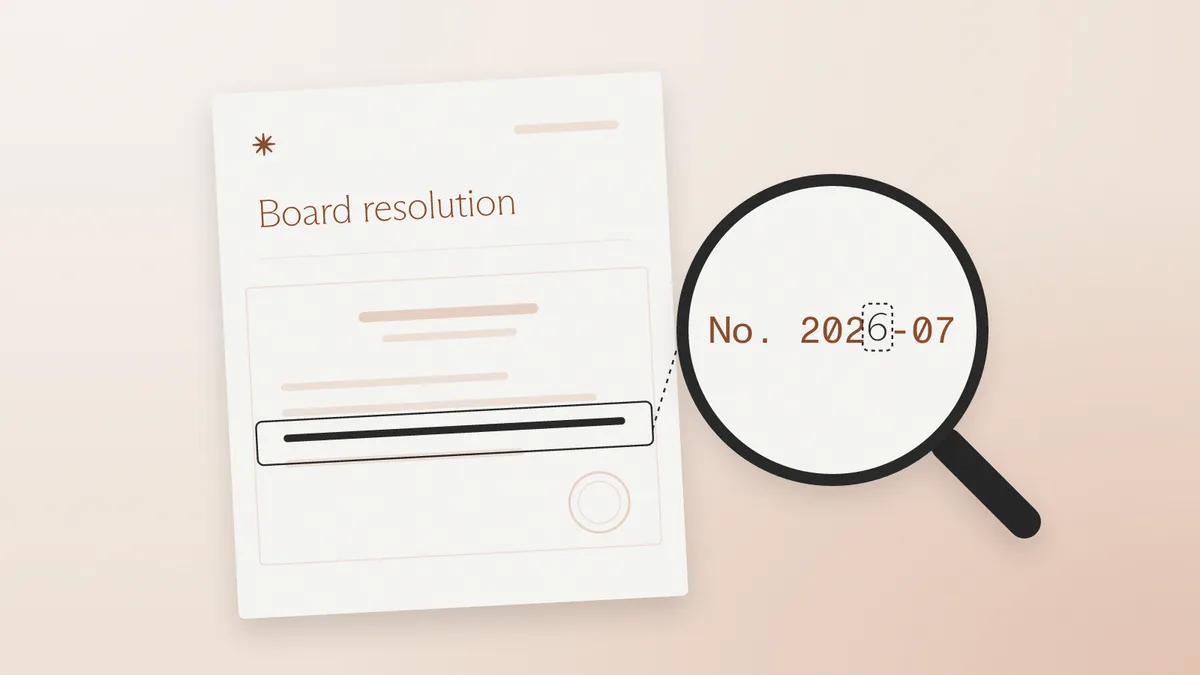
Spot a fake board resolution by checking that the certifier is not the empowered signer and that the resolution date comes first.
Spot a fake certificate of incumbency by checking the certifier and the state's officer list. A seal does not prove the offices.

How to spot a fake brokerage statement used as proof of assets, and why file history beats a clean layout.
How to spot fake articles of organization by matching the file number and filing receipt to the state record before the account opens.
A wire confirmation is a claim that money moved. Edited and generated payment advice fail file checks. The posted credit is the proof.
How to spot a fake bank reference letter: the relationship claim, the signatory, and the edit history. Letterhead is cheap to copy.
How to spot a fake operating agreement in KYB: edited member schedules, swapped signature pages, and ownership that does not match the file.
Spot a fake certificate of good standing by checking the as-of date, file number, and post-download edits.
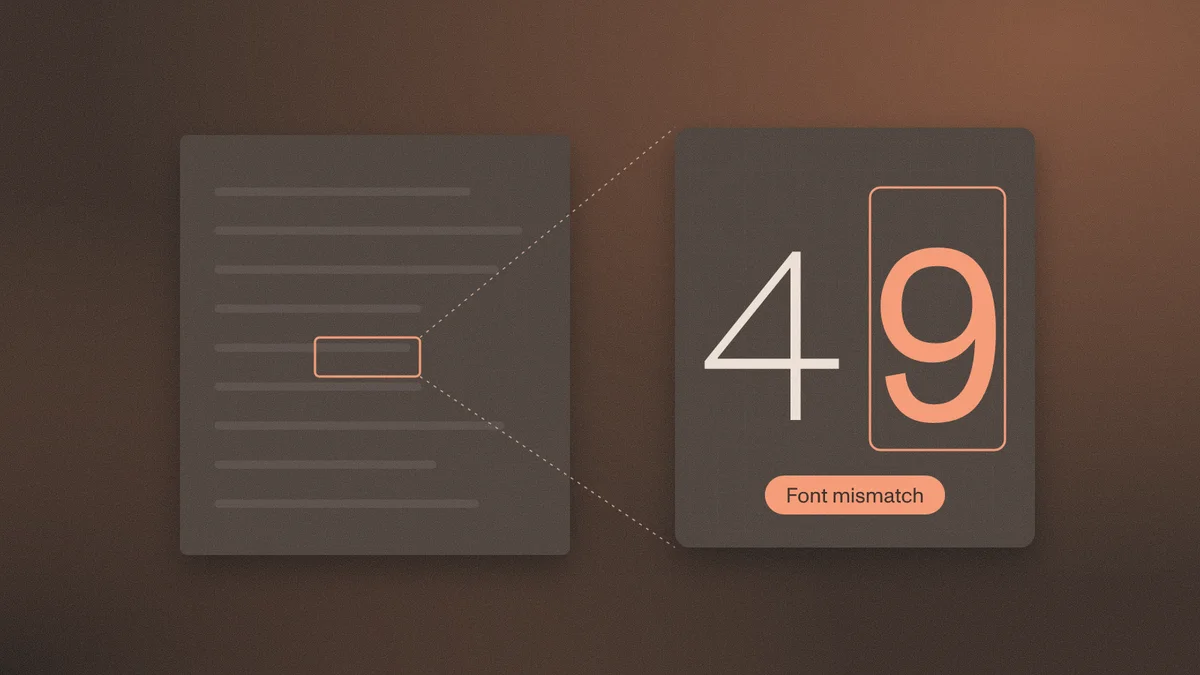
How to spot a fake voided check using file history, routing match, and account control. A VOID mark misses edited and generated files.

Verification reads the page and matches the applicant. Fraud detection reads the file. What each misses, how to evaluate each, and when you need both.

PDF metadata analysis for fraud detection: Info dictionary, XMP, timestamps, producer strings, incremental updates, and what each can and cannot prove.
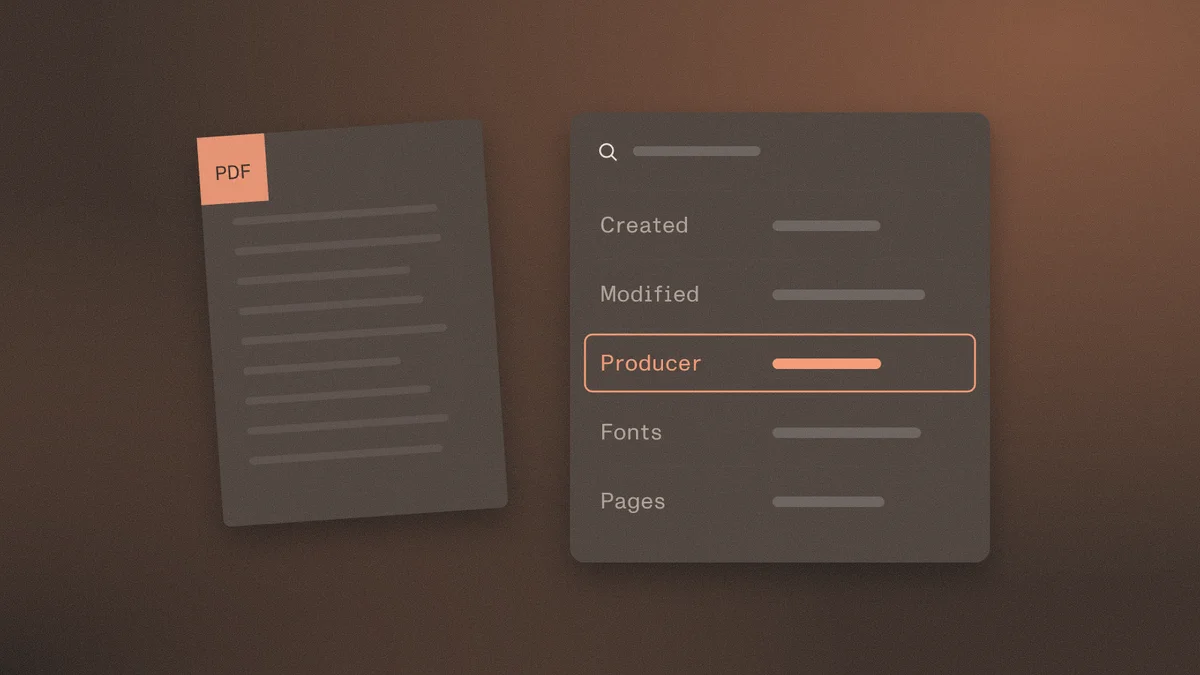
How to spot fake financial statements in SMB lending and KYB: inflated revenue, fake auditor letters, 4506-C and bank reconciliation, six file checks.
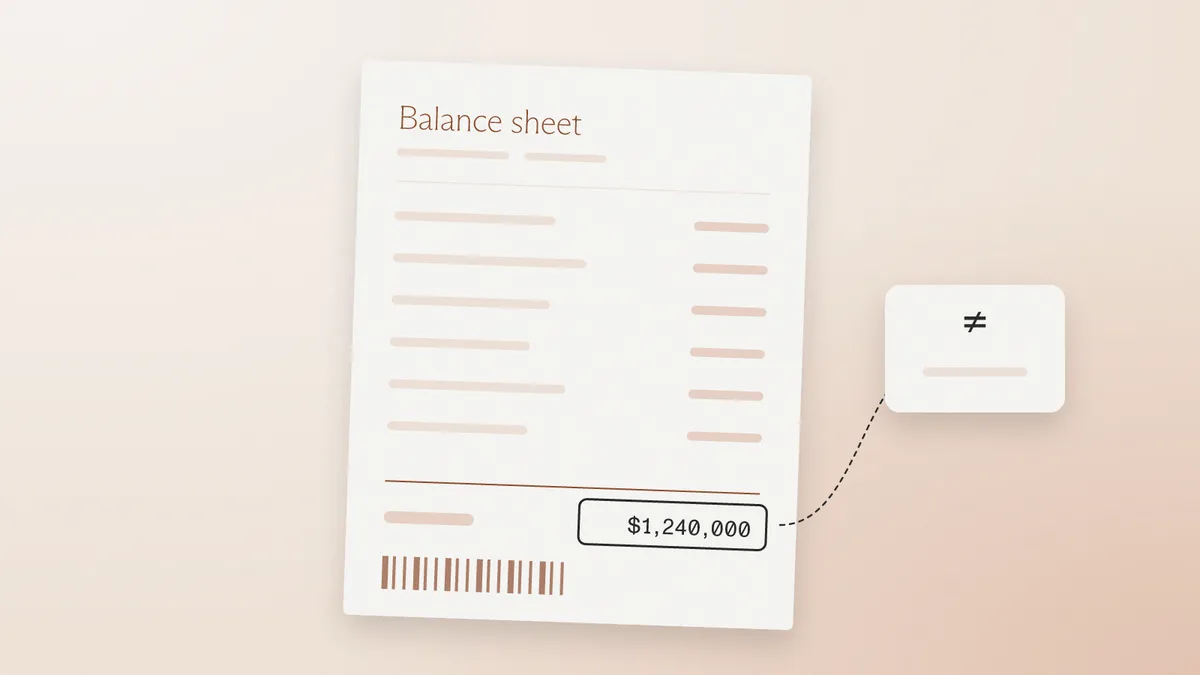
How to spot a fake certificate of insurance: why an ACORD 25 confers no rights, the tells that survive, carrier and NAIC lookups, and the six file checks.
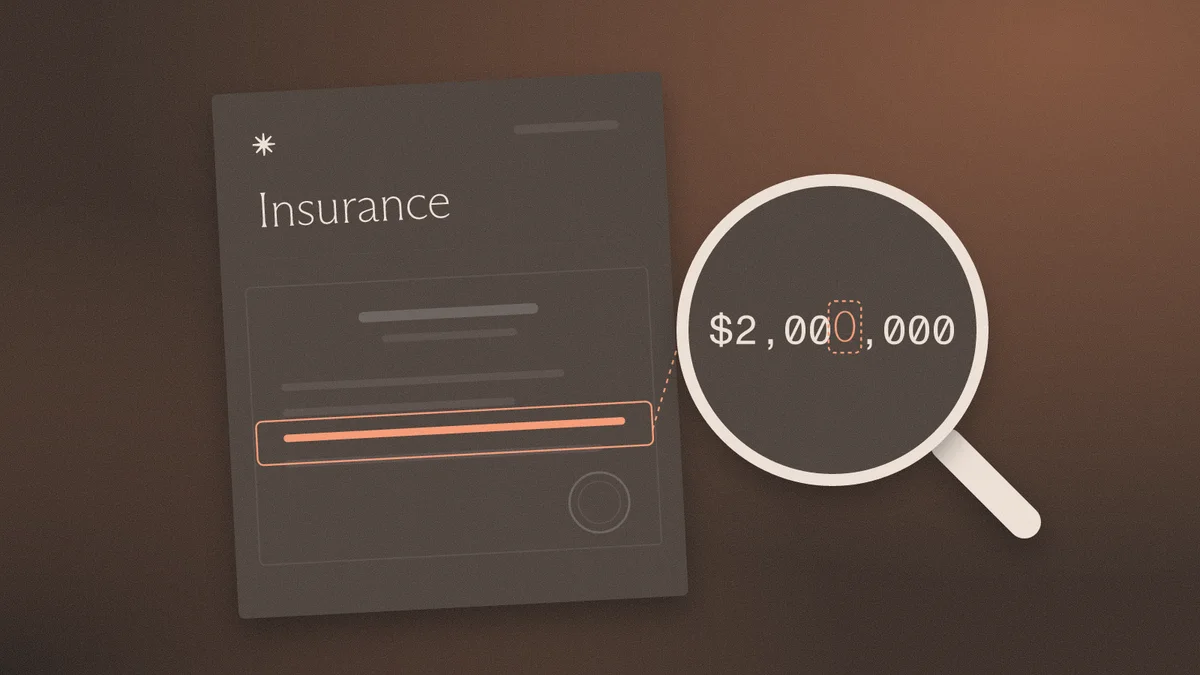
How to spot a fake lease agreement in KYC, mortgage, and KYB review: landlord, date, rent, and disclosure tells, plus the six file checks that settle it.

How to spot a fake proof of funds letter in lending, real estate, and escrow: the tells that work, the six file checks, and how to verify with the bank.

How to spot a fake EIN confirmation letter: what a real CP 575 or 147C contains, the tells that survive, IRS TIN Matching limits, and the six file checks.
How lenders and onboarding teams spot fake 1040s, W-2s, and IRS transcripts: line-item tells, edited vs generated files, and the Form 4506-C break-test.
How to spot a fake invoice in factoring, trade finance, and AP: the tells that still work, the six file checks, and the debtor break-test that settles it.
Should compliance teams accept screenshots of bank statements? What a flattened PDF loses, which fraud checks still work on images, and how to set policy.

Explainable document forensics shows where a file was altered, what it said before, and how the examiner knows. Why a fraud score alone fails audit.
How KYC, KYB, rental, and lending teams spot fake utility bills used as proof of address: edited vs generated files, tells that work, six file checks.

How fake document templates and template farms work, why template-made files have no issuance history, and how to detect them in KYC and lending.
Serial document reuse detection catches one statement, stub, or ID recycled across unrelated applicants. Why single-file review misses it.
Loan document fraud detection tests bank statements, pay stubs, and tax docs as a package — the red flags underwriters miss on visual review.
KYB document fraud detection checks certificates, registry extracts, and proof of address as files. Visual review misses edited-after-creation PDFs.

Document fraud statistics from FinCEN, FBI IC3, and FTC — and what those figures miss about edited PDFs, counterfeit templates, and file-level detection.

How to spot a fake certificate of incorporation in KYB: registrar mismatch, edited seals, generated COIs, and serial reuse. Visual review is not enough.
How to detect an AI-generated PDF using metadata, empty Producer strings, model artifacts, and the file history visual review misses.
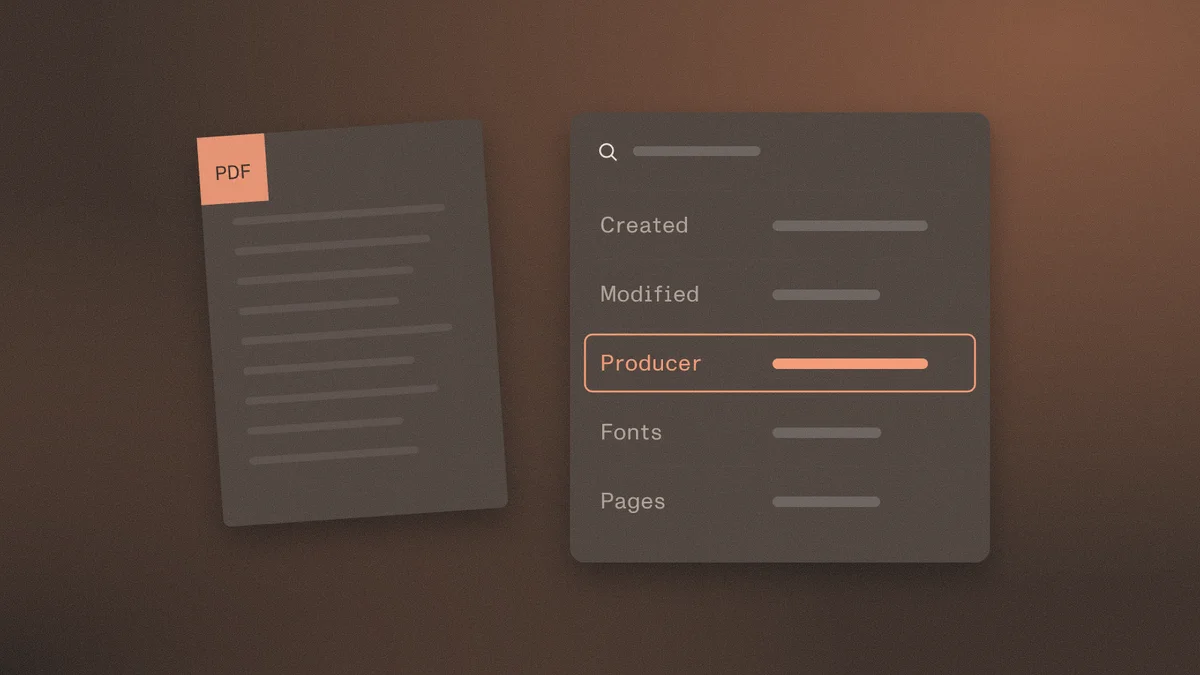
How lenders and onboarding teams spot fake pay stubs: edited vs generated files, deposit cross-checks, and what visual review misses.

How to spot a fake bank statement: edited-after-creation vs generated-from-scratch, which visual tells still work, and how file history exposes forgeries.
Try another keyword or explore a different topic.