
How to Spot a Fake Payoff Letter
How to spot a fake payoff letter: altered wiring instructions, the tells that fail, and six checks on the file before the payoff wire goes out.
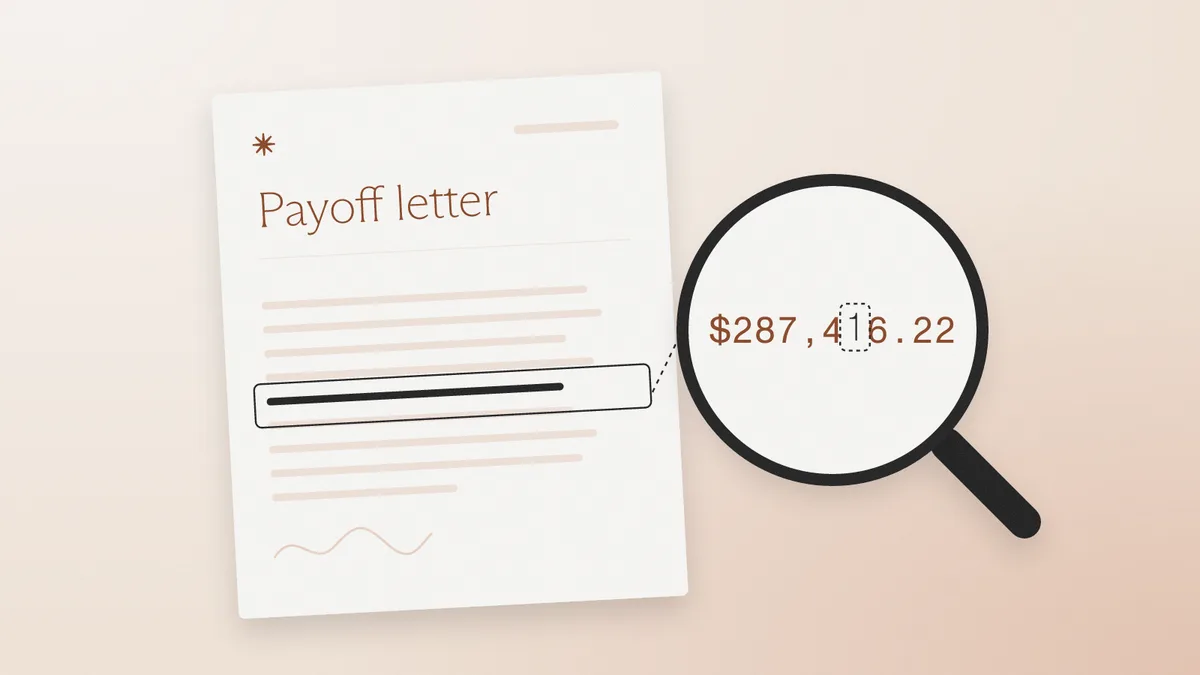

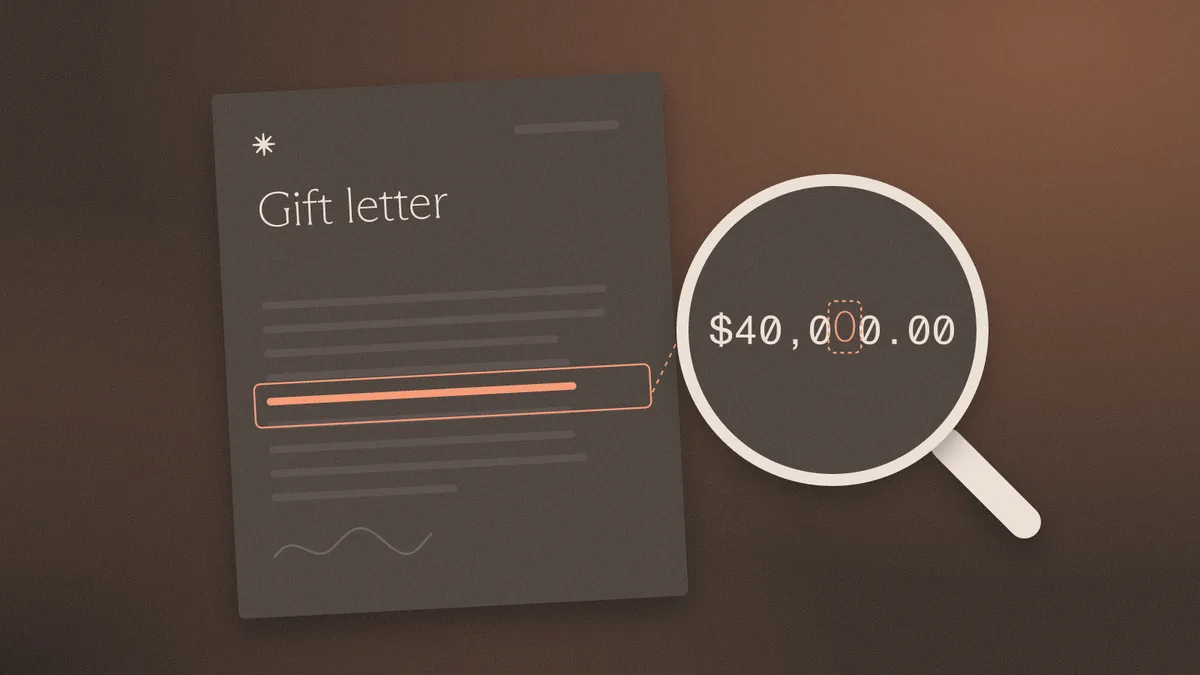
TL;DR: A fake gift letter claims that a relative or close friend gave a borrower down-payment money with no repayment expected, when the money was really a loan, came from an interested party, or never moved at all. Cotality estimated that 1 in 106 purchase mortgage applications in the second quarter of 2025 carried indications of fraud. The letter itself is a one-page attestation anyone can type, so the check that matters is the donor's money trail, not the signature.
A gift letter is a signed statement from a donor that names the gift amount, the donor's relationship to the borrower, and the fact that no repayment is expected. Mortgage lenders collect it when a borrower uses someone else's money for a down payment, closing costs, or reserves. The letter is the donor's promise. The bank records that show the money leaving the donor and arriving with the borrower are the evidence.
Fannie Mae Selling Guide B3-4.3-04, Personal Gifts, requires a letter signed by the donor that specifies the actual or maximum dollar amount, states that no repayment is expected, and gives the donor's name, address, telephone number, and relationship to the borrower. Acceptable donors are relatives and a defined set of familial or long-standing mentorship relationships. The donor may not be, or be affiliated with, the builder, the developer, the real estate agent, or any other interested party. The lender must then verify that the funds sit in the donor's account or have moved to the borrower or the closing agent.
FHA sets a parallel standard in HUD Handbook 4000.1, section II.A.4.d.iii(F). The FHA letter must be signed and dated by both the donor and the borrower. Cash on hand is not an acceptable source of donor funds. Regardless of when the money arrives, the lender must be able to make a reasonable determination that the gift was not provided by an unacceptable source.
Fake gift letters fall into three classes. A disguised loan carries a real donor's real signature over a false promise: the money is expected back. A laundered contribution routes a seller's, agent's, or investor's money through a relative so it reads as a family gift. A fabricated gift has no transfer behind it, supported by an edited donor statement or a made-up wire confirmation. Only the third is a forged document in the usual sense. The first two are true signatures on false statements, which is why the letter alone cannot settle them.
A false gift hides exactly the weakness underwriting is meant to catch: a borrower without the cash to close. Under Fannie Mae's rules, a one-unit principal residence needs no minimum borrower contribution when a gift covers the funds, so the donor's documents can carry the whole cash-to-close.
Cotality's 2025 fraud report estimated that 0.86% of all mortgage applications in the second quarter of 2025 showed indications of fraud, about 1 in 116, and that purchase applications ran higher at 1 in 106. The same report found undisclosed real estate debt showed the largest annual increase of any fraud type, at 12%. A gift that must be repaid is undisclosed debt of another kind.
The losses show up at program scale. A HUD Office of Inspector General audit found that one lender originated 709 FHA-insured loans with ineligible down payment assistance gifts, putting the insurance fund at risk of potential losses of $48.5 million. In a New Jersey mortgage fraud complaint, prosecutors said gift letters falsely stated that a relative or friend had provided the down payment when the funds came from an investor running the scheme.
The format of the letter tells almost nothing. Lenders hand borrowers a fill-in template, so a clean, generic page is the expected case, and a typo is not evidence of fraud. The tells that survive live in the relationship between the letter and the money.
Read the donor's statement before the letter. A large deposit into the donor's account shortly before the gift, with no explanation, raises the question of where the donor got it. A gift amount out of proportion to the donor's balance history, income, or age earns a second look. A donor whose address, phone, or employer matches the seller, the listing agent, the builder, or the loan officer points to an interested party. The same donor appearing on several unrelated borrowers' files points to a funding source, not a family. A cashier's check with no withdrawal record from the donor's own account leaves the source unproven.
The tell that fails most often is the one reviewers trust most: a signature. A real donor signs a disguised-loan letter willingly. Any repayment happens after closing, outside anything the lender sees, so the strongest evidence available before funding is whether the money's path makes sense.
Detection that holds up treats the gift as a packet: the letter, the donor's statement, the transfer record, the borrower's statement showing the deposit, and the closing figures. Each file gets read on its own, then against the others, through six classes of signal.
Production method asks how each file was made. A donor statement exported from the bank's portal carries a different history from one last saved in a desktop editor or converted from an image, and an edited balance is the usual prop under a fabricated gift. Edited-after-creation, where a genuine bank file was changed after the bank produced it, is a different finding from a page generated from scratch. Timestamp trail asks whether creation and modification times cohere with the statement period and the letter's date. A gift letter signed after the transfer is normal. A donor statement modified the week the letter was signed is not.
Issuer matching asks whether the claimed bank produced a document in this format for this account type, and whether a wire confirmation looks like the sending bank's own record. Consistency sets the gift amount on the letter against the withdrawal on the donor's statement, the deposit on the borrower's bank statement, and the figure on the Closing Disclosure. Names, account numbers, addresses, and dates should agree across all of them.
Model artifacts ask whether generative tooling left traces that a standard viewer does not display. Recycled patterns ask whether the same donor, the same signature image, the same letter wording, or the same statement file has appeared under another borrower. That last check is the one a single underwriter cannot run from memory, and it is the pattern that exposes investor-funded schemes routed through rotating "relatives."
A flagged gift is a hold, not a decline. Ask for the evidence the guides already name: the donor's bank statement showing the withdrawal, the borrower's statement showing the deposit, or the electronic transfer record from the donor's account to the borrower or the closing agent. Where the gift arrives at settlement, confirm with the closing agent that the funds came from the donor's account. A line on the Closing Disclosure is not proof of where the money originated.
When the donor's statement shows a recent large deposit, ask the donor to source it. Contact the donor on a number from an independent record, not only the one typed on the letter, and ask plain questions: how they know the borrower, whether they expect the money back, and where the funds came from. A donor who describes a loan has answered the question the letter was meant to settle. Validating source of funds when documents can't be trusted follows the same principle: confirm the money through records the borrower did not produce.
Keep every original file, and do not tell the borrower which signal failed. When the donor statement or wire confirmation is the weak link, x-ray the file in the Watchdoc playground before calling the donor, so the production history is on record. The first file is free, and no email is required. The broader packet, including income and asset files, belongs in the loan document fraud review rather than a one-off gift check.
Watchdoc reads the documents behind the gift, from the donor's statement to the wire confirmation, scores each file, and shows the x-ray across production method, timestamp trail, issuer matching, consistency, model artifacts, and recycled patterns. Sphinx's published figures are a 94.3% correct verdict, 2.8x more forgeries caught, clean files cleared in under 28 seconds, and a review path 54% less expensive, across 1 million documents processed, at $0.45 per document with no seats and no platform fee. The Watchdoc playground runs the same check free, with a 50-document free tier. No tool can read a donor's private intent to be repaid. What it can show is whether the money trail on paper was edited to tell a different story.
Fannie Mae requires a gift letter signed by the donor that states the actual or maximum gift amount, says no repayment is expected, and gives the donor's name, address, telephone number, and relationship to the borrower. FHA requires the same core items in a letter signed and dated by both the donor and the borrower.
Lenders verify the money, not just the letter: the donor's withdrawal matched to the borrower's deposit, or an electronic transfer from the donor's account to the borrower or the closing agent. FHA also requires a reasonable determination that the funds did not come from an unacceptable source.
Yes. A gift letter states that no repayment is expected, and a lender relies on that statement when it calculates the borrower's debts and contribution. A donor who expects repayment has made a false statement in a mortgage file, even when the signature and the transfer are both genuine.
Under Fannie Mae's rules, the donor may not be, or be affiliated with, the builder, developer, real estate agent, or any other interested party, with a narrow exception for a seller who is also an acceptable family donor and not affiliated with another interested party. FHA treats money from interested parties under separate contribution limits, not as gifts.
FHA's Handbook 4000.1 states that cash on hand is not an acceptable source of donor gift funds. Both FHA and Fannie Mae ask for documentation that ties the money to the donor's account, which cash cannot provide.
How to spot a fake payoff letter: altered wiring instructions, the tells that fail, and six checks on the file before the payoff wire goes out.
How to spot a fake certificate of trust: edited trustee names and powers, notary checks, beneficial ownership, and six checks on the file.
How to spot a fake shareholder register: edited percentages under the 25% UBO line, cap tables vs. registers, and the checks that catch them.
How to spot a fake crypto exchange statement: edited PDFs, CSV exports, on-chain withdrawal checks, and six checks on the file.
How to spot a fake credit card statement used for proof of address, debt verification, or source of funds: edited balances, broken math, file checks.
Spot a fake W-8BEN by reading foreign status, the treaty claim, and the file. The IRS publishes a blank and does not certify the form.

How to spot a fake partnership agreement: edited partner lists, signature blocks never executed together, and no state filing for a general partnership.

How to spot fake corporate bylaws: rules that contradict the articles, adoption before incorporation, and a template reused across companies.
How to spot a fake stock certificate offered as KYB ownership evidence, when the ledger matters more than the vignette.
A Schedule K-1 reports a partner's share of income. Capital-account math, form year, and an IRS transcript catch edited and generated fakes.
A fake 1099 is an information return edited after creation or generated from scratch. Match it to the IRS wage and income transcript.
How to spot a fake employment verification letter: edited versus generated files, the tells that fail, and six checks on the file.
Spot a fake mortgage statement by confirming principal, amount due, due date, and rate with the current servicer.
Spot a fake W-9 by matching the line 1 name and TIN. The IRS publishes a blank form and does not seal a completed one.
Spot a fake merchant statement by rebuilding amount processed from the fee lines and confirming the merchant ID with the processor.
Spot a fake DBA certificate in the county index: file number, registrant, and expiration. A filing is not good standing.
Spot a fake board resolution by checking that the certifier is not the empowered signer and that the resolution date comes first.
Spot a fake certificate of incumbency by checking the certifier and the state's officer list. A seal does not prove the offices.
How to spot a fake brokerage statement used as proof of assets, and why file history beats a clean layout.
How to spot fake articles of organization by matching the file number and filing receipt to the state record before the account opens.
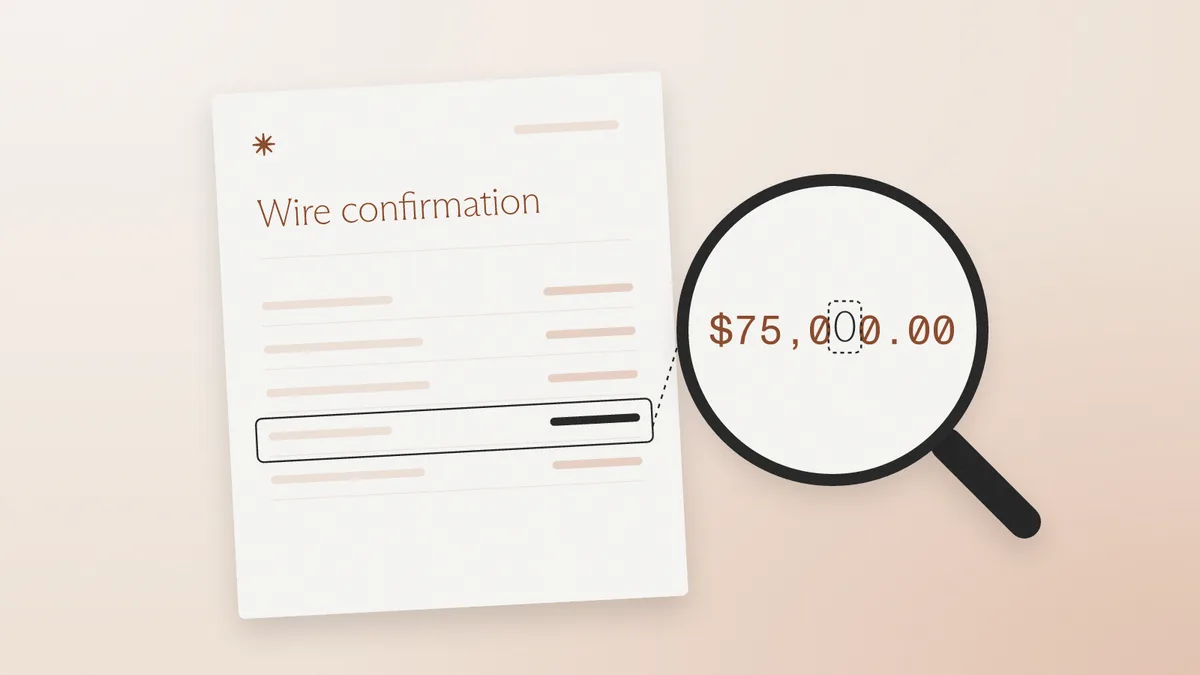
A wire confirmation is a claim that money moved. Edited and generated payment advice fail file checks. The posted credit is the proof.
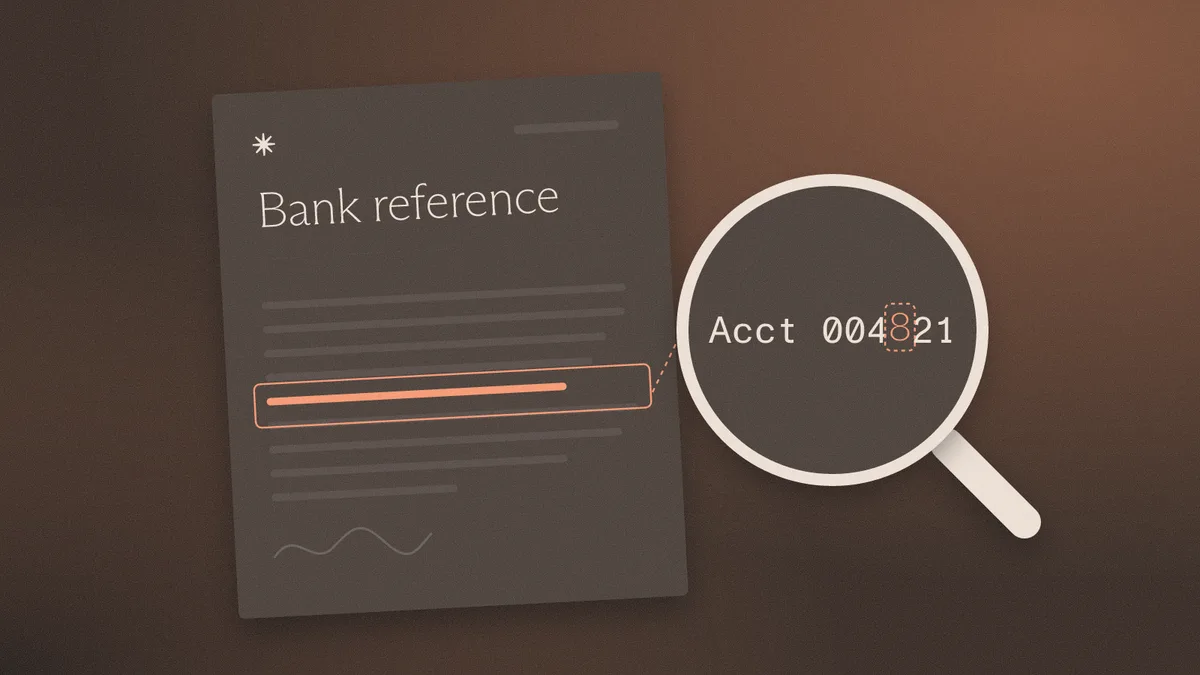
How to spot a fake bank reference letter: the relationship claim, the signatory, and the edit history. Letterhead is cheap to copy.
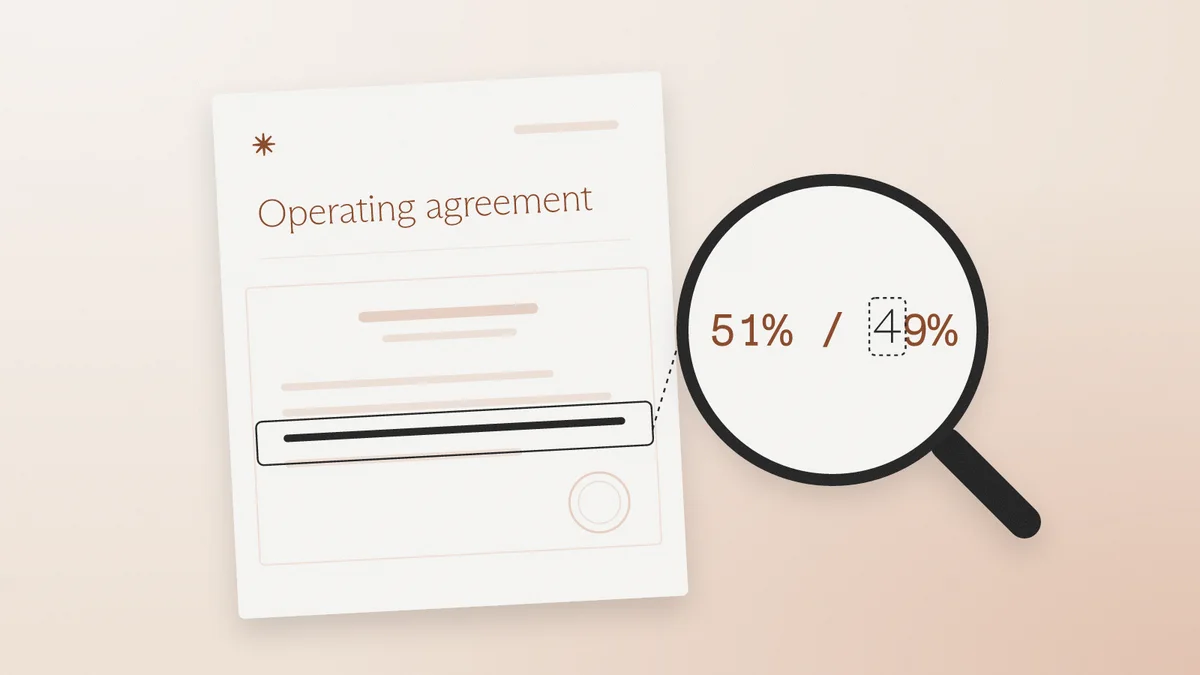
How to spot a fake operating agreement in KYB: edited member schedules, swapped signature pages, and ownership that does not match the file.
Spot a fake certificate of good standing by checking the as-of date, file number, and post-download edits.
How to spot a fake voided check using file history, routing match, and account control. A VOID mark misses edited and generated files.
Verification reads the page and matches the applicant. Fraud detection reads the file. What each misses, how to evaluate each, and when you need both.
PDF metadata analysis for fraud detection: Info dictionary, XMP, timestamps, producer strings, incremental updates, and what each can and cannot prove.
How to spot fake financial statements in SMB lending and KYB: inflated revenue, fake auditor letters, 4506-C and bank reconciliation, six file checks.
How to spot a fake certificate of insurance: why an ACORD 25 confers no rights, the tells that survive, carrier and NAIC lookups, and the six file checks.
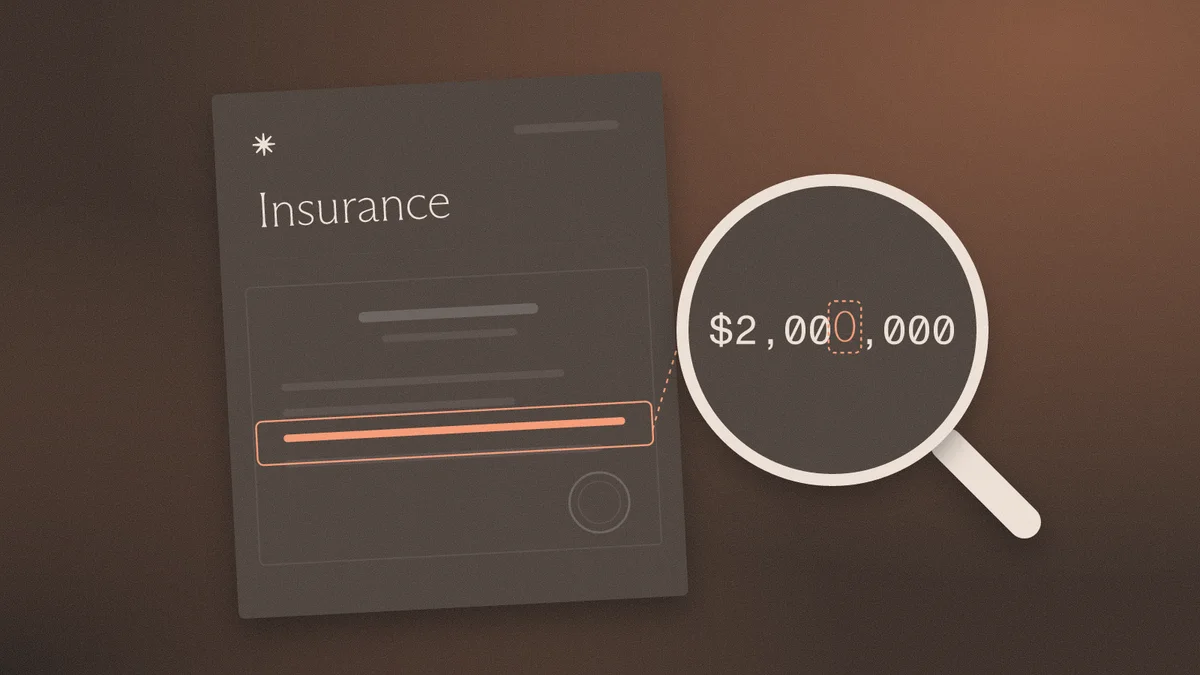
How to spot a fake lease agreement in KYC, mortgage, and KYB review: landlord, date, rent, and disclosure tells, plus the six file checks that settle it.

How to spot a fake proof of funds letter in lending, real estate, and escrow: the tells that work, the six file checks, and how to verify with the bank.
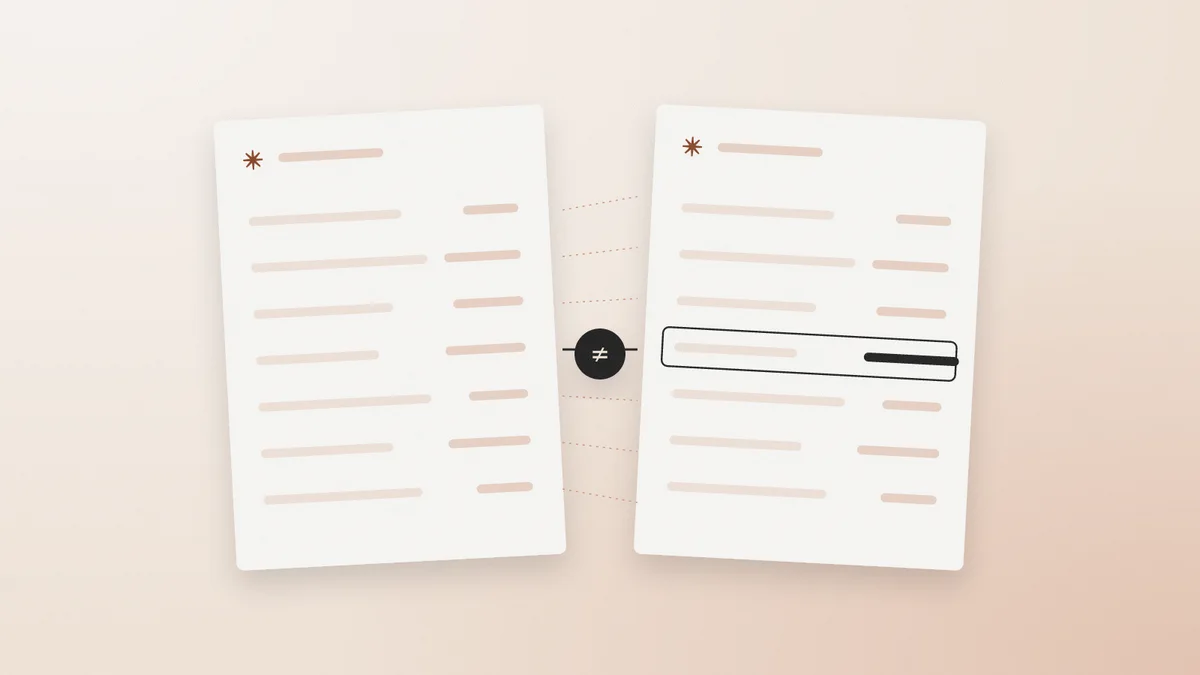
How to spot a fake EIN confirmation letter: what a real CP 575 or 147C contains, the tells that survive, IRS TIN Matching limits, and the six file checks.
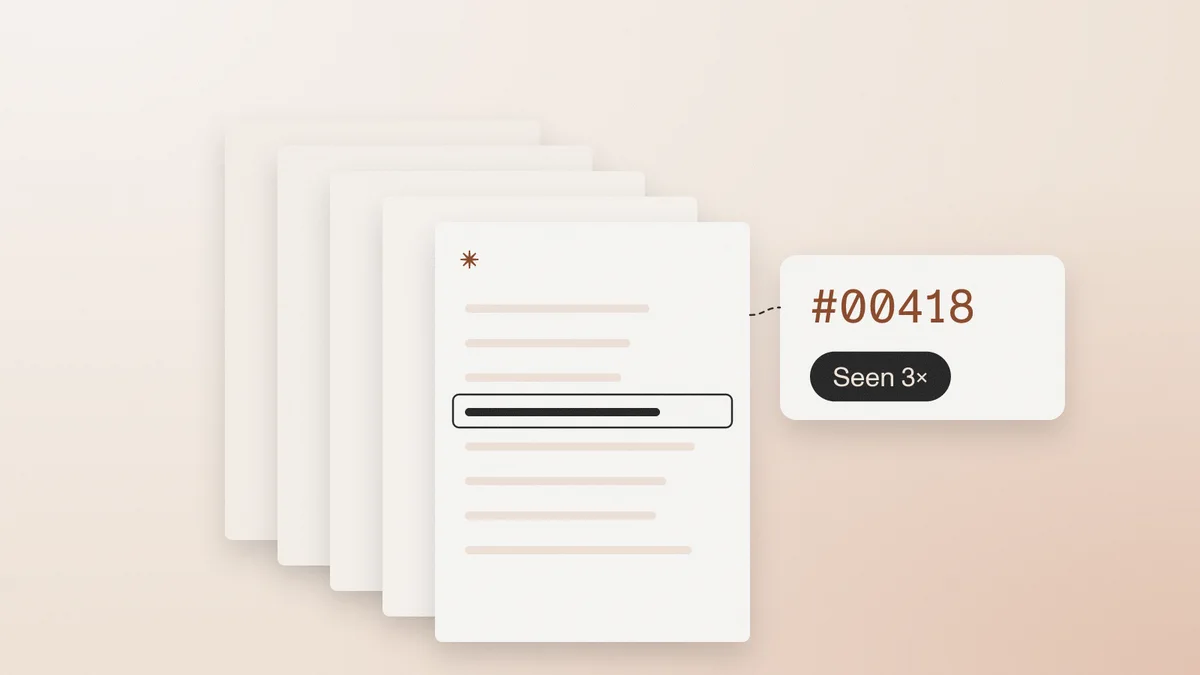
How lenders and onboarding teams spot fake 1040s, W-2s, and IRS transcripts: line-item tells, edited vs generated files, and the Form 4506-C break-test.
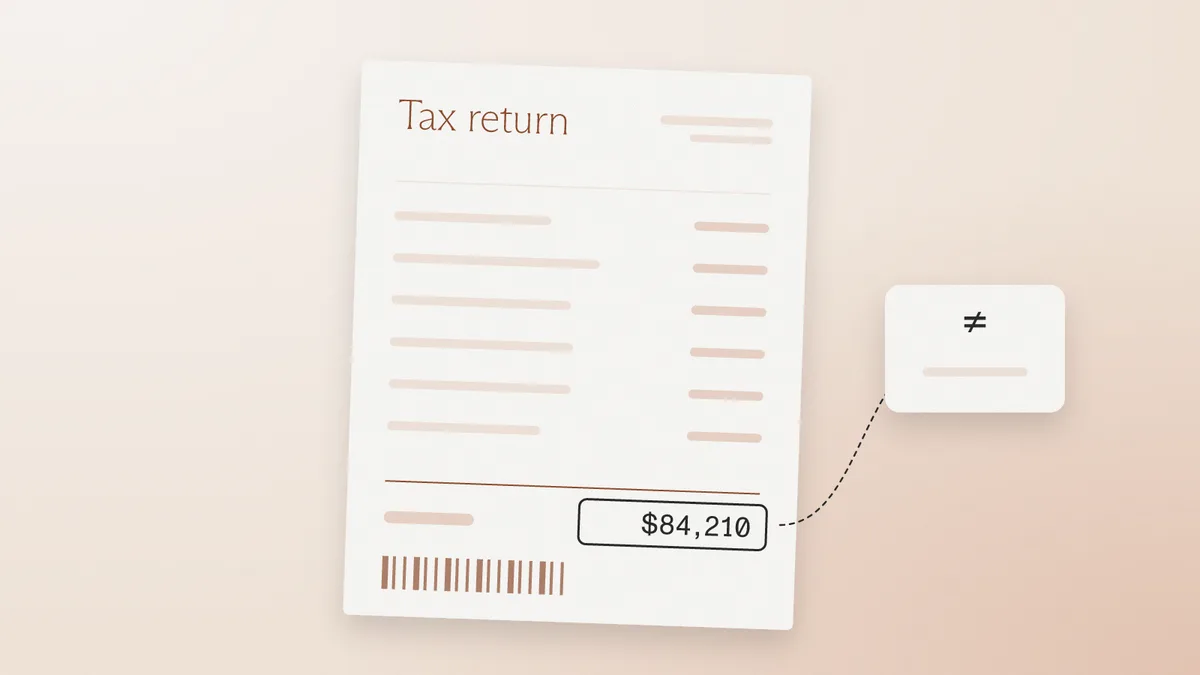
How to spot a fake invoice in factoring, trade finance, and AP: the tells that still work, the six file checks, and the debtor break-test that settles it.
Should compliance teams accept screenshots of bank statements? What a flattened PDF loses, which fraud checks still work on images, and how to set policy.
Explainable document forensics shows where a file was altered, what it said before, and how the examiner knows. Why a fraud score alone fails audit.
How KYC, KYB, rental, and lending teams spot fake utility bills used as proof of address: edited vs generated files, tells that work, six file checks.

How fake document templates and template farms work, why template-made files have no issuance history, and how to detect them in KYC and lending.
Serial document reuse detection catches one statement, stub, or ID recycled across unrelated applicants. Why single-file review misses it.
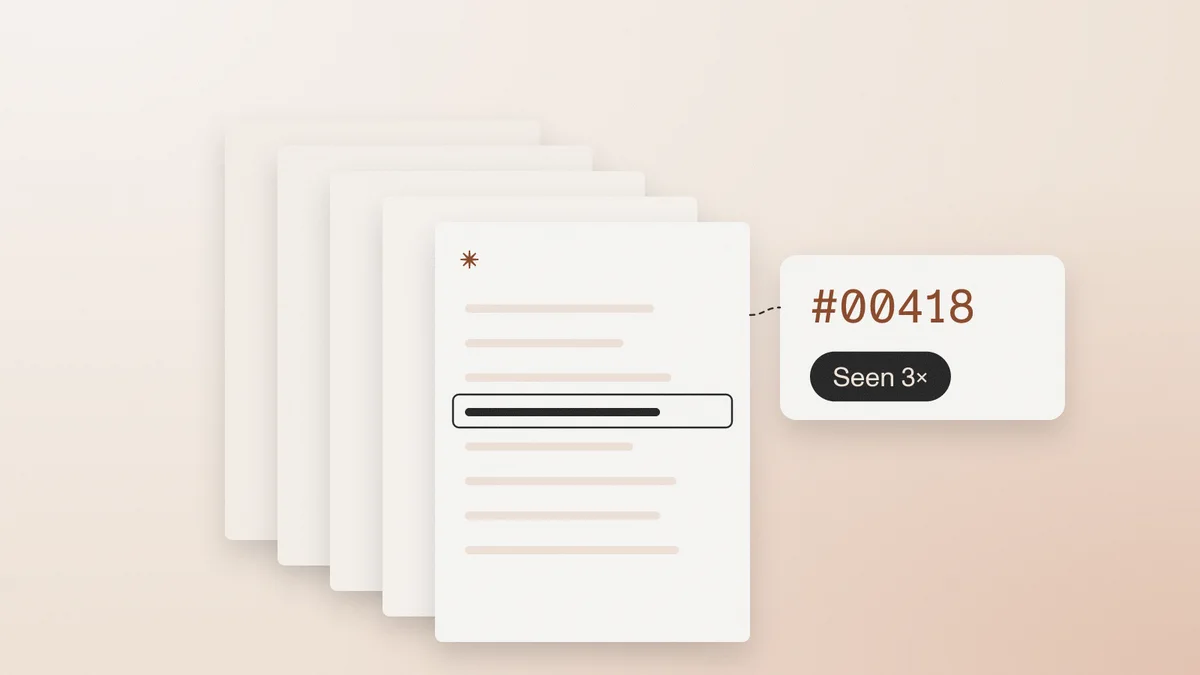
Loan document fraud detection tests bank statements, pay stubs, and tax docs as a package — the red flags underwriters miss on visual review.
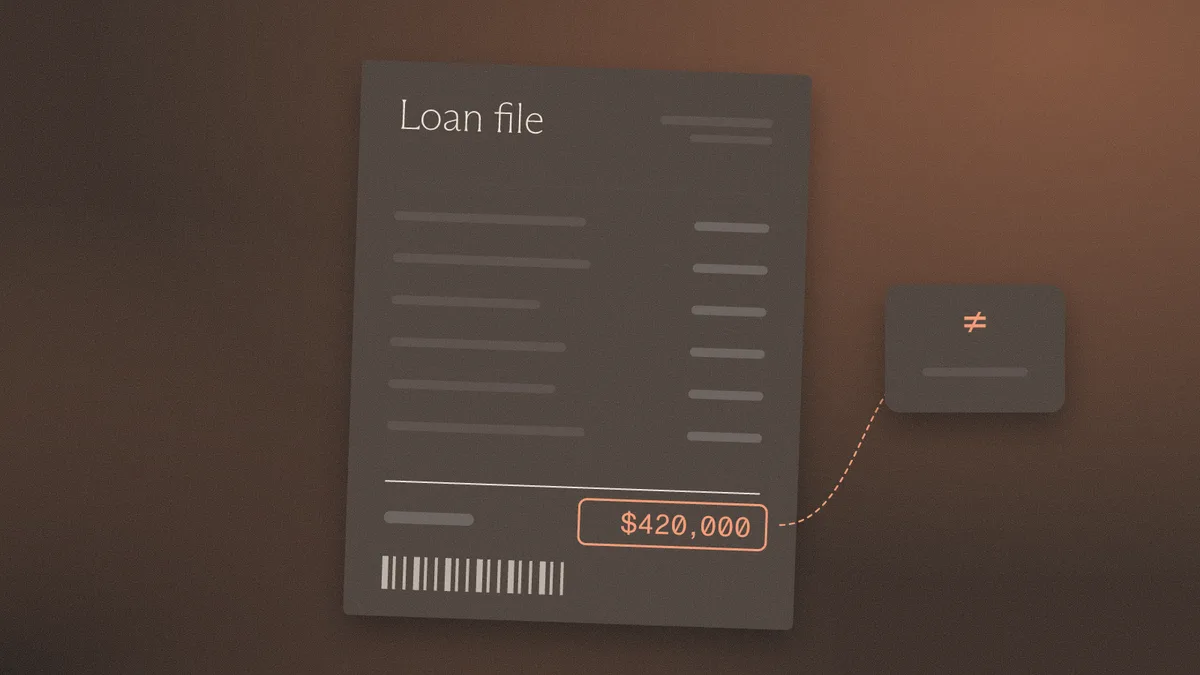
KYB document fraud detection checks certificates, registry extracts, and proof of address as files. Visual review misses edited-after-creation PDFs.

Document fraud statistics from FinCEN, FBI IC3, and FTC — and what those figures miss about edited PDFs, counterfeit templates, and file-level detection.
How to spot a fake certificate of incorporation in KYB: registrar mismatch, edited seals, generated COIs, and serial reuse. Visual review is not enough.
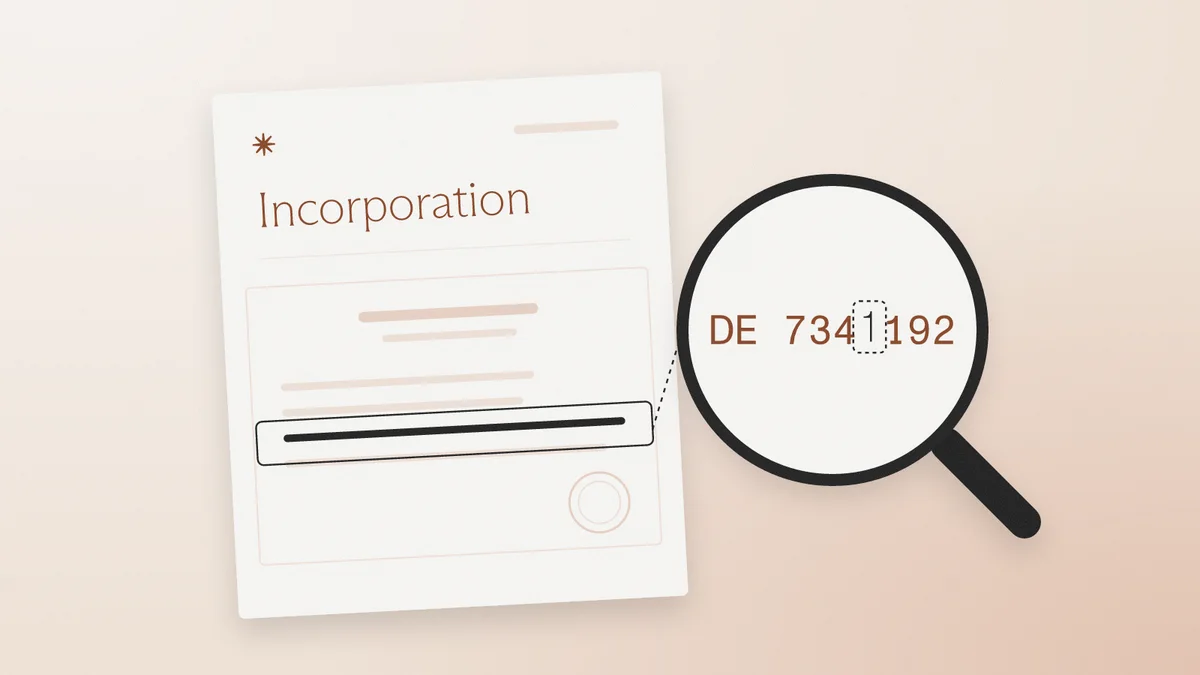
How to detect an AI-generated PDF using metadata, empty Producer strings, model artifacts, and the file history visual review misses.
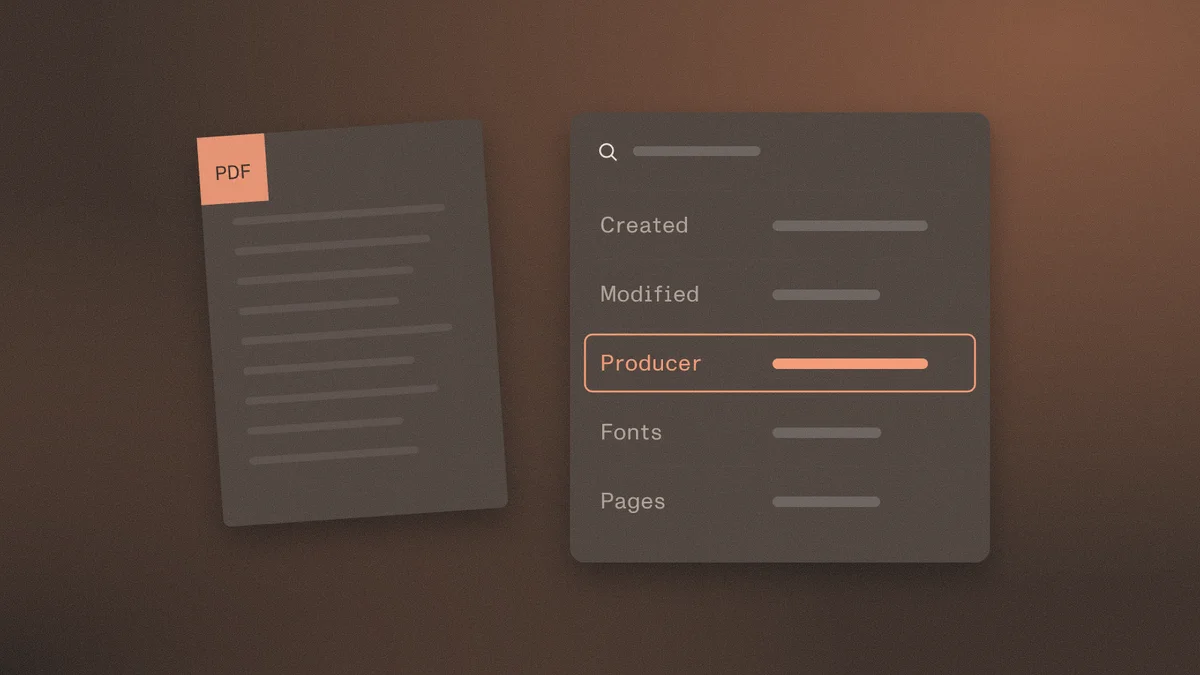
How lenders and onboarding teams spot fake pay stubs: edited vs generated files, deposit cross-checks, and what visual review misses.

How to spot a fake bank statement: edited-after-creation vs generated-from-scratch, which visual tells still work, and how file history exposes forgeries.
Try another keyword or explore a different topic.