
How to Spot Fake Proof of Income
How lenders, landlords and underwriters spot fake proof of income: test whether the documents agree, then confirm the figure at a source.

TL;DR: A fake proof of address is a utility bill, bank statement, lease, or similar document, edited after issue or generated from scratch, that places a person or business at an address they do not occupy. FinCEN's analysis of 2021 filings linked about 1.6 million BSA reports, 42% of the total, to identity-related suspicious activity, a broad figure covering far more than address documents. The US CIP rule requires a bank to collect an address and names no proof-of-address document, so the decision should turn on whether independent records place the customer there.
Proof of address is a role a document plays, and many document types can fill it. A fake proof of address is any of them misrepresented to support a location claim: a fake electricity bill, a statement with a changed mailing address, a lease for a tenancy that never existed. Document-specific checks live in their own guides: how to spot a fake utility bill, how to spot a fake lease agreement, and how to spot a fake bank statement. This page covers the decision above them: which document to accept, how much weight it can carry, and what to do when it disagrees with other records.
Each type comes from a different issuer, and the issuer determines how the document can be tested.
Acceptance lists differ by institution, and each reflects whoever wrote it. The US Postal Service's application to operate a commercial mail receiving agency, for example, accepts a current lease, a mortgage or deed of trust, a voter or vehicle registration card, or a home or vehicle insurance policy as address verification.
Address fraud arrives in two production classes, and they fail different tests.
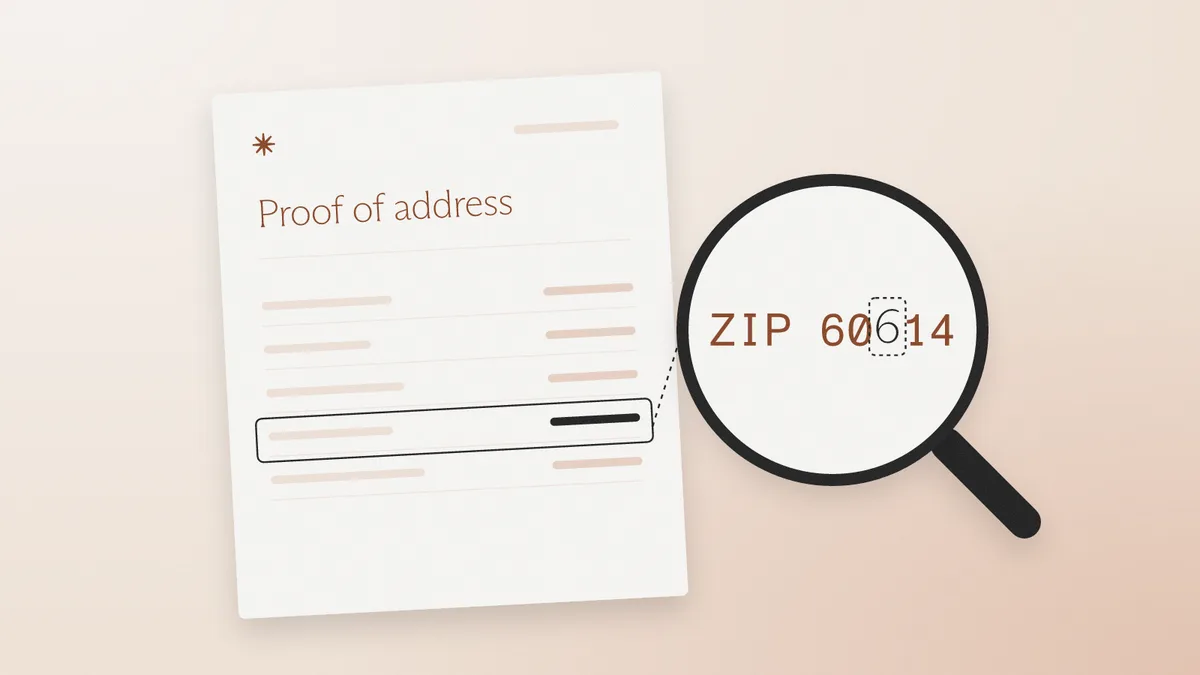
An edited-after-creation file began as a real document. Someone changed the name, the address, or the date and saved it again. Most of the page is genuine and the issuer's formatting survives. The altered field often stops agreeing with something elsewhere in the file or in the file's own history.
A generated-from-scratch file never came from the claimed issuer. It can be internally tidy because all of it was composed at once. It tends to lack the production history of the issuer's own output, or it shares structure with other files built the same way.
A third category needs separate treatment: a genuine, unaltered document that belongs to someone else or describes an address the applicant left. File analysis has nothing to find, because the file is authentic. Only the claim is false.
The checks that transfer between document types are the ones that test the address claim. Recency compares the issue date with any policy window and with the period the document describes. Name matching against the application catches more than a glance at the page. Issuer plausibility asks whether this organization could have sent this document to this location, which for a utility means whether it serves the area at all.
Logos, fonts, and overall polish say little, since an edited file inherits the issuer's design and generated files copy public branding. A document that looks right has passed nothing.
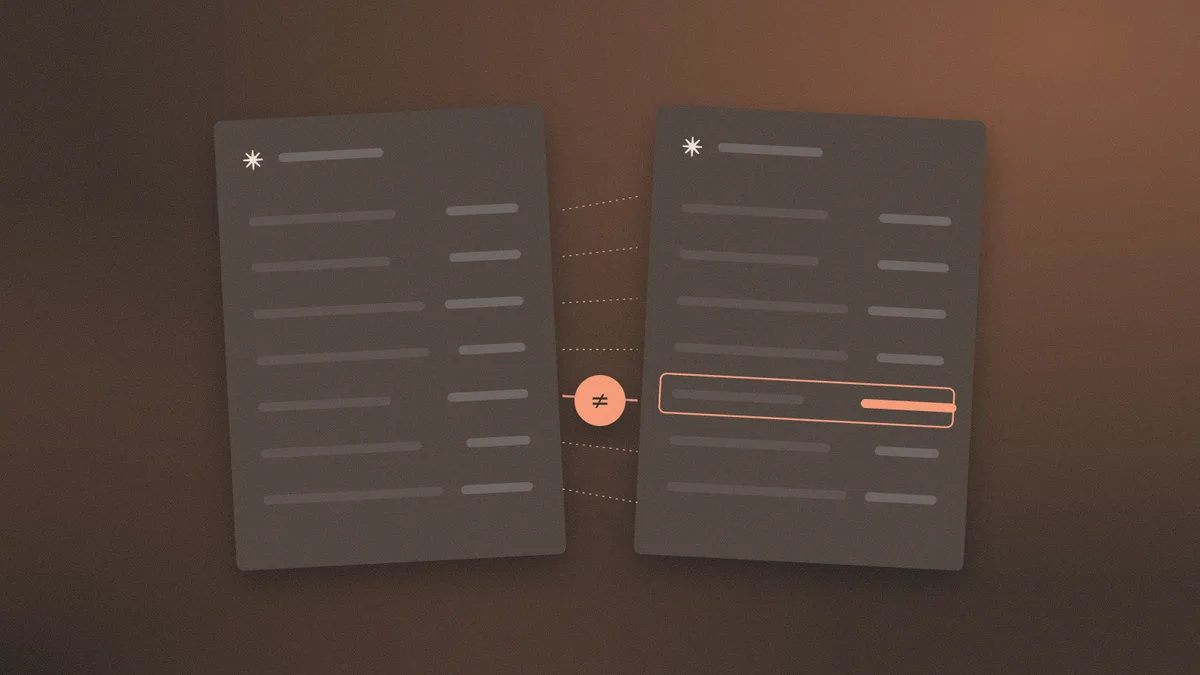
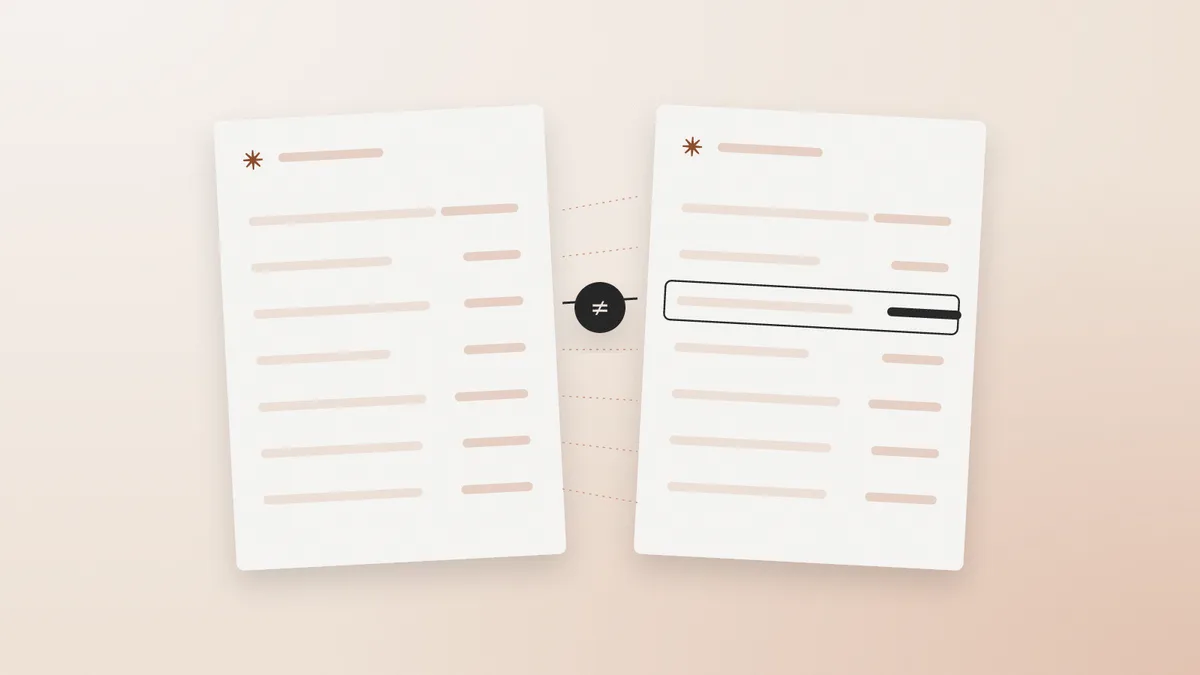
When an applicant submits several documents, compare them with each other. Unrelated issuers have no reason to share a template or production pattern, so similarities are worth recording. Documents that agree perfectly are weak corroboration if all of them came from the applicant.
The most useful test of an address happens outside the document. The federal Identity Theft Red Flags guidelines at 16 CFR Part 681 list illustrative warning signs that translate directly into review steps:
A mismatch needs interpretation. Consumer report data can lag a real move, so an unmatched address is a reason to ask for more and a poor reason on its own to decline.
Address type deserves its own check. The Postal Service defines a commercial mail receiving agency as a business that accepts mail for others as a service, and it classes office business centers and reshipping services the same way. A genuine document can be correctly addressed to one of these locations while the customer neither lives nor operates there. For a business, the question becomes whether the address functions as a place of business or only receives mail.
Repetition across a portfolio is the signal a single reviewer cannot see. One application at an address is unremarkable. Dozens at the same address under different names is a case. In its 2021 data, FinCEN counted about 423,000 reports involving false records and found that 13% of identity-related reports described attackers exploiting insufficient verification processes.
An authentic address document establishes a narrow fact: an issuer, at some date, associated a name with a location. It does not show that the person presenting it is the person named, that the person lives there today, or that the address is a home rather than a mailbox. Forensic review can show that a file is unaltered. Occupancy has to be confirmed some other way.
US law asks for less than many onboarding checklists assume. Under 31 CFR 1020.220, a bank must obtain an address before opening an account. For an individual, that means a residential or business street address, with an APO or FPO box number or the street address of next of kin or another contact as the fallback. For an entity, it means a principal place of business, local office, or other physical location. The rule is written for banks, and other sectors have their own CIP rules.
Verification runs on a different standard. The bank must verify enough to form a reasonable belief that it knows the customer's true identity, and the FFIEC BSA/AML Manual states that a bank need not establish the accuracy of every element of identifying information. The rule's documentary examples are an unexpired government-issued ID evidencing nationality or residence, and entity documents such as certified articles of incorporation. Utility bills and leases do not appear in that text. Non-documentary methods include contacting the customer and comparing the information against a consumer reporting agency, public database, or other source.
A proof-of-address requirement is therefore usually the institution's own policy. The FFIEC Manual encourages reviewing more than one document given the availability of counterfeit ones, and the CIP record must describe the resolution of any substantive discrepancy, so an address conflict needs a written outcome. The June 27, 2025 exemption order concerned TIN collection and left the address requirement alone.
Separate two questions: whether this file is genuine, and whether this customer is at this address. The first belongs to file review. The second needs records the applicant does not control.
Keep the original upload, because screenshots and re-exports remove file history. Request the native file when the submission is a photo or flattened image. To read the production history, x-ray the file and record the outcome by class of signal.
Then confirm independently. Compare the address against a consumer reporting source, a public database, or the owner of record, and reach any issuer or landlord through contact details found separately from the document. For higher-risk relationships, a code mailed to the address tests whether someone can receive mail there, which still falls short of proving residence.
When the file shows editing or generation and nothing independent supports the address, stop relying on it. The CIP rule requires procedures for when a bank cannot form a reasonable belief, including when not to open an account and when to file a SAR. Avoid telling an applicant which signal failed.
Sphinx Watchdoc examines the file across six checks: production method, timestamp trail, issuer matching, consistency, model artifacts, and recycled patterns. Sphinx reports a 94.3% correct verdict and under 28 seconds to clear clean files, at $0.45 per document with no seats or platform fee, and the Watchdoc playground offers 50 free documents with no card. Watchdoc does not verify a person's face or connect to bank accounts, and it cannot confirm that anyone lives at an address.
Check whether the date, name, and issuer fit the claim, then examine the file's production history for signs of editing or generation. Finally compare the address against sources the applicant does not control, such as a consumer report or public record.
Under 31 CFR 1020.220, a bank must obtain a street address, or the permitted fallback, before opening an account. The rule names no utility bill or similar document, and it allows verification through government ID and non-documentary methods. Institutions can still require proof of address under their own risk-based policy.
Test the service dates, usage, charges, and whether the provider serves that address, then check the file's history and an independent source. A real provider and a tidy layout do not settle it, since a generated bill can copy both.
For an individual, the CIP rule calls for a residential or business street address, with an APO or FPO box number or the street address of next of kin or another contact as the fallback. Agency FAQs accept a rural route number or a description of physical location, and distinguish a rural route from a post office box.
How lenders, landlords and underwriters spot fake proof of income: test whether the documents agree, then confirm the figure at a source.
What a fake document checker can tell from a file, how to read its verdict and score, and what to check before uploading sensitive documents.
Fake documents grouped by the fraud they enable: income, banking, corporate and tax. 20 file types, each one's strongest tell, and a full guide.
Eight AI-generated document detection tools compared by fit, what each reads, and its limits, plus why no detector catches every forged file.

Bank statement fraud detection software compared for lenders and KYB teams: file forensics, statement analysis, and when a bank connection wins.
Eight document verification tools for banks, lenders and fintechs, sorted by job: identity documents, income files, and whether a file was altered.
Resistant AI alternatives for document forensics and transaction monitoring, ordered by fit, with what each does and where it stops.
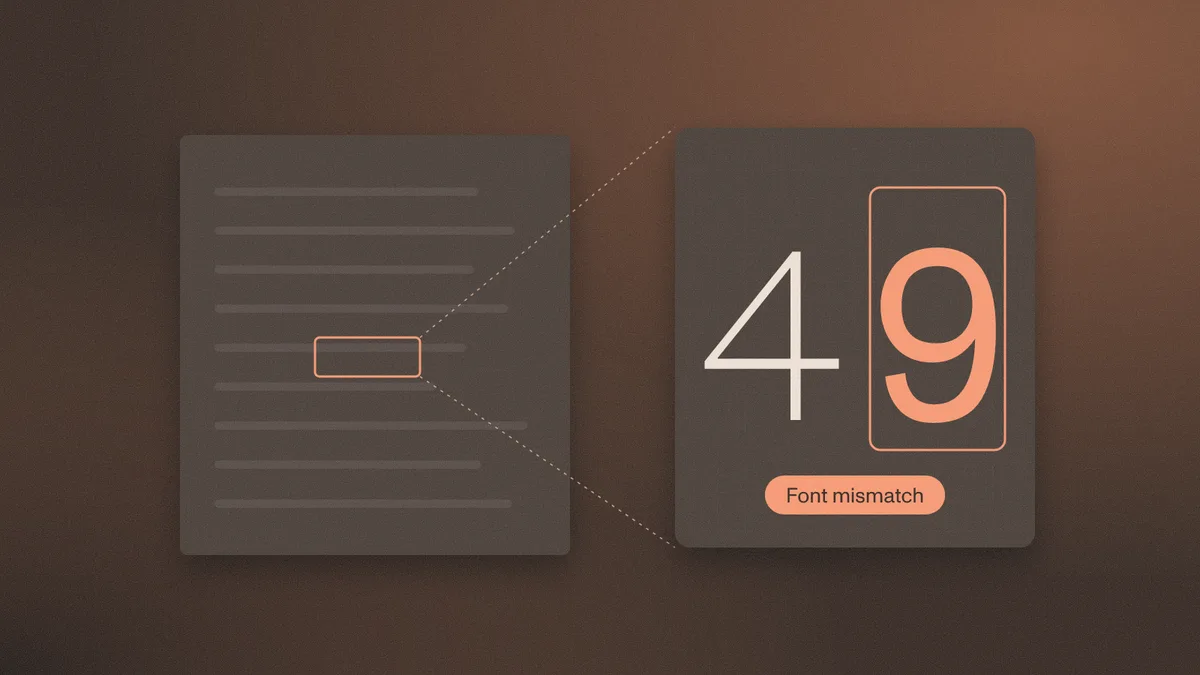
Six Inscribe alternatives, sorted by what a buyer needs: work after the flag, document mix, data terms, pricing and how edits get caught.
Eight document fraud detection tools compared by what they test, how they explain a verdict and how they price.
How to spot a fake letter of credit or SBLC: why a standalone PDF is a red flag, tells that still work, and six checks on the file.
How to spot a fake gift letter: disguised loans, interested-party money, and how to verify the donor's transfer against Fannie Mae and FHA rules.
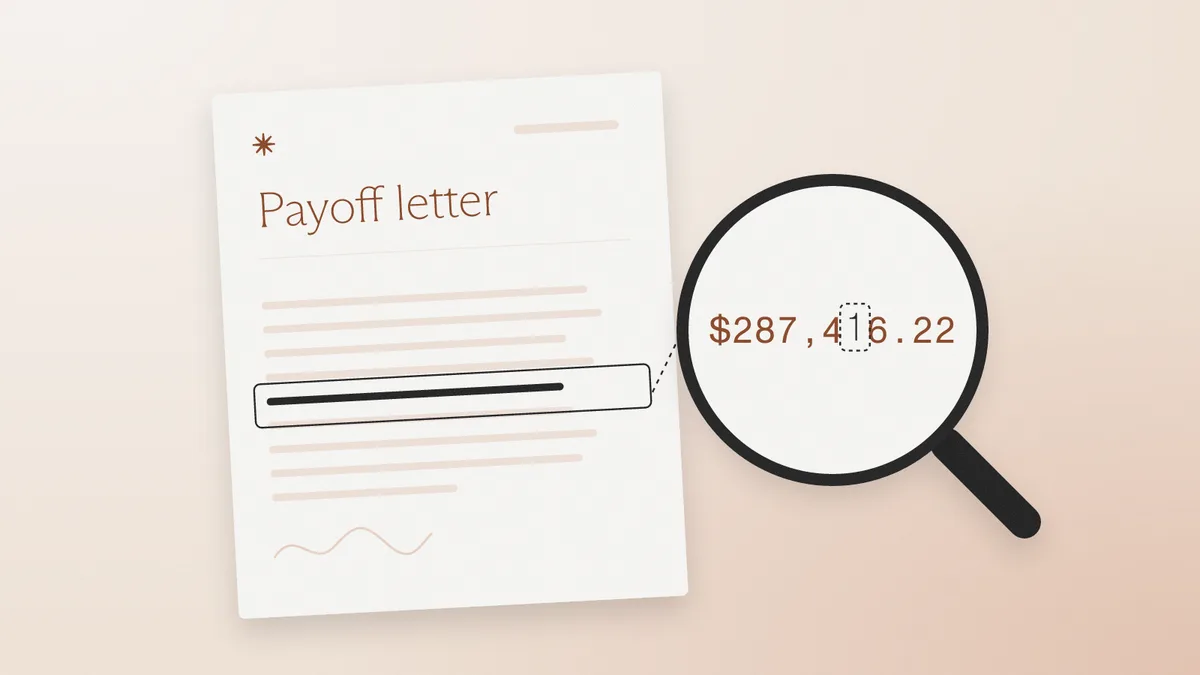
How to spot a fake payoff letter: altered wiring instructions, the tells that fail, and six checks on the file before the payoff wire goes out.
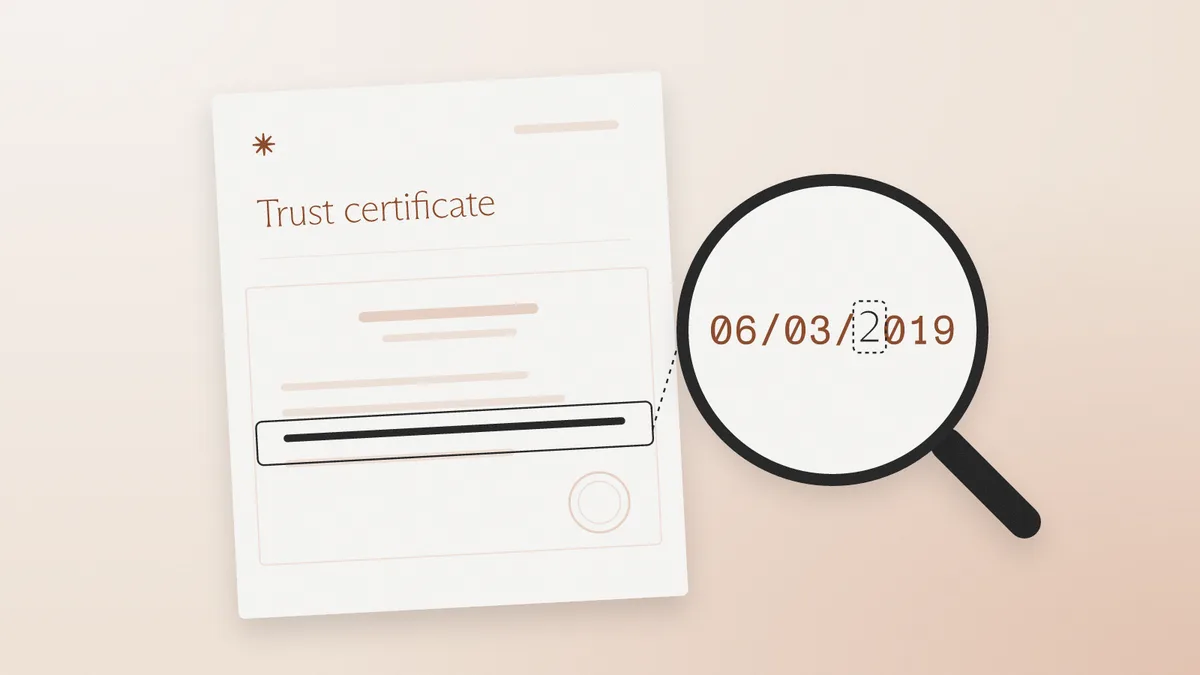
How to spot a fake certificate of trust: edited trustee names and powers, notary checks, beneficial ownership, and six checks on the file.
How to spot a fake shareholder register: edited percentages under the 25% UBO line, cap tables vs. registers, and the checks that catch them.
How to spot a fake crypto exchange statement: edited PDFs, CSV exports, on-chain withdrawal checks, and six checks on the file.
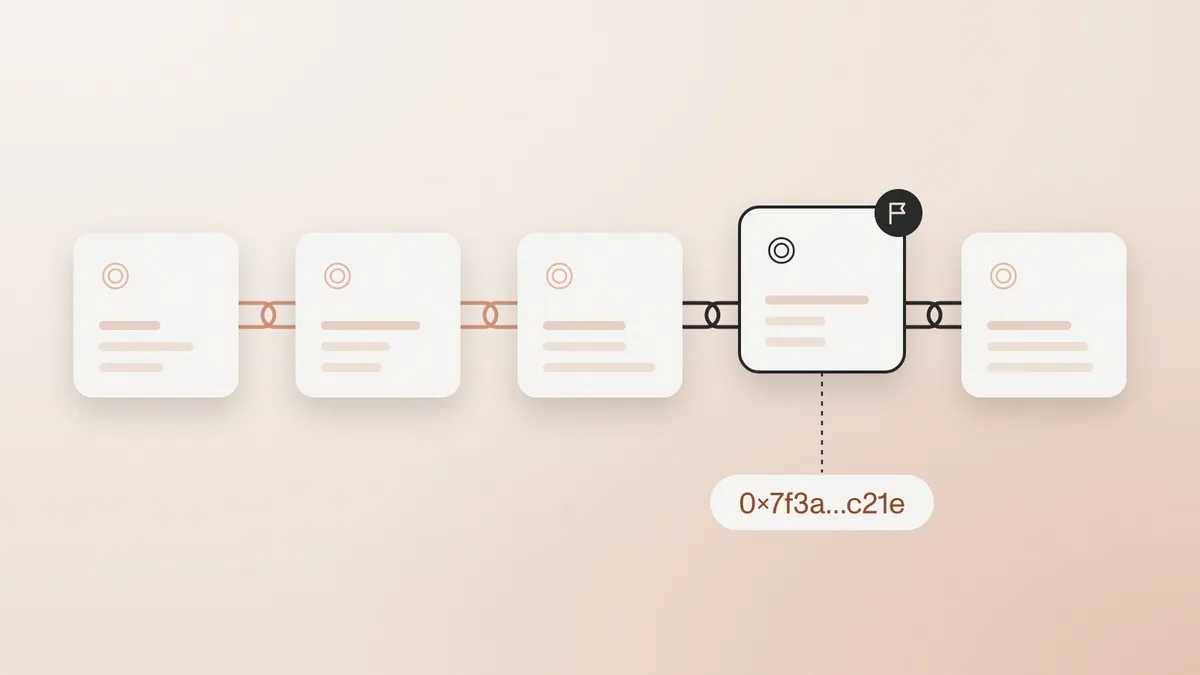
How to spot a fake credit card statement used for proof of address, debt verification, or source of funds: edited balances, broken math, file checks.
Spot a fake W-8BEN by reading foreign status, the treaty claim, and the file. The IRS publishes a blank and does not certify the form.

How to spot a fake partnership agreement: edited partner lists, signature blocks never executed together, and no state filing for a general partnership.
How to spot fake corporate bylaws: rules that contradict the articles, adoption before incorporation, and a template reused across companies.
How to spot a fake stock certificate offered as KYB ownership evidence, when the ledger matters more than the vignette.
A Schedule K-1 reports a partner's share of income. Capital-account math, form year, and an IRS transcript catch edited and generated fakes.
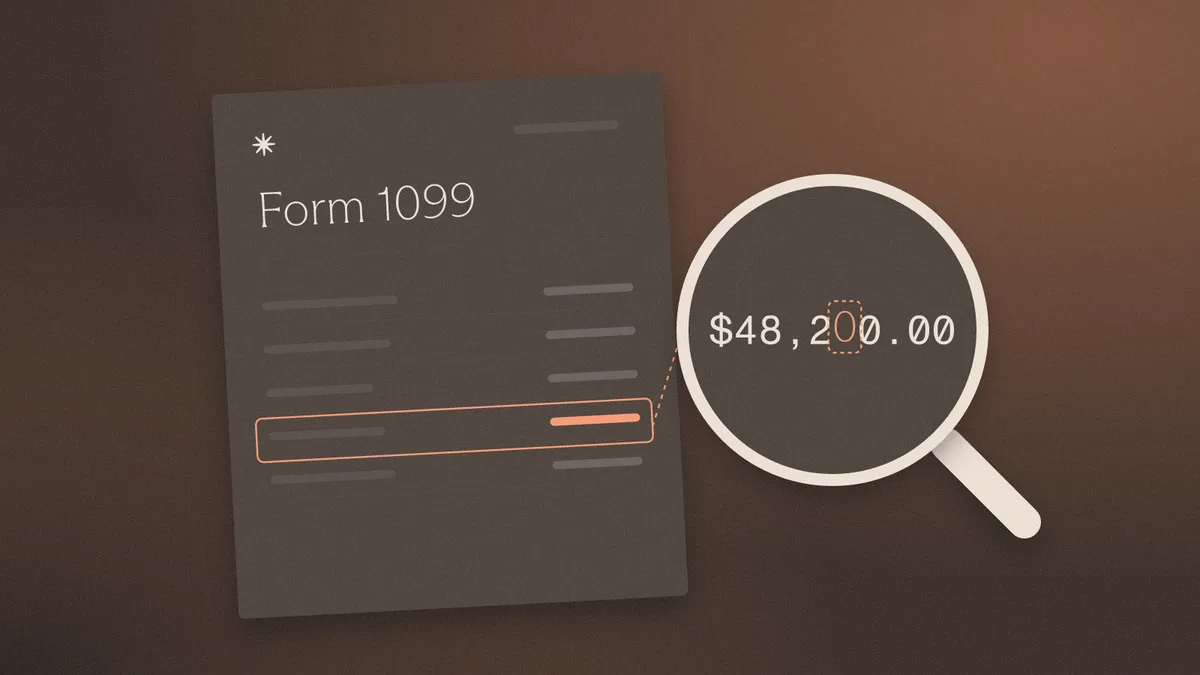
A fake 1099 is an information return edited after creation or generated from scratch. Match it to the IRS wage and income transcript.
How to spot a fake employment verification letter: edited versus generated files, the tells that fail, and six checks on the file.
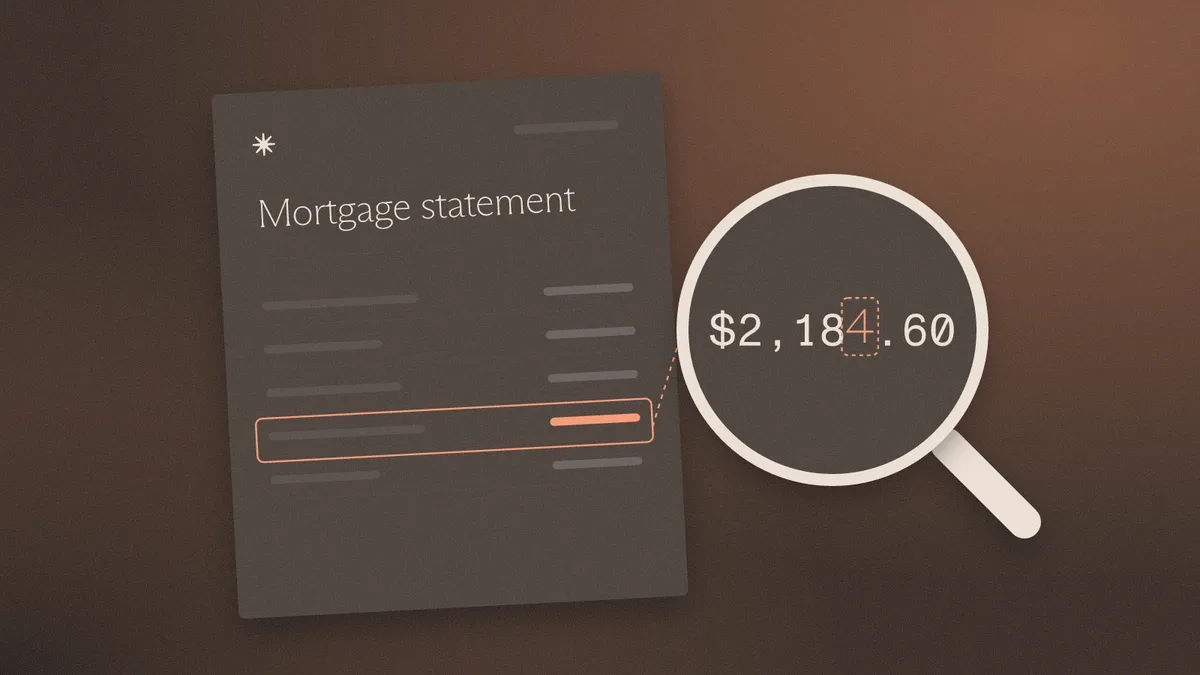
Spot a fake mortgage statement by confirming principal, amount due, due date, and rate with the current servicer.
Spot a fake W-9 by matching the line 1 name and TIN. The IRS publishes a blank form and does not seal a completed one.
Spot a fake merchant statement by rebuilding amount processed from the fee lines and confirming the merchant ID with the processor.
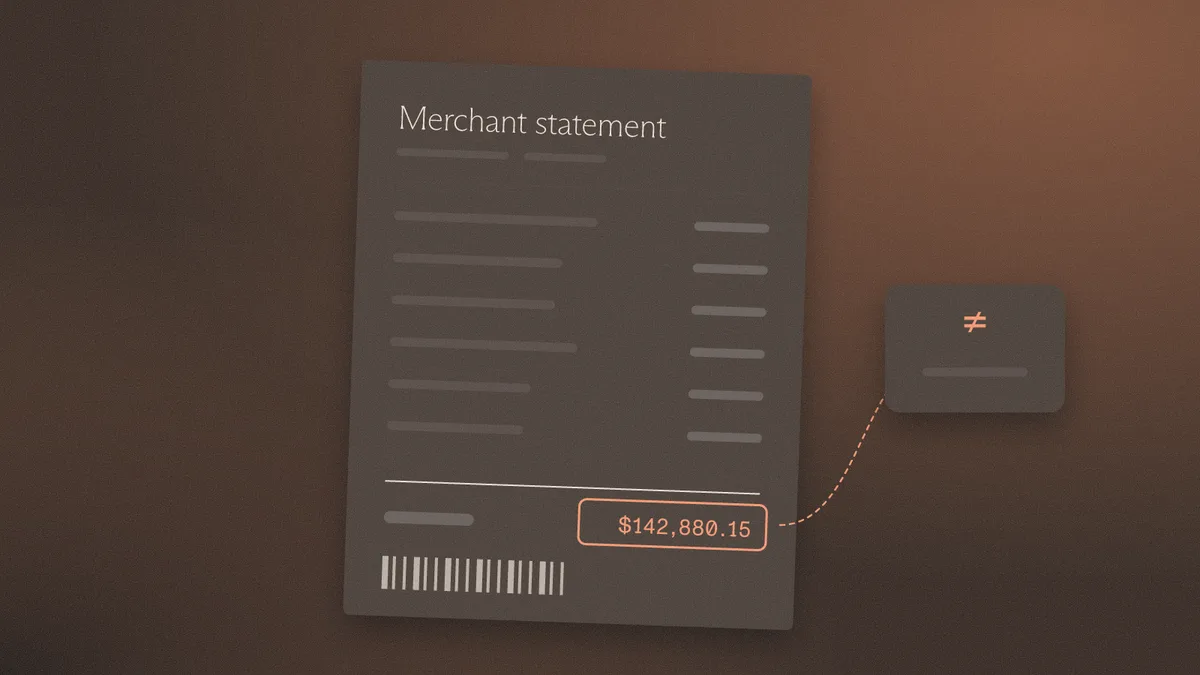
Spot a fake DBA certificate in the county index: file number, registrant, and expiration. A filing is not good standing.
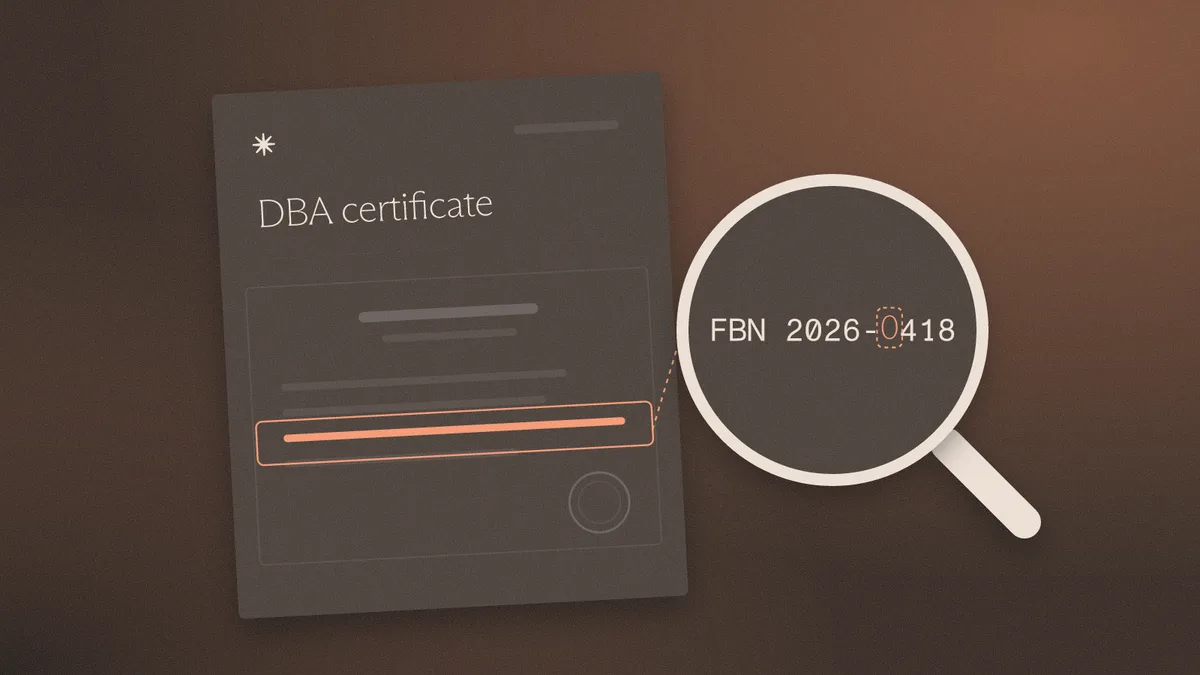
Spot a fake board resolution by checking that the certifier is not the empowered signer and that the resolution date comes first.
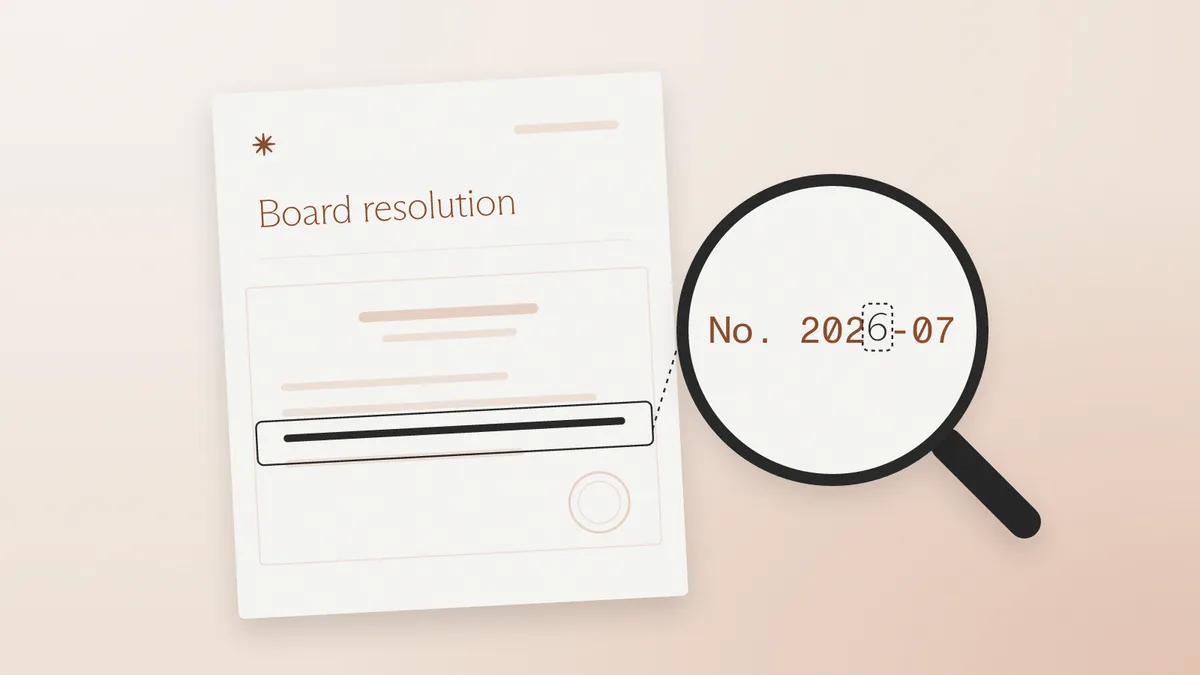
Spot a fake certificate of incumbency by checking the certifier and the state's officer list. A seal does not prove the offices.
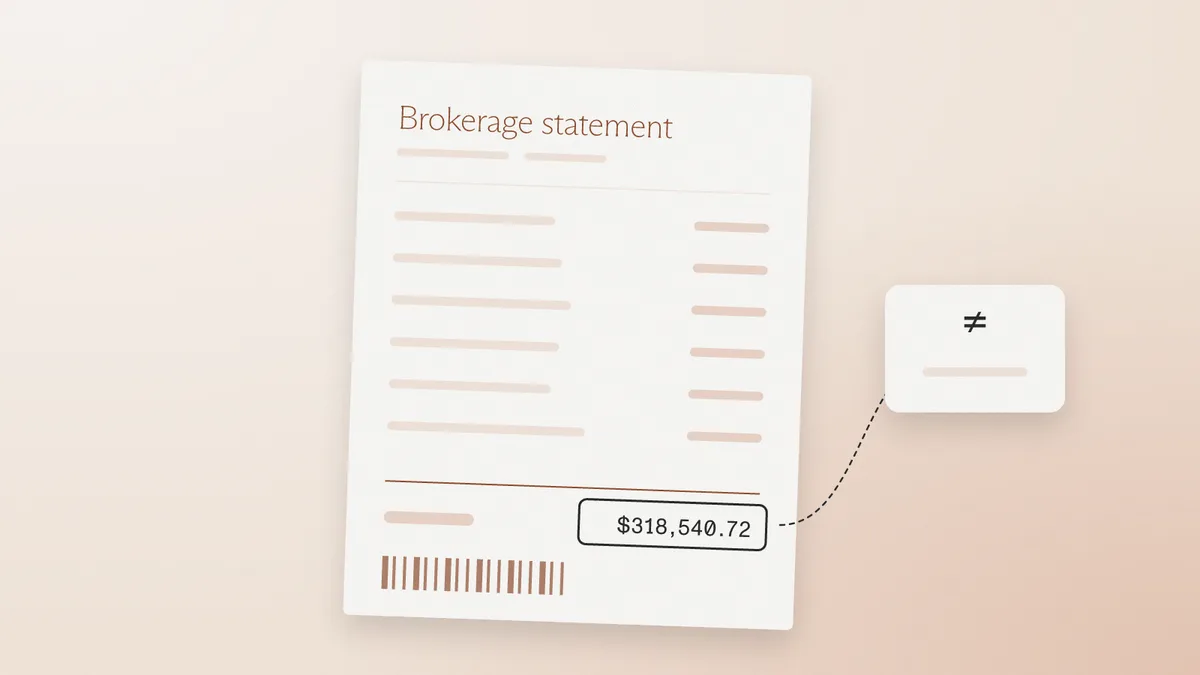
How to spot a fake brokerage statement used as proof of assets, and why file history beats a clean layout.
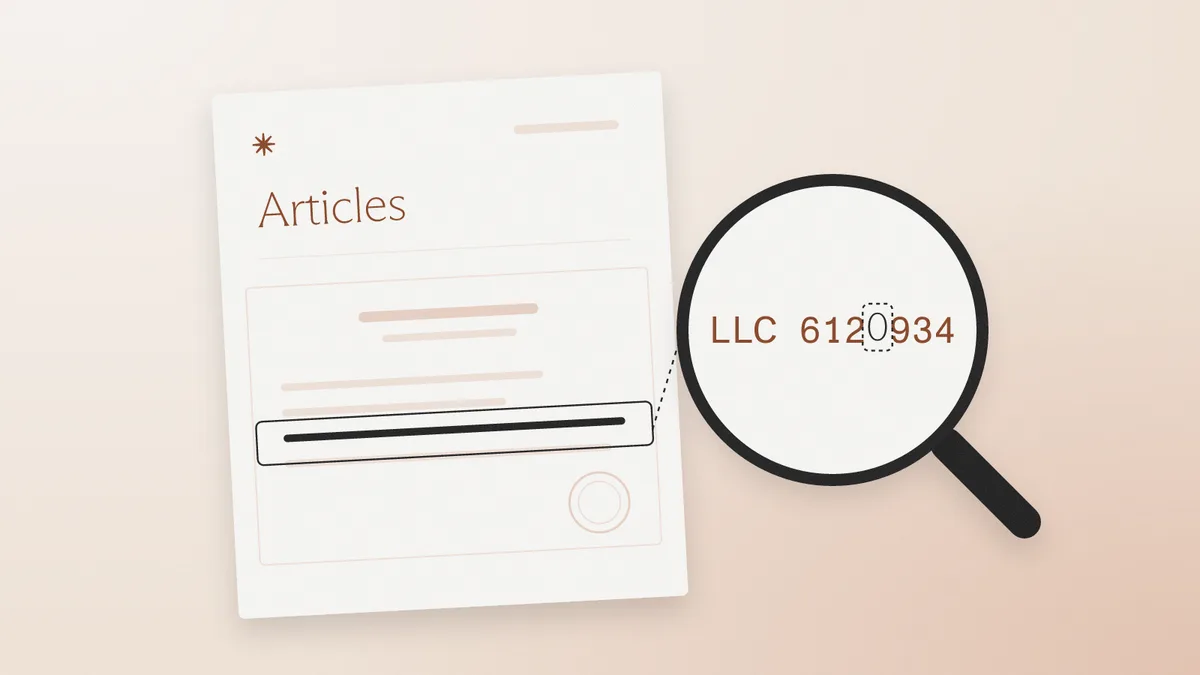
How to spot fake articles of organization by matching the file number and filing receipt to the state record before the account opens.
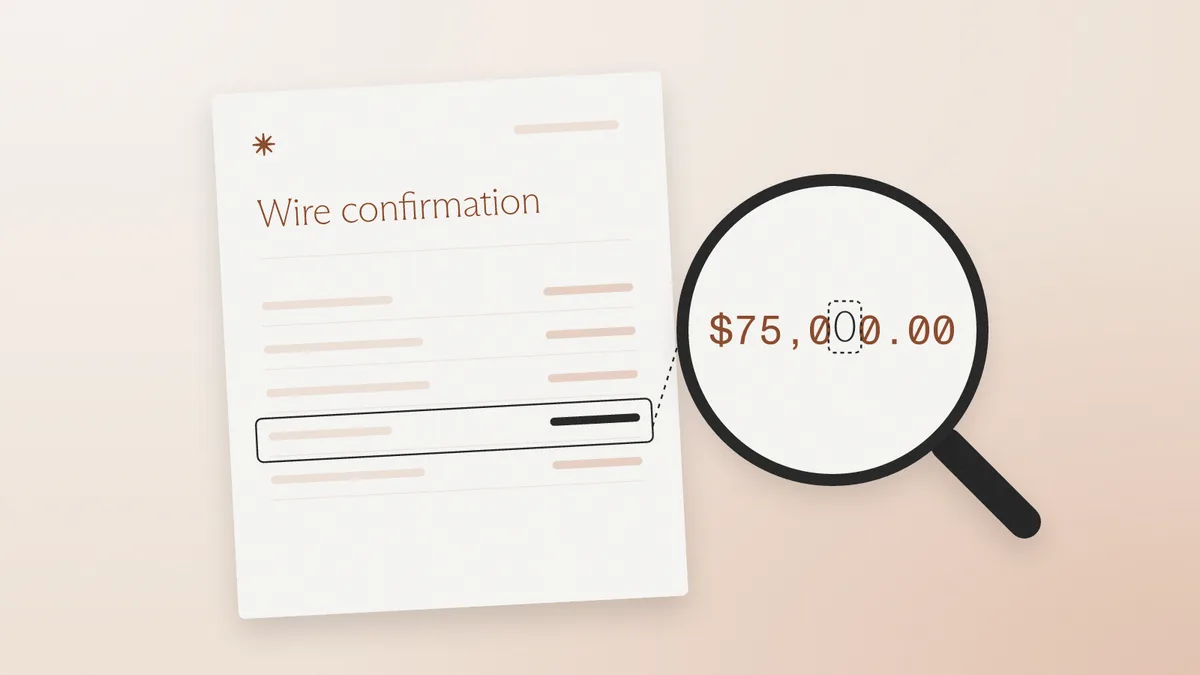
A wire confirmation is a claim that money moved. Edited and generated payment advice fail file checks. The posted credit is the proof.
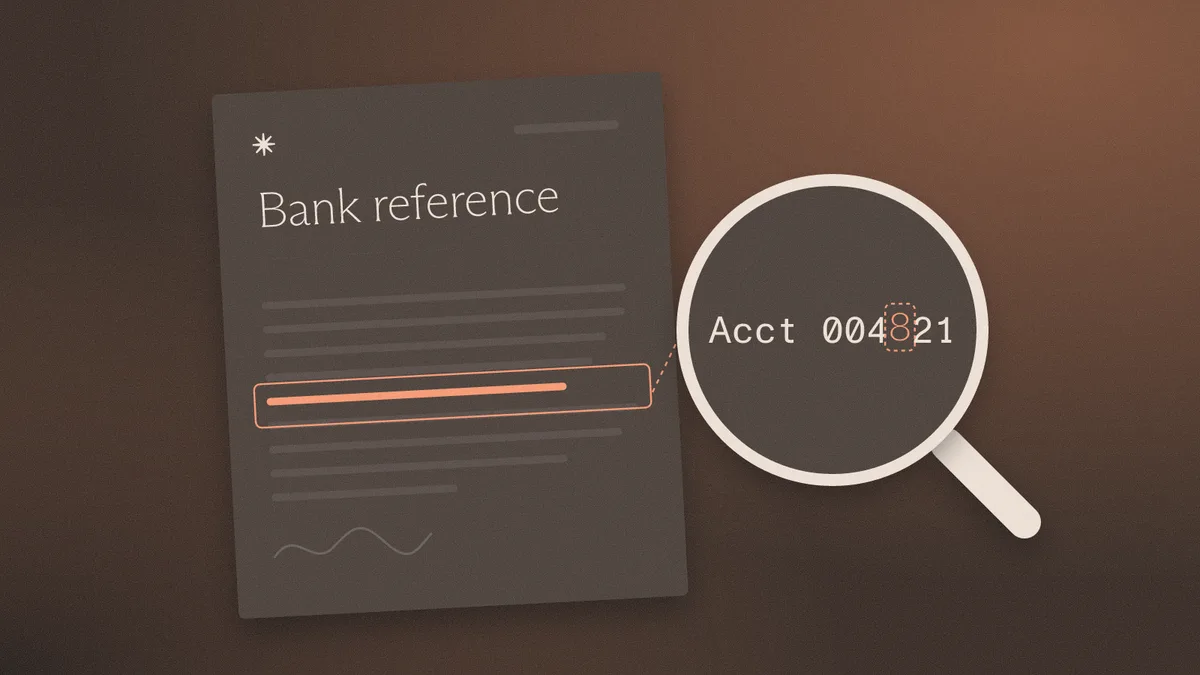
How to spot a fake bank reference letter: the relationship claim, the signatory, and the edit history. Letterhead is cheap to copy.
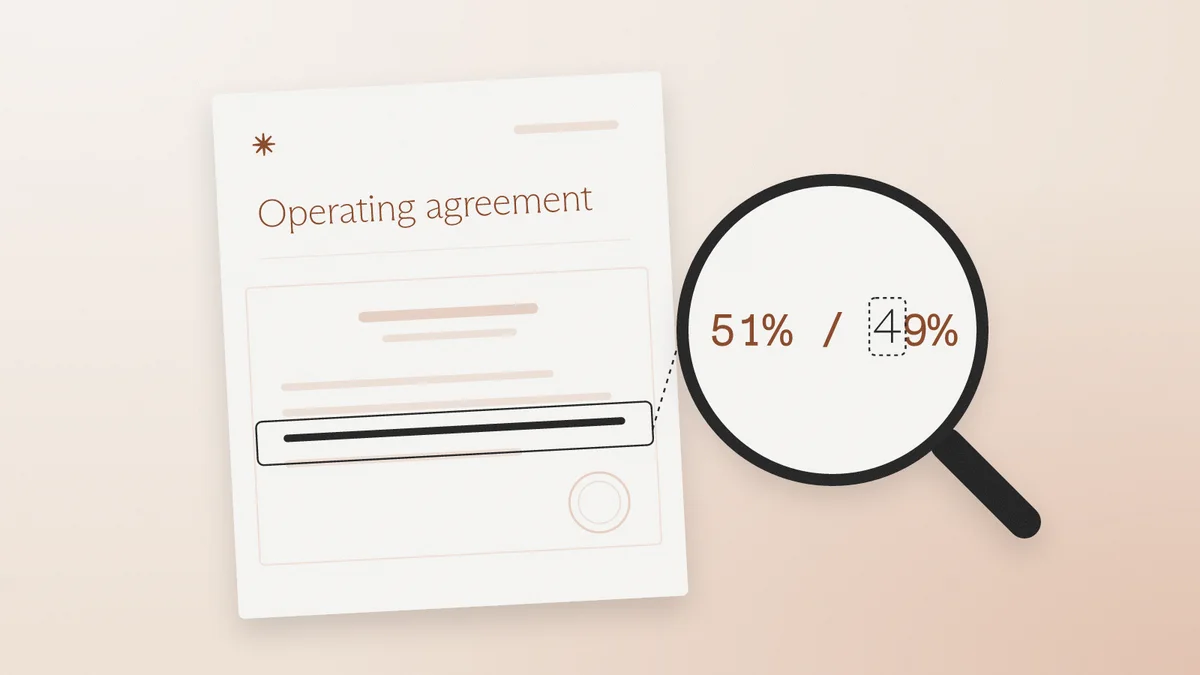
How to spot a fake operating agreement in KYB: edited member schedules, swapped signature pages, and ownership that does not match the file.
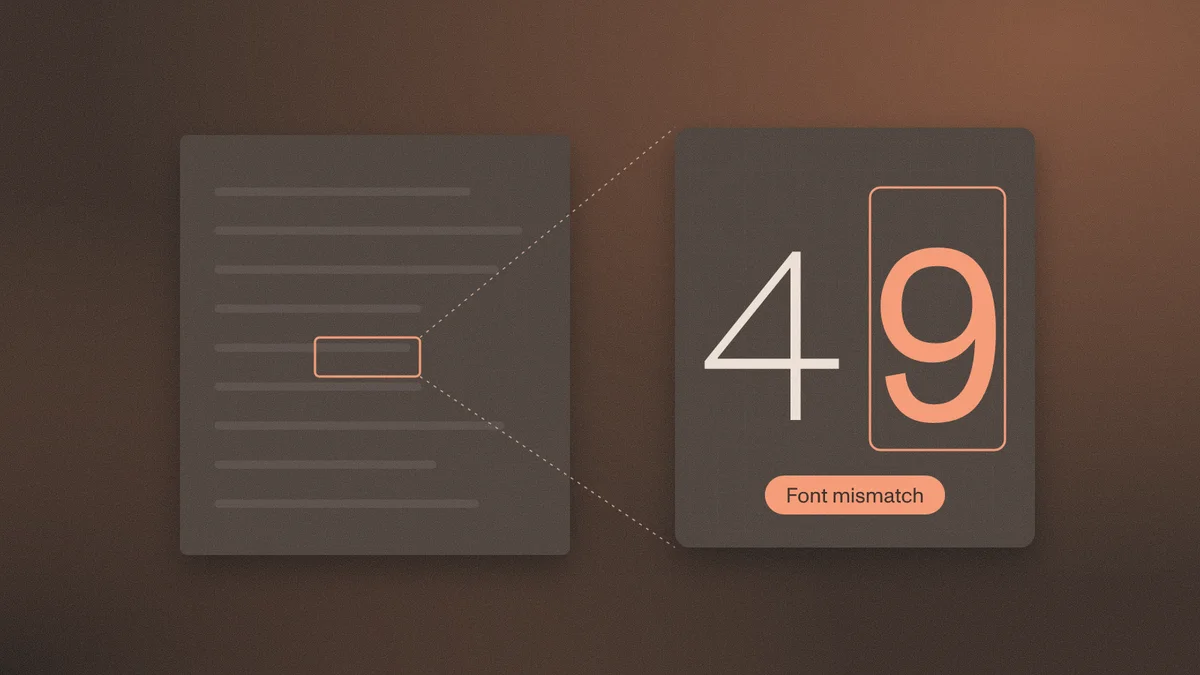
Spot a fake certificate of good standing by checking the as-of date, file number, and post-download edits.
How to spot a fake voided check using file history, routing match, and account control. A VOID mark misses edited and generated files.
Verification reads the page and matches the applicant. Fraud detection reads the file. What each misses, how to evaluate each, and when you need both.
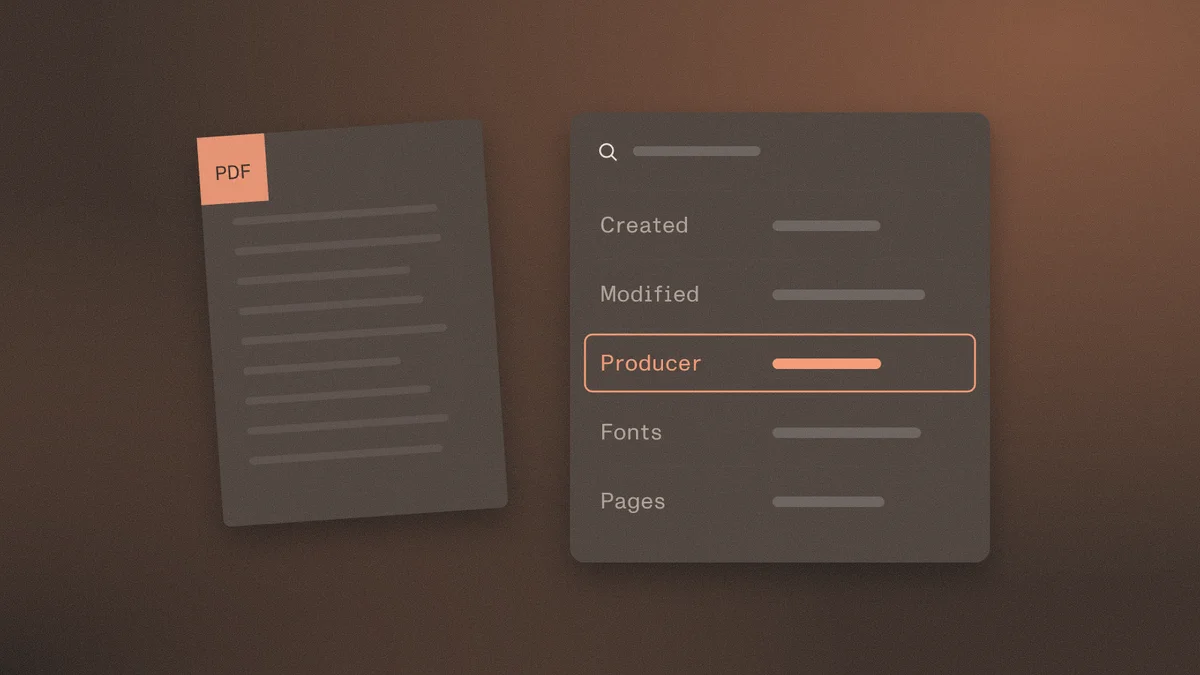
PDF metadata analysis for fraud detection: Info dictionary, XMP, timestamps, producer strings, incremental updates, and what each can and cannot prove.
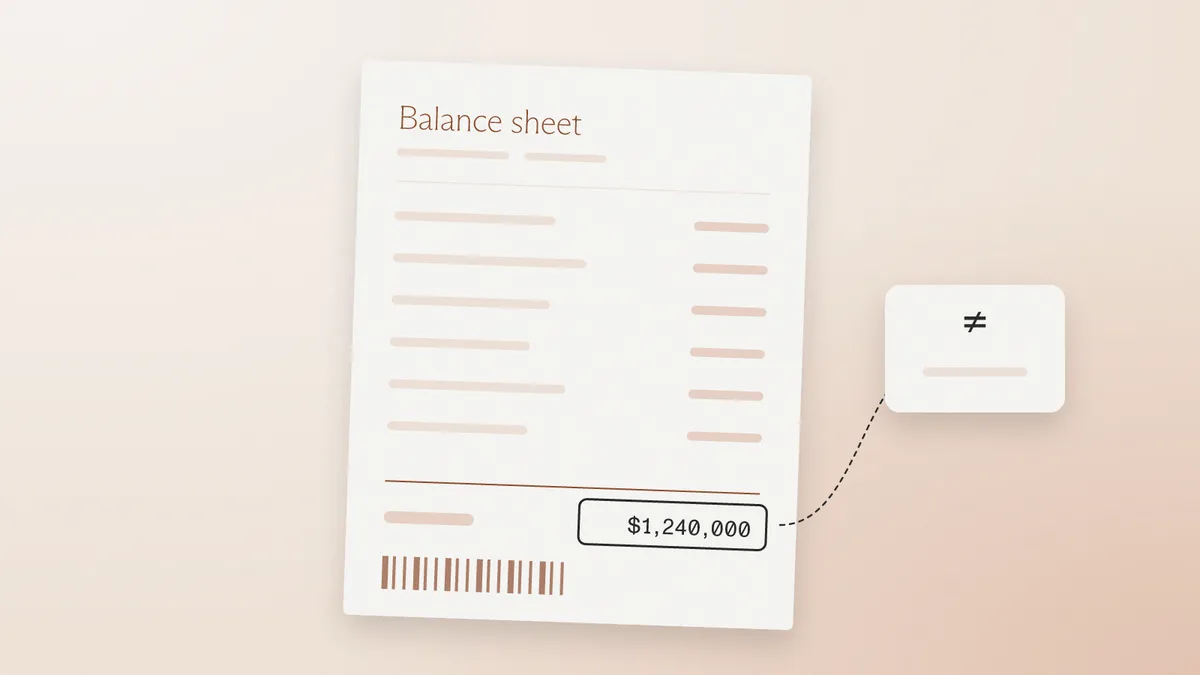
How to spot fake financial statements in SMB lending and KYB: inflated revenue, fake auditor letters, 4506-C and bank reconciliation, six file checks.
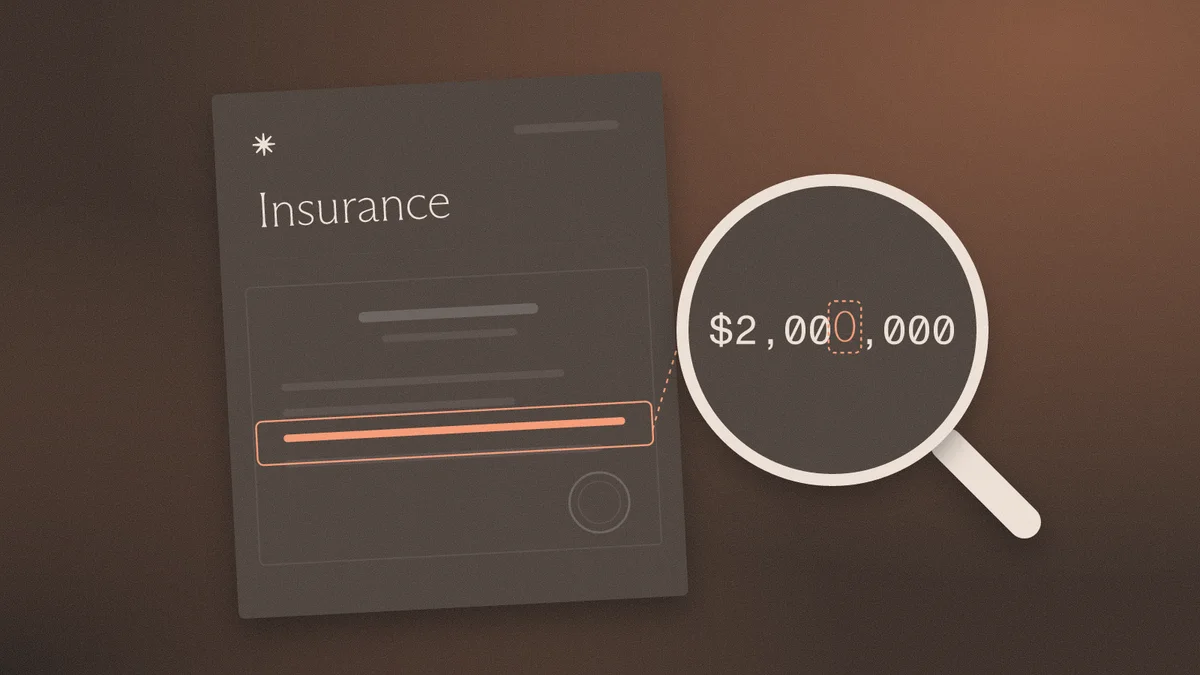
How to spot a fake certificate of insurance: why an ACORD 25 confers no rights, the tells that survive, carrier and NAIC lookups, and the six file checks.
How to spot a fake lease agreement in KYC, mortgage, and KYB review: landlord, date, rent, and disclosure tells, plus the six file checks that settle it.
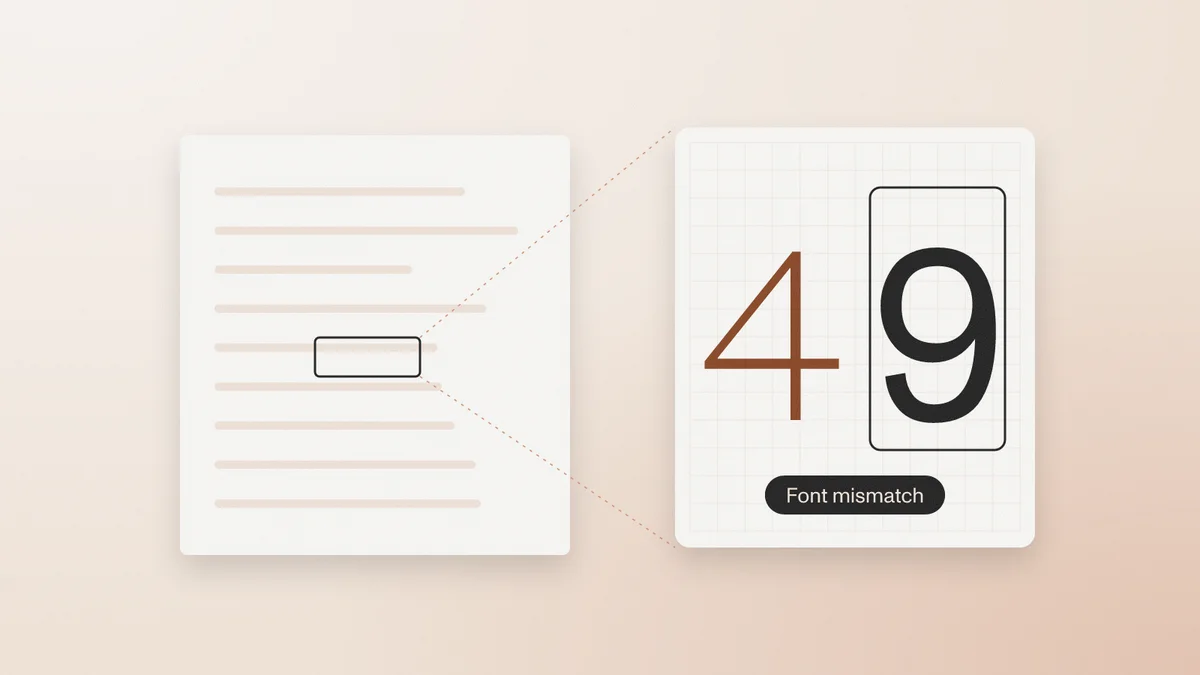
How to spot a fake proof of funds letter in lending, real estate, and escrow: the tells that work, the six file checks, and how to verify with the bank.
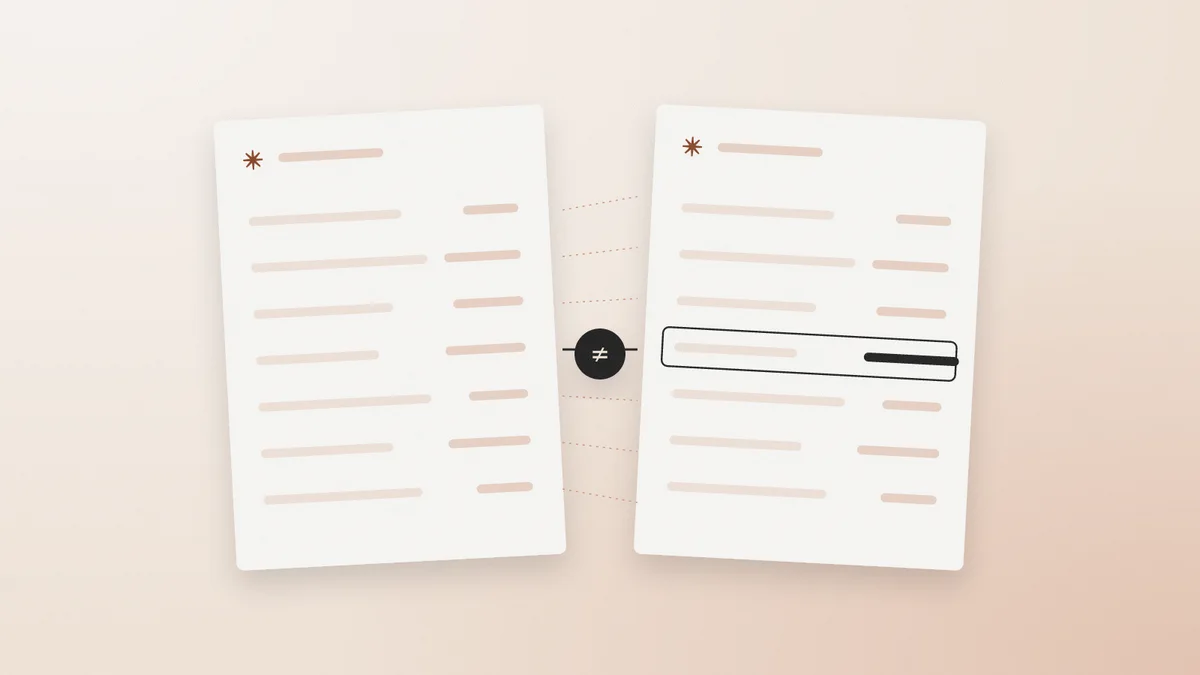
How to spot a fake EIN confirmation letter: what a real CP 575 or 147C contains, the tells that survive, IRS TIN Matching limits, and the six file checks.
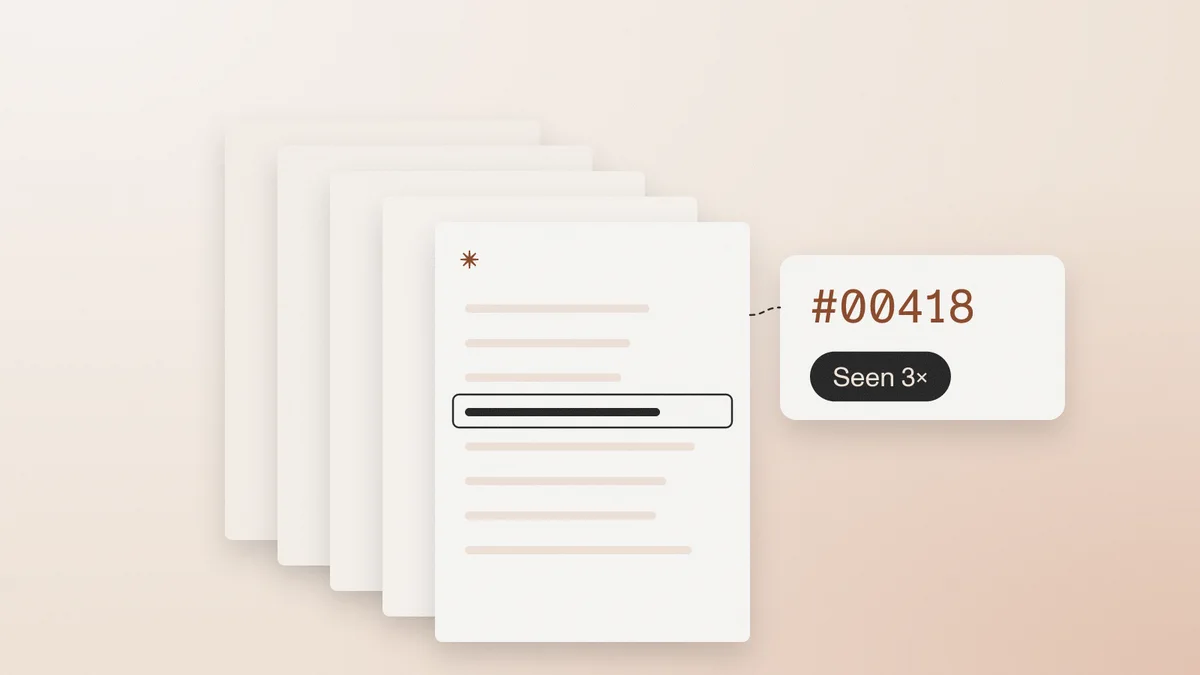
How lenders and onboarding teams spot fake 1040s, W-2s, and IRS transcripts: line-item tells, edited vs generated files, and the Form 4506-C break-test.
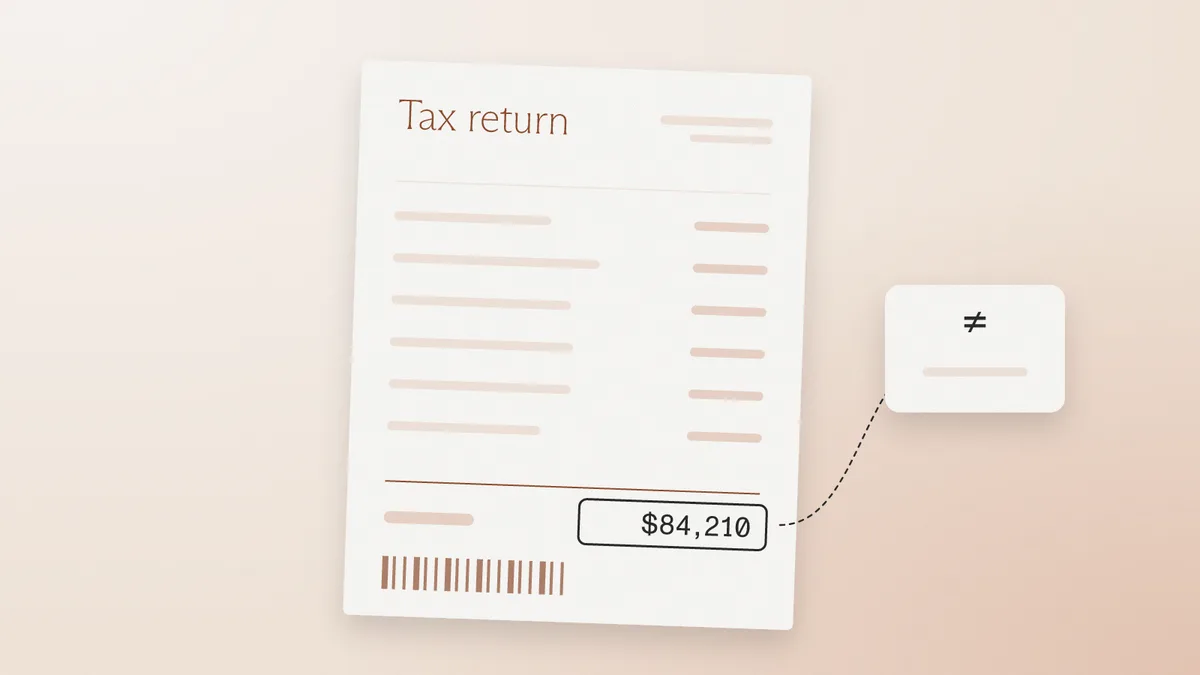
How to spot a fake invoice in factoring, trade finance, and AP: the tells that still work, the six file checks, and the debtor break-test that settles it.
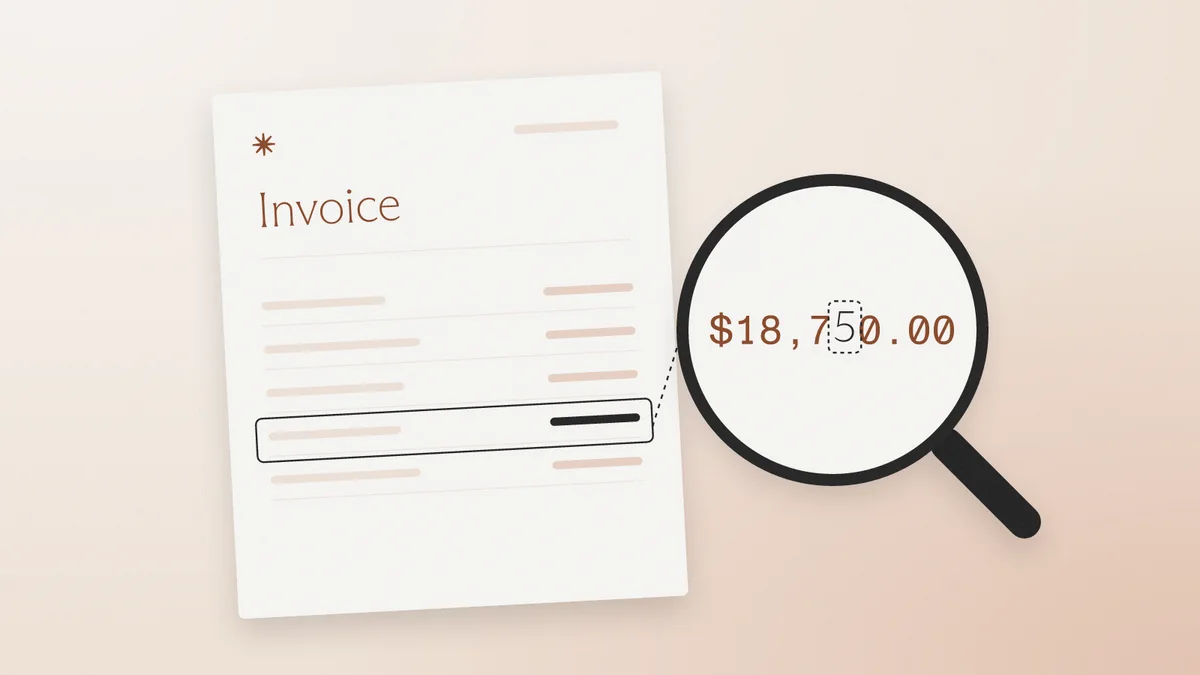
Should compliance teams accept screenshots of bank statements? What a flattened PDF loses, which fraud checks still work on images, and how to set policy.
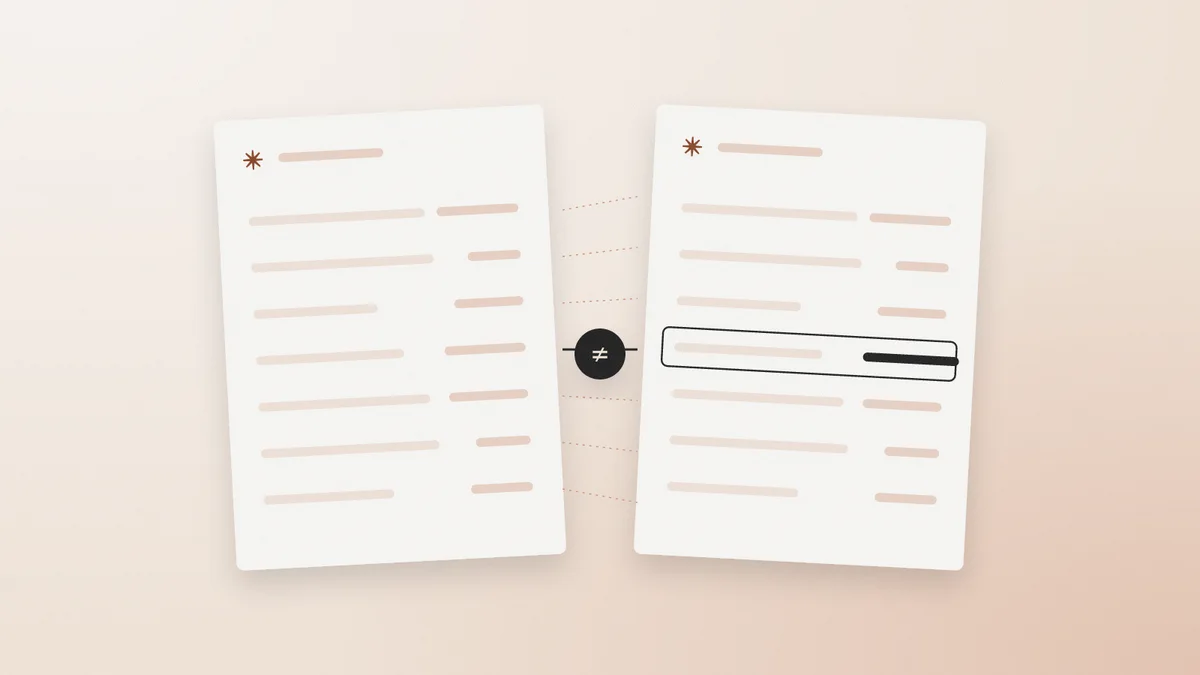
Explainable document forensics shows where a file was altered, what it said before, and how the examiner knows. Why a fraud score alone fails audit.
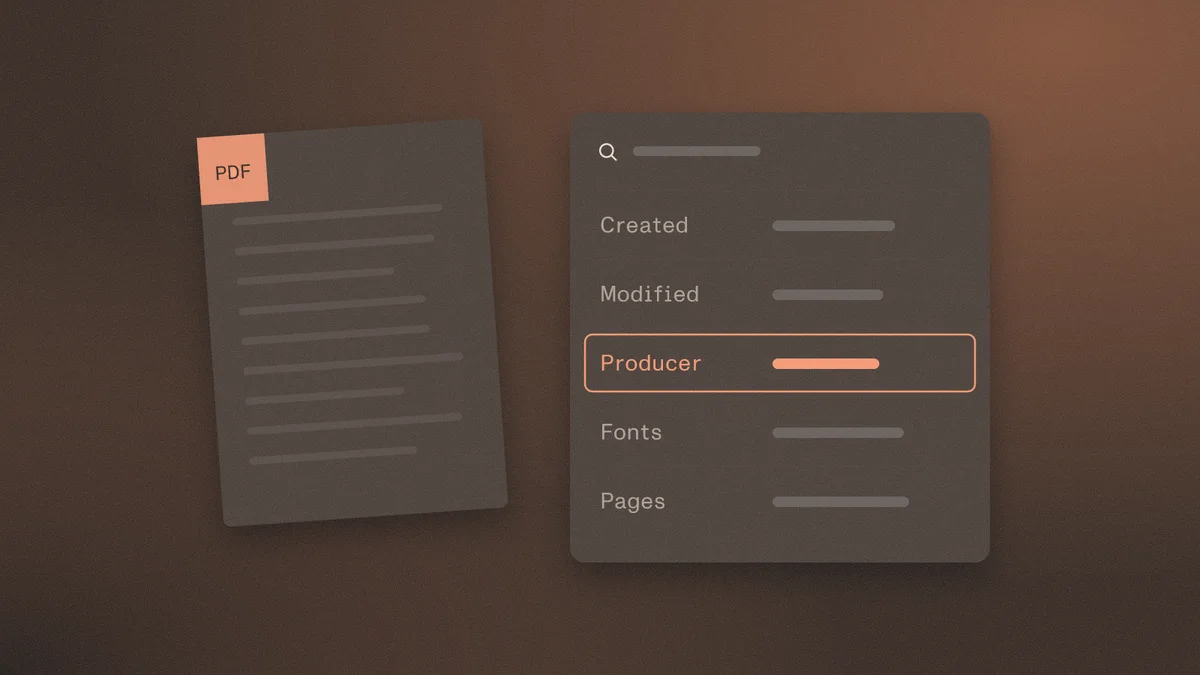
How KYC, KYB, rental, and lending teams spot fake utility bills used as proof of address: edited vs generated files, tells that work, six file checks.
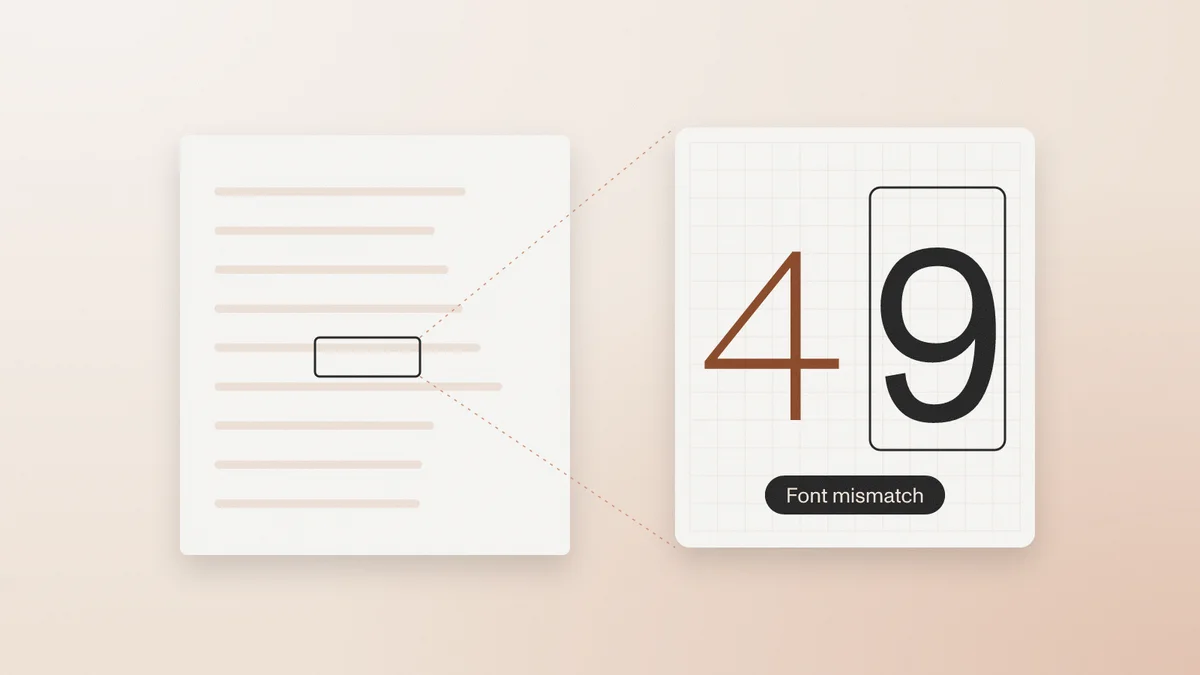
How fake document templates and template farms work, why template-made files have no issuance history, and how to detect them in KYC and lending.
Serial document reuse detection catches one statement, stub, or ID recycled across unrelated applicants. Why single-file review misses it.
Loan document fraud detection tests bank statements, pay stubs, and tax docs as a package — the red flags underwriters miss on visual review.
KYB document fraud detection checks certificates, registry extracts, and proof of address as files. Visual review misses edited-after-creation PDFs.

Document fraud statistics from FinCEN, FBI IC3, and FTC — and what those figures miss about edited PDFs, counterfeit templates, and file-level detection.
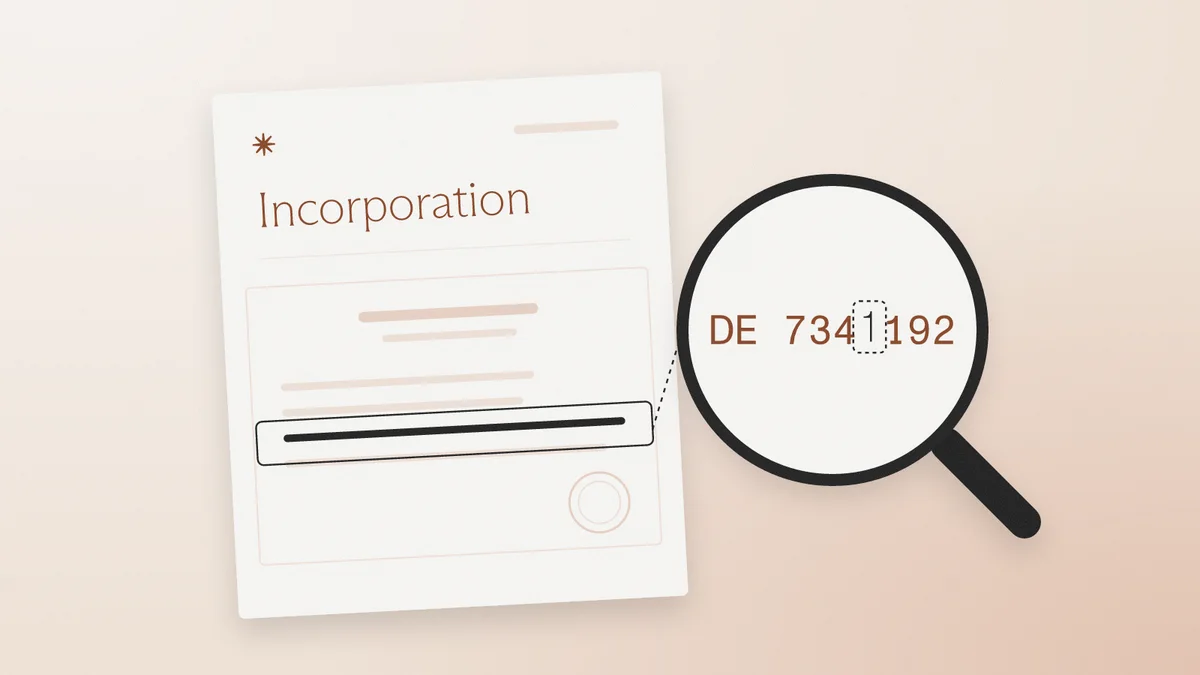
How to spot a fake certificate of incorporation in KYB: registrar mismatch, edited seals, generated COIs, and serial reuse. Visual review is not enough.
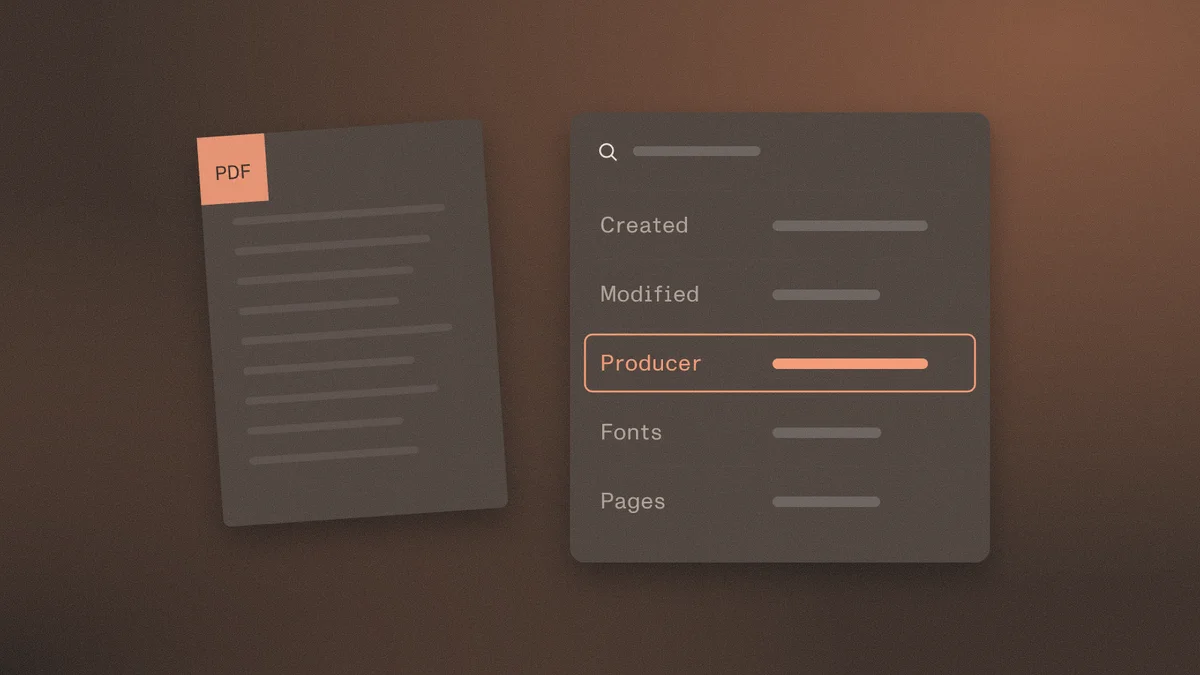
How to detect an AI-generated PDF using metadata, empty Producer strings, model artifacts, and the file history visual review misses.
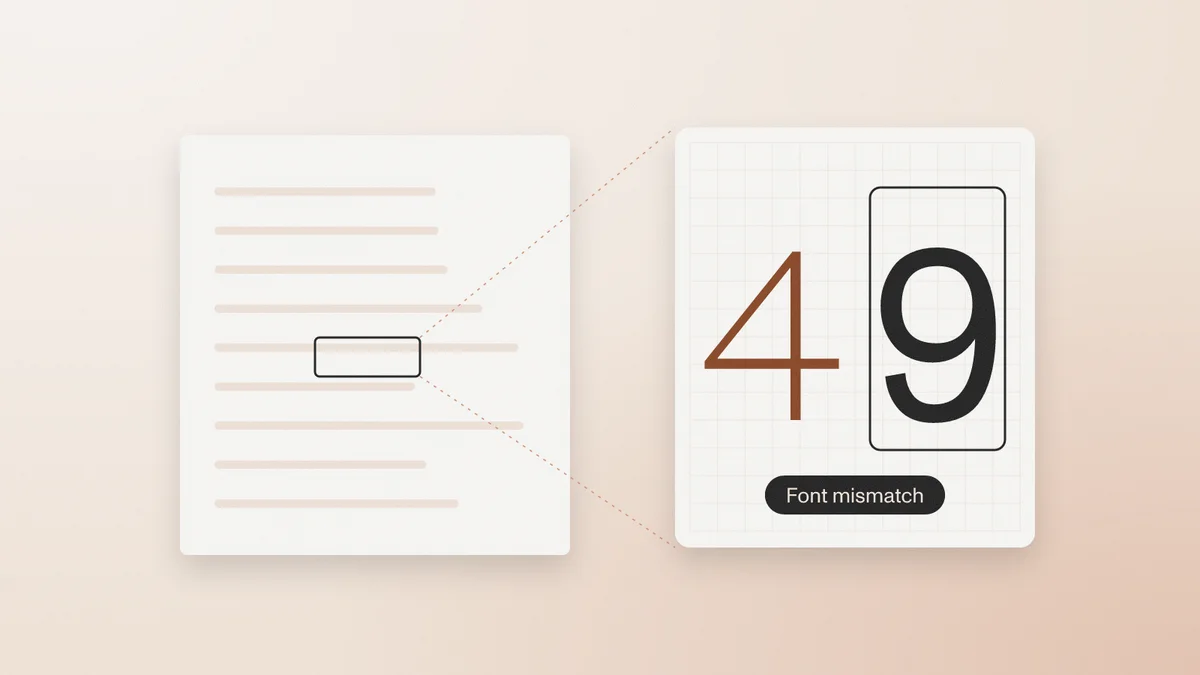
How lenders and onboarding teams spot fake pay stubs: edited vs generated files, deposit cross-checks, and what visual review misses.
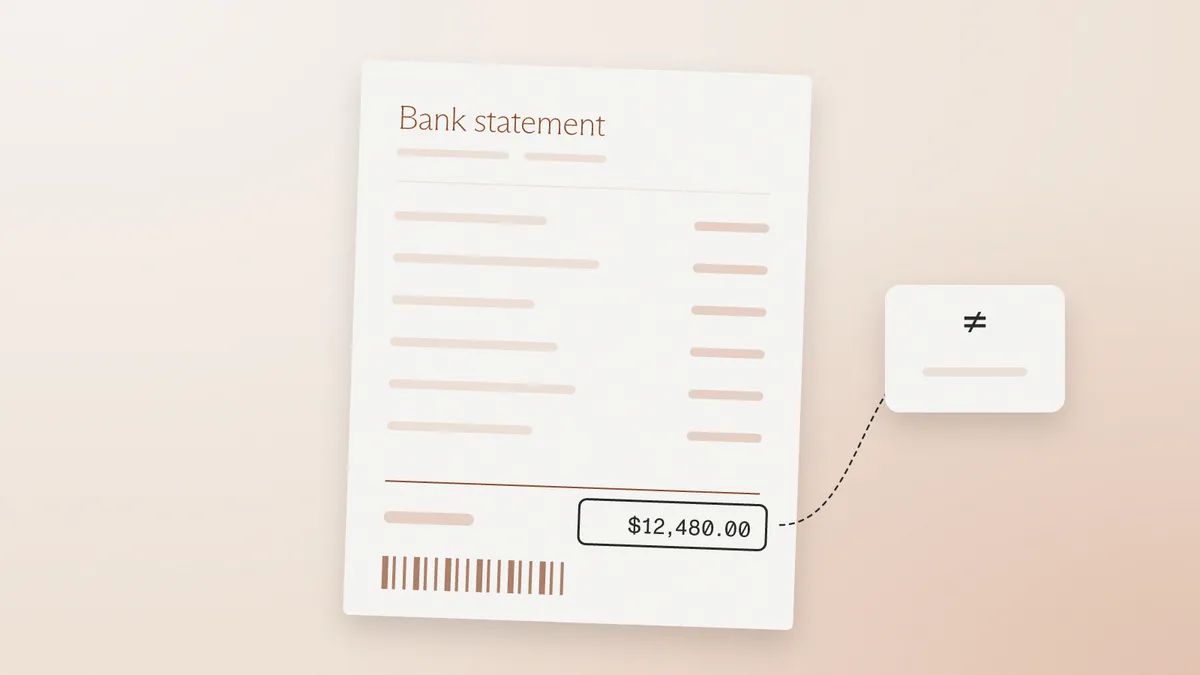
How to spot a fake bank statement: edited-after-creation vs generated-from-scratch, which visual tells still work, and how file history exposes forgeries.
Try another keyword or explore a different topic.