
Best Document Fraud Detection Software in 2026
Eight document fraud detection tools compared by what they test, how they explain a verdict and how they price.


TL;DR: Inscribe is a serious document fraud platform with a real agentic layer, so the useful question is what a buyer needs that it was not built around. Five things separate the alternatives: the case work after the flag, a document mix beyond US lending, data terms, pricing visibility, and how well edited real files get caught. Inscribe's own 2026 report flagged about 6 percent of documents, roughly 1 in 16, so whichever tool you pick, the check itself stays necessary.
Sphinx wrote this list, and it sells one of the products on it. The order is an order of fit for a team reconsidering Inscribe, based on each vendor's public pages, and it does not rank detection accuracy.
Inscribe is a document fraud detection platform for banks, credit unions, fintechs and lenders, founded in 2017 and built around the files that move money: bank statements, pay stubs, tax forms and business documents. Its pages describe forensic, network, semantic and perceptual detection, with custom signals and public data enrichment on top. Each result carries a risk level and a plain-language explanation, which is more than a bare score. Inscribe also publishes customer results, including a 90 percent cut in manual document review time, and it holds SOC 2 and ISO 27001.
The move toward AI analysts is real. Inscribe announced AI Risk Agents in 2024, then an AI Fraud Analyst that checks documents, verifies applicant details through database and web research, and writes an auditable risk report in about 90 seconds. Today it calls itself an agentic document fraud platform. The 2026 releases added an in-product Assistant that answers questions about a flagged file, Custom Transaction Insights with backtesting, a configurable Decision Engine, and an integration that returns findings into Taktile's decision workflows.
Read closely, those pages aim the agent at one thing: the documents in an application, and the people and businesses behind them. That focus is the product's strength. It also explains most of the reasons below.
Generic best-of lists compare feature grids. Someone already evaluating or running Inscribe usually has a narrower problem, and it tends to be one of these.
Inscribe clears low-risk files and sends flagged ones to a queue with the evidence assembled. For an underwriter, that is close to the end of the job. For a KYB or EDD analyst, the document finding is one step in a case that still needs registry checks, ownership research, screening hits and a written note in the case manager. A suspected forgery can also turn into a reporting question: FinCEN's November 2024 alert reported a rise in suspicious activity reports describing deepfake media, particularly fraudulent identity documents. A compliance team whose bottleneck is that whole case looks for something that works the case, and a better detector would not touch it.
Inscribe's own vendor comparison describes its buyers as US banks, credit unions, fintechs and lenders, and it describes its network the same way. That is a fine center of gravity for US income documents. A payments company onboarding businesses across several countries sees a different pile: foreign registry extracts, certificates of incumbency, translated bank letters. Inscribe does accept business filings, so nobody should assume a gap. Test your own KYB document packs and see whether the signals hold up on them.
Inscribe's CEO has said its detection advantage comes from measuring documents against a large network. Comparing files against millions of applications does catch recycled templates. The trade-off appears in the paperwork. Inscribe's public terms allow customer data to be used to improve its services, including training models, and its pages also describe configurable retention and say sensitive data is not shared with external model providers. Negotiated agreements may differ, so read yours, and ask every vendor on this list the same data questions. The 2023 interagency guidance on third-party relationships is plain that using a vendor does not reduce a bank's own responsibility, and some security teams will want a narrower license than the public default. Others will happily trade data for network coverage.
Inscribe sells Base and Premium plans at custom prices based on volume and features, with a complimentary four-week pilot on your own sample. The pilot is thorough and costs nothing in fees. It also takes a month and a sales cycle, which is a lot for a team that needs a budget figure this quarter or checks a few hundred files a month.
Inscribe's report says AI-generated documents made up less than 5 percent of the fraud it detected in 2025, and a mid-2026 update puts template fraud at two to three times the volume of AI-generated fraud. The same update says, "AI-edited documents remain unmeasurable in aggregate." That candor deserves credit, and the problem belongs to the whole field. A real statement with one altered balance has genuine structure, so a buyer who worries most about that case should weight the bake-off toward it, whichever vendor is on the table.
If none of these describe you, staying is a reasonable answer. A US lender that values network signals, uses the cash-flow insights, and has already tuned custom signals in the Decision Engine would give up a lot by switching.
Sphinx sells AI compliance analysts that log into the tools a team already uses and work KYC, KYB and AML cases. Doc Fraud is one agent inside that workflow and also a standalone check. It reads a file through six signals: production method, timestamp trail, issuer matching, consistency, model artifacts and recycled patterns, and it can show what an edited field said before the edit. Sphinx reports a 94.3 percent correct verdict rate. Around the file, its analysts prepare the evidence, apply your SOPs, and produce a traceable recommendation; your team retains final approval. Doc Fraud costs $0.45 per document with no seats, and the wider analyst product is a platform fee plus usage tiers scoped to your volumes. It suits KYB-heavy fintechs and banks. The honest limit: Sphinx offers no credit or cash-flow underwriting, does not verify faces or bank connections, and its 1M documents processed is a smaller corpus than some vendors here publish.
Resistant AI checks any PDF or image in more than 500 ways in under 20 seconds, and returns a Trusted, Warning or High Risk verdict with supporting evidence. Its engine is trained on more than 200 million documents, compares submissions against each other to surface serial fraud, and works in any language because it looks at how a file was built. The company also sells AML transaction monitoring. It suits risk teams at banks, payment platforms and marketplaces whose documents vary too much for type-specific models. The honest limit follows from the design: a tool that does not read what a document says leaves content logic, such as whether income figures reconcile across a file, to another system, and the investigation after the verdict stays with your team.
Ocrolus turns bank statements, pay stubs and tax documents into structured data for lending decisions, with human reviewers resolving edge cases. Its Detect product scores authenticity and returns high, medium or low risk outcomes with reason codes. Since October 2026, Detect's document forensics run on Resistant AI's engine, alongside Ocrolus's own checks on document content. It suits lenders that want data and fraud signals from one vendor, which is the closest like-for-like if Inscribe's credit features are what you value. The honest limit: its center of gravity is lending, so a compliance team may not use most of it. And because of the integration, testing Ocrolus and Resistant AI side by side does not give you two independent forensic opinions.
Fortiro, headquartered in Australia and founded in 2021, checks payslips, bank statements, tax documents and invoices in around 30 seconds. It runs content, visual, metadata and forensic checks with configurable rules, and its Investigator view overlays the fraud indicators on the page. It states that it does not store customer documents beyond the initial processing period, which speaks directly to the data question above. It suits lenders and insurers that also want automated income verification. The honest limit: pricing comes through a form and an annual subscription, and a buyer leaving a network-based product should ask how a no-retention design handles repeat templates across submissions.
Doxis AI.dp is the document processing platform formerly known as Klippa DocHorizon. SER Group announced its acquisition of Klippa in March 2025 and launched AI.dp that November. Its fraud component covers metadata and EXIF analysis, copy-move and pixel forensics, PDF modification and font checks, duplicates, and generative AI detection, with a 0 to 1 risk score on each check. It also runs two-way and three-way invoice matching. It suits operations and finance teams with broad document flows. The honest limit: fraud is one step inside a processing platform. Its documentation says the generative AI check works at page level and above rather than on specific elements, and Word and Excel files get no fraud analysis.
VerifyPDF publishes its prices, which is rare in this category. Basic costs $15 a month billed annually for 150 verifications and one user. Professional costs $79 a month billed annually for 1,000 verifications, a REST API and unlimited users, and every plan starts with a 15-day free trial. Checks typically take about 5 seconds, covering metadata, document structure, content streams and traces of known editors, and flagged files return a list of indicators. It suits teams with modest volume and no appetite for a procurement process. The honest limit comes from that focus: it answers whether a file looks tampered with, so application-level reasoning and case work stay with you, and the Basic plan has no API.
Start by writing down, in one sentence, why you are looking. The answer rules out most of this list before anyone gets on a call. Then work through these checks.
Keep the categories straight as well. Document verification and document fraud detection answer different questions, so an identity verification vendor is a complement to Inscribe and rarely a substitute. Deloitte's Center for Financial Services predicts generative AI could push US fraud losses to $40 billion by 2027, and a shortlist built on the wrong category will not help with that number.
The main Inscribe alternatives are Sphinx for compliance teams that want document checks and L1 case work together, Resistant AI for multi-country forensics, Ocrolus for US lenders that need extracted data, Fortiro for income documents with strict retention needs, Doxis AI.dp for enterprise document processing, and VerifyPDF for small self-serve teams. Each fits a different need, so start from yours.
Yes. Inscribe announced AI Risk Agents and an AI Fraud Analyst in 2024, and now describes itself as an agentic document fraud platform with an in-product Assistant. Its published scope centers on reasoning across the documents in an application and researching the people and businesses behind them.
Inscribe does not publish prices. It offers Base and Premium plans with custom pricing based on document volume and features, plus a complimentary four-week pilot on your own documents. Expect a sales conversation before you get a figure.
They are built differently, so the answer depends on your files. Resistant AI looks at how a document was constructed and works on any document type and language, while Inscribe also reads content and reasons across an application, with a focus on US financial documents. Run the same pack of your own documents through both at a matched flag rate.
Rarely. Identity verification confirms that a person matches a government ID, usually with a selfie, while Inscribe examines bank statements, pay stubs and other submitted files for tampering. Many teams need both, because a verified person can still submit an edited statement.
Eight document fraud detection tools compared by what they test, how they explain a verdict and how they price.
How to spot a fake letter of credit or SBLC: why a standalone PDF is a red flag, tells that still work, and six checks on the file.
How to spot a fake gift letter: disguised loans, interested-party money, and how to verify the donor's transfer against Fannie Mae and FHA rules.
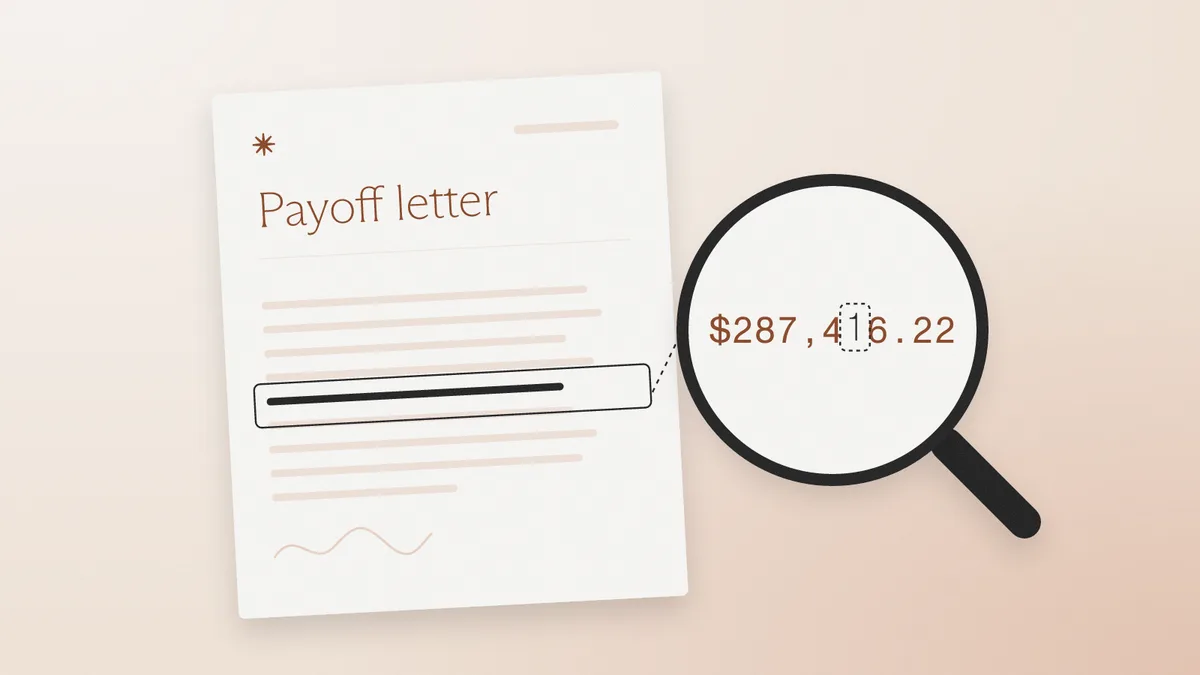
How to spot a fake payoff letter: altered wiring instructions, the tells that fail, and six checks on the file before the payoff wire goes out.
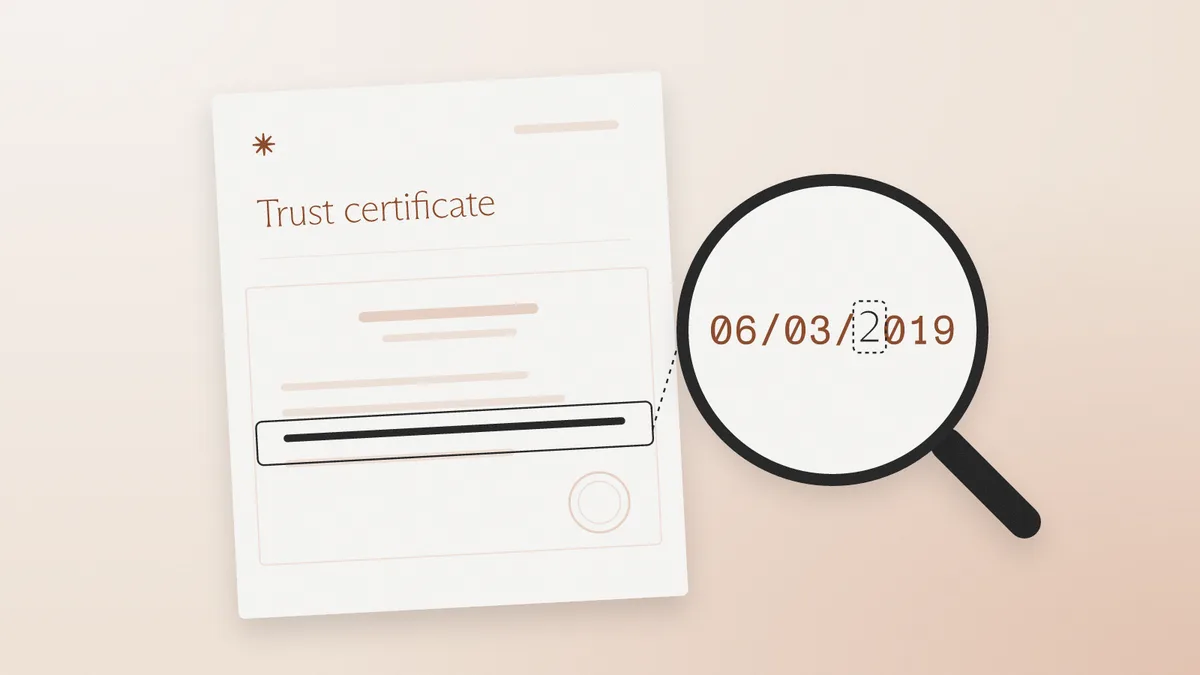
How to spot a fake certificate of trust: edited trustee names and powers, notary checks, beneficial ownership, and six checks on the file.
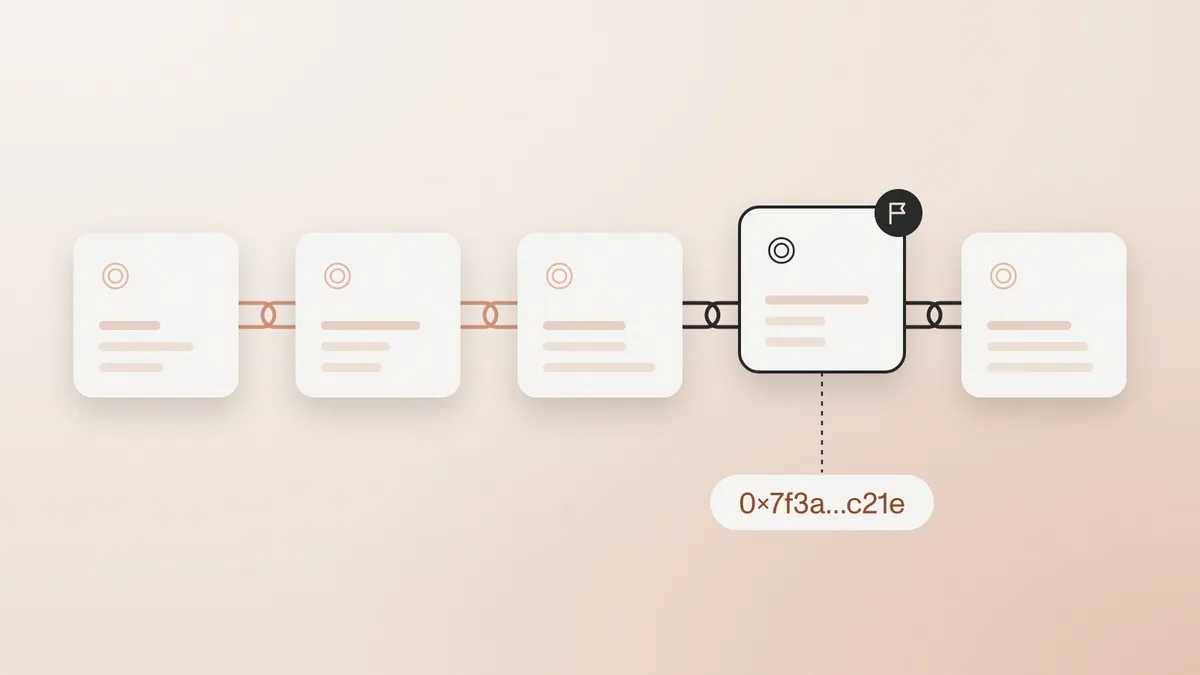
How to spot a fake shareholder register: edited percentages under the 25% UBO line, cap tables vs. registers, and the checks that catch them.

How to spot a fake crypto exchange statement: edited PDFs, CSV exports, on-chain withdrawal checks, and six checks on the file.
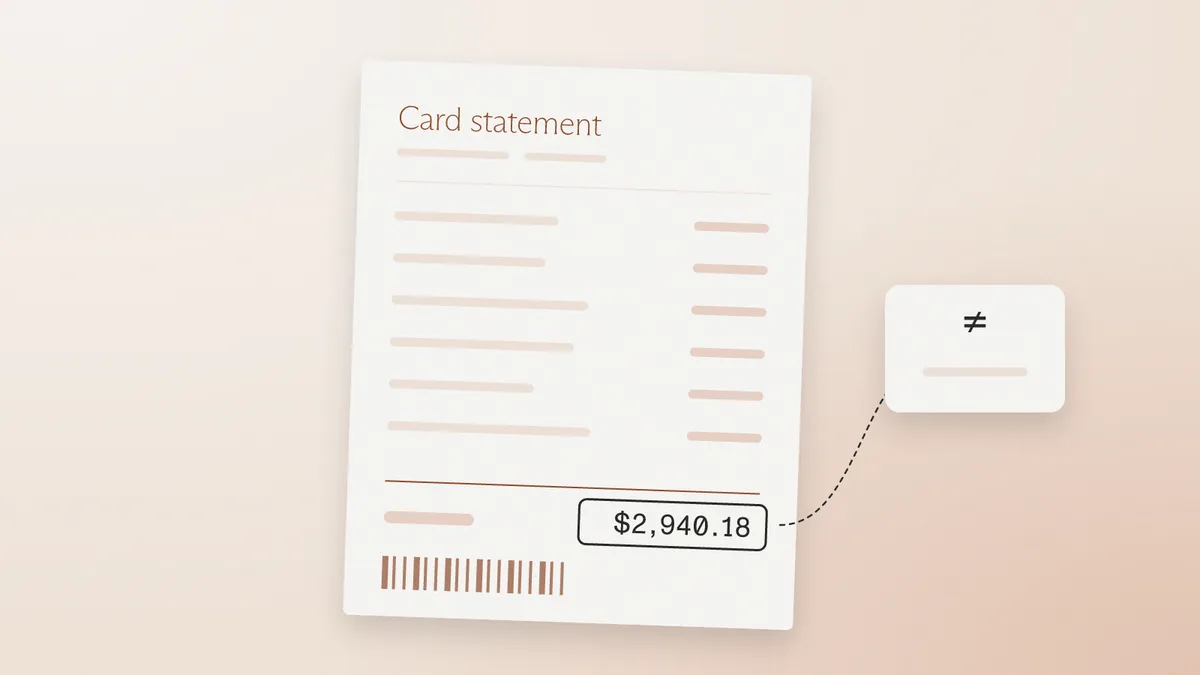
How to spot a fake credit card statement used for proof of address, debt verification, or source of funds: edited balances, broken math, file checks.
Spot a fake W-8BEN by reading foreign status, the treaty claim, and the file. The IRS publishes a blank and does not certify the form.

How to spot a fake partnership agreement: edited partner lists, signature blocks never executed together, and no state filing for a general partnership.

How to spot fake corporate bylaws: rules that contradict the articles, adoption before incorporation, and a template reused across companies.
How to spot a fake stock certificate offered as KYB ownership evidence, when the ledger matters more than the vignette.

A Schedule K-1 reports a partner's share of income. Capital-account math, form year, and an IRS transcript catch edited and generated fakes.
A fake 1099 is an information return edited after creation or generated from scratch. Match it to the IRS wage and income transcript.
How to spot a fake employment verification letter: edited versus generated files, the tells that fail, and six checks on the file.

Spot a fake mortgage statement by confirming principal, amount due, due date, and rate with the current servicer.
Spot a fake W-9 by matching the line 1 name and TIN. The IRS publishes a blank form and does not seal a completed one.
Spot a fake merchant statement by rebuilding amount processed from the fee lines and confirming the merchant ID with the processor.
Spot a fake DBA certificate in the county index: file number, registrant, and expiration. A filing is not good standing.
Spot a fake board resolution by checking that the certifier is not the empowered signer and that the resolution date comes first.

Spot a fake certificate of incumbency by checking the certifier and the state's officer list. A seal does not prove the offices.

How to spot a fake brokerage statement used as proof of assets, and why file history beats a clean layout.
How to spot fake articles of organization by matching the file number and filing receipt to the state record before the account opens.
A wire confirmation is a claim that money moved. Edited and generated payment advice fail file checks. The posted credit is the proof.
How to spot a fake bank reference letter: the relationship claim, the signatory, and the edit history. Letterhead is cheap to copy.
How to spot a fake operating agreement in KYB: edited member schedules, swapped signature pages, and ownership that does not match the file.
Spot a fake certificate of good standing by checking the as-of date, file number, and post-download edits.

How to spot a fake voided check using file history, routing match, and account control. A VOID mark misses edited and generated files.

Verification reads the page and matches the applicant. Fraud detection reads the file. What each misses, how to evaluate each, and when you need both.

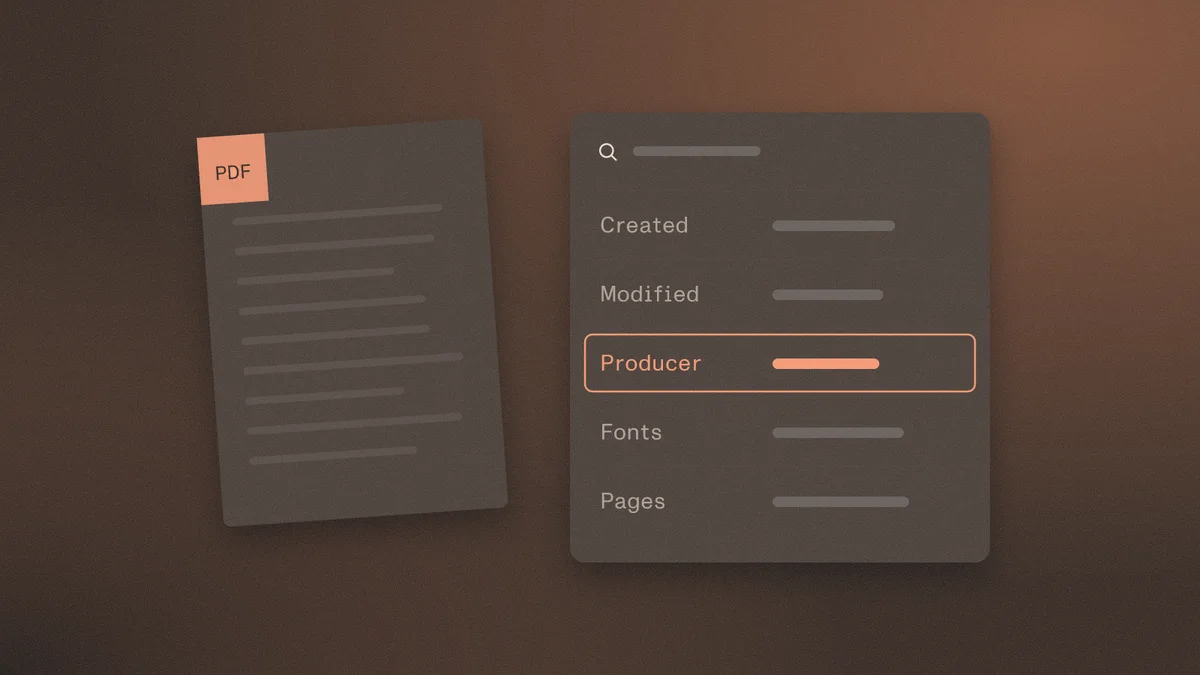
PDF metadata analysis for fraud detection: Info dictionary, XMP, timestamps, producer strings, incremental updates, and what each can and cannot prove.
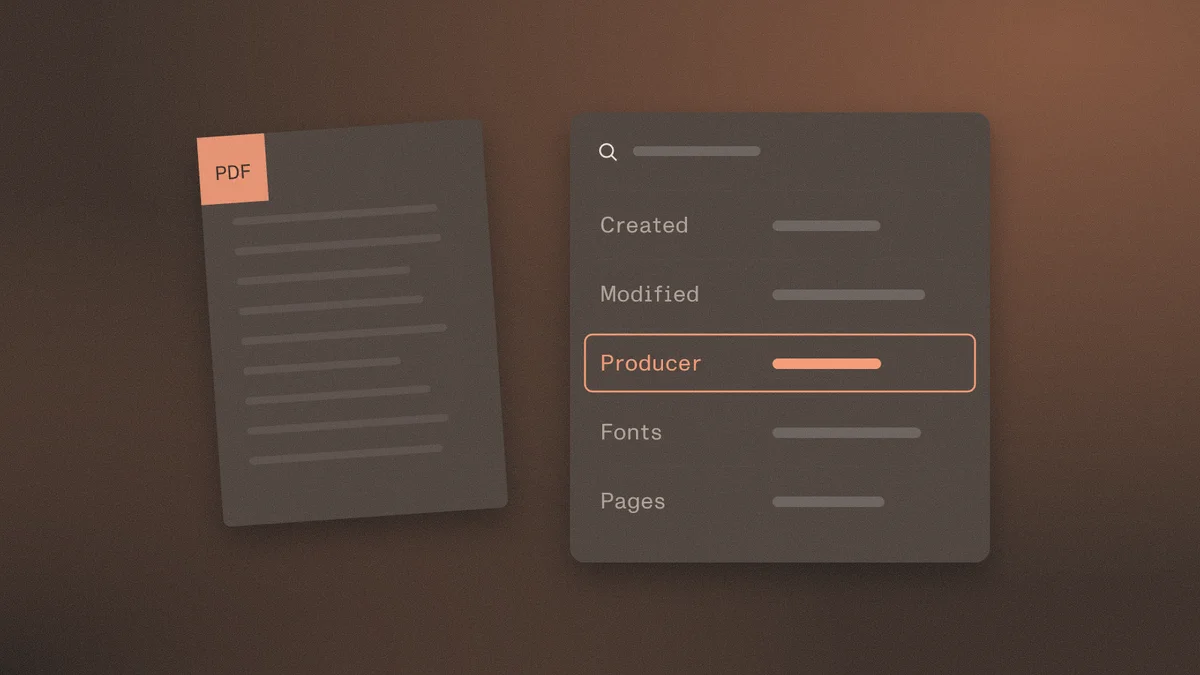
How to spot fake financial statements in SMB lending and KYB: inflated revenue, fake auditor letters, 4506-C and bank reconciliation, six file checks.
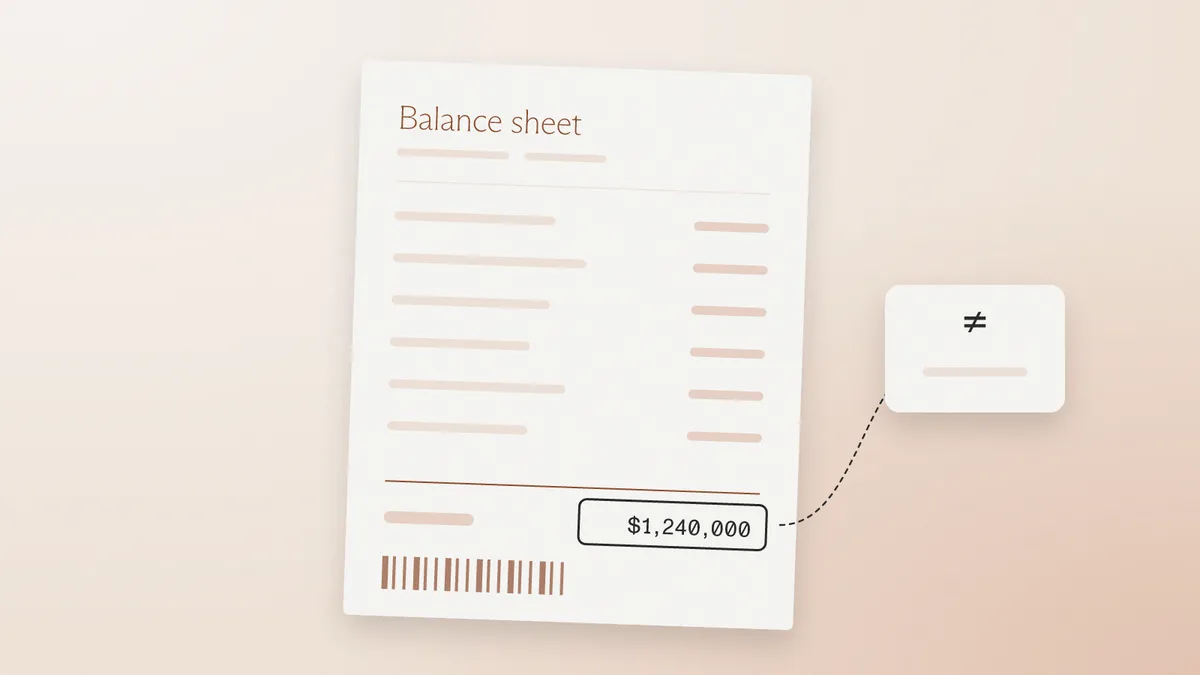
How to spot a fake certificate of insurance: why an ACORD 25 confers no rights, the tells that survive, carrier and NAIC lookups, and the six file checks.
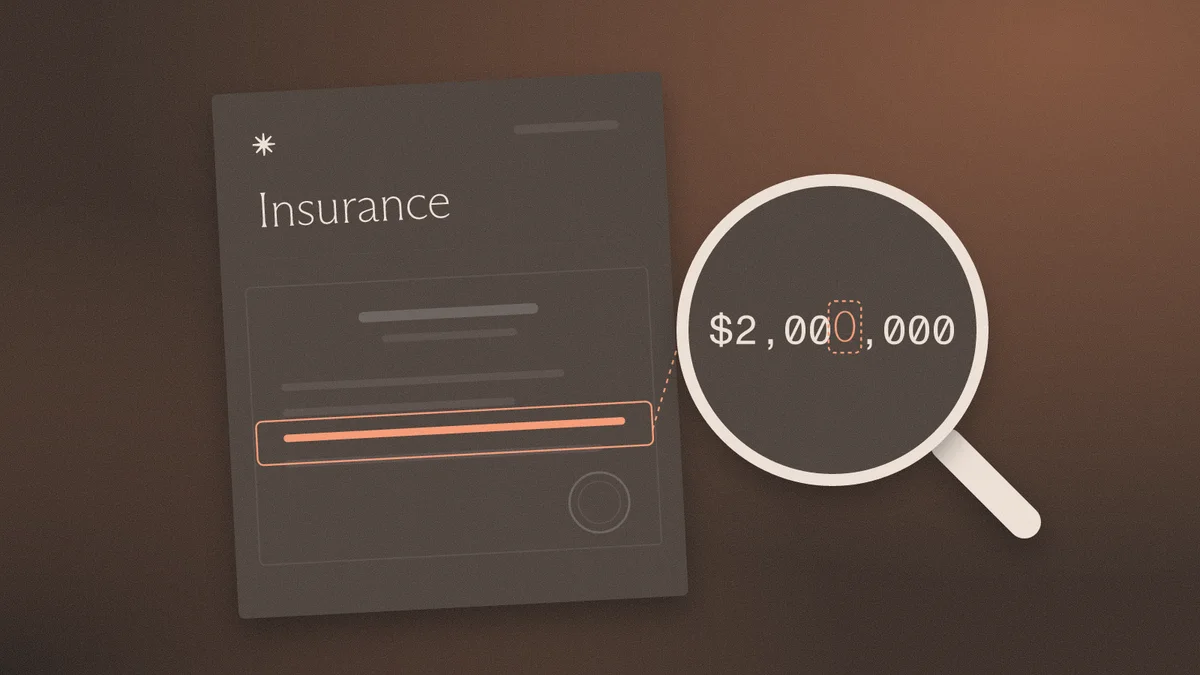
How to spot a fake lease agreement in KYC, mortgage, and KYB review: landlord, date, rent, and disclosure tells, plus the six file checks that settle it.

How to spot a fake proof of funds letter in lending, real estate, and escrow: the tells that work, the six file checks, and how to verify with the bank.

How to spot a fake EIN confirmation letter: what a real CP 575 or 147C contains, the tells that survive, IRS TIN Matching limits, and the six file checks.
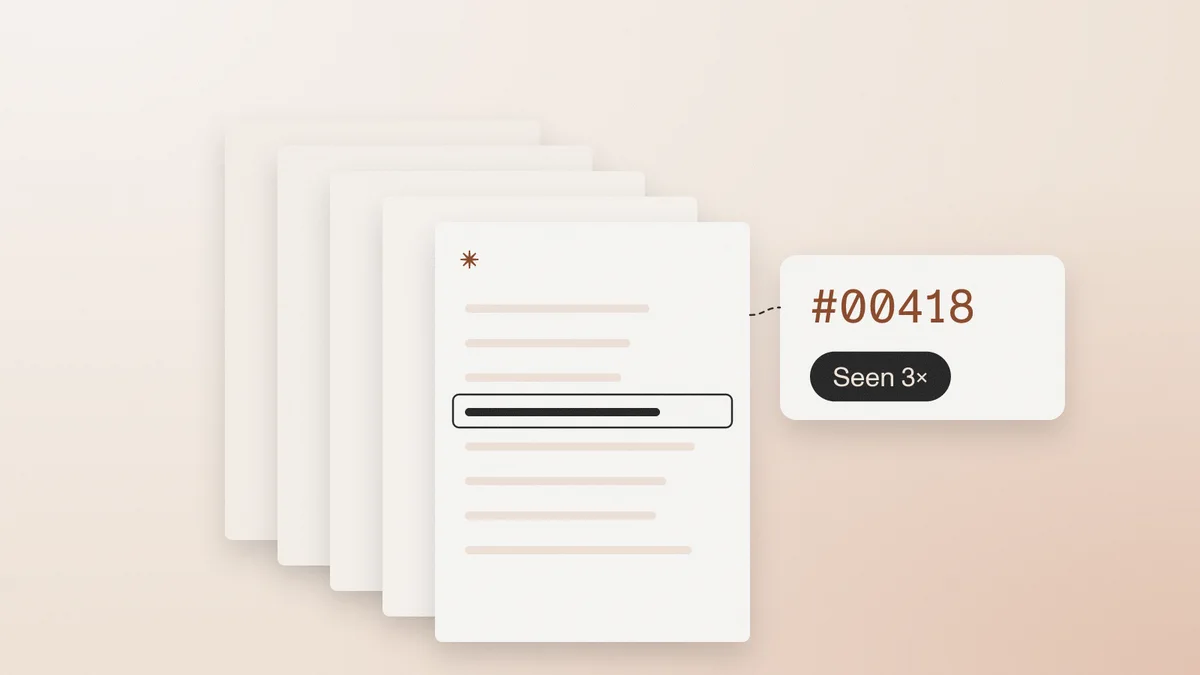
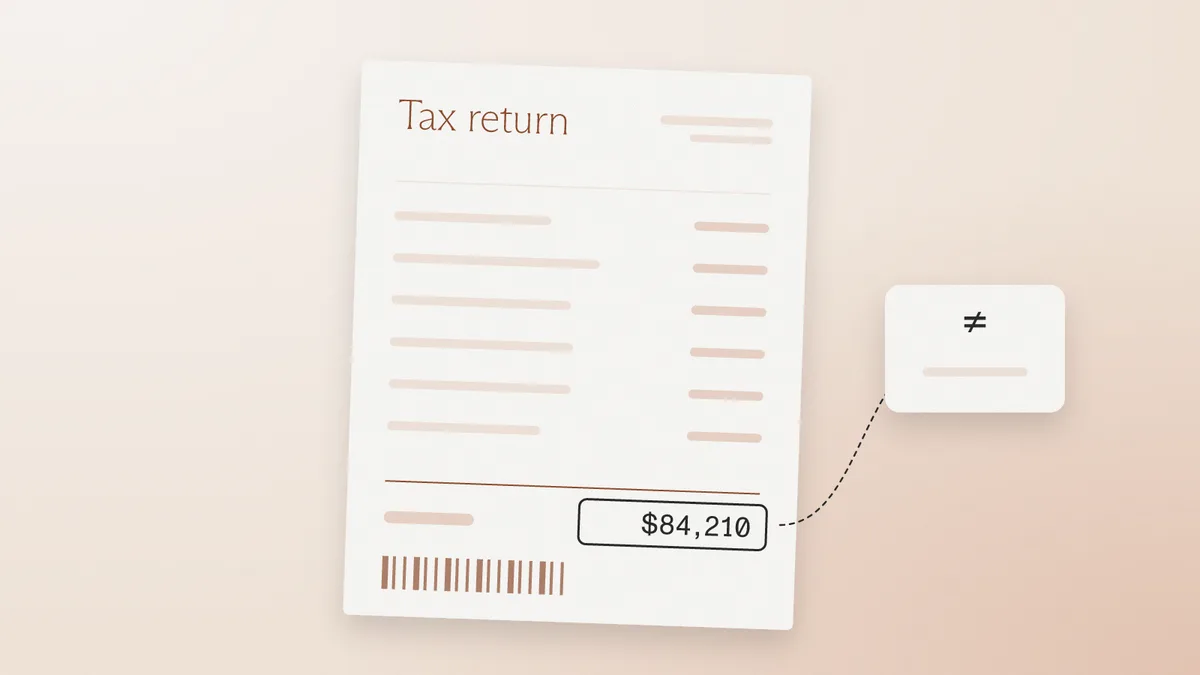
How lenders and onboarding teams spot fake 1040s, W-2s, and IRS transcripts: line-item tells, edited vs generated files, and the Form 4506-C break-test.
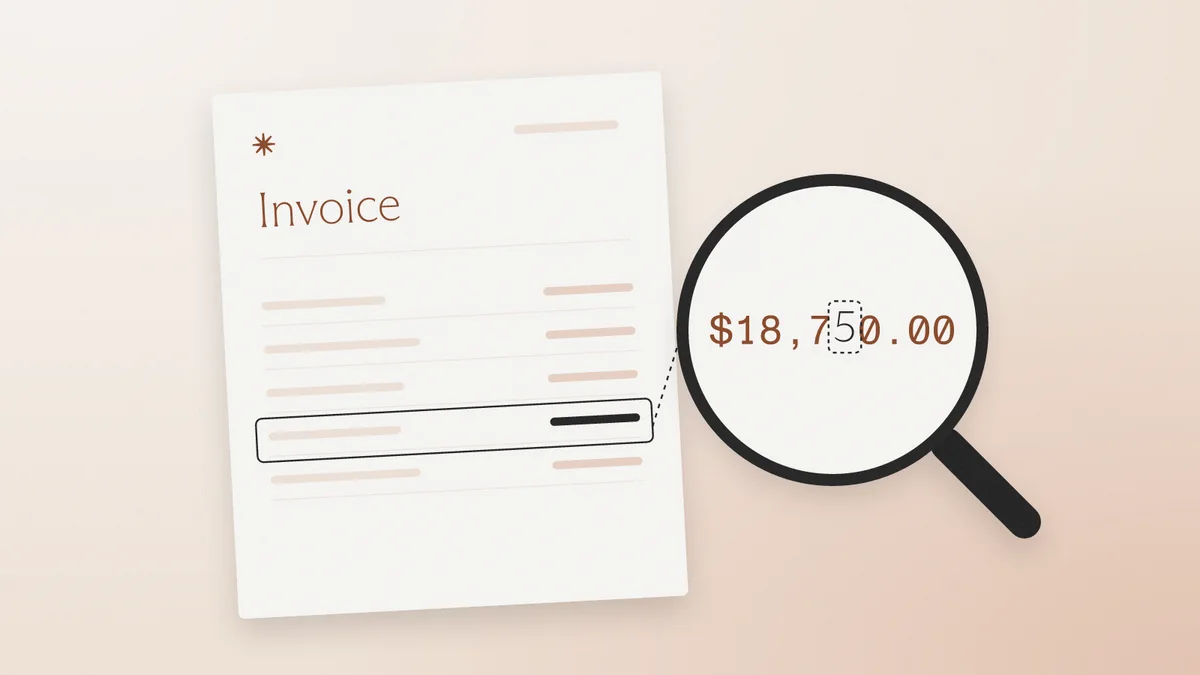
How to spot a fake invoice in factoring, trade finance, and AP: the tells that still work, the six file checks, and the debtor break-test that settles it.
Should compliance teams accept screenshots of bank statements? What a flattened PDF loses, which fraud checks still work on images, and how to set policy.

Explainable document forensics shows where a file was altered, what it said before, and how the examiner knows. Why a fraud score alone fails audit.
How KYC, KYB, rental, and lending teams spot fake utility bills used as proof of address: edited vs generated files, tells that work, six file checks.

How fake document templates and template farms work, why template-made files have no issuance history, and how to detect them in KYC and lending.

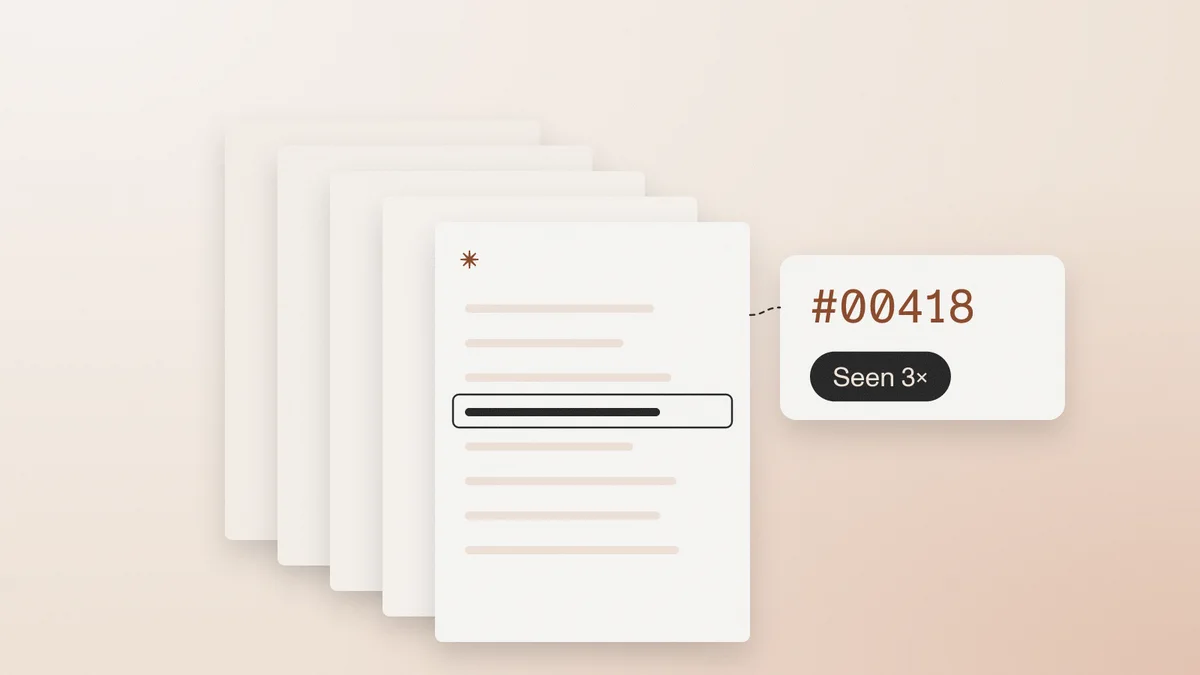
Serial document reuse detection catches one statement, stub, or ID recycled across unrelated applicants. Why single-file review misses it.
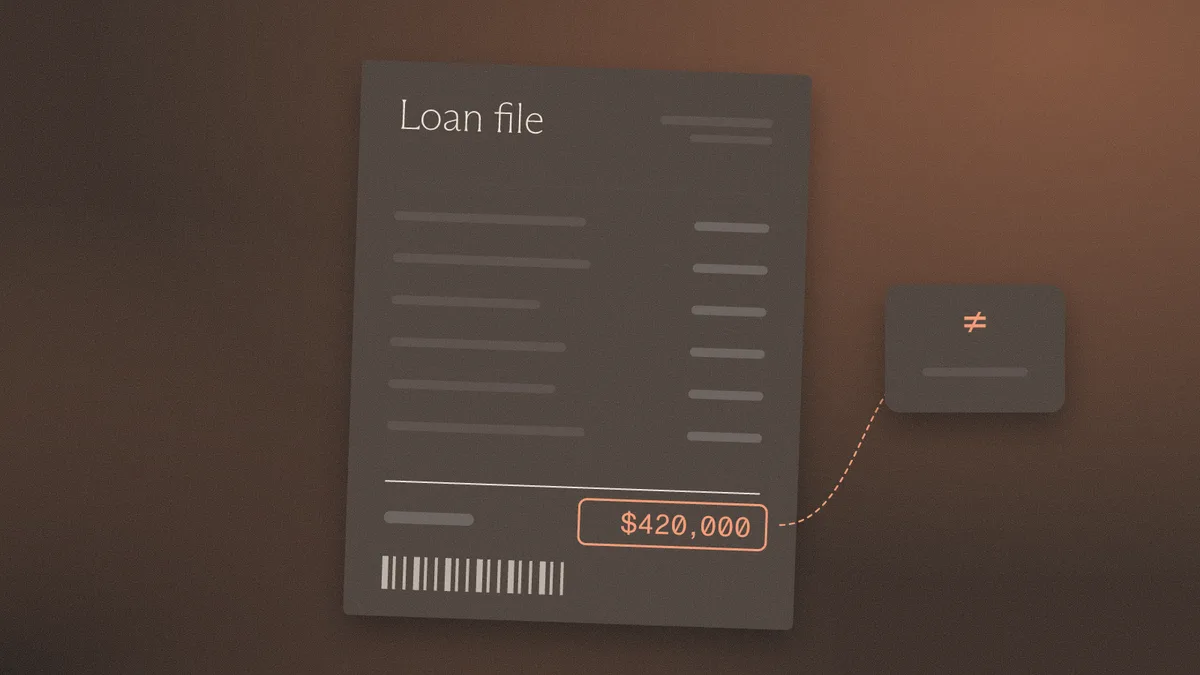
Loan document fraud detection tests bank statements, pay stubs, and tax docs as a package — the red flags underwriters miss on visual review.
KYB document fraud detection checks certificates, registry extracts, and proof of address as files. Visual review misses edited-after-creation PDFs.

Document fraud statistics from FinCEN, FBI IC3, and FTC — and what those figures miss about edited PDFs, counterfeit templates, and file-level detection.

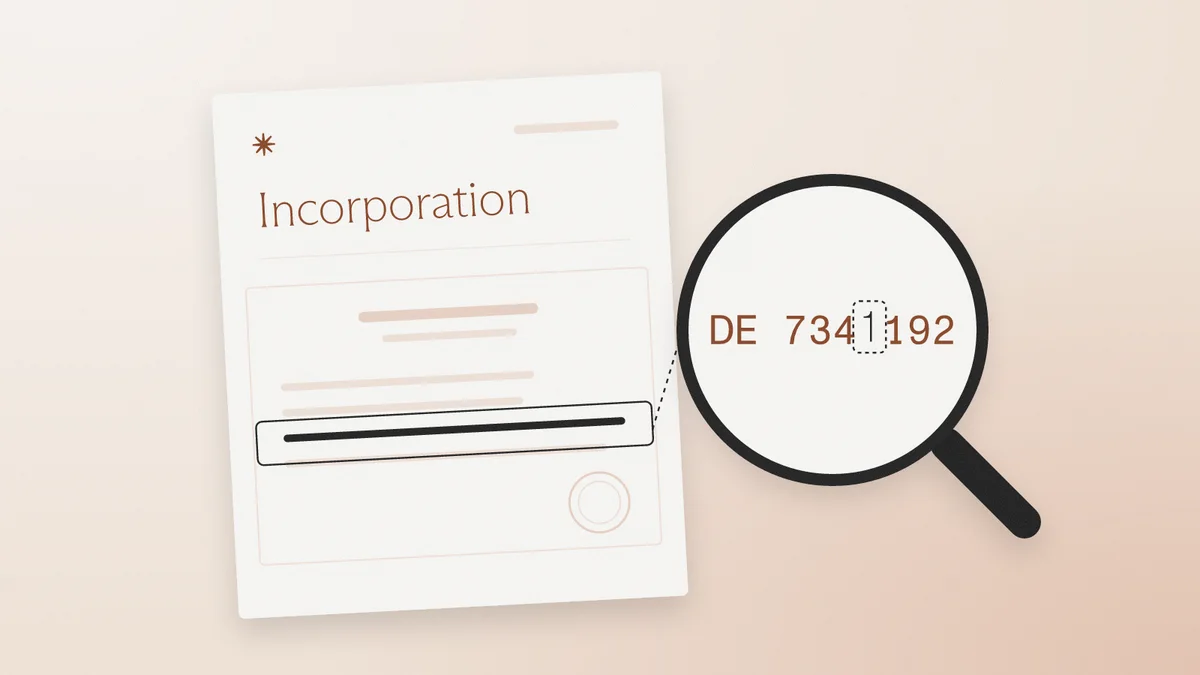
How to spot a fake certificate of incorporation in KYB: registrar mismatch, edited seals, generated COIs, and serial reuse. Visual review is not enough.
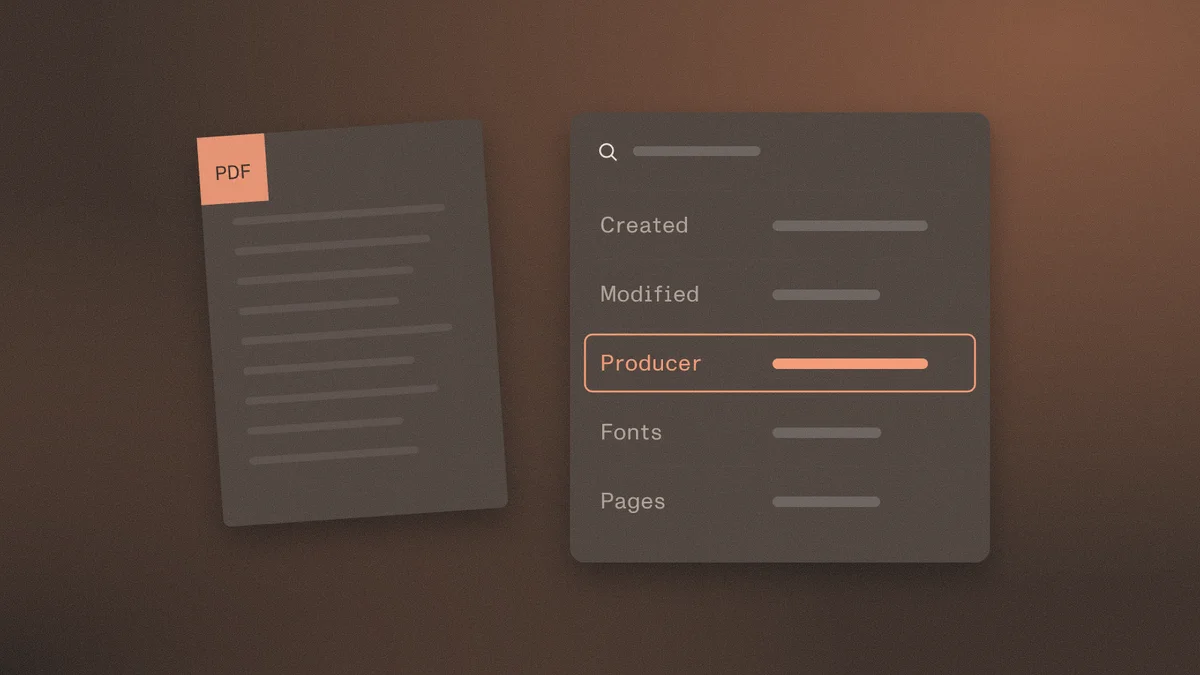
How to detect an AI-generated PDF using metadata, empty Producer strings, model artifacts, and the file history visual review misses.
How lenders and onboarding teams spot fake pay stubs: edited vs generated files, deposit cross-checks, and what visual review misses.

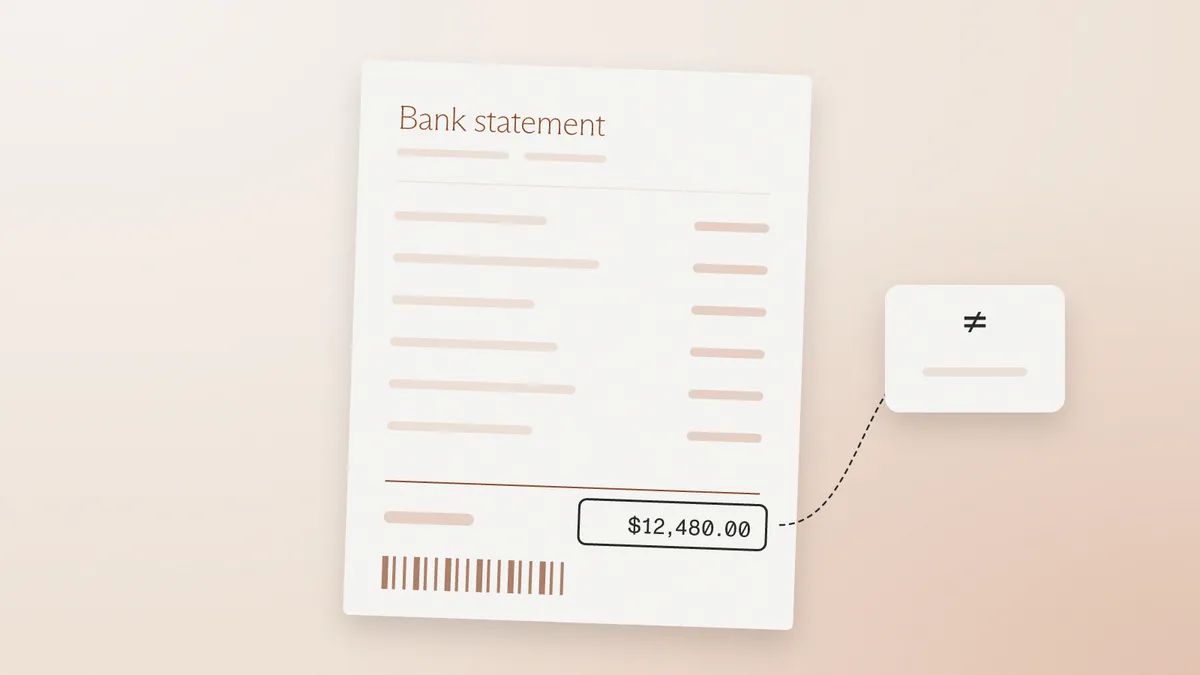
How to spot a fake bank statement: edited-after-creation vs generated-from-scratch, which visual tells still work, and how file history exposes forgeries.
Try another keyword or explore a different topic.