
How to Spot a Fake Gift Letter
How to spot a fake gift letter: disguised loans, interested-party money, and how to verify the donor's transfer against Fannie Mae and FHA rules.

TL;DR: A fake letter of credit is a document that claims a bank has issued a credit, a standby letter of credit, or a guarantee that the bank never issued, or issued on different terms. Genuine credits normally travel bank to bank as authenticated SWIFT messages, the MT 700 for a documentary credit and the MT 760 for a guarantee or standby, so a standalone PDF from the applicant or a broker is a warning in itself. Bloomberg, cited by the ICC, put potential bank losses from fraud-linked trade finance defaults in Singapore at USD 9.26 billion over the six years to 2020.
A letter of credit is a bank's undertaking to pay a named beneficiary when stated conditions are met. A documentary credit pays the seller in a trade against a set of shipping documents. A standby letter of credit (SBLC) or a demand guarantee pays when the applicant fails to perform. In both cases the instrument's value is the bank's promise. A fake letter of credit is a document that claims that promise exists when the bank never made it, or made it for a different amount, beneficiary, or expiry.
Genuine credits rarely reach a beneficiary as a loose file. The issuing bank sends the credit through SWIFT to a correspondent in the beneficiary's country, and that advising bank passes it on. The ICC's handbook on UCP 600 explains that banks exchange authenticator keys before they can message each other, that UCP 600 article 9(b) makes the advising bank satisfy itself of the credit's apparent authenticity, and that the SWIFT network has reduced the risk of forged credits virtually altogether. SWIFT's own Category 7 standards list the MT 700 (issue of a documentary credit) and the MT 760 (issue of a demand guarantee or standby) as signed messages. That is why a PDF that arrives from the applicant, a broker, or an intermediary, with no advice from a bank the beneficiary can reach, is itself a signal.
Fake credits come in two production classes. Edited-after-creation starts with a genuine advice or a copy of a real credit and changes the amount, the beneficiary, the expiry, or the reference after the bank produced it. The bank's layout survives. Generated-from-scratch starts from a template or a screenshot of a SWIFT screen and has no issuing bank behind it.
Most fake standbys and guarantees show up outside trade, in advance-fee and investment schemes. The FBI's IC3 warning on fictitious standby letters of credit says fraud actors sell SBLCs that do not exist and use counterfeit SWIFT messages or documents labelled MT 799 or MT 760 to make them look legitimate. The same paperwork turns up as loan collateral and as proof of funds.
Inside real trade, the risk runs both ways. A fake credit can persuade a seller to ship. A real credit can be drawn with forged shipping documents. The ICC Germany white paper Shutting Fraudsters out of Trade names fraudulent documents and duplicate financing as two of the core typologies, and puts the Hin Leong collapse uncovered in March 2020, which involved both, at over USD 3.5 billion. Those same mechanics are how trade-based money laundering moves value: misstated invoices, phantom shipments, and credit instruments used to make a transfer look like commerce.
The strongest tell is the channel. A credit that reached the beneficiary only as an email attachment from the applicant or a broker has skipped the step that makes a credit trustworthy. A bank letterhead and SWIFT-style field tags prove nothing, because anyone can type them.
Vocabulary still catches a large share of fakes. The Federal Reserve Bank of New York's investment scheme advisory warns about letters of credit described in unconventional ways, including credits said to be issued on ICC forms such as "ICC 3034" or "ICC 3039." No such forms exist. Credits are issued subject to rules such as UCP 600 or ISP98, not on a numbered ICC template. The Federal Reserve's 2002 supervisory letter SR 02-13 lists other phrases with no meaning in real banking: "prime bank," "top 25 world bank," "conditional SWIFT," "key tested telex," "one year and one day," and funds of "good, clean, clear and non-criminal origin."
Commercial logic is the third tell. A standby offered for lease, sale, or "monetization." A guarantee from a bank the applicant has no relationship with. A credit whose amount dwarfs the applicant's balance sheet. A fee due before anything is issued. An instrument whose terms let the holder change the beneficiary with a PIN, which is exactly what the ICC's Financial Investigation Bureau found on a fraudulent one billion euro standby it was asked to review.
A real bank's name on a forged credit clears every row that only reads the page. Only the issuer can say whether it issued the credit.
Detection that holds up reads the file's story before it reads the page, through six classes of signal.
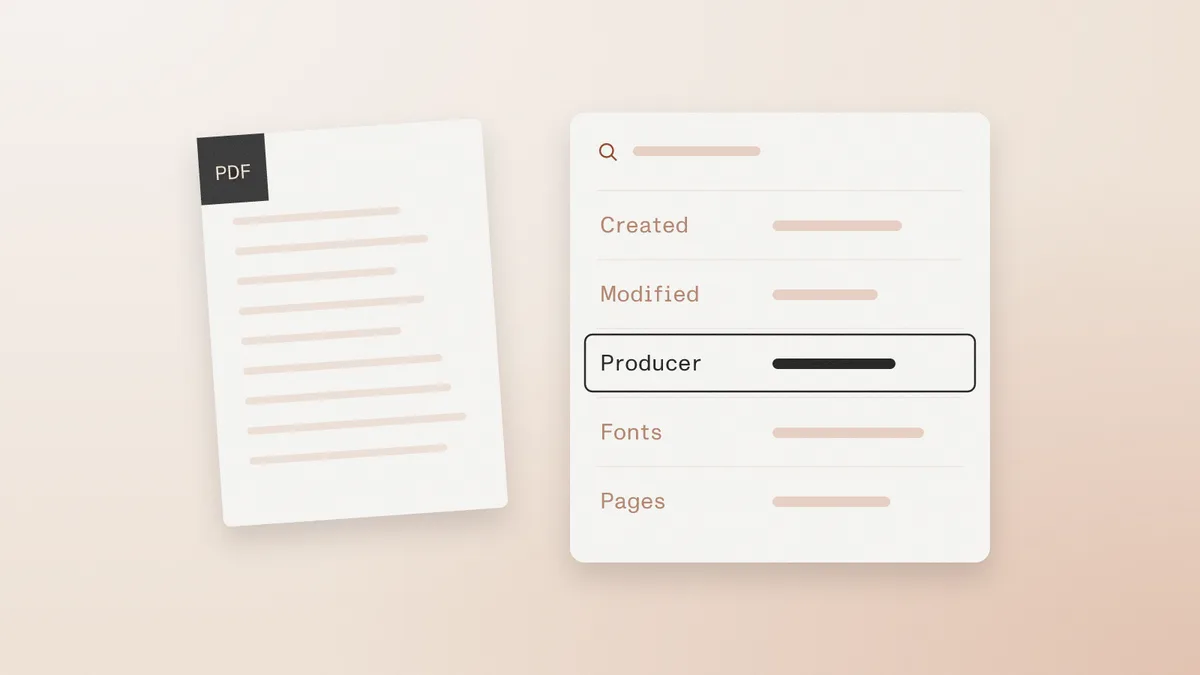
Production method asks how the file was made. A credit advice printed from a bank's trade platform carries that pipeline. A file last saved in a desktop editor, rebuilt from a screenshot of a SWIFT screen, or assembled generatively carries a different one. Edited-after-creation and generated-from-scratch are separate findings, because a genuine advice can sit under a later save. Timestamp trail asks whether creation, modification, and upload cohere with the issue date and the amendment history.
Issuer matching asks whether the named bank, its BIC, its address, and its signatories match a real institution that issues this kind of instrument. Correspondent banking due diligence already holds much of what this check needs. Consistency then sets the credit against the rest of the file: the sales contract, the commercial invoice, the bill of lading, the beneficiary's account, and the applicant's real capacity. A credit that agrees with the applicant's own documents is weaker evidence than one that agrees with the bank.
Model artifacts ask whether generative or image tooling left traces a standard viewer does not show, including an image-only PDF that has flattened away the production story. Recycled patterns ask whether this reference number, wording, signatory block, or exact file has appeared in another deal. The FATF and Egmont Group's 2020 TBML report names the obvious recycling of earlier documents, with few or no edits, as a data point banks can use, and that portfolio check is the one a single reviewer cannot hold in memory.
A flagged credit is a hold, pending confirmation from the issuer through a channel the presenter does not control. Ask your own bank, or the advising bank named on the credit, to confirm receipt of an authenticated MT 700 or MT 760 with this reference, amount, beneficiary, and expiry. A bank should check its own SWIFT records, not a client's copy. Leave the phone numbers and email addresses printed on the document unused.
An unanswered confirmation request is not a pass. When the records disagree, record the specific failure: the field that changed, the save that postdates the issue date, or the BIC that belongs to a different bank. Keep the original file, keep the failed signal out of anything sent back to the presenter, and route the case to the team that handles suspicious activity, because a forged bank instrument often sits inside a larger scheme.
Read the credit alongside the rest of the packet. A fake credit often travels with a fake bank reference letter, a doctored statement, or an invoice that overstates the goods, the same pattern document fraud in banking treats across the wider file. Check a document in the Watchdoc playground before you send the confirmation request, so the x-ray is on file when the bank answers. The first file is free, and no email is required.
Watchdoc scores the file and shows the x-ray: production method, timestamp trail, issuer matching, consistency, model artifacts, and recycled patterns. Published figures are a 94.3% correct verdict, 2.8x more forgeries caught, clean files cleared in under 28 seconds, and a review path 54% less expensive, across 1 million documents processed, at $0.45 per document with no seats and no platform fee. The Watchdoc playground runs the same check for free, with a 50-document free tier. Only the issuing bank can confirm the credit exists. Watchdoc shows whether the file in front of you has been changed.
Ask your own bank or the named advising bank to confirm it received an authenticated SWIFT message, an MT 700 for a documentary credit or an MT 760 for a standby or guarantee, matching the reference, amount, beneficiary, and expiry. Do not use contact details printed on the document.
No. An MT 760 is a signed message between two banks on the SWIFT network, and a PDF is only a picture of what one says. The FBI has warned that fraud actors use counterfeit MT 799 and MT 760 documents to make fictitious standby letters of credit look real.
No. The FBI states that SBLCs are not investment vehicles and are not traded or bought and sold. Offers to lease, sell, or monetize an SBLC or bank guarantee, often with an upfront fee, match the pattern of prime bank fraud that U.S. regulators have warned about since 1993.
A documentary letter of credit pays a seller when the seller presents complying shipping documents, usually under UCP 600. A standby letter of credit pays only if the applicant fails to perform, works like a guarantee, and is usually issued under ISP98 or UCP 600. Both are bank undertakings, and both are normally issued between banks over SWIFT.
Trade-based money laundering moves value by misrepresenting trade, and false trade documents and misused credit instruments are part of that toolkit. The FATF and Egmont Group's 2020 report flags letters of credit used for unusually long or repeatedly extended periods, and recycled documentation, as risk indicators.
How to spot a fake gift letter: disguised loans, interested-party money, and how to verify the donor's transfer against Fannie Mae and FHA rules.
How to spot a fake payoff letter: altered wiring instructions, the tells that fail, and six checks on the file before the payoff wire goes out.
How to spot a fake certificate of trust: edited trustee names and powers, notary checks, beneficial ownership, and six checks on the file.
How to spot a fake shareholder register: edited percentages under the 25% UBO line, cap tables vs. registers, and the checks that catch them.
How to spot a fake crypto exchange statement: edited PDFs, CSV exports, on-chain withdrawal checks, and six checks on the file.
How to spot a fake credit card statement used for proof of address, debt verification, or source of funds: edited balances, broken math, file checks.
Spot a fake W-8BEN by reading foreign status, the treaty claim, and the file. The IRS publishes a blank and does not certify the form.

How to spot a fake partnership agreement: edited partner lists, signature blocks never executed together, and no state filing for a general partnership.
How to spot fake corporate bylaws: rules that contradict the articles, adoption before incorporation, and a template reused across companies.
How to spot a fake stock certificate offered as KYB ownership evidence, when the ledger matters more than the vignette.
A Schedule K-1 reports a partner's share of income. Capital-account math, form year, and an IRS transcript catch edited and generated fakes.
A fake 1099 is an information return edited after creation or generated from scratch. Match it to the IRS wage and income transcript.
How to spot a fake employment verification letter: edited versus generated files, the tells that fail, and six checks on the file.
Spot a fake mortgage statement by confirming principal, amount due, due date, and rate with the current servicer.
Spot a fake W-9 by matching the line 1 name and TIN. The IRS publishes a blank form and does not seal a completed one.
Spot a fake merchant statement by rebuilding amount processed from the fee lines and confirming the merchant ID with the processor.
Spot a fake DBA certificate in the county index: file number, registrant, and expiration. A filing is not good standing.
Spot a fake board resolution by checking that the certifier is not the empowered signer and that the resolution date comes first.
Spot a fake certificate of incumbency by checking the certifier and the state's officer list. A seal does not prove the offices.
How to spot a fake brokerage statement used as proof of assets, and why file history beats a clean layout.
How to spot fake articles of organization by matching the file number and filing receipt to the state record before the account opens.
A wire confirmation is a claim that money moved. Edited and generated payment advice fail file checks. The posted credit is the proof.
How to spot a fake bank reference letter: the relationship claim, the signatory, and the edit history. Letterhead is cheap to copy.
How to spot a fake operating agreement in KYB: edited member schedules, swapped signature pages, and ownership that does not match the file.
Spot a fake certificate of good standing by checking the as-of date, file number, and post-download edits.
How to spot a fake voided check using file history, routing match, and account control. A VOID mark misses edited and generated files.
Verification reads the page and matches the applicant. Fraud detection reads the file. What each misses, how to evaluate each, and when you need both.
PDF metadata analysis for fraud detection: Info dictionary, XMP, timestamps, producer strings, incremental updates, and what each can and cannot prove.
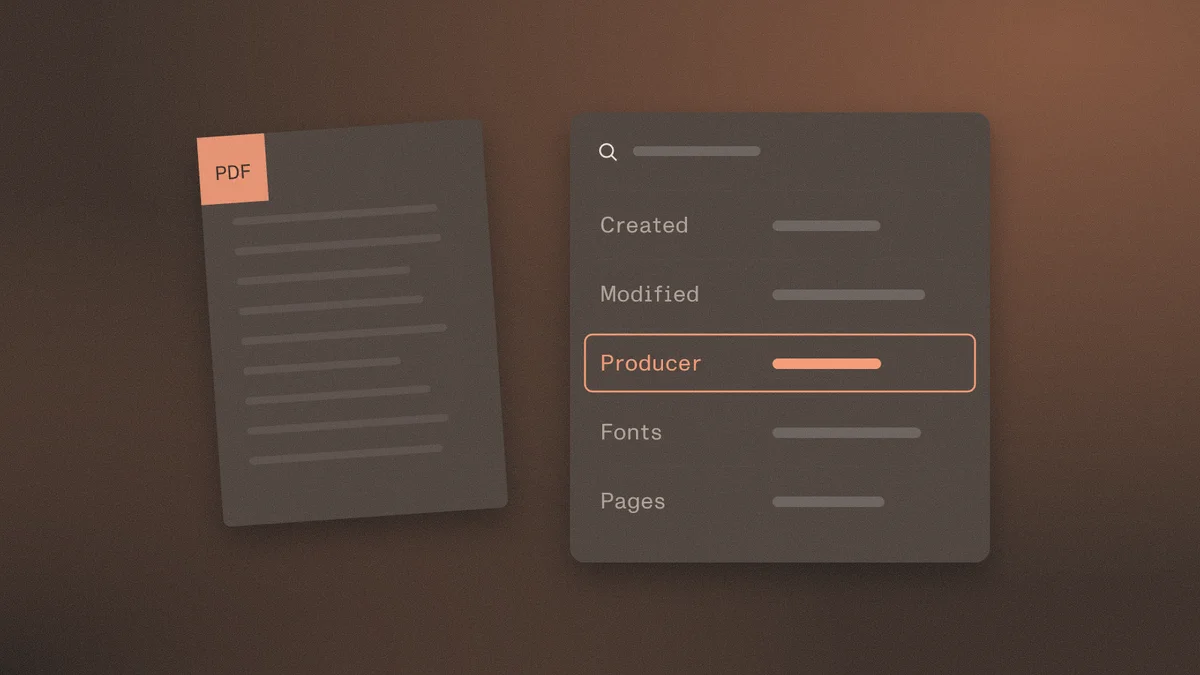
How to spot fake financial statements in SMB lending and KYB: inflated revenue, fake auditor letters, 4506-C and bank reconciliation, six file checks.
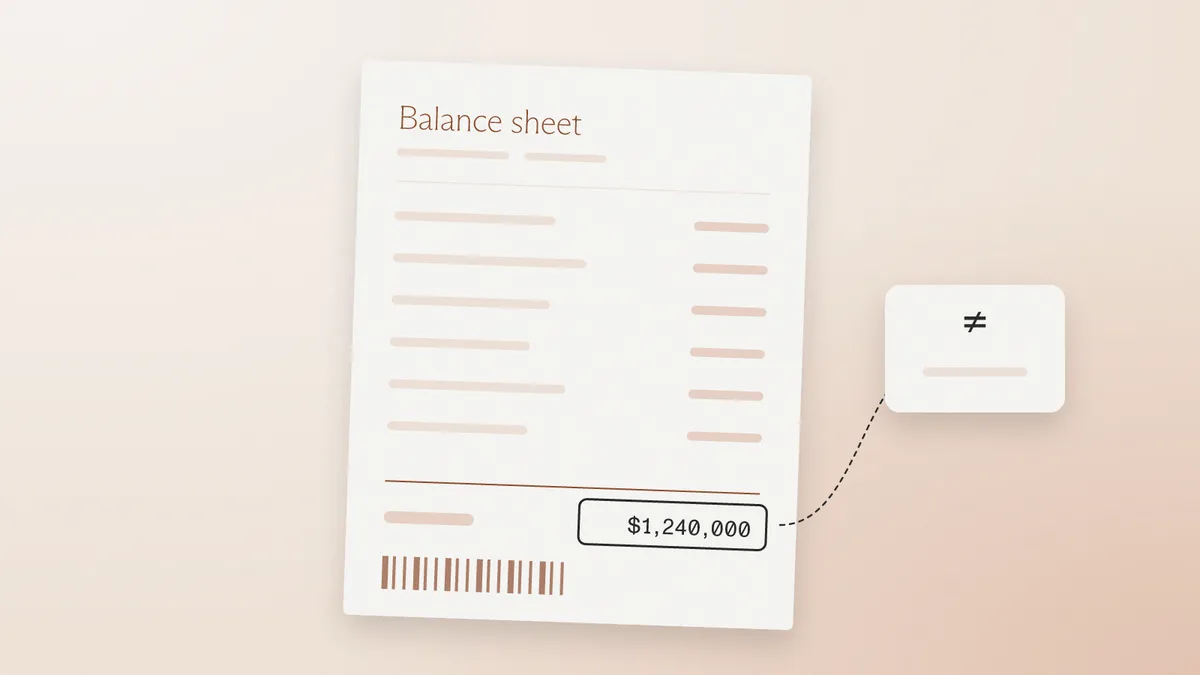
How to spot a fake certificate of insurance: why an ACORD 25 confers no rights, the tells that survive, carrier and NAIC lookups, and the six file checks.
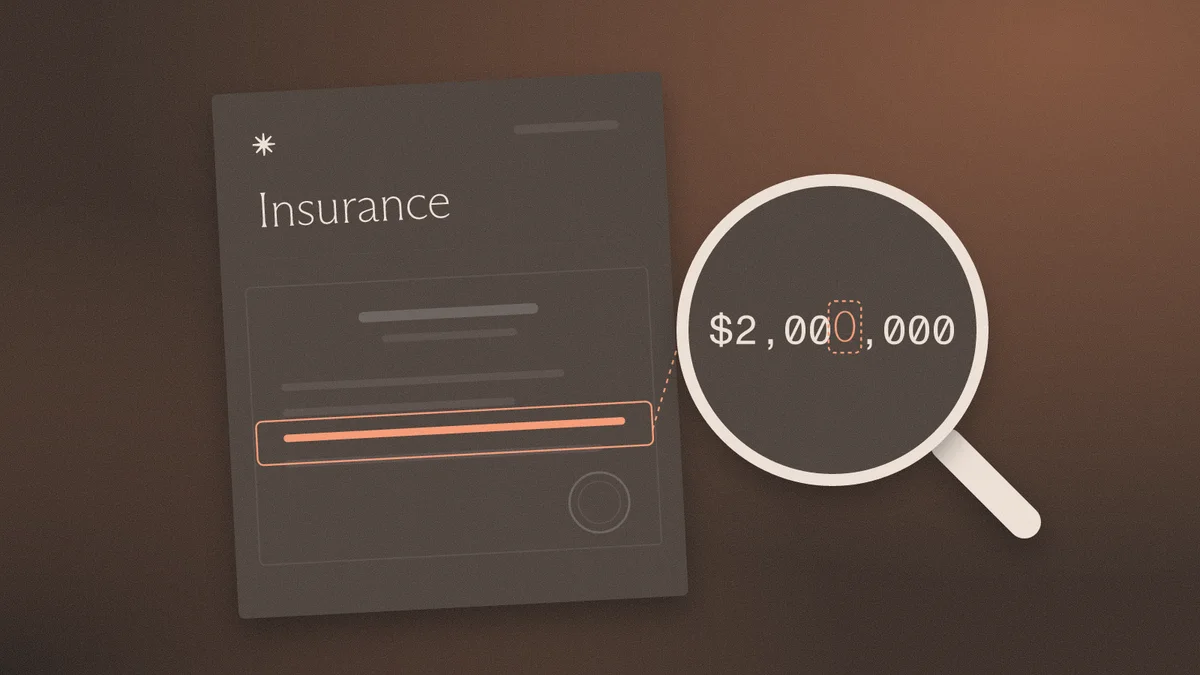
How to spot a fake lease agreement in KYC, mortgage, and KYB review: landlord, date, rent, and disclosure tells, plus the six file checks that settle it.
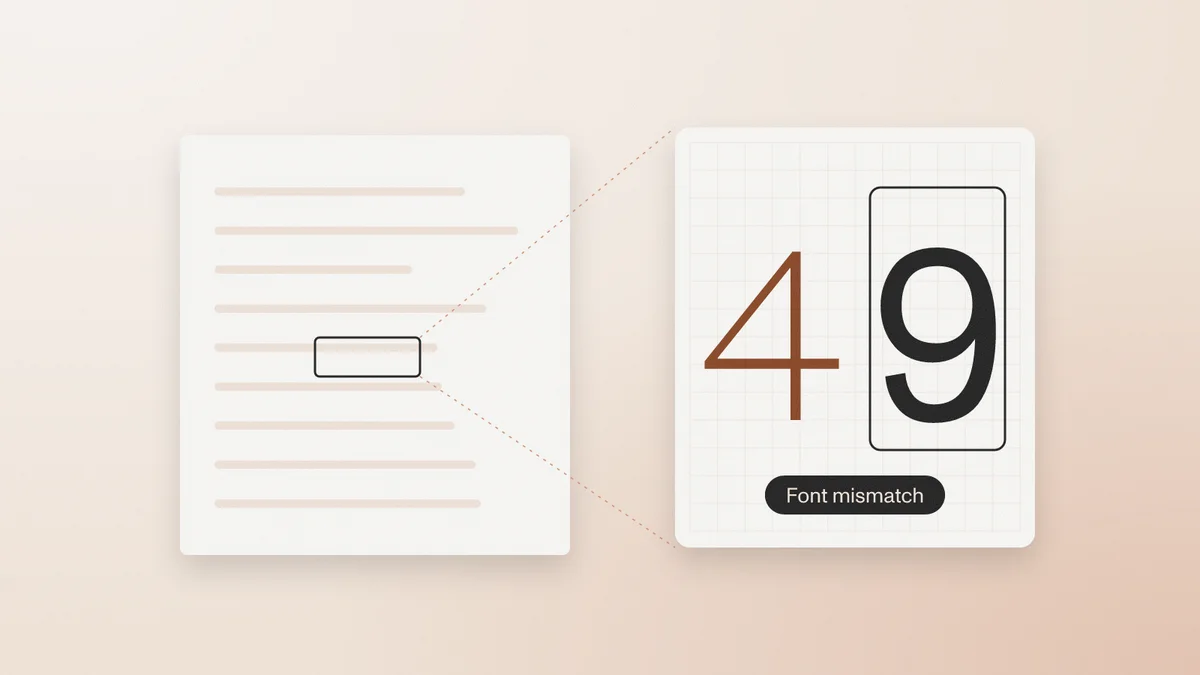
How to spot a fake proof of funds letter in lending, real estate, and escrow: the tells that work, the six file checks, and how to verify with the bank.
How to spot a fake EIN confirmation letter: what a real CP 575 or 147C contains, the tells that survive, IRS TIN Matching limits, and the six file checks.
How lenders and onboarding teams spot fake 1040s, W-2s, and IRS transcripts: line-item tells, edited vs generated files, and the Form 4506-C break-test.
How to spot a fake invoice in factoring, trade finance, and AP: the tells that still work, the six file checks, and the debtor break-test that settles it.
Should compliance teams accept screenshots of bank statements? What a flattened PDF loses, which fraud checks still work on images, and how to set policy.
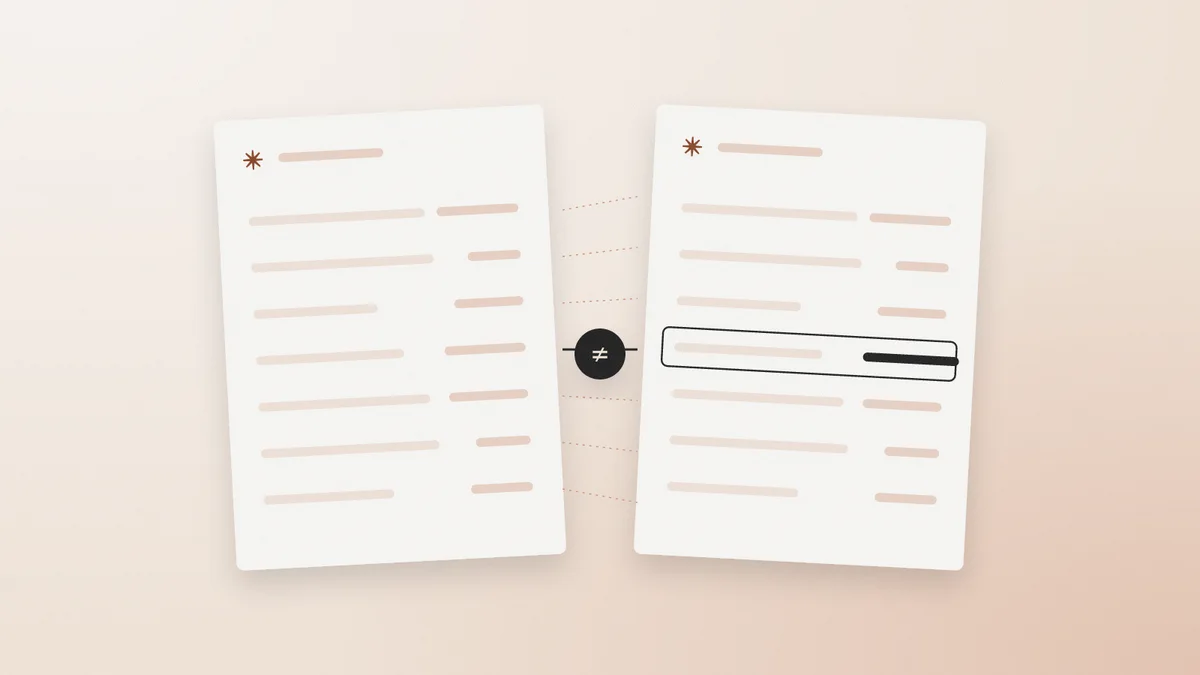
Explainable document forensics shows where a file was altered, what it said before, and how the examiner knows. Why a fraud score alone fails audit.
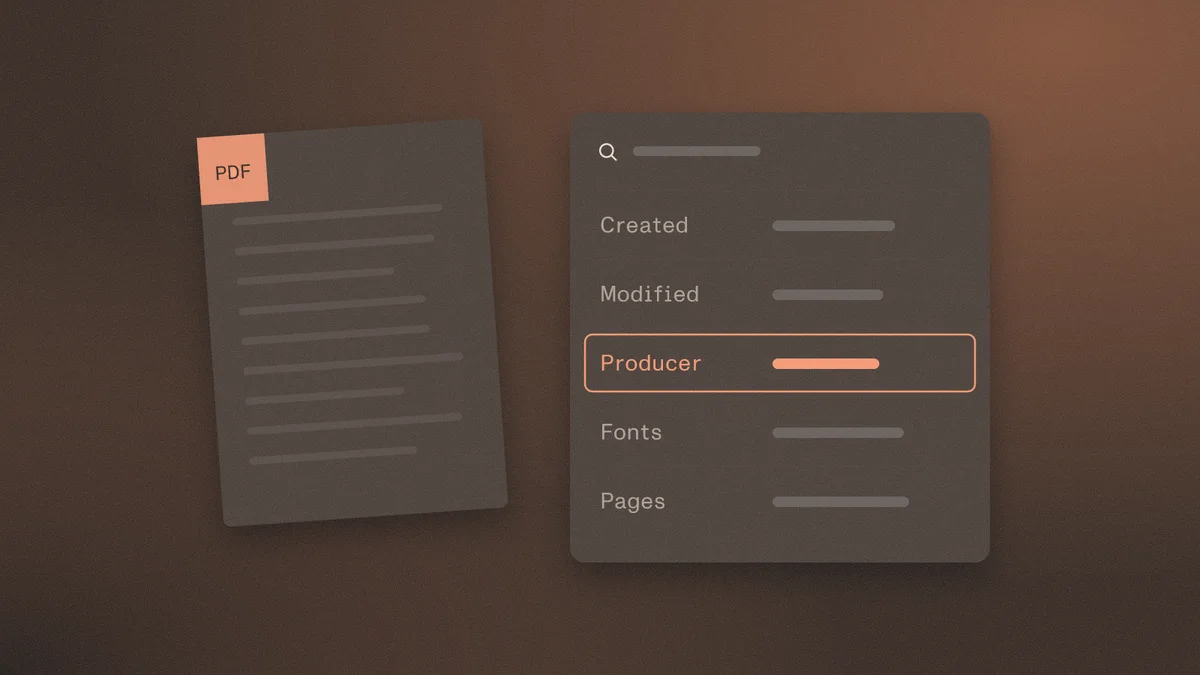
How KYC, KYB, rental, and lending teams spot fake utility bills used as proof of address: edited vs generated files, tells that work, six file checks.
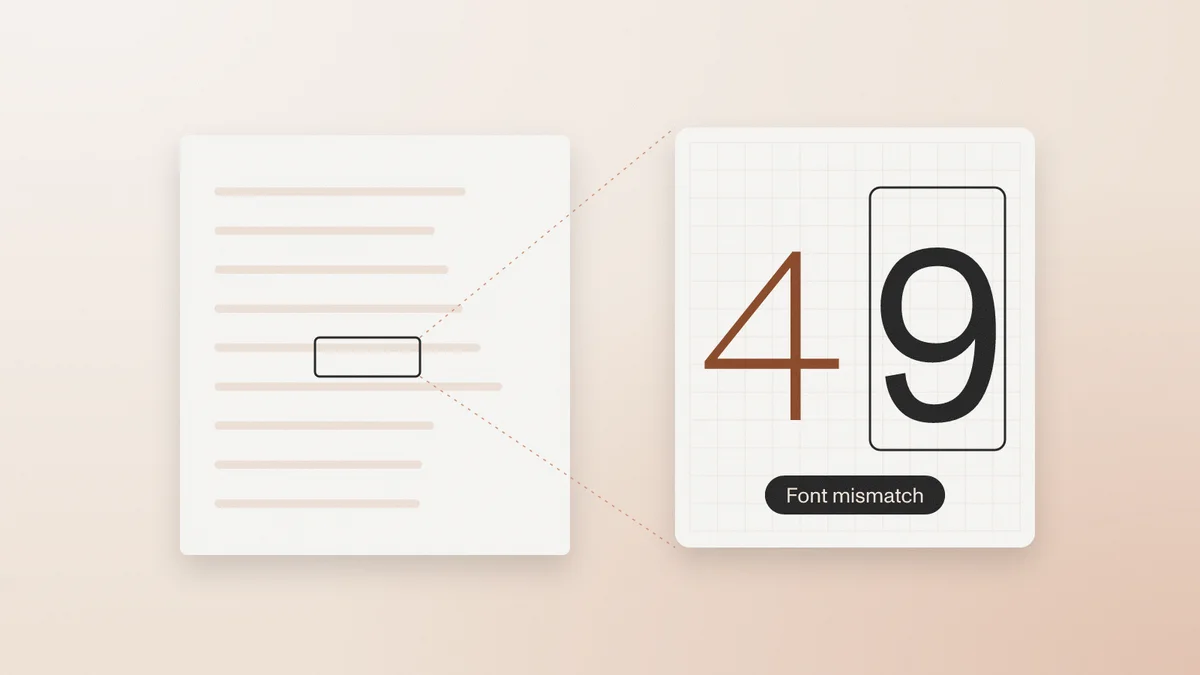
How fake document templates and template farms work, why template-made files have no issuance history, and how to detect them in KYC and lending.
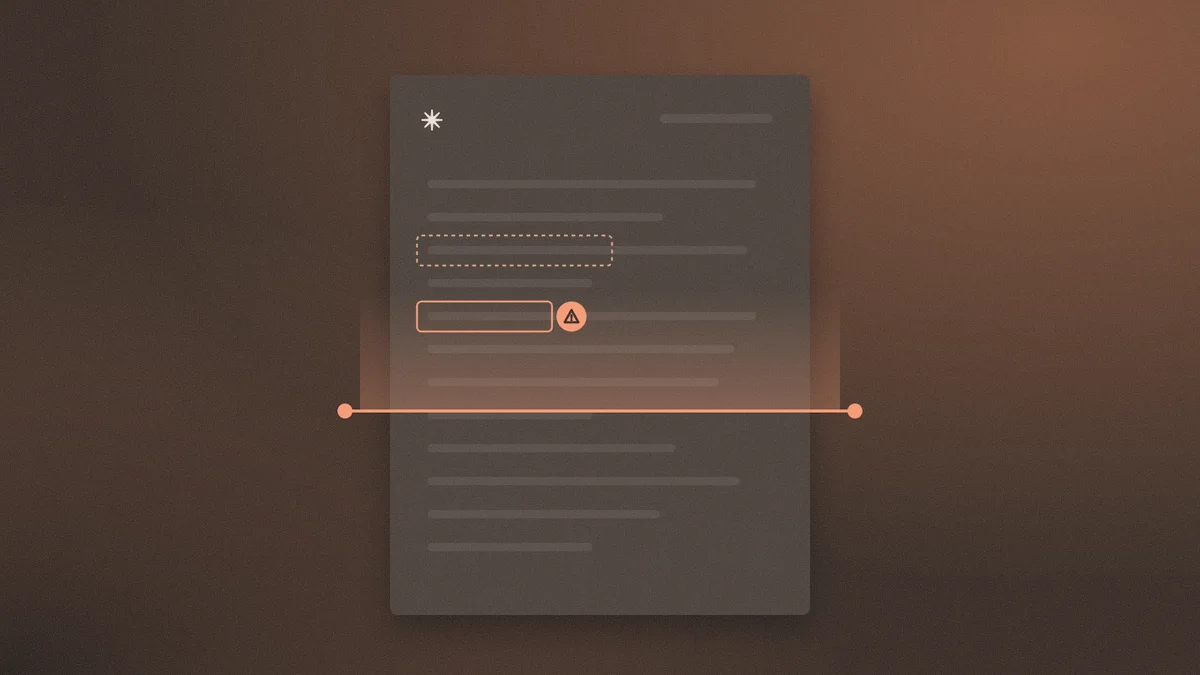
Serial document reuse detection catches one statement, stub, or ID recycled across unrelated applicants. Why single-file review misses it.
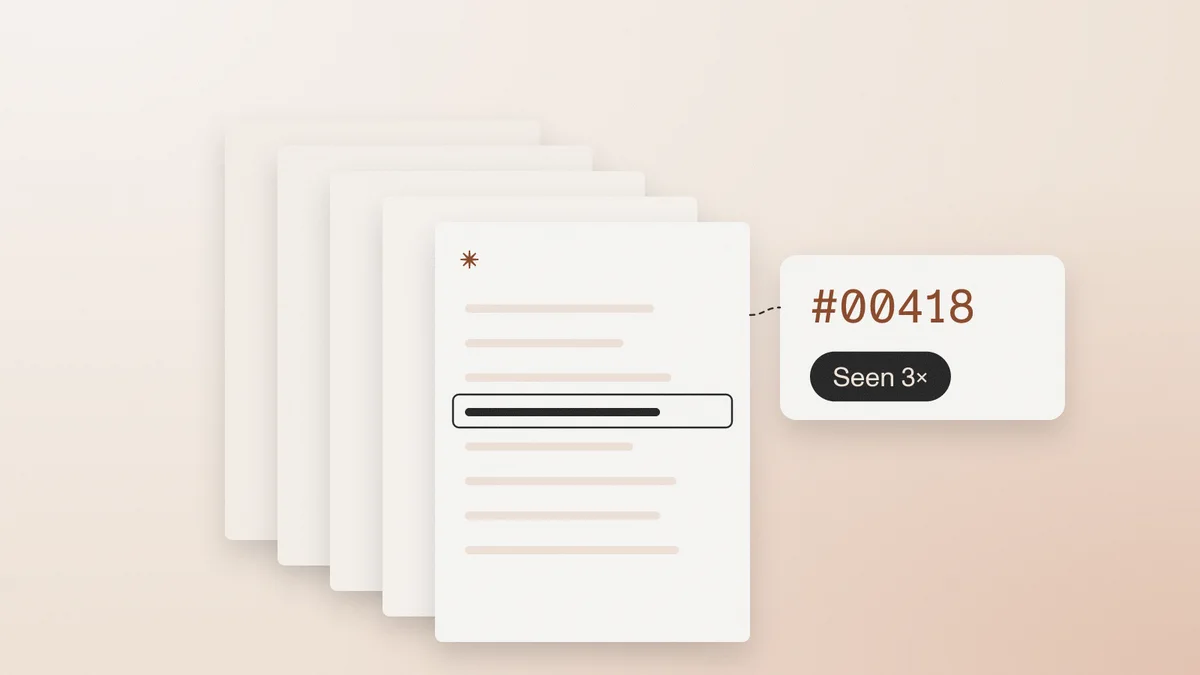
Loan document fraud detection tests bank statements, pay stubs, and tax docs as a package — the red flags underwriters miss on visual review.
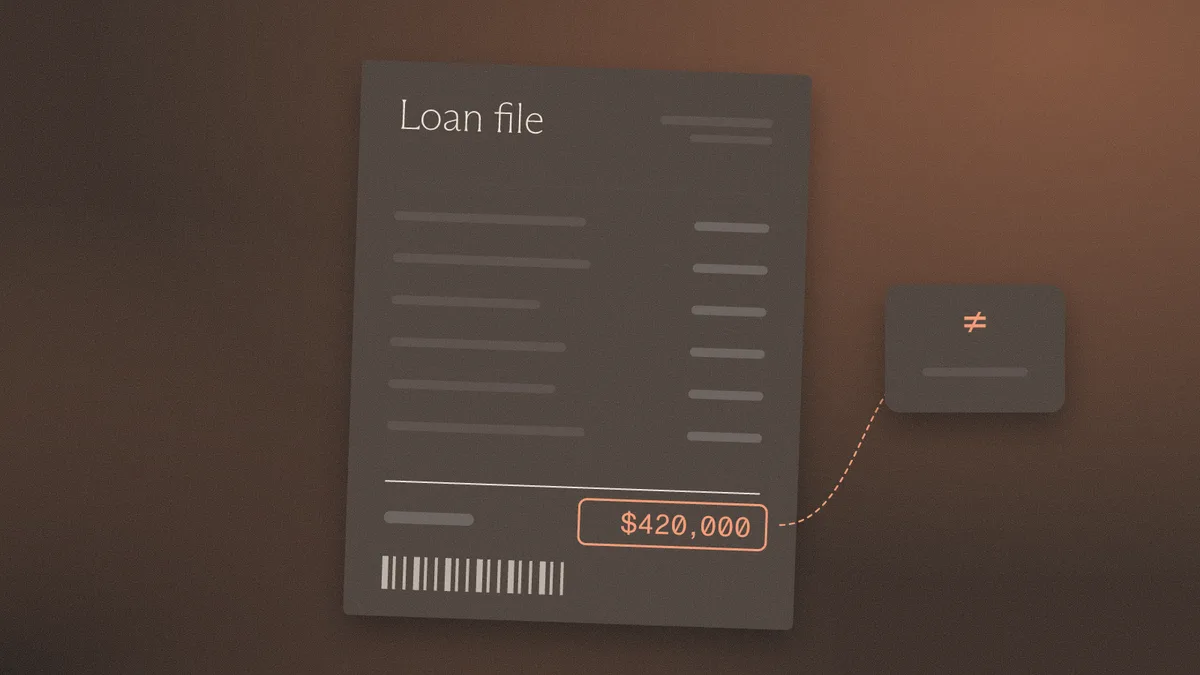
KYB document fraud detection checks certificates, registry extracts, and proof of address as files. Visual review misses edited-after-creation PDFs.

Document fraud statistics from FinCEN, FBI IC3, and FTC — and what those figures miss about edited PDFs, counterfeit templates, and file-level detection.
How to spot a fake certificate of incorporation in KYB: registrar mismatch, edited seals, generated COIs, and serial reuse. Visual review is not enough.
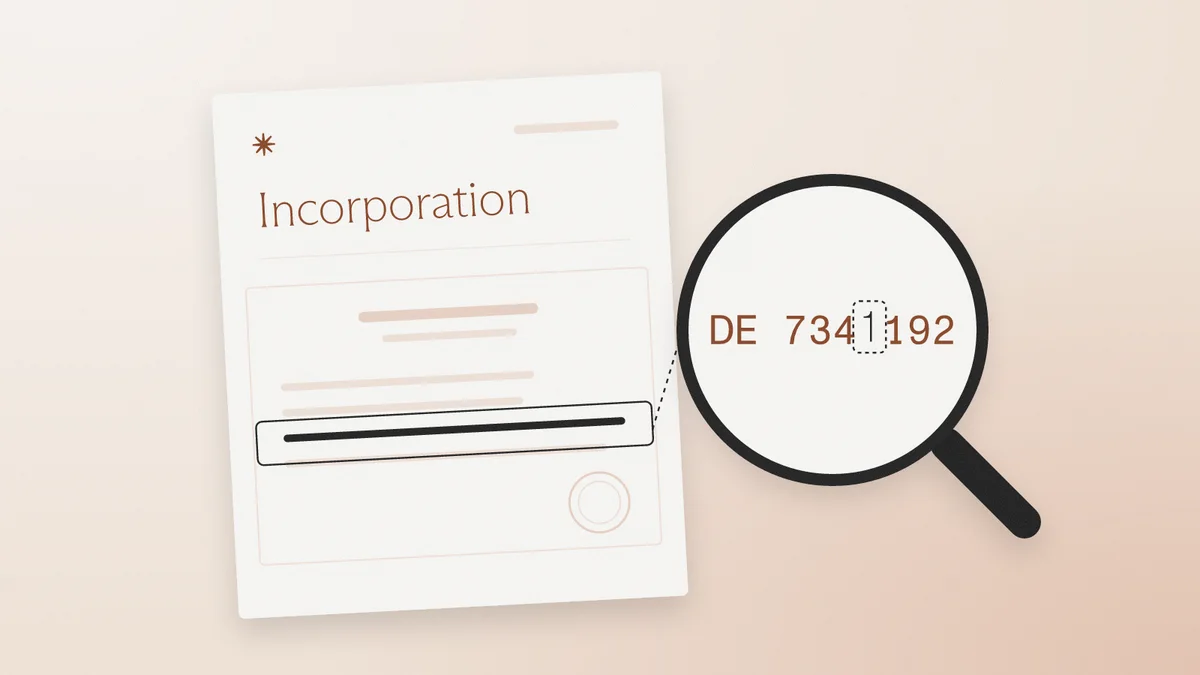
How to detect an AI-generated PDF using metadata, empty Producer strings, model artifacts, and the file history visual review misses.
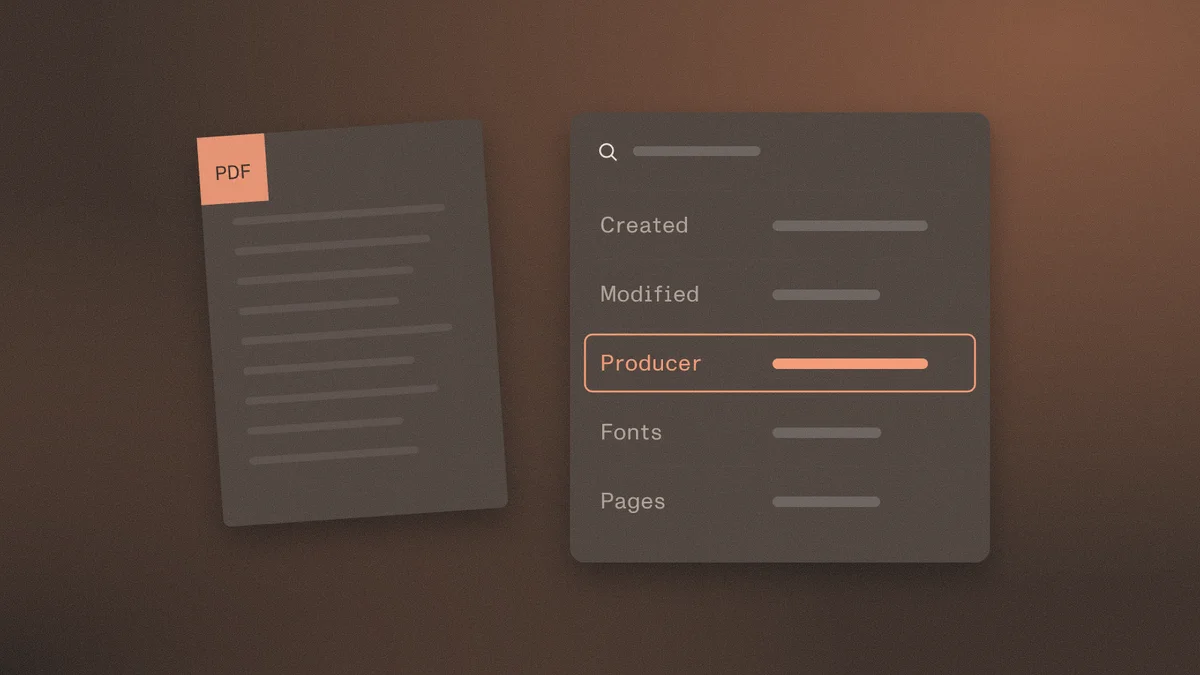
How lenders and onboarding teams spot fake pay stubs: edited vs generated files, deposit cross-checks, and what visual review misses.
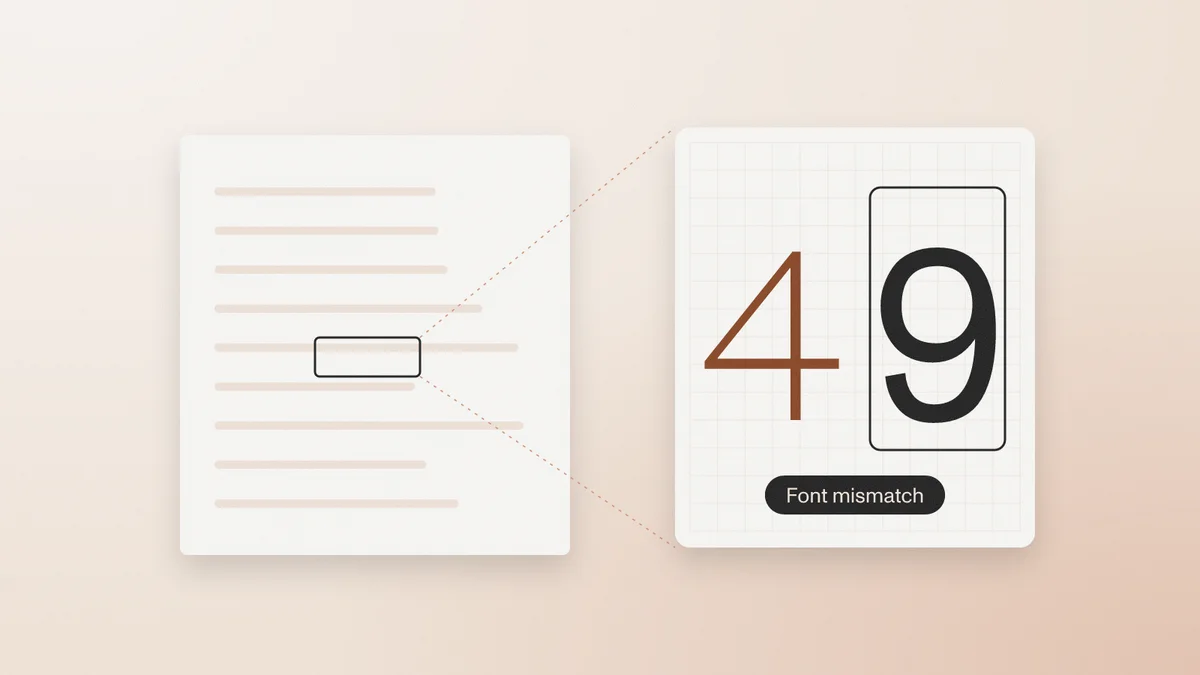
How to spot a fake bank statement: edited-after-creation vs generated-from-scratch, which visual tells still work, and how file history exposes forgeries.
Try another keyword or explore a different topic.