
How to Spot a Fake Letter of Credit
How to spot a fake letter of credit or SBLC: why a standalone PDF is a red flag, tells that still work, and six checks on the file.


TL;DR: Document fraud detection software examines a submitted file for signs that it was edited, templated or generated, and these eight tools differ mainly in document coverage, how much of the verdict they explain, and how they charge. The stakes vary by portfolio: Cotality's 2026 fraud report estimates 1 in 119 US mortgage applications carried indications of fraud in Q2 2026, and says AI has made altered documents harder to identify. Test any shortlist on your own files, because no public benchmark settles the order.
Sphinx wrote this list. The order is an order of fit for one job: a regulated team that wants to examine the file itself, see the evidence behind a verdict, and cover more than one document type. We found no independent benchmark of these commercial products, so the order is not an accuracy ranking, and vendor figures below are each vendor's own.
Document fraud detection software answers one question: was this file made the way it claims? Three neighboring categories get sold under similar words, and buying the wrong one leaves the gap open.
Document forensics tests the bank statement, pay stub or incorporation certificate an applicant uploaded. Identity verification tests whether a person matches a government ID, usually with a selfie and liveness check. Income and data verification goes around the document by pulling the figures from a bank or payroll connection. All three are useful, and verification and fraud detection fail in different places, so an IDV pass says little about the statement uploaded a week later.
This list covers the first category only. Some entries also check IDs or extract data, and those functions are noted where they matter. Regulators have pointed at the file layer too: FinCEN's November 2024 alert reports rising suspicious activity reporting on deepfake media since 2023, and names image metadata review and detection software among the ways institutions identify altered identity documents.
Sphinx Doc Fraud reads how a file was made through six checks: production method, timestamp trail, issuer matching, consistency, model artifacts and recycled patterns. Clean files clear in under 28 seconds, and flagged ones arrive with evidence attached, since a score alone is hard to defend in an audit. Sphinx reports a 94.3% correct verdict. At a $30B+ US bank, 91% of documents cleared and 17% more fraud was caught.
Pricing is $0.45 per document, no seats or platform fee. It suits compliance and onboarding teams, as a standalone check or as one agent in a KYB/KYC workflow, where Sphinx prepares the evidence, applies your SOPs, and produces a traceable recommendation; your team retains final approval. The limit: Sphinx doesn't verify a person's face or a bank connection, so a genuine document belonging to someone else needs a separate control.
Resistant Documents looks at how a document is built rather than what it says, which is why the company describes it as document and language agnostic. It says it runs more than 500 checks per document, trained on over 200 million documents, and returns a Trusted, Warning or High Risk verdict with evidence in under 20 seconds. PDFs and common image formats go through a web interface or API, and verdicts can be customized to a risk appetite. The company also sells transaction monitoring models.
Onboarding and underwriting teams that see unfamiliar documents get the most from that design. The limit follows from it: a check built around construction does not, on its own, reconcile stated income across an application. Teams that need that pair it with content analysis, which is the logic of the Ocrolus integration below.
Inscribe, founded in 2017, focuses on the documents behind lending and account decisions: bank statements, pay stubs, tax forms, business filings. It combines forensic, network, semantic, perceptual, public data and custom signals, then connects findings across every document in an application. Each finding carries a risk level and description, ranked by severity, and an Assistant answers follow-up questions. A July 2026 AWS engineering post co-written with Inscribe puts detection at under 90 seconds.
Banks, credit unions, lenders and fintechs with underwriting or account-opening queues are the natural buyers, and integrations cover loan origination systems. Pricing is custom by volume and features across two plans, with a complimentary pilot. The limit is that evaluation runs through that sales and pilot process, and the deliberate focus on financial documents means teams with unusual document types should confirm coverage first.
Fortiro, founded in 2021 and based in Melbourne, sells Fortiro Protect. It offers 140+ configurable fraud rules and 500+ fraud indicator checks, including third-party lookups to government data sources, across PDFs, scans, photographs and screenshots. Investigators see indicators overlaid on the page, with hidden or replaced text surfaced. Processing takes around 30 seconds, the company is ISO 27001 certified, and it says it does not retain documents beyond initial processing. Protect is also available on FICO Marketplace.
It suits lenders, insurers and fintechs in Australia, New Zealand and North America, particularly risk teams that want control of alert rates. The limit is the other side of that control: rules and thresholds need an owner. Pricing is an annual subscription based on features and document count, so low or irregular volumes may fit less well, though trials and proof of value are available.
Ocrolus is a workflow and analytics platform for lenders, built around cash flow and income-based underwriting. Detect is its fraud layer for bank statements, pay stubs and W-2s, and returns an Authenticity Score or high, medium and low categories, with flags and reason codes. In October 2026 Ocrolus integrated Resistant AI's forensic engine into Detect, so a lender can weigh what a document says alongside how it was created, as The Paypers reported.
The fit is strongest for lenders who want extraction, underwriting analytics and fraud flags from one vendor through an API or dashboard connected to a loan origination system. The limit is scope. Detect is designed around income and financial documents in lending, so a KYB team reviewing formation documents would look elsewhere, and a buyer wanting only forensics can compare going to the engine's maker directly.
Thumbprint scores each PDF bank statement from 1 to 1,000, usually in under five seconds, and lists the contributing factors. Two models feed the score: one checks whether the statement agrees with itself, and the other compares it against verified statements from the same bank. MoneyThumb says the approach holds up after a file has been re-saved, because it reads content and layout rather than relying on metadata. It is SOC 2 Type II compliant and says it never trains on customer data.
Merchant cash advance funders and small-business lenders are the stated audience, and Thumbprint comes with statement parsing on consumption pricing, with plans from $599.95 a year. The limit is the scope of the product: it is built for bank statements. Pay stubs, certificates and other files sent to a compliance team need another check.
VerifyPDF runs metadata, content layer, font, AI-generation, issuer and consistency checks in about five seconds, then returns a trust score, a fraud-risk rating and the warnings behind them. It also checks IDs from a photo or scan. Pricing is published in detail: $19 a month for 150 verifications and one user, $99 for 1,000 with the REST API and unlimited users, and custom above that, all with a 15-day free trial.
Its audience is broad, from lenders and fintechs to recruiters and real estate, and small teams can be running the same day. The limit is that its financial-document checks work best on originals: VerifyPDF asks for the source PDF rather than a scan or screenshot so metadata stays intact, and applicants don't always send one. Regulated buyers should also request whatever attestations vendor review requires.
Doxis AI.dp is the former Klippa DocHorizon. SER Group, now Doxis, acquired Klippa in March 2025, and the product took its new name in March 2026. It is an intelligent document processing platform covering OCR, classification and conversion, with a fraud component offering metadata, validity, visual and AI analysis options, plus PDF modification detection and a risk score. Results can export to 200+ systems.
Operations teams already automating invoices, expenses or claims can add fraud signals without a second vendor. The limit comes from its documentation: fraud analysis doesn't support Word or Excel files, and copy-move detection is for images only and may produce false positives on an image of a PDF page. Fraud is one component here rather than the whole product, so a team whose main job is forensics should test depth carefully.
Vendor prevalence figures measure each vendor's own traffic with its own definitions, so they cannot be lined up. Inscribe reports about 6% of documents flagged as fraudulent in 2025. Resistant AI says 1 in 10 financial documents is high-risk and 1 in 3 is tampered with. Ocrolus says 12% of loan applications it processes contain suspicious activity. Cotality's estimate, 0.84% of mortgage applications, comes from a different population and counts applications rather than files.
None of these is necessarily wrong. Documents and applications are different denominators, a re-saved PDF is tampered with in a technical sense without being a fraud, and a lender's mix of products shifts everything. The same caution applies to every "more fraud caught" claim on this page, Sphinx's included: ask what it was compared against, and on whose documents.
Your own files will tell you more than any list, and research backs that up. The DocForge-Bench study tested 14 published detection methods across eight datasets and found tampered regions cover only 0.27% to 4.17% of pixels in document images. None of those research methods worked reliably out of the box, largely because default thresholds were miscalibrated. Those were academic models rather than the products above, but the lesson carries: performance on someone else's documents doesn't transfer automatically.
Build a test set of known-clean files plus known-bad ones your team has already caught. The tells in the guides to a fake bank statement and a fake pay stub will help you label them. Then ask each vendor the same questions:
Run the false-positive question as seriously as the catch rate. A tool that flags every re-saved PDF moves your review queue rather than shrinking it. Sphinx's free playground is one place to start on your own files, and the same test set will work on any vendor's pilot.
Document fraud detection software examines submitted files such as bank statements, pay stubs and business filings for signs of editing, templating or AI generation. It looks at file structure, metadata, fonts, visual artifacts and internal consistency, then returns a verdict or risk score. It complements identity verification, which tests whether a person matches an ID.
Published prices on this list include $0.45 per document at Sphinx, $19 a month for 150 checks at VerifyPDF, and MoneyThumb plans from $599.95 a year. Inscribe and Fortiro price by document volume and features, with quotes on request. Compare cost at your real volume, since platform fees and annual commitments change the math.
Most of the tools here say they flag AI-generated files, but ask for evidence on your own samples, since research datasets lag new generators. AI is also only part of the problem. Inscribe's 2026 report put AI-generated files under 5% of the fraudulent documents it detected in 2025, with templates still more common, and said AI-edited documents are hard to measure in aggregate.
A flag does not prove fraud. An edit after issuance shows the file changed, and an applicant who re-saved or redacted a statement can trigger the same signal as a forger. A reviewer still has to weigh intent and whether the changed field matters to the decision, which is why evidence behind a verdict is worth more than the score.
Several vendors offer a way in. Sphinx has a free playground, VerifyPDF offers a free online PDF check and a 15-day trial, Inscribe offers a complimentary pilot, and Fortiro offers trials and proof of value. Use files you are permitted to share, and check each vendor's data retention terms before uploading customer documents.
How to spot a fake letter of credit or SBLC: why a standalone PDF is a red flag, tells that still work, and six checks on the file.
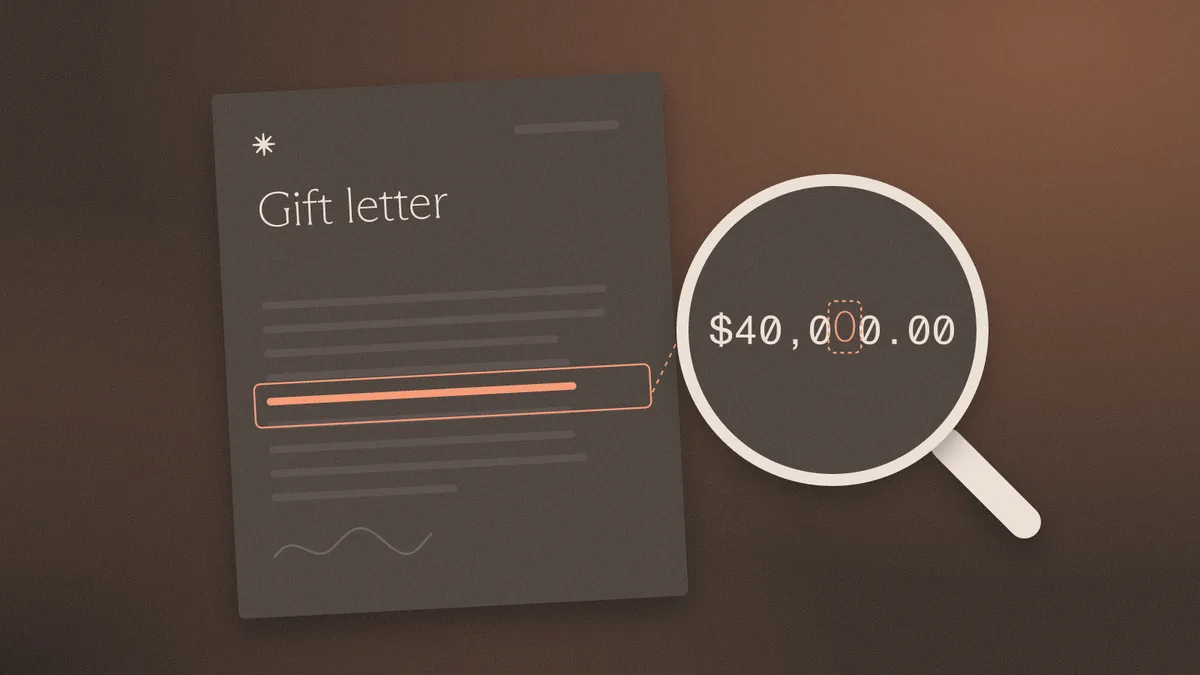
How to spot a fake gift letter: disguised loans, interested-party money, and how to verify the donor's transfer against Fannie Mae and FHA rules.
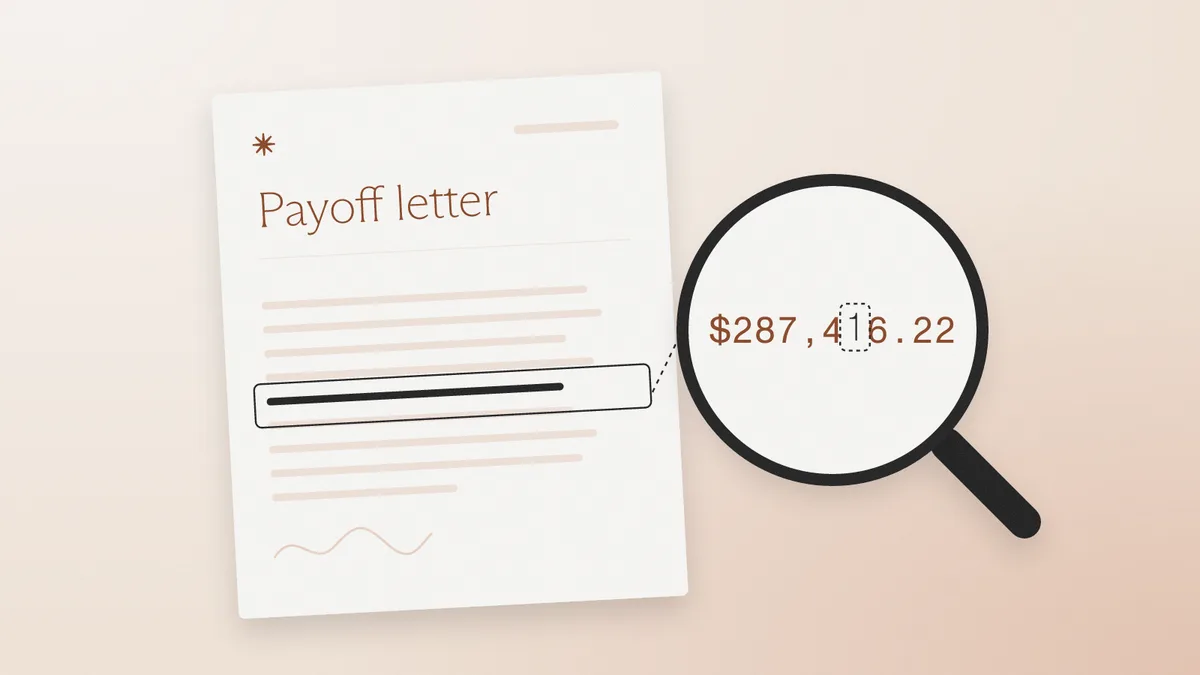
How to spot a fake payoff letter: altered wiring instructions, the tells that fail, and six checks on the file before the payoff wire goes out.
How to spot a fake certificate of trust: edited trustee names and powers, notary checks, beneficial ownership, and six checks on the file.
How to spot a fake shareholder register: edited percentages under the 25% UBO line, cap tables vs. registers, and the checks that catch them.

How to spot a fake crypto exchange statement: edited PDFs, CSV exports, on-chain withdrawal checks, and six checks on the file.
How to spot a fake credit card statement used for proof of address, debt verification, or source of funds: edited balances, broken math, file checks.
Spot a fake W-8BEN by reading foreign status, the treaty claim, and the file. The IRS publishes a blank and does not certify the form.

How to spot a fake partnership agreement: edited partner lists, signature blocks never executed together, and no state filing for a general partnership.

How to spot fake corporate bylaws: rules that contradict the articles, adoption before incorporation, and a template reused across companies.
How to spot a fake stock certificate offered as KYB ownership evidence, when the ledger matters more than the vignette.

A Schedule K-1 reports a partner's share of income. Capital-account math, form year, and an IRS transcript catch edited and generated fakes.
A fake 1099 is an information return edited after creation or generated from scratch. Match it to the IRS wage and income transcript.
How to spot a fake employment verification letter: edited versus generated files, the tells that fail, and six checks on the file.

Spot a fake mortgage statement by confirming principal, amount due, due date, and rate with the current servicer.
Spot a fake W-9 by matching the line 1 name and TIN. The IRS publishes a blank form and does not seal a completed one.
Spot a fake merchant statement by rebuilding amount processed from the fee lines and confirming the merchant ID with the processor.
Spot a fake DBA certificate in the county index: file number, registrant, and expiration. A filing is not good standing.
Spot a fake board resolution by checking that the certifier is not the empowered signer and that the resolution date comes first.
Spot a fake certificate of incumbency by checking the certifier and the state's officer list. A seal does not prove the offices.

How to spot a fake brokerage statement used as proof of assets, and why file history beats a clean layout.
How to spot fake articles of organization by matching the file number and filing receipt to the state record before the account opens.
A wire confirmation is a claim that money moved. Edited and generated payment advice fail file checks. The posted credit is the proof.
How to spot a fake bank reference letter: the relationship claim, the signatory, and the edit history. Letterhead is cheap to copy.
How to spot a fake operating agreement in KYB: edited member schedules, swapped signature pages, and ownership that does not match the file.
Spot a fake certificate of good standing by checking the as-of date, file number, and post-download edits.
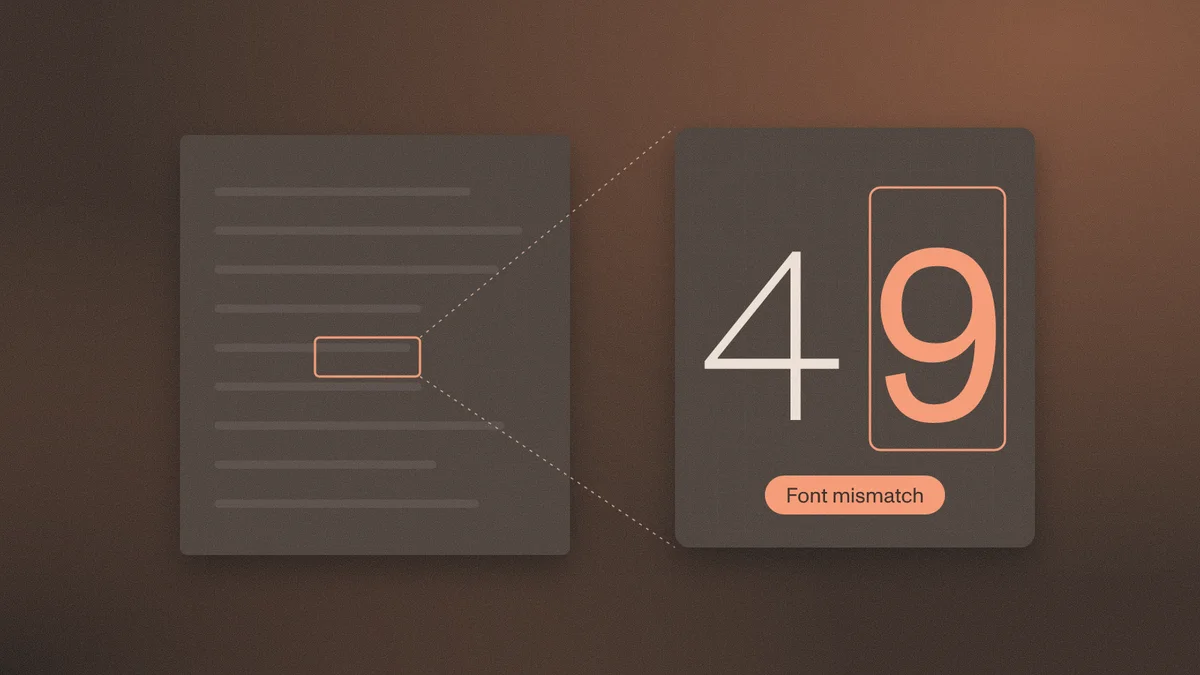
How to spot a fake voided check using file history, routing match, and account control. A VOID mark misses edited and generated files.

Verification reads the page and matches the applicant. Fraud detection reads the file. What each misses, how to evaluate each, and when you need both.

PDF metadata analysis for fraud detection: Info dictionary, XMP, timestamps, producer strings, incremental updates, and what each can and cannot prove.
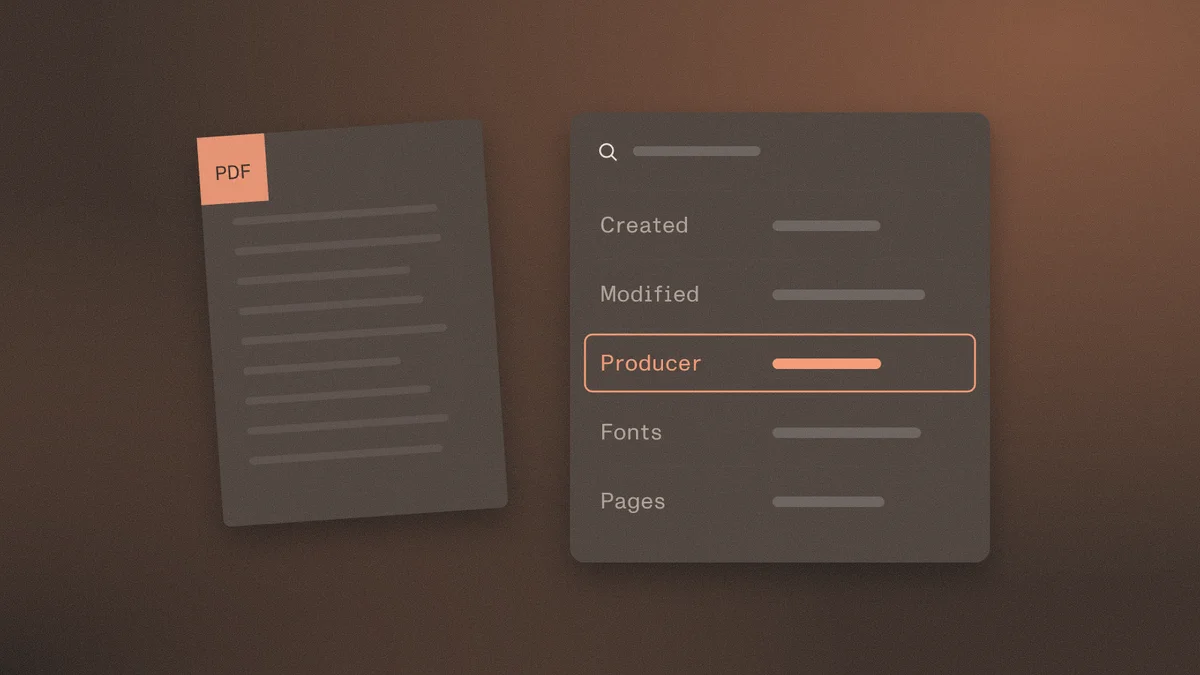
How to spot fake financial statements in SMB lending and KYB: inflated revenue, fake auditor letters, 4506-C and bank reconciliation, six file checks.
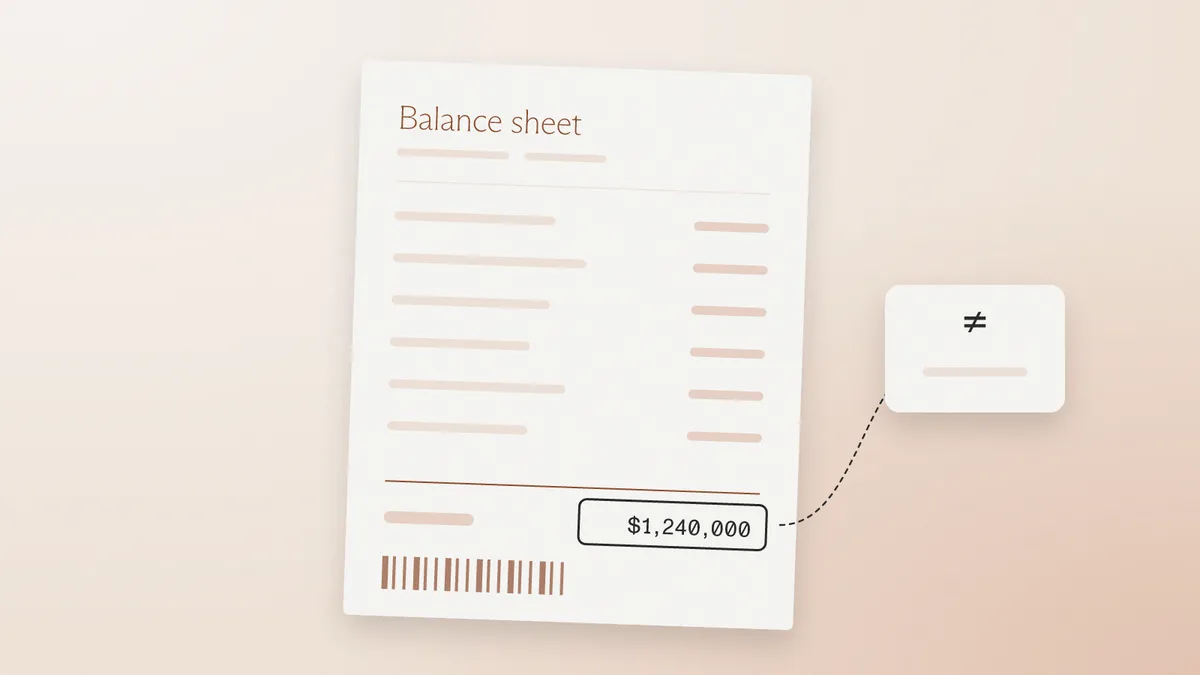
How to spot a fake certificate of insurance: why an ACORD 25 confers no rights, the tells that survive, carrier and NAIC lookups, and the six file checks.
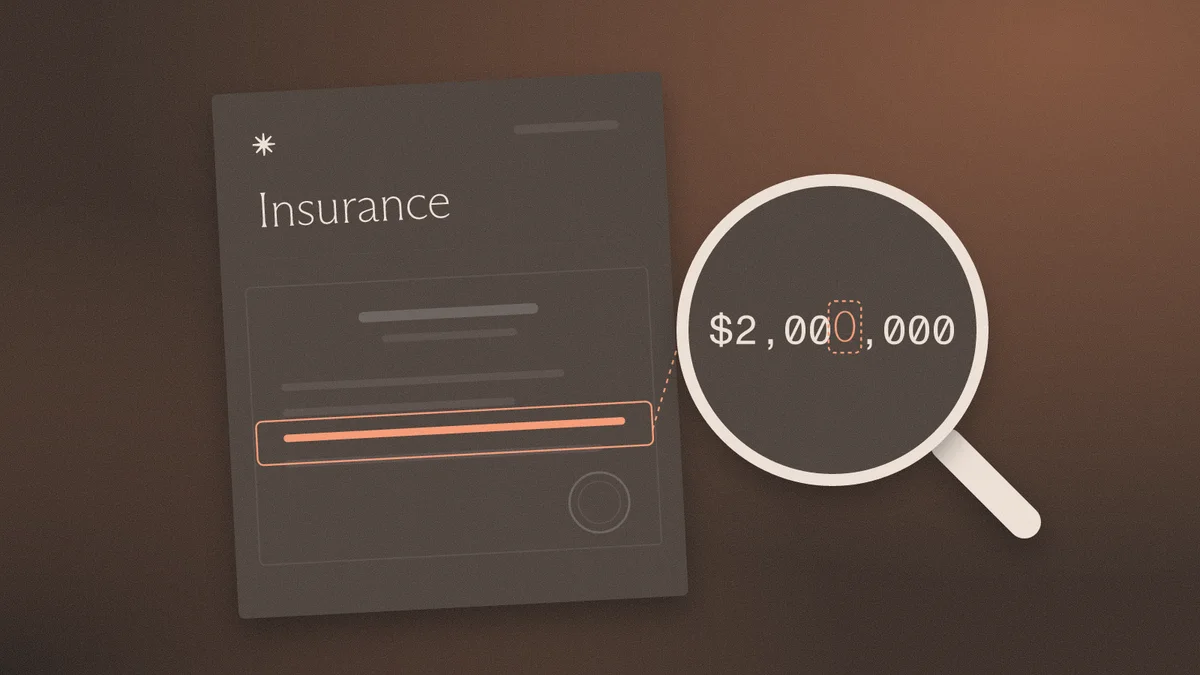
How to spot a fake lease agreement in KYC, mortgage, and KYB review: landlord, date, rent, and disclosure tells, plus the six file checks that settle it.

How to spot a fake proof of funds letter in lending, real estate, and escrow: the tells that work, the six file checks, and how to verify with the bank.
How to spot a fake EIN confirmation letter: what a real CP 575 or 147C contains, the tells that survive, IRS TIN Matching limits, and the six file checks.
How lenders and onboarding teams spot fake 1040s, W-2s, and IRS transcripts: line-item tells, edited vs generated files, and the Form 4506-C break-test.
How to spot a fake invoice in factoring, trade finance, and AP: the tells that still work, the six file checks, and the debtor break-test that settles it.
Should compliance teams accept screenshots of bank statements? What a flattened PDF loses, which fraud checks still work on images, and how to set policy.
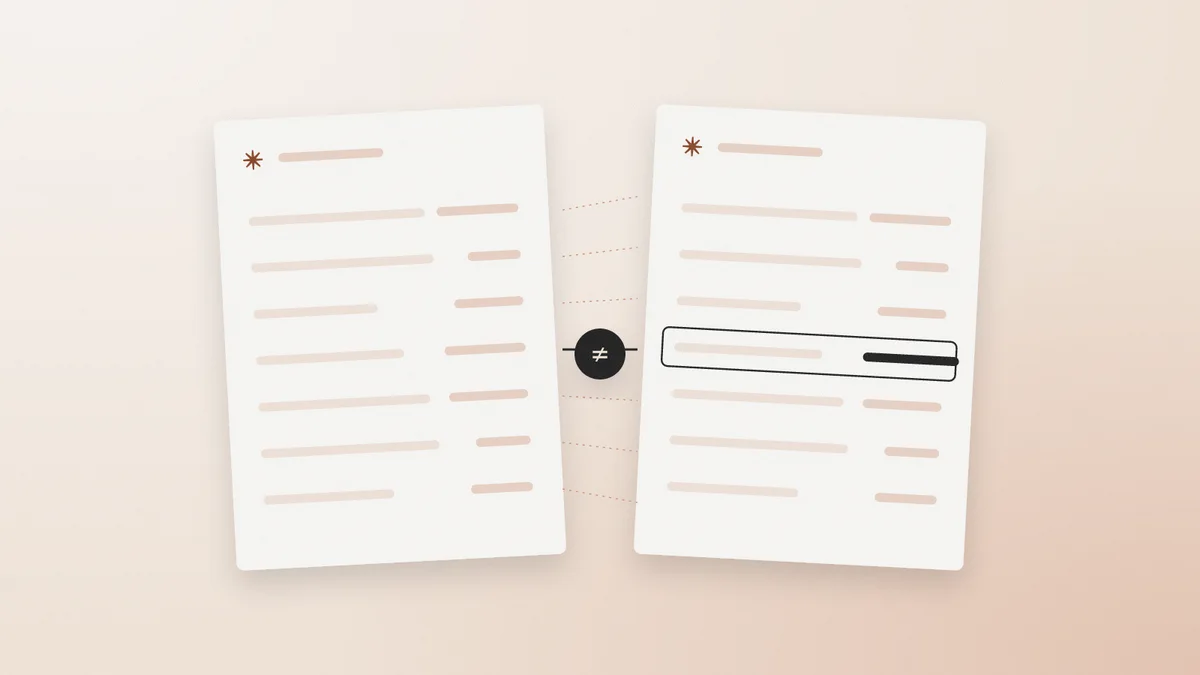
Explainable document forensics shows where a file was altered, what it said before, and how the examiner knows. Why a fraud score alone fails audit.
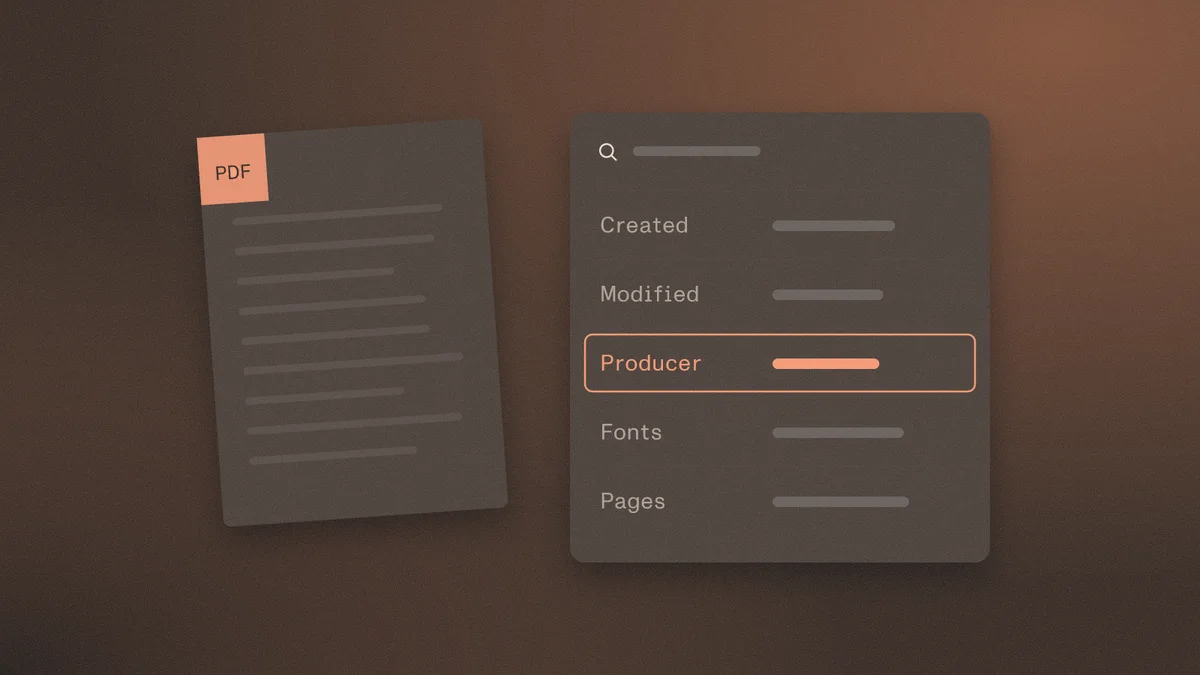
How KYC, KYB, rental, and lending teams spot fake utility bills used as proof of address: edited vs generated files, tells that work, six file checks.

How fake document templates and template farms work, why template-made files have no issuance history, and how to detect them in KYC and lending.
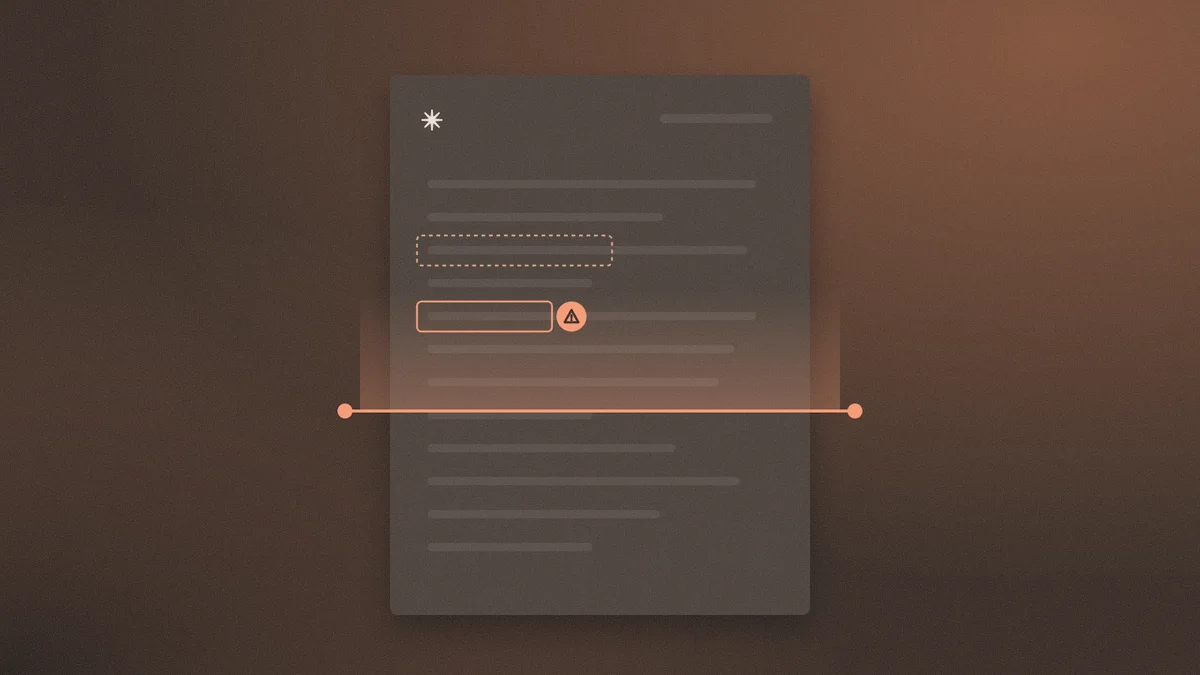
Serial document reuse detection catches one statement, stub, or ID recycled across unrelated applicants. Why single-file review misses it.
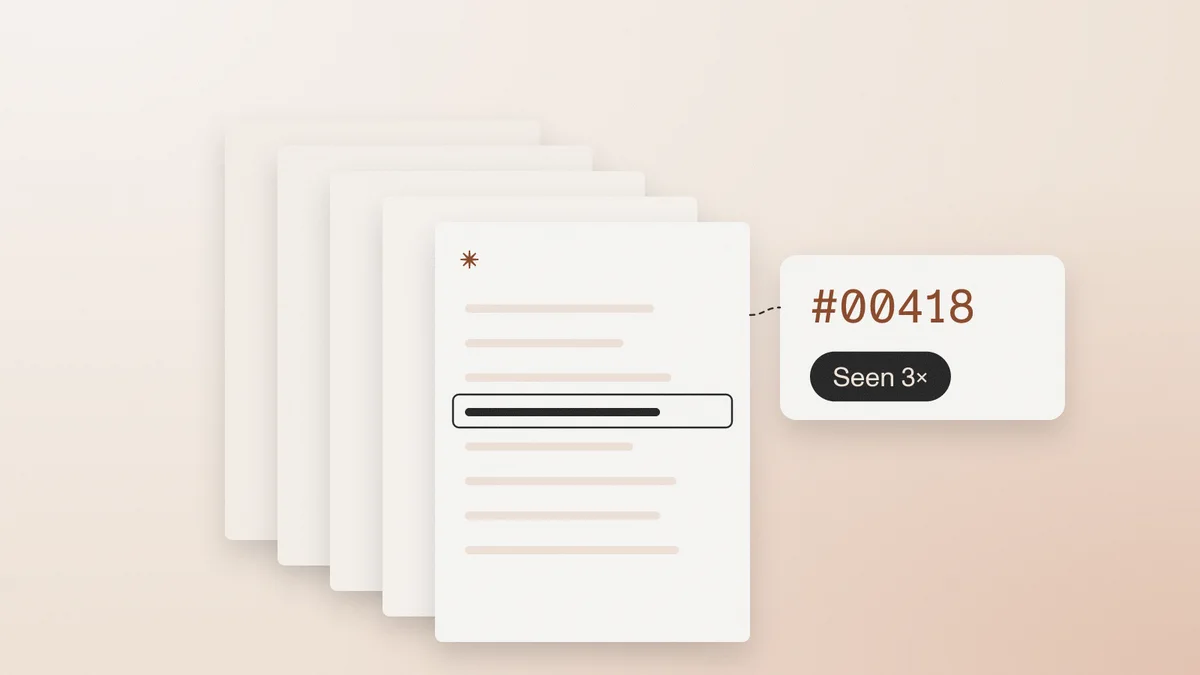
Loan document fraud detection tests bank statements, pay stubs, and tax docs as a package — the red flags underwriters miss on visual review.
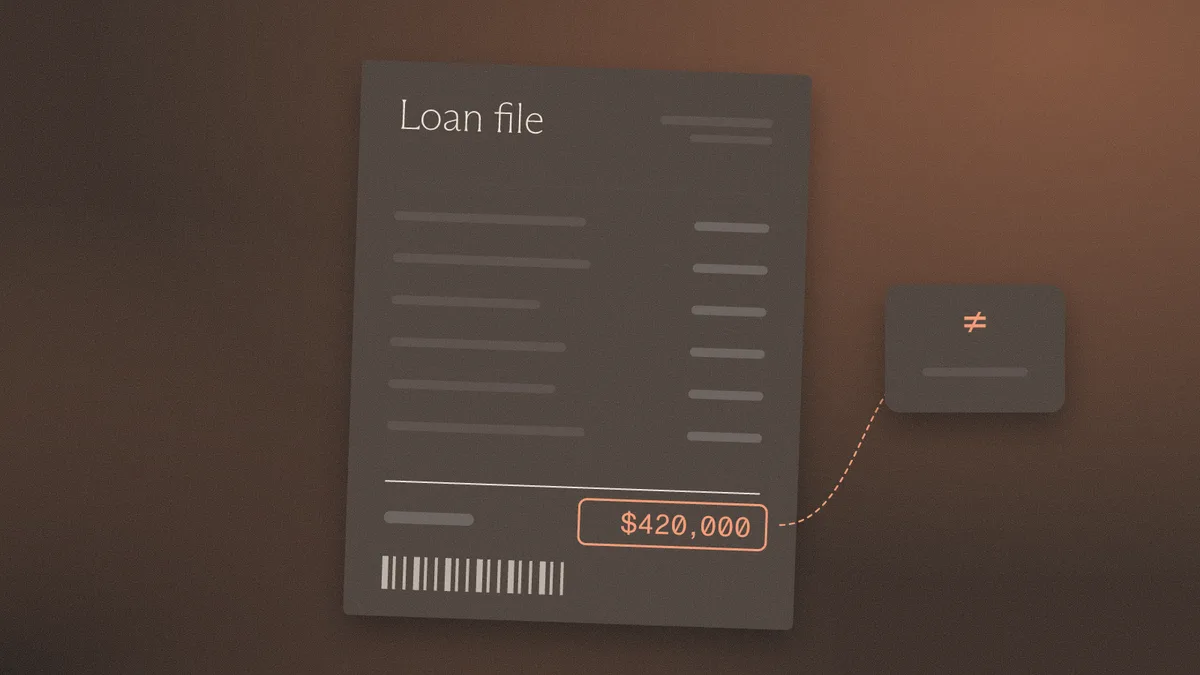
KYB document fraud detection checks certificates, registry extracts, and proof of address as files. Visual review misses edited-after-creation PDFs.

Document fraud statistics from FinCEN, FBI IC3, and FTC — and what those figures miss about edited PDFs, counterfeit templates, and file-level detection.

How to spot a fake certificate of incorporation in KYB: registrar mismatch, edited seals, generated COIs, and serial reuse. Visual review is not enough.
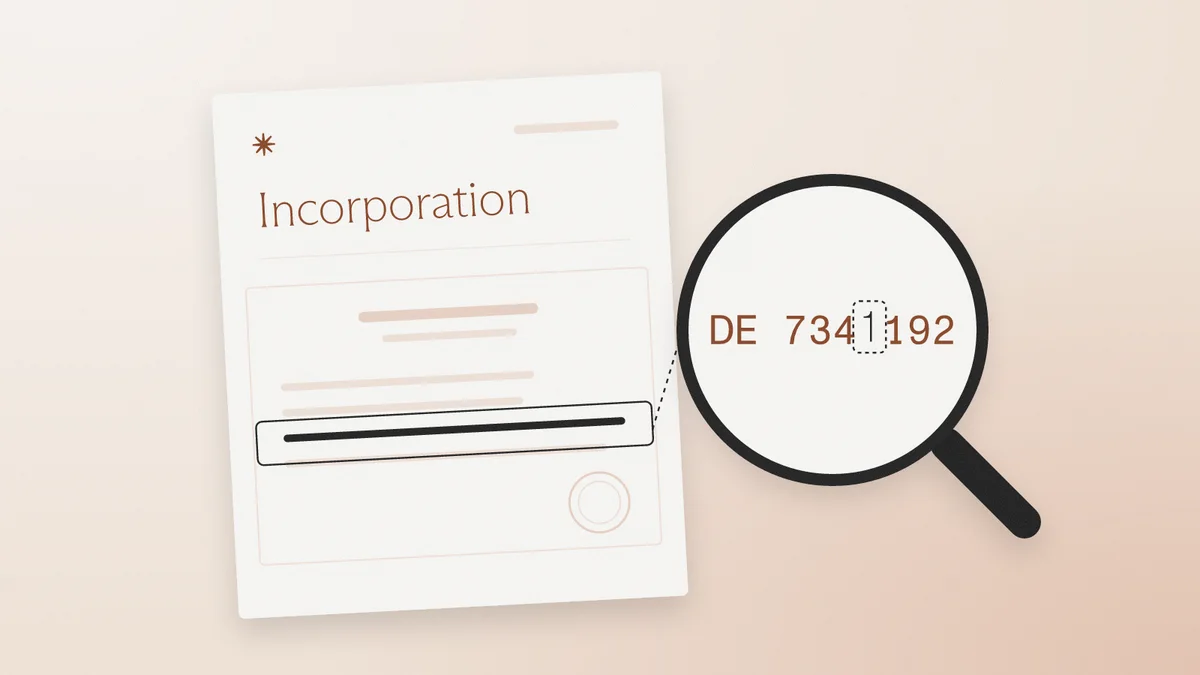
How to detect an AI-generated PDF using metadata, empty Producer strings, model artifacts, and the file history visual review misses.
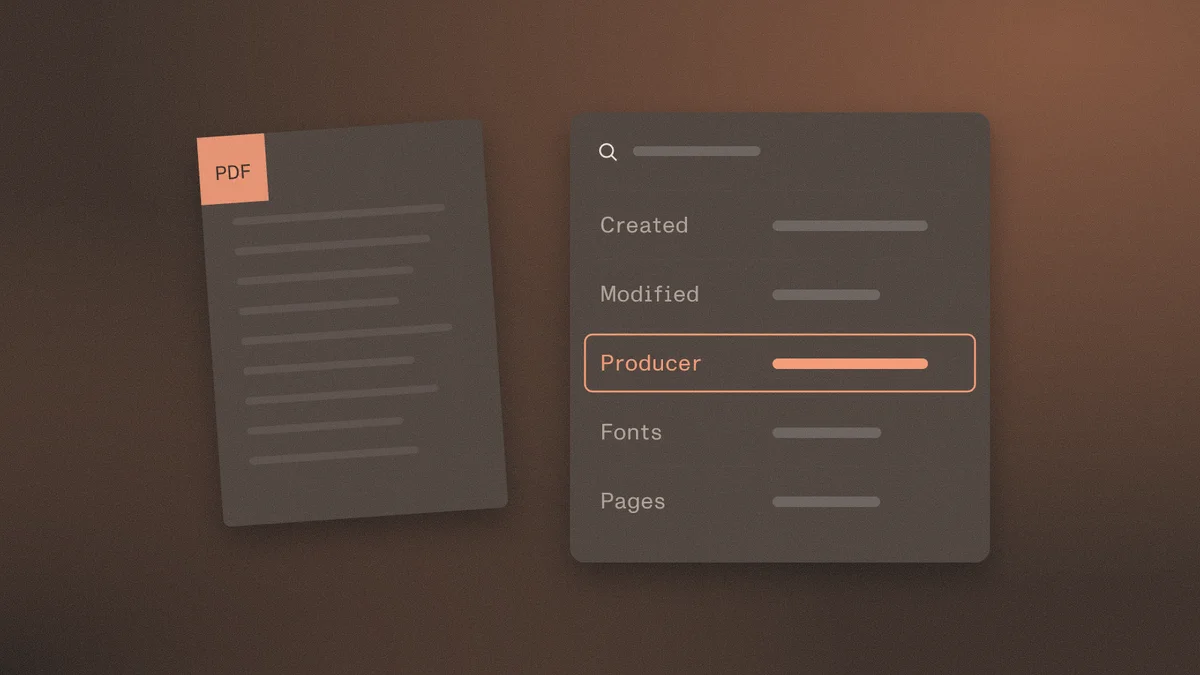
How lenders and onboarding teams spot fake pay stubs: edited vs generated files, deposit cross-checks, and what visual review misses.

How to spot a fake bank statement: edited-after-creation vs generated-from-scratch, which visual tells still work, and how file history exposes forgeries.
Try another keyword or explore a different topic.