
Inscribe Alternatives: Why Buyers Look Elsewhere and Who Fits
Six Inscribe alternatives, sorted by what a buyer needs: work after the flag, document mix, data terms, pricing and how edits get caught.

TL;DR: Resistant AI sells two products: Resistant Documents, a file forensics engine it says is trained on more than 200 million documents, and Resistant Transactions, a model layer for existing transaction monitoring. Four gaps can send a buyer elsewhere: they need the content checked as well as the file, a per-document price, the flagged case worked rather than scored, or monitoring on different rails. The right alternative depends on which reason is yours, and one common option, Ocrolus Detect, runs on Resistant AI's engine.
Sphinx wrote this list and appears first on it; the entries come from vendors' public pages, documentation and press read in November 2026, and the numbering is an order of fit for a buyer leaving or comparing Resistant AI, not a ranking of quality.
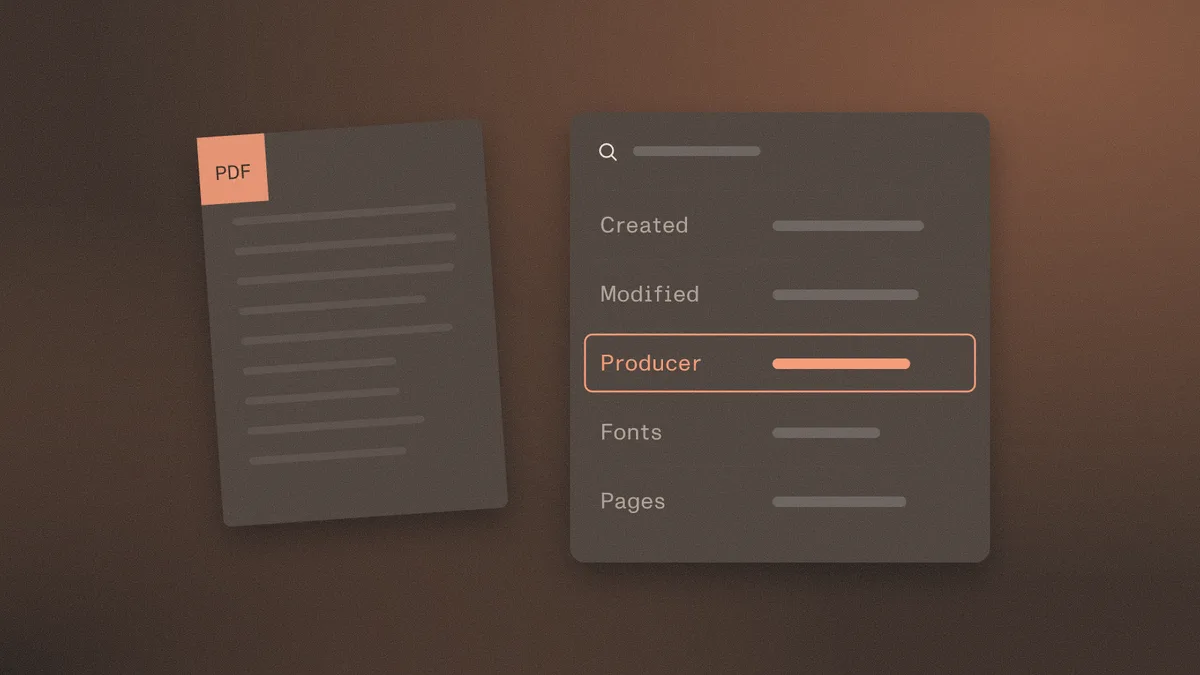
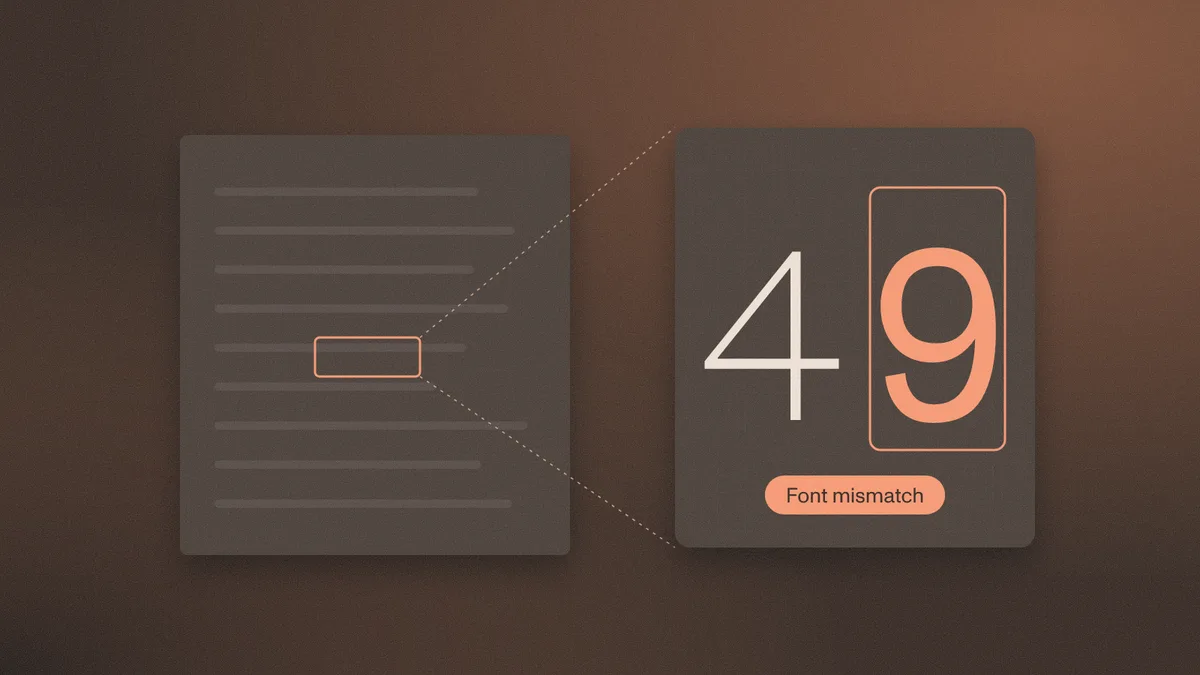
Resistant Documents examines how a file was built rather than what it says. Resistant AI describes more than 500 checks per document across metadata, internal structure, fonts and pixel consistency, with results in under 20 seconds on PDFs and images. Because the engine does not need to recognize a document or read it, the same checks run on an unfamiliar form in any language, and that is a real advantage for a team taking files from many countries. Results come back as a verdict of Trusted, Warning or High Risk with indicator-level evidence, through a drag-and-drop interface or an API. Documents are also compared with each other to find reuse and template farms. All of those figures are the vendor's own.
Resistant Transactions is the second product. It adds more than 80 models to a rules-based monitoring system: supervised, link analysis, behavior change, threat propagation and clustering models, returning insights in under 200 milliseconds to a home-grown or vendor case manager. Replacing the existing system is not required. Experian, a strategic investor since July 2025, built on this work for Transaction Forensics, launched in April 2026 for UK businesses on Faster Payments, BACS and CHAPS. Experian's release cites a pilot with a 200% increase in APP fraud detection and an 80% reduction in false positives.
Four reasons follow from what Resistant AI publishes about its products. Each comes from a design choice, and for some teams those same choices are the reason to stay.
One more thing to check before you switch: some products that look like alternatives are distribution for the same engine. Ocrolus Detect uses Resistant AI's forensic layer, and Experian offers Resistant Documents in Australia and New Zealand through its Ascend platform. Moving to either changes the workflow around the forensics more than the forensics themselves.
The first five are for a buyer comparing Resistant Documents. The last two address Resistant Transactions, since no vendor here matches that pairing one for one.
Sphinx Doc Fraud runs six checks: production method, timestamp trail, issuer matching, consistency, model artifacts and recycled patterns. A $30B+ US bank reported 91% of documents cleared and 17% more fraud caught. It costs $0.45 per document with no seats or platform fee, and you can test your own files free in the playground. Doc Fraud also runs as one agent inside the KYB and KYC workflow, where Sphinx's AI analysts log into your existing tools, gather evidence, apply your SOPs and produce a traceable recommendation. Your team retains final approval.
The fit is a team that wants the next step done as well as the score. On monitoring, Sphinx reviews alerts your system already raises.
The limits are real. With 1M documents processed, its pattern history is far smaller than the 200 million Resistant AI cites, which matters for serial fraud. It does not verify faces, connect to bank accounts or score payments in real time.
Inscribe combines forensic, network, semantic and perceptual analysis, which answers the first reason buyers look elsewhere: it reads what the document says as well as how it was made. The focus is on documents that move money, such as bank statements, pay stubs and tax forms, across underwriting and account opening. It also sells document parsing and credit insights, and its loan-focused page cites about 72 seconds per document.
The fit is a bank, credit union or fintech whose risk sits in financial documents and who would value parsing and fraud review from one vendor.
The limit follows from that focus. A team receiving a wide spread of unfamiliar international forms should test coverage on its own files, which the complimentary pilot allows. Pricing is custom, and we found no transaction monitoring product.
Fortiro analyzes the content, visual, metadata and digital forensic properties of a document and returns a fraud risk score, with an investigator view of the indicators on the page. Files go through drag and drop or an API, in around 30 seconds by its account, on payslips, bank statements, tax documents and invoices. Scoring and rules are configurable, so a team can tune alert rates itself. It says it does not retain documents beyond the initial processing period, and holds ISO 27001.
The fit is a lender, particularly an Australian one, whose main exposure is falsified income. Its recent public announcements center on that market.
The limit is commercial and geographic: products are sold on annual subscription, and buyers elsewhere should ask for evidence on their own country's issuers. Fortiro offers trials and proof of value for that purpose.
Ocrolus Detect is listed here with a caveat: since October 2026 its forensic layer is Resistant AI's engine. Ocrolus adds math checks on supported documents, including W-2s, pay stubs, bank statements and many tax forms, and merges both sources into one Authenticity Status with reason codes. Underwriters can see results in the Ocrolus platform or inside Encompass, and fraud detection is now included for Ocrolus mortgage customers.
The fit is a lender that wants what Resistant AI does plus income math, in the place underwriters already work.
The limit is independence. If your reason for leaving is the forensic signal itself, this will not change it. Ocrolus's documentation also says serial fraud and template reuse detection is due in early 2027, so ask how that works today.
Klippa, acquired by SER Group in March 2025, now sells its platform under the Doxis name. Doxis AI.dp extracts data from more than 100 document types and adds fraud checks in four groups: metadata, validity, visual and AI analysis. The validity checks compare line items, totals and VAT, and results connect to more than 200 systems. It describes itself as GDPR compliant on ISO-certified servers.
The fit is an operations team that needs extraction first and fraud checks alongside it, such as accounts payable or claims.
The limit for a dedicated fraud team is that the fraud component is one part of a document processing platform. Its documentation also states that Word and Excel files return an empty fraud output.
Hawk's AML AI Overlay is the closest structural match to Resistant Transactions. It analyzes all transactions, flagged or not, with custom models, scores each for false-positive and suspicious-behavior likelihood, and returns explanations to your case manager. Hawk cites up to 70% fewer false positives and offers VPC, Hawk cloud and on-premise deployment. It also sells full monitoring and an AML Investigative Agent, so it can replace a legacy system instead.
The fit is a bank that wants overlay detection from a vendor that could also become its core system. Choosing Hawk does not rule out adding Sphinx later, since Sphinx works the alerts a monitoring system raises.
The limit is scope: we found no document forensics, so a team buying both Resistant products from one vendor would need a second one here.
Theta Monitor uses an ensemble of more than 20 algorithms, with unsupervised models that flag anomalies without labeled examples or thresholds. ThetaRay's Ray agent assembles and documents cases, and the company says Ray can layer over any detection engine and case manager. Its published path runs from overlay to parallel testing to full conversion, with rules retired only after side-by-side validation.
The fit is an institution with cross-border flows that sees an overlay as a first step, not the end state.
The limit is that the published path points toward replacing your rules. If you want a permanent overlay, confirm that in the contract discussion. We found no document forensics product either.
A short test on your own files will tell you more than any vendor table, including this one. FinCEN's data gives a reason to include counterfeits in that test: in its 2024 analysis of mail theft-related check fraud, covering 15,417 BSA reports and more than $688 million in suspicious activity, 26 percent of stolen checks became templates for counterfeits and 44 percent were altered. FinCEN has also flagged rising reports of GenAI identity documents, so your sample should hold both edited originals and files generated from nothing.
For document forensics, the main alternatives are Sphinx Doc Fraud, Inscribe, Fortiro and Doxis AI.dp, formerly Klippa. Ocrolus Detect is often listed too, but it uses Resistant AI's forensic engine. For transaction monitoring, Hawk's AML AI Overlay and ThetaRay's Theta Monitor do similar work to Resistant Transactions.
Resistant AI does not publish a rate card and says pricing depends on document volume and other factors. Marketplace listings show channel prices that do not match each other, so ask for a quote at your volume.
Yes. Resistant Transactions adds more than 80 models to an existing rules-based monitoring system and returns insights to the case manager in under 200 milliseconds, by the company's account. It does not require replacing that system. Experian's Transaction Forensics, launched for UK businesses in April 2026, was developed with Resistant AI.
Only partly. Since October 2026, Ocrolus Detect has used Resistant AI's Documents engine for file-level forensics and added its own math checks on supported documents. Choosing Detect changes the workflow and adds content checks, but the forensic layer comes from the same engine.
On documents, it can: Sphinx Doc Fraud examines the file and returns a verdict with evidence at $0.45 per document. Its pattern history is smaller, so test serial fraud on your own data. On monitoring, Sphinx does not replace Resistant Transactions, because it reviews alerts rather than generating them.
Six Inscribe alternatives, sorted by what a buyer needs: work after the flag, document mix, data terms, pricing and how edits get caught.
Eight document fraud detection tools compared by what they test, how they explain a verdict and how they price.

How to spot a fake letter of credit or SBLC: why a standalone PDF is a red flag, tells that still work, and six checks on the file.
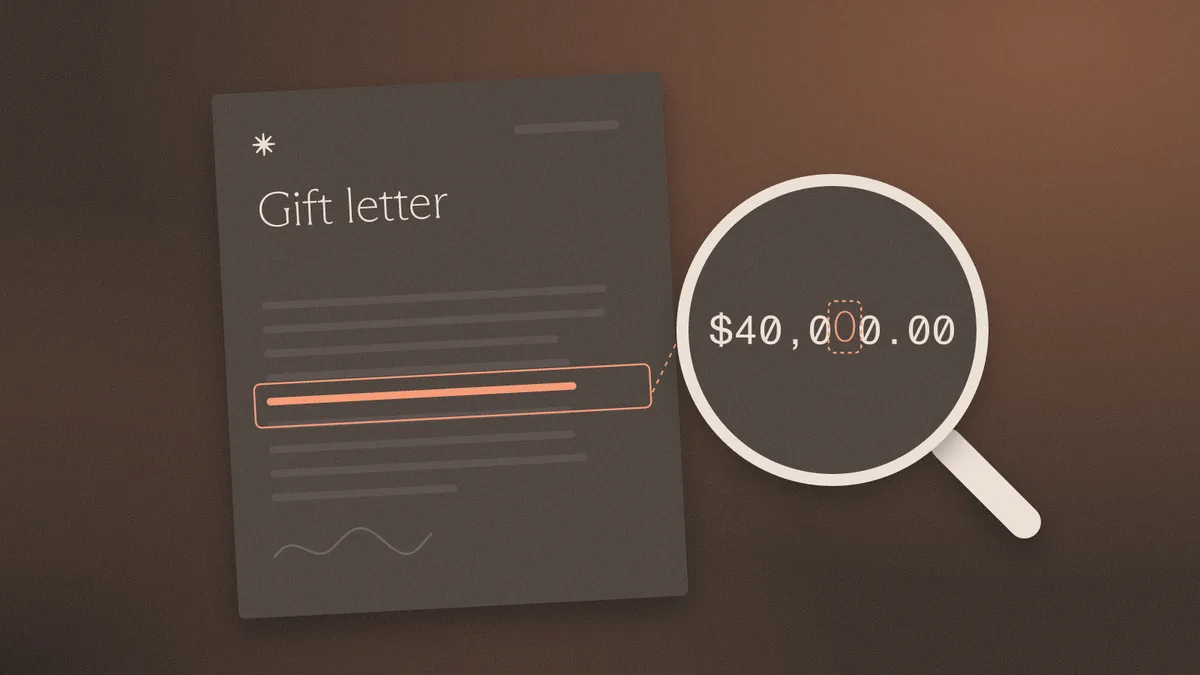
How to spot a fake gift letter: disguised loans, interested-party money, and how to verify the donor's transfer against Fannie Mae and FHA rules.
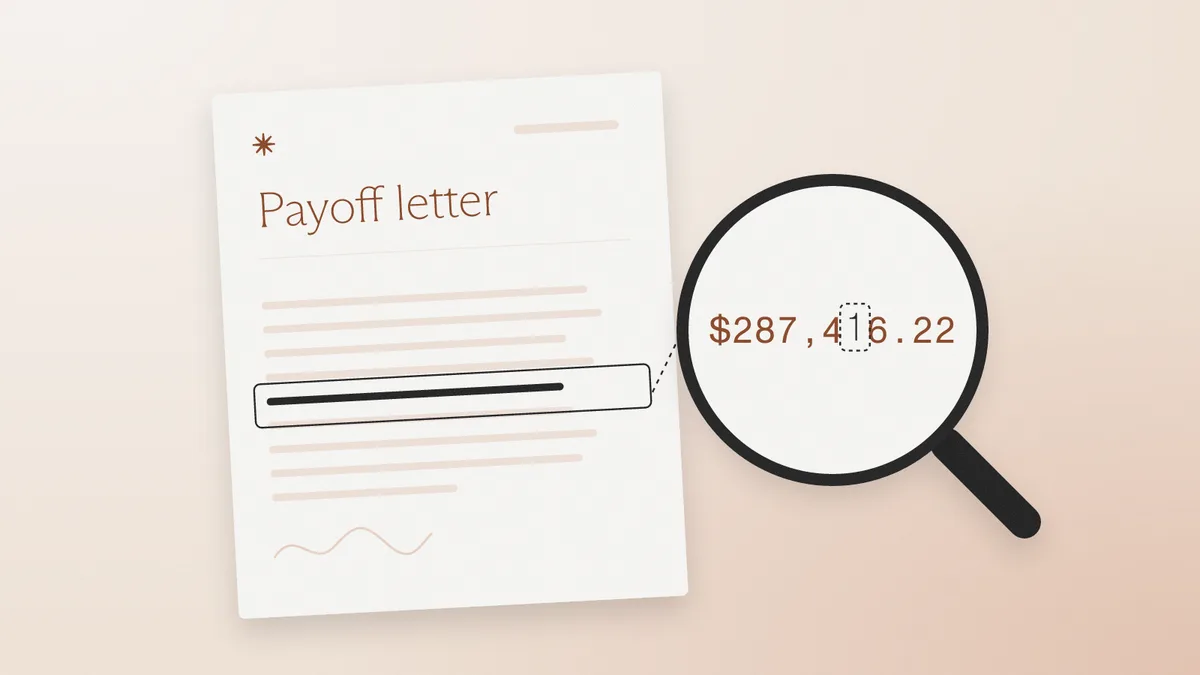
How to spot a fake payoff letter: altered wiring instructions, the tells that fail, and six checks on the file before the payoff wire goes out.
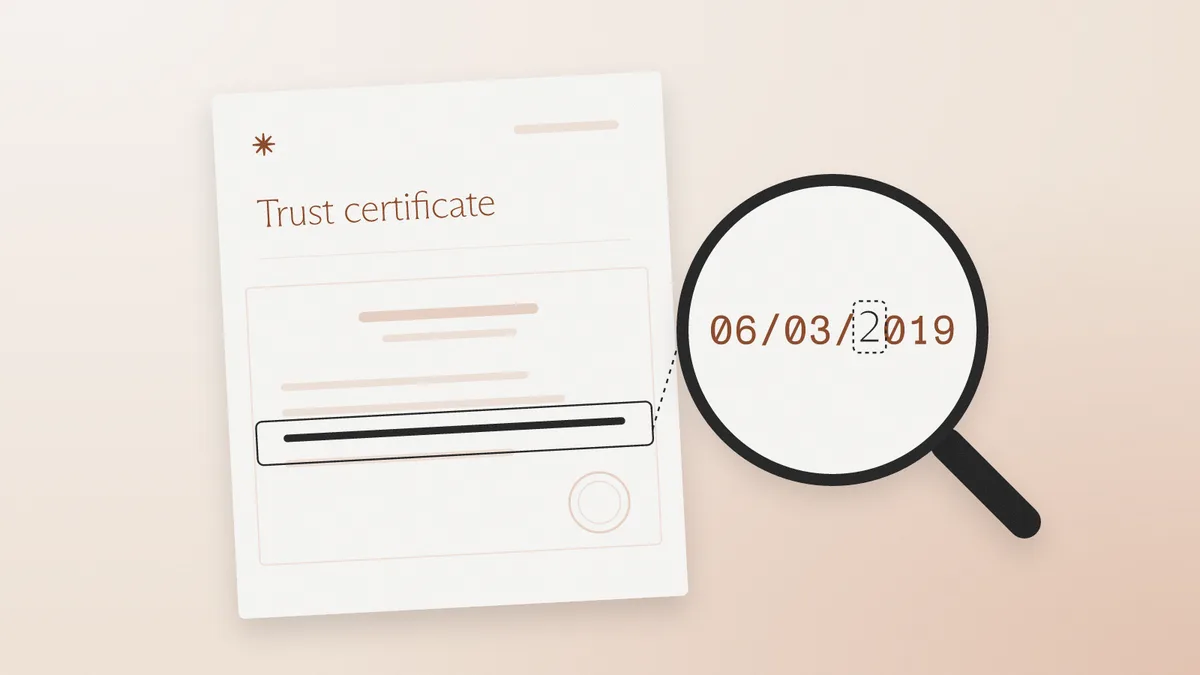
How to spot a fake certificate of trust: edited trustee names and powers, notary checks, beneficial ownership, and six checks on the file.
How to spot a fake shareholder register: edited percentages under the 25% UBO line, cap tables vs. registers, and the checks that catch them.

How to spot a fake crypto exchange statement: edited PDFs, CSV exports, on-chain withdrawal checks, and six checks on the file.
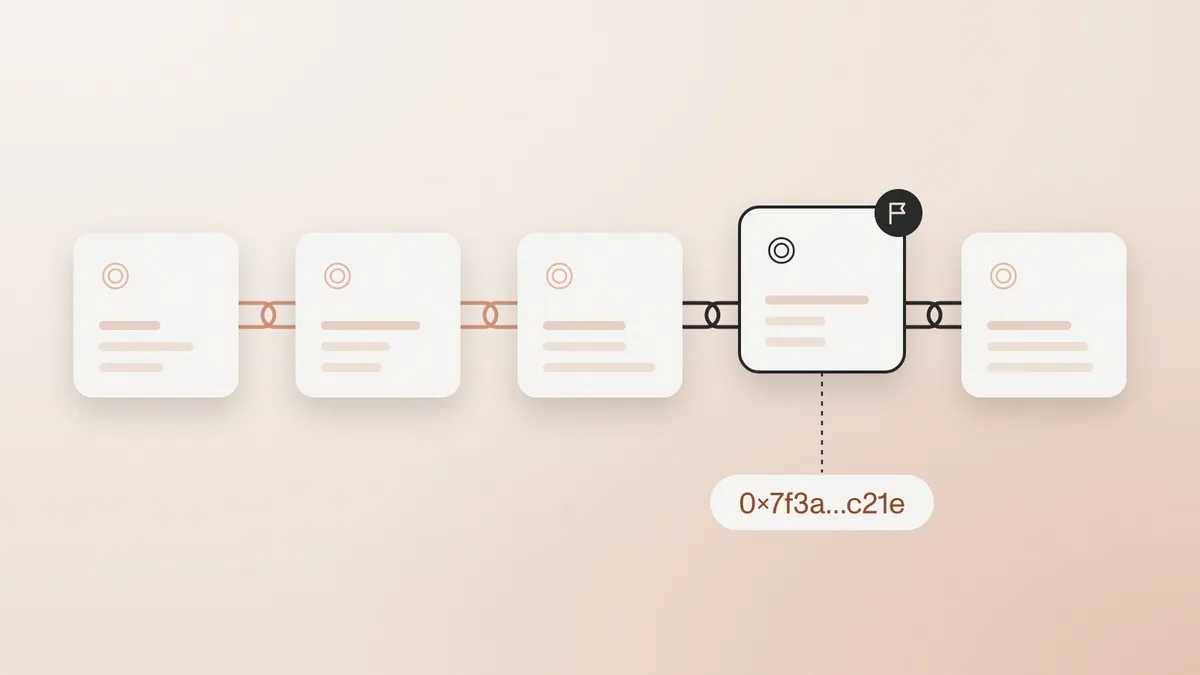
How to spot a fake credit card statement used for proof of address, debt verification, or source of funds: edited balances, broken math, file checks.
Spot a fake W-8BEN by reading foreign status, the treaty claim, and the file. The IRS publishes a blank and does not certify the form.

How to spot a fake partnership agreement: edited partner lists, signature blocks never executed together, and no state filing for a general partnership.

How to spot fake corporate bylaws: rules that contradict the articles, adoption before incorporation, and a template reused across companies.
How to spot a fake stock certificate offered as KYB ownership evidence, when the ledger matters more than the vignette.

A Schedule K-1 reports a partner's share of income. Capital-account math, form year, and an IRS transcript catch edited and generated fakes.
A fake 1099 is an information return edited after creation or generated from scratch. Match it to the IRS wage and income transcript.
How to spot a fake employment verification letter: edited versus generated files, the tells that fail, and six checks on the file.

Spot a fake mortgage statement by confirming principal, amount due, due date, and rate with the current servicer.
Spot a fake W-9 by matching the line 1 name and TIN. The IRS publishes a blank form and does not seal a completed one.
Spot a fake merchant statement by rebuilding amount processed from the fee lines and confirming the merchant ID with the processor.
Spot a fake DBA certificate in the county index: file number, registrant, and expiration. A filing is not good standing.
Spot a fake board resolution by checking that the certifier is not the empowered signer and that the resolution date comes first.

Spot a fake certificate of incumbency by checking the certifier and the state's officer list. A seal does not prove the offices.

How to spot a fake brokerage statement used as proof of assets, and why file history beats a clean layout.
How to spot fake articles of organization by matching the file number and filing receipt to the state record before the account opens.
A wire confirmation is a claim that money moved. Edited and generated payment advice fail file checks. The posted credit is the proof.
How to spot a fake bank reference letter: the relationship claim, the signatory, and the edit history. Letterhead is cheap to copy.
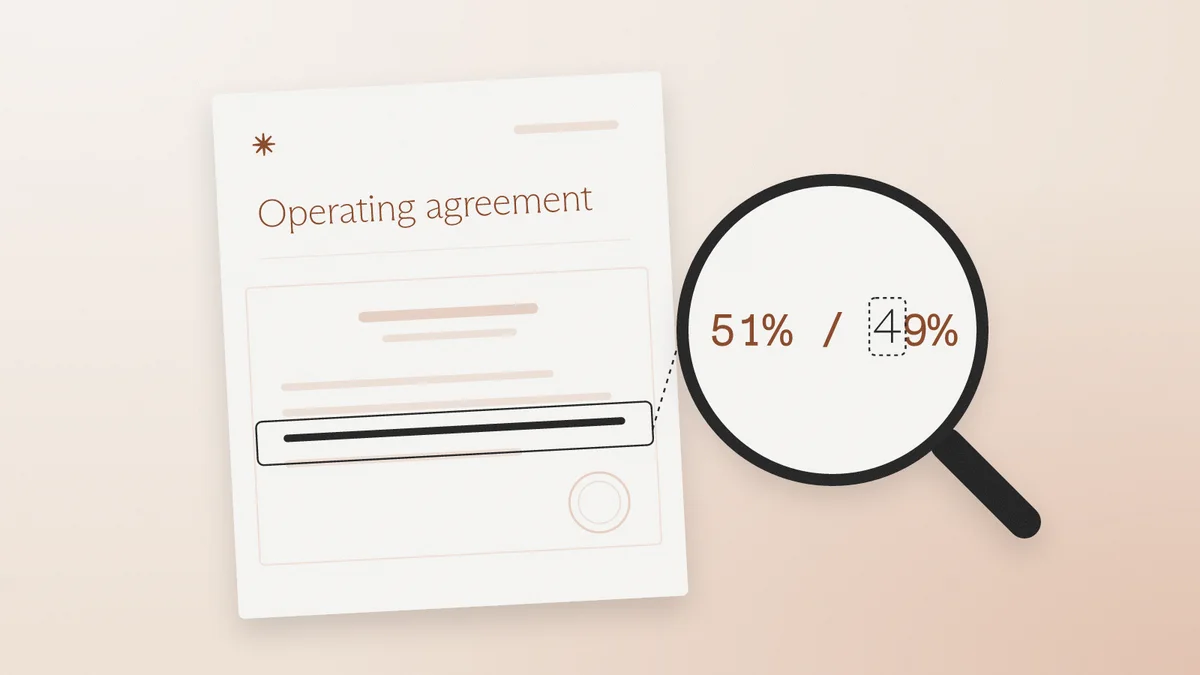
How to spot a fake operating agreement in KYB: edited member schedules, swapped signature pages, and ownership that does not match the file.
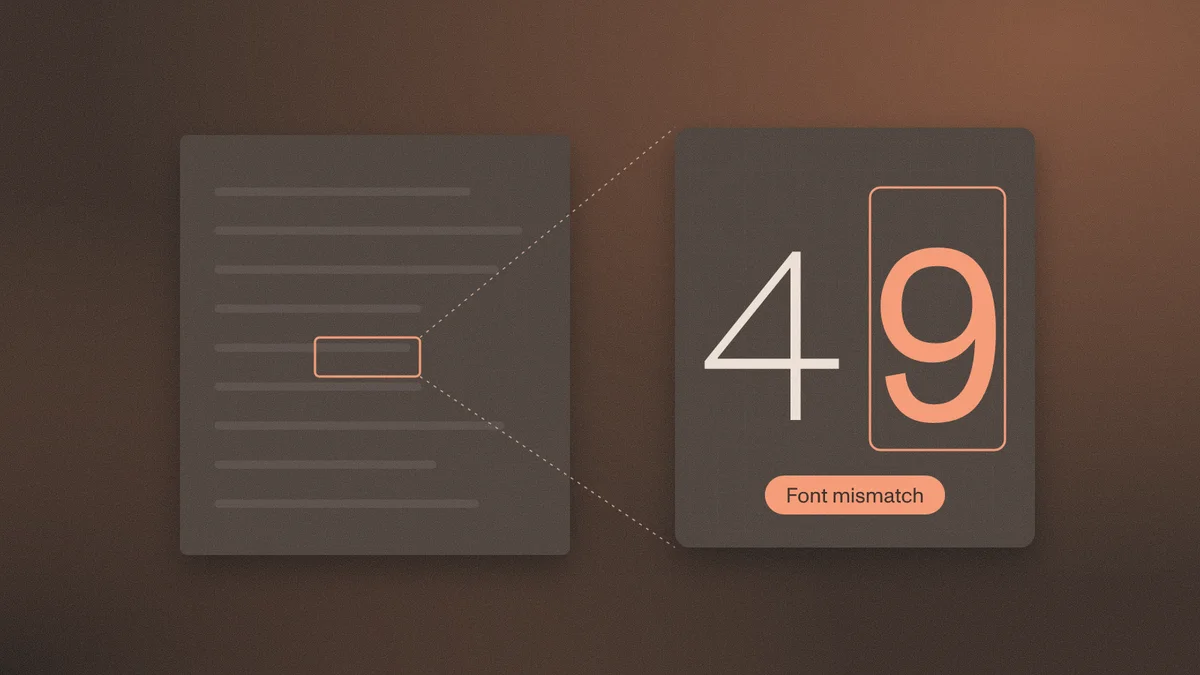
Spot a fake certificate of good standing by checking the as-of date, file number, and post-download edits.
How to spot a fake voided check using file history, routing match, and account control. A VOID mark misses edited and generated files.

Verification reads the page and matches the applicant. Fraud detection reads the file. What each misses, how to evaluate each, and when you need both.

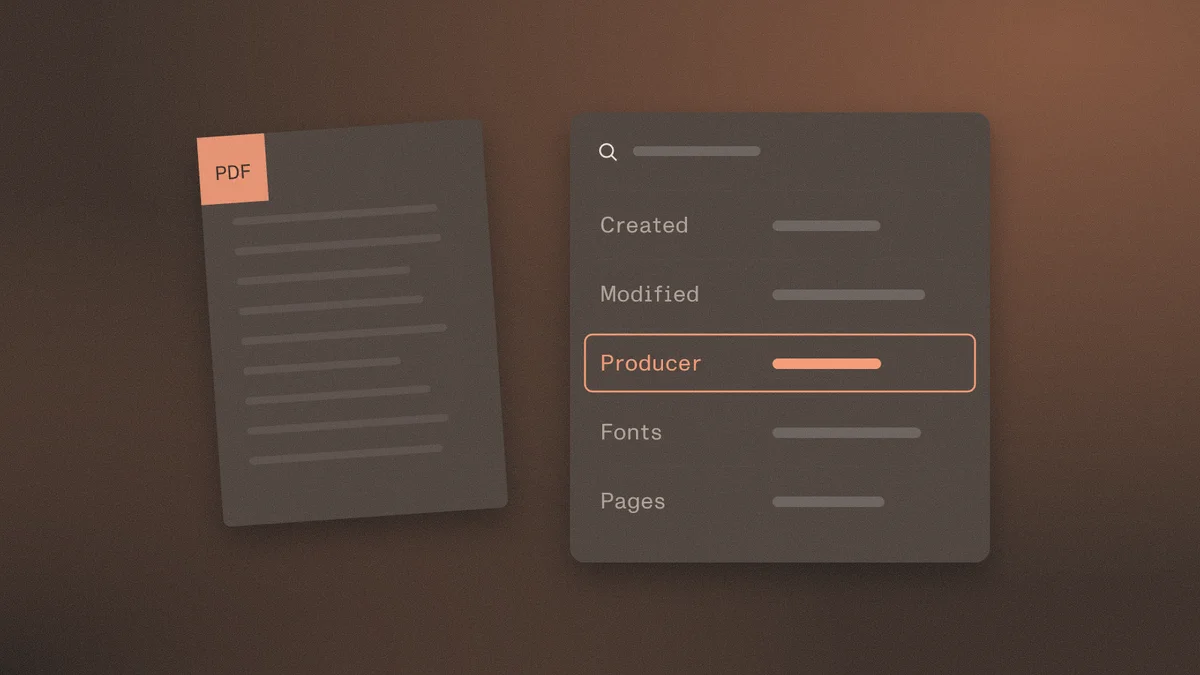
PDF metadata analysis for fraud detection: Info dictionary, XMP, timestamps, producer strings, incremental updates, and what each can and cannot prove.
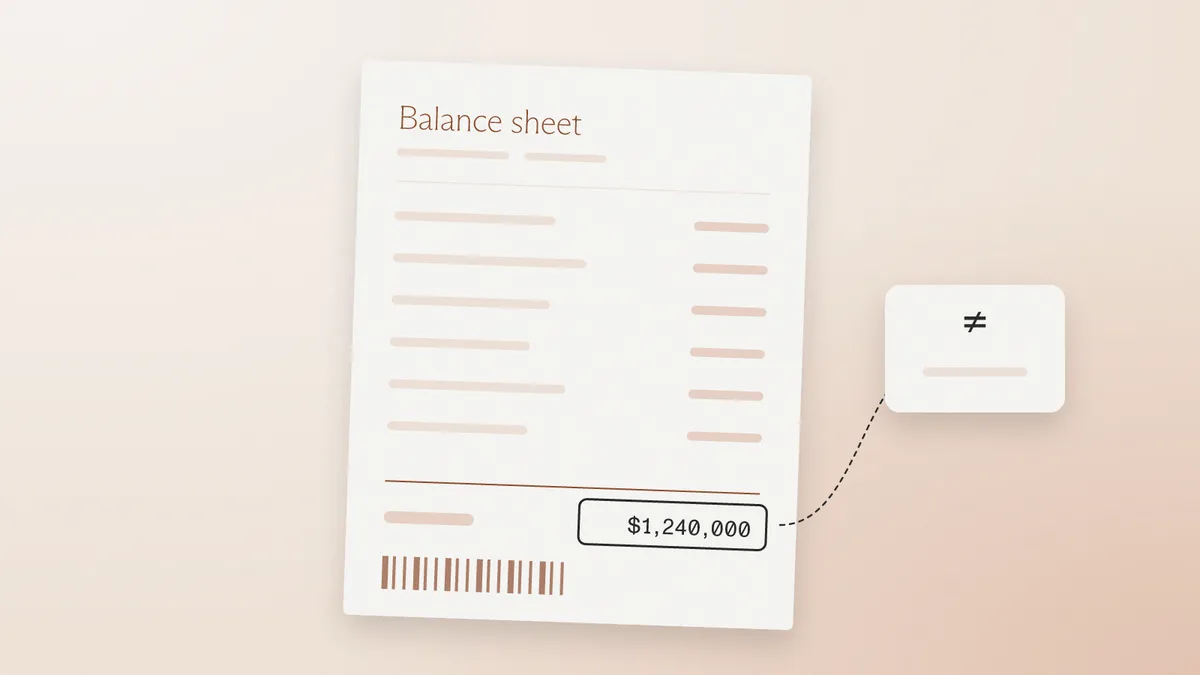
How to spot fake financial statements in SMB lending and KYB: inflated revenue, fake auditor letters, 4506-C and bank reconciliation, six file checks.
How to spot a fake certificate of insurance: why an ACORD 25 confers no rights, the tells that survive, carrier and NAIC lookups, and the six file checks.
How to spot a fake lease agreement in KYC, mortgage, and KYB review: landlord, date, rent, and disclosure tells, plus the six file checks that settle it.

How to spot a fake proof of funds letter in lending, real estate, and escrow: the tells that work, the six file checks, and how to verify with the bank.
How to spot a fake EIN confirmation letter: what a real CP 575 or 147C contains, the tells that survive, IRS TIN Matching limits, and the six file checks.
How lenders and onboarding teams spot fake 1040s, W-2s, and IRS transcripts: line-item tells, edited vs generated files, and the Form 4506-C break-test.
How to spot a fake invoice in factoring, trade finance, and AP: the tells that still work, the six file checks, and the debtor break-test that settles it.
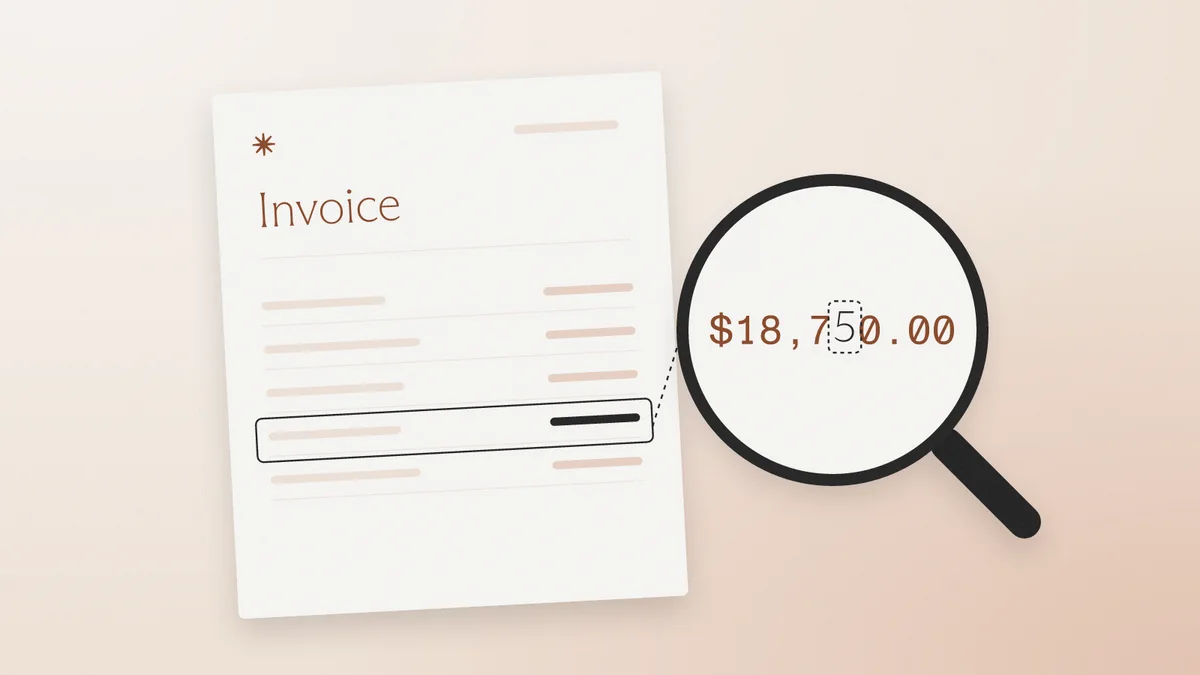
Should compliance teams accept screenshots of bank statements? What a flattened PDF loses, which fraud checks still work on images, and how to set policy.
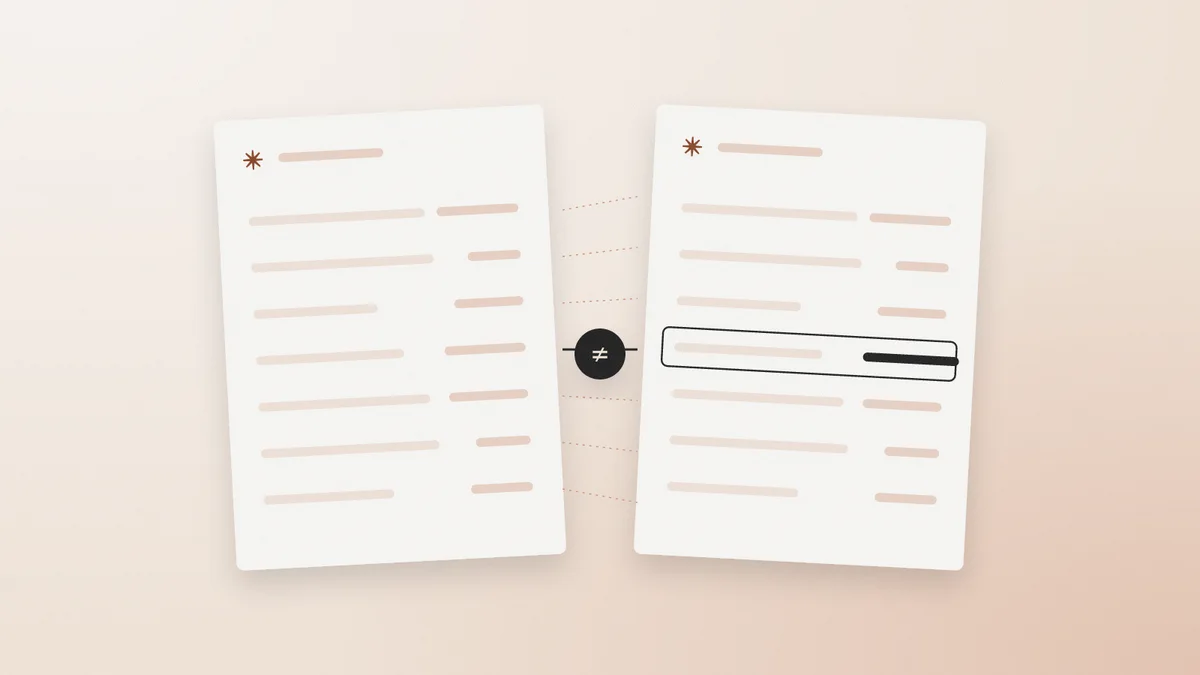
Explainable document forensics shows where a file was altered, what it said before, and how the examiner knows. Why a fraud score alone fails audit.
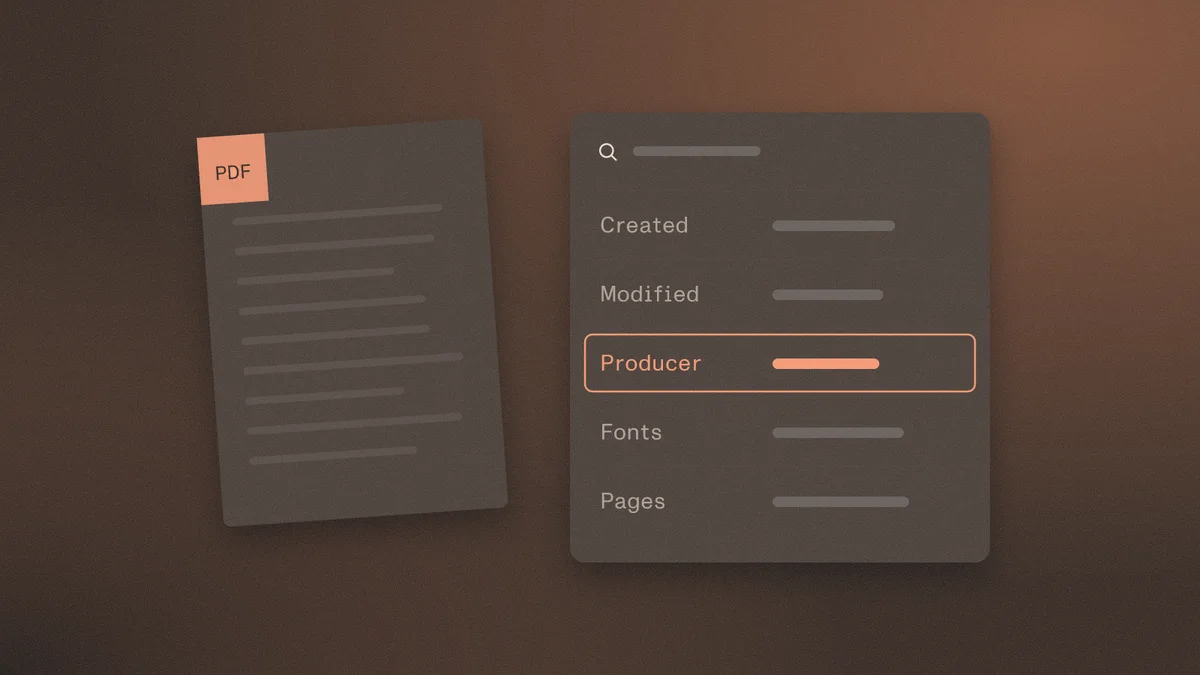
How KYC, KYB, rental, and lending teams spot fake utility bills used as proof of address: edited vs generated files, tells that work, six file checks.

How fake document templates and template farms work, why template-made files have no issuance history, and how to detect them in KYC and lending.
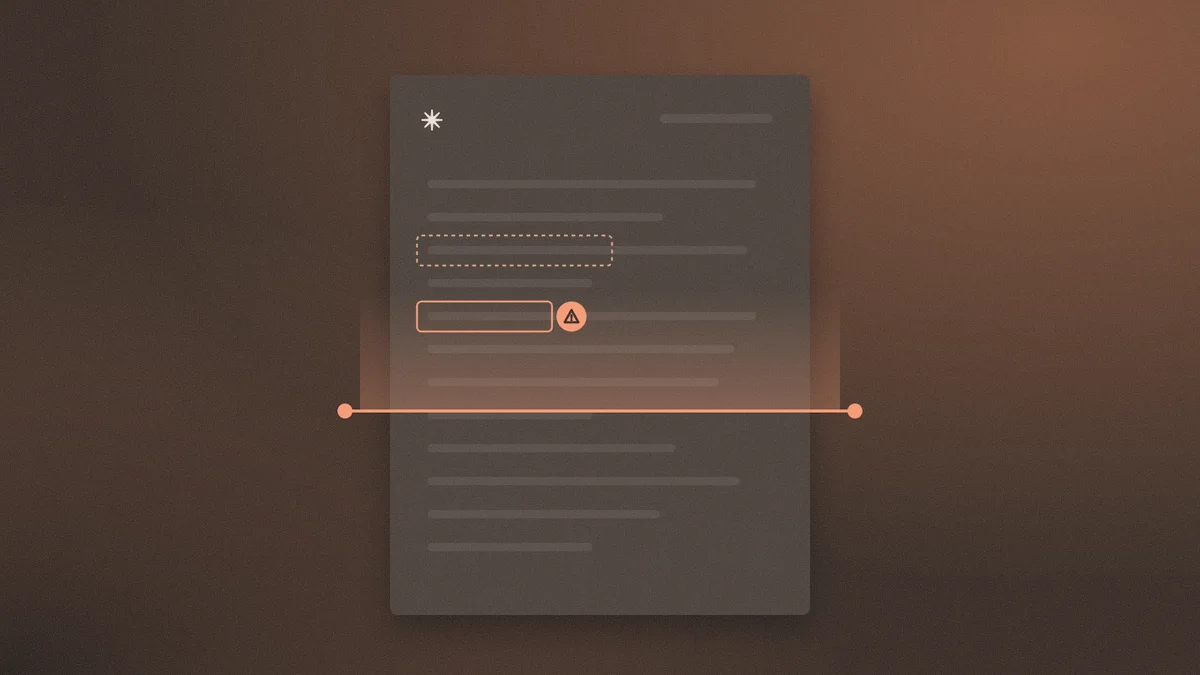
Serial document reuse detection catches one statement, stub, or ID recycled across unrelated applicants. Why single-file review misses it.
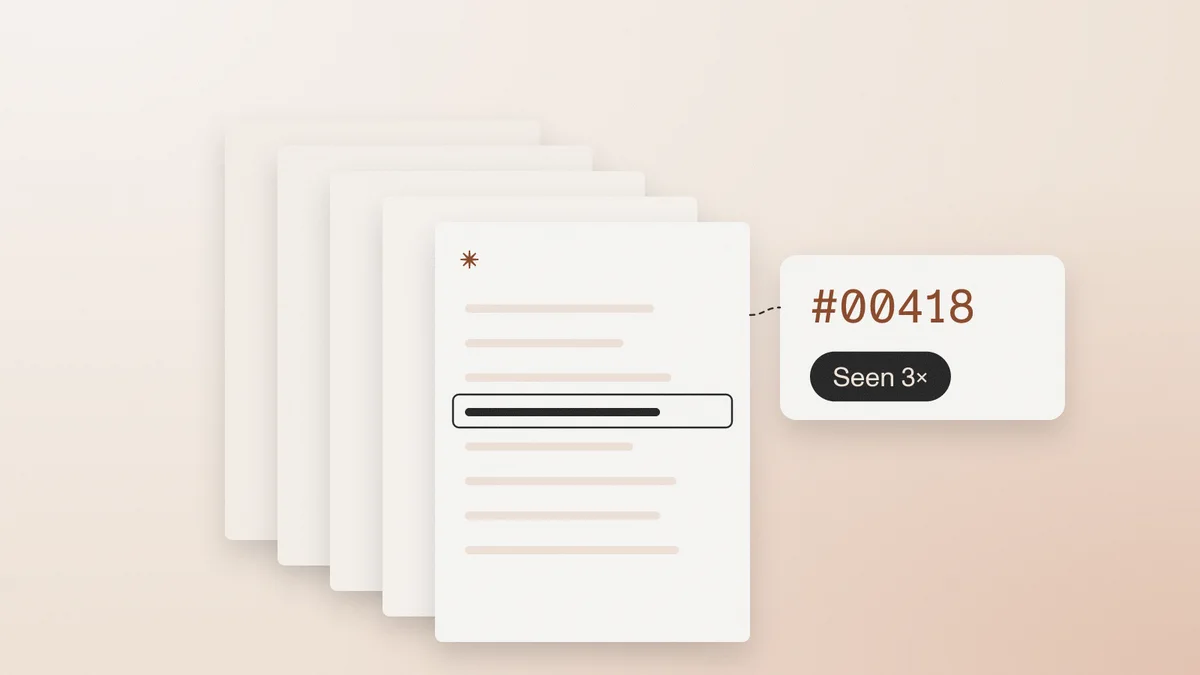
Loan document fraud detection tests bank statements, pay stubs, and tax docs as a package — the red flags underwriters miss on visual review.
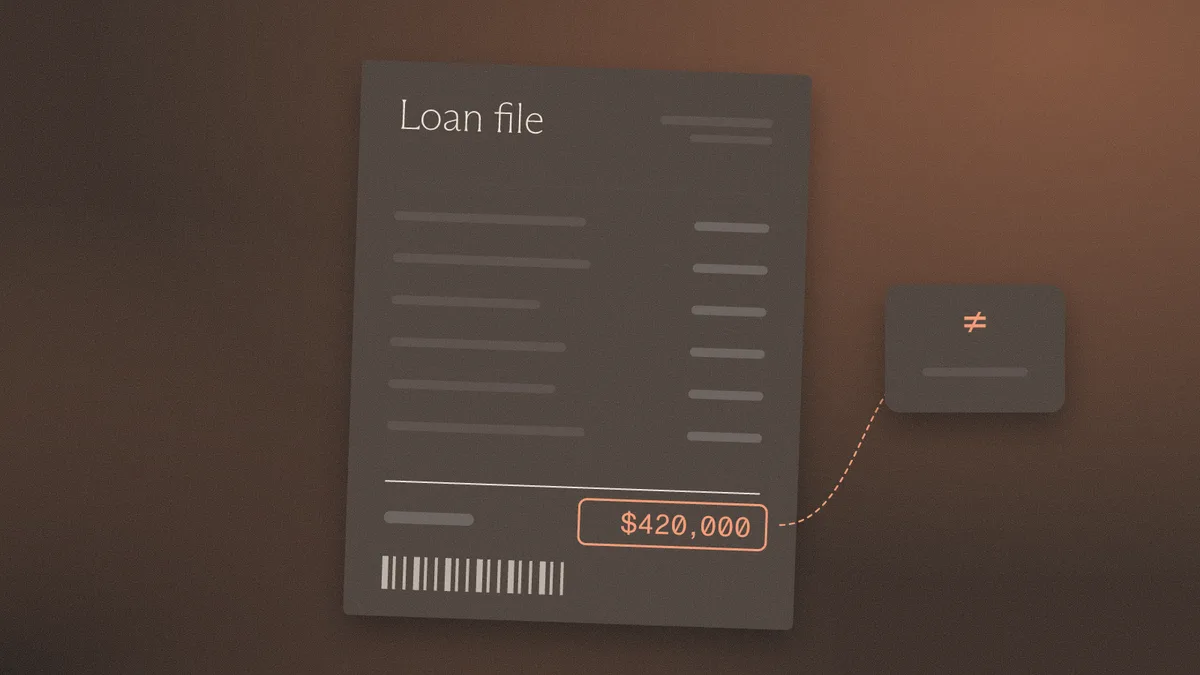
KYB document fraud detection checks certificates, registry extracts, and proof of address as files. Visual review misses edited-after-creation PDFs.

Document fraud statistics from FinCEN, FBI IC3, and FTC — and what those figures miss about edited PDFs, counterfeit templates, and file-level detection.

How to spot a fake certificate of incorporation in KYB: registrar mismatch, edited seals, generated COIs, and serial reuse. Visual review is not enough.
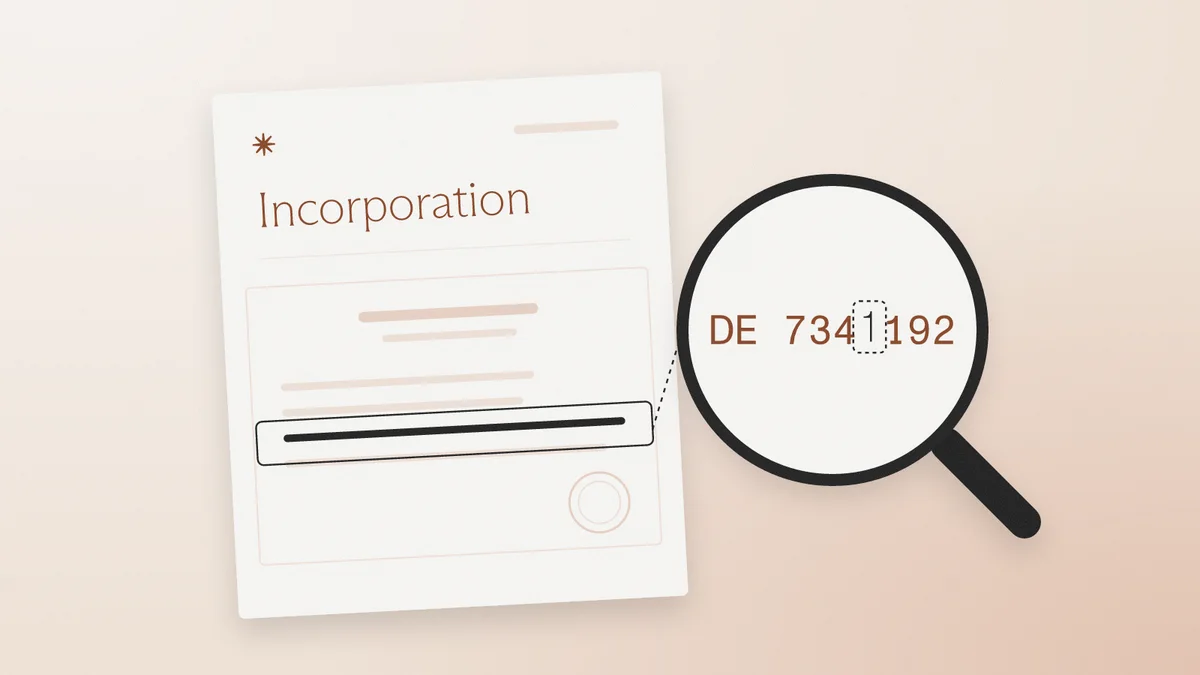
How to detect an AI-generated PDF using metadata, empty Producer strings, model artifacts, and the file history visual review misses.
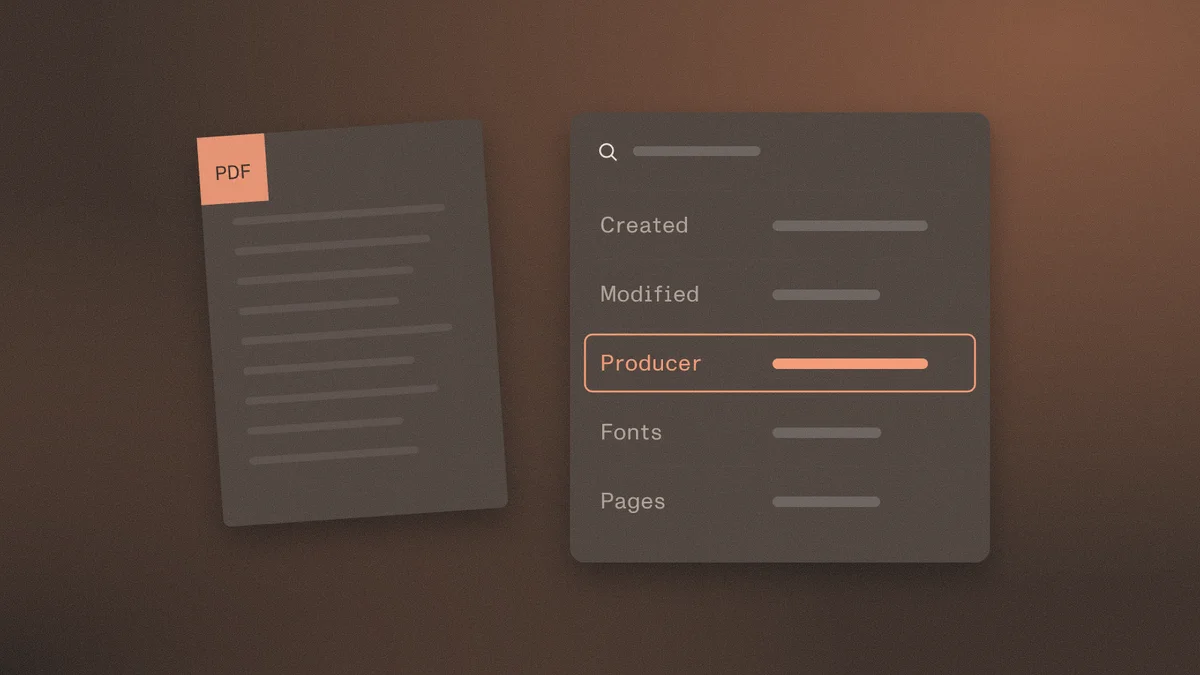
How lenders and onboarding teams spot fake pay stubs: edited vs generated files, deposit cross-checks, and what visual review misses.

How to spot a fake bank statement: edited-after-creation vs generated-from-scratch, which visual tells still work, and how file history exposes forgeries.
Try another keyword or explore a different topic.