
Fake Document Checker: How to Test a Suspect File
What a fake document checker can tell from a file, how to read its verdict and score, and what to check before uploading sensitive documents.

TL;DR: Fake proof of income is a document or packet edited or generated to overstate what an applicant earns, and judging each file alone is how it gets through. In NMHC's survey of 75 apartment firms, 84.3% of those that experienced fraud had seen falsified pay stubs, employment references, or other income documentation. Documents that agree prove little when the applicant supplied all of them, so the decision needs at least one source the applicant does not control.
Fake proof of income is any document or set of documents that misstates the amount, source, or continuance of what an applicant earns. Lenders, landlords, and fintech underwriters each receive a different mix of paper, and each paper can confirm only part of the claim.
Two production classes show up in these packets. Edited-after-creation starts from a real stub, letter, or statement and changes the figures after the issuer produced the file. The employer is genuine, so a call confirming that the person works there can pass while the salary stays false. Generated-from-scratch builds the document, and often the whole packet, with no issuer behind it. Those figures agree because one author wrote them.
Rental application fraud has the clearest recent count. The NMHC survey ran from November 2023 to January 2024. Of the 75 responding firms, 93.3% reported fraud in the prior 12 months, and on average they attributed 23.8% of eviction filings to fraudulent applications and the nonpayment that followed. Those figures describe surveyed operators and do not give a fraud rate per application.
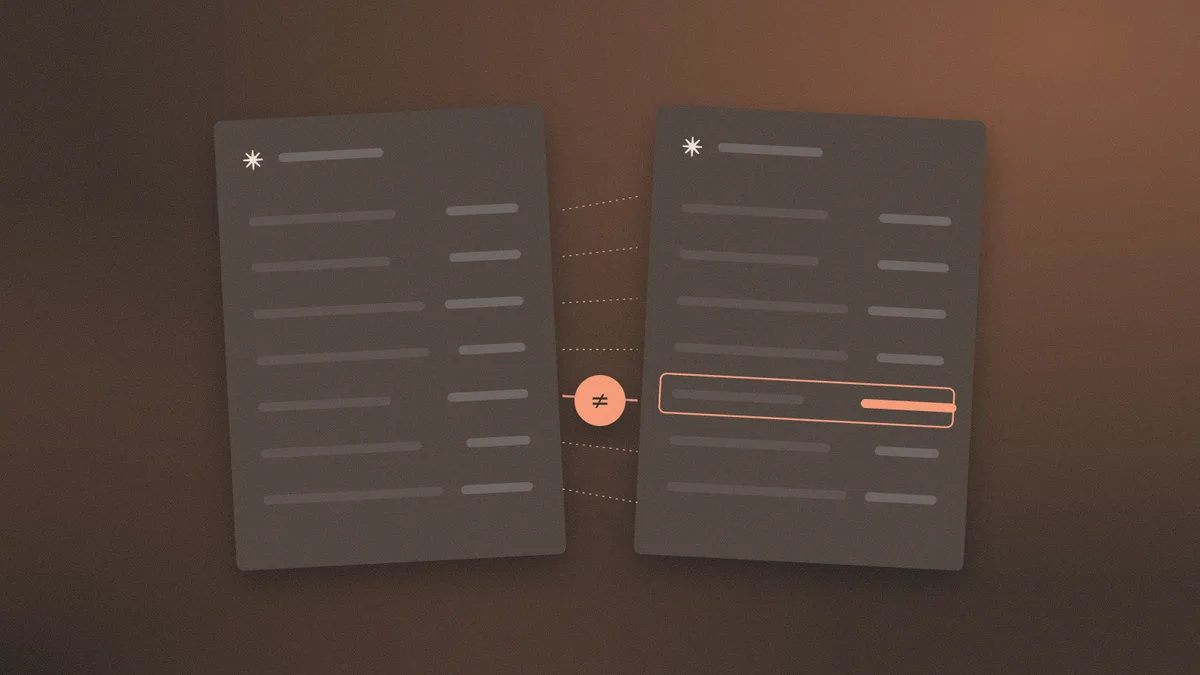
The documents in a packet should tell one story over time. Pay on a stub should turn into deposits on a statement. The year to date should fit the prior year's annual figure once raises and job changes are accounted for. The employer's name should hold from letter to stub to tax form, and the application has to fit all of them.
Fannie Mae's income and employment best practices frame this as the lender's job: look for conflicting information, view it holistically, and carry out additional due diligence when discrepancies appear. Its examples include direct deposits from a different employer at significantly lower income, and a stub or bank record showing a different source or amount than the verification of employment.
Agreement needs a second reading. When every page came through the applicant, agreement shows only that the packet was assembled carefully. Reviewers should count sources instead of pages. Three documents from the applicant are one witness. One figure from the IRS is a second.
Honest files also disagree. A mid-year job change, pre-tax deductions that separate gross pay from taxable wages, a bonus, a direct deposit split between accounts, or a payroll processor's name on the deposit line can each produce a mismatch. Ask for the explanation, and prefer one that can be tested against a record. The tests for each document type are covered in how to spot a fake pay stub and how to spot a fake employment verification letter.
Income reasonableness compares the claim with the life around it. Fannie Mae's red flags include income inconsistent with occupation and position, income out of line with tenure or education, generic job titles, recent large raises, and rounded earnings. Its suggested due diligence asks whether deposits, assets, and credit history fit the stated income, and whether the commute makes sense for a job that requires physical attendance.
Fannie Mae's worked example is a restaurant manager in a non-metropolitan area reporting $102,000 a year, against an area average of $63,117 for that job. The Bureau of Labor Statistics publishes wage estimates for about 830 occupations by state and metropolitan area, which gives reviewers a free reference point.
A reasonableness result sets how hard to verify. High earners exist in every town, so the result should move a file to a stronger source, and the decision rests on what that source returns.
A phone number or email on the letter is part of the document under test. Find the employer through a state business registry or the company's main line, then ask for HR or payroll. Fannie Mae also suggests checking the employer's online presence, its state registration, and whether its address sits in a commercial area. Its worked example turned up a company principal who shared the borrower's last name, so look for relationships as well as existence.
Keep a record of the date, the person's name and title, and the contact used. A confirmation that someone works there leaves pay open unless the employer confirms the amount too.
Consented data arrives from a system of record with the applicant's permission. Fannie Mae accepts third-party employment verifications when the borrower authorized them, and holds the lender accountable for the integrity of what comes back.
Coverage is uneven, and an applicant who declines to link an account has not signaled fraud. Bank data shows that money arrived, and funds cycled through an account can look like pay. The federal open banking rule is also unsettled. The CFPB records that a court stayed its compliance dates on October 29, 2025, and the Bureau's August 2026 regulatory agenda lists a rulemaking to reconsider it, so a policy should not assume those dates.
Landlords who buy a report have a further duty. The CFPB explains that a landlord who denies an application because of a tenant screening report must give an adverse action notice, and that requiring a co-signer or a larger deposit can count as adverse action.
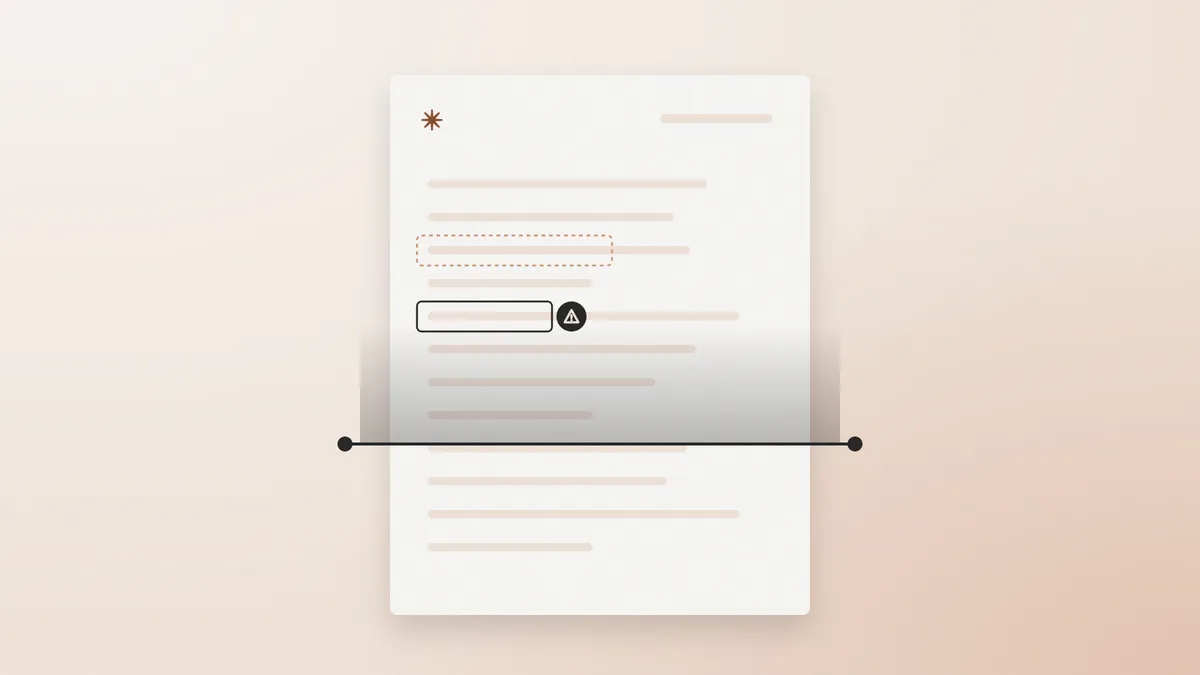
File forensics asks whether each PDF's history supports its story. Production method separates a payroll or bank export from a later edit or a page built elsewhere. Timestamp trail compares file times with the date the document claims. Issuer matching tests whether the file resembles that issuer's real output. Consistency compares figures inside the file and across the packet. Model artifacts surface traces of generation. Recycled patterns catch the same layout on unrelated applicants, which one reviewer holding one file will never see.
Edited files tend to fail on history, because a later save sits on top of a real original. Generated files tend to fail on issuer and pattern, because no original exists. Neither result proves anything about the job. A forensically clean stub can come from a position that ended last month, and a genuine letter can come from a company the applicant owns. Employer confirmation, IRS data, and consented records do the work of proving income exists.
Apply the same steps to every applicant at the same trigger, and avoid denying on a look alone. Mortgage sellers have an added obligation: Fannie Mae requires notice within 30 days once a reasonable basis exists to conclude that misrepresentation or fraud occurred. For a scored read of one file's history before the outside check, check the document.
Watchdoc, Sphinx's document fraud product, examines the file and shows the reviewer why it passed or failed across the six checks above. Sphinx reports a 94.3% correct verdict and clears clean files in under 28 seconds, at $0.45 per document with no seats or platform fee. It does not connect to bank accounts, verify a person's face, call employers, or pull IRS transcripts, and the team keeps the final decision. The free playground covers 50 documents and needs no card.
A landlord should compare the documents with each other, then confirm the figure outside the packet. Pay should show up as deposits, and the employer should be reached through a contact the landlord found independently.
Matching documents prove only that the packet is consistent. Real proof needs at least one source the applicant does not control, such as the employer, an IRS transcript obtained through an authorized route, or consented account data.
Yes, with the taxpayer's authorization. Enrolled IVES participants request transcripts online or by fax using Form 4506-C, and the IRS releases them only with consent. A transcript confirms what was filed or reported to the IRS, which is different from confirming that the income was accurate or continues today.
A matching deposit shows that money arrived, and funds moved through an account can resemble pay. Regular timing, the payer's identity, and employer confirmation carry more weight than the amount alone.
One anomaly justifies verification before it justifies denial, since scans and re-saves produce innocent signals. Teams should name the conflict, seek independent confirmation, and decide under a written policy applied to every applicant.
What a fake document checker can tell from a file, how to read its verdict and score, and what to check before uploading sensitive documents.
Fake documents grouped by the fraud they enable: income, banking, corporate and tax. 20 file types, each one's strongest tell, and a full guide.
Eight AI-generated document detection tools compared by fit, what each reads, and its limits, plus why no detector catches every forged file.

Bank statement fraud detection software compared for lenders and KYB teams: file forensics, statement analysis, and when a bank connection wins.
Eight document verification tools for banks, lenders and fintechs, sorted by job: identity documents, income files, and whether a file was altered.

Resistant AI alternatives for document forensics and transaction monitoring, ordered by fit, with what each does and where it stops.
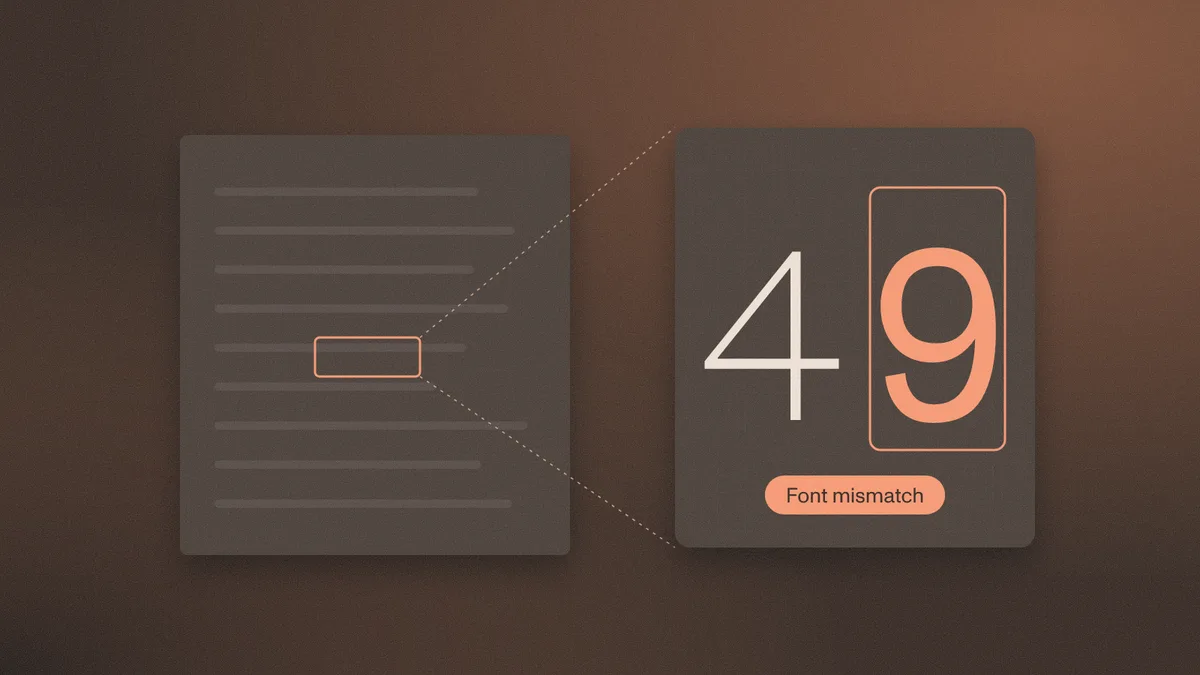
Six Inscribe alternatives, sorted by what a buyer needs: work after the flag, document mix, data terms, pricing and how edits get caught.
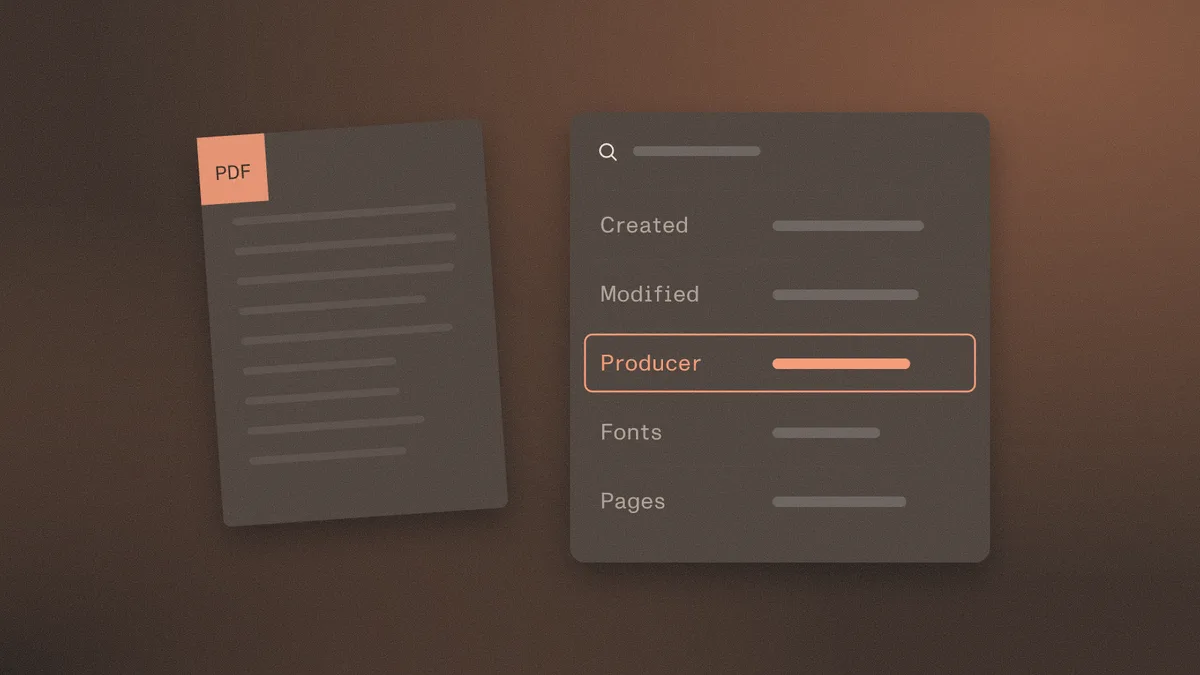
Eight document fraud detection tools compared by what they test, how they explain a verdict and how they price.

How to spot a fake letter of credit or SBLC: why a standalone PDF is a red flag, tells that still work, and six checks on the file.
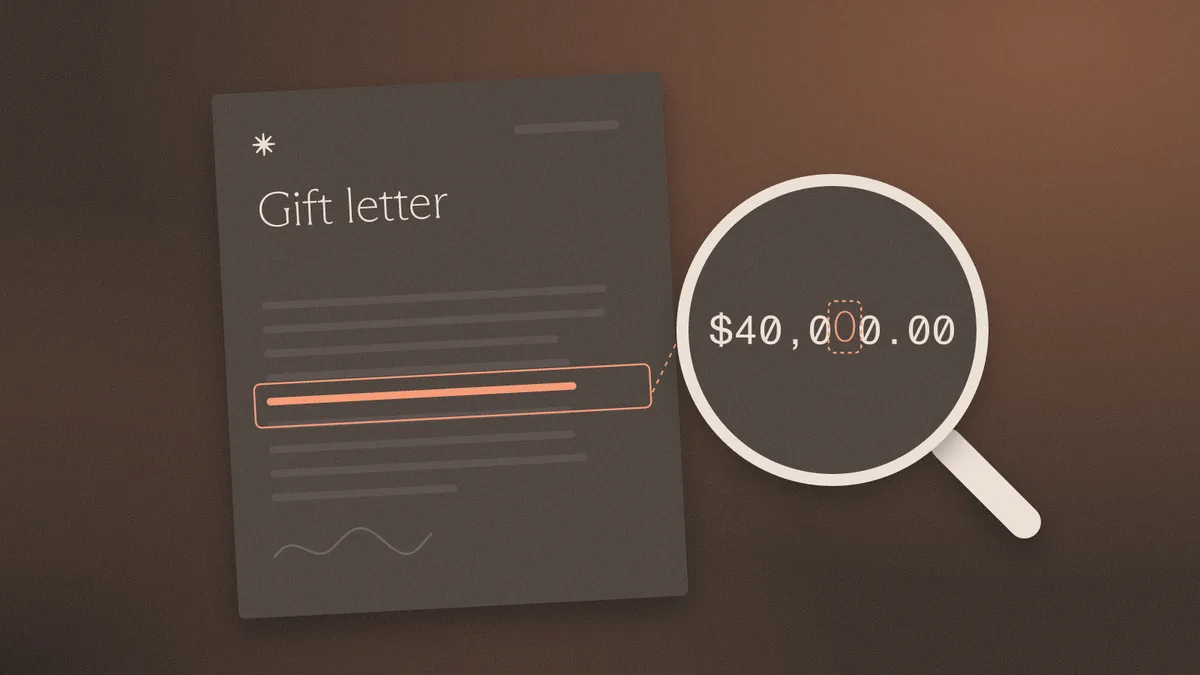
How to spot a fake gift letter: disguised loans, interested-party money, and how to verify the donor's transfer against Fannie Mae and FHA rules.
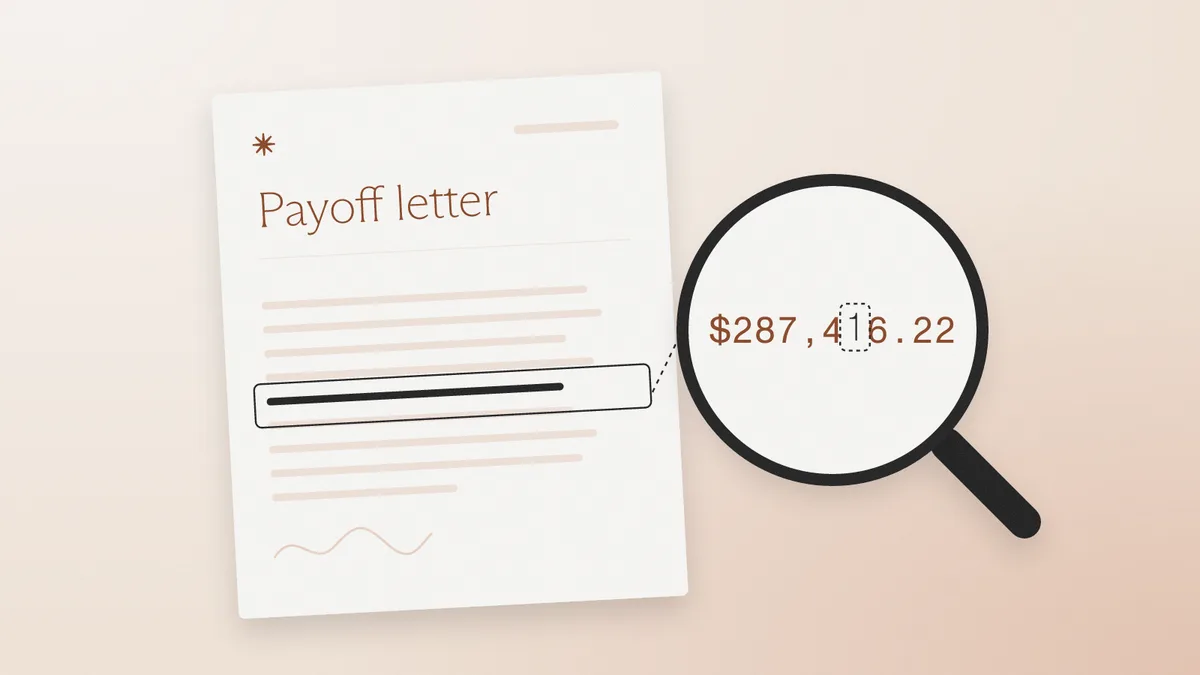
How to spot a fake payoff letter: altered wiring instructions, the tells that fail, and six checks on the file before the payoff wire goes out.
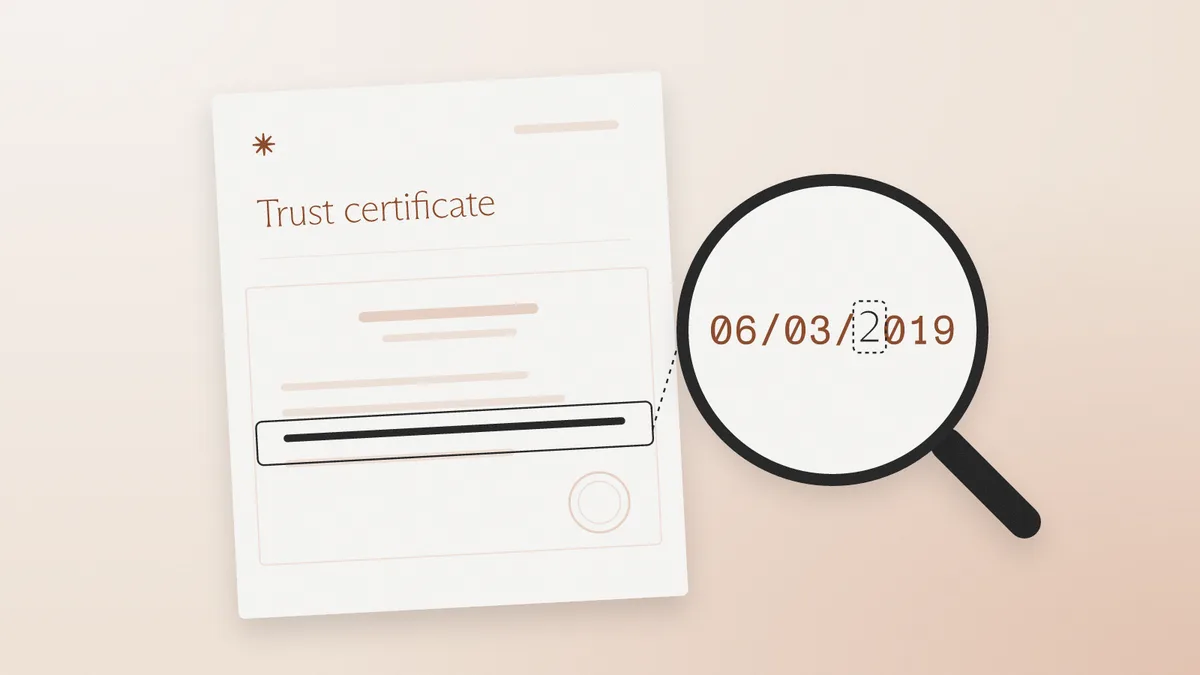
How to spot a fake certificate of trust: edited trustee names and powers, notary checks, beneficial ownership, and six checks on the file.
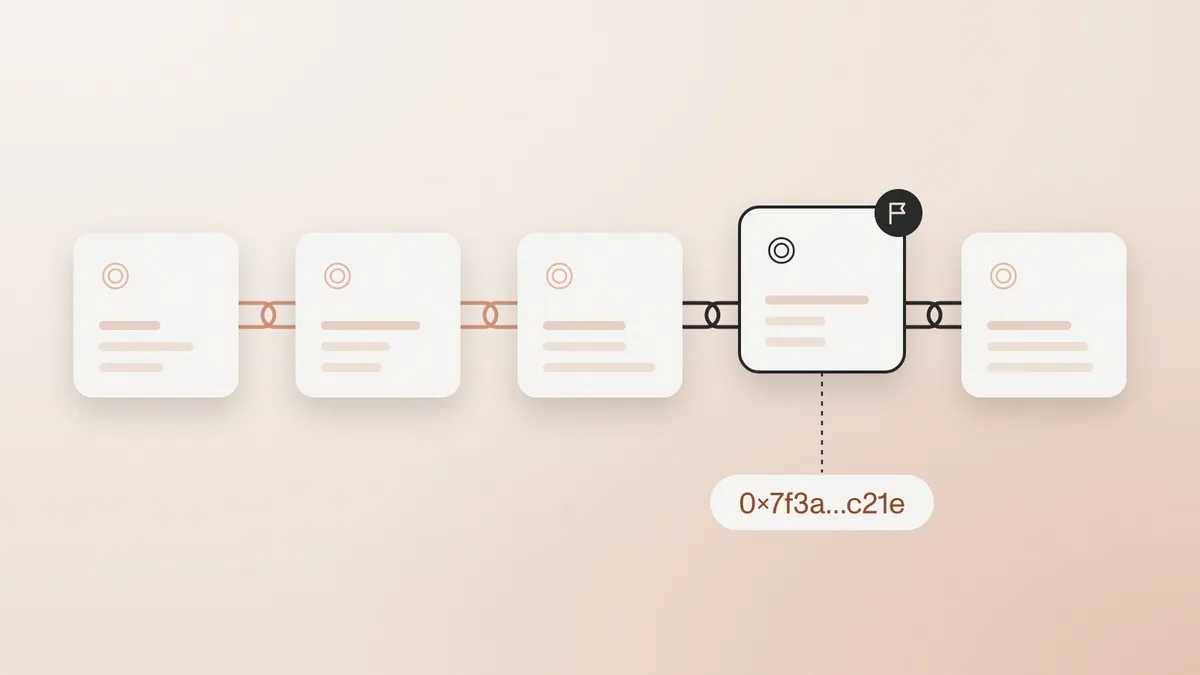
How to spot a fake shareholder register: edited percentages under the 25% UBO line, cap tables vs. registers, and the checks that catch them.

How to spot a fake crypto exchange statement: edited PDFs, CSV exports, on-chain withdrawal checks, and six checks on the file.
How to spot a fake credit card statement used for proof of address, debt verification, or source of funds: edited balances, broken math, file checks.
Spot a fake W-8BEN by reading foreign status, the treaty claim, and the file. The IRS publishes a blank and does not certify the form.

How to spot a fake partnership agreement: edited partner lists, signature blocks never executed together, and no state filing for a general partnership.

How to spot fake corporate bylaws: rules that contradict the articles, adoption before incorporation, and a template reused across companies.
How to spot a fake stock certificate offered as KYB ownership evidence, when the ledger matters more than the vignette.
A Schedule K-1 reports a partner's share of income. Capital-account math, form year, and an IRS transcript catch edited and generated fakes.
A fake 1099 is an information return edited after creation or generated from scratch. Match it to the IRS wage and income transcript.
How to spot a fake employment verification letter: edited versus generated files, the tells that fail, and six checks on the file.

Spot a fake mortgage statement by confirming principal, amount due, due date, and rate with the current servicer.
Spot a fake W-9 by matching the line 1 name and TIN. The IRS publishes a blank form and does not seal a completed one.
Spot a fake merchant statement by rebuilding amount processed from the fee lines and confirming the merchant ID with the processor.
Spot a fake DBA certificate in the county index: file number, registrant, and expiration. A filing is not good standing.
Spot a fake board resolution by checking that the certifier is not the empowered signer and that the resolution date comes first.
Spot a fake certificate of incumbency by checking the certifier and the state's officer list. A seal does not prove the offices.

How to spot a fake brokerage statement used as proof of assets, and why file history beats a clean layout.
How to spot fake articles of organization by matching the file number and filing receipt to the state record before the account opens.
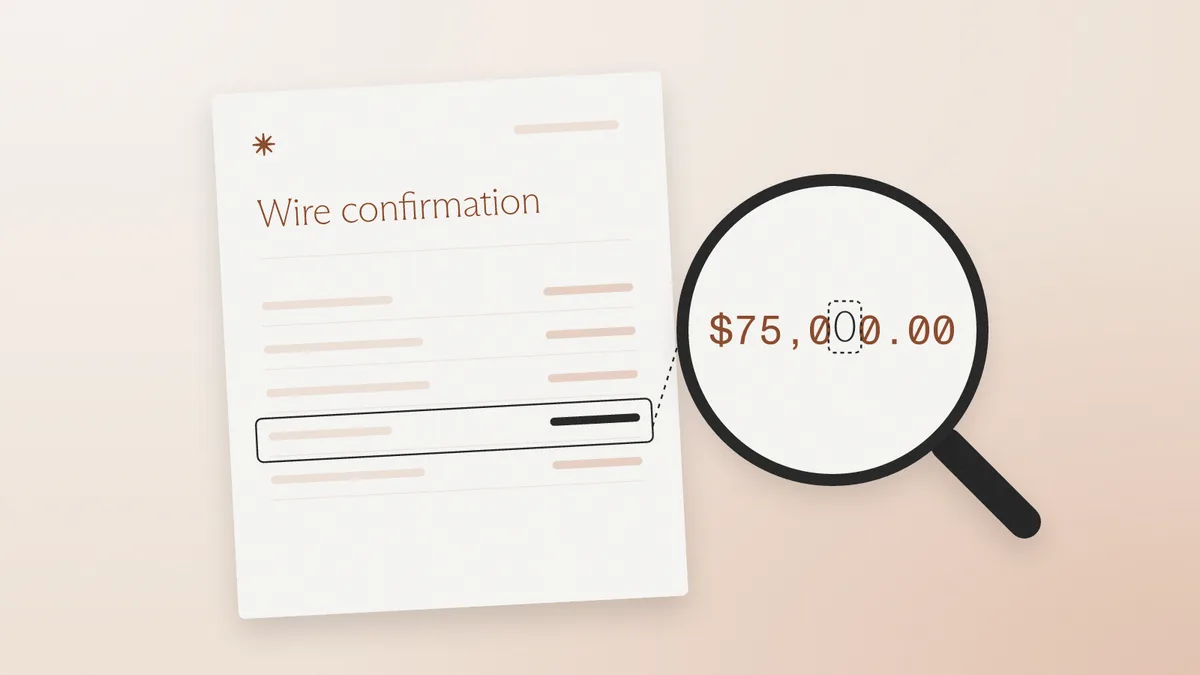
A wire confirmation is a claim that money moved. Edited and generated payment advice fail file checks. The posted credit is the proof.
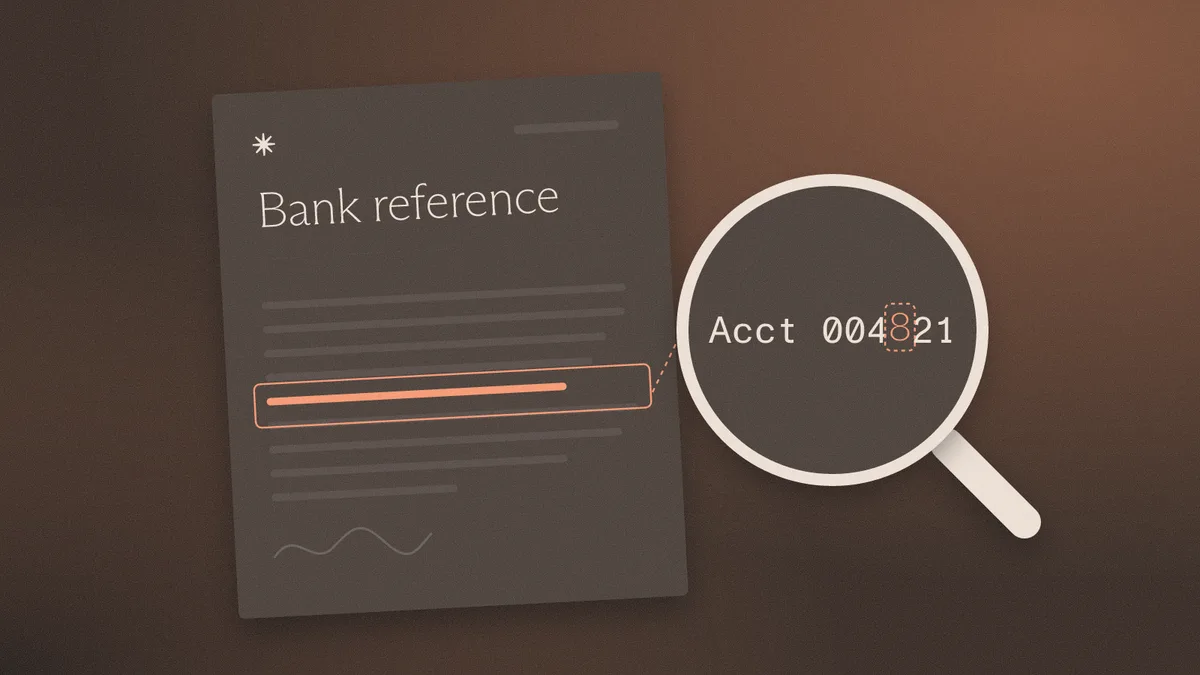
How to spot a fake bank reference letter: the relationship claim, the signatory, and the edit history. Letterhead is cheap to copy.
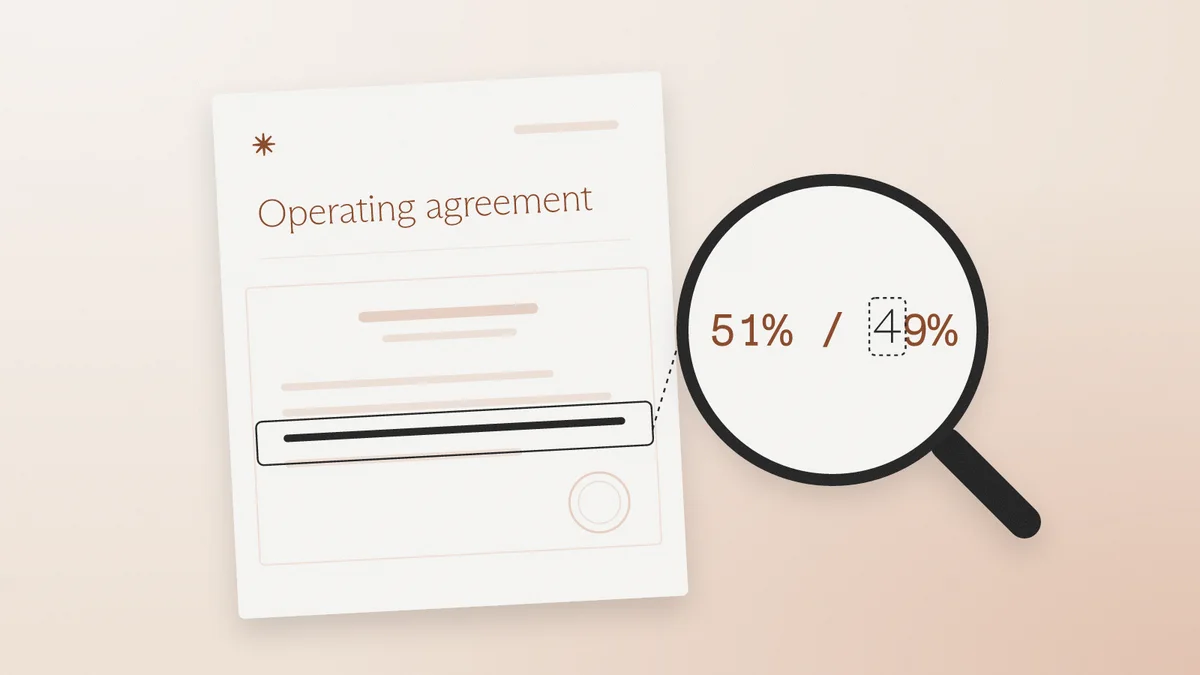
How to spot a fake operating agreement in KYB: edited member schedules, swapped signature pages, and ownership that does not match the file.
Spot a fake certificate of good standing by checking the as-of date, file number, and post-download edits.
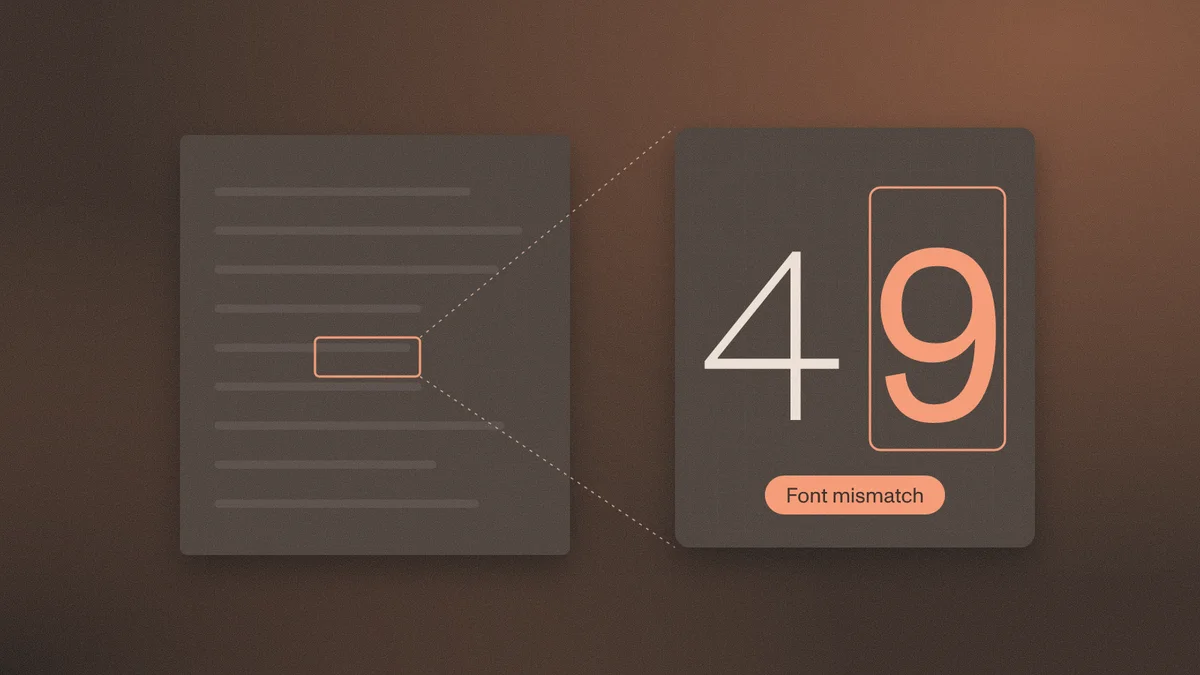
How to spot a fake voided check using file history, routing match, and account control. A VOID mark misses edited and generated files.
Verification reads the page and matches the applicant. Fraud detection reads the file. What each misses, how to evaluate each, and when you need both.

PDF metadata analysis for fraud detection: Info dictionary, XMP, timestamps, producer strings, incremental updates, and what each can and cannot prove.
How to spot fake financial statements in SMB lending and KYB: inflated revenue, fake auditor letters, 4506-C and bank reconciliation, six file checks.
How to spot a fake certificate of insurance: why an ACORD 25 confers no rights, the tells that survive, carrier and NAIC lookups, and the six file checks.
How to spot a fake lease agreement in KYC, mortgage, and KYB review: landlord, date, rent, and disclosure tells, plus the six file checks that settle it.

How to spot a fake proof of funds letter in lending, real estate, and escrow: the tells that work, the six file checks, and how to verify with the bank.
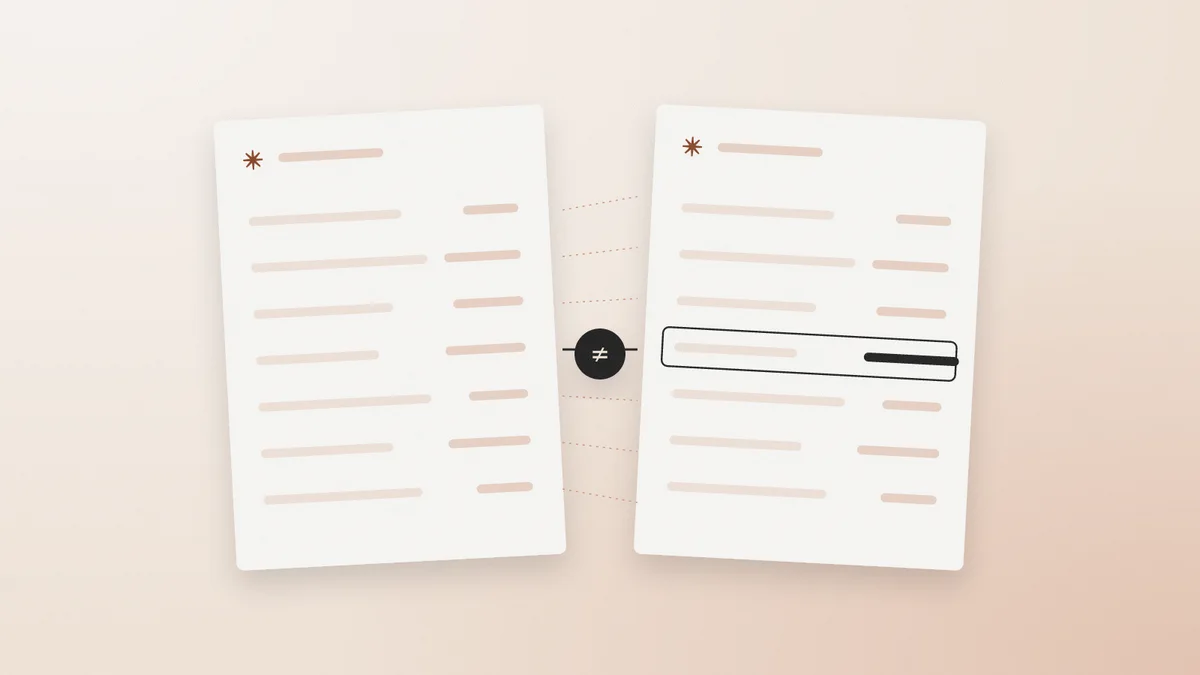
How to spot a fake EIN confirmation letter: what a real CP 575 or 147C contains, the tells that survive, IRS TIN Matching limits, and the six file checks.
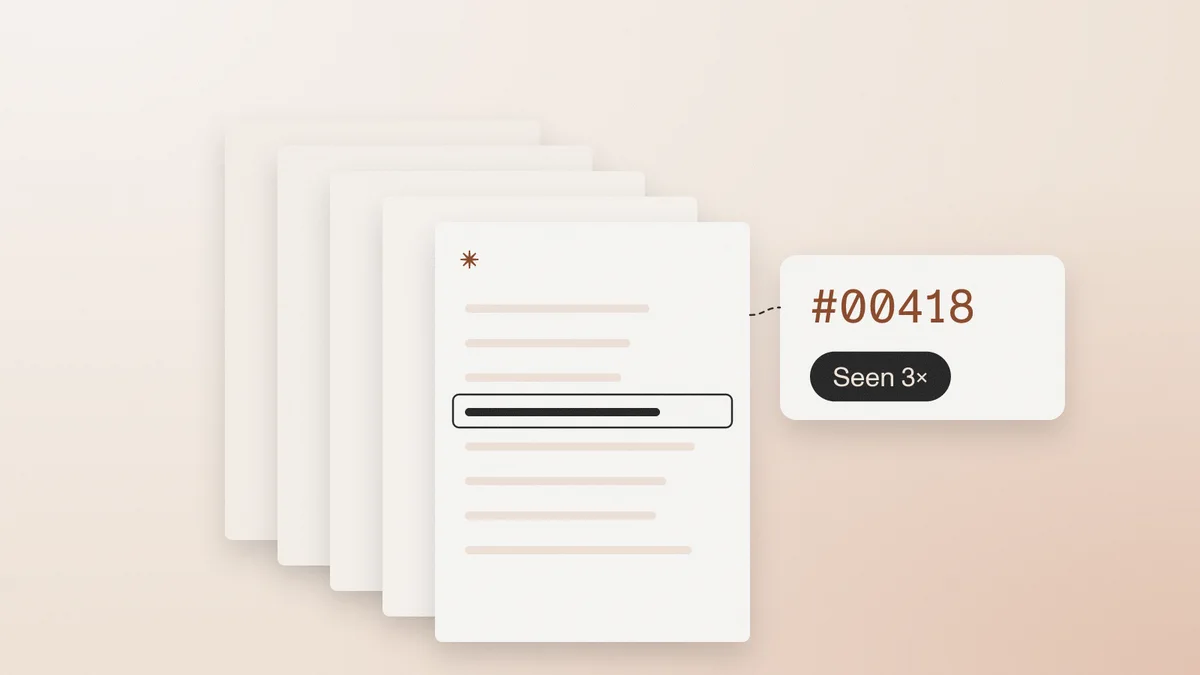
How lenders and onboarding teams spot fake 1040s, W-2s, and IRS transcripts: line-item tells, edited vs generated files, and the Form 4506-C break-test.
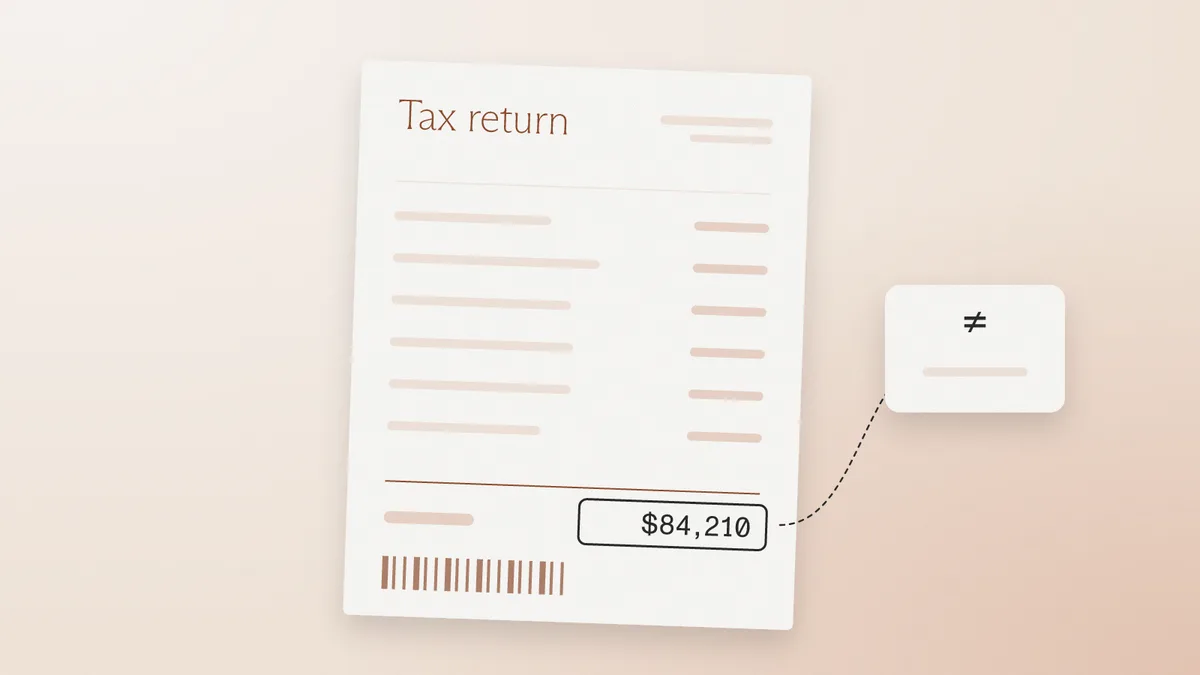
How to spot a fake invoice in factoring, trade finance, and AP: the tells that still work, the six file checks, and the debtor break-test that settles it.
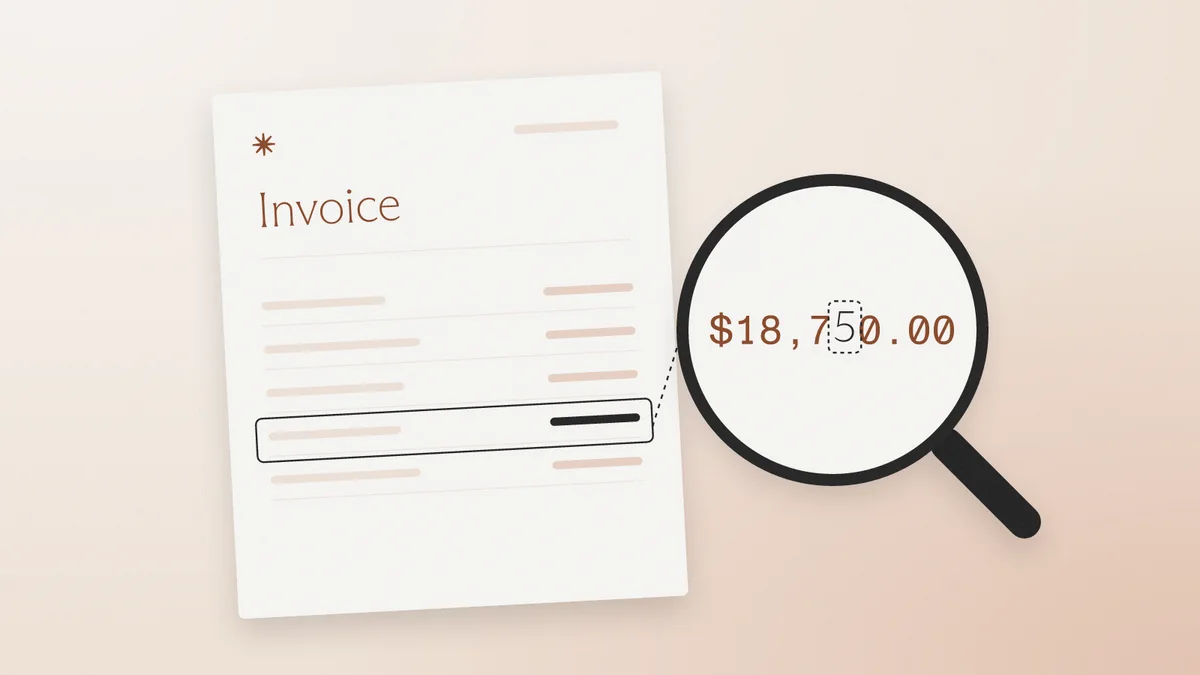
Should compliance teams accept screenshots of bank statements? What a flattened PDF loses, which fraud checks still work on images, and how to set policy.
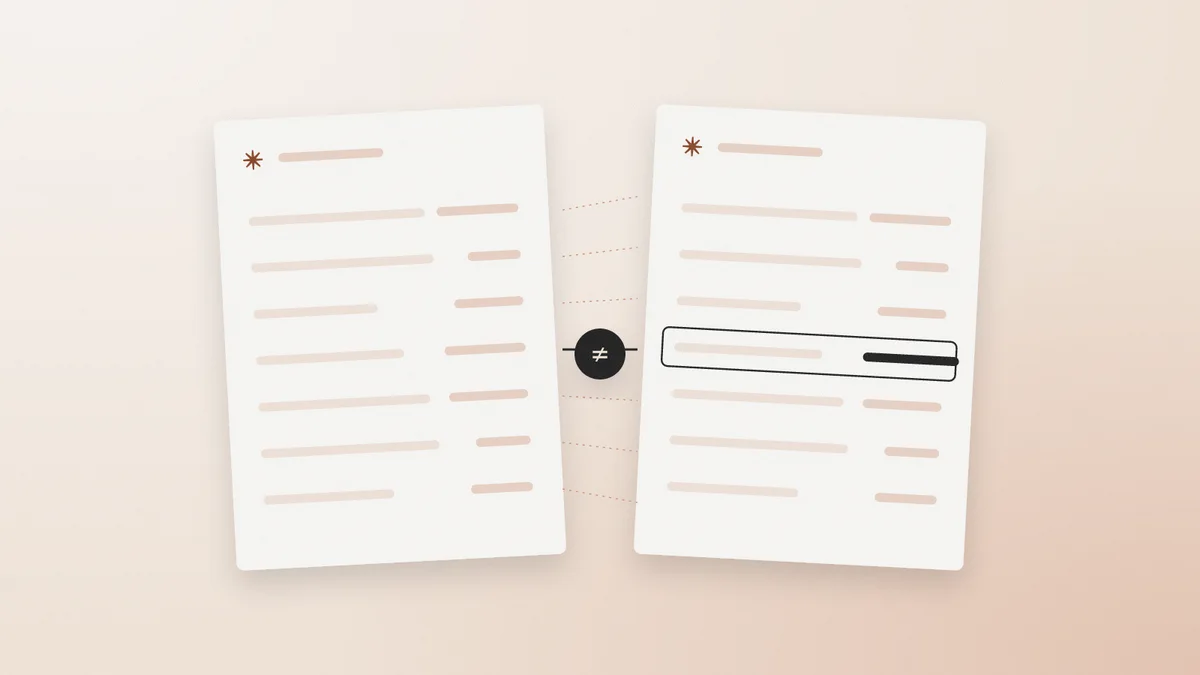
Explainable document forensics shows where a file was altered, what it said before, and how the examiner knows. Why a fraud score alone fails audit.
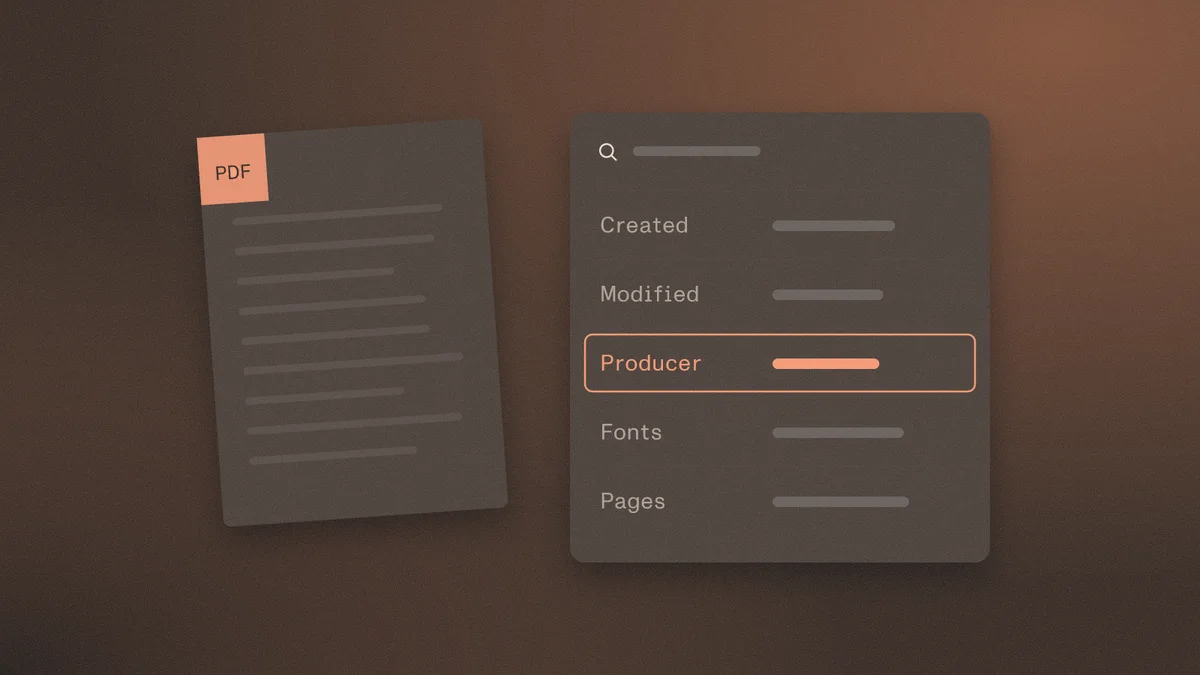
How KYC, KYB, rental, and lending teams spot fake utility bills used as proof of address: edited vs generated files, tells that work, six file checks.

How fake document templates and template farms work, why template-made files have no issuance history, and how to detect them in KYC and lending.
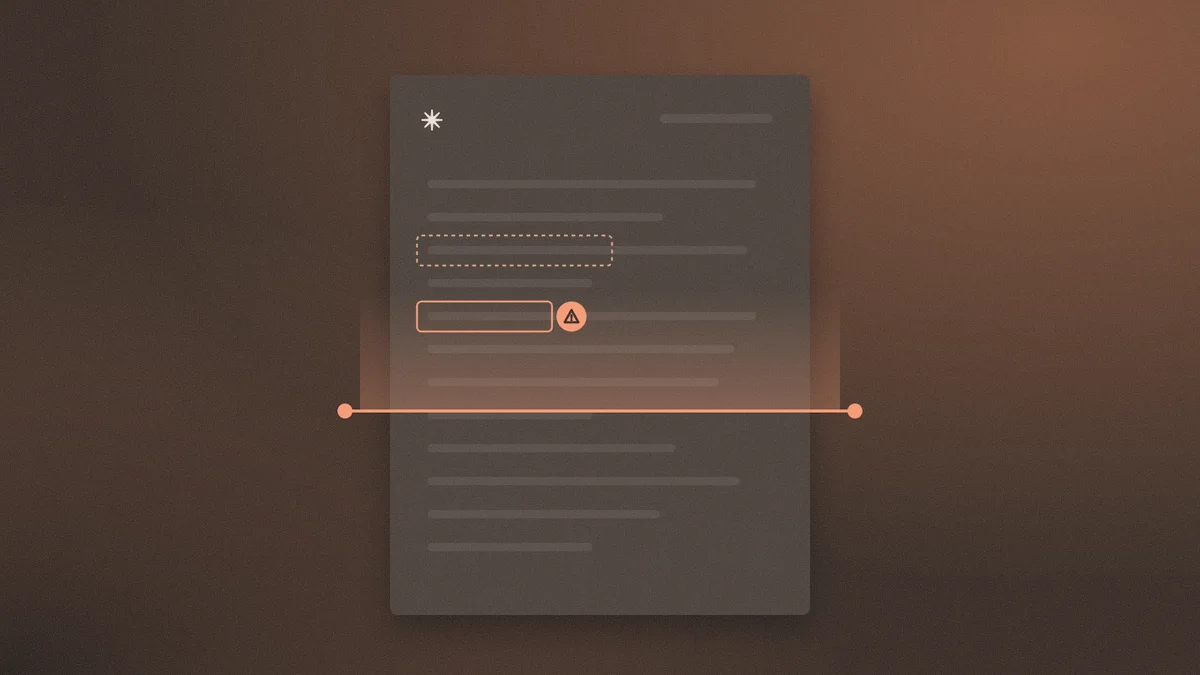
Serial document reuse detection catches one statement, stub, or ID recycled across unrelated applicants. Why single-file review misses it.
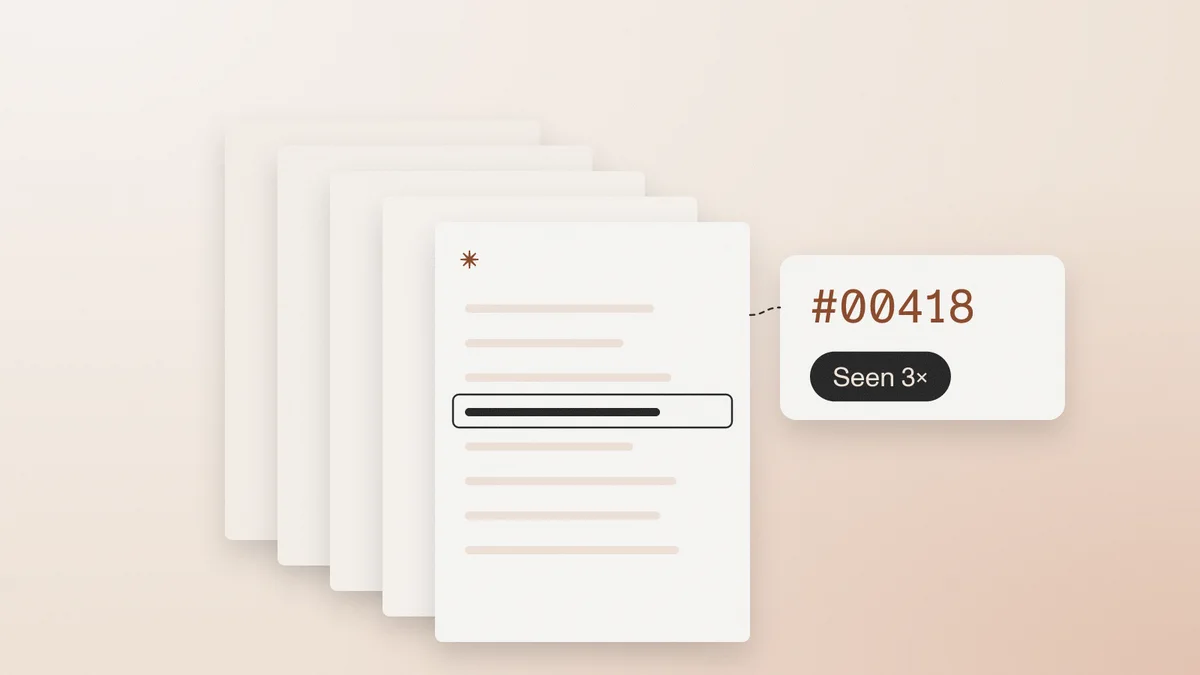
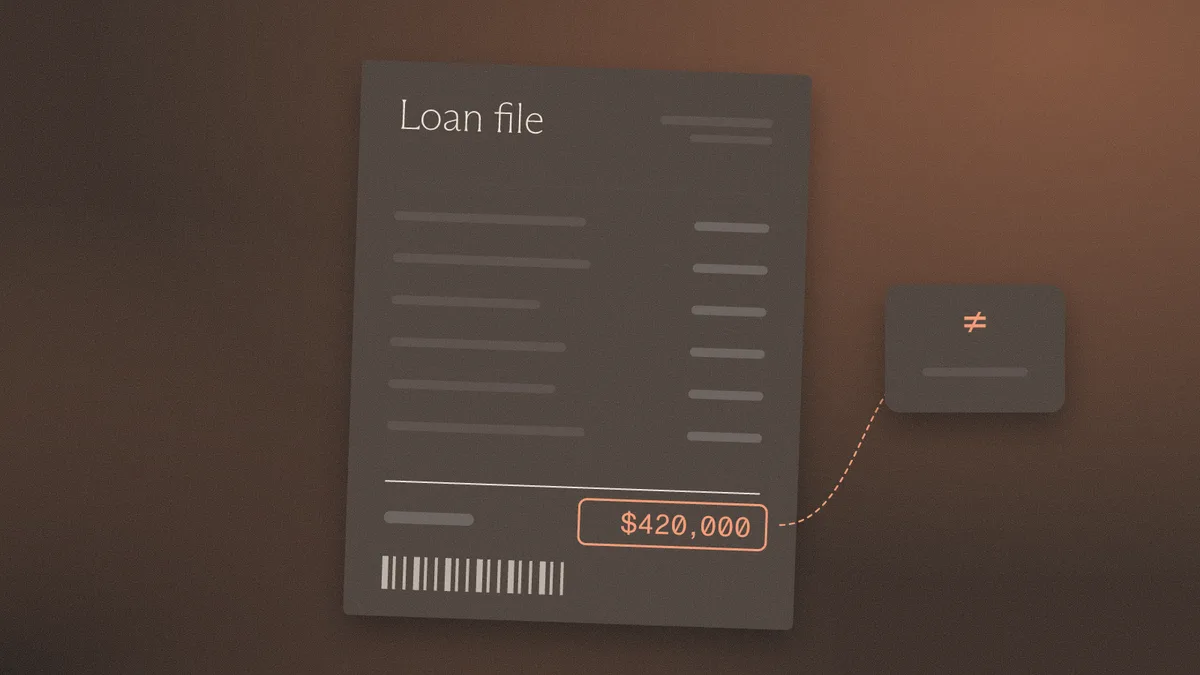
Loan document fraud detection tests bank statements, pay stubs, and tax docs as a package — the red flags underwriters miss on visual review.
KYB document fraud detection checks certificates, registry extracts, and proof of address as files. Visual review misses edited-after-creation PDFs.

Document fraud statistics from FinCEN, FBI IC3, and FTC — and what those figures miss about edited PDFs, counterfeit templates, and file-level detection.

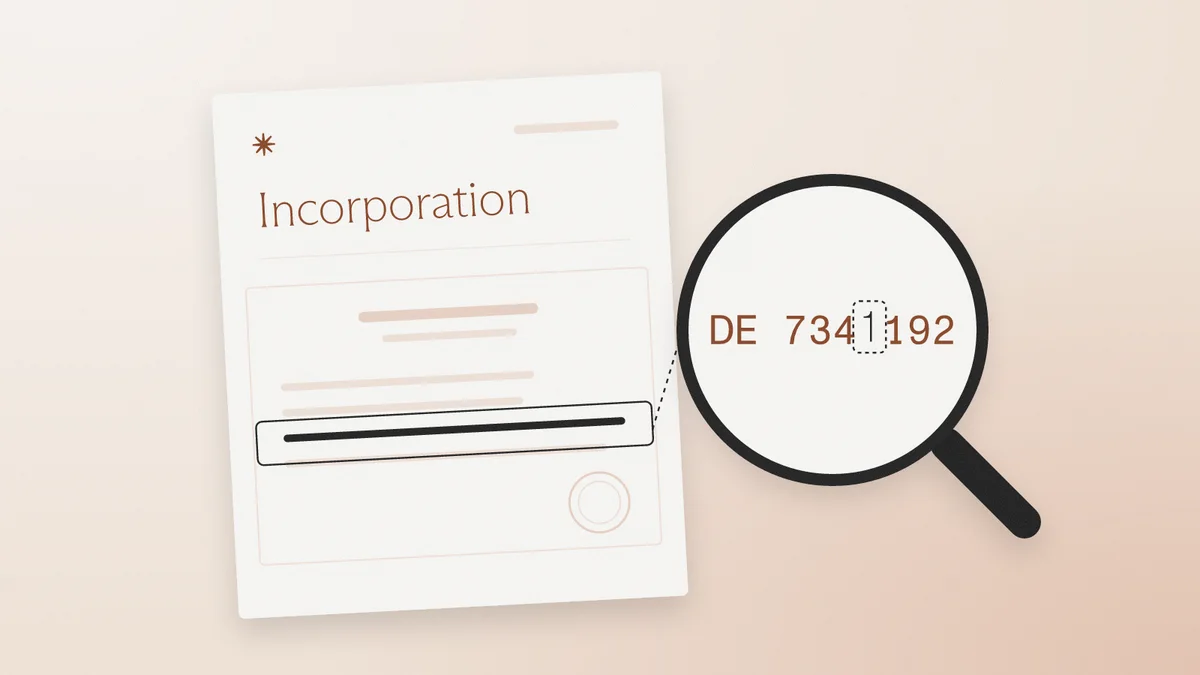
How to spot a fake certificate of incorporation in KYB: registrar mismatch, edited seals, generated COIs, and serial reuse. Visual review is not enough.
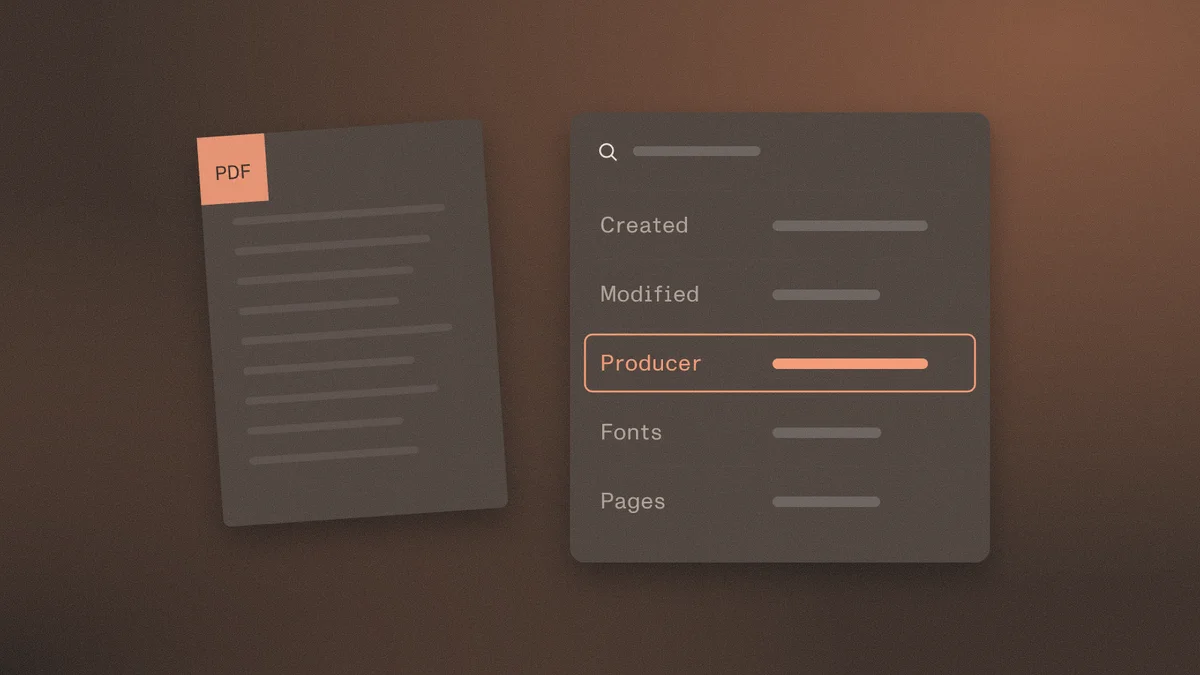
How to detect an AI-generated PDF using metadata, empty Producer strings, model artifacts, and the file history visual review misses.
How lenders and onboarding teams spot fake pay stubs: edited vs generated files, deposit cross-checks, and what visual review misses.

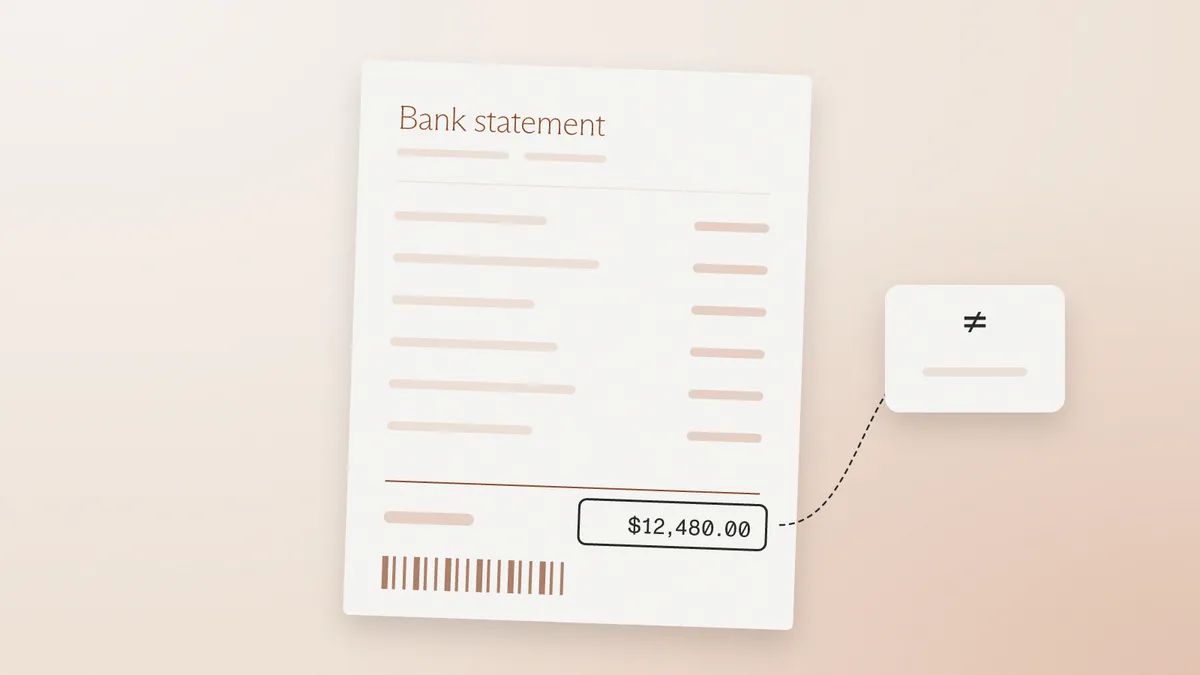
How to spot a fake bank statement: edited-after-creation vs generated-from-scratch, which visual tells still work, and how file history exposes forgeries.
Try another keyword or explore a different topic.