
Best Document Verification Software for Financial Institutions
Eight document verification tools for banks, lenders and fintechs, sorted by job: identity documents, income files, and whether a file was altered.



TL;DR: Bank statement fraud detection software comes in three forms: forensic tools that test the submitted file, statement analysis tools that add fraud signals to extracted data, and bank connections that avoid the file altogether. Most lenders, underwriters and KYB teams need a connection where the applicant can link and a file check everywhere else. The stakes are concrete: in a January 2025 Justice Department case, a defendant admitted altering or fabricating bank statements, pay stubs and W-2s behind about 450 mortgage loans totaling roughly $161 million.
Sphinx wrote this list. The numbering is an order of fit for teams that receive statements as files, not an independent ranking. Every product here publicly describes bank statement checks or bank data for lending, and vendor details come from each company's own pages and press as of November 2026.
The category name hides a real split: buyers comparing these products are often comparing answers to different questions.
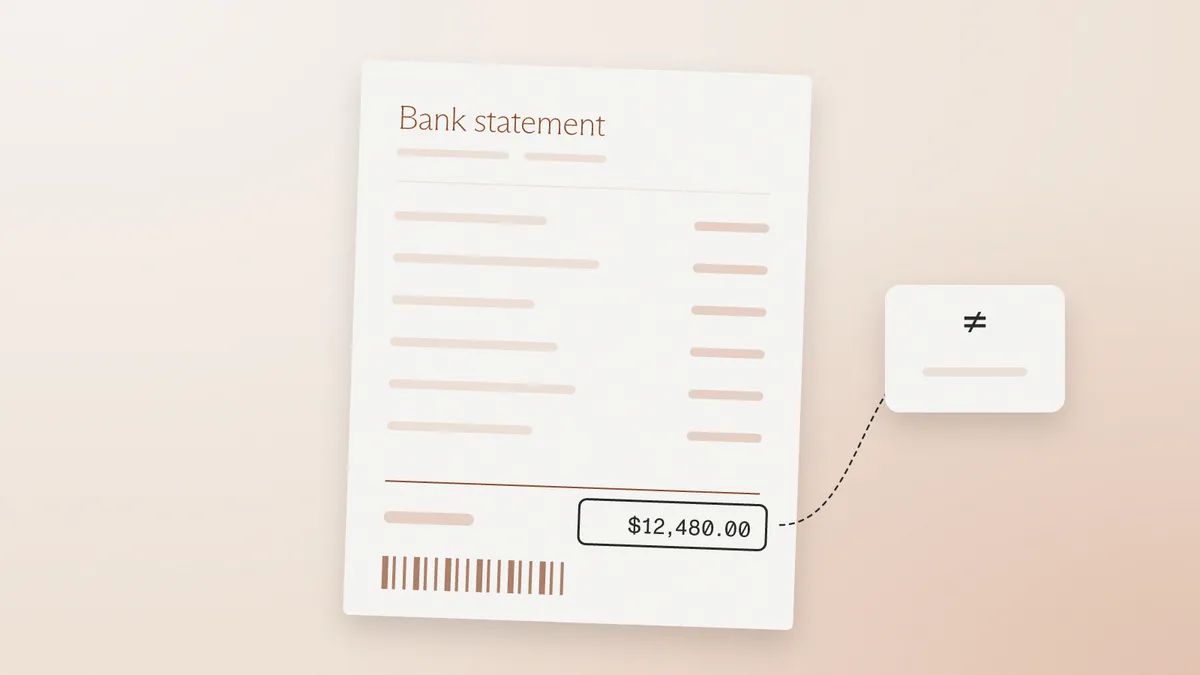
Document forensics asks whether this file is what it claims to be. It reads how the PDF was produced and changed, and whether the page behaves like that bank's statement. Statement analysis asks what the file says and whether it adds up, then turns transactions into underwriting numbers, with fraud signals alongside. A bank connection asks what is in the account, using data the applicant permissions from the institution.
Each one leaves something out. Forensics does not tell you the true balance. Analysis tools can inherit a forger's clean arithmetic. A connection fails the moment an applicant declines or the bank is not supported, and it says nothing about a forged file the applicant already sent you.
The manual tells are a separate subject, covered in how to spot a fake bank statement. This post is about what to buy. If your team is still deciding whether it needs authenticity checks or data verification at all, document verification versus document fraud detection draws that line first.
Sphinx Doc Fraud runs six checks on a file: production method, timestamp trail, issuer matching, consistency, model artifacts and recycled patterns. Each result includes an evidence x-ray. Sphinx reports a 94.3% correct verdict and under 28 seconds to clear clean files. At a $30B+ US bank, 91% of documents cleared and 17% more fraud was caught. Pricing is $0.45 per document, and teams can test their own files in the free playground first.
Doc Fraud also runs inside KYB and KYC review, where Sphinx prepares the evidence, applies your SOPs, and produces a traceable recommendation; your team retains final approval. The limit follows from reading files: Sphinx does not connect to the bank, confirm a balance with the issuer, or build a cash flow analysis.
Inscribe focuses on the financial documents that underwriting and onboarding teams see most: bank statements, pay stubs and tax forms. It describes four detection layers (forensic, network, semantic and perceptual), and says it reasons across an application rather than one document at a time, with an assistant that answers follow-up questions about findings. Each finding carries a risk level and a description. Banks, credit unions, lenders and fintechs are its stated audience, and teams with multi-document applications are the natural fit.
The limit is commercial rather than technical. Pricing is custom by document volume across Base and Premium plans, and evaluation runs through a four-week pilot, so evaluation takes weeks rather than an afternoon.
Resistant Documents is built to be document-agnostic and language-agnostic. The company says it looks at how a document is built rather than what it says, returns verdicts of Trusted, Warning or High Risk with supporting evidence, and takes under 20 seconds per document. It reports training on more than 200 million documents. That design suits merchant onboarding or lending programs taking unfamiliar paperwork from many markets.
The same design sets the limit: reading structure rather than content means no underwriting numbers, so lenders pair it with an analysis tool. Buyers should also know that since October 2026 Resistant AI's engine has powered the forensic layer in Ocrolus Detect, so those two entries are not fully independent options.
Ocrolus is a lending platform specializing in bank statements, pay stubs and tax forms, with cash flow and income analytics as its core. Detect adds an authenticity score from 0 to 100, High, Medium or Low status, and reason codes. Its docs describe two signal sources: Ocrolus's own checks on whether balances, totals and dates add up, and Resistant AI's file and pixel forensics. A separate product, Docs-to-Digital, reconciles PDF statements against Plaid, Finicity or Decision Logic data and scores each mismatch by severity. In October 2026 Ocrolus made Detect available at no added cost to its mortgage customers.
Detect makes the most sense for a lender already processing files through Ocrolus. It is built around lending, not KYB, and its docs list serial fraud and template reuse detection as coming in early 2027.
Thumbprint scores each PDF statement from 1 to 1,000 and lists the factors behind the score, typically in under five seconds. Two models run: one checks whether the statement agrees with itself on fonts, spacing, dates and balances, the other compares it with verified statements from the same bank. MoneyThumb says this holds up after a file is re-saved or scrubbed because it does not rely on metadata. Scores arrive in the platform or by webhook, and it runs alongside MoneyThumb's PDF Insights analysis. Plans start at $599.95 a year, one of the few public prices in this category.
The score is an input, and your team sets the thresholds and owns what happens next. The same-bank comparison also depends on a reference library, so test it on the small banks and credit unions in your own book.
DocuClipper treats a loan file or case as a set of statements. A coverage grid flags missing months, each statement is added up from its printed opening balance to its printed closing balance, and every PDF gets a 0 to 100 authenticity score with reasons. It also pairs transfers between a borrower's own accounts and surfaces accounts referenced but never produced. Plans are priced by pages with unlimited users, and a 14-day trial with no credit card covers up to 120 pages.
DocuClipper states plainly that the score is a guide and not a verdict, and a reviewer confirms each flag.
Plaid sidesteps the file. With the applicant's permission, it returns balances, identity and transaction history from the institution. Plaid says it connects to over 12,000 institutions, and in May 2025 reported business account support at 95% of US banks serving small businesses. Its Statements product, US only, retrieves an exact bank-branded PDF directly from the bank, up to two years back. Plaid's docs point most new US lending customers to Consumer Report by Plaid Check, its FCRA-covered product, and Plaid Assets is a Day 1 Certainty report supplier for Fannie Mae's Desktop Underwriter.
The limit is the link itself. The applicant has to complete it, the institution has to support the product requested, and a linked account does not tell you whether a PDF already in the file was genuine.
Mastercard Open Finance, which includes Finicity, offers Verification of Assets, Verification of Income, Cash Flow Analytics and a Statements product that retrieves bank statements as PDFs, all from customer-permissioned data. Mastercard cites 95% coverage of US demand deposit accounts and a history in mortgage. Its docs describe Finicity as a registered consumer reporting agency, and a separate business lending offering sits alongside the consumer reports. That profile fits mortgage, auto and personal lenders.
The limit matches Plaid's: everything depends on the customer connecting an account, and the core asset report operations list the US as the supported region, so cross-border KYB programs need another route.
A bank connection beats a file check whenever the applicant can link, because the question changes from "is this document real" to "what does the bank say." That matters most for high-value credit, asset verification and any decision that hinges on a current balance. Connections also keep working after approval, since lenders can refresh data without asking for new documents. Where a connection is available, make it the default.
The file check takes over in four situations:
KYB teams should weigh that last point. The CFPB's personal financial data rights rule defines a consumer as a natural person, so it should not be read as a guarantee of access to business accounts. Its consumer timeline is unsettled too: the CFPB's compliance page records that a court stayed the compliance dates on October 29, 2025, and the agency is reconsidering the rule. For now, access depends on aggregator coverage and applicant consent.
A connection also leaves two gaps. Dropping the document discards a signal, because an applicant who submitted a forged statement and then linked a thin account has told you something that matters for the case record. The second gap is ownership: data from a linked account proves little until someone confirms the account belongs to the applicant, which is why both Plaid and Mastercard sell account-owner checks. Staged deposits in a real account remain an underwriter's judgment call whichever tool you use.
Many programs land on both: connection first, forensic check as the fallback, and reconciliation when both exist. A mismatch between PDF and connection still needs an explanation before anyone acts on it, since periods and accounts can differ innocently.
Start with where your statements come from. Loan files arriving through brokers, or packages reviewed as a set, favor file checks that run on everything. Direct digital applicants can usually be offered a connection first. For onboarding, statements sit beside registry documents, so KYB document fraud tends to need a tool that handles more than one document type.
Then work through these questions:
Then run a break test. Pull a sample from your own book, mix in confirmed fakes and clean files from your small banks and credit unions, and score every vendor on the same set. Vendor accuracy figures are self-reported, Sphinx's included, and come from different mixes of documents. Free tiers and trials make that cheap: Sphinx's playground and DocuClipper's trial need no card, and Inscribe's pilot is designed around your sample.
Bank statement fraud detection software checks whether a submitted statement is genuine, using signals such as how the file was produced, whether it was changed after creation, whether it matches the issuing bank's format, and whether the numbers reconcile. Some products also extract transactions for underwriting, while bank connections replace the file with data from the institution.
Open banking gives a stronger answer about the account when the applicant can link, because the data comes from the institution rather than a document the applicant controlled. It does not help when the applicant declines, the institution is unsupported, or the file was collected earlier. A connection as the default with a file check as the fallback covers both cases.
Several vendors on this list, including Sphinx, Inscribe, Resistant AI and Ocrolus, describe checks for AI-generated documents. No vendor's claim should be accepted without testing, since detection varies by generator and by how the file was saved afterward. Include generated samples in your break test and score them separately from edited real statements.
Public pricing is uneven. Sphinx Doc Fraud is $0.45 per document, MoneyThumb plans start at $599.95 a year, and DocuClipper prices by pages. Inscribe prices by document volume on a custom quote, and Resistant AI lists no price on its own site. Compare cost at your actual monthly volume.
Often, yes. Lenders usually want statement checks tied to underwriting numbers, while KYB teams review a statement next to registry filings, ownership documents and proof of address, so coverage across document types matters more than cash flow analytics. Bank connections can also be harder in KYB, because the person handling onboarding may not be able to link the business account.
Eight document verification tools for banks, lenders and fintechs, sorted by job: identity documents, income files, and whether a file was altered.
Resistant AI alternatives for document forensics and transaction monitoring, ordered by fit, with what each does and where it stops.
Six Inscribe alternatives, sorted by what a buyer needs: work after the flag, document mix, data terms, pricing and how edits get caught.
Eight document fraud detection tools compared by what they test, how they explain a verdict and how they price.
How to spot a fake letter of credit or SBLC: why a standalone PDF is a red flag, tells that still work, and six checks on the file.
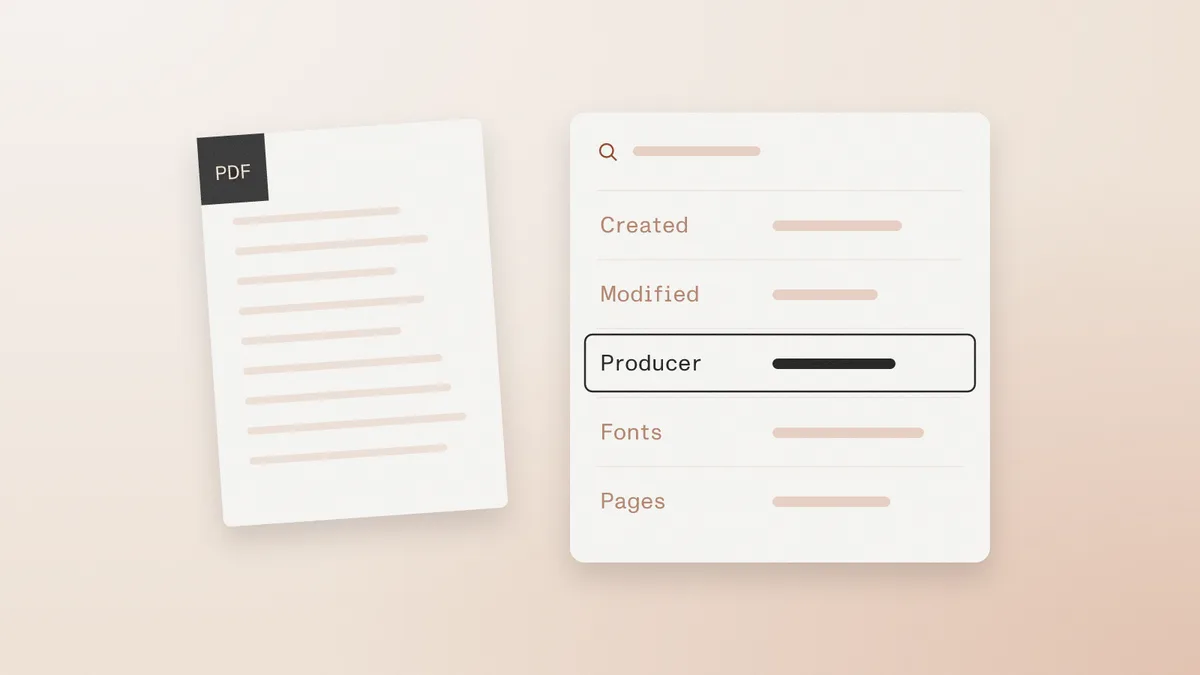
How to spot a fake gift letter: disguised loans, interested-party money, and how to verify the donor's transfer against Fannie Mae and FHA rules.
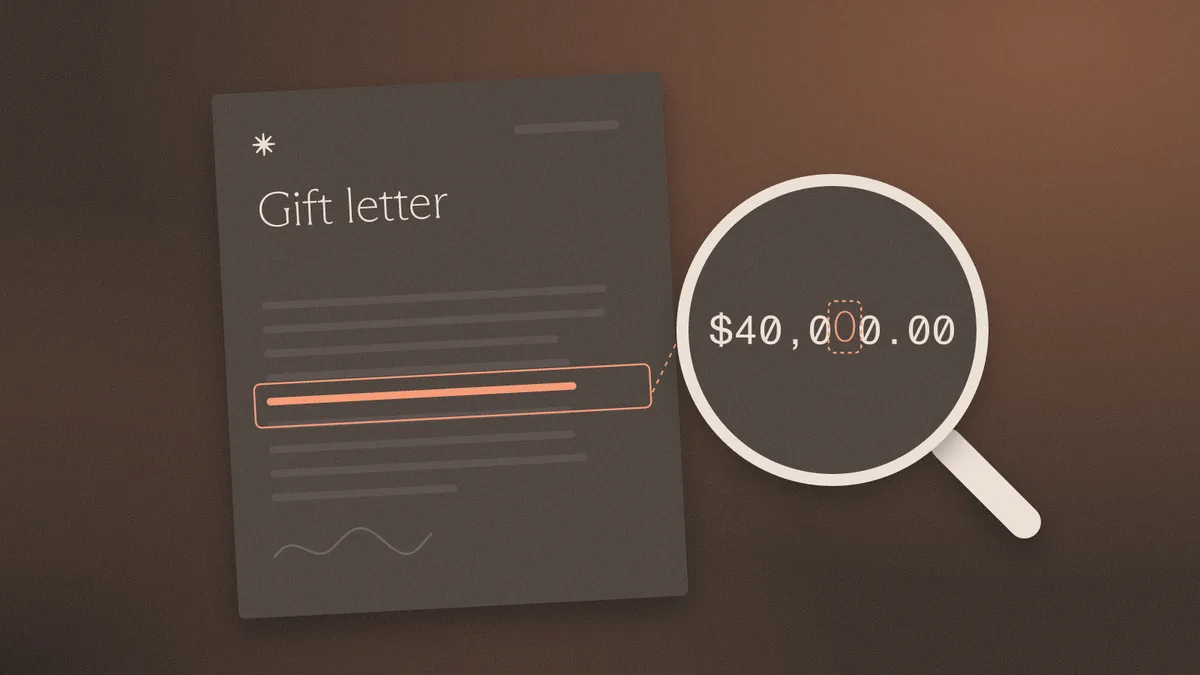
How to spot a fake payoff letter: altered wiring instructions, the tells that fail, and six checks on the file before the payoff wire goes out.
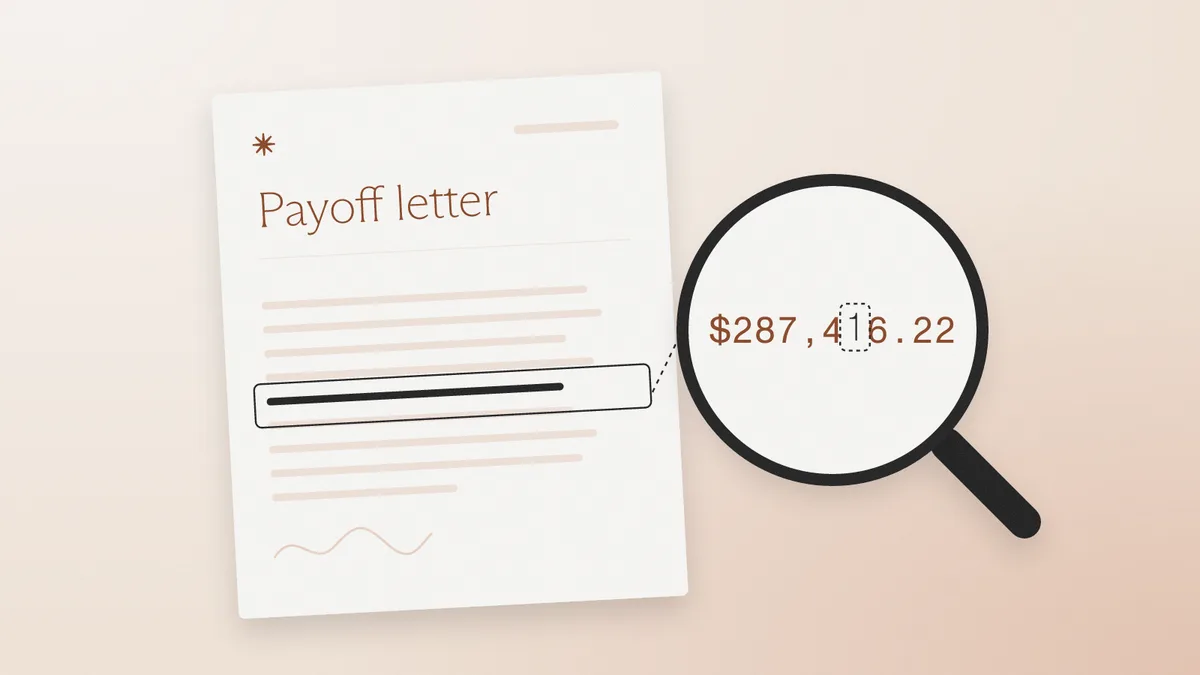
How to spot a fake certificate of trust: edited trustee names and powers, notary checks, beneficial ownership, and six checks on the file.
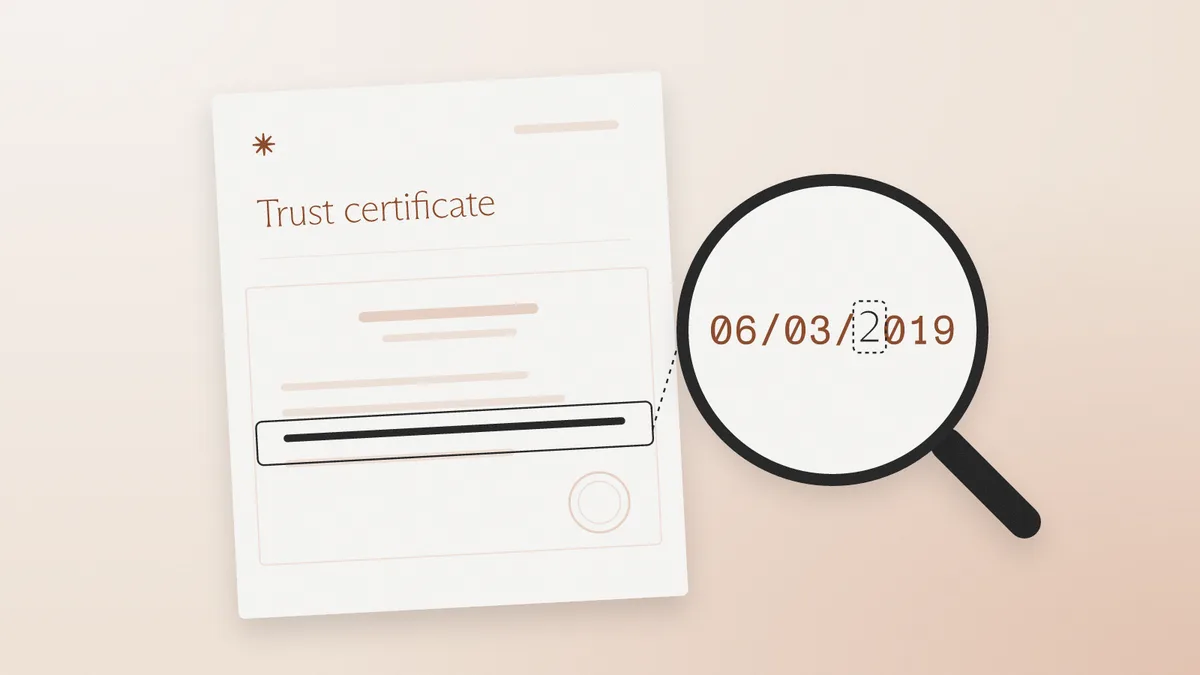
How to spot a fake shareholder register: edited percentages under the 25% UBO line, cap tables vs. registers, and the checks that catch them.
How to spot a fake crypto exchange statement: edited PDFs, CSV exports, on-chain withdrawal checks, and six checks on the file.
How to spot a fake credit card statement used for proof of address, debt verification, or source of funds: edited balances, broken math, file checks.
Spot a fake W-8BEN by reading foreign status, the treaty claim, and the file. The IRS publishes a blank and does not certify the form.

How to spot a fake partnership agreement: edited partner lists, signature blocks never executed together, and no state filing for a general partnership.

How to spot fake corporate bylaws: rules that contradict the articles, adoption before incorporation, and a template reused across companies.
How to spot a fake stock certificate offered as KYB ownership evidence, when the ledger matters more than the vignette.

A Schedule K-1 reports a partner's share of income. Capital-account math, form year, and an IRS transcript catch edited and generated fakes.
A fake 1099 is an information return edited after creation or generated from scratch. Match it to the IRS wage and income transcript.
How to spot a fake employment verification letter: edited versus generated files, the tells that fail, and six checks on the file.

Spot a fake mortgage statement by confirming principal, amount due, due date, and rate with the current servicer.
Spot a fake W-9 by matching the line 1 name and TIN. The IRS publishes a blank form and does not seal a completed one.
Spot a fake merchant statement by rebuilding amount processed from the fee lines and confirming the merchant ID with the processor.
Spot a fake DBA certificate in the county index: file number, registrant, and expiration. A filing is not good standing.
Spot a fake board resolution by checking that the certifier is not the empowered signer and that the resolution date comes first.
Spot a fake certificate of incumbency by checking the certifier and the state's officer list. A seal does not prove the offices.

How to spot a fake brokerage statement used as proof of assets, and why file history beats a clean layout.
How to spot fake articles of organization by matching the file number and filing receipt to the state record before the account opens.
A wire confirmation is a claim that money moved. Edited and generated payment advice fail file checks. The posted credit is the proof.
How to spot a fake bank reference letter: the relationship claim, the signatory, and the edit history. Letterhead is cheap to copy.
How to spot a fake operating agreement in KYB: edited member schedules, swapped signature pages, and ownership that does not match the file.
Spot a fake certificate of good standing by checking the as-of date, file number, and post-download edits.
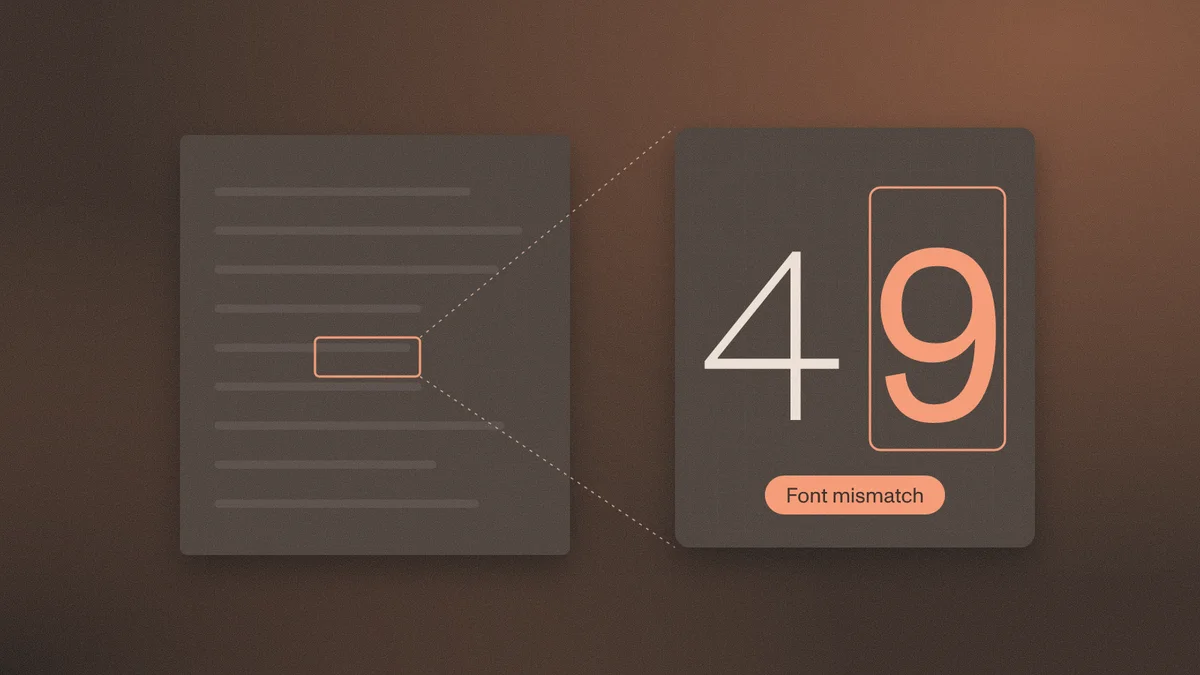
How to spot a fake voided check using file history, routing match, and account control. A VOID mark misses edited and generated files.
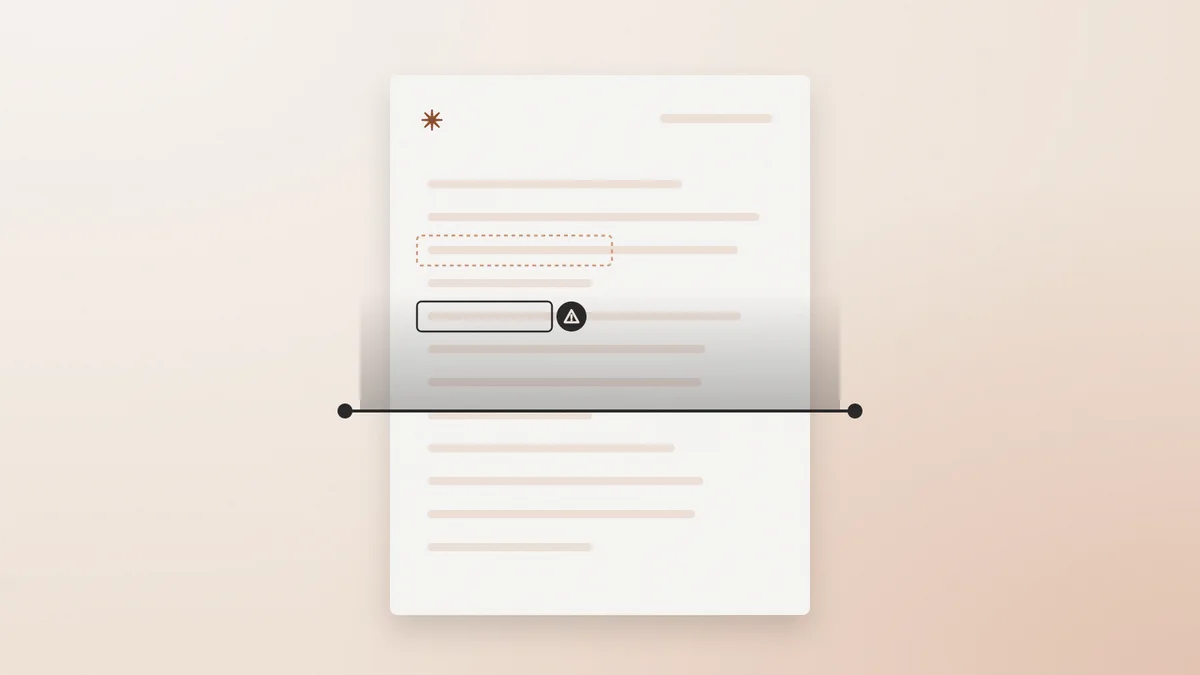
Verification reads the page and matches the applicant. Fraud detection reads the file. What each misses, how to evaluate each, and when you need both.

PDF metadata analysis for fraud detection: Info dictionary, XMP, timestamps, producer strings, incremental updates, and what each can and cannot prove.
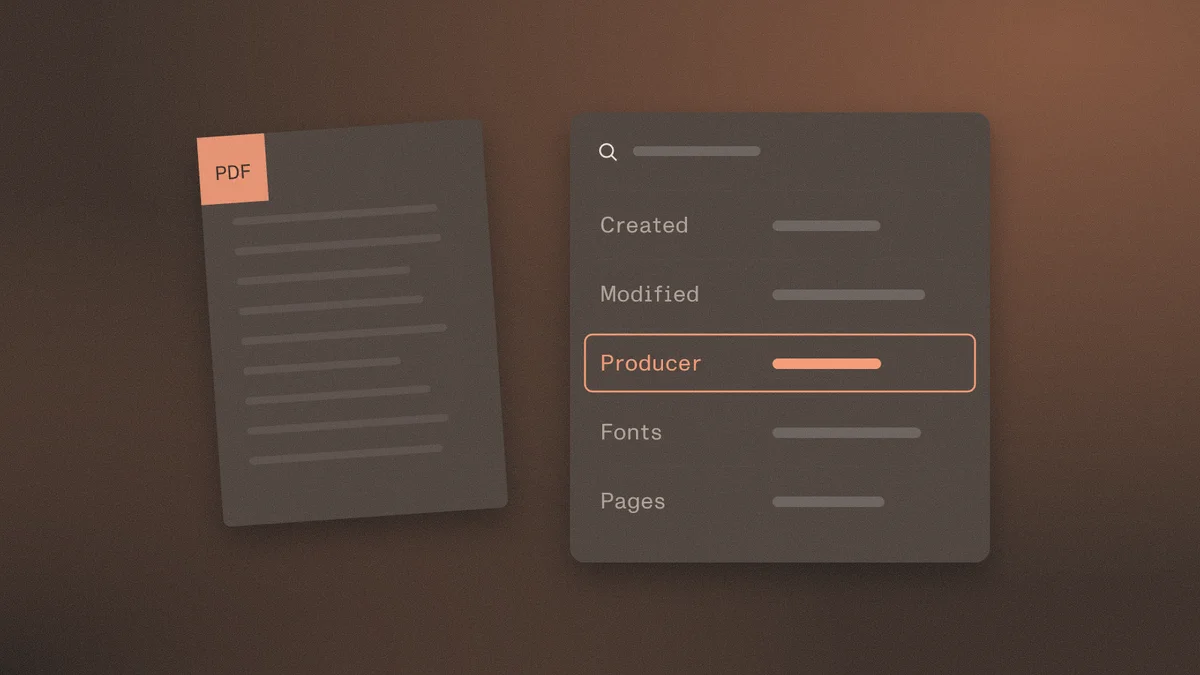
How to spot fake financial statements in SMB lending and KYB: inflated revenue, fake auditor letters, 4506-C and bank reconciliation, six file checks.
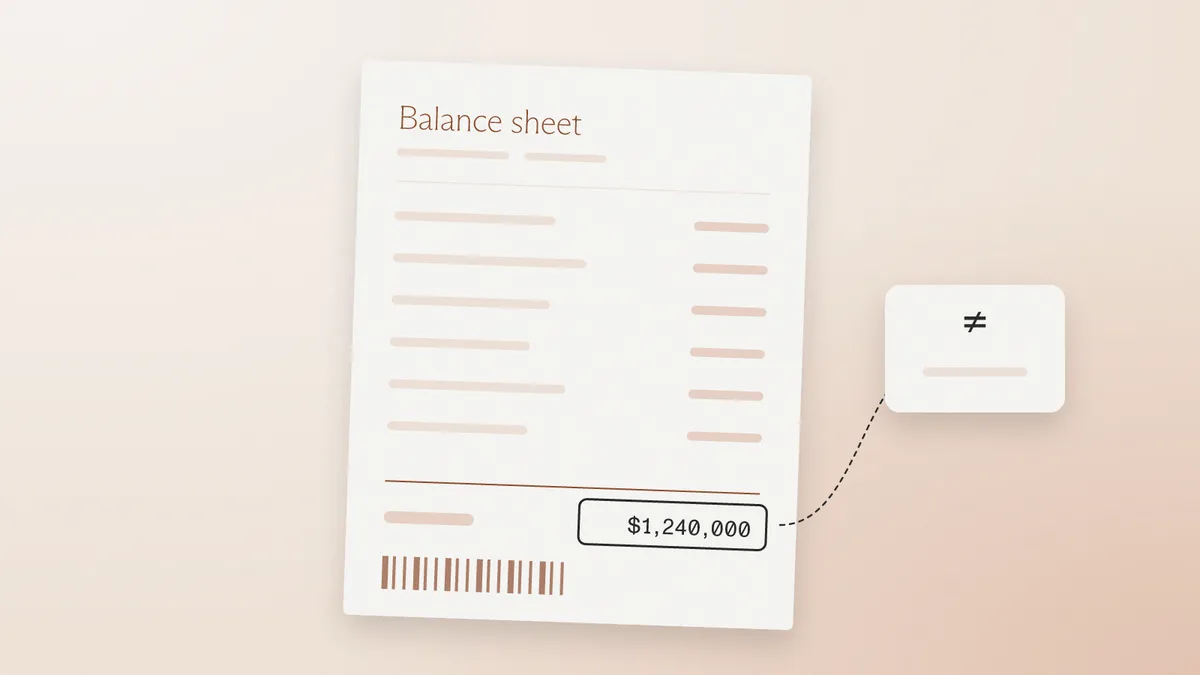
How to spot a fake certificate of insurance: why an ACORD 25 confers no rights, the tells that survive, carrier and NAIC lookups, and the six file checks.
How to spot a fake lease agreement in KYC, mortgage, and KYB review: landlord, date, rent, and disclosure tells, plus the six file checks that settle it.

How to spot a fake proof of funds letter in lending, real estate, and escrow: the tells that work, the six file checks, and how to verify with the bank.
How to spot a fake EIN confirmation letter: what a real CP 575 or 147C contains, the tells that survive, IRS TIN Matching limits, and the six file checks.
How lenders and onboarding teams spot fake 1040s, W-2s, and IRS transcripts: line-item tells, edited vs generated files, and the Form 4506-C break-test.
How to spot a fake invoice in factoring, trade finance, and AP: the tells that still work, the six file checks, and the debtor break-test that settles it.
Should compliance teams accept screenshots of bank statements? What a flattened PDF loses, which fraud checks still work on images, and how to set policy.
Explainable document forensics shows where a file was altered, what it said before, and how the examiner knows. Why a fraud score alone fails audit.
How KYC, KYB, rental, and lending teams spot fake utility bills used as proof of address: edited vs generated files, tells that work, six file checks.

How fake document templates and template farms work, why template-made files have no issuance history, and how to detect them in KYC and lending.
Serial document reuse detection catches one statement, stub, or ID recycled across unrelated applicants. Why single-file review misses it.
Loan document fraud detection tests bank statements, pay stubs, and tax docs as a package — the red flags underwriters miss on visual review.
KYB document fraud detection checks certificates, registry extracts, and proof of address as files. Visual review misses edited-after-creation PDFs.

Document fraud statistics from FinCEN, FBI IC3, and FTC — and what those figures miss about edited PDFs, counterfeit templates, and file-level detection.

How to spot a fake certificate of incorporation in KYB: registrar mismatch, edited seals, generated COIs, and serial reuse. Visual review is not enough.
How to detect an AI-generated PDF using metadata, empty Producer strings, model artifacts, and the file history visual review misses.
How lenders and onboarding teams spot fake pay stubs: edited vs generated files, deposit cross-checks, and what visual review misses.

How to spot a fake bank statement: edited-after-creation vs generated-from-scratch, which visual tells still work, and how file history exposes forgeries.
Try another keyword or explore a different topic.