
Resistant AI Alternatives for Document Fraud and Monitoring
Resistant AI alternatives for document forensics and transaction monitoring, ordered by fit, with what each does and where it stops.

TL;DR: The best document verification software for financial institutions depends on which document is in front of you: a government ID at account opening, a pay stub in a loan file, or a PDF that may have been edited. Jumio, Socure, Mitek, Entrust and Sumsub cover hosted identity verification, Regula suits teams that run it on their own infrastructure, Ocrolus serves lenders, and Sphinx covers only the altered-file question. In a Department of Homeland Security test, one of seven anonymized commercial systems kept false accepts and false rejects both under 10%, so testing a vendor on your own documents matters more than any feature list.
Sphinx wrote this list, and Sphinx sells one of the eight products on it. Vendors were included because they sell document verification or review to regulated financial institutions and publish enough to describe specifically; each entry comes from public material, and the numbering is an order of fit for the usual buyer, not a score from testing.
Document verification software confirms that a submitted document is genuine, reads what it says, and ties it to the applicant. Under that label, vendors sell three separate jobs, and most shortlists go wrong by comparing across them.
The first job is the identity document. Banks write it into their Customer Identification Program: 31 CFR 1020.220 requires risk-based procedures that let the bank form a reasonable belief it knows the customer's true identity, and names unexpired government ID as one acceptable document. Most products on this list started here. The onboarding mechanics behind that step are covered in this guide to identity document verification, so this post stays on vendors.
The second job is the supporting document: proof of address, pay stubs, bank statements, tax forms. Lending raises the stakes here. Cotality's 2026 annual fraud report estimates that about 1 in 119 mortgage applications carried indications of fraud in Q2 2026. Software in this group mostly extracts data and tests whether the numbers hold together.
The third job is the file itself: was this PDF produced the way it claims, or edited afterward? A clean extraction says nothing about that, which is the distinction drawn in document verification vs document fraud detection. Many institutions need more than one of these jobs covered, and few vendors would claim equal depth in all three.
Entries one to five are hosted identity verification for account opening, which is what most buyers searching this category want. Regula is the option you run yourself. Ocrolus and Sphinx come last because they answer narrower questions about financial documents and files, and neither replaces an identity vendor.
Jumio verifies more than 5,000 physical and digital ID types across 200 countries and territories, combining the document check with a selfie, liveness detection and a risk-based decision. Its Doc Proof product works beside ID Verification and takes secondary documents such as utility bills, bank statements and credit card statements, extracting names and addresses to compare against the application.
That pairing suits retail banks and fintechs that want primary ID and proof of address from one vendor at account opening, with AML screening available from the same company. The limit follows from how Jumio frames Doc Proof: it confirms a customer's details, most often to show where they live. A lender asking whether a statement balance was changed should find out how far that check goes.
Socure's DocV checks government IDs, with optional selfie matching, liveness, and injection and deepfake signals. The newer DocV Omega connects document and biometric evidence with identity, device, behavioral and velocity context, then returns a fraud score that the customer decisions against its own threshold. Socure lists DocV at $0.80 per evaluation on its Launch tier, with enterprise pricing based on volume and spend. In August 2026 it bought Fravity, whose agents now ship inside its RiskOS platform.
Teams that want identity, fraud and decisioning in one system get the most from it. The limit is scope on non-ID files: Socure's documentation lists extracted data and data comparison as the signals for secondary documents, so the authenticity of a bank statement is a separate question to raise.
Mitek, a Nasdaq-listed company, sells two lines that matter to banks. Its MiVIP platform authenticates government IDs, matches a selfie, runs AML screening and exposes risk signals through one API, with an optional Digital Fraud Defender aimed at deepfakes, AI-altered documents, template attacks and injection. Check Fraud Defender analyzes the front and back of a check against a consortium that Mitek says covers more than 95% of US financial institutions.
The fit is strongest for a bank fighting identity fraud and deposit fraud at once, particularly if it wants to keep those under one contract. The limit is document range. The two lines describe government IDs and checks, so bank statements, pay stubs and formation documents would need their own review.
Entrust completed its acquisition of Onfido in 2024, and that product is now its identity verification line. It supports more than 2,500 document types across 195 countries, assesses visual, data and metadata elements of each ID, can read NFC chips where the phone and document allow it, and returns a recommendation of "clear" or "consider". Entrust also states ETSI TS 119 461 certification and eIDAS 2.0 alignment.
Those credentials make it a natural candidate for institutions onboarding across the EU under remote identity proofing rules. The limit is that its document verification page is built around photo IDs and treats proof of address as a companion check. Plan a review path for "consider" results too, since someone on your team will own that queue.
Sumsub authenticates IDs and proof of address from more than 220 countries and territories, with security feature checks, screen recapture detection, duplicate search and blocklist checks. The same account can add non-documentary verification, business verification, AML screening and transaction monitoring. Unusually for this list, it publishes self-serve prices: $1.35 and $1.85 per verification, with custom plans above 1,000 verifications a month.
Fintechs and neobanks that want a single vendor from onboarding through monitoring are the obvious fit. The limit is what comes with that breadth: Sumsub pitches its regulated self-serve plan at smaller-scale businesses, so a bank should expect a custom scope. A team already running Sumsub seldom needs to replace it to add a file check or an investigation layer, since those jobs sit beside identity verification.
Regula sells software and hardware for reading and authenticating identity documents. Its Document Reader SDK covers more than 17,000 identity documents across 254 countries and territories, checks the visual zone, machine-readable zone and barcodes, and verifies NFC chips on the server. Regula's readers and forensic devices add multispectral capture under infrared and ultraviolet light, and Forensic Studio supports in-depth examination by a specialist.
Institutions with branches, strict data residency requirements, or a policy against sending ID images to a hosted service should look here first, because the software can run on device or on premises. The limit comes with that control. Regula's SDK is designed for identity documents, and your engineers take on the integration and upkeep that a hosted vendor would otherwise carry.
Ocrolus classifies and extracts lending documents, covering more than 1,700 types, and turns bank statements, pay stubs and tax forms into income and cash flow data. Its Detect product adds an authenticity status with reason codes. Ocrolus runs math checks on supported forms and, according to its own documentation, uses file and pixel forensics from Resistant AI. Detect also appears inside Encompass for mortgage teams.
Mortgage, small business and consumer lenders are the natural buyers. The limits are clear from its documentation: this is not an identity product, serial fraud and template reuse detection is listed as coming in early 2027, and Ocrolus itself recommends manually reviewing flagged documents because some flags have legitimate explanations.
Sphinx Doc Fraud examines the file itself through six checks: production method, timestamp trail, issuer matching, consistency, model artifacts and recycled patterns. Sphinx reports a 94.3% correct verdict and under 28 seconds to clear clean files, at $0.45 per document with no seats or platform fee. A free playground lets a team check a document. Inside a KYB review or KYC workflow, it runs as one agent: Sphinx prepares the evidence, applies your SOPs, and produces a traceable recommendation; your team retains final approval.
Fraud and compliance teams that already have an identity vendor and receive statements, pay stubs or company documents are the fit. The limit is the reason it sits last here: Sphinx does not match a selfie, test liveness or confirm who an applicant is, and an unedited file can still belong to someone else. It sits beside identity verification and does not replace it.
Start with independent evidence, because vendor accuracy figures rarely share a method. In the Remote Identity Validation Rally, run for DHS Science and Technology at the Maryland Test Facility, seven commercial systems judged images of genuine and fraudulent IDs. The published results show one system holding both false rejects and false accepts below the 10% threshold at its worst-performing smartphone, while worst-case false accepts across the group ranged from under 1% to more than 76%. Results are anonymized, so they say nothing about any vendor named here. Companies may disclose their own participation, which makes it a fair first question.
FinCEN's November 2024 alert on deepfake media adds a practical point: institutions often found GenAI content in identity documents by re-reviewing account opening documents, and reverse image searches and metadata review were among the techniques it described. Whatever you buy, keep the original submission somewhere you can examine it again.
From there, these questions separate the shortlist quickly:
Run a pilot on your own historical files, including known fraud, before signing. Published accuracy describes someone else's documents.
No single product covers every job, so the answer depends on the document. For government IDs at account opening, Jumio, Socure, Mitek, Entrust and Sumsub are the hosted options on this list, and Regula suits banks that need on-premises deployment. Lending teams should also look at Ocrolus, and teams worried about edited files need a file-level check such as Sphinx in addition to identity verification.
No US rule requires software specifically. Under 31 CFR 1020.220, a bank's Customer Identification Program must describe when it verifies identity through documents, non-documentary methods, or both, and those procedures must support a reasonable belief that it knows the customer's true identity. Software is one way of carrying that out, and the bank remains responsible for the program.
Published prices are the exception. Socure lists DocV at $0.80 per evaluation on its Launch tier, Sumsub lists $1.35 and $1.85 per verification on self-serve plans, and Sphinx Doc Fraud is $0.45 per document. The Jumio, Mitek, Entrust, Regula and Ocrolus pages reviewed for this list showed no price, so expect a quote based on volume.
Not always, because many tools confirm what a statement says rather than how the file was made. A statement edited after the bank produced it can read cleanly and match the applicant's name. Catching it takes file-level analysis of production method, timestamps and issuer details, which some lending tools and forensic products provide.
No. Sphinx does not match selfies, test liveness or confirm that an applicant is who they claim to be, so an identity verification vendor still does that job. Sphinx checks whether a submitted file was altered and, within KYC and KYB workflows, prepares evidence for your team's final decision.
Resistant AI alternatives for document forensics and transaction monitoring, ordered by fit, with what each does and where it stops.
Six Inscribe alternatives, sorted by what a buyer needs: work after the flag, document mix, data terms, pricing and how edits get caught.
Eight document fraud detection tools compared by what they test, how they explain a verdict and how they price.

How to spot a fake letter of credit or SBLC: why a standalone PDF is a red flag, tells that still work, and six checks on the file.
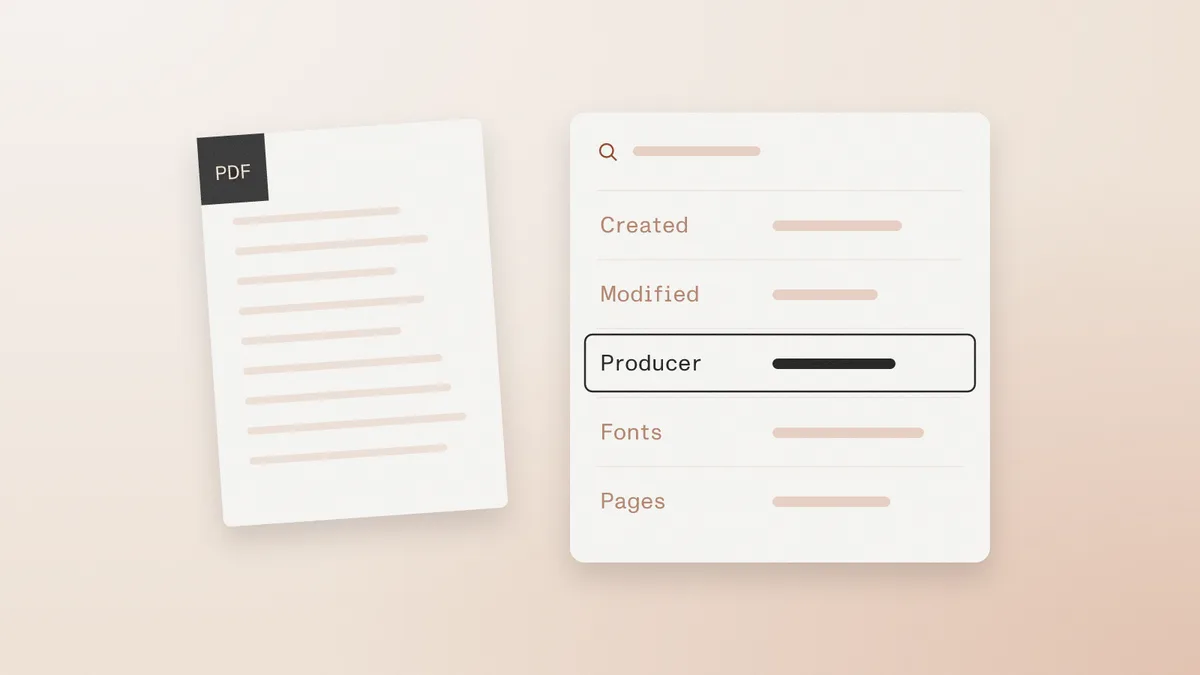
How to spot a fake gift letter: disguised loans, interested-party money, and how to verify the donor's transfer against Fannie Mae and FHA rules.
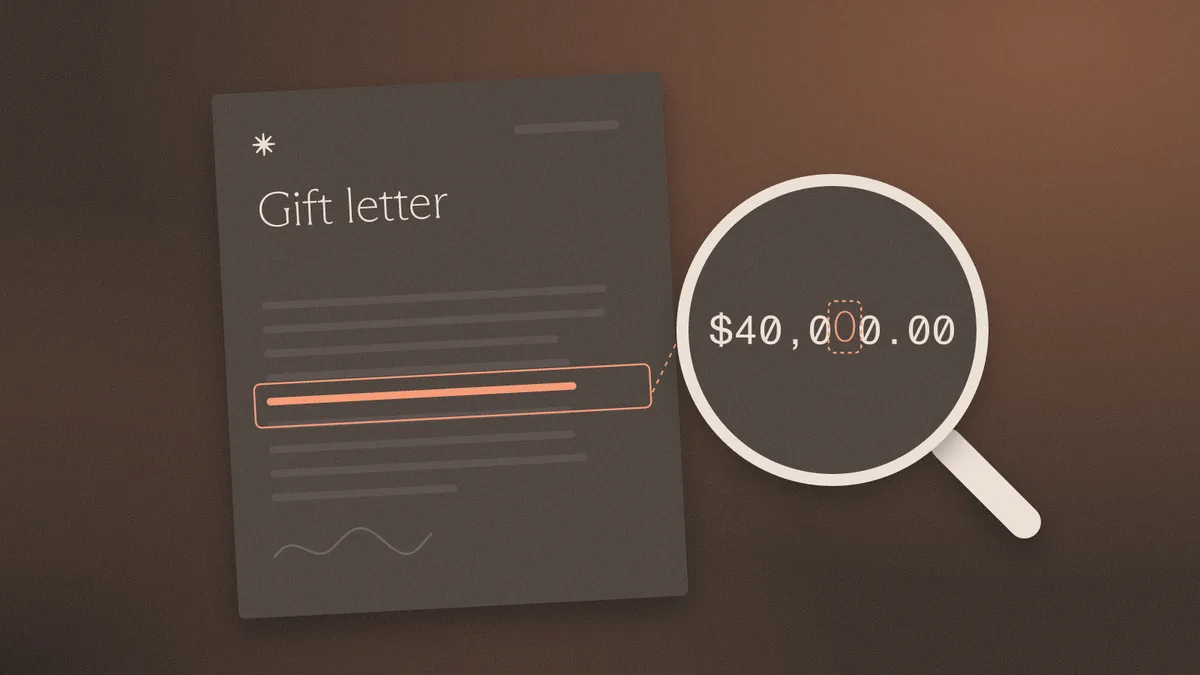
How to spot a fake payoff letter: altered wiring instructions, the tells that fail, and six checks on the file before the payoff wire goes out.
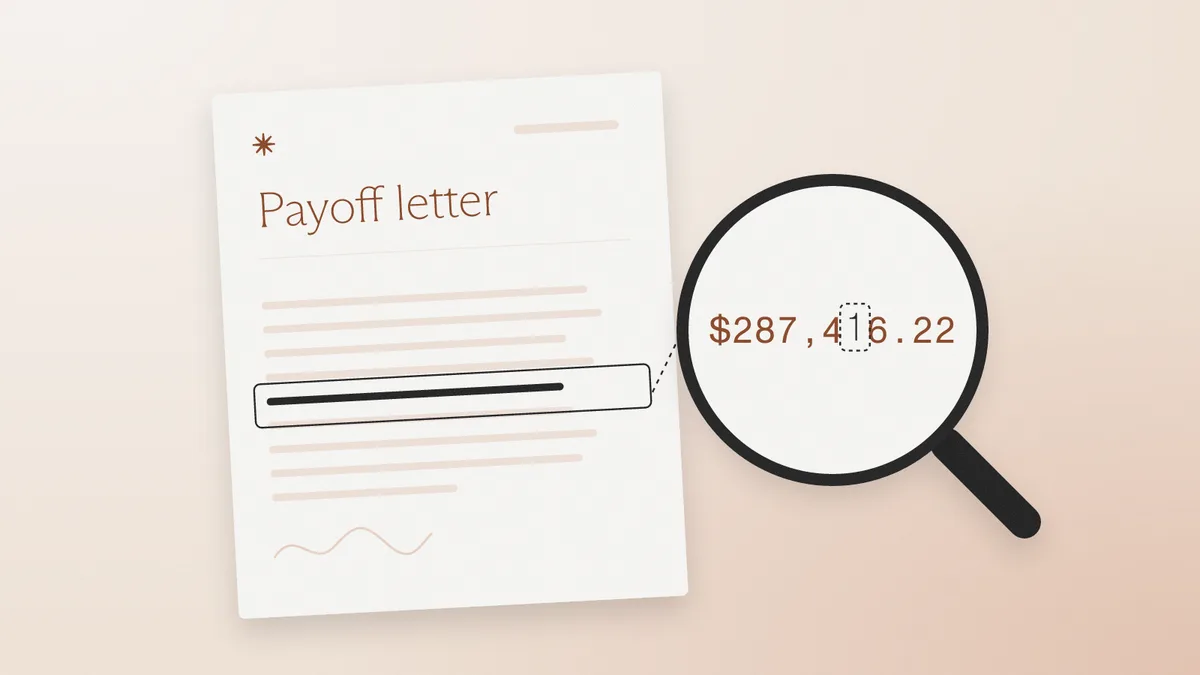
How to spot a fake certificate of trust: edited trustee names and powers, notary checks, beneficial ownership, and six checks on the file.
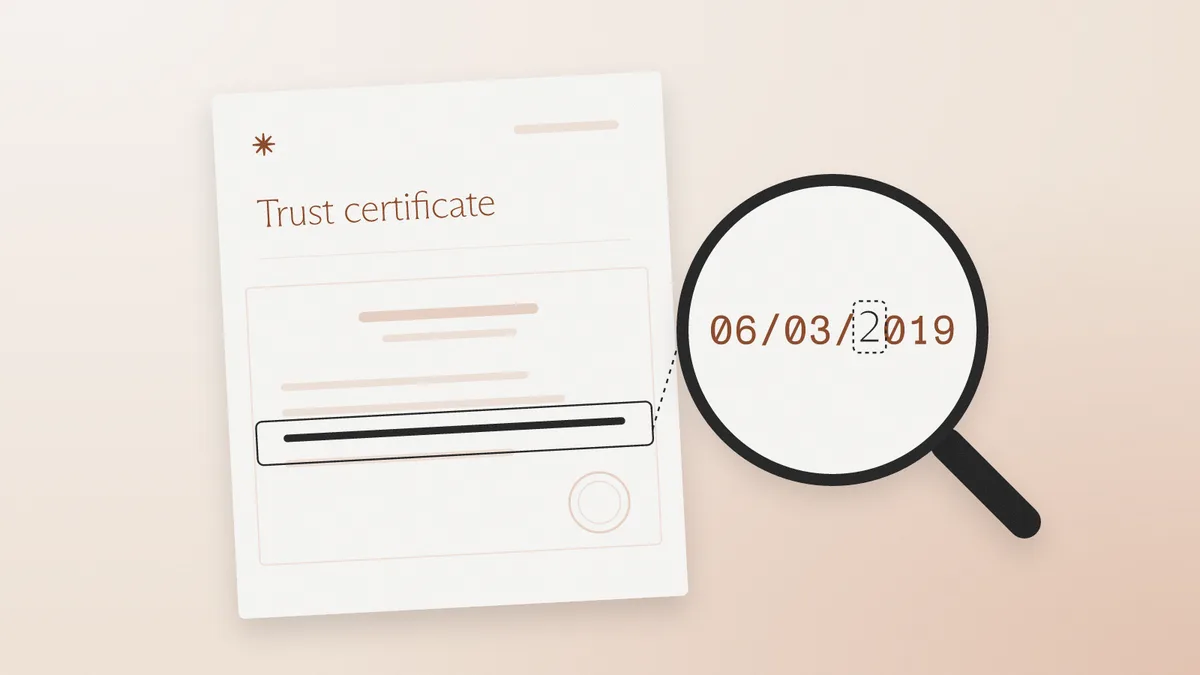
How to spot a fake shareholder register: edited percentages under the 25% UBO line, cap tables vs. registers, and the checks that catch them.

How to spot a fake crypto exchange statement: edited PDFs, CSV exports, on-chain withdrawal checks, and six checks on the file.
How to spot a fake credit card statement used for proof of address, debt verification, or source of funds: edited balances, broken math, file checks.
Spot a fake W-8BEN by reading foreign status, the treaty claim, and the file. The IRS publishes a blank and does not certify the form.

How to spot a fake partnership agreement: edited partner lists, signature blocks never executed together, and no state filing for a general partnership.

How to spot fake corporate bylaws: rules that contradict the articles, adoption before incorporation, and a template reused across companies.
How to spot a fake stock certificate offered as KYB ownership evidence, when the ledger matters more than the vignette.

A Schedule K-1 reports a partner's share of income. Capital-account math, form year, and an IRS transcript catch edited and generated fakes.
A fake 1099 is an information return edited after creation or generated from scratch. Match it to the IRS wage and income transcript.
How to spot a fake employment verification letter: edited versus generated files, the tells that fail, and six checks on the file.

Spot a fake mortgage statement by confirming principal, amount due, due date, and rate with the current servicer.
Spot a fake W-9 by matching the line 1 name and TIN. The IRS publishes a blank form and does not seal a completed one.
Spot a fake merchant statement by rebuilding amount processed from the fee lines and confirming the merchant ID with the processor.
Spot a fake DBA certificate in the county index: file number, registrant, and expiration. A filing is not good standing.
Spot a fake board resolution by checking that the certifier is not the empowered signer and that the resolution date comes first.
Spot a fake certificate of incumbency by checking the certifier and the state's officer list. A seal does not prove the offices.
How to spot a fake brokerage statement used as proof of assets, and why file history beats a clean layout.
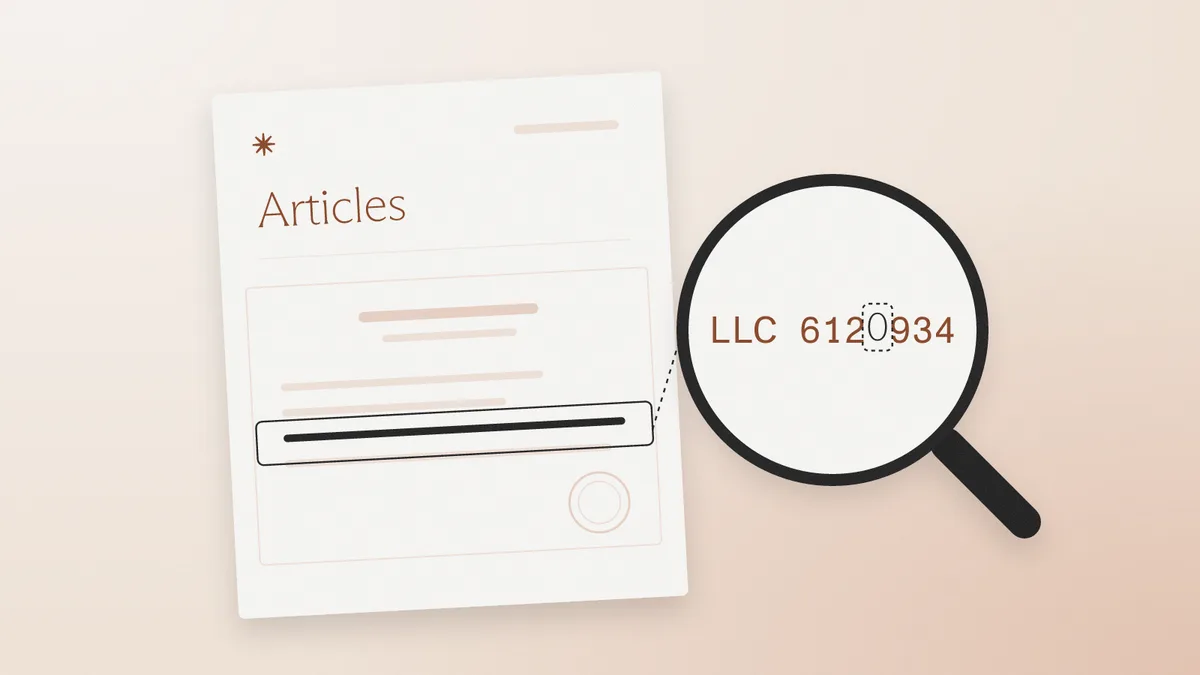
How to spot fake articles of organization by matching the file number and filing receipt to the state record before the account opens.
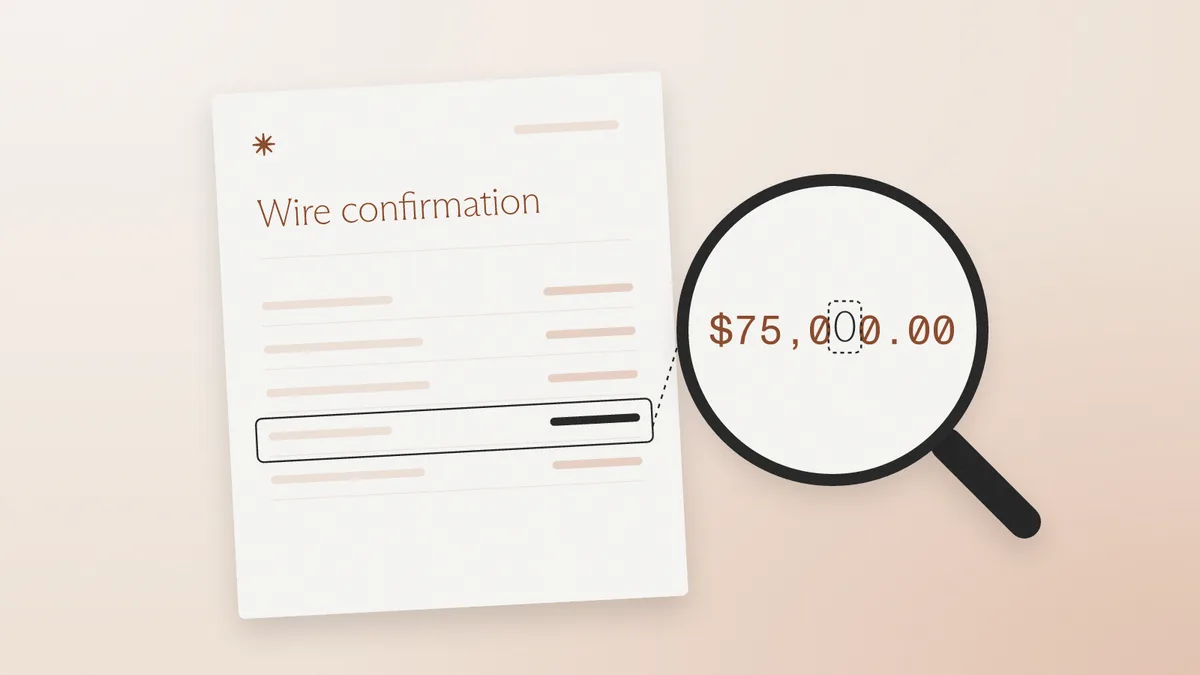
A wire confirmation is a claim that money moved. Edited and generated payment advice fail file checks. The posted credit is the proof.
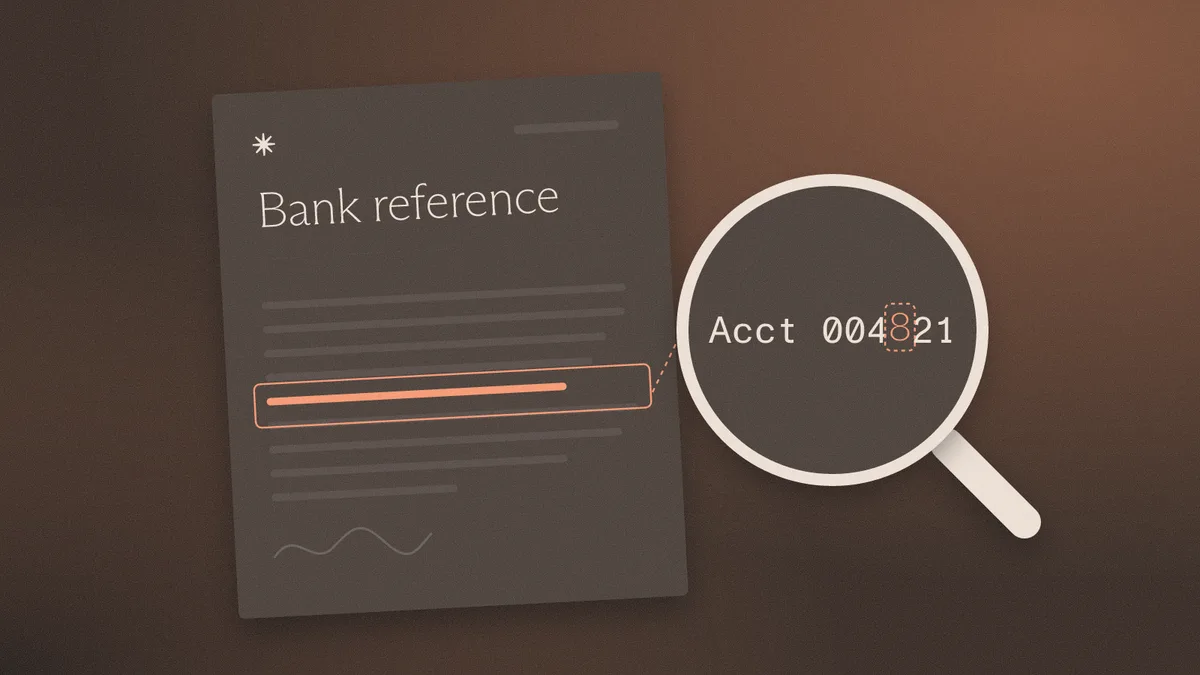
How to spot a fake bank reference letter: the relationship claim, the signatory, and the edit history. Letterhead is cheap to copy.
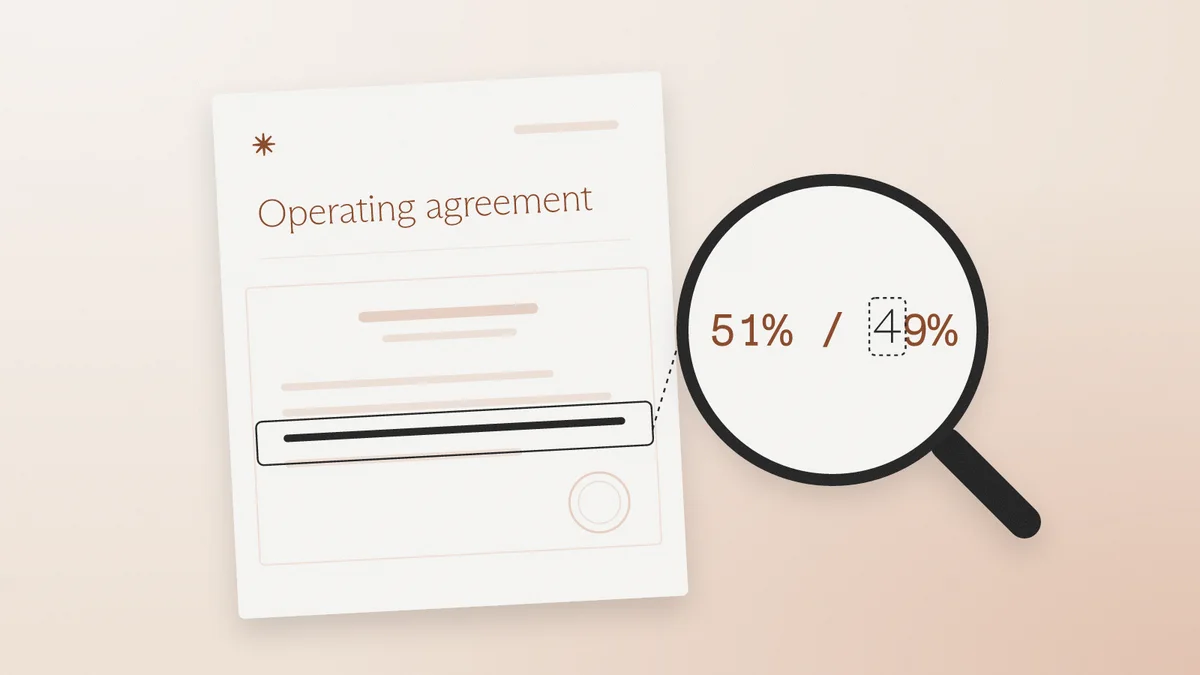
How to spot a fake operating agreement in KYB: edited member schedules, swapped signature pages, and ownership that does not match the file.
Spot a fake certificate of good standing by checking the as-of date, file number, and post-download edits.
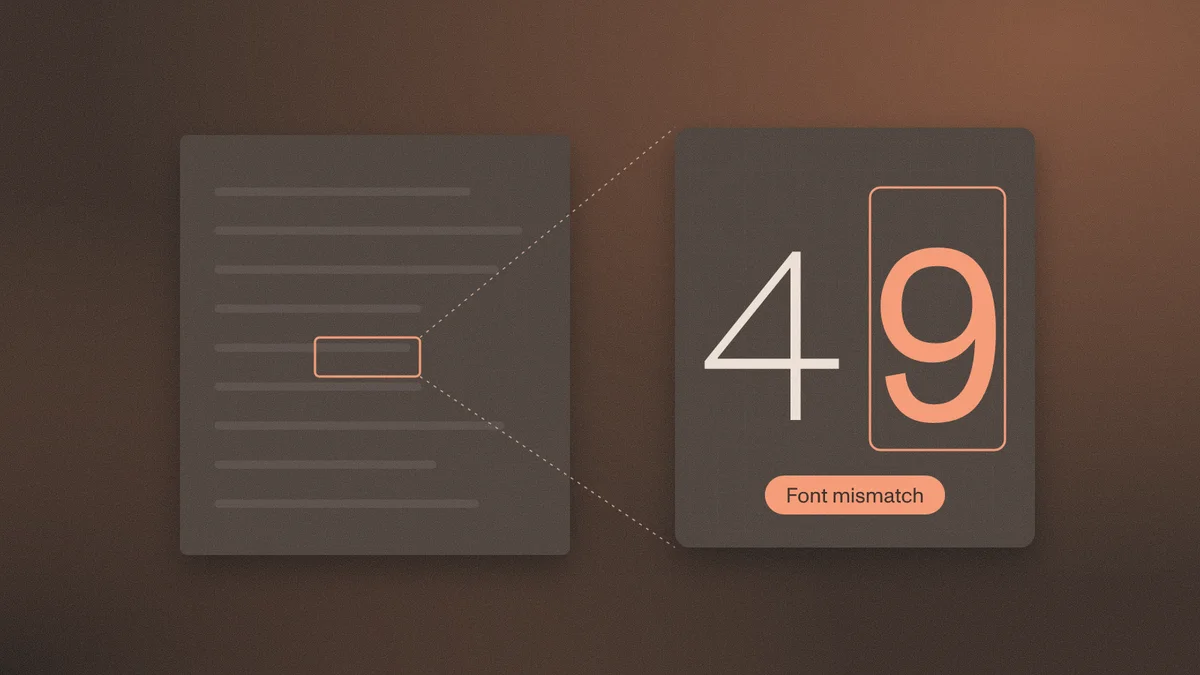
How to spot a fake voided check using file history, routing match, and account control. A VOID mark misses edited and generated files.

Verification reads the page and matches the applicant. Fraud detection reads the file. What each misses, how to evaluate each, and when you need both.
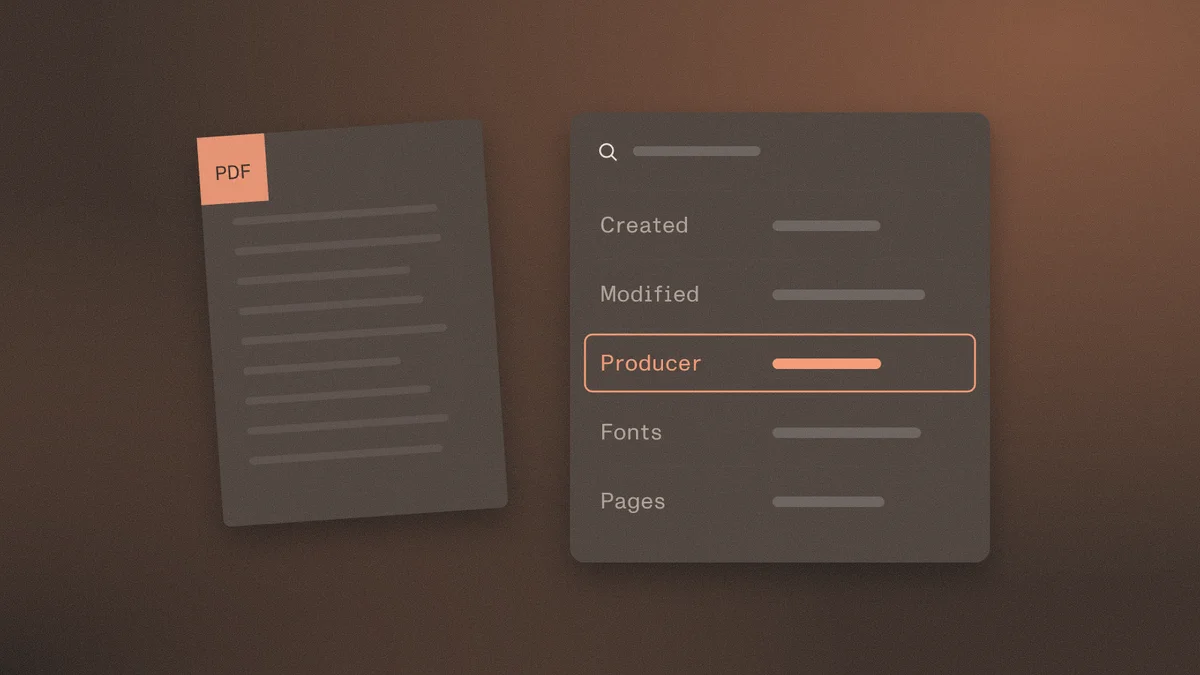
PDF metadata analysis for fraud detection: Info dictionary, XMP, timestamps, producer strings, incremental updates, and what each can and cannot prove.
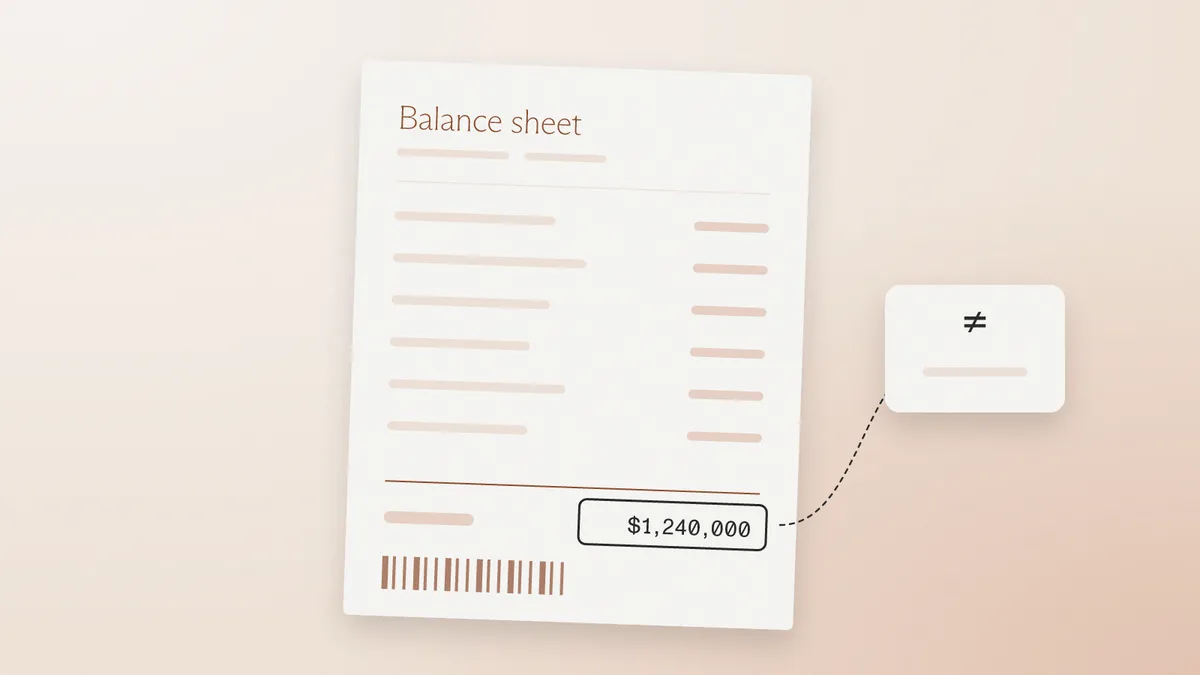
How to spot fake financial statements in SMB lending and KYB: inflated revenue, fake auditor letters, 4506-C and bank reconciliation, six file checks.
How to spot a fake certificate of insurance: why an ACORD 25 confers no rights, the tells that survive, carrier and NAIC lookups, and the six file checks.
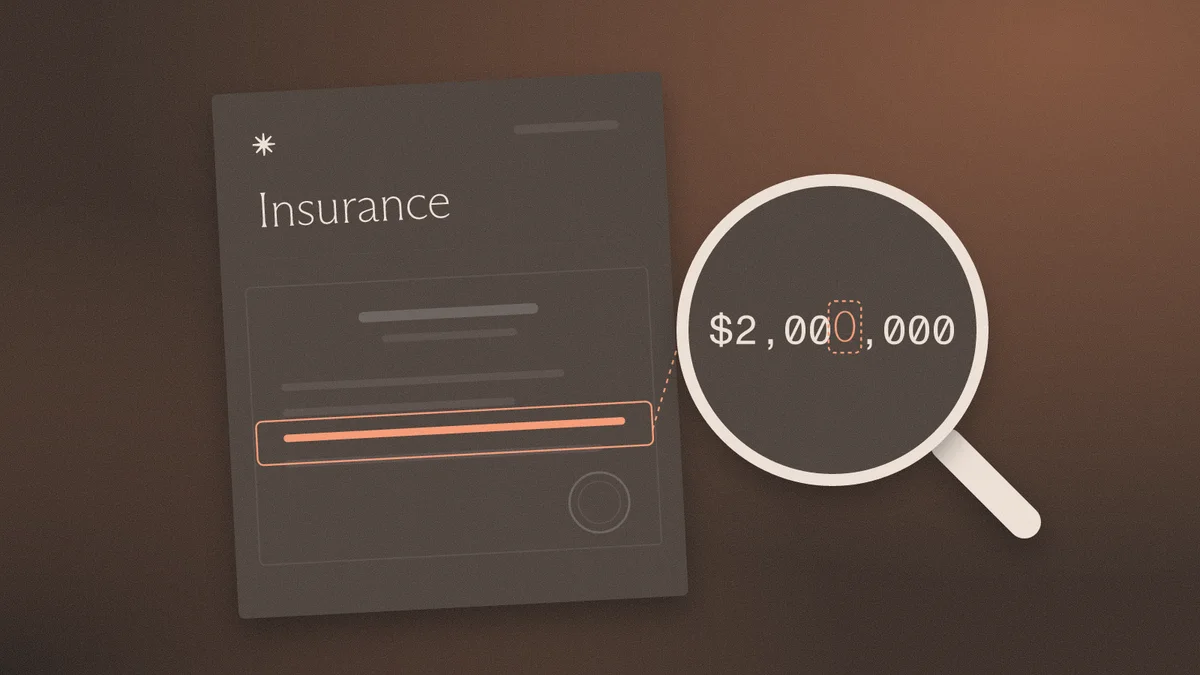
How to spot a fake lease agreement in KYC, mortgage, and KYB review: landlord, date, rent, and disclosure tells, plus the six file checks that settle it.

How to spot a fake proof of funds letter in lending, real estate, and escrow: the tells that work, the six file checks, and how to verify with the bank.
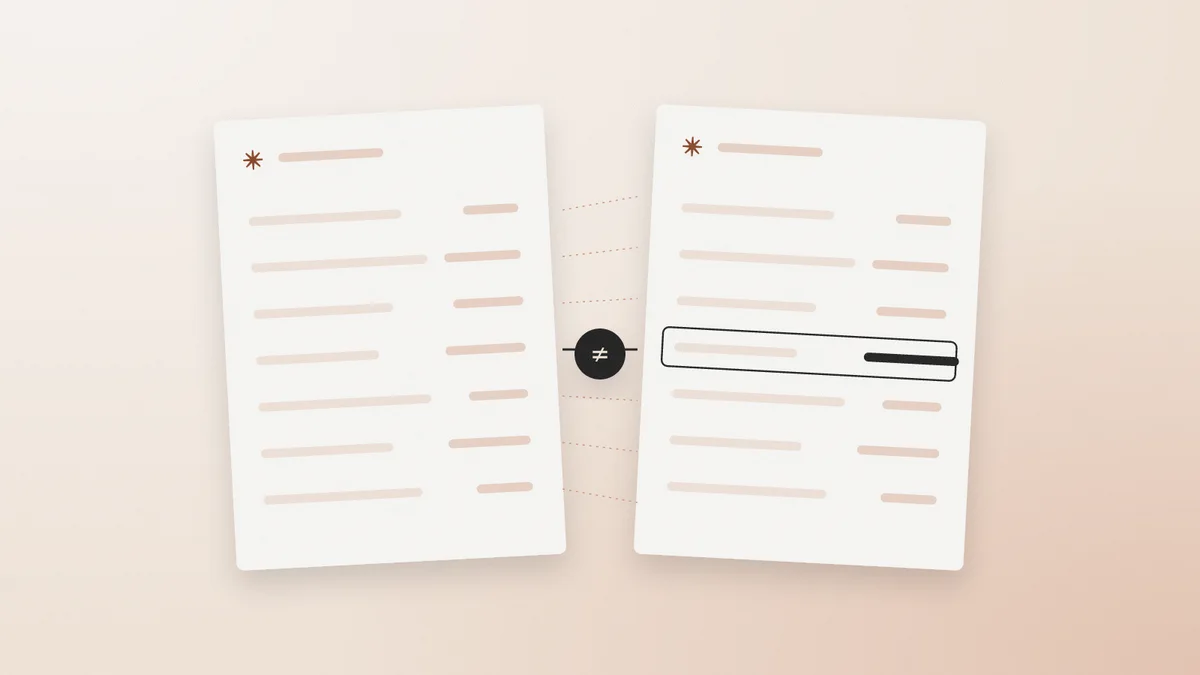
How to spot a fake EIN confirmation letter: what a real CP 575 or 147C contains, the tells that survive, IRS TIN Matching limits, and the six file checks.
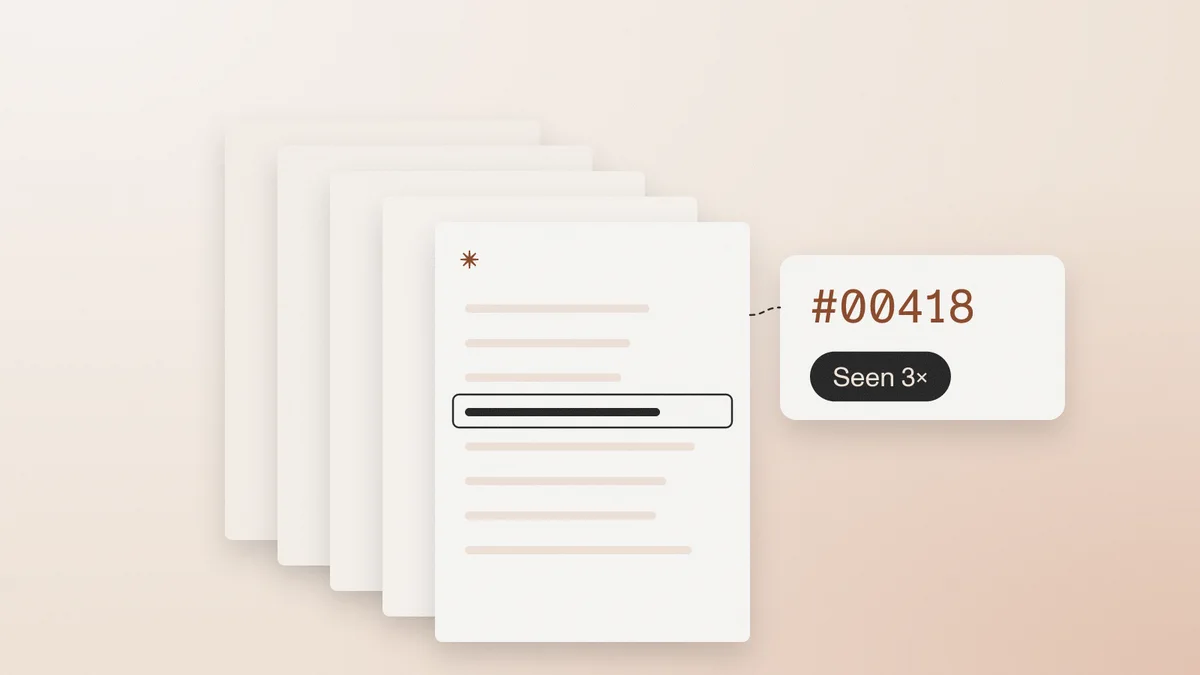
How lenders and onboarding teams spot fake 1040s, W-2s, and IRS transcripts: line-item tells, edited vs generated files, and the Form 4506-C break-test.
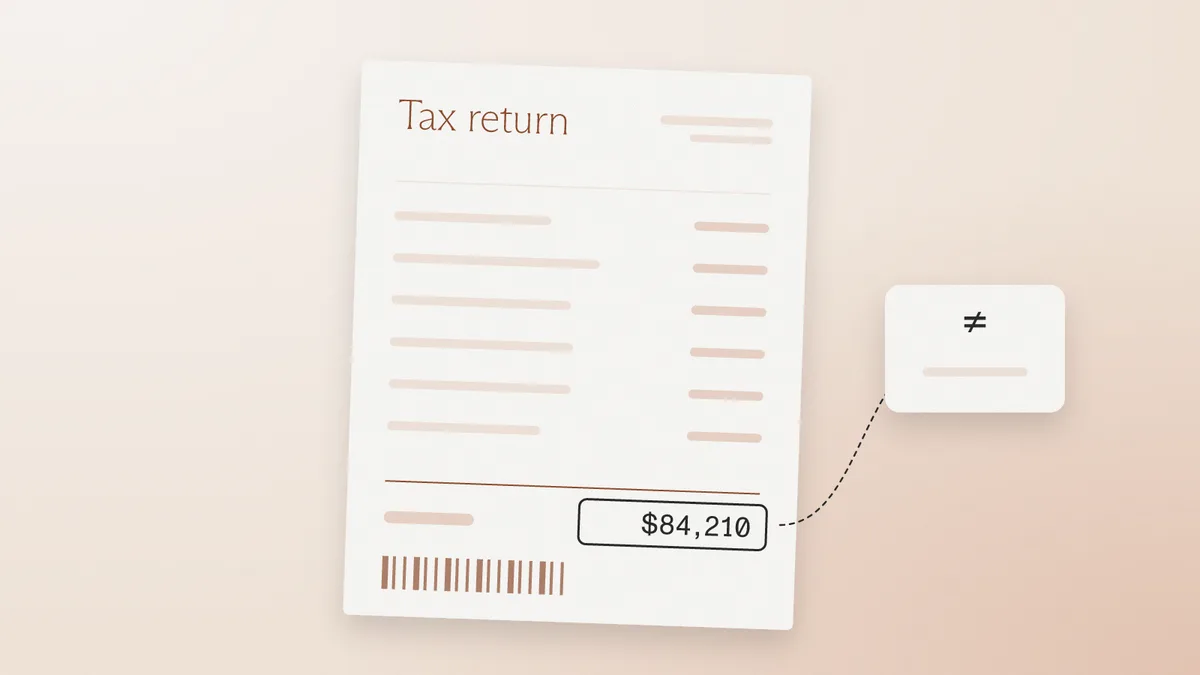
How to spot a fake invoice in factoring, trade finance, and AP: the tells that still work, the six file checks, and the debtor break-test that settles it.
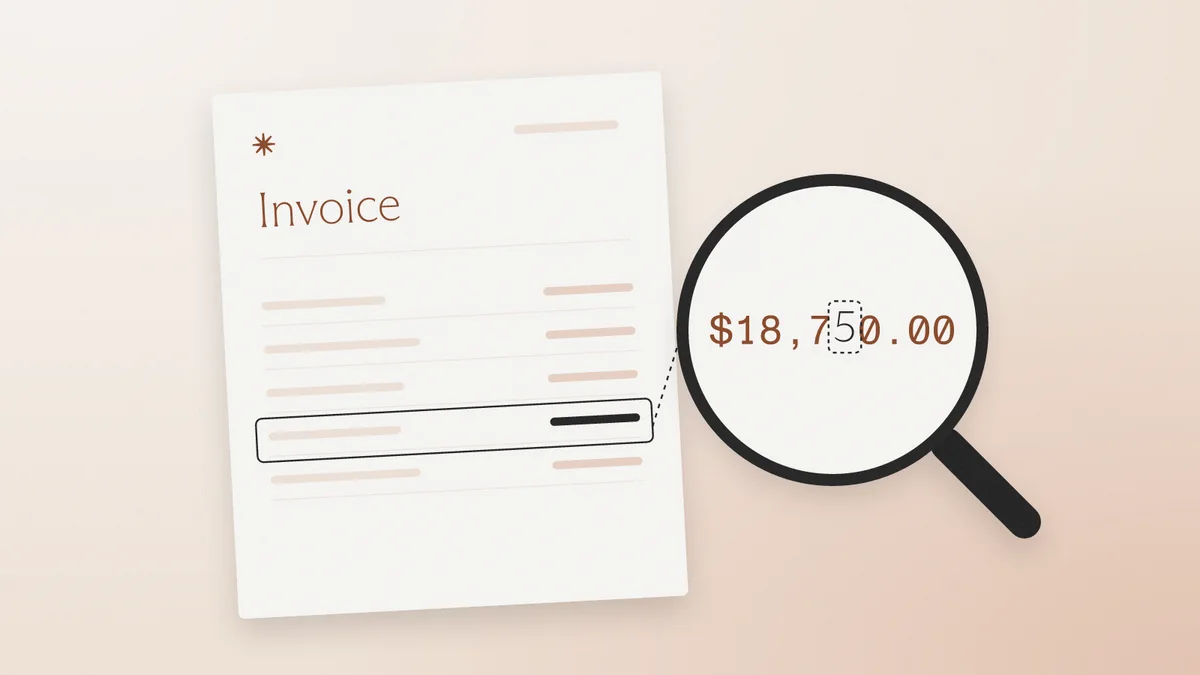
Should compliance teams accept screenshots of bank statements? What a flattened PDF loses, which fraud checks still work on images, and how to set policy.
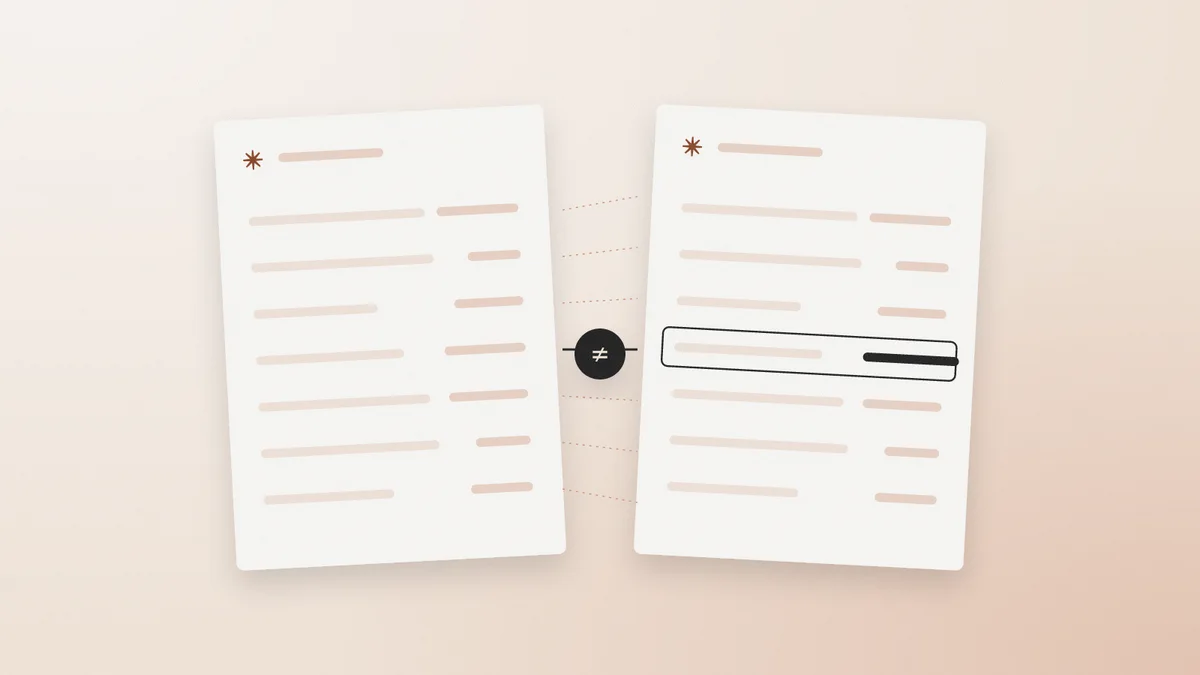
Explainable document forensics shows where a file was altered, what it said before, and how the examiner knows. Why a fraud score alone fails audit.
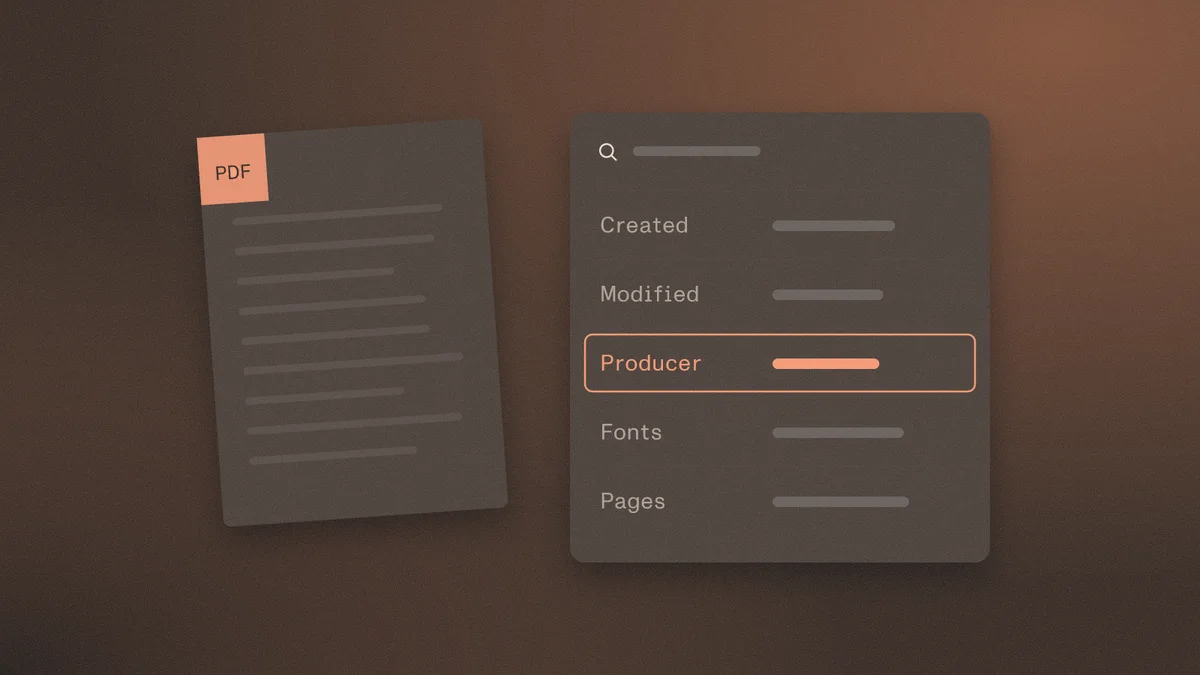
How KYC, KYB, rental, and lending teams spot fake utility bills used as proof of address: edited vs generated files, tells that work, six file checks.

How fake document templates and template farms work, why template-made files have no issuance history, and how to detect them in KYC and lending.
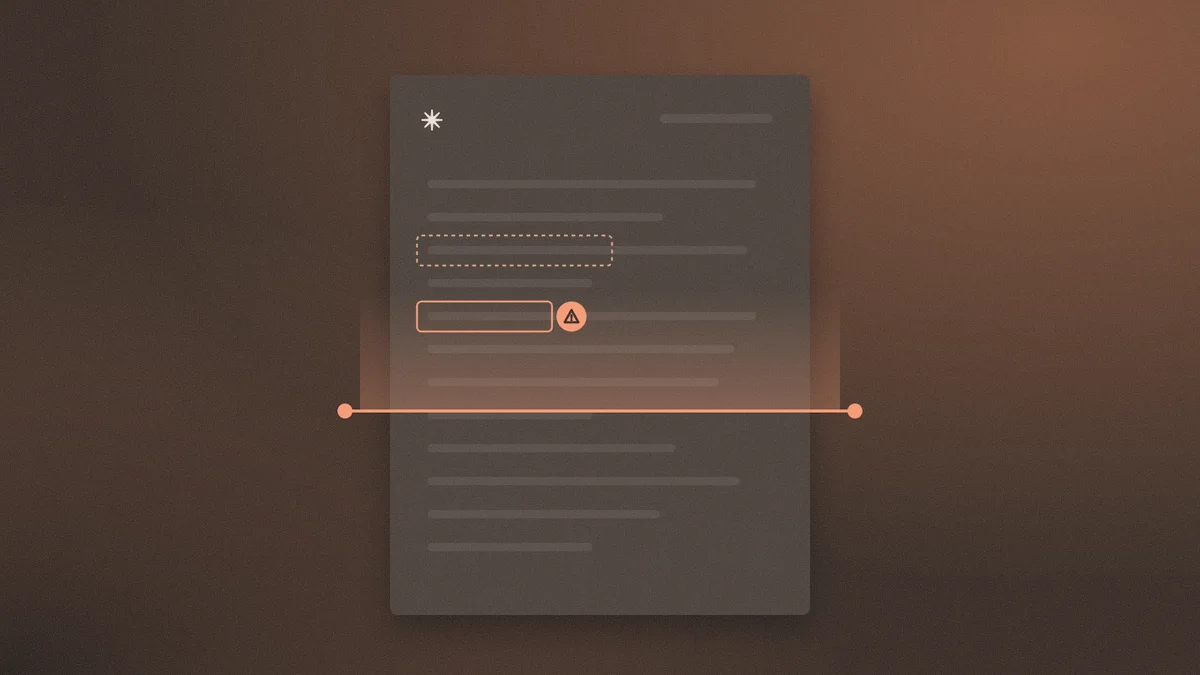
Serial document reuse detection catches one statement, stub, or ID recycled across unrelated applicants. Why single-file review misses it.
Loan document fraud detection tests bank statements, pay stubs, and tax docs as a package — the red flags underwriters miss on visual review.
KYB document fraud detection checks certificates, registry extracts, and proof of address as files. Visual review misses edited-after-creation PDFs.

Document fraud statistics from FinCEN, FBI IC3, and FTC — and what those figures miss about edited PDFs, counterfeit templates, and file-level detection.
How to spot a fake certificate of incorporation in KYB: registrar mismatch, edited seals, generated COIs, and serial reuse. Visual review is not enough.
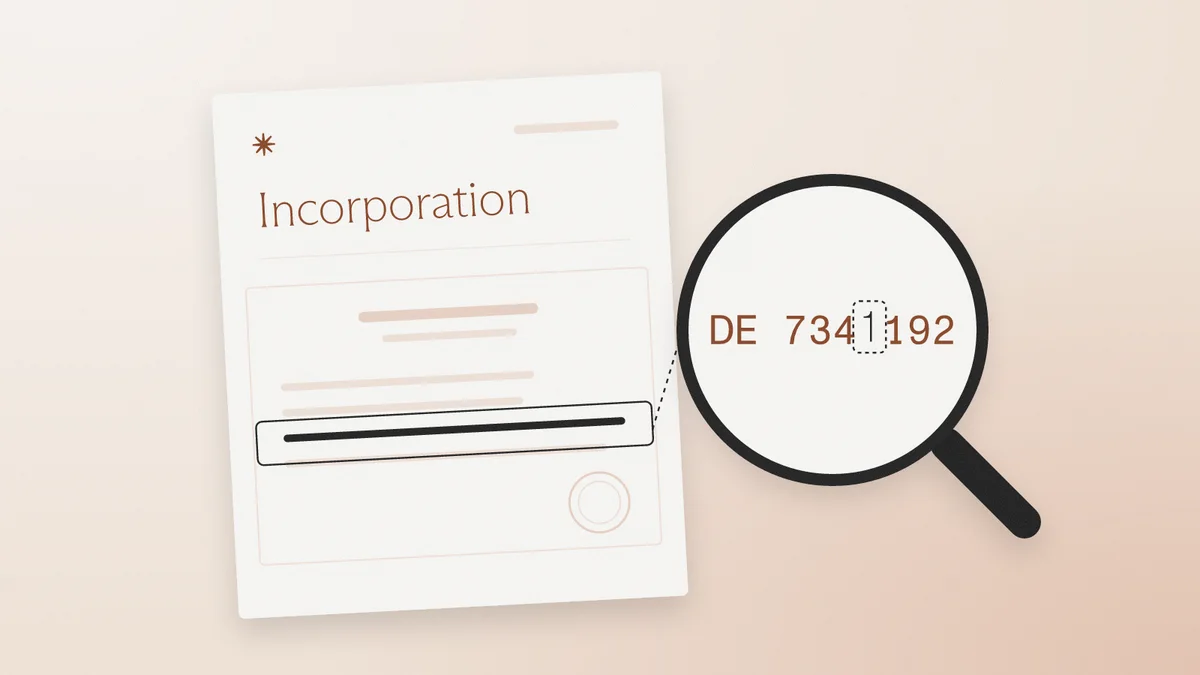
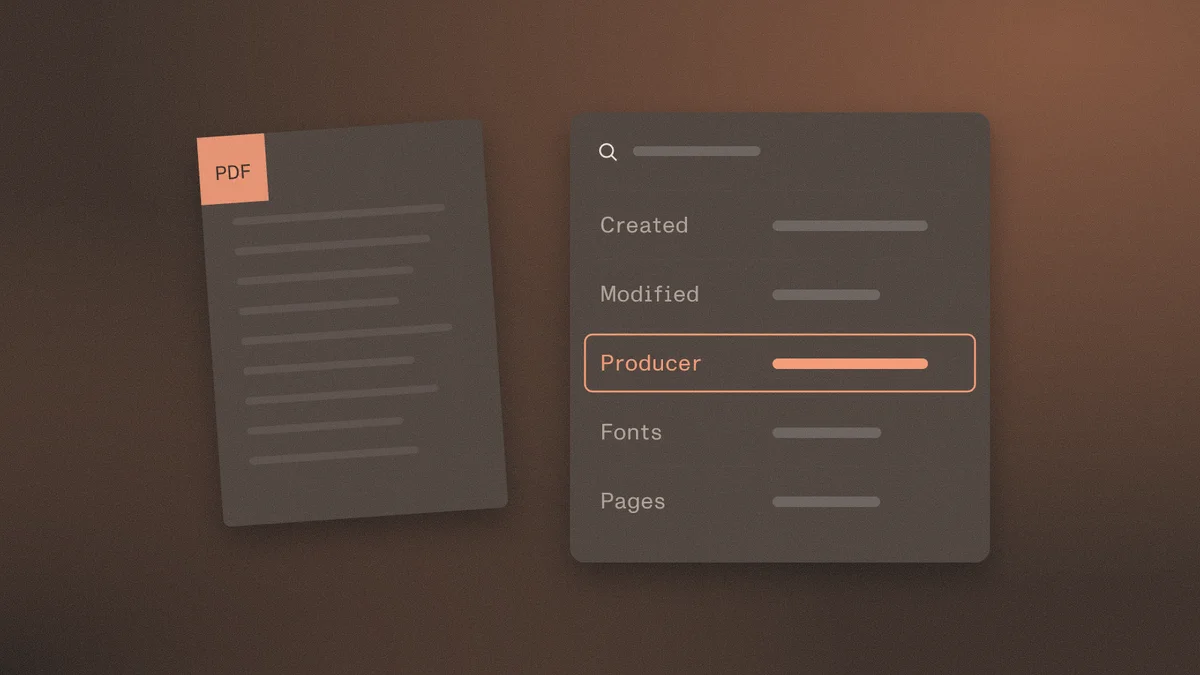
How to detect an AI-generated PDF using metadata, empty Producer strings, model artifacts, and the file history visual review misses.
How lenders and onboarding teams spot fake pay stubs: edited vs generated files, deposit cross-checks, and what visual review misses.

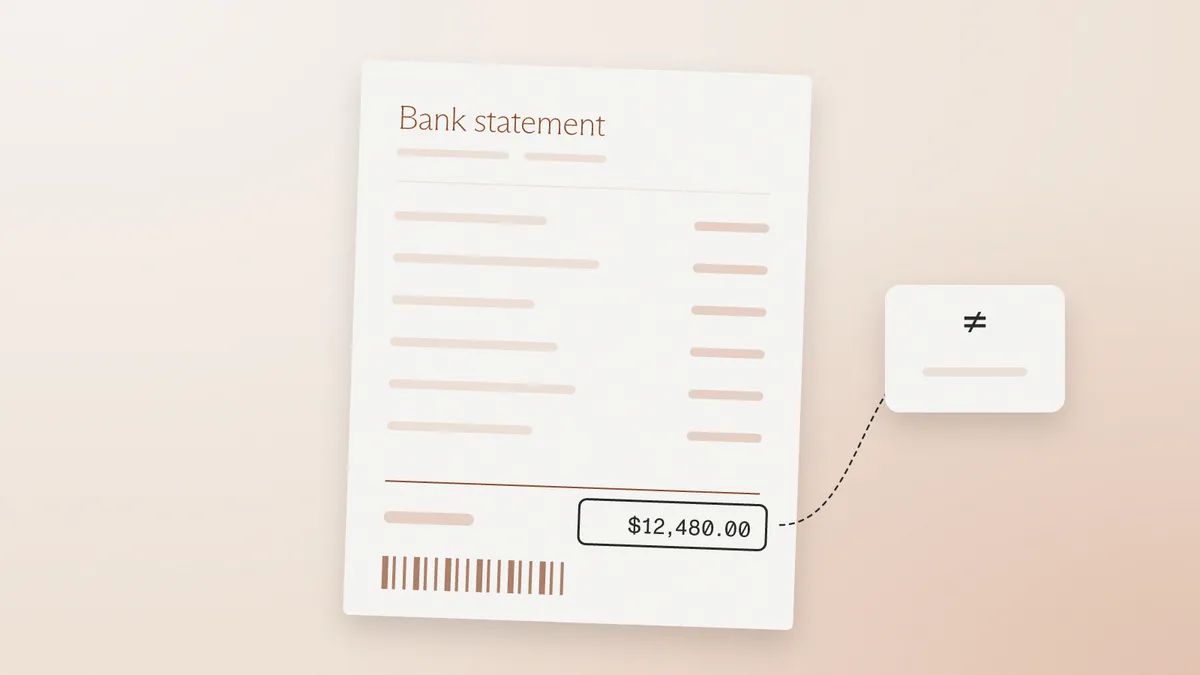
How to spot a fake bank statement: edited-after-creation vs generated-from-scratch, which visual tells still work, and how file history exposes forgeries.
Try another keyword or explore a different topic.