
Best Bank Statement Fraud Detection Software
Bank statement fraud detection software compared for lenders and KYB teams: file forensics, statement analysis, and when a bank connection wins.


TL;DR: AI-generated document detection tools fall into three groups: file forensics, identity verification, and general media detectors. The right pick depends on which documents you receive and where the verdict has to land. No tool catches everything: in a 2026 study of AI-edited receipts, human inspectors comparing pairs side by side scored 50.1%, which is chance, and two research detectors fell to an AUC of about 0.6.
Sphinx wrote this list and sells one of the tools on it. Entries come from each vendor's public pages, and the numbering is an order of fit for regulated KYC, KYB and lending review, not a test result.
Looking at a generated file tells you very little, and software that judges only the rendered page struggles too. NIST AI 100-4 describes automated detection as a cat-and-mouse game with generators, and notes that detectors often perform well only on the specific generators they were built around. When tested across generators, synthetic image detectors showed substantial error rates: NIST cites one 2023 paper at 61% to 70% accuracy and a 2022 paper at 50% to 62%. Those figures cover images in general, not financial documents.
Document-specific research points the same way. A 2026 benchmark from researchers affiliated with Scam AI, a vendor in this market, tested AI-edited receipts. Human inspectors scored 0.501 in a side-by-side test. A forensic detector that reached an AUC of 0.962 on traditional tampering dropped to 0.599 on the AI edits. Those were research models and a single document type, so the result says nothing direct about any commercial product here.
Fully generated files can behave differently. A related receipt benchmark with overlapping authors found the strongest signal was arithmetic that does not reconcile, which reviewers cannot see on the page. That is one reason multi-signal tools read content and file history as well as pixels. The signals themselves are covered in the guide on how to detect an AI-generated PDF, and the case for changing the program around them is in the compliance risk of generative AI document fraud.
Base rates make the problem harder. Inscribe's 2026 State of Document Fraud Report says AI-generated flags have held above 0.1% of documents across its network since April 2026. Take that rate as an illustration and imagine a detector that is right 95% of the time in both directions. On 10,000 documents it would catch about 9.5 of the 10 fakes and raise about 500 false alarms, so roughly 1 flag in 50 would be real. An "AI-generated" label alone is a reason to look closer, not a reason to reject.
Regulators frame it the same way. FinCEN's 2024 deepfake alert lists a flag from detection software among its red flags and describes indicators for added scrutiny as "not conclusive" of inauthentic documents. Accuracy figures on vendor pages, Sphinx's included, are self-reported on different test sets, so they cannot be ranked against each other. Sphinx did not find a shared independent benchmark of commercial document detectors.
Sphinx Doc Fraud reads the file through six checks: production method, timestamp trail, issuer matching, consistency, model artifacts and recycled patterns. Every result carries an x-ray view of the evidence. It runs as a standalone check and as one agent inside the KYB and KYC workflow, where Sphinx prepares the evidence, applies your SOPs, and produces a traceable recommendation; your team retains final approval. Across 1M documents processed, Sphinx reports a 94.3% correct verdict and under 28 seconds to clear clean files, and a $30B+ US bank saw 91% of documents cleared with 17% more fraud caught. Pricing is $0.45 per document with no seats or platform fee, and you can test your own files in the free playground.
It suits compliance teams whose document check feeds a case that someone has to defend later. The limit: Sphinx examines the file. It does not verify a person's face or connect to a bank account, so it sits beside those checks rather than replacing them, and a 94.3% correct verdict still means some wrong calls.
Resistant Documents checks PDFs and common image formats, and says it was trained on over 200 million documents. It describes itself as document and language agnostic, looking at how a document is built rather than what it says. Its AI-generated checks look for textures and structural anomalies from image generators, and verdicts come back as Trusted, Warning or High Risk with evidence. Teams can use a web interface or APIs, and can enrich decisions with behavior and device signals.
It suits global onboarding, underwriting and claims teams that cannot predict which document arrives next. The limit follows from the design: reading structure instead of content leaves room for checks such as whether figures reconcile, which is why Ocrolus pairs this engine with its own math checks.
Inscribe focuses on financial documents such as bank statements, pay stubs and tax forms. It combines forensic, network, semantic and perceptual analysis, and it reasons across an entire application rather than one file at a time, with an assistant that answers follow-up questions. Findings arrive with a risk level and a description of what was detected. Pricing is custom and based on volume, and Inscribe offers a complimentary pilot using your own data.
It suits banks, credit unions, lenders and fintechs whose decisions rest on a packet of related documents. The limit is one Inscribe states itself: its July 2026 report update says AI-edited documents remain unmeasurable in aggregate. Teams should expect the published trend to describe fully generated files better than AI edits.
Detect sits inside the Ocrolus lending platform. Ocrolus runs math checks on supported documents, including bank statements, pay stubs, W-2s and many tax forms, while Resistant AI's engine, integrated in October 2026, handles file and pixel forensics on any document type. Results appear as an authenticity status with reason codes, in the Ocrolus platform or the Encompass embedded viewer, and Detect is now included for Ocrolus mortgage customers.
It suits underwriting teams that want flags in the place they already review the file. The limits are stated in its own materials: math checks apply only to supported types, and serial fraud and template reuse detection is listed as coming in early 2027. Buying it alongside Resistant AI would also overlap on the forensic layer.
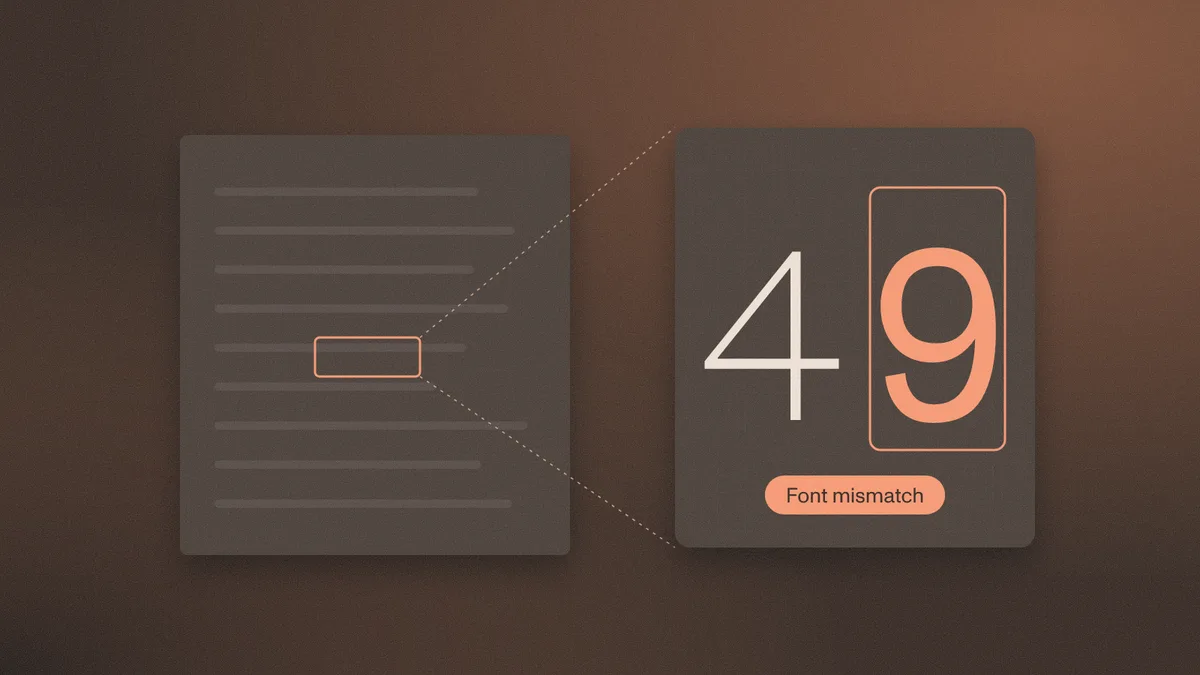
VerifyPDF runs metadata forensics, content layer and font analysis, AI-generation signals, and issuer and consistency checks, returning a trust score, a risk rating and the warnings behind them, typically in about 5 seconds. Basic is $15 a month billed annually for 150 verifications and one seat. Professional is $79 a month billed annually for 1,000 verifications with a REST API and unlimited users. Every plan includes a 15-day free trial.
It suits lenders, landlords and finance teams that want to start without a sales process. The limit is in the fine print of its accuracy claim: around 99% applies to computer-generated financial documents when the original PDF is submitted, not a scan or screenshot. Intake that accepts photos should test that case separately.
TrueDoc checks PDFs, images and screenshots across AI-generation signals, tampering, metadata and content consistency, and it returns findings with reasons. A free plan covers 3 checks a month, and Pro is listed at $4.99 a month for 20 checks. Business Starter is listed at $49 a month for 100 checks and three seats, with an optional human forensic analyst review.
It suits HR, tenant screening and small lending teams that review a document now and then. The limit is integration: API and webhook access is reserved for Enterprise plans, so the lower tiers stay manual. TrueDoc's own page says no detector is fully accurate and treats its AI score as one signal among others.
Deepsight for Documents launched in April 2026 as a detection layer inside the Incode identity platform. It combines behavioral signals, device integrity checks and visual analysis that looks for generation artifacts, font and text mismatches, and barcode and MRZ anomalies. Incode reports catching 8.8x more fraudulent sessions than traditional document checks, with a 0.04% false rejection rate.
It suits consumer onboarding teams whose main exposure is a fake ID submitted during a capture session. The limit comes from that design: much of the evidence depends on the live session, so a bank statement or registry extract sent in later has less of it to draw on. Teams not already on Incode also take on an identity platform, not just a detector.
Hive offers AI-generated and deepfake detection APIs for images, video and audio, used by trust and safety teams, along with free tools that show probabilities from common generation sources. Hive Detect accepts uploads or media URLs, and platform-scale use goes through sales.
It suits a quick second opinion on an image, or platforms moderating user media. The limit is scope: the formats Hive Detect lists are image, video and audio, not PDF, and the product is built for media rather than financial documents. A generated-image score also does not address a real statement with one edited figure.
A pilot on your own files tells you more than any figure in this post. Six questions cover most of what a buyer needs, and none of them requires a vendor's help to ask.
Whichever tool you pick, treat its output as one piece of evidence. A native re-export from the issuer, a bank data connection or a registry lookup can settle what a file-level check can only suggest.
Not every time. Software that reads file structure, content and reuse patterns together gives far more to work with than visual review, but NIST describes detection as a continuing contest with generators, and research benchmarks show sharp drops on AI edits. A clean result lowers risk and does not prove a document is genuine.
A general chatbot should not be your control. In a 2026 benchmark, the image model that made AI-edited receipts could not reliably recognize them when asked, with AUC never above 0.59. An LLM can help check whether figures add up, but it leaves no audited method behind and does not read most of the file's history.
Published prices run from free tiers and a few dollars a month for low-volume tools to custom quotes for enterprise platforms. Sphinx Doc Fraud is $0.45 per document with no seats or platform fee, and VerifyPDF lists plans from $15 a month billed annually. Inscribe prices by volume on a custom basis, so compare cost at your own monthly document count.
Usually not. File forensics asks whether a file was made the way it claims, while identity tools ask whether the person matches the document, and the difference between document verification and fraud detection decides which gap you are closing. Many regulated programs need both.
Treat the flag as a reason for more review, and keep the original file. FinCEN describes indicators like these as prompting further scrutiny rather than settling the question, so gather independent evidence, such as a fresh export from the issuer, before deciding. Record what the tool showed and what your team concluded, including when a flag turned out to be false.
Bank statement fraud detection software compared for lenders and KYB teams: file forensics, statement analysis, and when a bank connection wins.
Eight document verification tools for banks, lenders and fintechs, sorted by job: identity documents, income files, and whether a file was altered.

Resistant AI alternatives for document forensics and transaction monitoring, ordered by fit, with what each does and where it stops.
Six Inscribe alternatives, sorted by what a buyer needs: work after the flag, document mix, data terms, pricing and how edits get caught.
Eight document fraud detection tools compared by what they test, how they explain a verdict and how they price.
How to spot a fake letter of credit or SBLC: why a standalone PDF is a red flag, tells that still work, and six checks on the file.
How to spot a fake gift letter: disguised loans, interested-party money, and how to verify the donor's transfer against Fannie Mae and FHA rules.
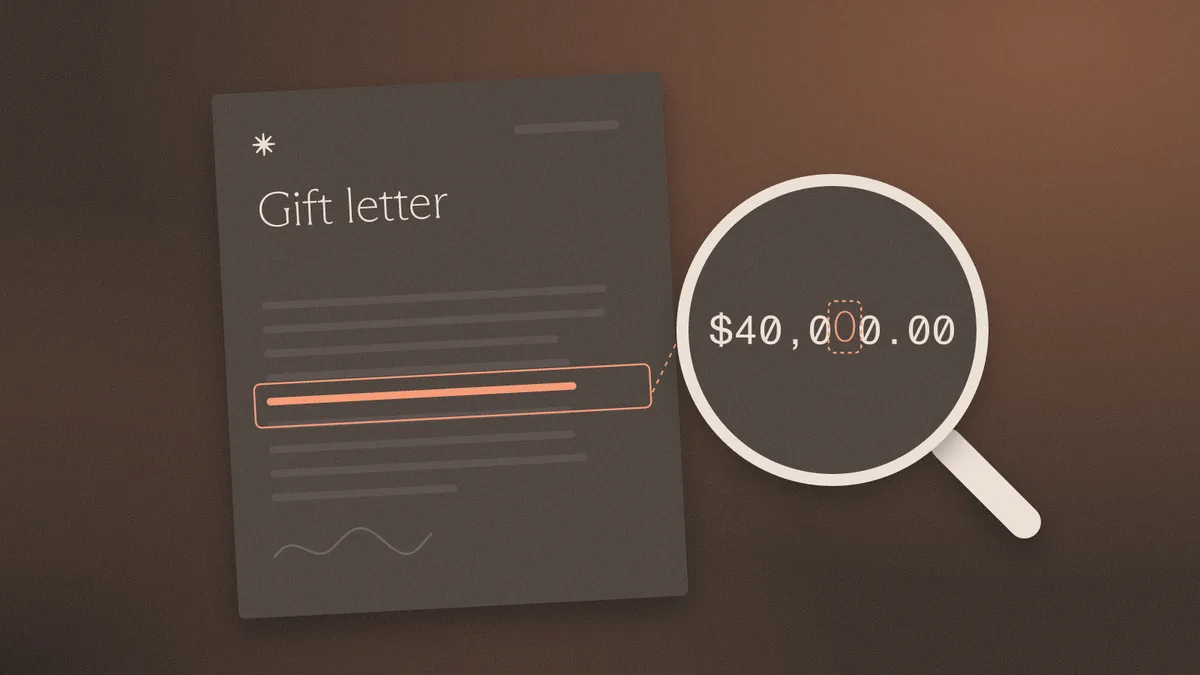
How to spot a fake payoff letter: altered wiring instructions, the tells that fail, and six checks on the file before the payoff wire goes out.
How to spot a fake certificate of trust: edited trustee names and powers, notary checks, beneficial ownership, and six checks on the file.
How to spot a fake shareholder register: edited percentages under the 25% UBO line, cap tables vs. registers, and the checks that catch them.
How to spot a fake crypto exchange statement: edited PDFs, CSV exports, on-chain withdrawal checks, and six checks on the file.
How to spot a fake credit card statement used for proof of address, debt verification, or source of funds: edited balances, broken math, file checks.
Spot a fake W-8BEN by reading foreign status, the treaty claim, and the file. The IRS publishes a blank and does not certify the form.

How to spot a fake partnership agreement: edited partner lists, signature blocks never executed together, and no state filing for a general partnership.

How to spot fake corporate bylaws: rules that contradict the articles, adoption before incorporation, and a template reused across companies.
How to spot a fake stock certificate offered as KYB ownership evidence, when the ledger matters more than the vignette.

A Schedule K-1 reports a partner's share of income. Capital-account math, form year, and an IRS transcript catch edited and generated fakes.
A fake 1099 is an information return edited after creation or generated from scratch. Match it to the IRS wage and income transcript.
How to spot a fake employment verification letter: edited versus generated files, the tells that fail, and six checks on the file.

Spot a fake mortgage statement by confirming principal, amount due, due date, and rate with the current servicer.
Spot a fake W-9 by matching the line 1 name and TIN. The IRS publishes a blank form and does not seal a completed one.
Spot a fake merchant statement by rebuilding amount processed from the fee lines and confirming the merchant ID with the processor.
Spot a fake DBA certificate in the county index: file number, registrant, and expiration. A filing is not good standing.
Spot a fake board resolution by checking that the certifier is not the empowered signer and that the resolution date comes first.
Spot a fake certificate of incumbency by checking the certifier and the state's officer list. A seal does not prove the offices.

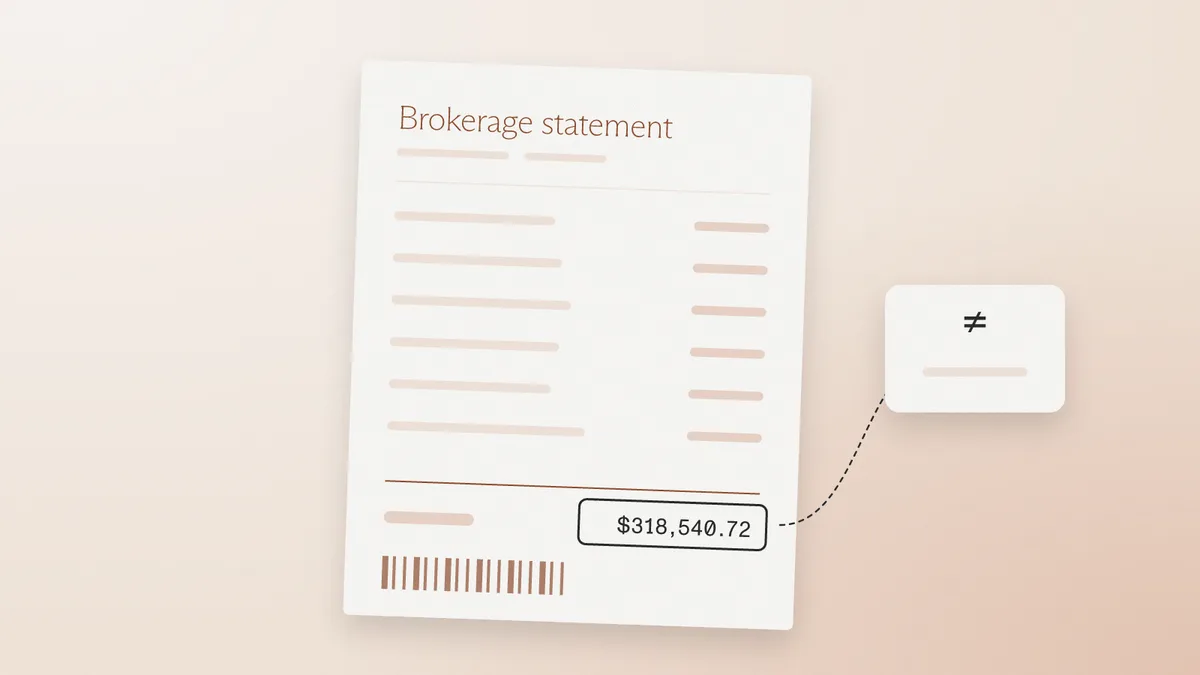
How to spot a fake brokerage statement used as proof of assets, and why file history beats a clean layout.
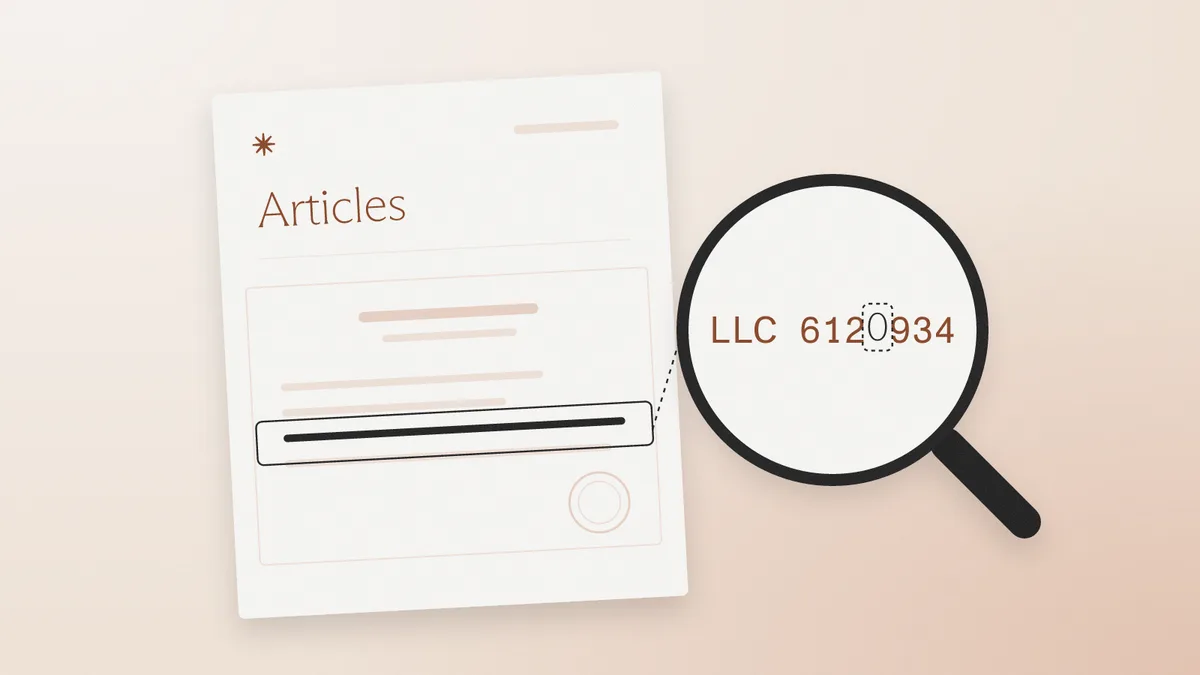
How to spot fake articles of organization by matching the file number and filing receipt to the state record before the account opens.
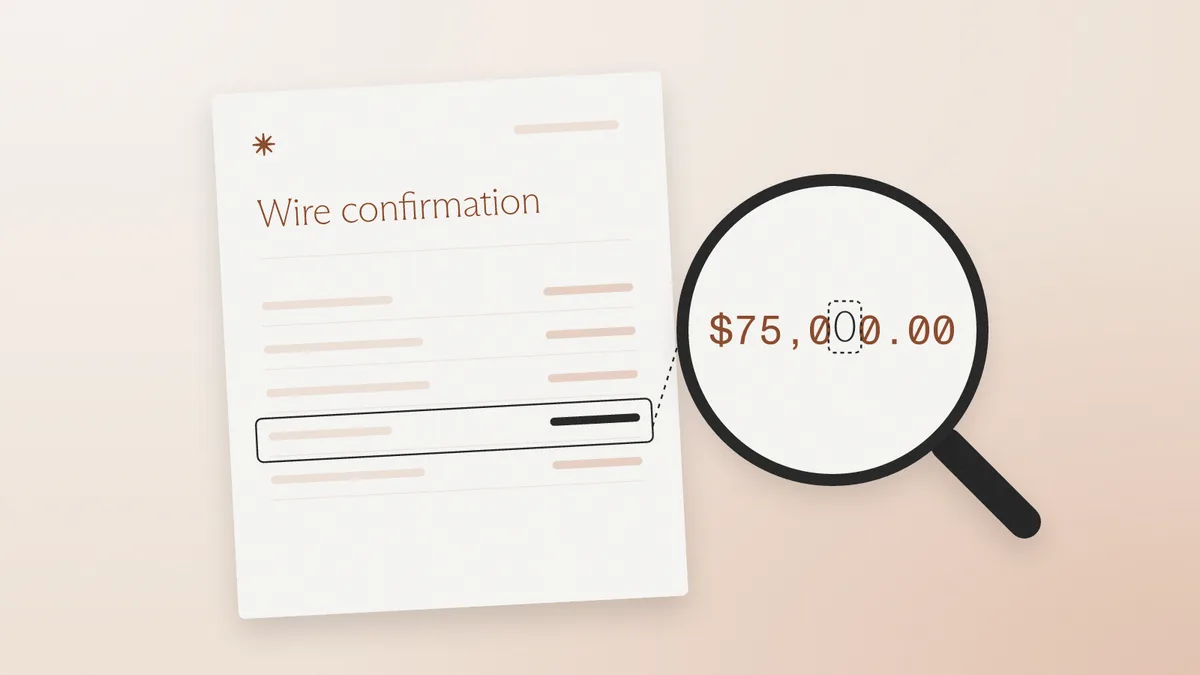
A wire confirmation is a claim that money moved. Edited and generated payment advice fail file checks. The posted credit is the proof.
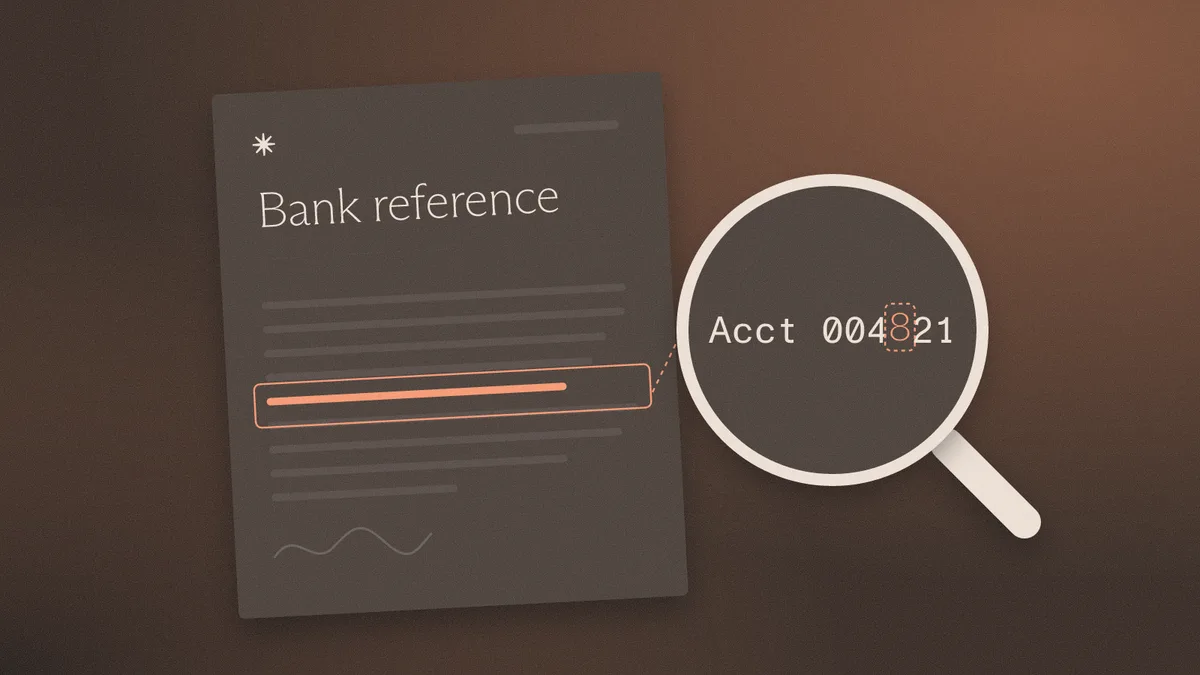
How to spot a fake bank reference letter: the relationship claim, the signatory, and the edit history. Letterhead is cheap to copy.
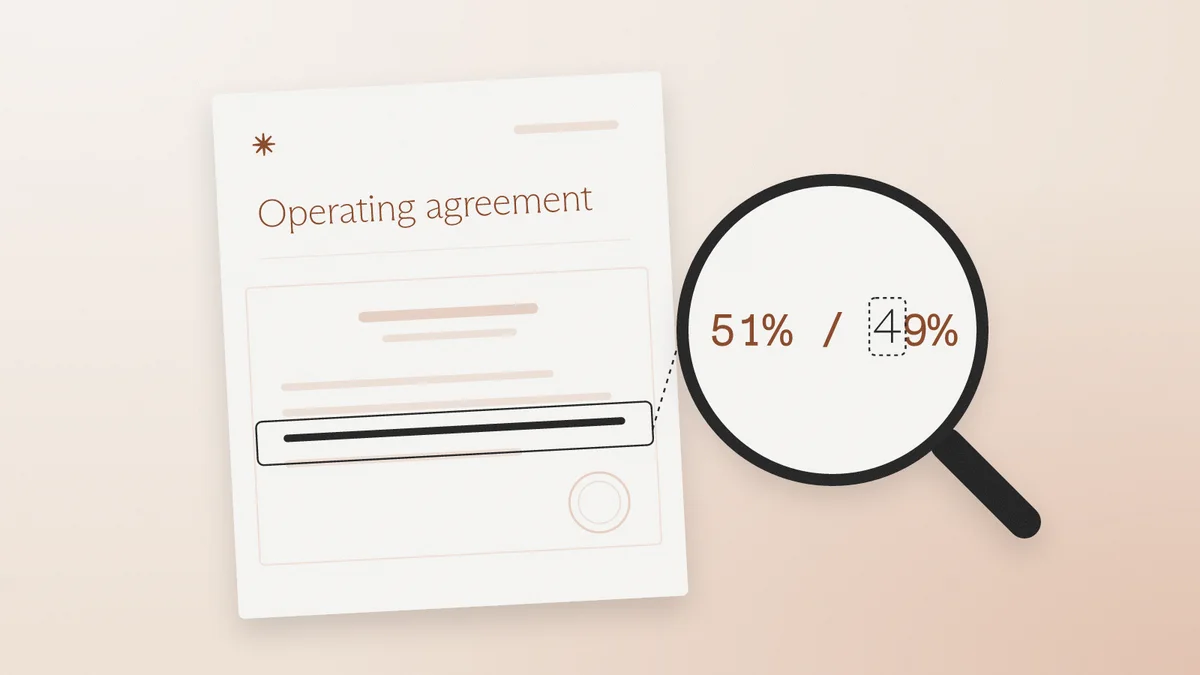
How to spot a fake operating agreement in KYB: edited member schedules, swapped signature pages, and ownership that does not match the file.
Spot a fake certificate of good standing by checking the as-of date, file number, and post-download edits.
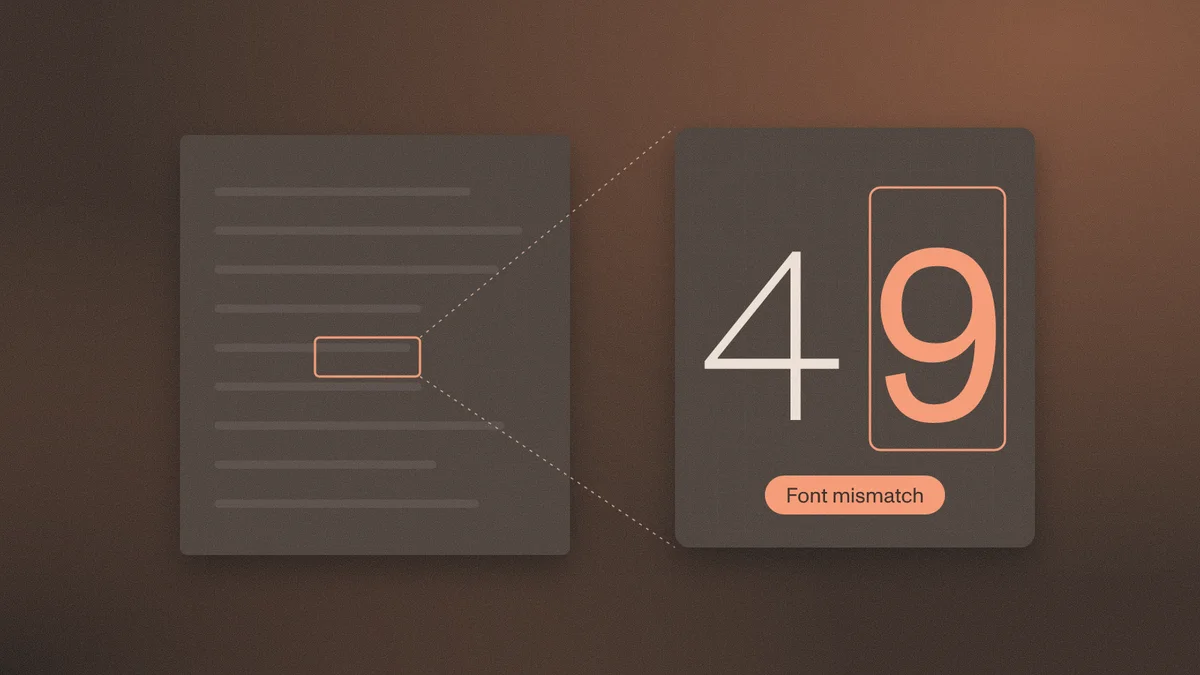
How to spot a fake voided check using file history, routing match, and account control. A VOID mark misses edited and generated files.
Verification reads the page and matches the applicant. Fraud detection reads the file. What each misses, how to evaluate each, and when you need both.

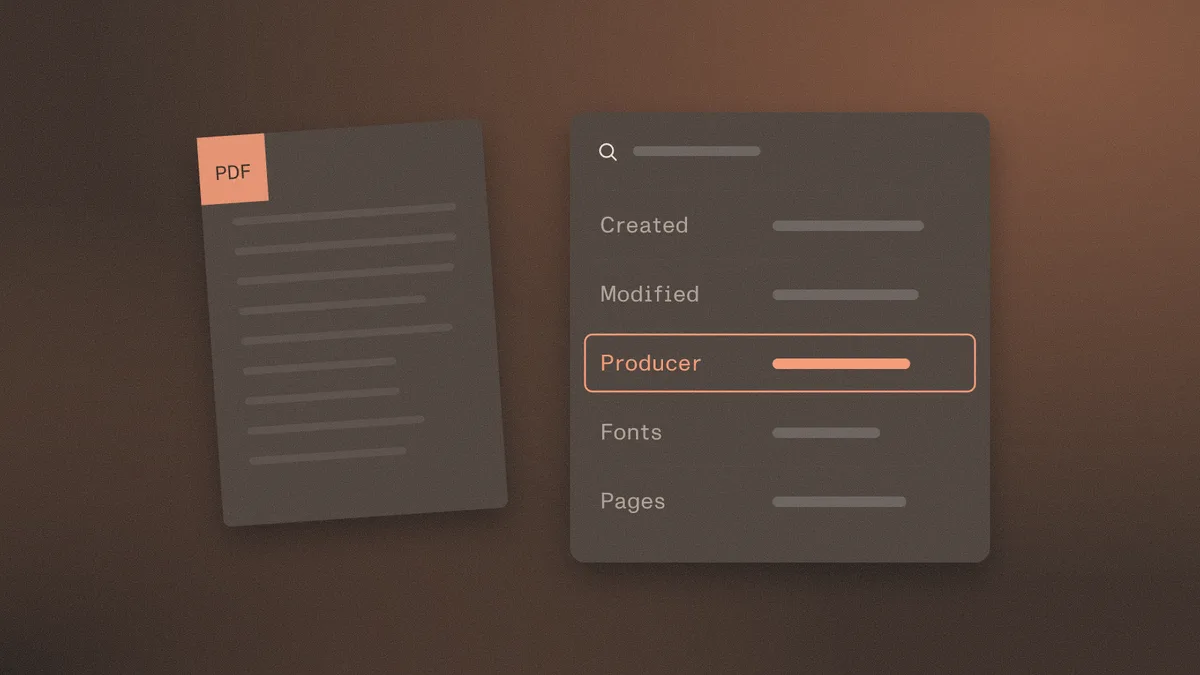
PDF metadata analysis for fraud detection: Info dictionary, XMP, timestamps, producer strings, incremental updates, and what each can and cannot prove.
How to spot fake financial statements in SMB lending and KYB: inflated revenue, fake auditor letters, 4506-C and bank reconciliation, six file checks.
How to spot a fake certificate of insurance: why an ACORD 25 confers no rights, the tells that survive, carrier and NAIC lookups, and the six file checks.
How to spot a fake lease agreement in KYC, mortgage, and KYB review: landlord, date, rent, and disclosure tells, plus the six file checks that settle it.

How to spot a fake proof of funds letter in lending, real estate, and escrow: the tells that work, the six file checks, and how to verify with the bank.
How to spot a fake EIN confirmation letter: what a real CP 575 or 147C contains, the tells that survive, IRS TIN Matching limits, and the six file checks.
How lenders and onboarding teams spot fake 1040s, W-2s, and IRS transcripts: line-item tells, edited vs generated files, and the Form 4506-C break-test.
How to spot a fake invoice in factoring, trade finance, and AP: the tells that still work, the six file checks, and the debtor break-test that settles it.
Should compliance teams accept screenshots of bank statements? What a flattened PDF loses, which fraud checks still work on images, and how to set policy.
Explainable document forensics shows where a file was altered, what it said before, and how the examiner knows. Why a fraud score alone fails audit.
How KYC, KYB, rental, and lending teams spot fake utility bills used as proof of address: edited vs generated files, tells that work, six file checks.

How fake document templates and template farms work, why template-made files have no issuance history, and how to detect them in KYC and lending.
Serial document reuse detection catches one statement, stub, or ID recycled across unrelated applicants. Why single-file review misses it.
Loan document fraud detection tests bank statements, pay stubs, and tax docs as a package — the red flags underwriters miss on visual review.
KYB document fraud detection checks certificates, registry extracts, and proof of address as files. Visual review misses edited-after-creation PDFs.

Document fraud statistics from FinCEN, FBI IC3, and FTC — and what those figures miss about edited PDFs, counterfeit templates, and file-level detection.

How to spot a fake certificate of incorporation in KYB: registrar mismatch, edited seals, generated COIs, and serial reuse. Visual review is not enough.
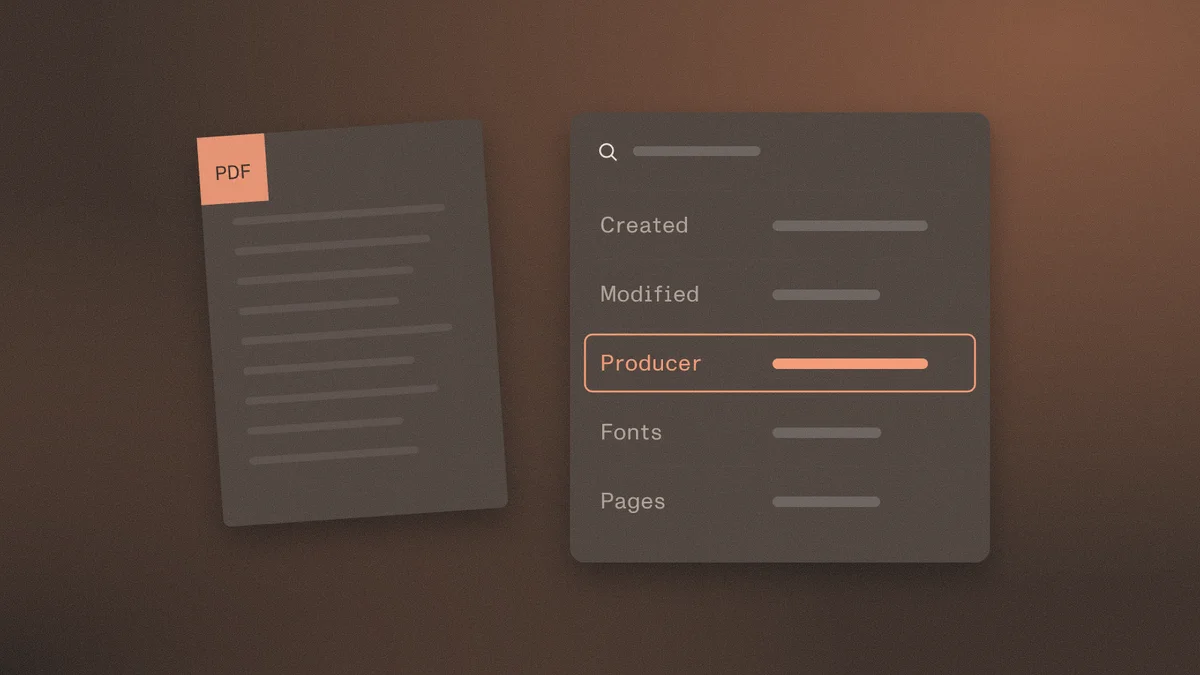
How to detect an AI-generated PDF using metadata, empty Producer strings, model artifacts, and the file history visual review misses.
How lenders and onboarding teams spot fake pay stubs: edited vs generated files, deposit cross-checks, and what visual review misses.

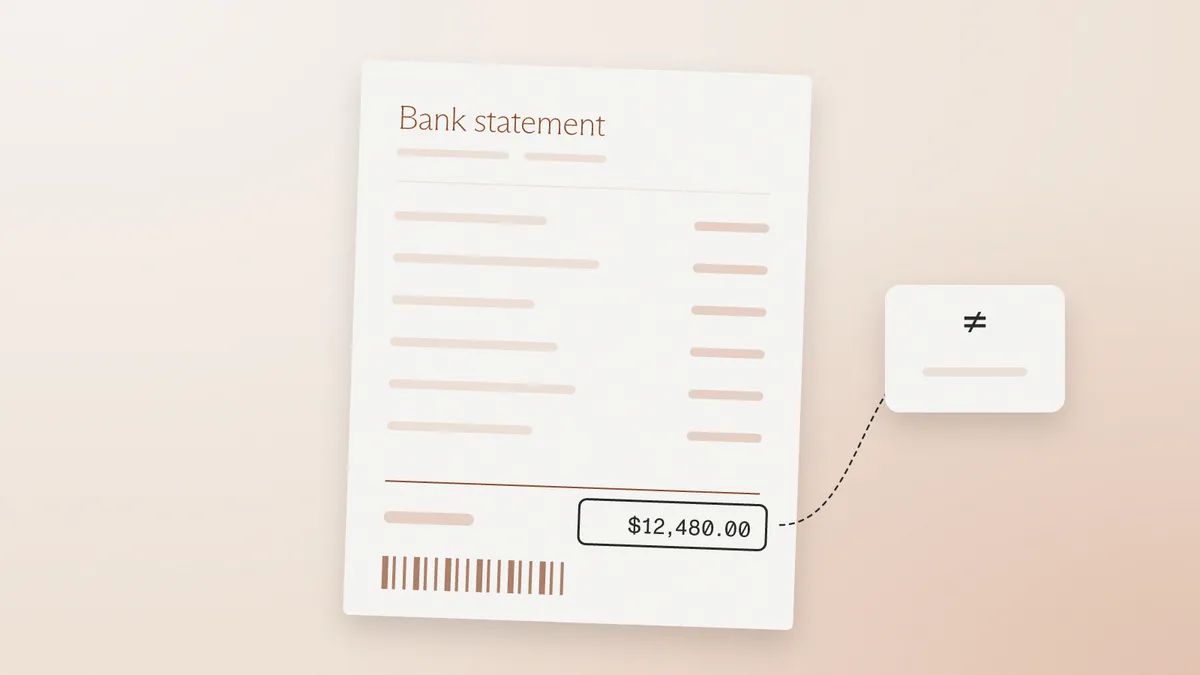
How to spot a fake bank statement: edited-after-creation vs generated-from-scratch, which visual tells still work, and how file history exposes forgeries.
Try another keyword or explore a different topic.