
Best AI-Generated Document Detection Tools
Eight AI-generated document detection tools compared by fit, what each reads, and its limits, plus why no detector catches every forged file.


TL;DR: Fake documents cluster around four frauds: inflated income, invented funds or payments, companies that are not what they claim, and tax records the IRS never received. This list covers 20 file types, each with its strongest tell and a full guide. GAO found alleged tax document falsification in 58 percent of 330 pandemic loan fraud cases, yet Sphinx found no regulator dataset that ranks forgeries by document type, so the numbers below are for navigation, not rank.
"Most-forged" on this page is an editorial call, not a measurement. Sphinx looked for a regulator or government dataset that counts forgeries by document type and did not find one. Detection vendors publish network data by document type, but each set reflects that vendor's own customers rather than the market.
The closest public evidence comes from two studies. In GAO's review of 330 PPP and COVID-19 EIDL fraud cases brought by the Department of Justice, 227 cases (69 percent) involved falsification or alleged falsification of tax or other documents such as payroll records and bank statements, and 190 (58 percent) involved tax documents specifically. Those cases come from one federal program, announced by December 2021. The ACFE's Occupational Fraud 2026 report, drawn from 2,402 cases, found that 39 percent of fraudsters concealed their schemes by creating fraudulent physical documents, 33 percent by altering physical documents, and 28 percent each by creating or altering electronic files. That study covers fraud inside organizations and counts methods, not file types.
So each entry had to pass two tests: a financial institution relies on it to release money, open an account, or clear a business, and the applicant, not the issuer, controls the copy the reviewer receives. Public evidence is strongest for income, banking and tax files and thinner for corporate records, which earned a place because KYB controls depend on them. Numbers run in group order, and group order is not a ranking either. Identity documents are a separate problem, covered in identity document verification for customer onboarding.
A fake document is either edited after creation or generated from scratch. An edited file began as something real and was changed later, so it tends to leave a mismatch around the changed field and a file history that continues after the issuer's system finished. A generated file never passed through the issuer, and template-made files have no issuance history to find. It can be internally perfect and still fail against any record outside the page.
FinCEN's November 2024 deepfake alert warned that GenAI can produce content that is difficult to distinguish from unmodified outputs. The FBI's April 2026 release on its Internet Crime Report recorded 22,364 AI-related complaints costing nearly $893 million, naming fake identification documents among the tactics. That is a broad fraud figure, not a rate for these files.
Income documents are fake financial documents built to change one number: what a person can afford. They often arrive as a set, so test them against something the applicant does not control.
A payroll PDF altered after issue or generated outright to inflate income for a loan or onboarding.
Strongest tell: net pay that never appears as a matching bank deposit. Generated stubs increasingly get the arithmetic right, so math alone is only a screen. How to spot a fake pay stub.
A letter claiming an employer confirmed a job, title, dates, or pay. Two applicant documents agreeing with each other proves nothing.
Strongest tell: the employer's own channel does not confirm it. A phone number printed on the letter does not count, because the applicant chose it. How to spot a fake employment verification letter.
A contract edited after signing or assembled for a tenancy that never existed, offered as rental income in underwriting or as proof of address or premises. Leases have no standard format, so layout proves nothing.
Strongest tell: a landlord who exists nowhere but on the lease, with no registry entry and no link to the property. How to spot a fake lease agreement.
Banking documents borrow an institution's credibility. Each can be checked against that institution or the money itself. For how banks layer detection, see document fraud in banking.
A PDF or image misrepresenting balances, income, or activity. Looking like a bank PDF is no longer a finding.
Strongest tell: a running balance that does not follow from the line above, or a file history that continues after the bank's system produced it. How to spot a fake bank statement.
A bank letter edited to change a balance, date, or name, or built on lifted letterhead for an account that may not exist.
Strongest tell: a mismatch with how that bank actually issues such confirmations, such as a branch manager signing from a personal email. How to spot a fake proof of funds letter.
A page claiming a bank attested to a customer relationship it never attested to, or attested to differently.
Strongest tell: language a real reference does not use. A genuine status reply hedges, while a page that warrants an unencumbered balance has left the document type. How to spot a fake bank reference letter.
A payment advice or portal receipt edited or generated to describe a transfer that never settled.
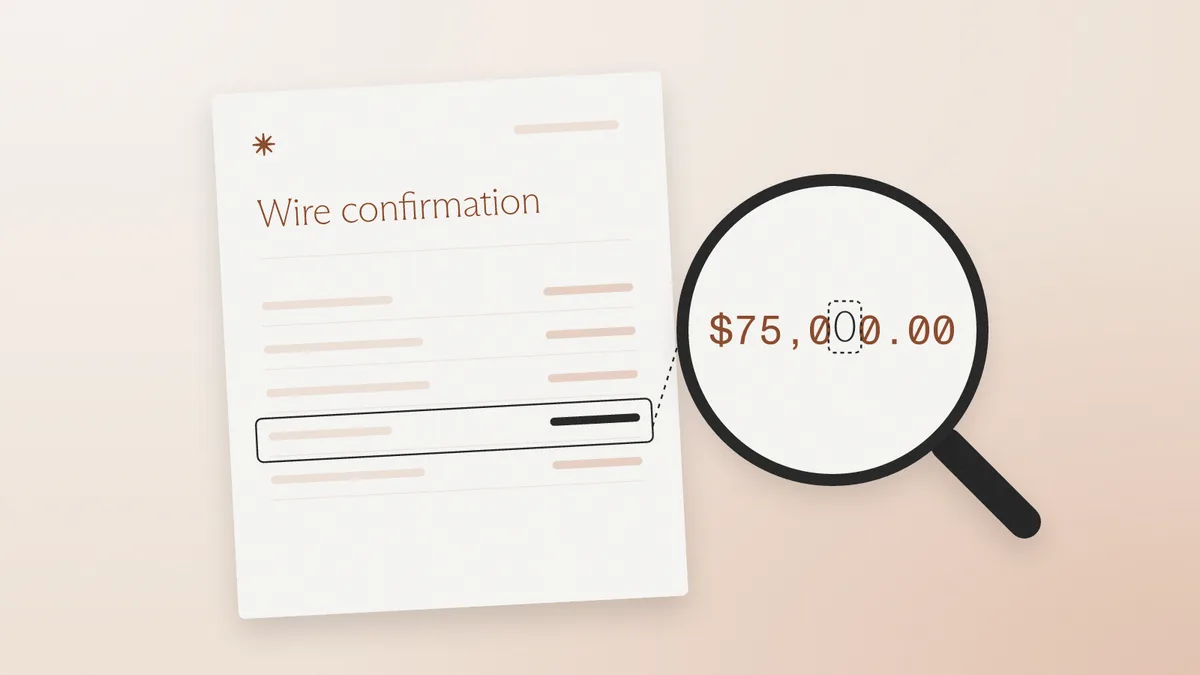
Strongest tell: amount, beneficiary, and reference that describe a different payment from the contract or invoice behind it. How to spot a fake wire confirmation.
A routing and account number presented as a bank document, which then becomes a payout instruction for payroll, vendors, or marketplace sellers. A genuine check can still belong to someone else.
Strongest tell: no evidence the applicant controls the account. A VOID mark and a logo say nothing about ownership. How to spot a fake voided check.
A statement offered as proof of assets that misstates positions, cash, or market value.
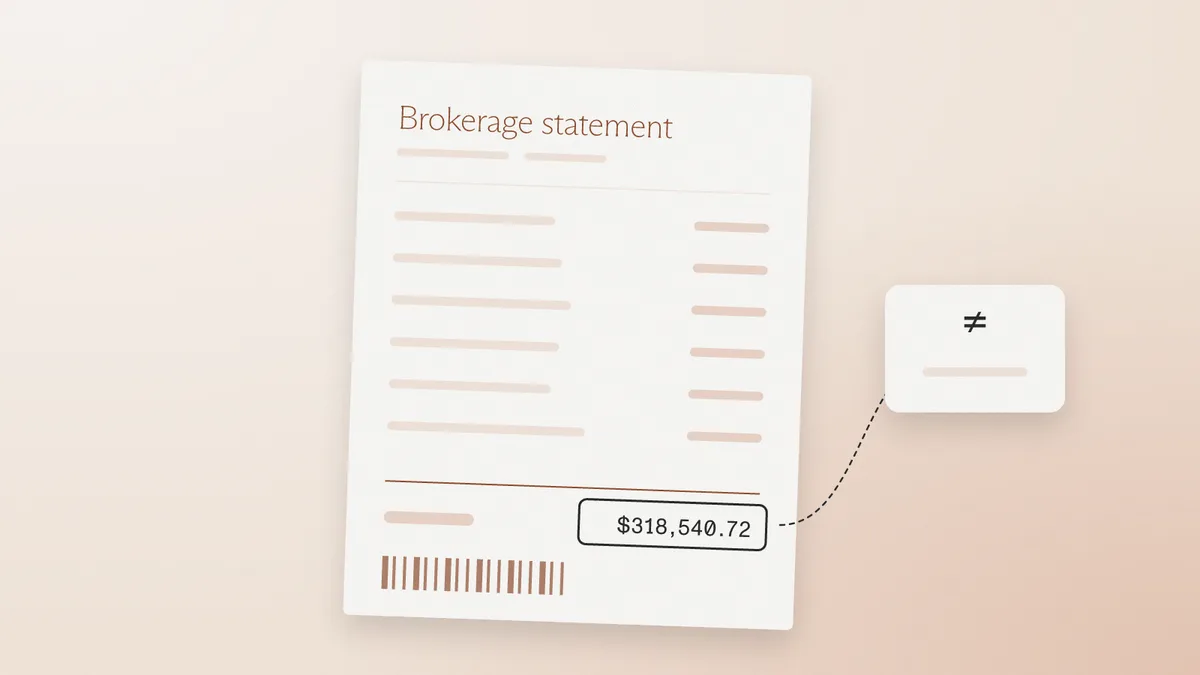
Strongest tell: a stated total that cannot be derived from the positions and cash on the same page. How to spot a fake brokerage statement.
Fake business documents do their damage at KYB and in business credit. Formation and status records have a public issuer to check against. Internal records usually do not, so they get tested against the rest of the file.
A formation filing generated from scratch, edited after a real export, or reused across unrelated applicants.
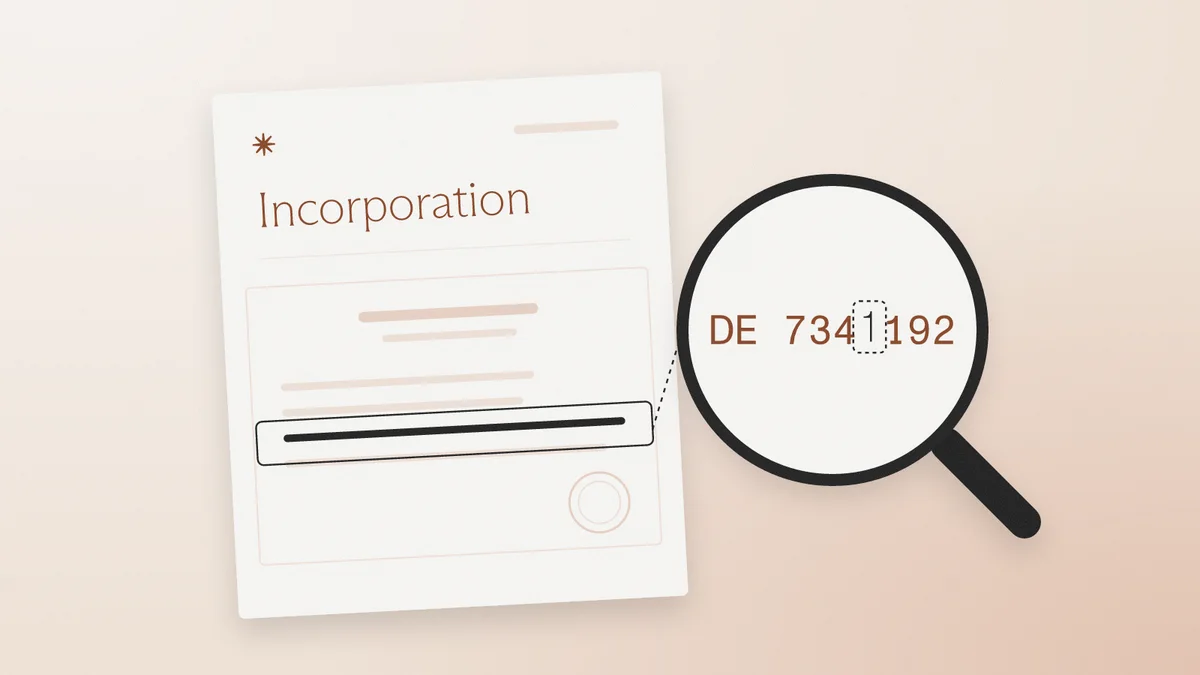
Strongest tell: registrar mismatch. The number on the page must resolve at the named registrar to the same name and date. How to spot a fake certificate of incorporation.
A status PDF generated, edited after a real download, or swapped for a portal screenshot, so an entity looks authorized on a date the register does not support.
Strongest tell: the register disagrees, on the entity or the date. The office named on the page is the office that can confirm the status. How to spot a fake certificate of good standing.
An LLC's internal contract on members, ownership, and signers. Real ones are often templates, so a form-like layout means little.
Strongest tell: internal disagreement, such as percentages that do not sum or an effective date before the LLC was formed. How to spot a fake operating agreement.
A certified copy of bank authority the board supposedly adopted, naming who may open accounts and sign. An unfiled resolution is normal, so a missing state seal is not a finding.
Strongest tell: a certifier who is the only signer the authority names, or a meeting dated after the account was already opened. How to spot a fake board resolution.
A P&L, balance sheet, or audited report edited after export or generated to describe performance that never happened.
Strongest tell: figures that do not tie to records the borrower does not control, such as bank deposits. How to spot fake financial statements.
A real invoice edited after issue, or a generated one describing a sale that never happened. It works as factoring collateral and as a payment instruction in accounts payable.
Strongest tell: a remittance account that differs from every prior invoice from that vendor. How to spot a fake invoice.
Eleven more guides sit outside the numbered list, because they serve a narrower workflow or fall outside the four groups: utility bills, for instance, are proof of address.
Almost every tell above connects the document to something the applicant does not control: a deposit, a register, a transcript, an issuer's own phone line. Logos, seals, fonts, and letterhead appear on the list only as things that fail.
File-level evidence is the second line. An edit often leaves a production and timestamp trail the page does not show, which PDF metadata analysis covers in depth. Neither line is complete alone: a clean file history does not make a genuine check the applicant's own. Document verification and document fraud detection answer different questions, and a serious program asks both. For rates rather than tells, read the document fraud statistics and check what each figure measures.
Treat a tell as a reason to verify, not a verdict. Genuine files have odd fonts and rounded numbers, so one anomaly opens a review rather than closing the case.
For a second read on a single file, check a document in the free playground.
Sphinx Doc Fraud examines the file itself through six checks: production method, timestamp trail, issuer matching, consistency, model artifacts, and recycled patterns. Sphinx reports a 94.3 percent correct verdict and under 28 seconds to clear clean files. Pricing is $0.45 per document, with no seats and no platform fee, and the Doc Fraud playground is free to try.
The limit is worth stating. Doc Fraud reads the file. It does not verify a person's face or connect to a bank account, so the deposit, registry, and transcript checks above stay in the process. Inside a KYB or KYC workflow it runs as one agent among several, where Sphinx prepares the evidence, applies your SOPs, and produces a traceable recommendation. Your team retains final approval.
No regulator dataset Sphinx found answers this by document type. GAO's review of 330 PPP and COVID-19 EIDL fraud cases points to tax documents, alleged in 58 percent of them, but that covers one federal program. Vendor figures reflect each vendor's own customers.
Test the document against a record the applicant does not control: a deposit, a registry entry, an IRS transcript, or the issuer reached through a contact you sourced yourself. Then look at file history for signs of editing after creation. Fonts and logos only catch crude work.
Fake financial documents misstate money, such as income, balances, or payments, and usually support a loan or a payout. Fake business documents misstate a company, such as its existence, status, owners, or signers, and usually appear at KYB. Financial statements and invoices sit in both camps.
Yes, though rarely by eye. FinCEN warned in November 2024 that GenAI output can be difficult to distinguish from unmodified content. Detection relies on production method, model artifacts, and recycled patterns in the file, plus checks against outside records that a generated page cannot satisfy.
Eight AI-generated document detection tools compared by fit, what each reads, and its limits, plus why no detector catches every forged file.
Bank statement fraud detection software compared for lenders and KYB teams: file forensics, statement analysis, and when a bank connection wins.
Eight document verification tools for banks, lenders and fintechs, sorted by job: identity documents, income files, and whether a file was altered.
Resistant AI alternatives for document forensics and transaction monitoring, ordered by fit, with what each does and where it stops.
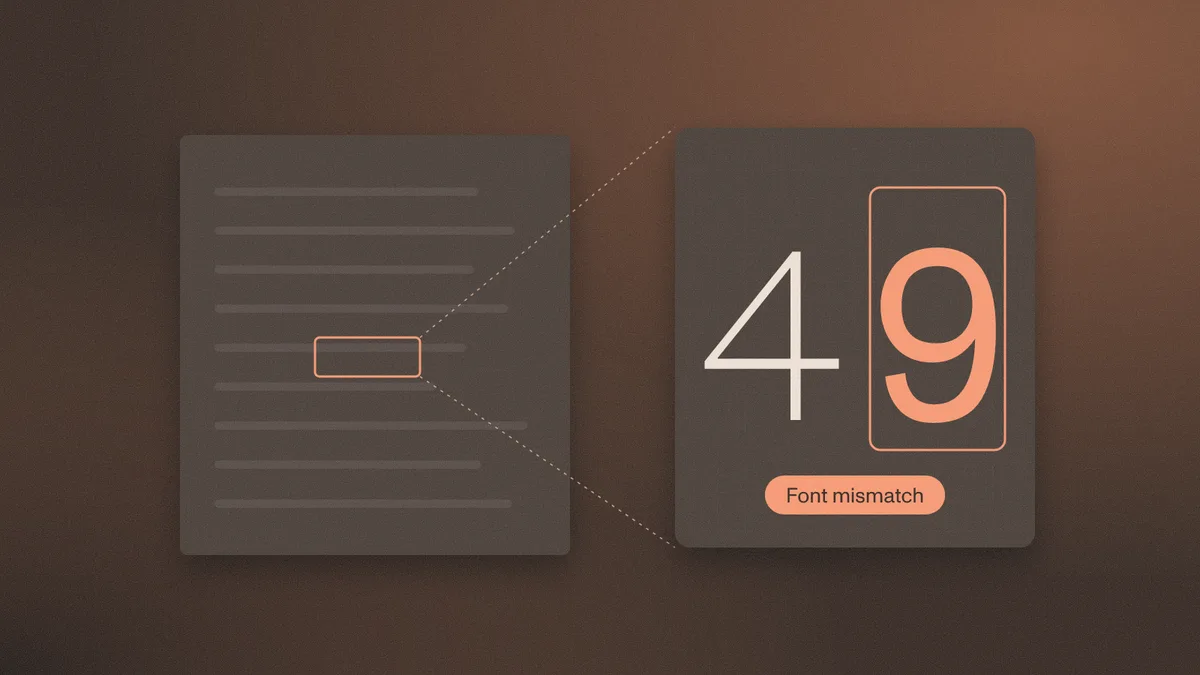
Six Inscribe alternatives, sorted by what a buyer needs: work after the flag, document mix, data terms, pricing and how edits get caught.
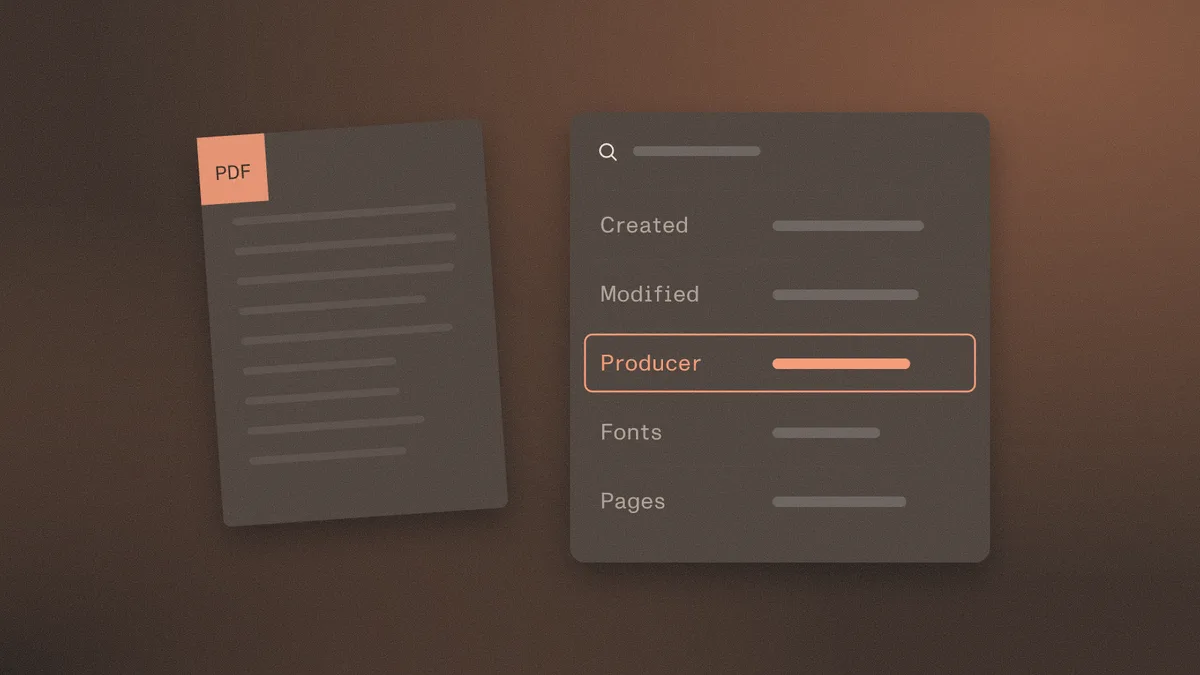
Eight document fraud detection tools compared by what they test, how they explain a verdict and how they price.
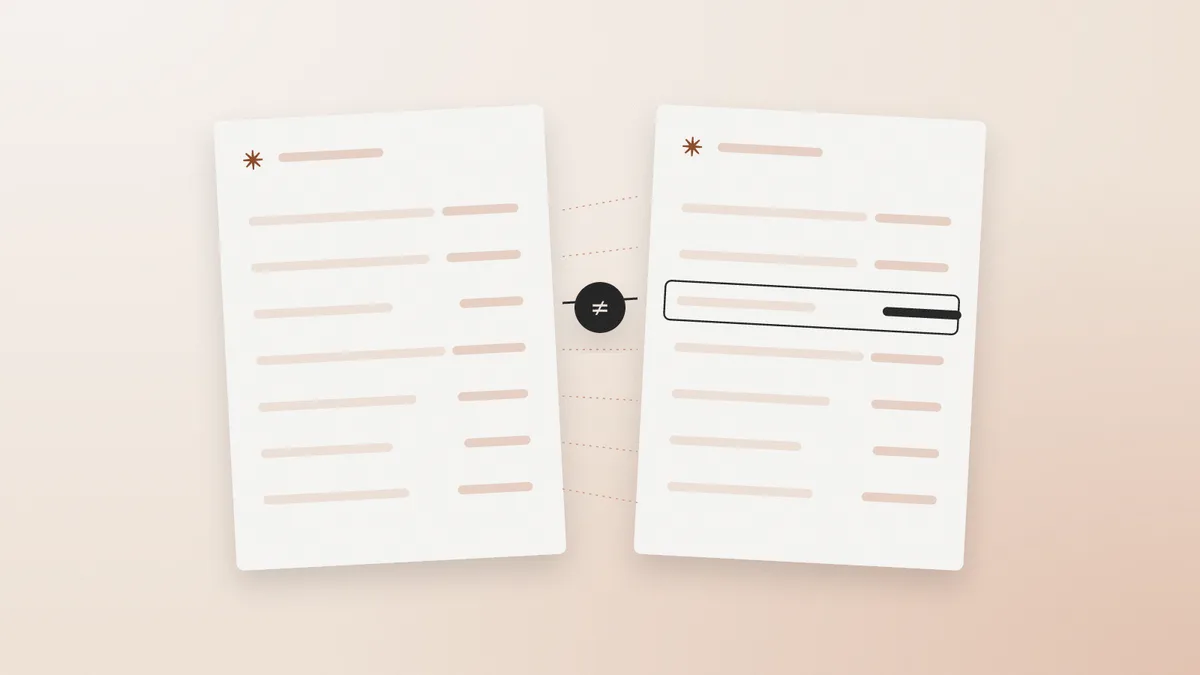
How to spot a fake letter of credit or SBLC: why a standalone PDF is a red flag, tells that still work, and six checks on the file.
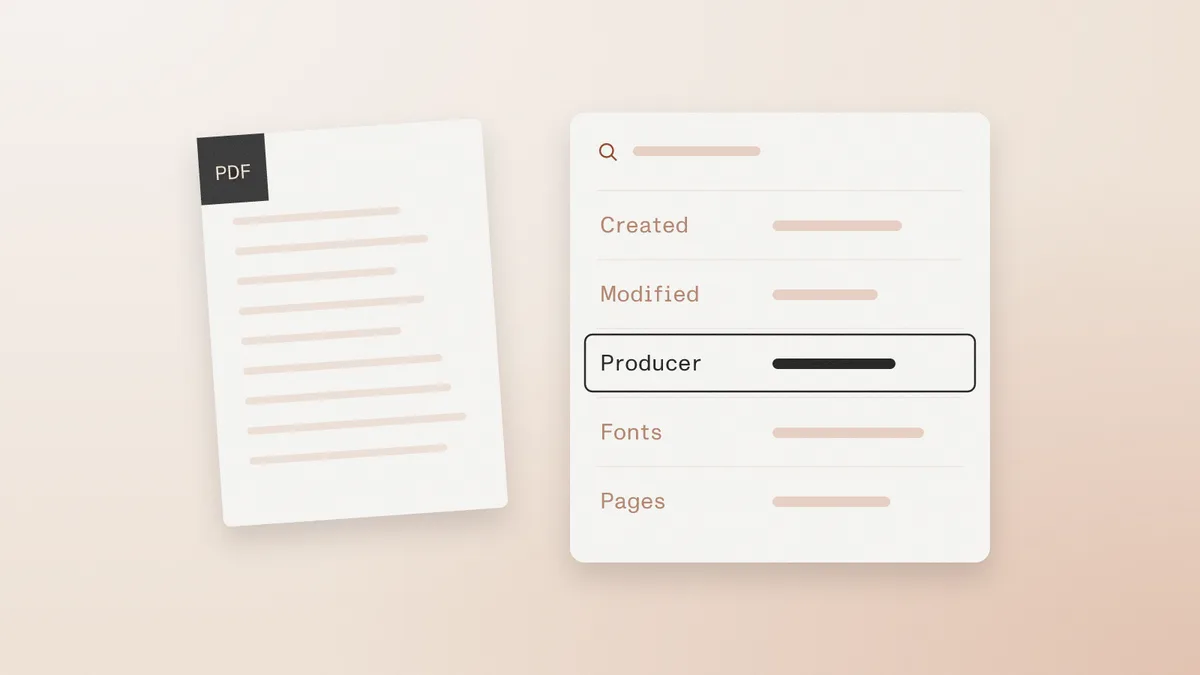
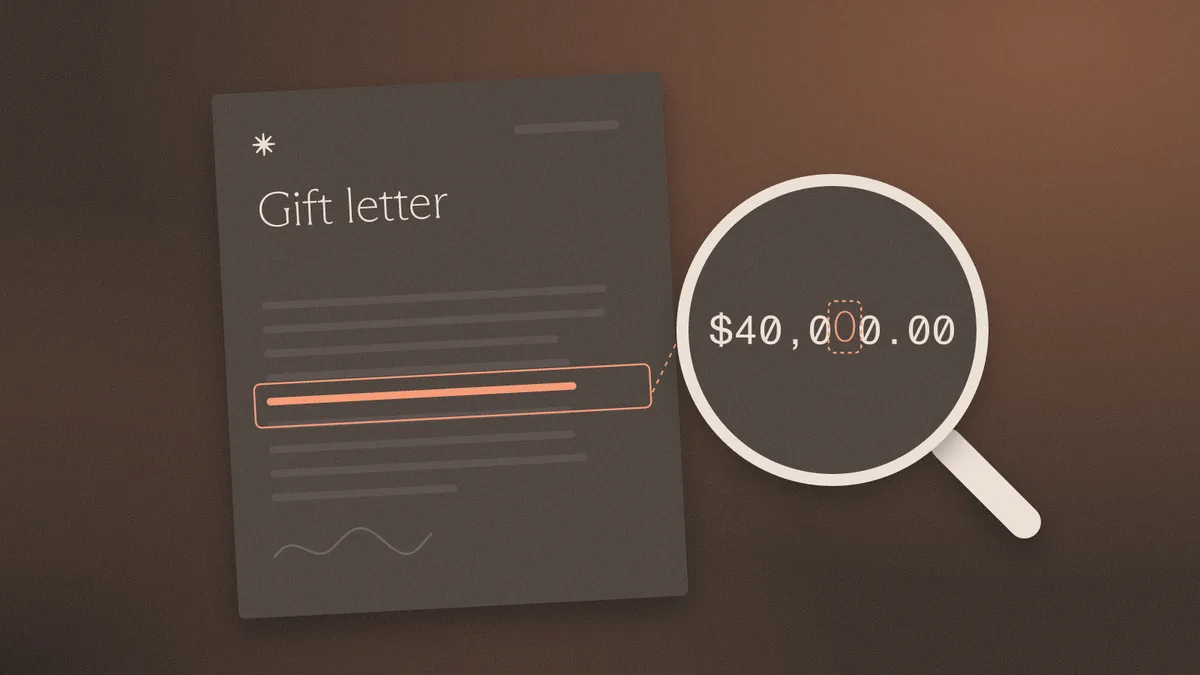
How to spot a fake gift letter: disguised loans, interested-party money, and how to verify the donor's transfer against Fannie Mae and FHA rules.
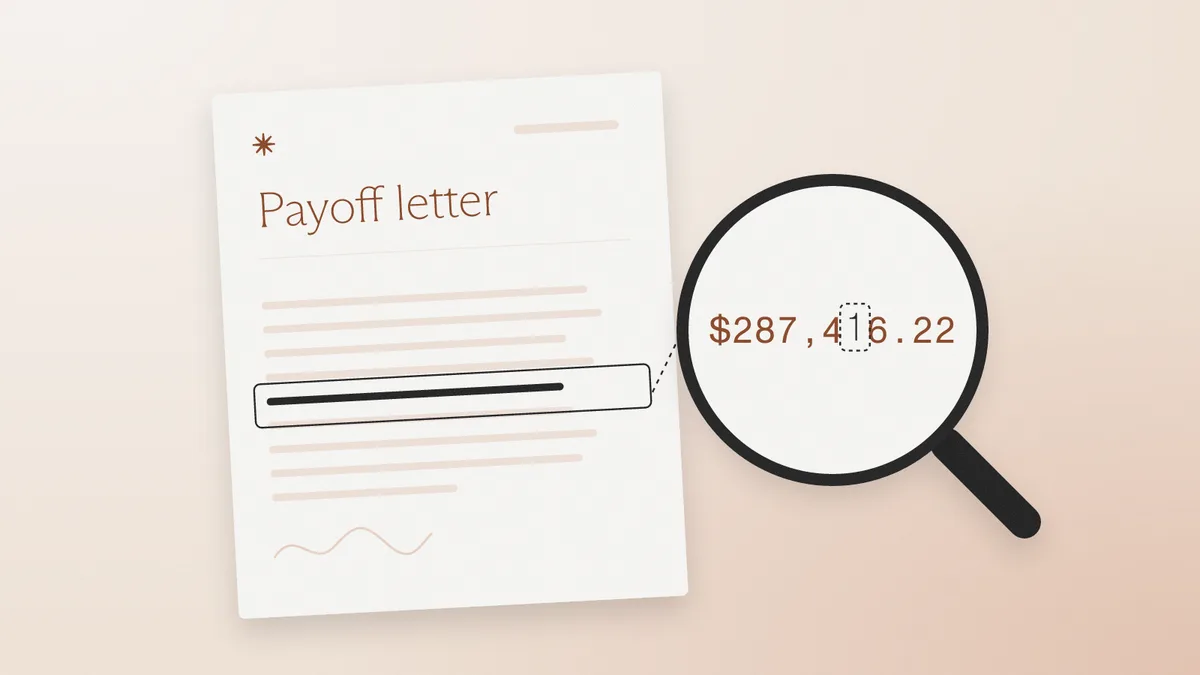
How to spot a fake payoff letter: altered wiring instructions, the tells that fail, and six checks on the file before the payoff wire goes out.
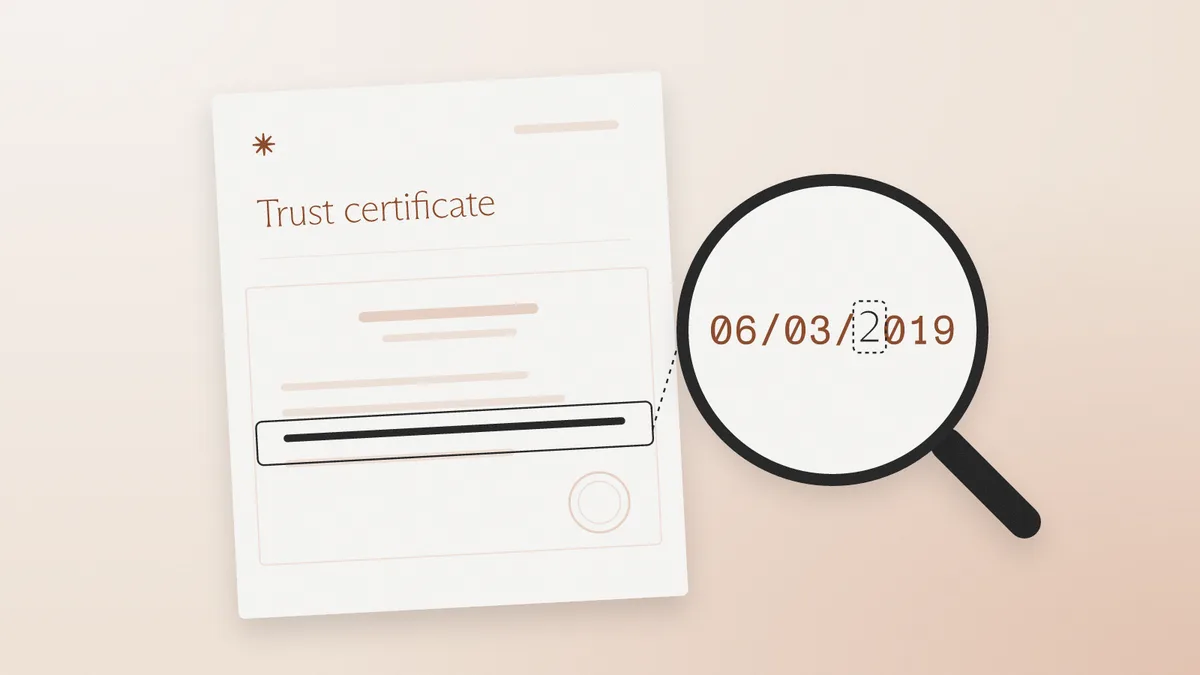
How to spot a fake certificate of trust: edited trustee names and powers, notary checks, beneficial ownership, and six checks on the file.
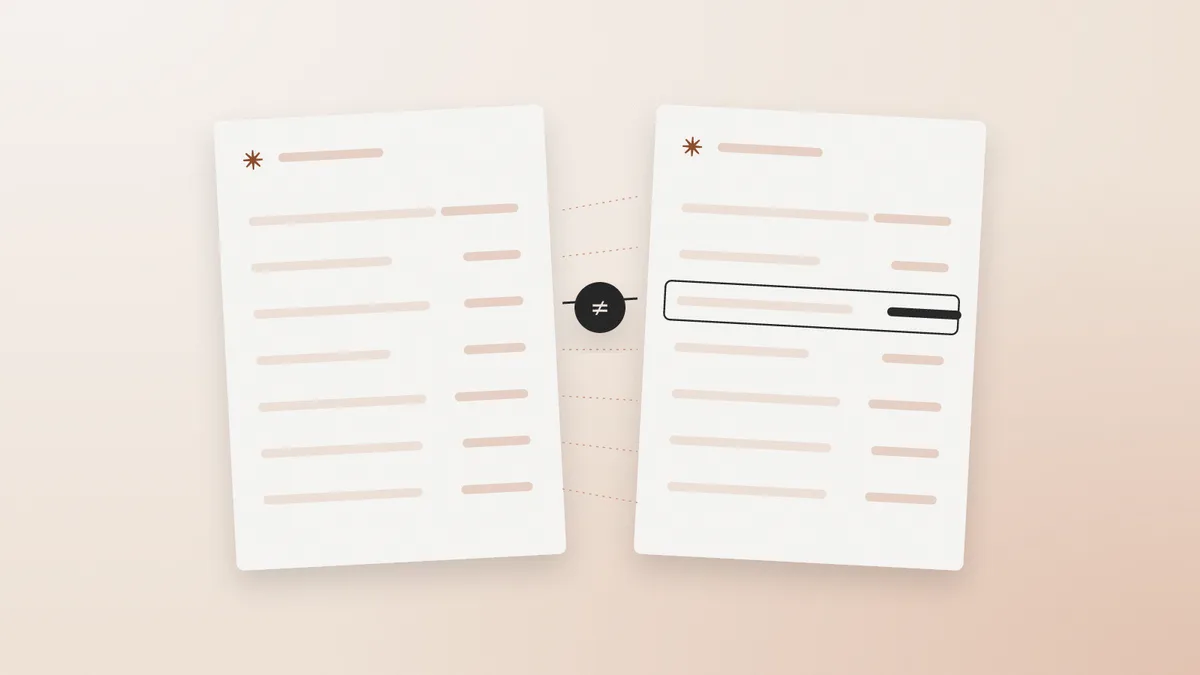
How to spot a fake shareholder register: edited percentages under the 25% UBO line, cap tables vs. registers, and the checks that catch them.
How to spot a fake crypto exchange statement: edited PDFs, CSV exports, on-chain withdrawal checks, and six checks on the file.
How to spot a fake credit card statement used for proof of address, debt verification, or source of funds: edited balances, broken math, file checks.
Spot a fake W-8BEN by reading foreign status, the treaty claim, and the file. The IRS publishes a blank and does not certify the form.

How to spot a fake partnership agreement: edited partner lists, signature blocks never executed together, and no state filing for a general partnership.

How to spot fake corporate bylaws: rules that contradict the articles, adoption before incorporation, and a template reused across companies.
How to spot a fake stock certificate offered as KYB ownership evidence, when the ledger matters more than the vignette.
A Schedule K-1 reports a partner's share of income. Capital-account math, form year, and an IRS transcript catch edited and generated fakes.
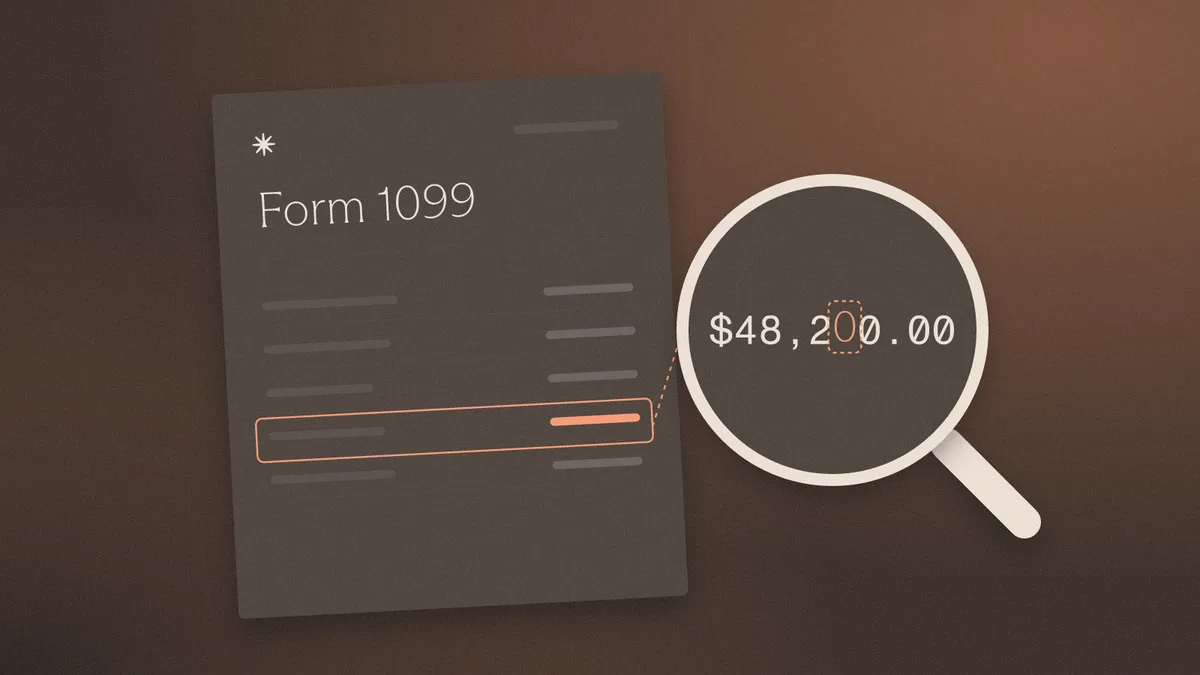
A fake 1099 is an information return edited after creation or generated from scratch. Match it to the IRS wage and income transcript.
How to spot a fake employment verification letter: edited versus generated files, the tells that fail, and six checks on the file.
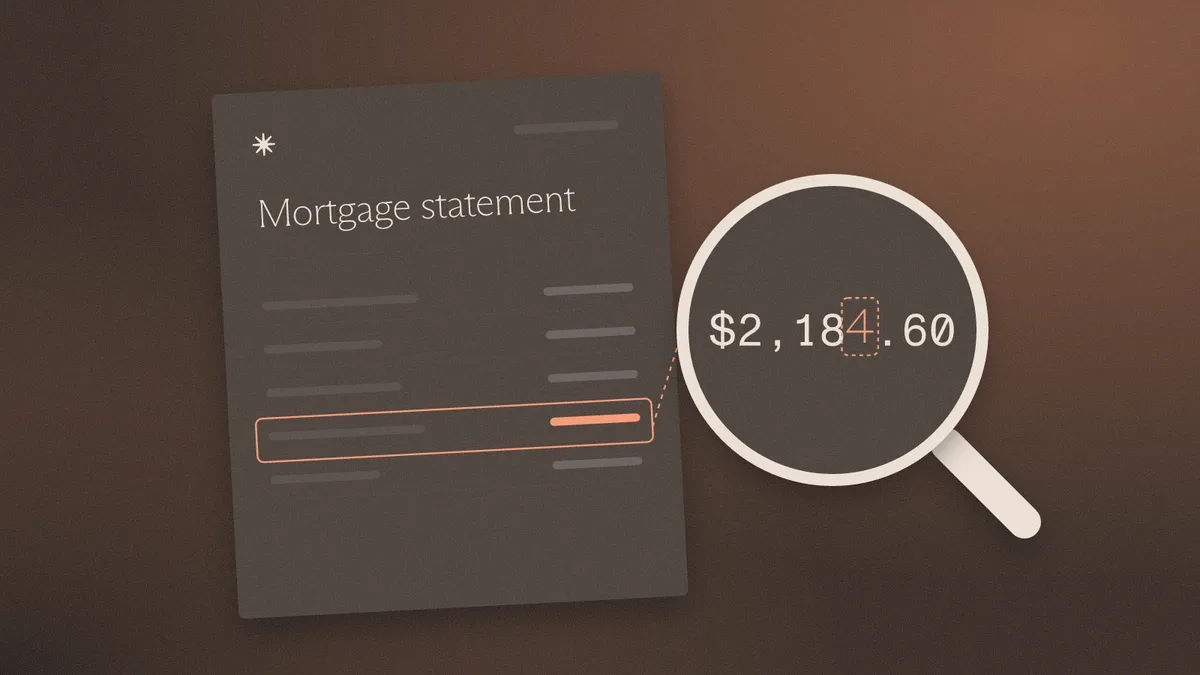
Spot a fake mortgage statement by confirming principal, amount due, due date, and rate with the current servicer.
Spot a fake W-9 by matching the line 1 name and TIN. The IRS publishes a blank form and does not seal a completed one.
Spot a fake merchant statement by rebuilding amount processed from the fee lines and confirming the merchant ID with the processor.
Spot a fake DBA certificate in the county index: file number, registrant, and expiration. A filing is not good standing.
Spot a fake board resolution by checking that the certifier is not the empowered signer and that the resolution date comes first.
Spot a fake certificate of incumbency by checking the certifier and the state's officer list. A seal does not prove the offices.
How to spot a fake brokerage statement used as proof of assets, and why file history beats a clean layout.
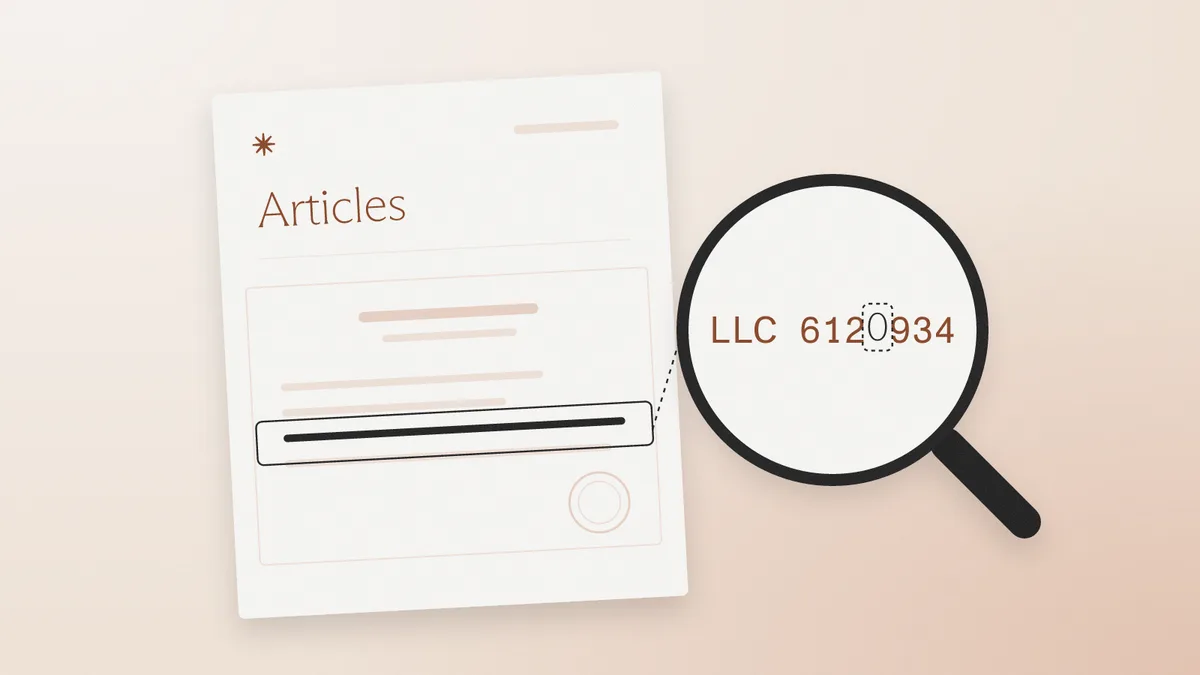
How to spot fake articles of organization by matching the file number and filing receipt to the state record before the account opens.
A wire confirmation is a claim that money moved. Edited and generated payment advice fail file checks. The posted credit is the proof.
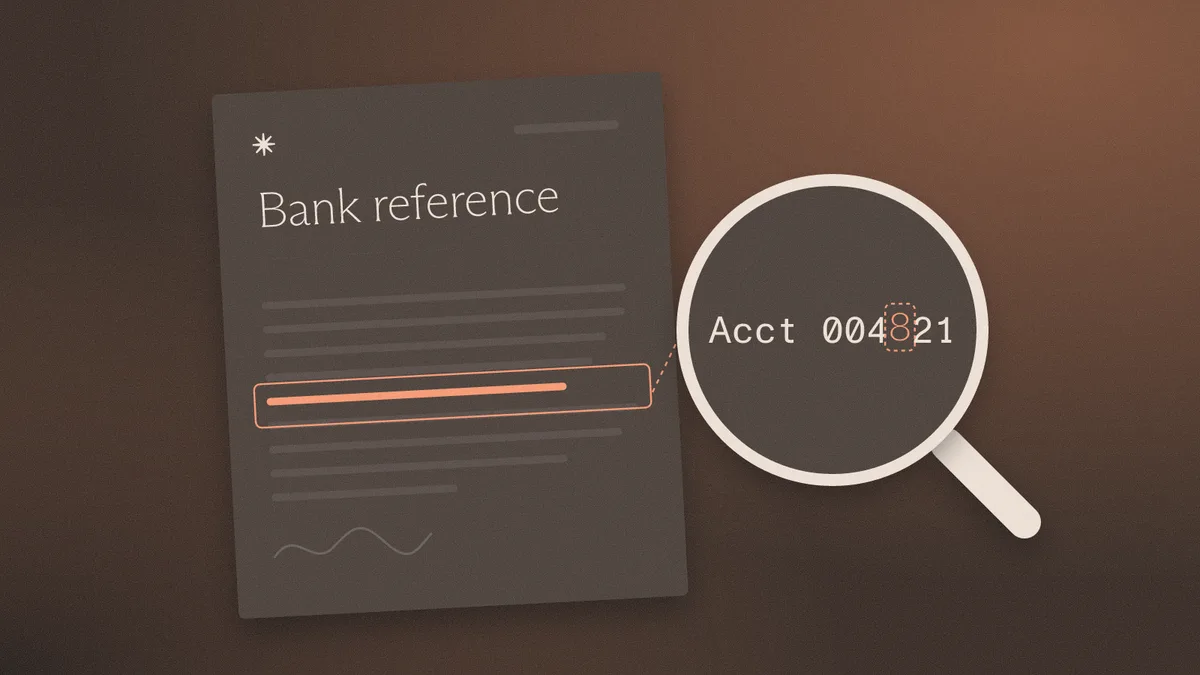
How to spot a fake bank reference letter: the relationship claim, the signatory, and the edit history. Letterhead is cheap to copy.
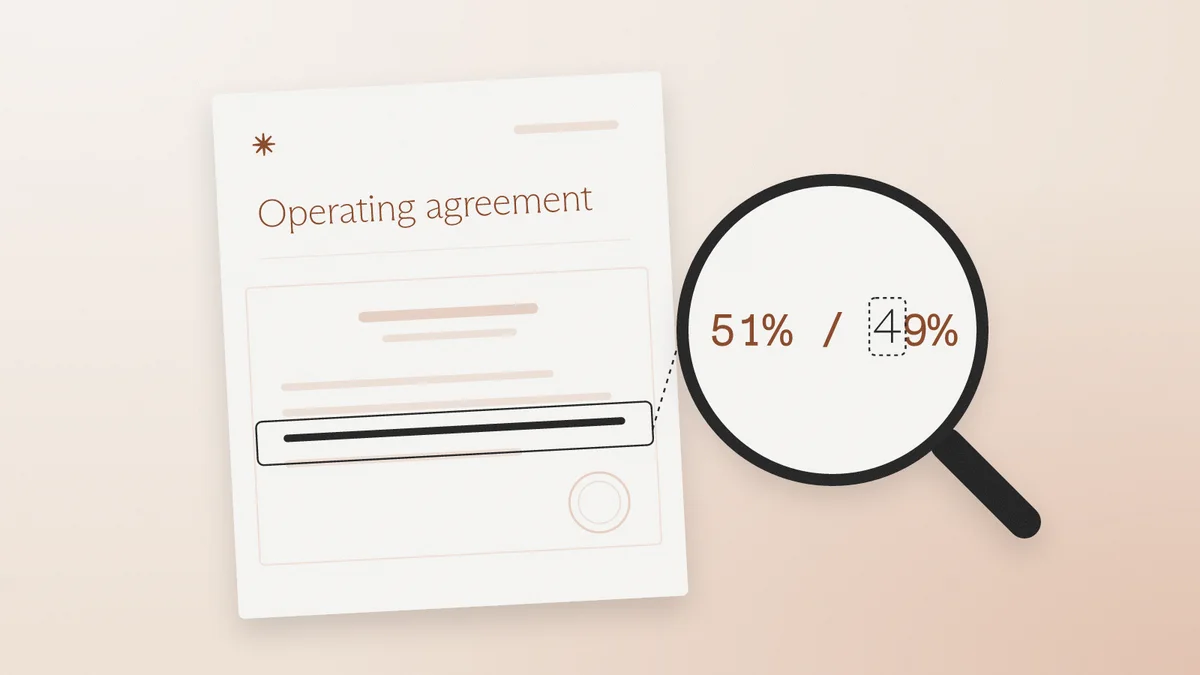
How to spot a fake operating agreement in KYB: edited member schedules, swapped signature pages, and ownership that does not match the file.
Spot a fake certificate of good standing by checking the as-of date, file number, and post-download edits.
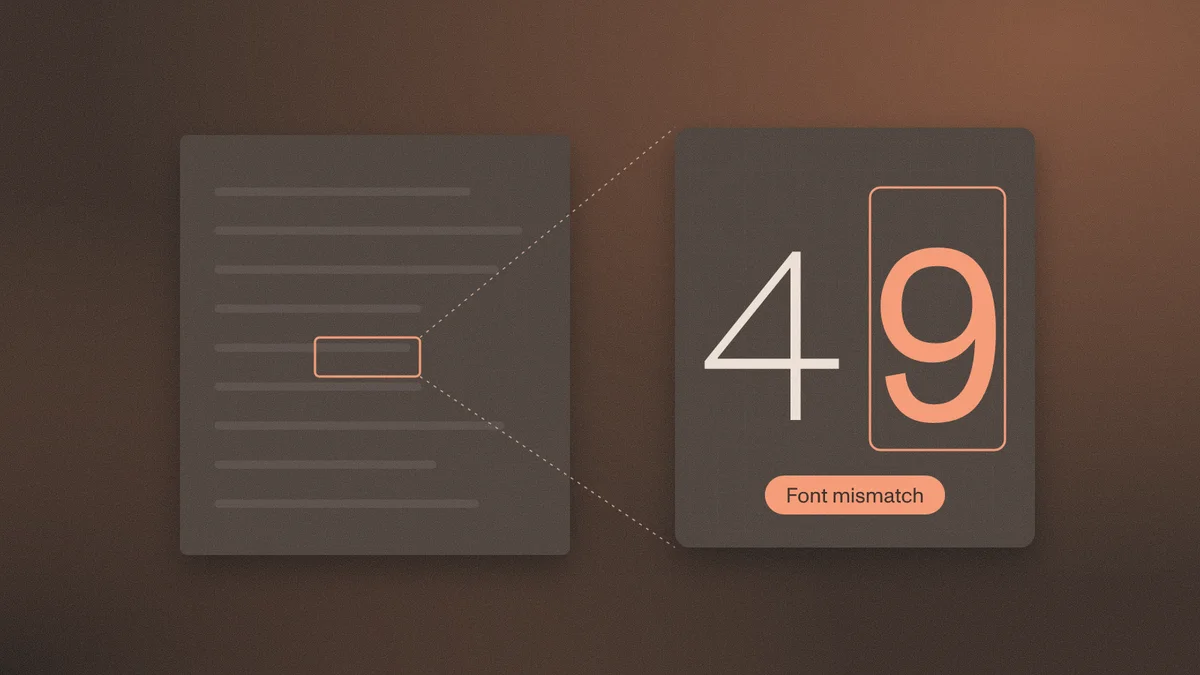
How to spot a fake voided check using file history, routing match, and account control. A VOID mark misses edited and generated files.
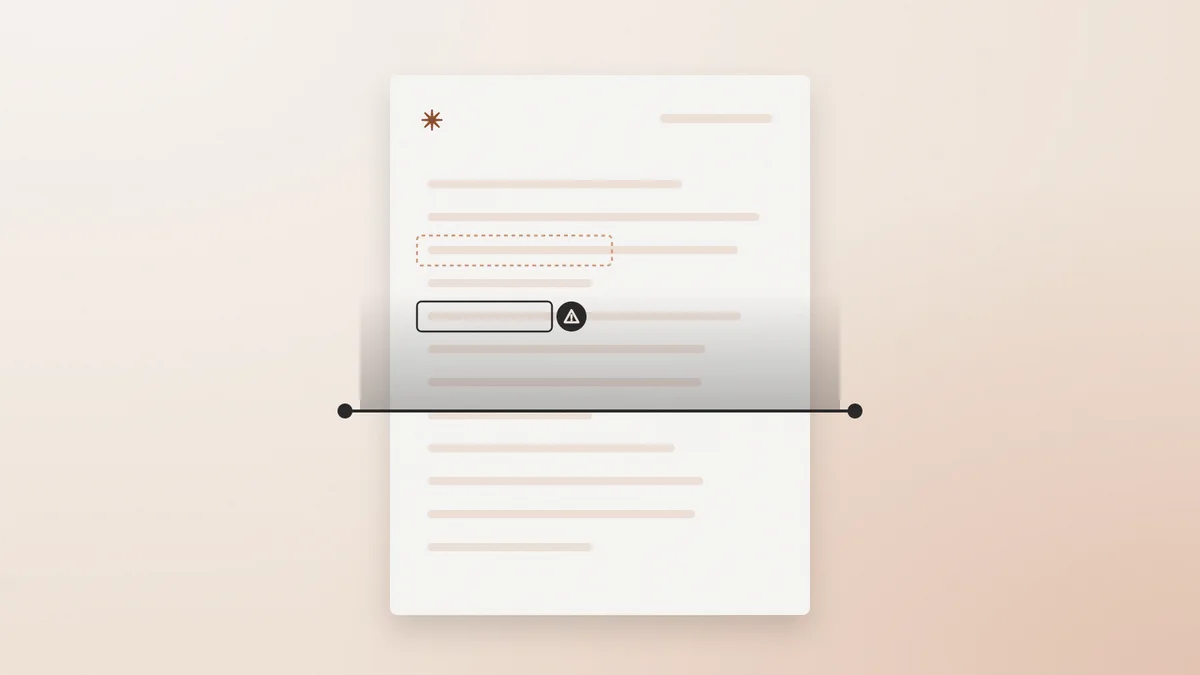
Verification reads the page and matches the applicant. Fraud detection reads the file. What each misses, how to evaluate each, and when you need both.
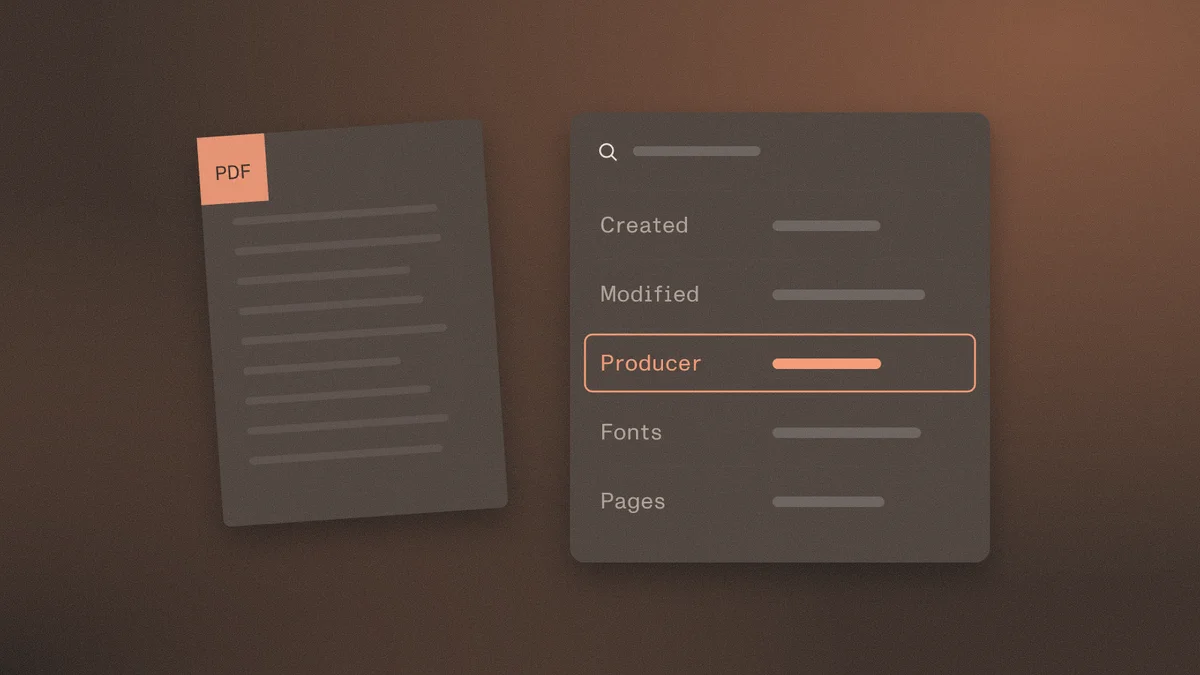
PDF metadata analysis for fraud detection: Info dictionary, XMP, timestamps, producer strings, incremental updates, and what each can and cannot prove.
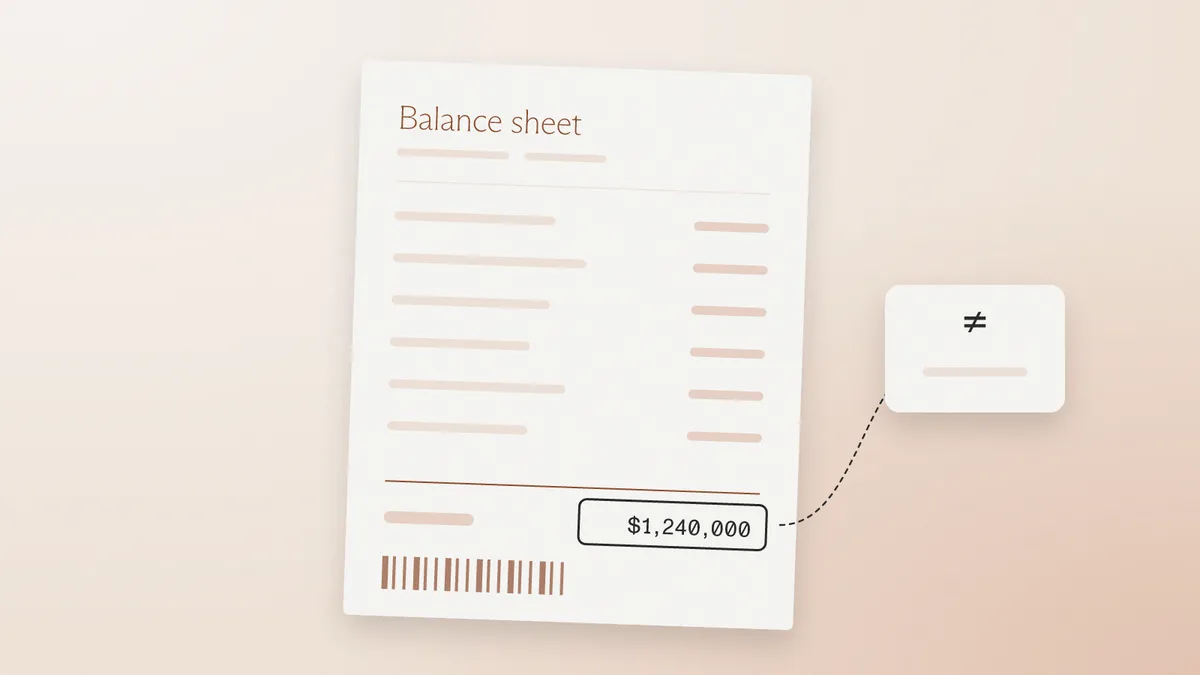
How to spot fake financial statements in SMB lending and KYB: inflated revenue, fake auditor letters, 4506-C and bank reconciliation, six file checks.
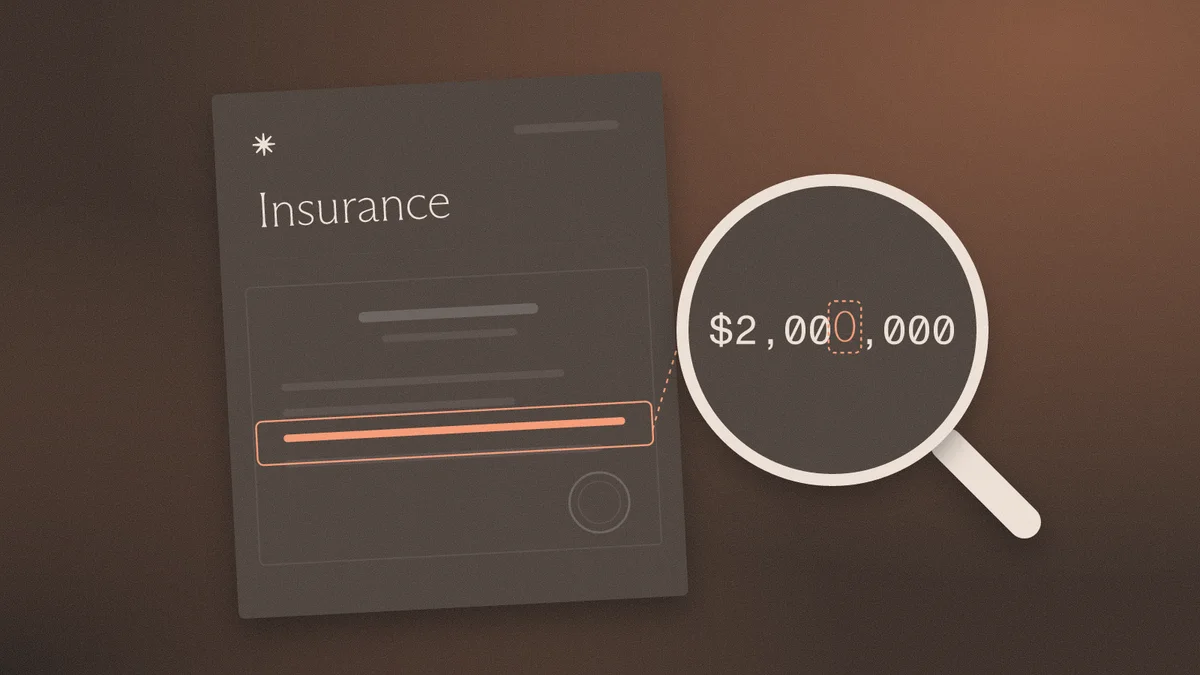
How to spot a fake certificate of insurance: why an ACORD 25 confers no rights, the tells that survive, carrier and NAIC lookups, and the six file checks.
How to spot a fake lease agreement in KYC, mortgage, and KYB review: landlord, date, rent, and disclosure tells, plus the six file checks that settle it.

How to spot a fake proof of funds letter in lending, real estate, and escrow: the tells that work, the six file checks, and how to verify with the bank.
How to spot a fake EIN confirmation letter: what a real CP 575 or 147C contains, the tells that survive, IRS TIN Matching limits, and the six file checks.
How lenders and onboarding teams spot fake 1040s, W-2s, and IRS transcripts: line-item tells, edited vs generated files, and the Form 4506-C break-test.
How to spot a fake invoice in factoring, trade finance, and AP: the tells that still work, the six file checks, and the debtor break-test that settles it.
Should compliance teams accept screenshots of bank statements? What a flattened PDF loses, which fraud checks still work on images, and how to set policy.
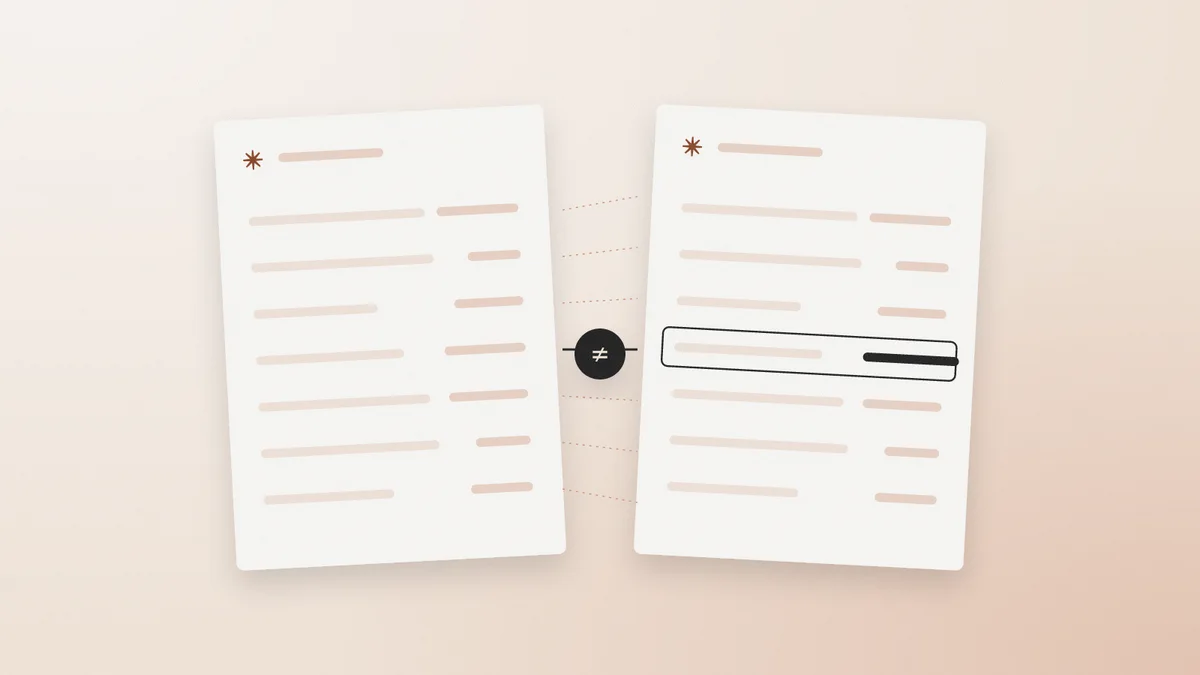
Explainable document forensics shows where a file was altered, what it said before, and how the examiner knows. Why a fraud score alone fails audit.
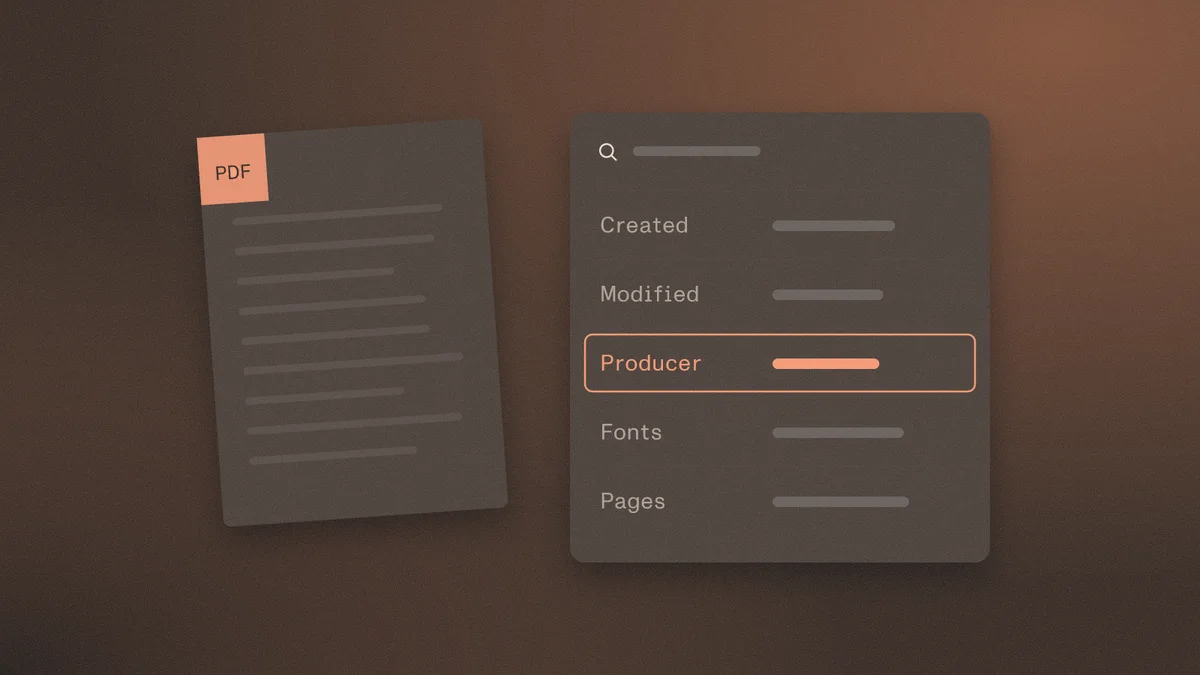
How KYC, KYB, rental, and lending teams spot fake utility bills used as proof of address: edited vs generated files, tells that work, six file checks.

How fake document templates and template farms work, why template-made files have no issuance history, and how to detect them in KYC and lending.
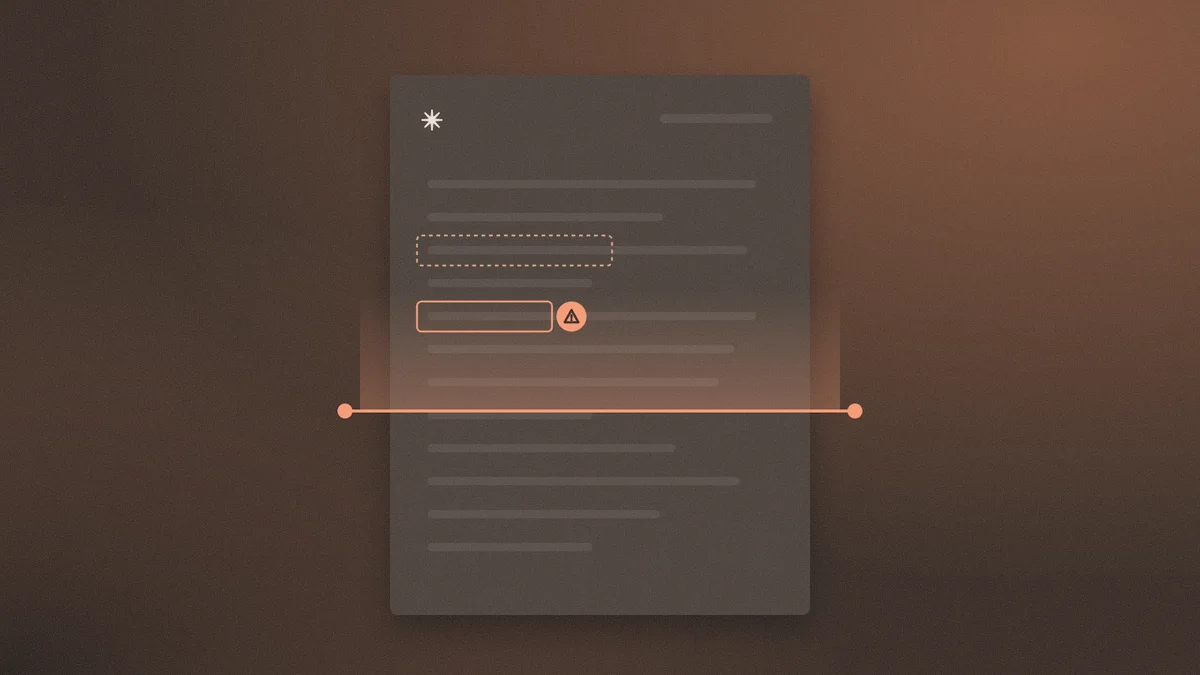
Serial document reuse detection catches one statement, stub, or ID recycled across unrelated applicants. Why single-file review misses it.
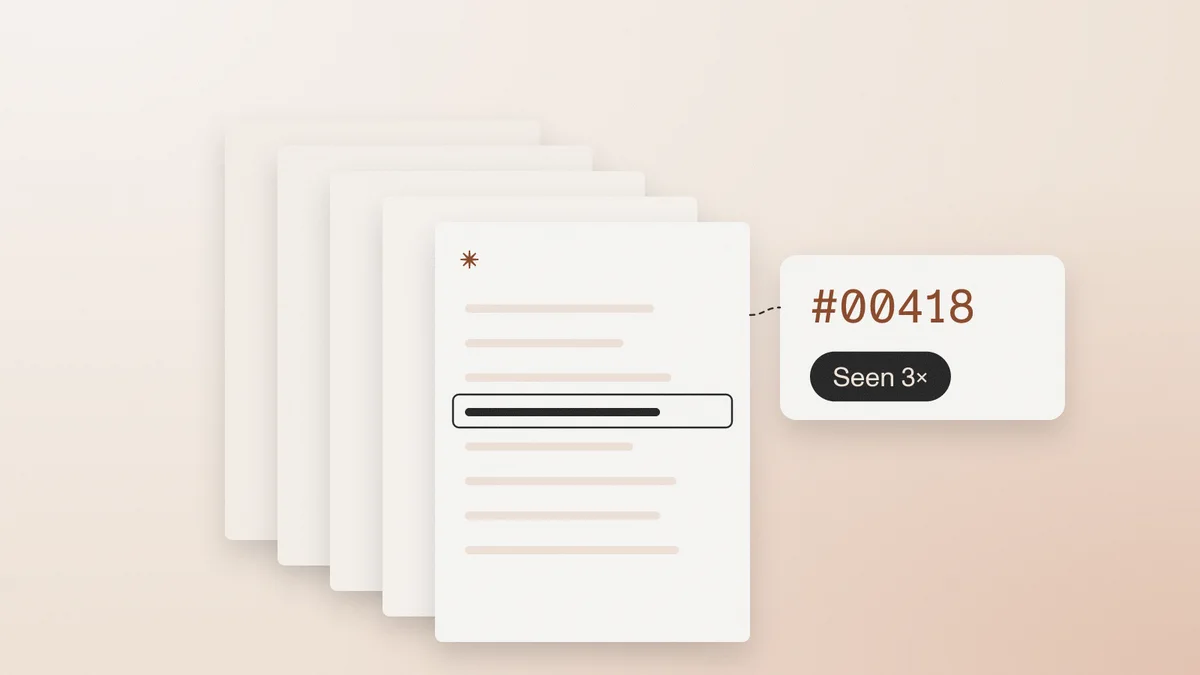
Loan document fraud detection tests bank statements, pay stubs, and tax docs as a package — the red flags underwriters miss on visual review.
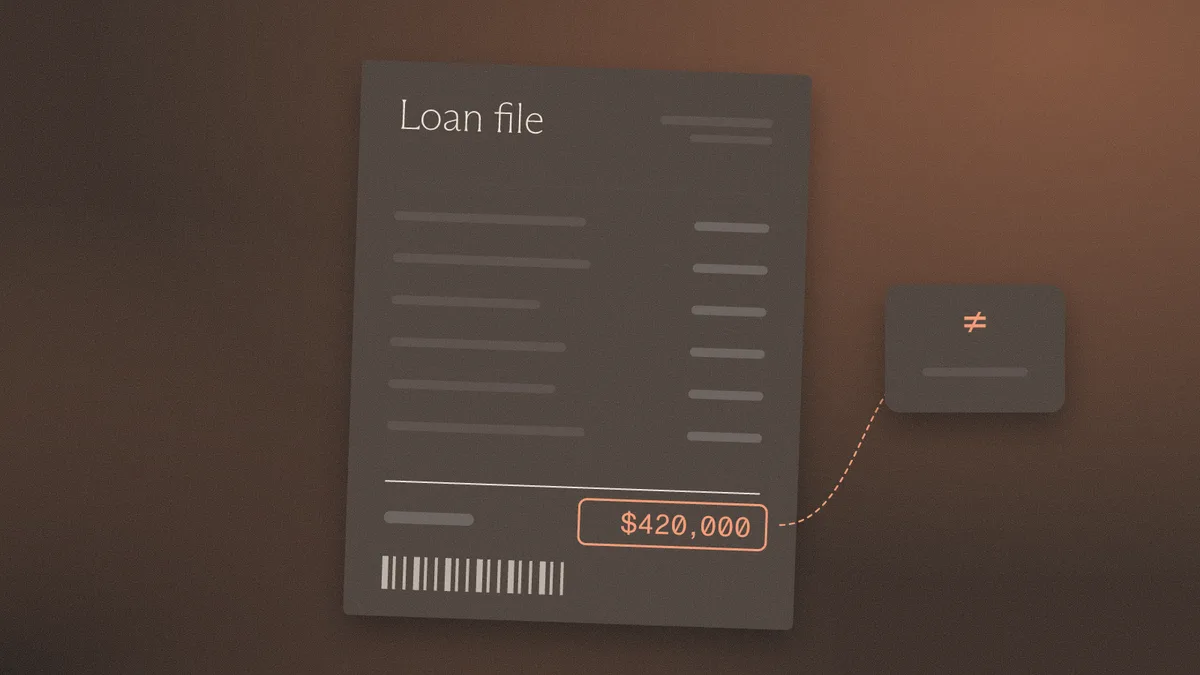
KYB document fraud detection checks certificates, registry extracts, and proof of address as files. Visual review misses edited-after-creation PDFs.

Document fraud statistics from FinCEN, FBI IC3, and FTC — and what those figures miss about edited PDFs, counterfeit templates, and file-level detection.
How to spot a fake certificate of incorporation in KYB: registrar mismatch, edited seals, generated COIs, and serial reuse. Visual review is not enough.
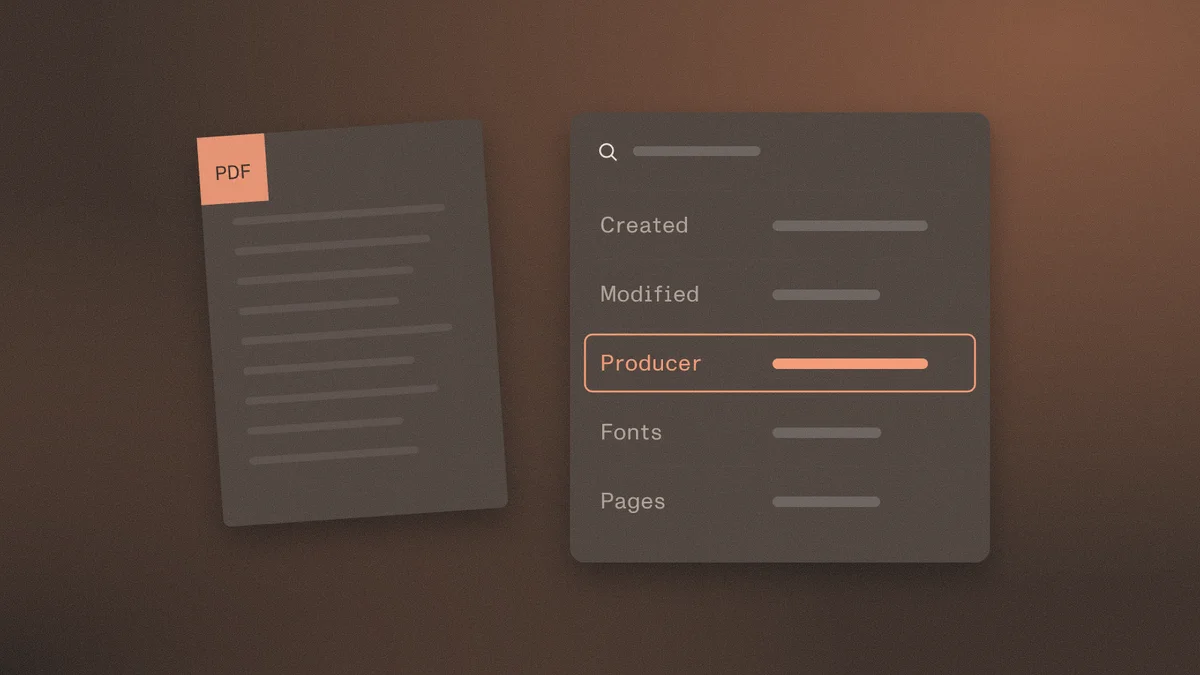
How to detect an AI-generated PDF using metadata, empty Producer strings, model artifacts, and the file history visual review misses.
How lenders and onboarding teams spot fake pay stubs: edited vs generated files, deposit cross-checks, and what visual review misses.

How to spot a fake bank statement: edited-after-creation vs generated-from-scratch, which visual tells still work, and how file history exposes forgeries.
Try another keyword or explore a different topic.