
How to Spot a Fake Receipt in Expense and Insurance Claims
How reviewers spot a fake receipt: tells that hold up, why photos show less, and how card data and merchant records confirm a purchase.

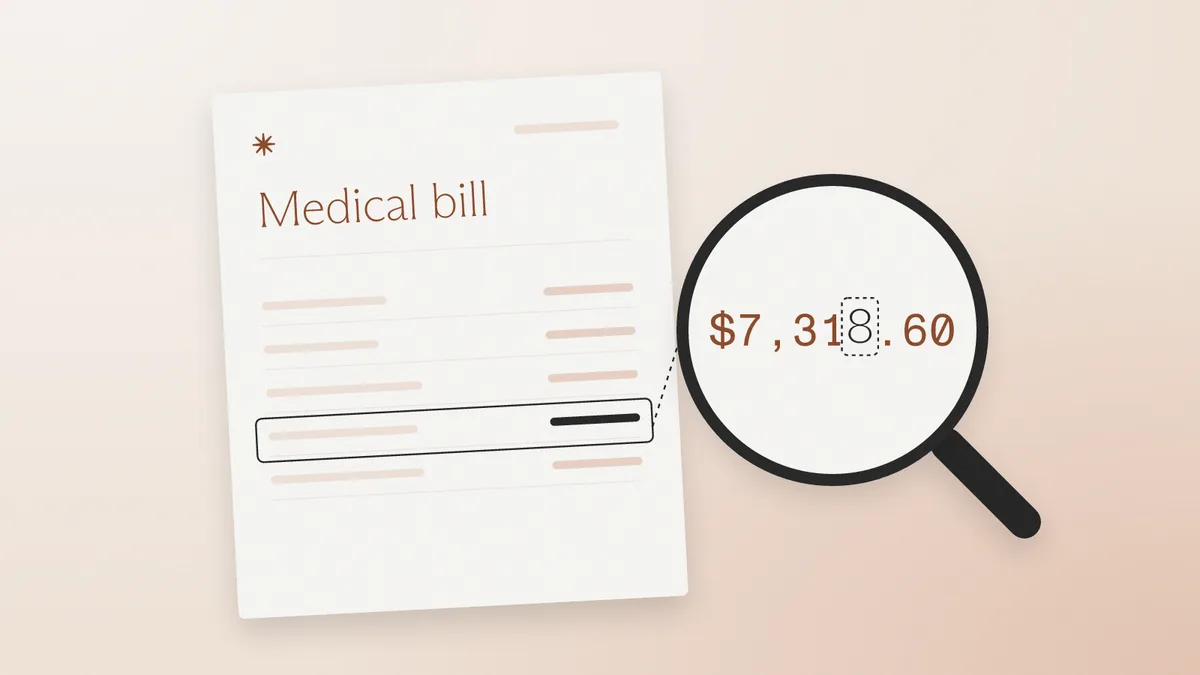
TL;DR: A fake medical bill is a billing document that was edited after a provider issued it, or generated for care that never occurred. The Justice Department's 2026 National Health Care Fraud Takedown charged 455 defendants over more than $6.5 billion in alleged false claims, a figure about provider-side schemes and not a rate for forged bills. A real NPI and valid codes do not prove treatment happened, so the deciding step is confirming the account with the provider through a channel the reviewer found independently.
Three documents get called a medical bill, and they come from different issuers. Who should have produced the page is the first test.
A medical bill comes from the provider or facility billing office. CMS's guide to reading a medical bill lists what patients are likely to see: the patient's name and address, a statement date, the provider or facility, an account number assigned by that provider, dates of service, descriptions of services or supplies, charges, adjustments, insurance and patient payments, the balance due, and how to pay. Real bills vary in layout and detail.
An itemized statement also comes from the provider or facility. It breaks a summary balance into individual services, and the CFPB notes it is sometimes called a superbill, showing each procedure code, what insurance paid, and what the patient owes. A summary bill without codes is normal, so request the itemized version before reading anything into missing detail.
An Explanation of Benefits comes from the health plan. CMS is direct that an EOB is not a bill. It shows the services, the dates, what the plan agrees to pay, and what the patient may owe. A page presented as an EOB that carries a provider's letterhead and a pay-now coupon has the wrong issuer. CMS also says patients should generally receive the EOB before the provider's bill, apart from copayments or coinsurance collected at the visit.
Medical bills support claims well outside health insurance: bodily injury files for adjusters and SIU teams, hardship requests for lenders, and leave and reimbursement claims for employers.
The enforcement record is large and mostly concerns providers. The Justice Department's June 2026 announcement covered 455 defendants, and those are allegations. Provider-side schemes such as phantom billing and upcoding differ from a claimant editing a PDF, though both reach a reviewer as paper that looks routine.
NICB's Medical Fraud Scheme Guide describes template billing, where nearly identical data appears for many patients. NICB also warns in its AI guidance that generated supporting documents are simple to create, which lowers the skill needed to file a false claim.
Edited-after-creation starts from a real provider document. The dates, the patient's name, the charges, or the balance change, while the letterhead, the account structure, and the provider's identifiers stay genuine. Those identifiers will pass a lookup, so the useful questions concern the numbers and the file's history.
Generated-from-scratch has no provider system behind it. The page can look complete, and its lines can reconcile, because they were composed together. The provider's billing office will have no matching account, which makes confirmation the decisive test for this class. The case note should name the suspected class. The wider difference between verifying a document and examining it for fraud applies throughout.
When a bill prints a National Provider Identifier, look it up. The NPI Registry is a free CMS directory of active NPI records, each a unique 10-digit number, and it publishes the provider's name, specialty, and practice address. Individuals and organizations hold separate records, so a bill showing a group's NPI alongside a physician's name can be correct.
The lookup catches numbers that do not exist, names that do not match, and specialties that do not fit the care billed. The registry states that issuing an NPI does not validate that a provider is licensed or credentialed, so licensure belongs to the state board. The registry is also public, which means a fake can carry a real provider's number.
CMS's HCPCS page sets out the structure: Level I is CPT, maintained by the American Medical Association, using five numeric digits, and Level II, maintained by CMS, uses one letter followed by four digits for items such as ambulance services and durable medical equipment. Diagnoses use ICD-10-CM, which is updated on a published schedule.
Ask whether each code has the right form, existed on the date of service, matches its description, and plausibly relates to the diagnosis. CMS's National Correct Coding Initiative publishes procedure-to-procedure and medically unlikely edits that show code pairs and unit counts Medicare treats as problematic. Those edits are built for Medicare claims and a commercial payer may differ, so a conflict is a question for the provider. Clean codes prove nothing about a visit, since real codes can be copied.
CMS tells patients to compare the bill to the EOB, including the amount owed. A reviewer can do the same, along with the arithmetic: total charges, adjustments, insurance payment, and patient payment should arrive at the balance. A bill for an insured patient with no matching EOB deserves a question. The absence is not conclusive, because some patients are self-pay and some claims were never filed. A statement date before the date of service needs an explanation.
Six classes of signal test the file's story. Production method asks whether the file came from a billing system, a later edit, or a generative pipeline. Timestamp trail compares the file's creation and modification history against the statement date. Issuer matching asks whether the page fits the provider it names. Consistency compares totals, dates, and type across the page. Model artifacts are traces that generation leaves behind. Recycled patterns are the same layout, charges, or narrative across unrelated claimants, the machine-scale version of the template billing NICB describes. Portal downloads and office scans add noise, so one anomaly is a reason to look further.
No analysis of a file proves that care was delivered. A clean forensic read can sit on top of an invented visit. The provider's own record does that job.
Find the billing office independently: the provider's published website, a health plan directory, or the NPPES practice address cross-checked against another source. Never use a phone number, email, or portal link printed on the document under review. Ask whether the account exists, whether the patient was seen on those dates, and whether the charges and balance match. Expect the office to require the patient's written authorization, and collect one with the claim file where the process allows it. For insured care, the plan's claim history is a second source.
Employers have additional limits. For FMLA medical certifications, 29 CFR 825.307 allows contact with the provider for authentication and clarification only by a health care provider, HR professional, leave administrator, or management official, and never the employee's direct supervisor.
Hold the claim and request the itemized statement. Run the NPI lookup, the code checks, and the reconciliation. Confirm with the provider. Record whether the concern is an edit or a generated file, and route confirmed cases to the SIU, HR, or the fraud team under existing procedure. Lenders can apply the same order within their wider document review.
Before uploading a medical file to any tool, check how that tool handles protected health information. HHS treats health plans, clearinghouses, and providers that transmit electronic transactions as covered entities, and a vendor handling PHI on their behalf generally needs a business associate agreement. Ask each vendor about storage, retention, access, and model training, and have counsel confirm which rules apply. Once that review is done, check the file for a scored read of its history. The provider's answer remains the outside check.
Consumers should avoid paying from the contact details on a suspicious bill. Compare it to the EOB and call the provider or health plan using a number from an independent source, such as the insurance card. HHS-OIG advises contacting the provider first about questionable charges, then 1-800-MEDICARE for people on Medicare. Suspected Medicare fraud goes to the HHS-OIG hotline at 1-800-HHS-TIPS. Debt collection problems go to the CFPB, and scams to the FTC at ReportFraud.ftc.gov.
Sphinx examines the file and shows a reviewer the evidence behind its score across the six checks above, with a 94.3% correct verdict in its published figures and pricing of $0.45 per document. Sphinx cannot confirm that treatment occurred, so provider confirmation stays with the team, which keeps final approval. Apply the PHI review above to Sphinx as to any tool, and ask for data-handling terms in writing before uploading a real patient file. The free playground covers 50 documents with no card.
Check who issued it, look up any NPI in the NPPES registry, test the codes for form and consistency, and reconcile the balance with the EOB. Then confirm the account with the provider's billing office using contact details found independently.
No. An EOB comes from the health plan and shows how a claim was processed, including what the plan will pay and what the patient may owe. CMS states that it is not a bill, and that the bill comes separately from the provider or facility.
No. NPIs are published in a free public registry, so a fake bill can carry a real provider's number. The registry also states that issuing an NPI does not validate a provider's license or credentials. A match shows the provider exists, and the billing office has to confirm the account.
Check first. A medical bill can contain protected health information, so confirm how the tool stores, retains, and accesses files, whether files train models, and whether a business associate agreement is needed for the organization's role.
How reviewers spot a fake receipt: tells that hold up, why photos show less, and how card data and merchant records confirm a purchase.
How to tell if a PDF has been edited using document properties, dates, producer fields, saves, signatures, and fonts, and why each can mislead.
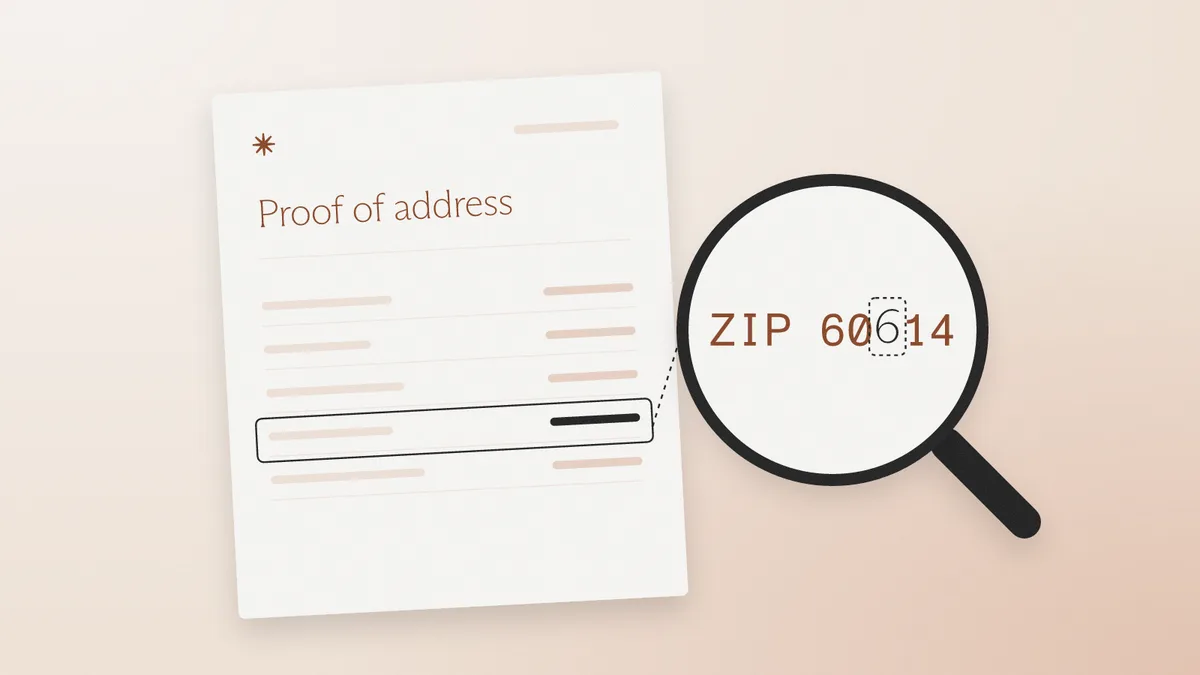
How to spot a fake proof of address across utility bills, leases, and statements, and what US CIP actually requires for an address.
How lenders, landlords and underwriters spot fake proof of income: test whether the documents agree, then confirm the figure at a source.
What a fake document checker can tell from a file, how to read its verdict and score, and what to check before uploading sensitive documents.
Fake documents grouped by the fraud they enable: income, banking, corporate and tax. 20 file types, each one's strongest tell, and a full guide.
Eight AI-generated document detection tools compared by fit, what each reads, and its limits, plus why no detector catches every forged file.

Bank statement fraud detection software compared for lenders and KYB teams: file forensics, statement analysis, and when a bank connection wins.
Eight document verification tools for banks, lenders and fintechs, sorted by job: identity documents, income files, and whether a file was altered.
Resistant AI alternatives for document forensics and transaction monitoring, ordered by fit, with what each does and where it stops.
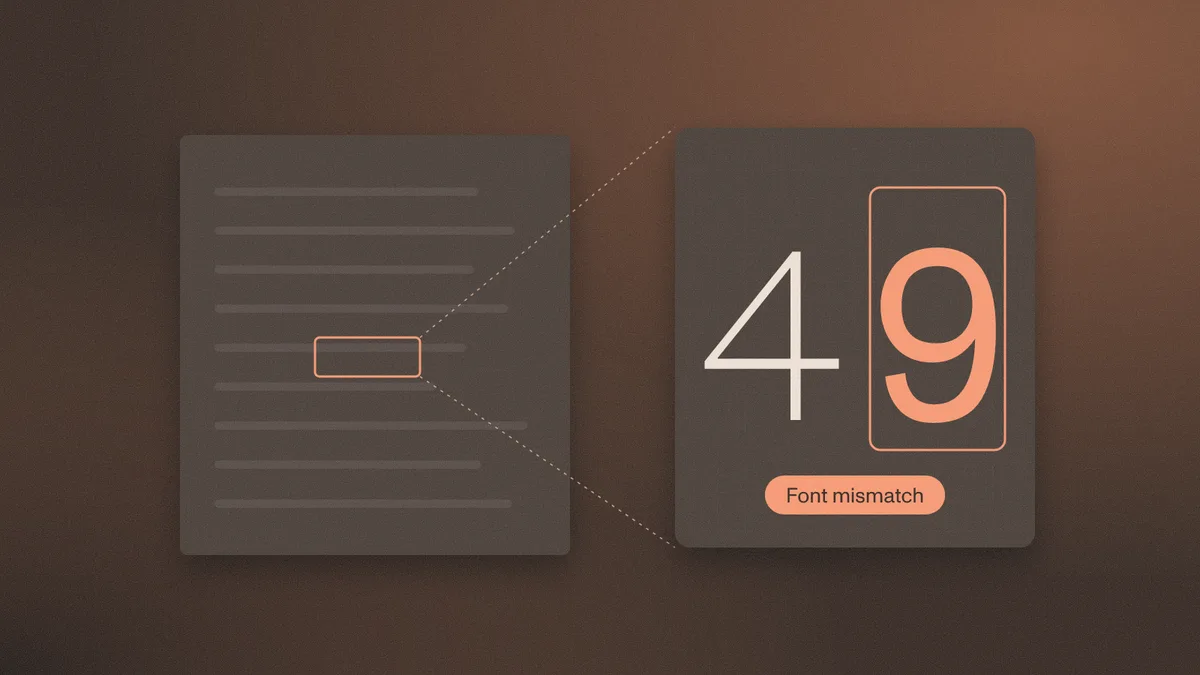
Six Inscribe alternatives, sorted by what a buyer needs: work after the flag, document mix, data terms, pricing and how edits get caught.
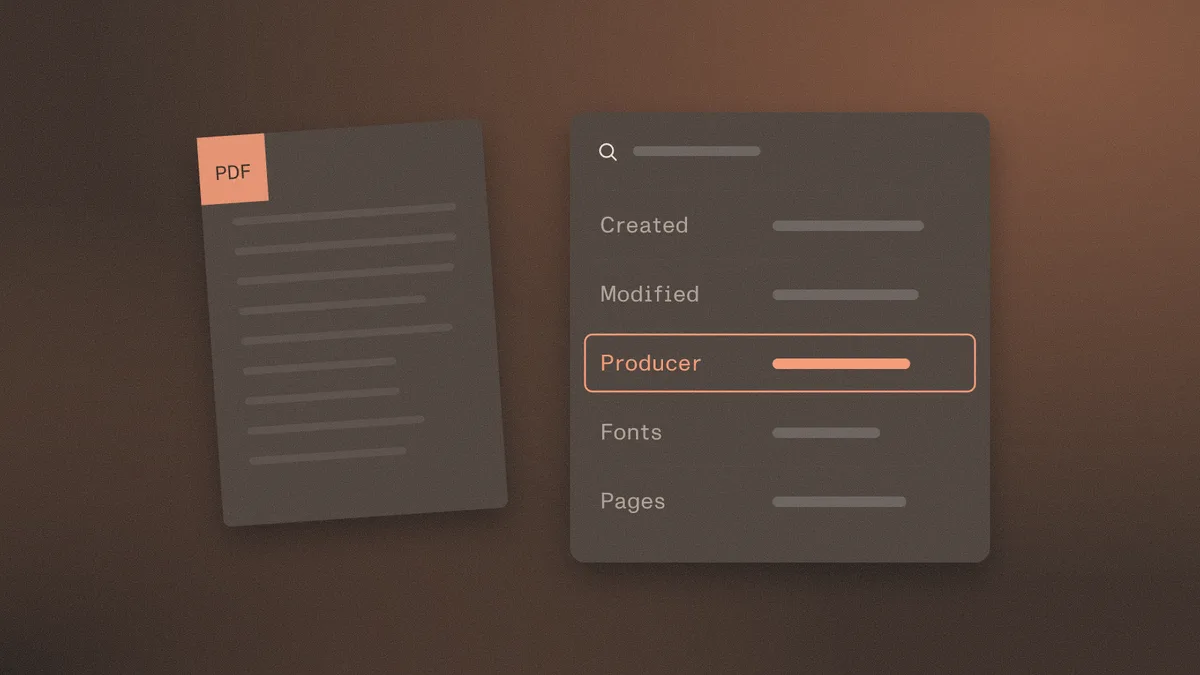
Eight document fraud detection tools compared by what they test, how they explain a verdict and how they price.
How to spot a fake letter of credit or SBLC: why a standalone PDF is a red flag, tells that still work, and six checks on the file.
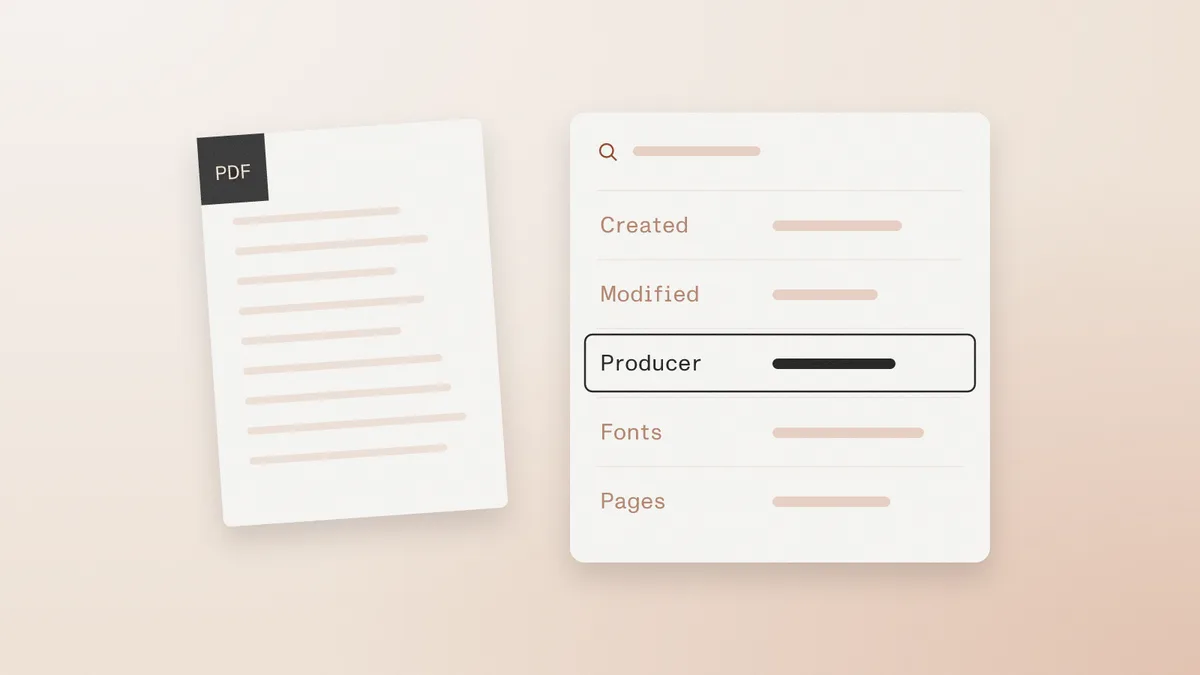
How to spot a fake gift letter: disguised loans, interested-party money, and how to verify the donor's transfer against Fannie Mae and FHA rules.
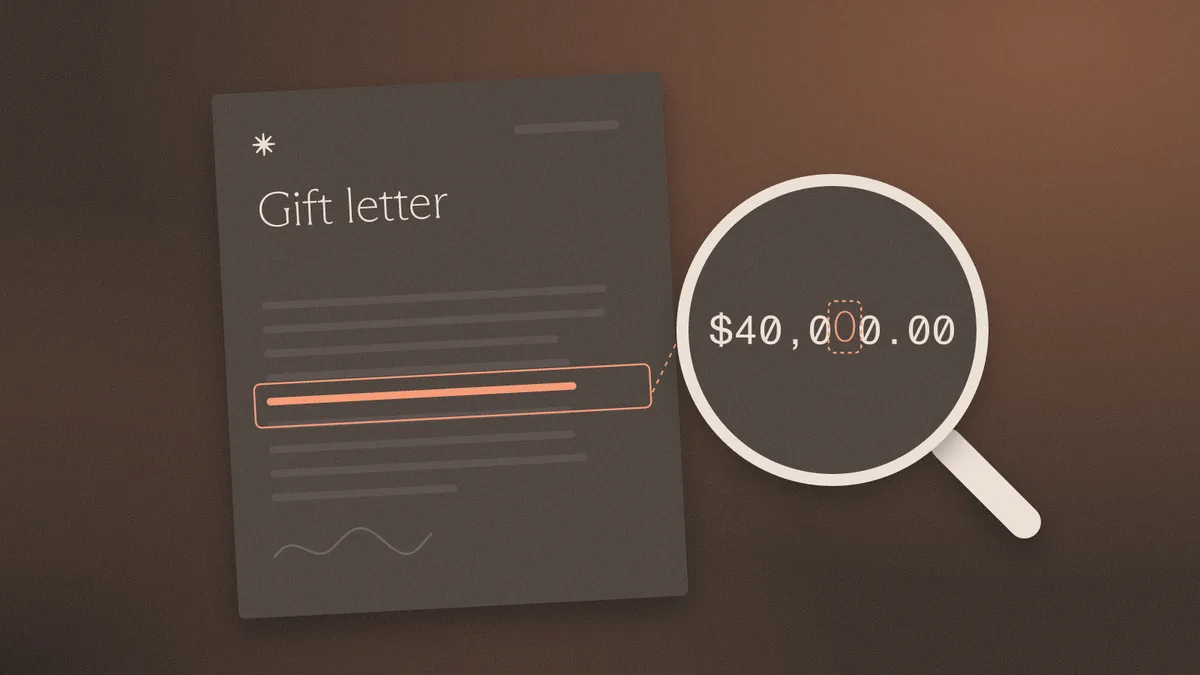
How to spot a fake payoff letter: altered wiring instructions, the tells that fail, and six checks on the file before the payoff wire goes out.
How to spot a fake certificate of trust: edited trustee names and powers, notary checks, beneficial ownership, and six checks on the file.
How to spot a fake shareholder register: edited percentages under the 25% UBO line, cap tables vs. registers, and the checks that catch them.
How to spot a fake crypto exchange statement: edited PDFs, CSV exports, on-chain withdrawal checks, and six checks on the file.
How to spot a fake credit card statement used for proof of address, debt verification, or source of funds: edited balances, broken math, file checks.
Spot a fake W-8BEN by reading foreign status, the treaty claim, and the file. The IRS publishes a blank and does not certify the form.

How to spot a fake partnership agreement: edited partner lists, signature blocks never executed together, and no state filing for a general partnership.
How to spot fake corporate bylaws: rules that contradict the articles, adoption before incorporation, and a template reused across companies.
How to spot a fake stock certificate offered as KYB ownership evidence, when the ledger matters more than the vignette.
A Schedule K-1 reports a partner's share of income. Capital-account math, form year, and an IRS transcript catch edited and generated fakes.
A fake 1099 is an information return edited after creation or generated from scratch. Match it to the IRS wage and income transcript.
How to spot a fake employment verification letter: edited versus generated files, the tells that fail, and six checks on the file.
Spot a fake mortgage statement by confirming principal, amount due, due date, and rate with the current servicer.
Spot a fake W-9 by matching the line 1 name and TIN. The IRS publishes a blank form and does not seal a completed one.
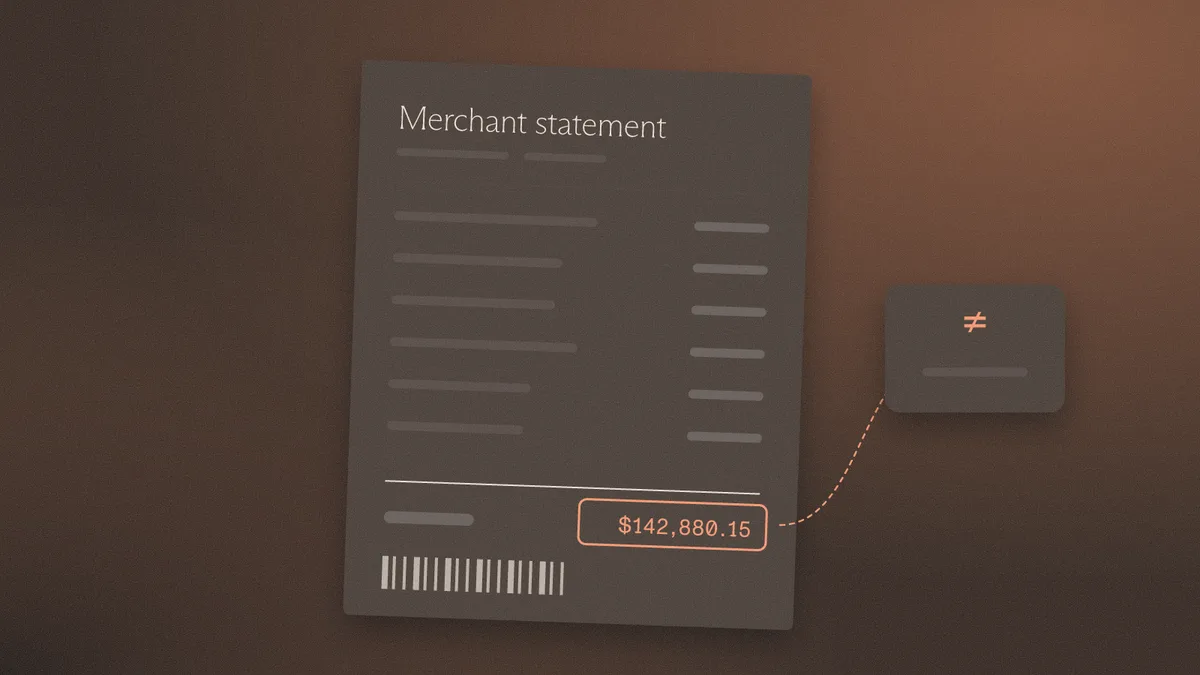
Spot a fake merchant statement by rebuilding amount processed from the fee lines and confirming the merchant ID with the processor.
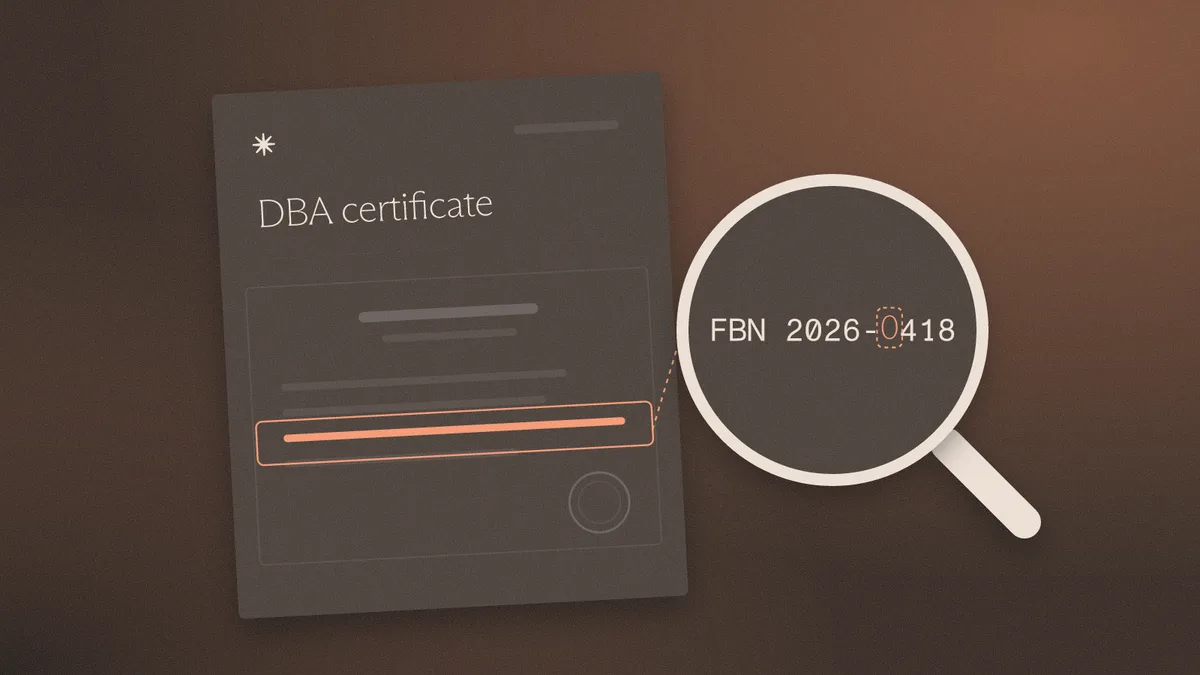
Spot a fake DBA certificate in the county index: file number, registrant, and expiration. A filing is not good standing.
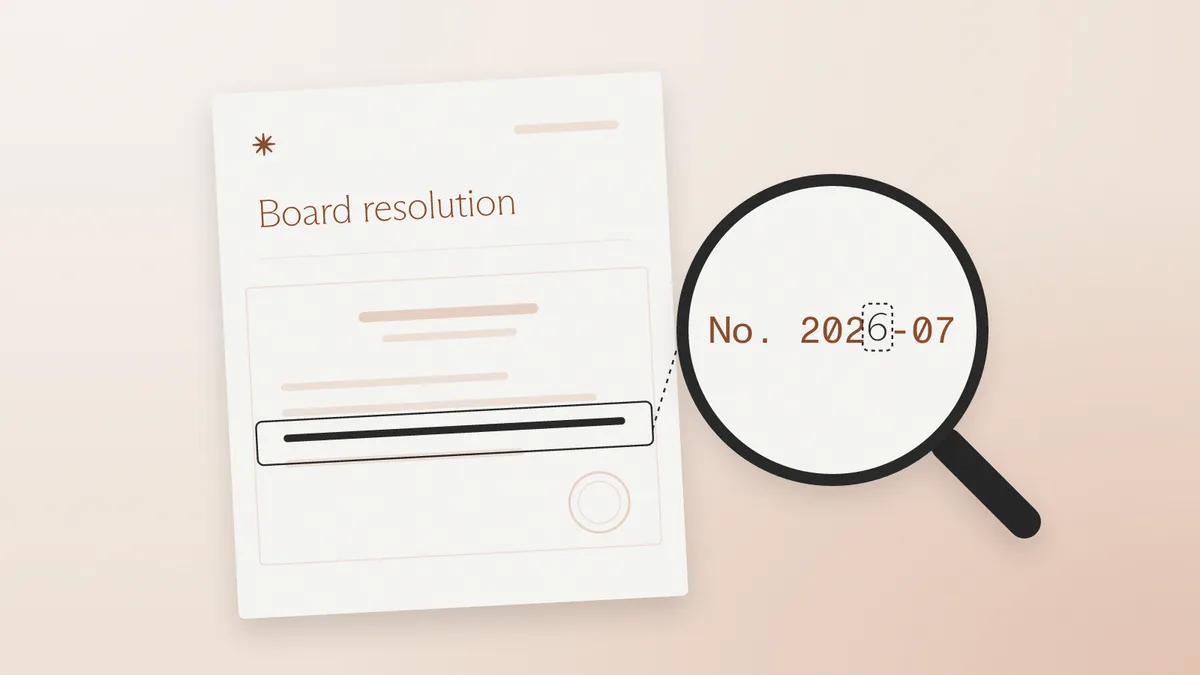
Spot a fake board resolution by checking that the certifier is not the empowered signer and that the resolution date comes first.
Spot a fake certificate of incumbency by checking the certifier and the state's officer list. A seal does not prove the offices.
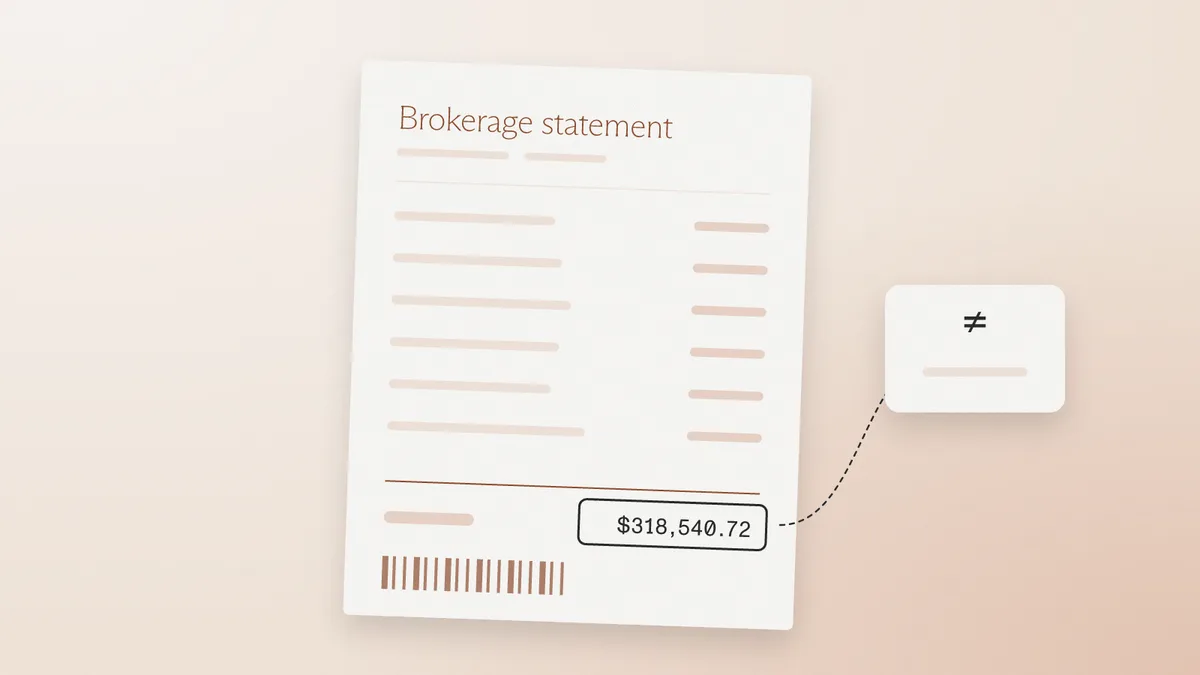
How to spot a fake brokerage statement used as proof of assets, and why file history beats a clean layout.
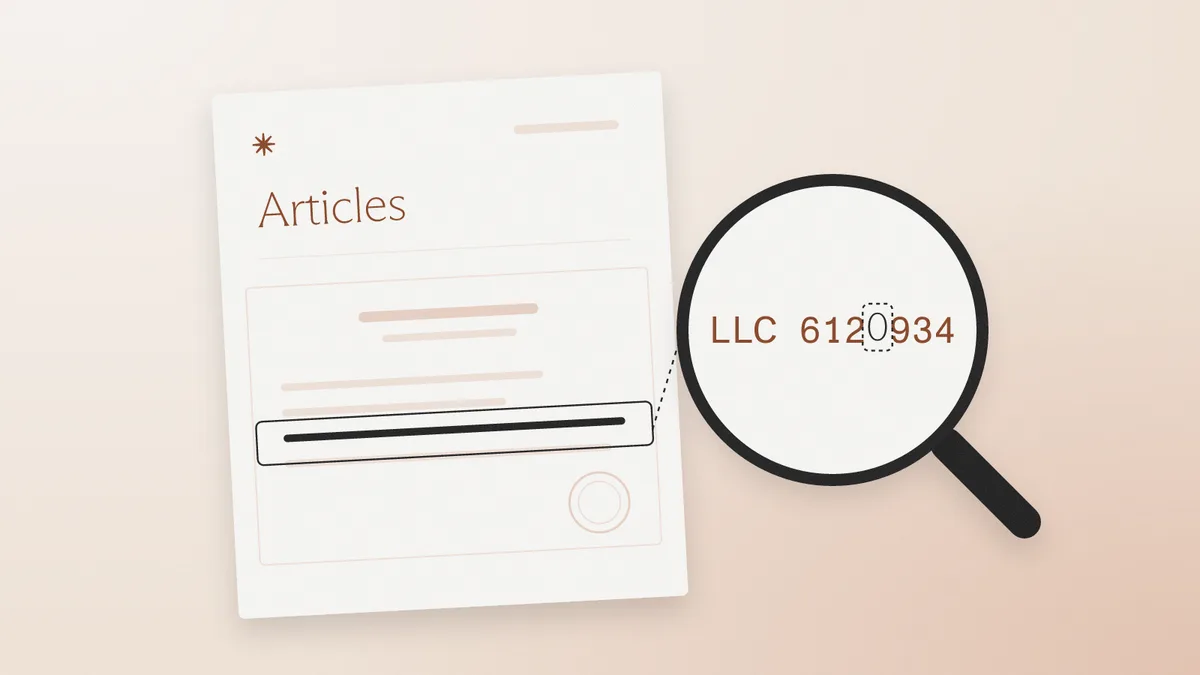
How to spot fake articles of organization by matching the file number and filing receipt to the state record before the account opens.
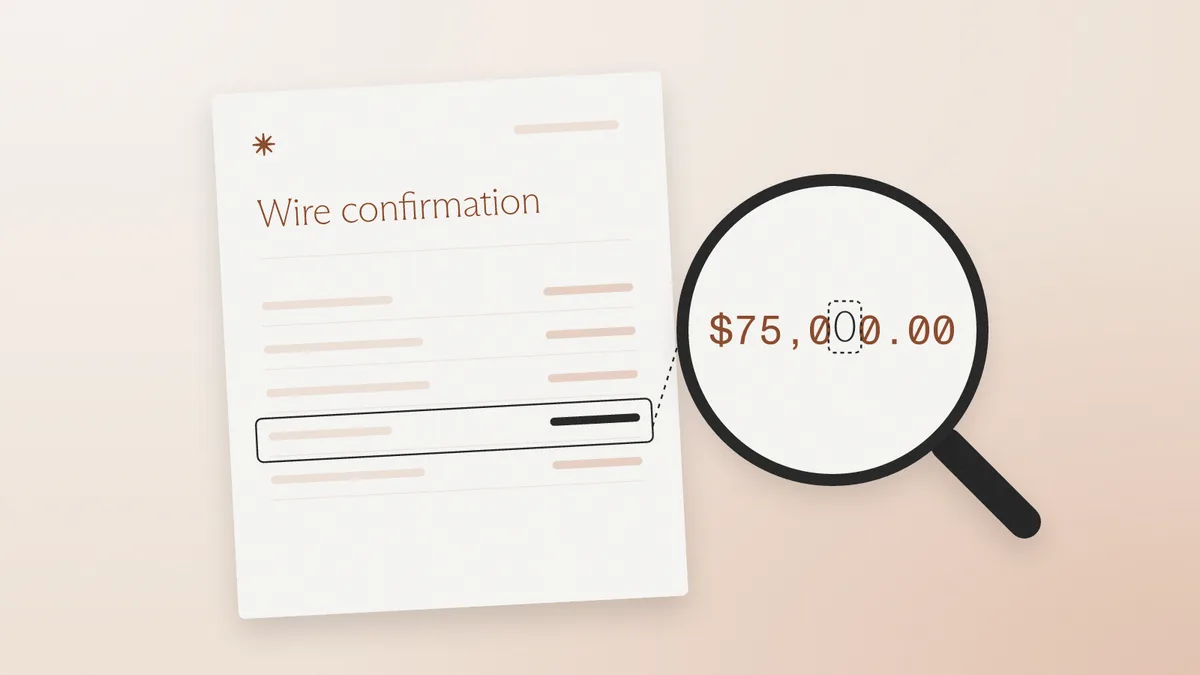
A wire confirmation is a claim that money moved. Edited and generated payment advice fail file checks. The posted credit is the proof.
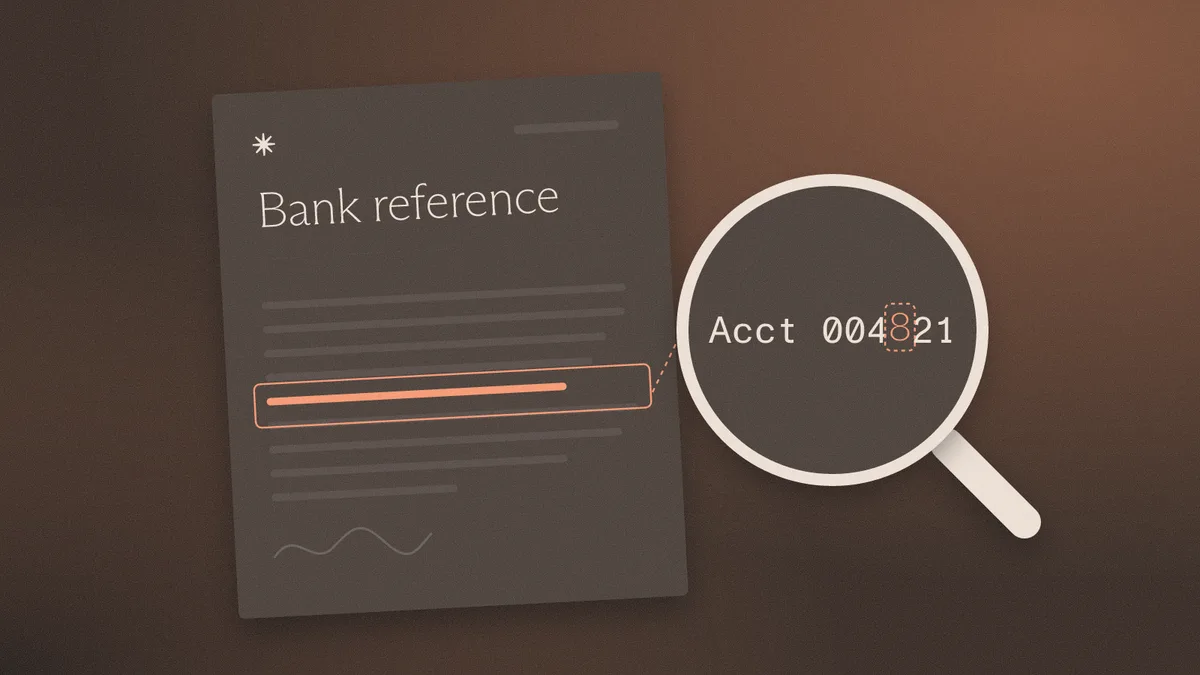
How to spot a fake bank reference letter: the relationship claim, the signatory, and the edit history. Letterhead is cheap to copy.
How to spot a fake operating agreement in KYB: edited member schedules, swapped signature pages, and ownership that does not match the file.
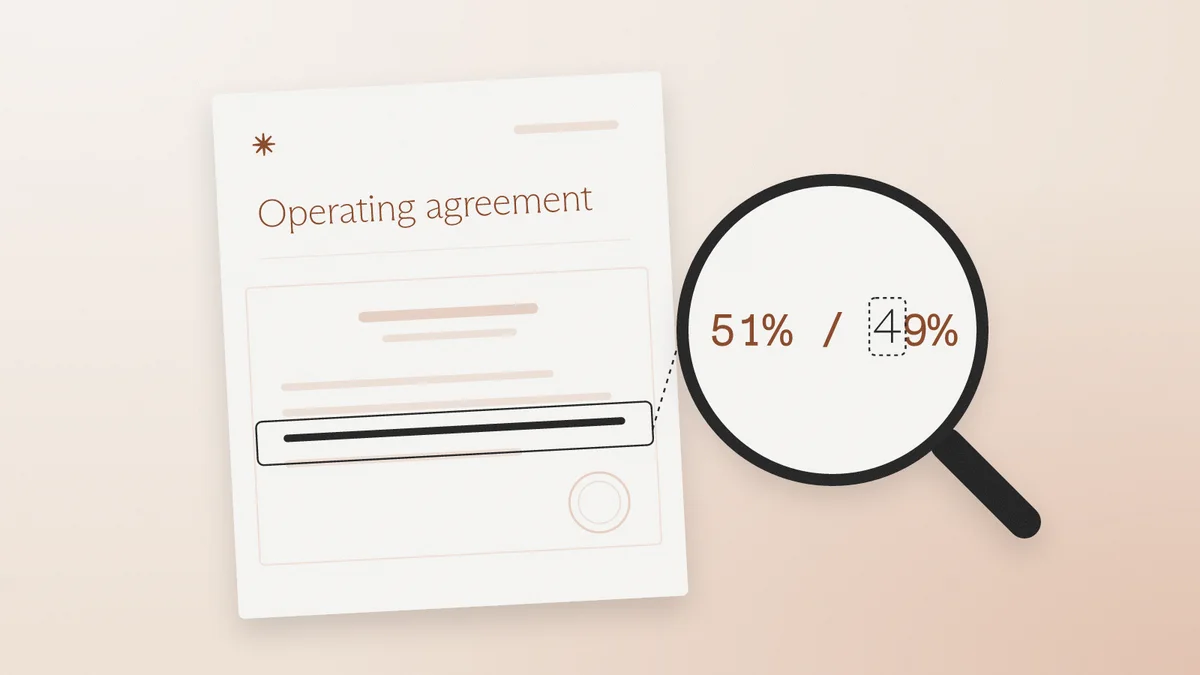
Spot a fake certificate of good standing by checking the as-of date, file number, and post-download edits.
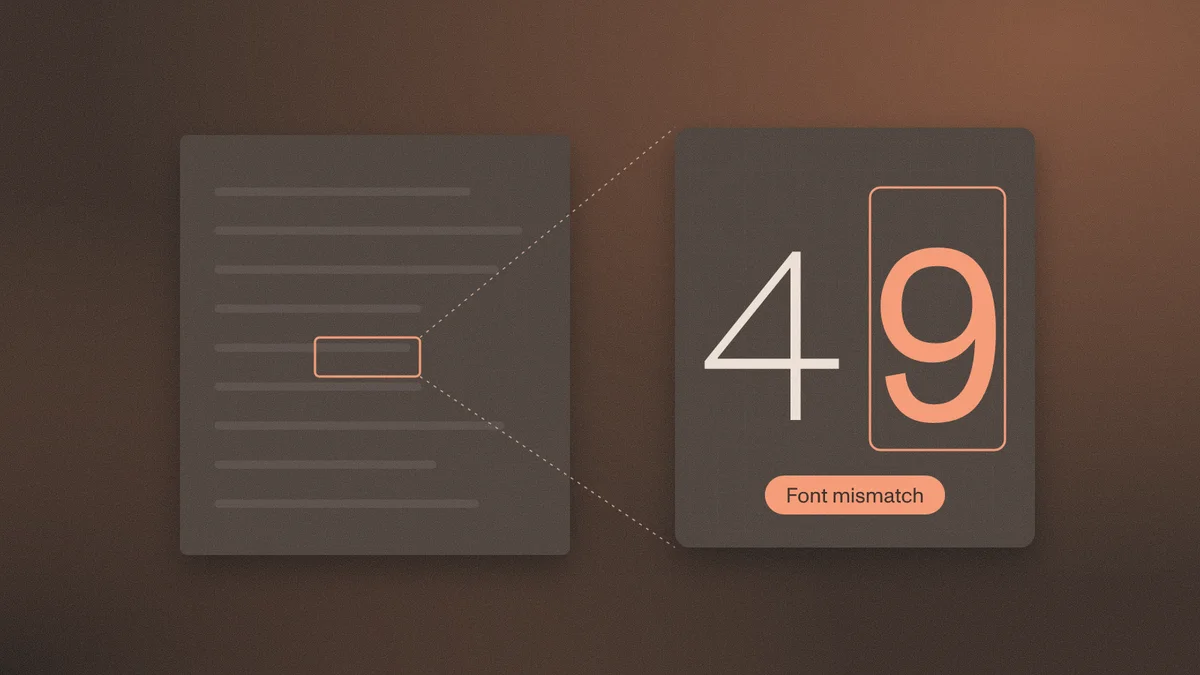
How to spot a fake voided check using file history, routing match, and account control. A VOID mark misses edited and generated files.
Verification reads the page and matches the applicant. Fraud detection reads the file. What each misses, how to evaluate each, and when you need both.
PDF metadata analysis for fraud detection: Info dictionary, XMP, timestamps, producer strings, incremental updates, and what each can and cannot prove.
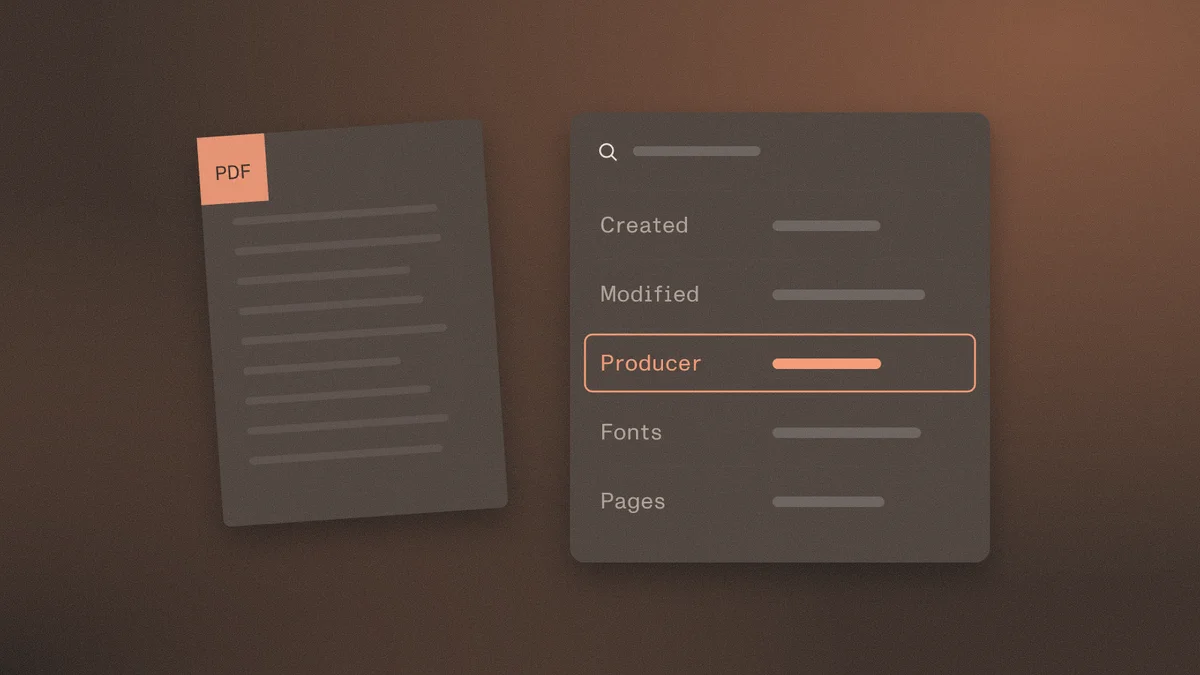
How to spot fake financial statements in SMB lending and KYB: inflated revenue, fake auditor letters, 4506-C and bank reconciliation, six file checks.
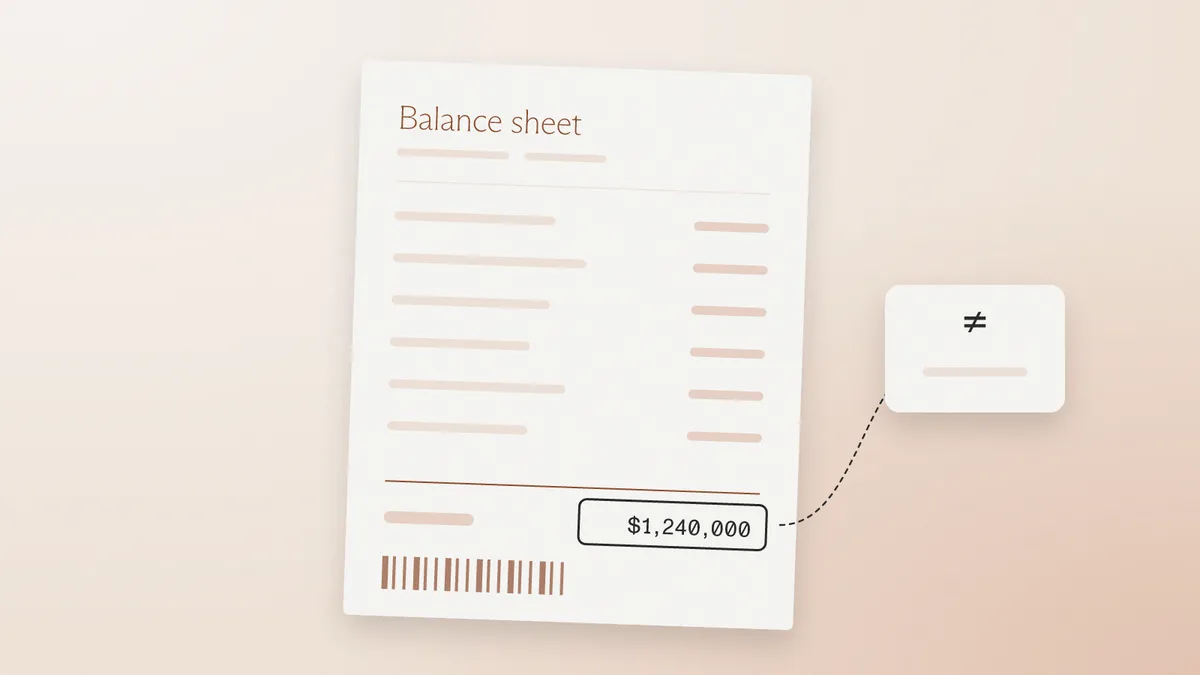
How to spot a fake certificate of insurance: why an ACORD 25 confers no rights, the tells that survive, carrier and NAIC lookups, and the six file checks.
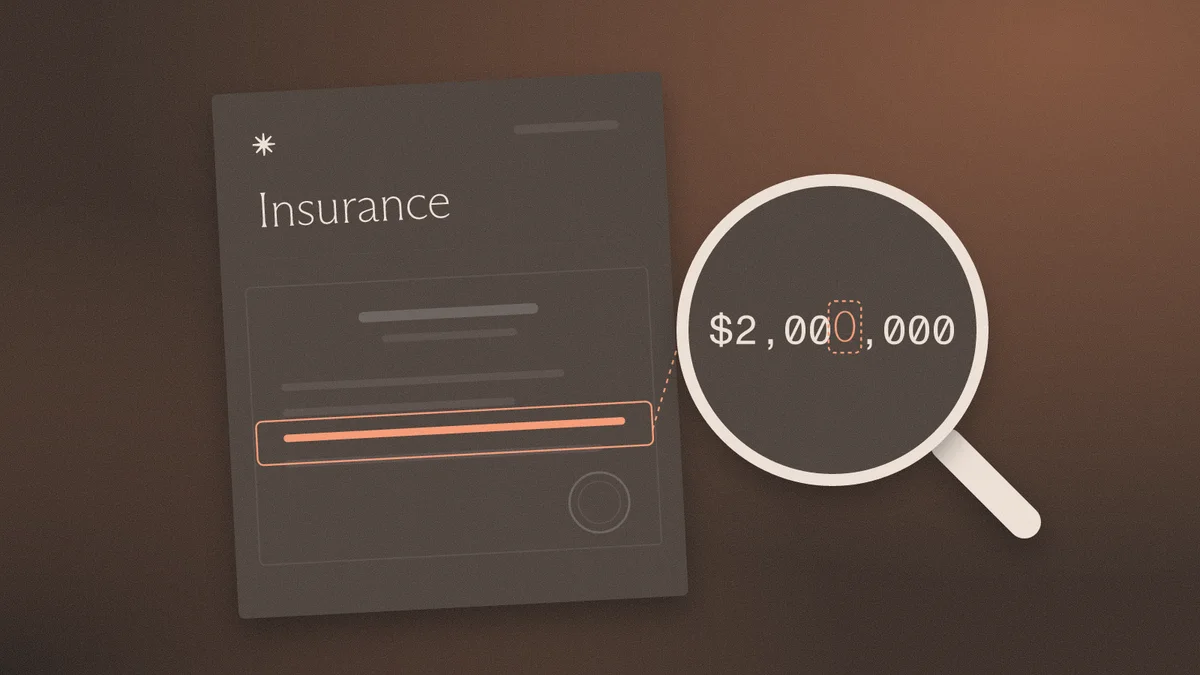
How to spot a fake lease agreement in KYC, mortgage, and KYB review: landlord, date, rent, and disclosure tells, plus the six file checks that settle it.
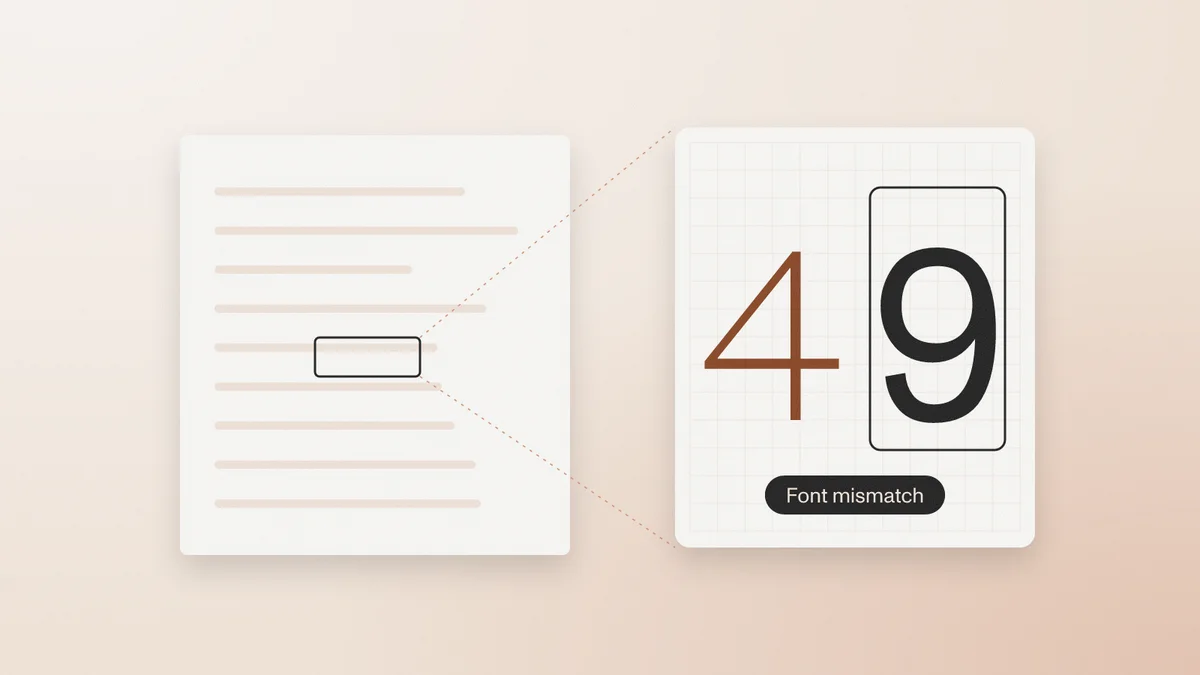
How to spot a fake proof of funds letter in lending, real estate, and escrow: the tells that work, the six file checks, and how to verify with the bank.
How to spot a fake EIN confirmation letter: what a real CP 575 or 147C contains, the tells that survive, IRS TIN Matching limits, and the six file checks.
How lenders and onboarding teams spot fake 1040s, W-2s, and IRS transcripts: line-item tells, edited vs generated files, and the Form 4506-C break-test.
How to spot a fake invoice in factoring, trade finance, and AP: the tells that still work, the six file checks, and the debtor break-test that settles it.
Should compliance teams accept screenshots of bank statements? What a flattened PDF loses, which fraud checks still work on images, and how to set policy.
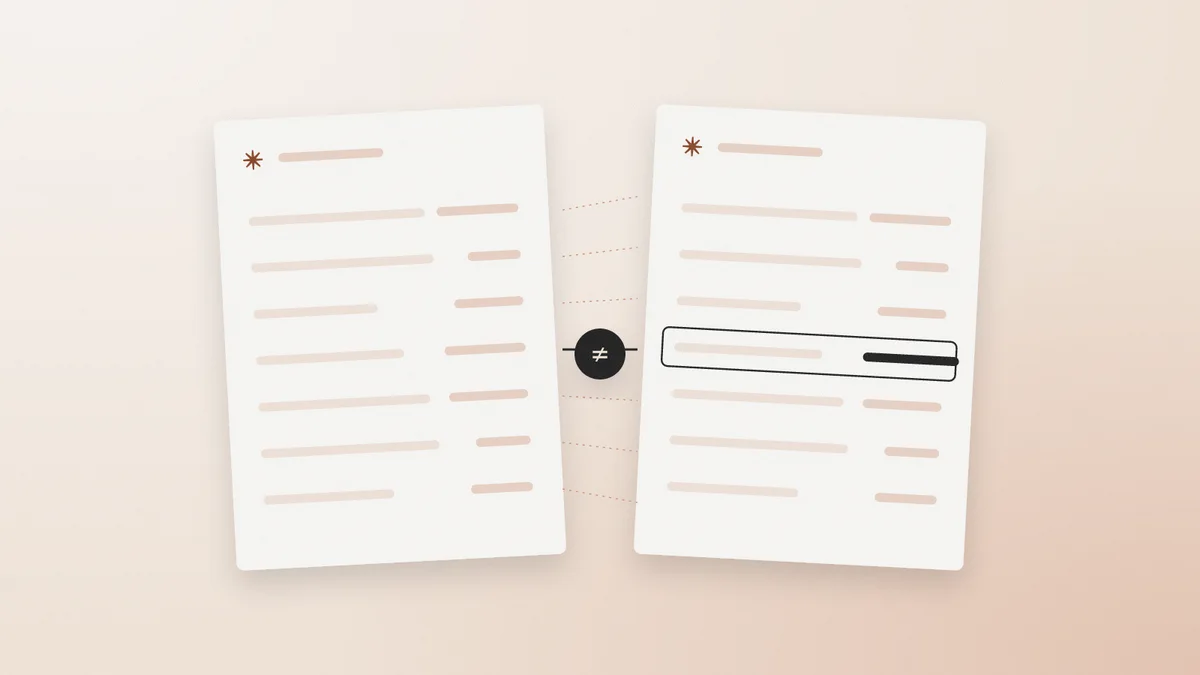
Explainable document forensics shows where a file was altered, what it said before, and how the examiner knows. Why a fraud score alone fails audit.
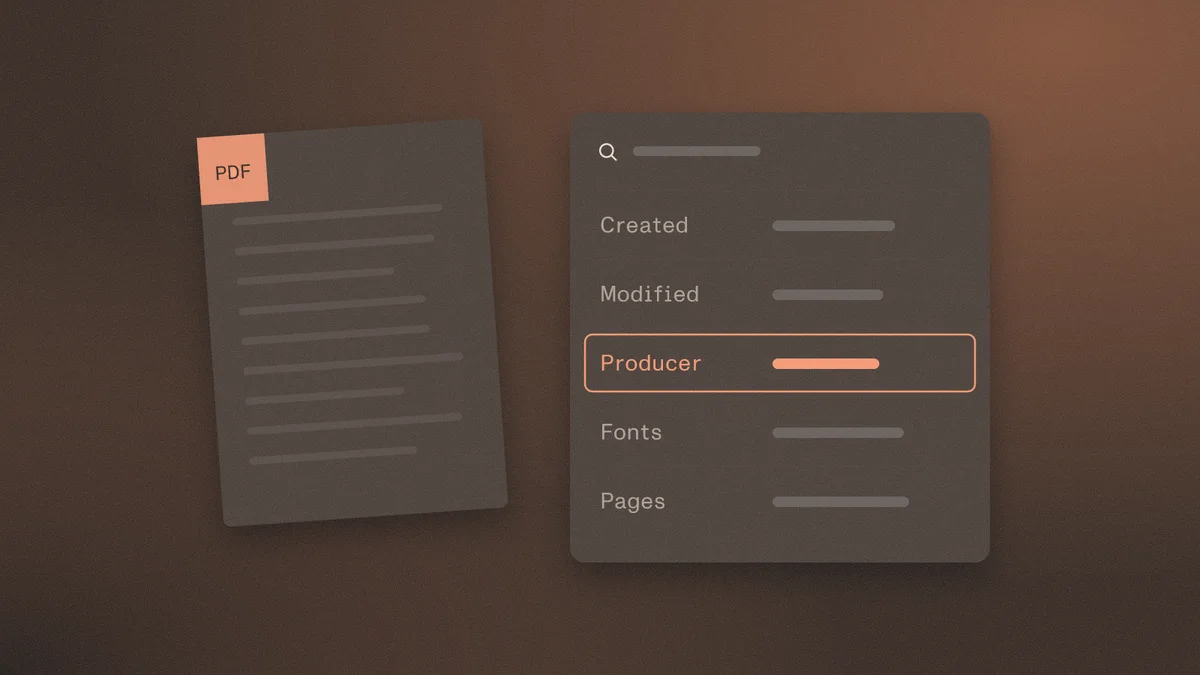
How KYC, KYB, rental, and lending teams spot fake utility bills used as proof of address: edited vs generated files, tells that work, six file checks.
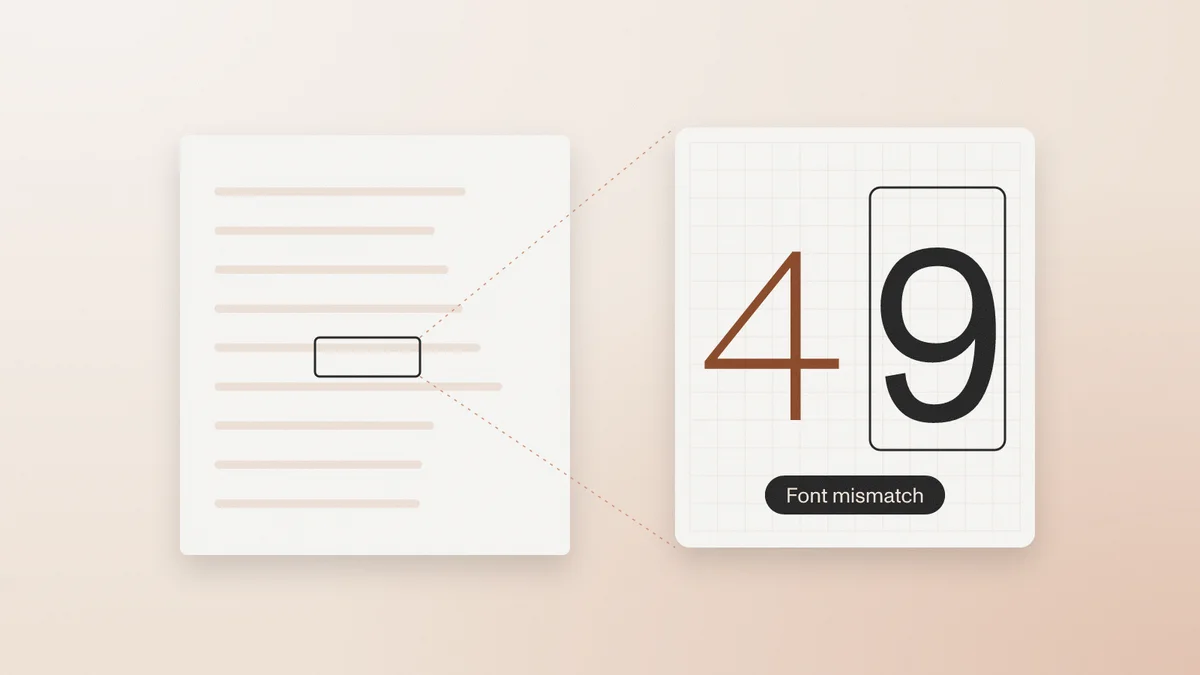
How fake document templates and template farms work, why template-made files have no issuance history, and how to detect them in KYC and lending.
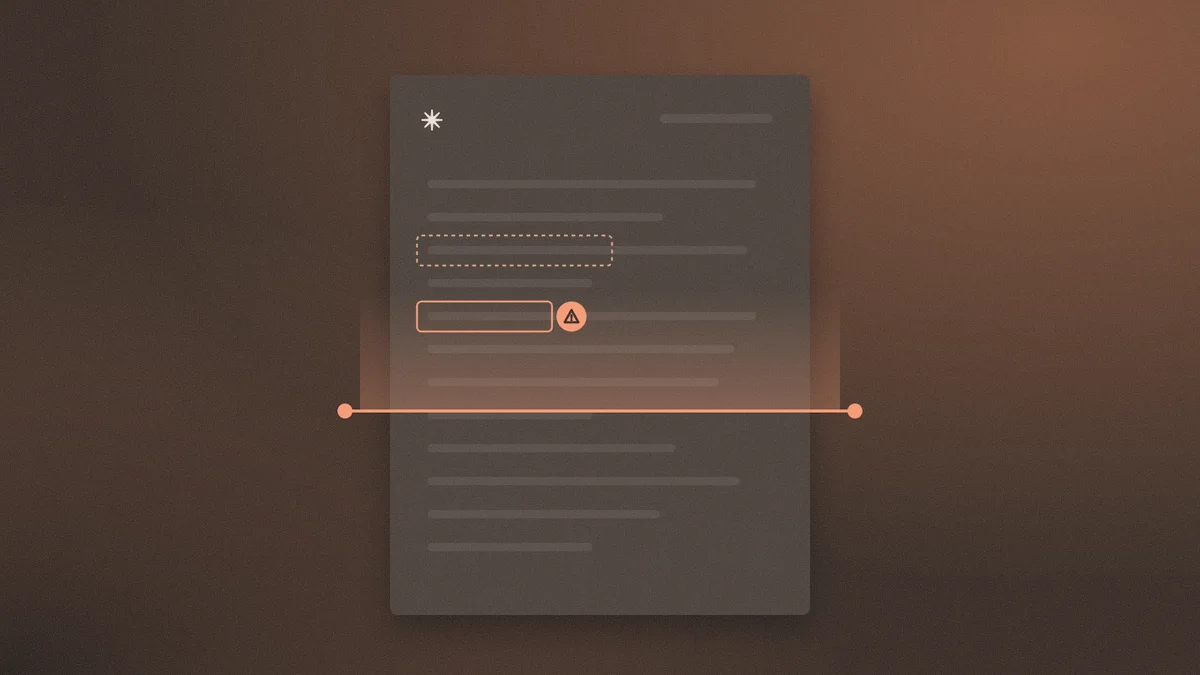
Serial document reuse detection catches one statement, stub, or ID recycled across unrelated applicants. Why single-file review misses it.
Loan document fraud detection tests bank statements, pay stubs, and tax docs as a package — the red flags underwriters miss on visual review.
KYB document fraud detection checks certificates, registry extracts, and proof of address as files. Visual review misses edited-after-creation PDFs.

Document fraud statistics from FinCEN, FBI IC3, and FTC — and what those figures miss about edited PDFs, counterfeit templates, and file-level detection.
How to spot a fake certificate of incorporation in KYB: registrar mismatch, edited seals, generated COIs, and serial reuse. Visual review is not enough.
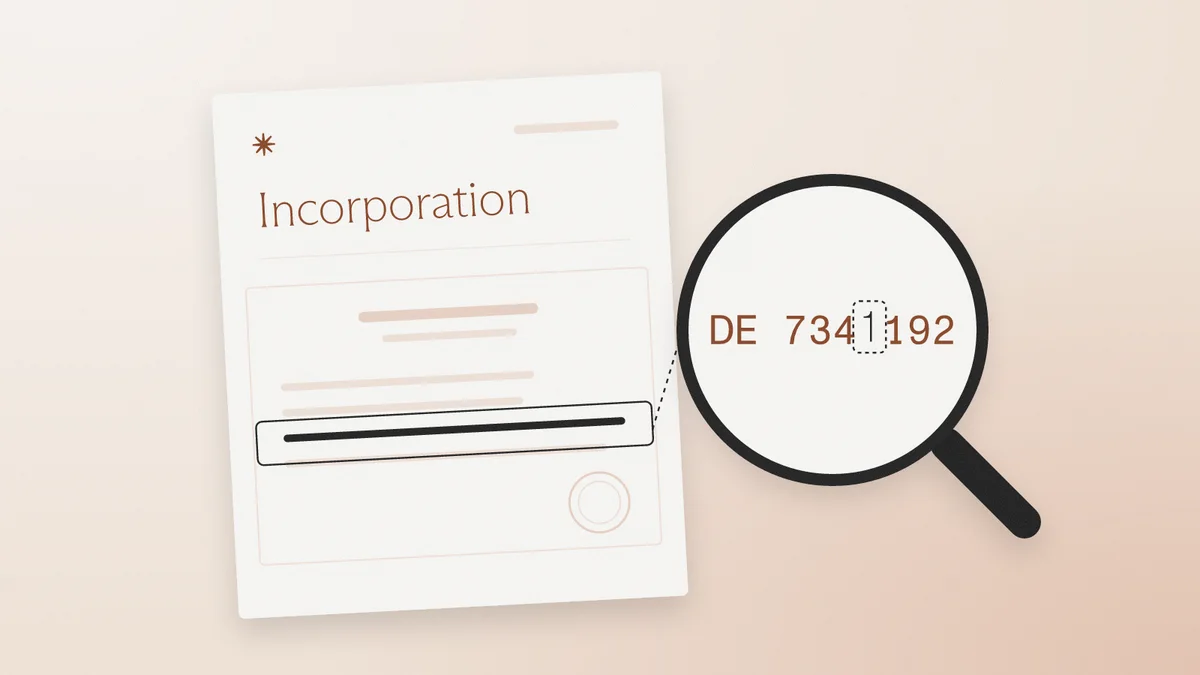
How to detect an AI-generated PDF using metadata, empty Producer strings, model artifacts, and the file history visual review misses.
How lenders and onboarding teams spot fake pay stubs: edited vs generated files, deposit cross-checks, and what visual review misses.
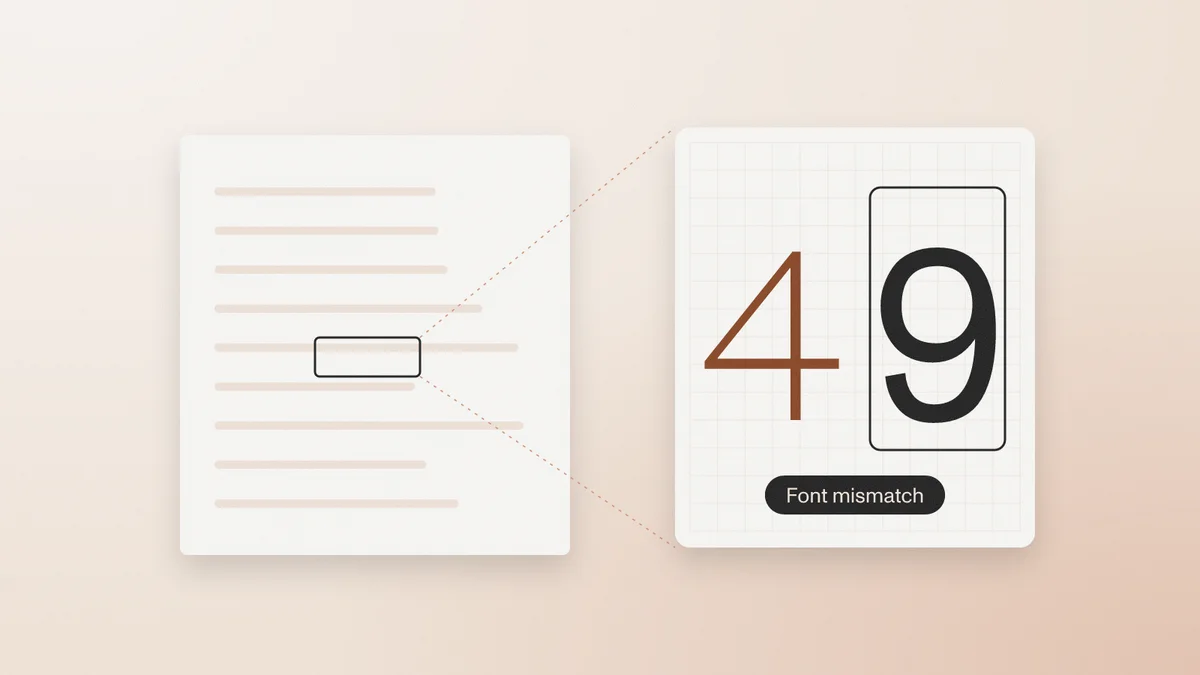
How to spot a fake bank statement: edited-after-creation vs generated-from-scratch, which visual tells still work, and how file history exposes forgeries.
Try another keyword or explore a different topic.