

Introducing Sphinx Browser Agents
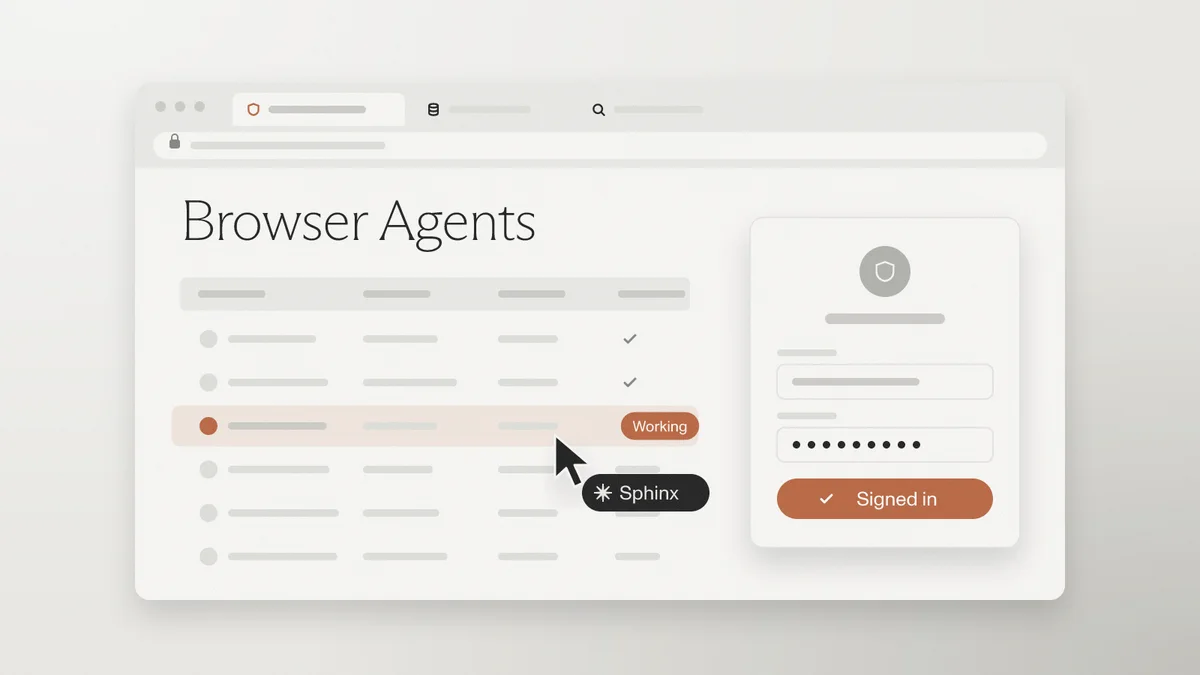
Browser agents sign into the compliance tools a team already runs and work cases inside them. The integration is a login: a username and password, the same way a new analyst is onboarded.

One of the people behind SAR Filing used to file SARs at a bank. The investigation was the part worth doing: following the money, finding the account that didn't fit, working out what actually happened. The trouble started at the moment of finding something. Every filing meant another hour and a half, sometimes two, of writing on top of the casework.
Nobody at the bank ever said don't escalate. Everyone knew what a filing did to the week.
SAR Filing is live in Sphinx today. It moves the write-up into the investigation, so the narrative is already drafted by the time the analyst decides to file.
A SAR narrative has an odd life. It gets written once, at the end of a long case, from notes that were taken for the investigation and never meant for anyone else. Then it sits. The person who reads it closely is often an examiner, opening the file cold, maybe a year later, with nobody in the room who remembers the case.
That reader gets whatever survived the rewrite. If the analyst was tired, or the queue was long, or it was the fourth filing that week, it shows. Getting the prose right is a craft, and we've written about how to write a better SAR narrative. The harder problem is that the narrative is written at the worst possible time, after the thinking is finished and the details have started to fade.
So we stopped treating the write-up as a separate job.
One row doesn't change, on purpose. Sphinx does not decide whether to file. That call stays with the analyst.
From an open investigation, Sphinx agents assemble the SAR in the shape the regulator already expects. The analyst opens it, reads it, and fixes what needs fixing.
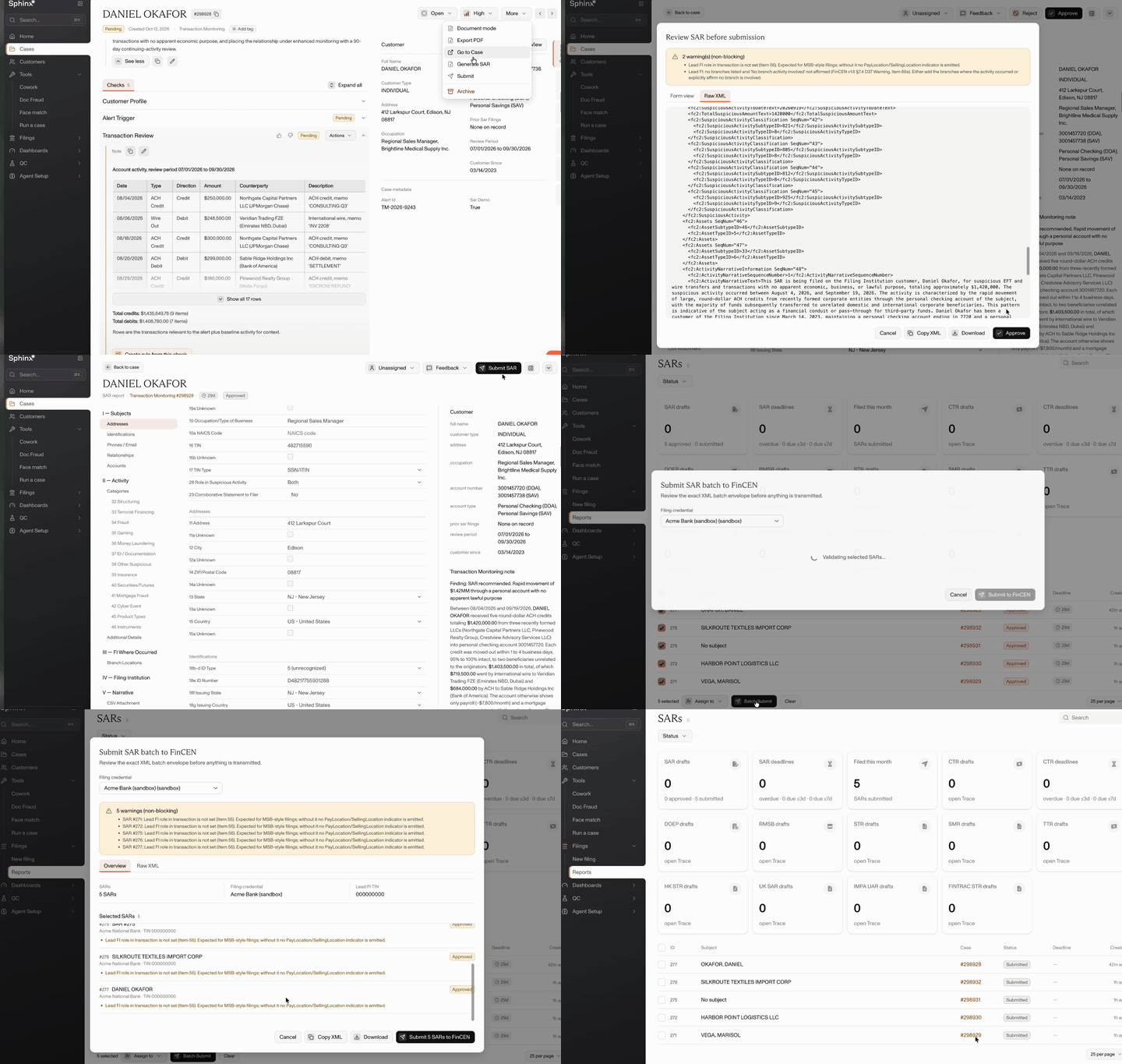
Customers have filed over 5,000 SARs through Sphinx. Over 8,000 hours have moved from the write-up back into investigation.
The first number is volume. The second is the point. Those are hours analysts spend on the next case instead of describing the last one.
There is a quieter effect too. When a filing no longer costs the rest of the afternoon, teams report what they should. The borderline case gets written up the day it's found, instead of waiting for a quieter week.
It doesn't decide. Whether a case warrants a SAR is a judgment, and it belongs to the person accountable for it. If you're working through that question, our guide on when to file a SAR walks through it.
It doesn't file on its own. Every report is reviewed and approved by an analyst before it goes anywhere.
And it doesn't leave you reconstructing anything later. Each draft stays tied to the case it came from: the evidence reviewed, the analyst who approved it, the version that was filed. When an examiner on a lookback asks how a SAR from last year was written, the answer is on the screen, not in someone's memory. It's the same standard we hold the rest of the product to, written down as the Interpretable Agentic Framework.
The clearest test is a case your team has already closed and filed. Run SAR Filing on it in your Sphinx workspace and put the draft next to the narrative written by hand. The narrative used to be the part teams dreaded an examiner opening. We think it becomes the part they show first.
If you lead BSA, AML, or financial crime operations at a bank, payments company, lender, or fintech, talk to us and we'll walk through it on your own cases.
Browser agents sign into the compliance tools a team already runs and work cases inside them. The integration is a login: a username and password, the same way a new analyst is onboarded.
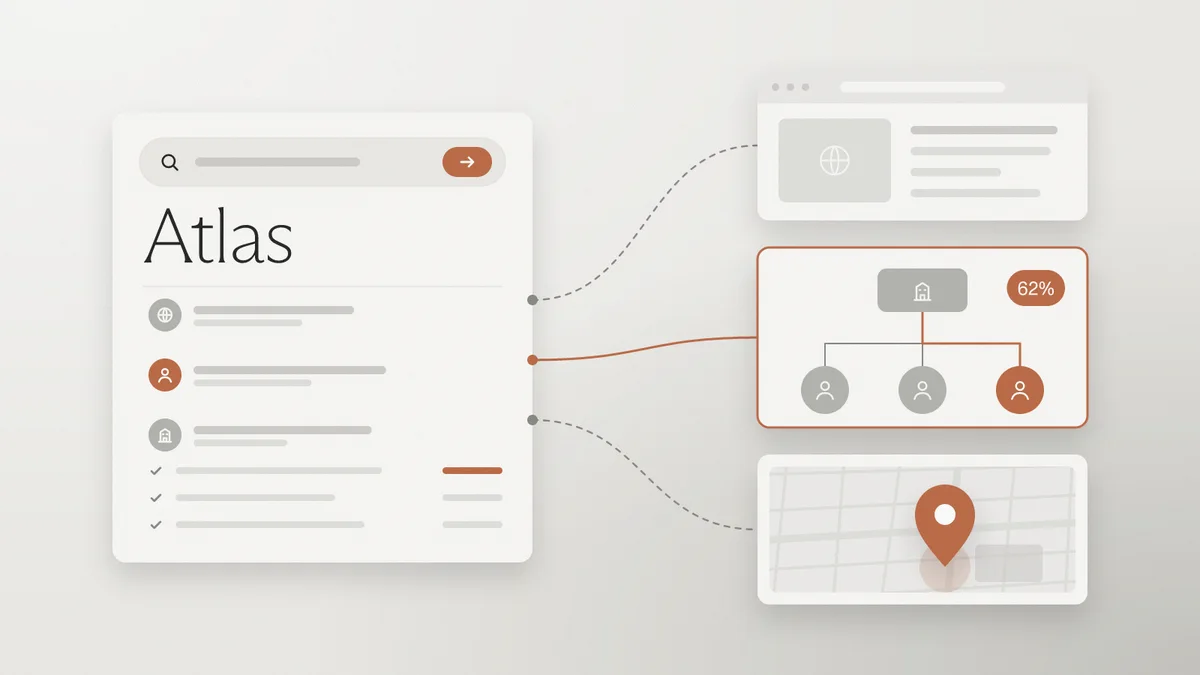
Sphinx Atlas is interactive deep research for KYB. Agents investigate websites, ownership, and addresses in real time.
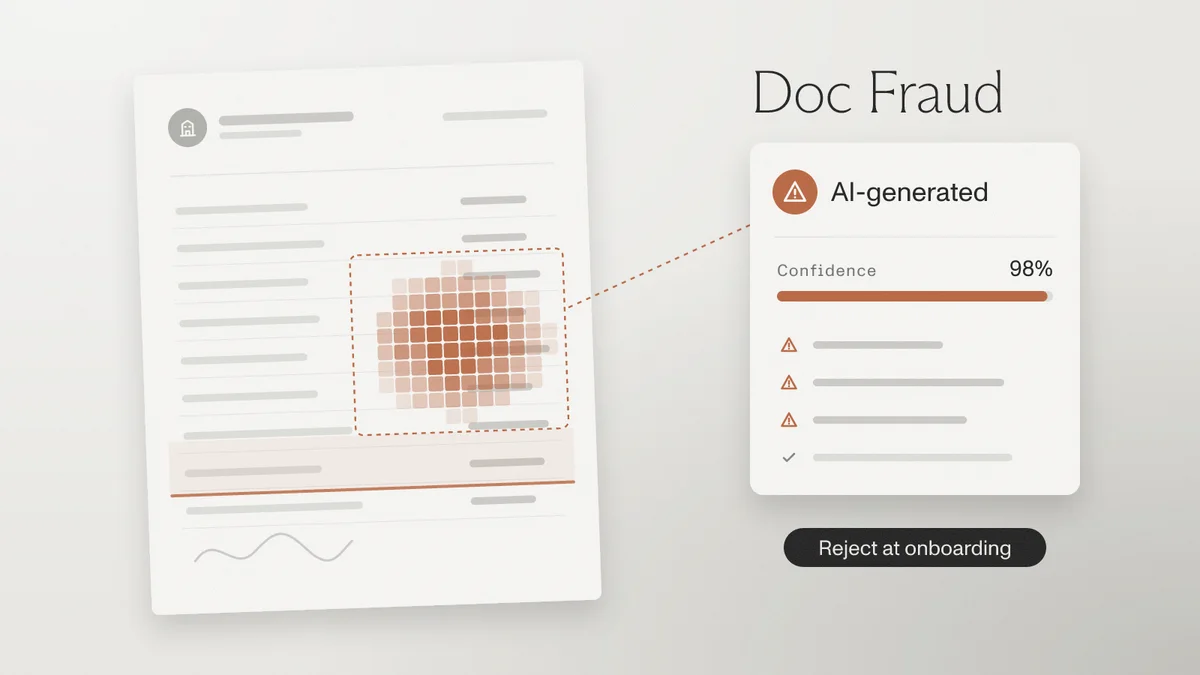
Sphinx detects AI-generated and forged documents at onboarding, catching fakes that legacy tools miss. Live for banks and fintechs.
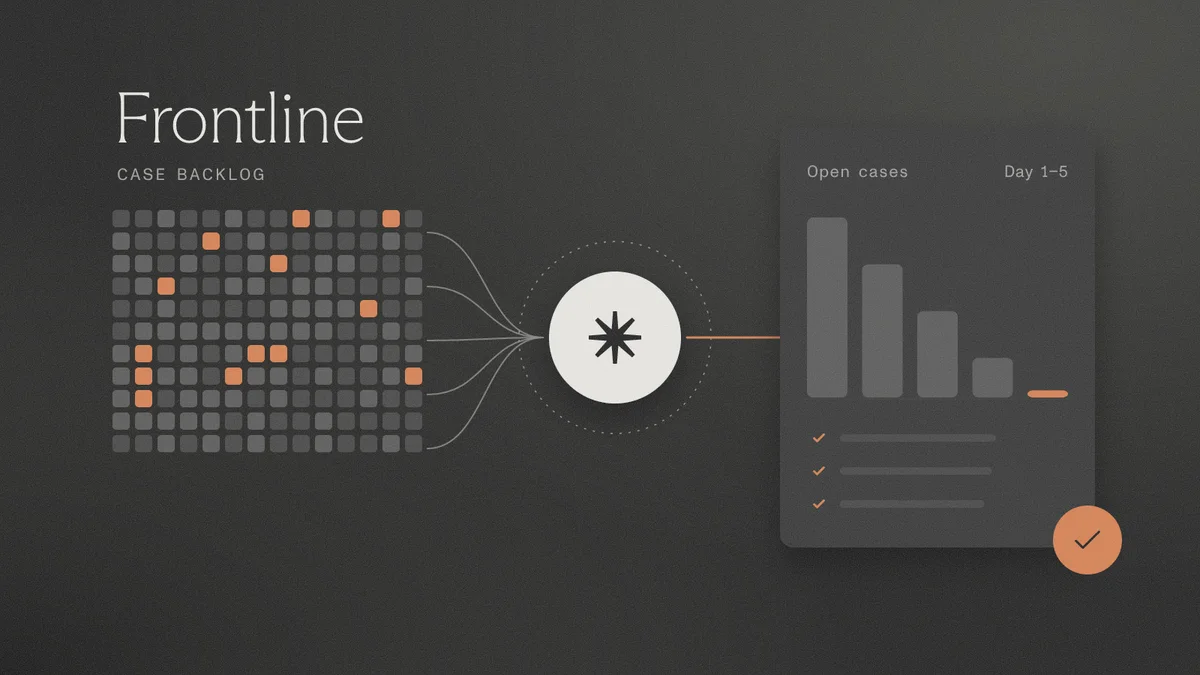
Sphinx Frontline cuts bank compliance case review time by 80% and clears thousand case backlogs in days.
Try another keyword or explore a different topic.